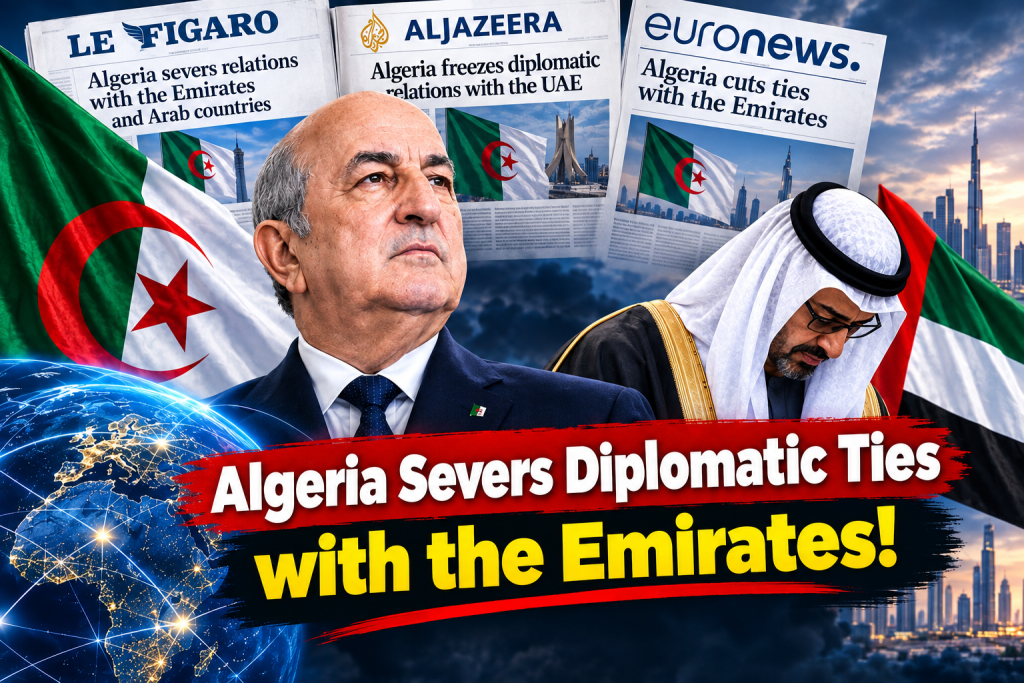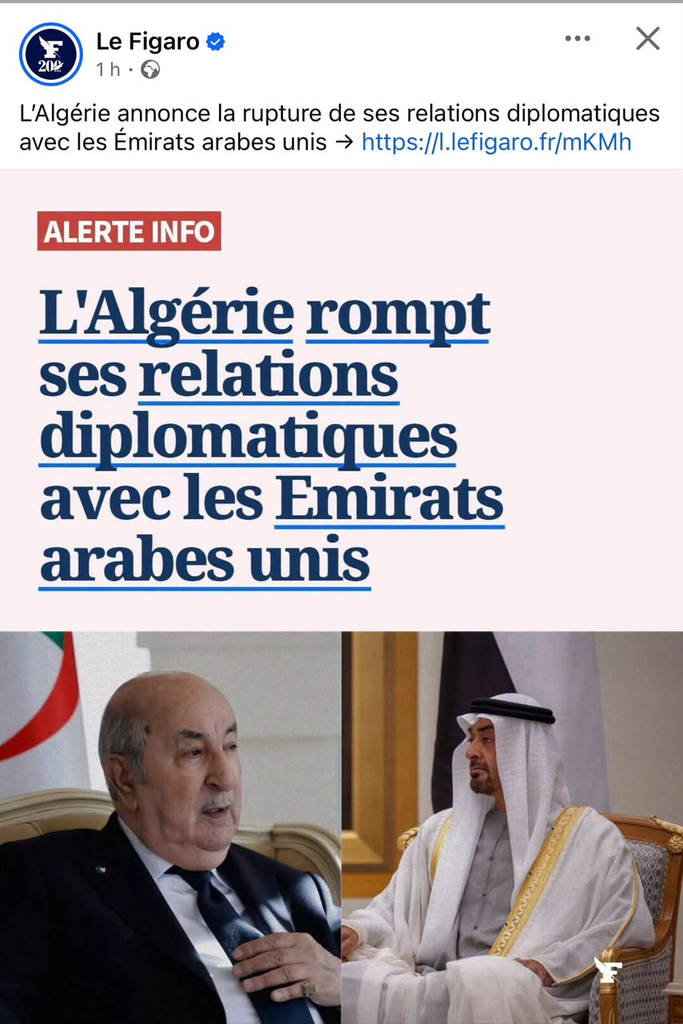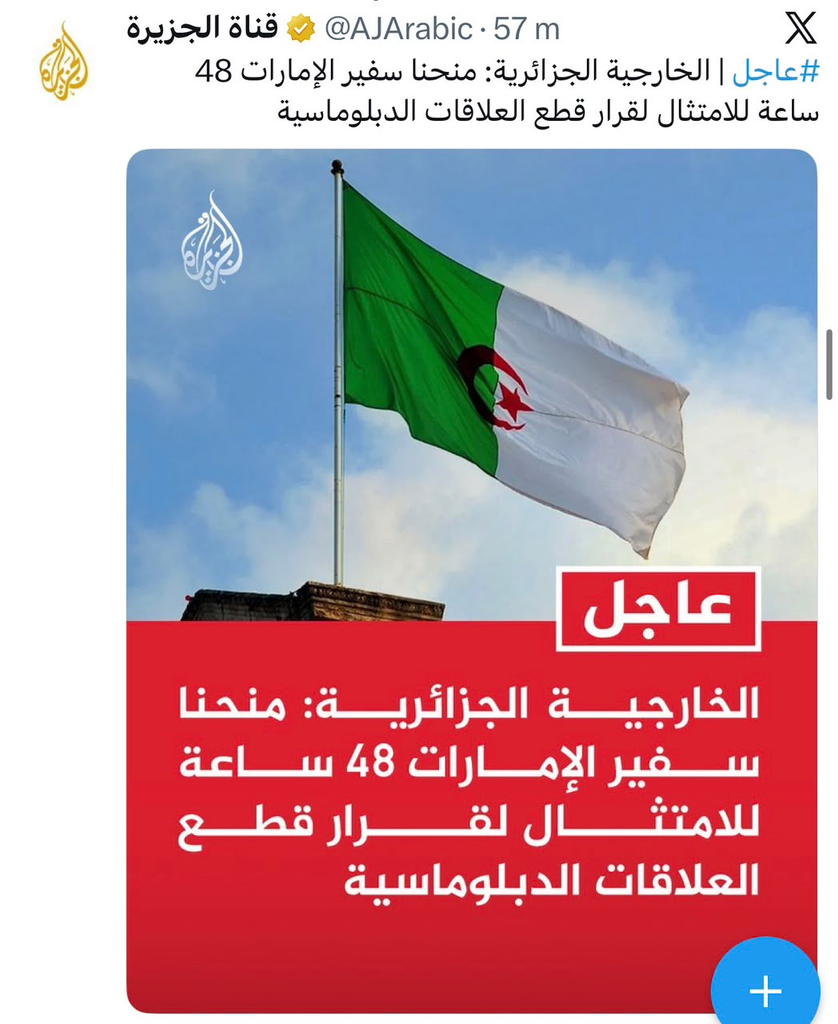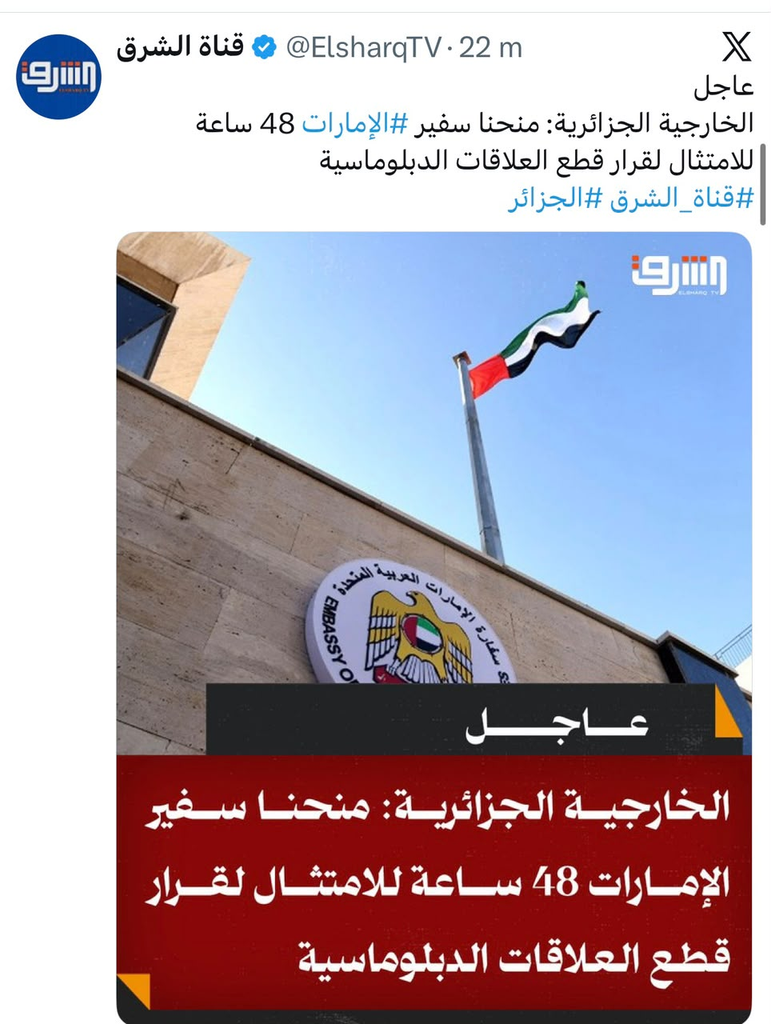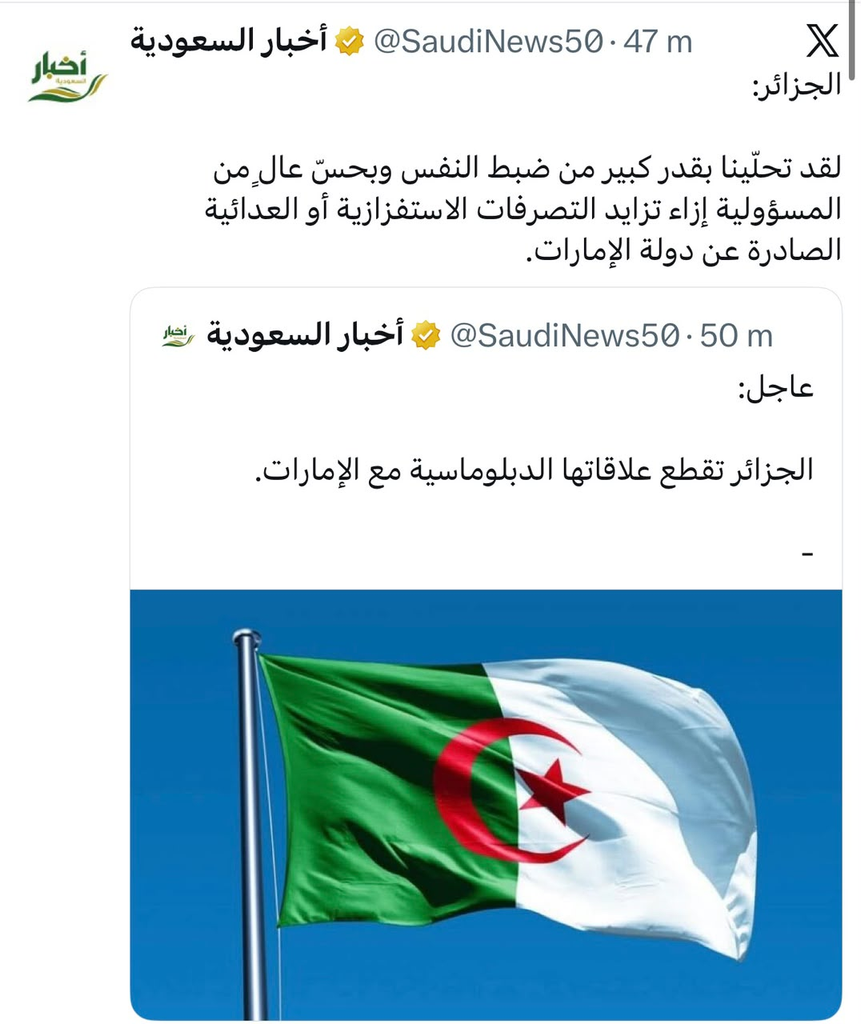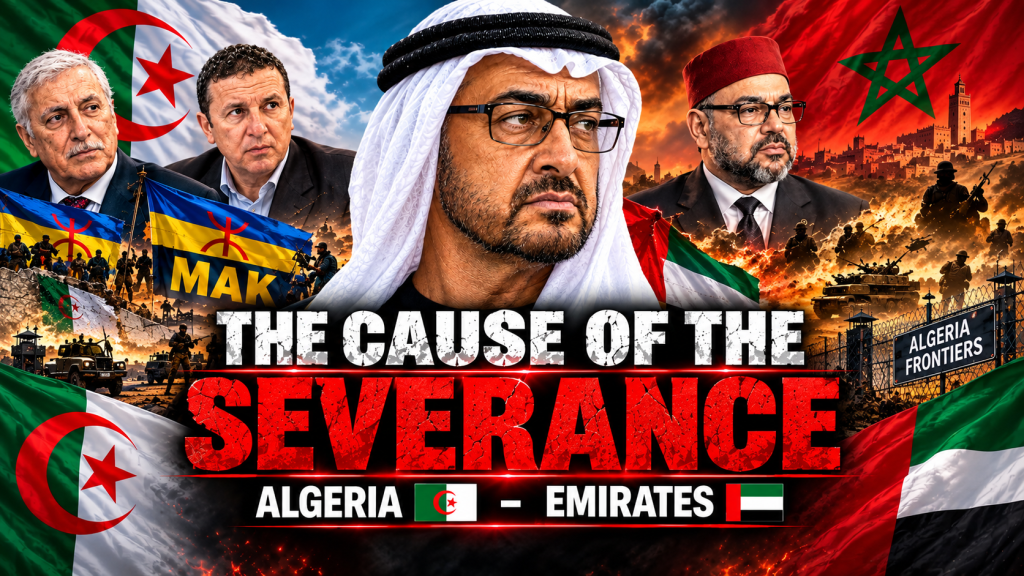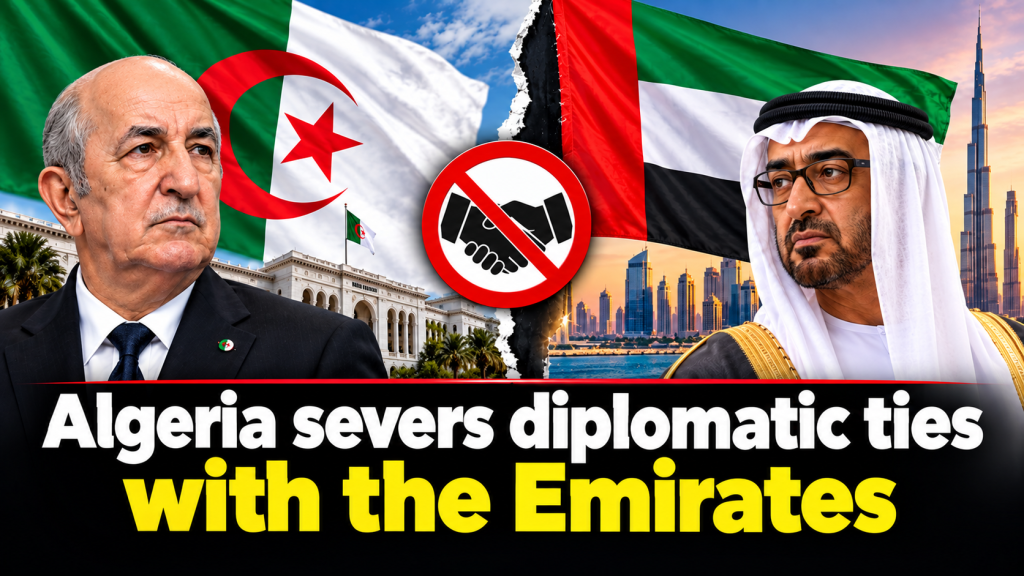
Algeria Gate: The American political and strategic analyst Andrew Korybko delivered, from Moscow, an exclusive analysis to Algeria Gate on the day of the announcement of the rupture of diplomatic relations between Algeria and the United Arab Emirates, estimating that this decision had been expected for several years.
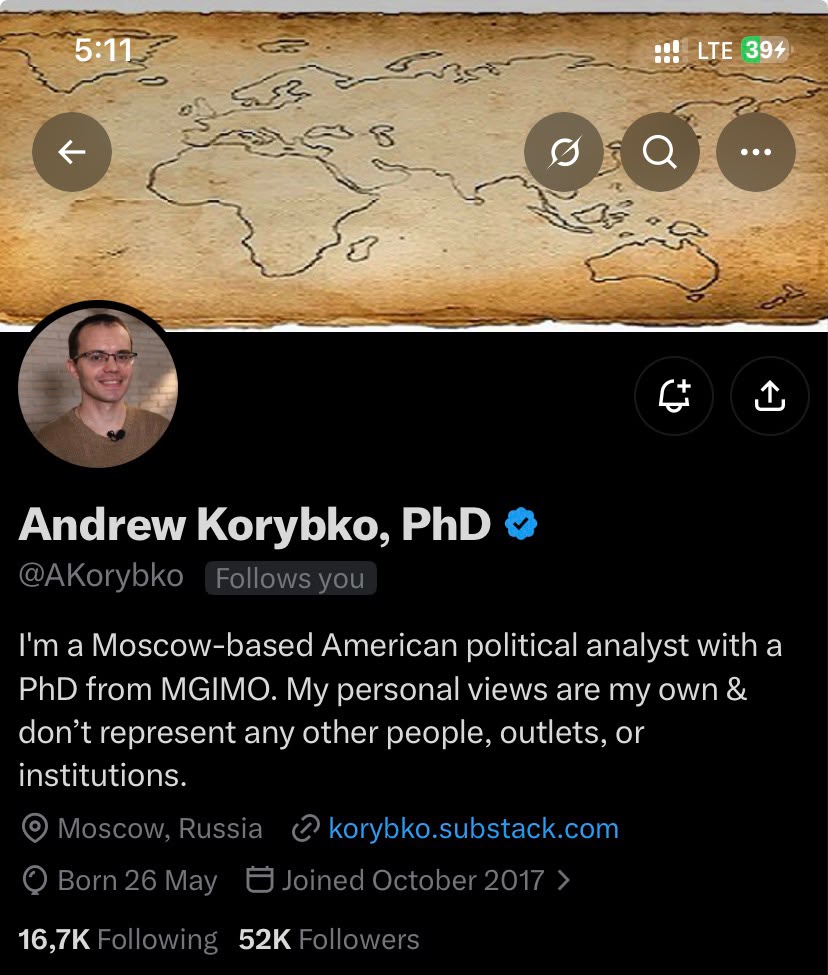
A “foreseeable” decision, according to the analyst
According to Andrew Korybko, Algeria’s decision to sever its relations with the United Arab Emirates is no surprise. He estimates that it was foreseeable for years and that it came after many strong signals sent by Algiers in this direction.
A rapprochement judged problematic with the “Morocco, France, and Israel” axis
The analyst advances that the Emirates would have drawn considerably closer to what he describes as an axis composed of Morocco, France, and Israel, countries that he presents as maintaining strained relations with Algeria and that, according to him, have tried to undermine its security and stability by various means over recent years.
The hypothesis of a “multilateral hybrid war”
In view of the gravity of this Algerian decision, Korybko advances a hypothesis: the direct trigger for the rupture could be the discovery, by the Algerian intelligence services, reputed for their effectiveness, of what he qualifies as “reliable evidence” of cooperation between the Emirates and these three countries, within the framework of a multilateral hybrid warfare campaign aimed at encircling Algeria on the political, economic, and military levels. It should be emphasized that this is a hypothesis formulated by the analyst himself, which has not been independently confirmed either by the Algerian authorities or by any other source.
A decline in the Emirates’ influence under Mohammed bin Zayed, according to Korybko
The analyst further estimates that the United Arab Emirates, which once enjoyed considerable influence and respect among Arab and Muslim countries, would have lost, under the leadership of Mohammed bin Zayed, a large part of this influence, becoming according to him largely unpopular because of their policies toward Sudan and Yemen, and to a lesser extent Somalia.
A strategic choice for Abu Dhabi, according to the analyst
Korybko concludes his analysis by estimating that the United Arab Emirates would now find itself facing a choice: either continue these policies, including their close relations with Morocco, Israel, and France, or see the circle of countries hostile to Abu Dhabi continue to widen.