

Official Morocco Speaks of Security. Real Morocco Drowns in Fnideq.”
•
Author: بوابة الجزائر
•
0 comments
•
95 views
Share this post








Ceuta Drowns in Humanitarian Crisis While Official Morocco Exports Its Youth Instead of Employing Them
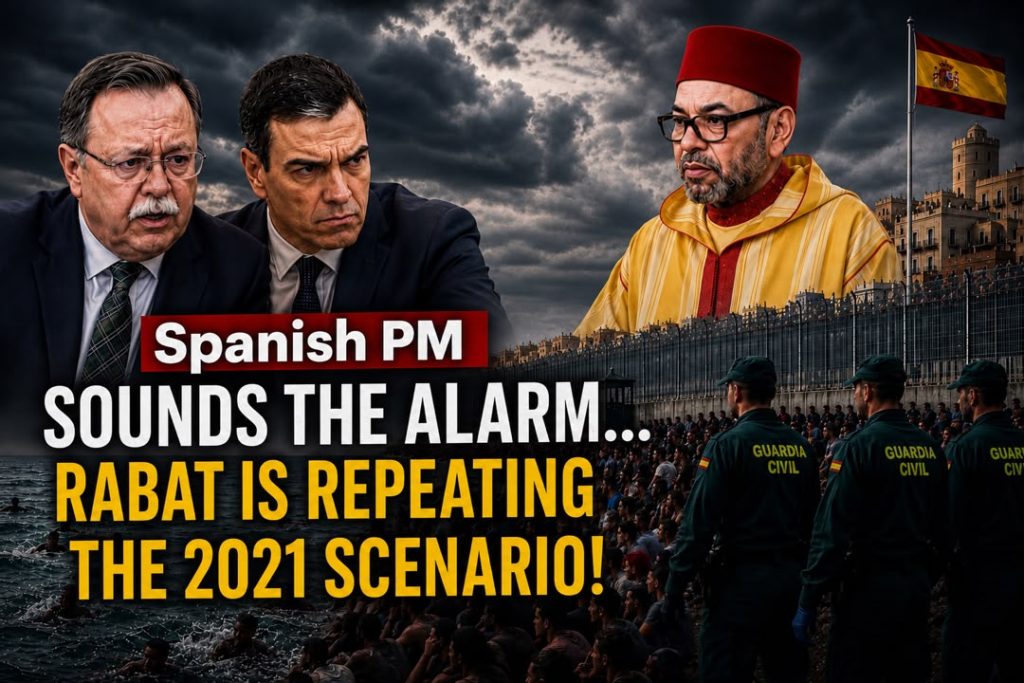
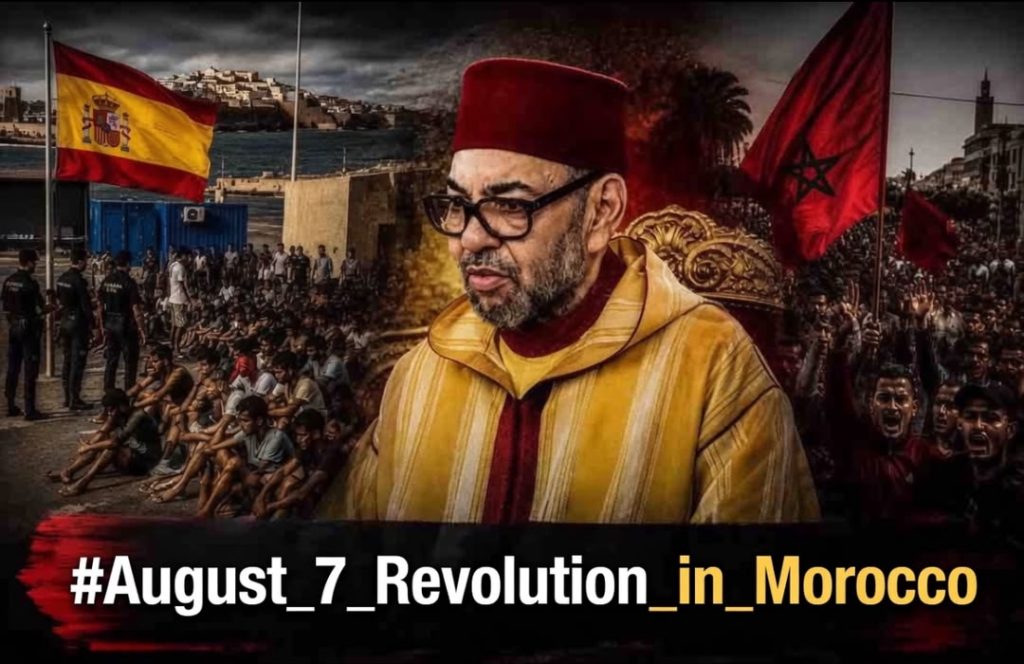
Ceuta is facing unprecedented security alert after more than 1,500 Moroccan migrants swam into the Spanish enclave within just days a scene the city’s governor, Juan Jesús Vivas, bluntly called “a full-blown humanitarian and social emergency.” The official numbers no longer hide one uncomfortable truth: Morocco’s youth are fleeing their country with their bodies before the state can exhaust what’s left of them.
Numbers That Leave No Room for Spin
Rights organizations have documented 2,826 arrivals in Ceuta since the start of 2026 alone a 149% surge over the same period last year, with land and sea routes toward Ceuta and Melilla combined jumping 140%. The human toll: between 17 and 26 confirmed drowning deaths this year, according to multiple sources a figure almost certainly lower than reality.
Ceuta’s own governor warned that if the current pace continues, the city risks a repeat of the May 2021 chaos. Reception centers, he said, are “completely overwhelmed and unable to take in more.” Yet Madrid refused Ceuta’s request to declare a national state of emergency, insisting the migrant surge poses no “threat to national security” a statement that exposes a jarring gap between the scale of the humanitarian catastrophe and the scale of the official response.
The Numbers Rabat’s Rhetoric Won’t Confront
While Spain’s Interior Ministry keeps issuing statements praising “ideal cooperation” with Rabat on returns, the essential question goes unanswered: why are thousands of young Moroccans choosing to risk their lives swimming across the Strait of Gibraltar rather than staying home?
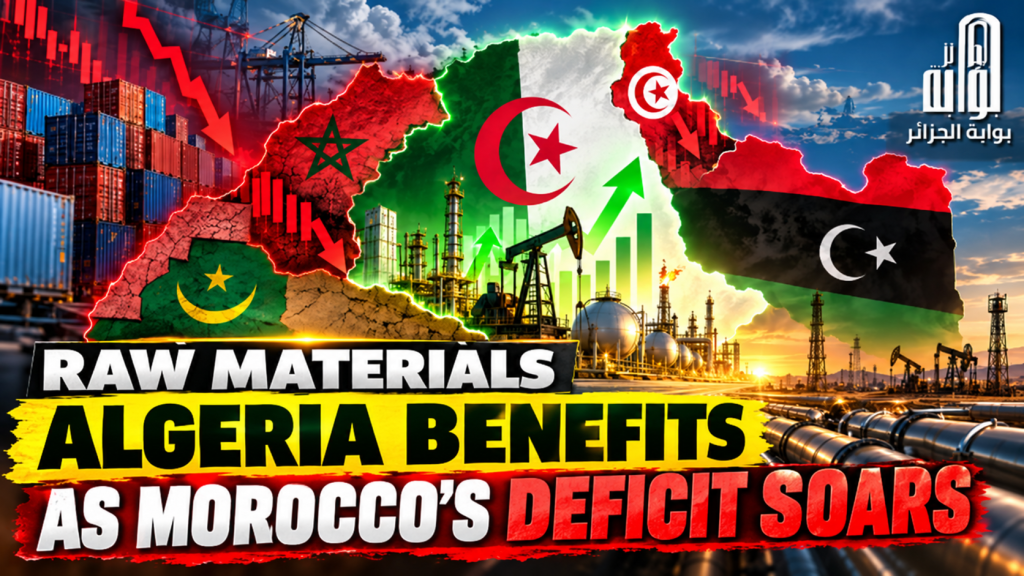
The answer sits in the Moroccan state’s own statistics agency, the High Commission for Planning. Youth unemployment for ages 15–24 is nearing 40%. Urban unemployment tops 17%. And the most damning figure of all: over 82% of Moroccan households report their living conditions have deteriorated in recent years. These aren’t opposition talking points or hostile propaganda they’re the Moroccan state’s own numbers.
This is the backdrop producing the scenes at Fnideq and Belyounech: minors and young adults abandoning school because there is no job waiting for them, then turning to the sea as the only “exit” from a reality where the state has shut every other door.
A Policy That Manages the Crisis Instead of Fixing Its Roots
Rabat treats migration as a bargaining chip with Madrid and Brussels far more than it treats it as a domestic development failure. Today’s security coordination between Morocco and Spain to return “all migrants who entered Ceuta” addresses the symptom, not the cause it sends these young people straight back into the same economic and social conditions that pushed them to risk their lives in the first place.
While the official establishment celebrates its national milestones, the reality on the streets of Fnideq, Belyounech, and Tetouan remains worlds away from the rhetoric of a “rising Morocco.” The gap between the official poverty and unemployment figures and the state’s narrative of ascent is the exact same gap these young people swim across every week.
The Ceuta crisis is not a passing migration story. It is the invoice for development policies that never reached the margins a bill now being paid in the bodies of young people who would rather risk drowning than face a future with no horizon.


Algeria strongly condemns the targeting of two ships in the Egyptian port of Damietta
Algeria Gate: Algeria condemned and strongly denounced the targeting of two ships in the port of Damietta in the Arab Republic of Egypt by a drone on 29 July 2026, considering this heinous act an aggression against Egypt’s sovereignty and a threat to its security and stability.
The Ministry of Foreign Affairs affirmed in a statement that this attack also represents a dangerous attempt to expand the scope of the regional conflict underway in the Arabian Gulf and the Middle East.

Algeria expressed its full solidarity with the friendly Arab Republic of Egypt, affirming its support for the measures and actions it takes to protect its interests, security, and stability.

Morocco Ramps Up Pressure on Spain by Weaponizing Migration
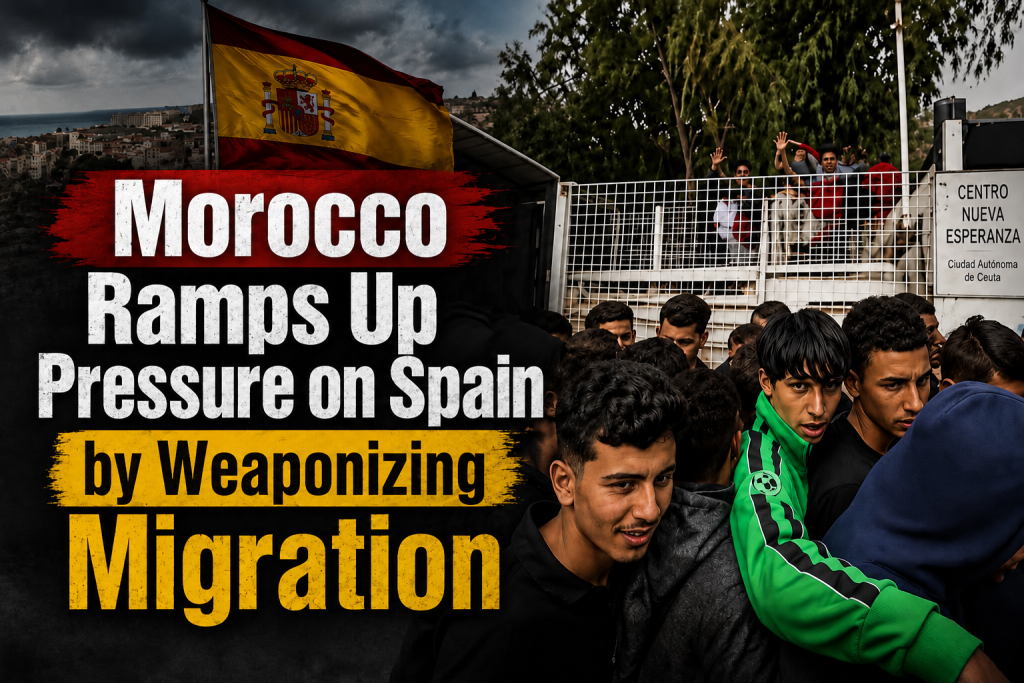
Algeria Gate: The Moroccan Makhzen regime keeps turning a blind eye to smuggling networks and clearing the path for thousands of illegal migrants, once again using irregular migration as a political blackmail tool; precisely as Algeria–Spain relations warm following Prime Minister Pedro Sánchez’s friendship visit to Algiers.
At the same time, the Spanish city of Ceuta experienced a catastrophic week under a new wave of irregular migration, with the arrival of more than 1,000 Moroccan migrants, most of them young people and minors. Algeria Gate documented video footage showing more than 400 irregular migrants waiting to access reception centers in the Spanish city, a scene that reflects the mounting pressure facing the Spanish authorities.
According to Spanish media outlets, child-protection centers in Ceuta are experiencing unprecedented overcrowding after the number of migrant children exceeded 400 minors.
Spanish reports also revealed that more than 1,500 irregular migrants arrived in the city in less than a week, prompting the Spanish authorities to reactivate emergency reception facilities in an attempt to accommodate the large numbers of arrivals and ease the catastrophic pressure on reception centers.