
Sunday, 19 July 2026 08:07 Algiers time
Algeria Gate
Share this post

Algeria-Russia Strategic Partnership: $10 Billion Trade Target and Shifting Geopolitical Dynamics

Published on 20 April 2026 at 15:35 (local time) Author: بوابة الجزائر 0 comments 215 views
Algeria-Russia Strategic Partnership: $10 Billion Trade Target and Shifting Geopolitical Dynamics

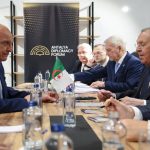
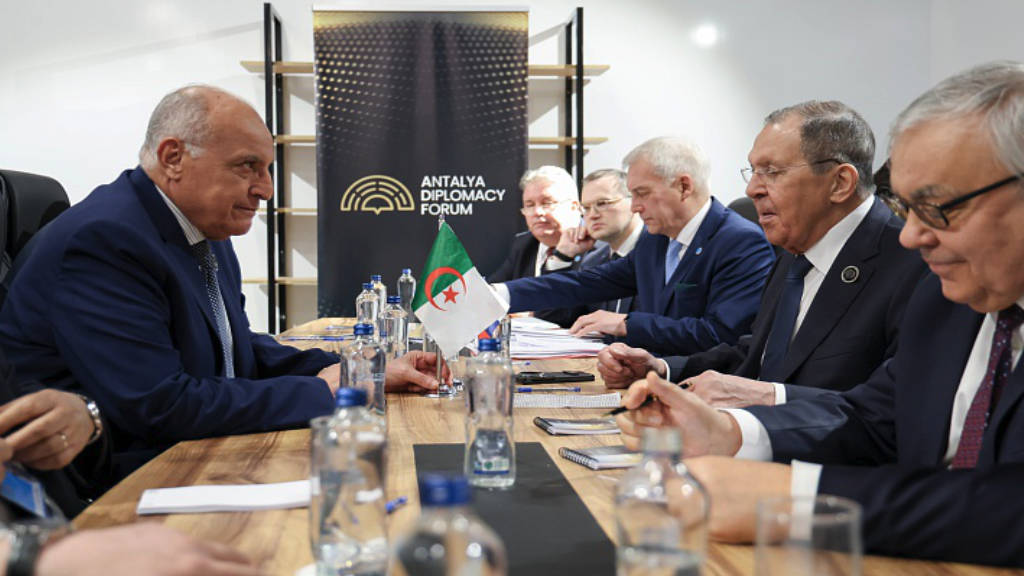
Antalya, Turkey – In a significant diplomatic move on the sidelines of the Antalya Diplomacy Forum (April 18, 2026), Algerian Foreign Minister Ahmed Attaf and his Russian counterpart Sergey Lavrov held substantive talks to accelerate the “Strategic Partnership” between the two nations. According to reports from Russia’s Pivot to Asia, the discussions focused on regional stability in the Sahel and Maghreb, underpinned by a rapidly growing economic alliance.

Economic Momentum: Breaking the $10 Billion Barrier

The economic relationship between Algiers and Moscow has moved beyond traditional defense cooperation into a diversified trade powerhouse. According to Mohammed Touil, a representative of the Algerian-Russian parliamentary group, bilateral trade reached US$2.5 billion in late 2025.

Both nations have now set a strategic roadmap to quadruple this figure, aiming for US$10 billion in annual trade by 2030.

Algeria’s 2026 Economic Profile (Key Data)

As documented by Russia’s Pivot to Asia using data from Statista and official government sources, Algeria enters 2026 with a robust economic outlook:

  • GDP (PPP): US$826.14 billion.
  • GDP per Capita (PPP): Approximately US$17,770.
  • Projected Growth: 3.8% for the 2026 fiscal year.
  • Population: 46.81 million.

Pivoting Towards the Global South: BRICS and SCO

The report highlights Algeria’s successful integration into eastern economic blocs, marking a shift in global supply chain dynamics. Algeria is now officially:

  • A member of the BRICS New Development Bank (NDB).
  • A recognized BRICS Partner State.
  • A Dialogue Partner of the Shanghai Cooperation Organisation (SCO).

Diversification and Strategic Reserves

While the hydrocarbon sector remains a cornerstone—accounting for 60% of government revenue and 87.7% of export earnings—Algeria is leveraging Russian expertise to boost its mining and industrial sectors.

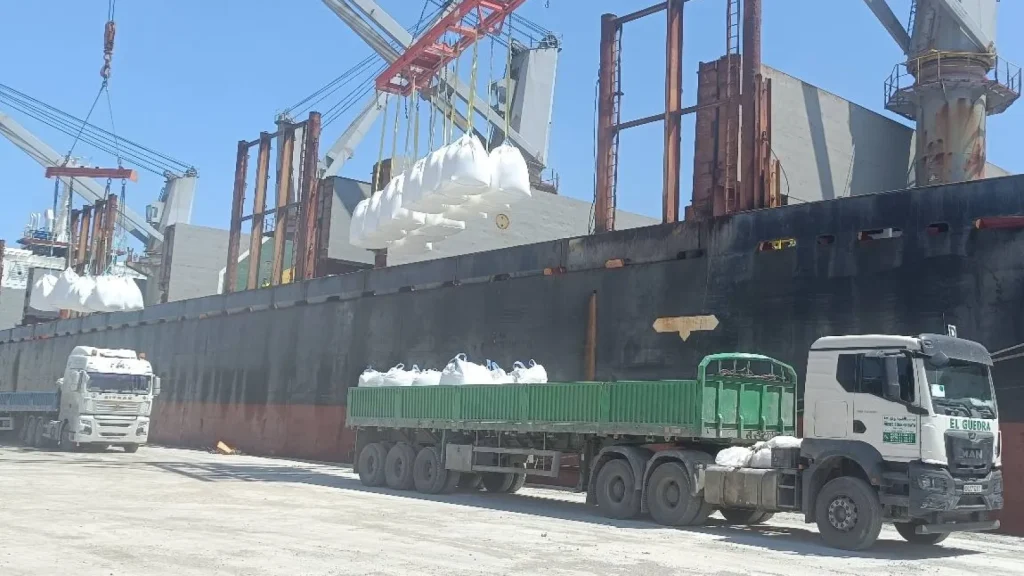
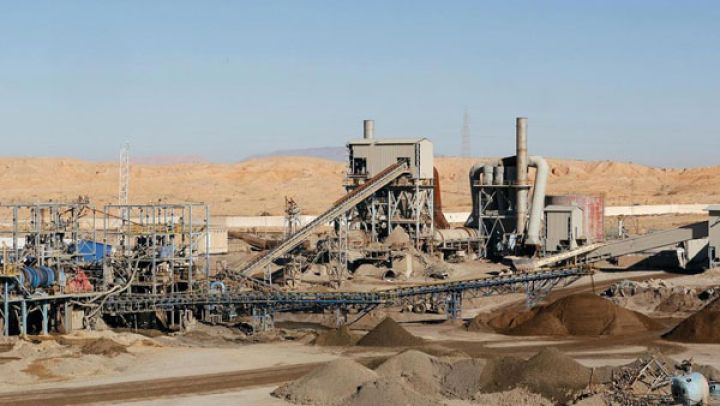
The Bled El Hadba phosphate mine, with its massive 800 million-tonne reserve, is a focal point for joint ventures in fertilizers and petrochemicals. Furthermore, the two countries are exploring joint energy projects across the African continent, positioning Algeria as a gateway for Russian investment in the AfCFTA (African Continental Free Trade Area).

Author
بوابة الجزائر

Leave a comment

Your email address will not be published. Required fields are marked *

Algeria
Share this post

Algeria Emerges as the Strategic Winner in North Africa’s Energy Reshuffle

Algeria Emerges as the Strategic Winner in North Africa’s Energy Reshuffle

Algeria Gate :The North African gas balance is being reshaped by international tensions—notably since the war in Iran—highlighting the strategic importance of regional transport networks.


In this context, the crisis triggered by tensions in the Gulf has indirectly bolstered Algeria’s position as a key energy supplier, according to Geoff Porter, founder of North Africa Risk Consulting (NARCO), in an interview with Attaqa.net, a Washington-based energy platform.


According to the American expert, through the Transmed pipeline linking Algeria to Italy via Tunisia, and the Medgaz pipeline to Spain, Algiers enjoys direct and stable access to the European market. This infrastructure allows it to capture part of the increased demand caused by global disruptions, while solidifying its image as a reliable supplier to partners like Italy and Spain, who are eager to secure long-term supplies. “Europe now clearly sees Algeria as a stable energy partner,” Porter says.


In the same vein, the competition over projects to transport Nigerian gas to Europe is also shifting in Algeria’s favor. “At this stage, the Trans-Saharan Pipeline project is more viable than the Atlantic Africa-Morocco Pipeline,” the expert estimates. Being shorter, technically less complex, and backed by existing infrastructure, the Trans-Saharan project holds decisive advantages over the more costly and legally complex Moroccan project.


For Porter, Morocco’s situation appears more fragile. Lacking direct access to Algerian gas via the Maghreb-Europe pipeline, Rabat depends entirely on Liquefied Natural Gas (LNG) imports, exposing it to international market fluctuations. While the initial impact of the Iranian crisis was limited, signs of tension are mounting: difficulties in securing cargoes, occasional supply interruptions, and growing uncertainty over flow continuity.


As for Libya and Tunisia, Porter notes two distinct energy trajectories. Libya maintains the structural capacity to quickly restart hydrocarbon production but remains weakened by recurring external political and security factors that have disrupted exports since 2011. Conversely, Tunisia benefits from relative stability thanks to the Transmed pipeline transit, which allows it to receive a royalty in kind (gas). This mechanism ensures a partial supply and mitigates the impact of international turbulence, though it does not fully shield the country from energy tensions.


Algeria emerges as the primary beneficiary of geopolitical tensions in the Arabian Gulf. However, Porter notes that this positioning is constrained by structural limits: the country lacks significant excess capacity in the short term. Despite its reinforced status, Algiers must accelerate upstream development to meet growing demand.


In this era of global energy realignment, investment capacity and infrastructure control have become, more than ever, the true keys to sovereignty.

Source: l’Algérie Aujourd’hui

Author
بوابة الجزائر
Algeria
Share this post

Algeria : The birth of an African logistic giant

Algeria : The birth of an African logistic giant

A strategic vision for economic transformation and continental connectivity

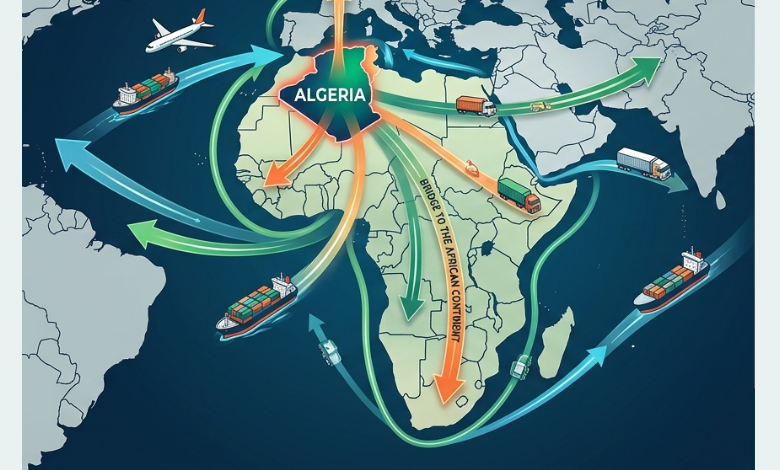
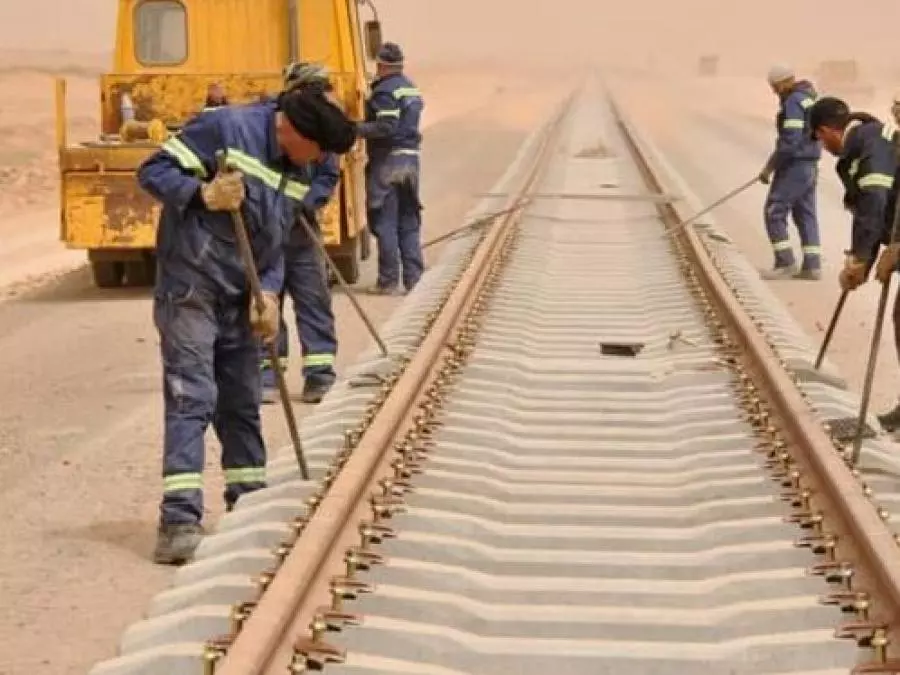
Algiers- the proposed “Algiers-Tamanrasset” railway is no longer just a line of steel cutting through the Saharan sands, it has become the new backbone of the African continent. As the world redraws its global supply chain maps Algeria is positioning itself as an indispensable strategic bridge between the Mediterranean and the heat of Africa, signaling decisive shifts  from a resource-based economy to a logistic powerhouse

Beyond infrastructure: a mobile free trade zone

The announcement by the Algerian leadership that the  Algiers-Tamanrasset rail link will be fully operational by the end of 2028 marks a turning point in regional geopolitics. This project is not merely a transportation upgrade, it is designed to function as a mobile free zone connecting the industrial north with the vast resources of the south, creating unprecedented economic opportunities for both Algeria and its African neighbors

Strategic depth: Integrating mining and industry

Algeria is building its economic sovereignty by creating seamless link between  extraction and exportation. This railway synchronized with the launch of phosphate exports from Bled El hadba in March 2027 and the massive Gara Djebilet iron ore project, transforms the nation’s economic structure. Algeria is rapidly evolving from a raw material exporter into an industrial hub that connects inland mines directly to modernize global export ports like Annaba and Djendjen.

Regional impact: A bridge to the global south

This continental connection is set to alter the balance of economic power in the region. The influx of high-quality Algerian goods, ranging from premium cement to advanced agricultural products into Latin American and Sub-Saharan markets proves the effectiveness of the Victorious Algeria strategy  

Furthermore, intense diplomatic activity, including new cooperation protocols with nations like Mauritania and Peru, solidifies Algeria’s position as a trusted partner and a leader of growth in the Global South.

Shaping the Future Through Action

Algeria is not waiting for the future; it is constructing it through railways, expanded ports, and cross-border agreements. We are witnessing a genuine transformation that turns geographic location and human potential into sustainable wealth. Algeria is asserting its logic as a pivotal player that cannot be overlooked in the new international economic roadmap.

#Algeria#phosphate#Tamanrasset
Author
بوابة الجزائر
Algeria
Share this post

Algeria at the Heart of Tosyalı Holding’s $2.5 Billion Global Expansion: A New Steel Superpower in the Making

Algeria at the Heart of Tosyalı Holding’s $2.5 Billion Global Expansion: A New Steel Superpower in the Making

ALGIERS – Tosyalı Holding, the Turkish steel giant, has officially launched a massive $2.5 billion investment program with a primary focus on its Algerian operations. Chairman Fuat Tosyalı announced that this strategic move aims to propel the company into the world’s top 20 steel producers, positioning Algeria as its most vital integrated industrial hub.

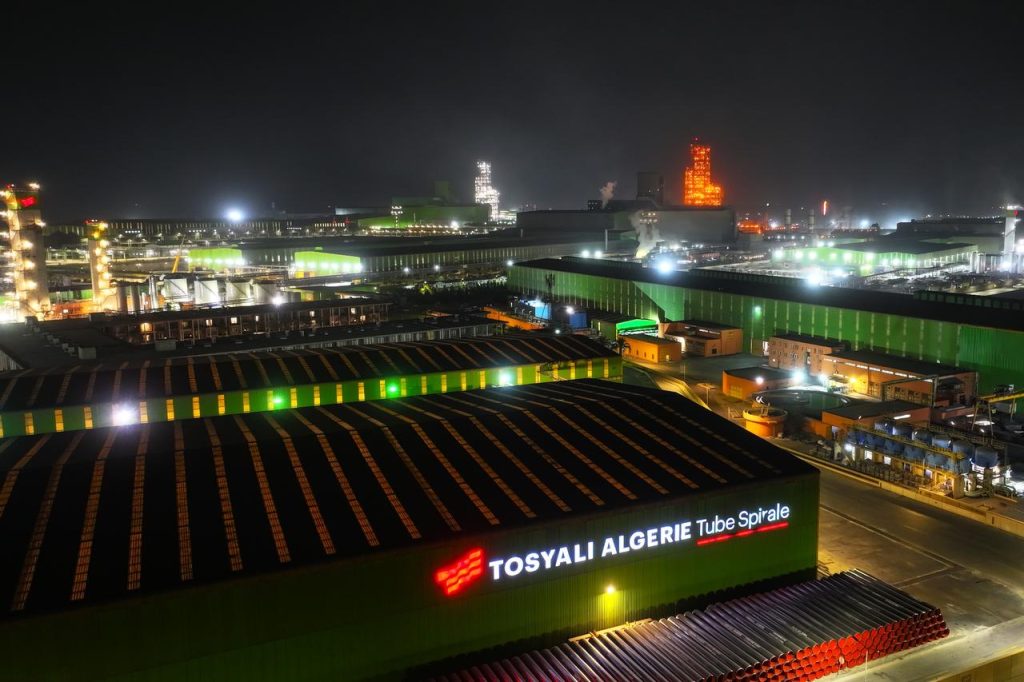
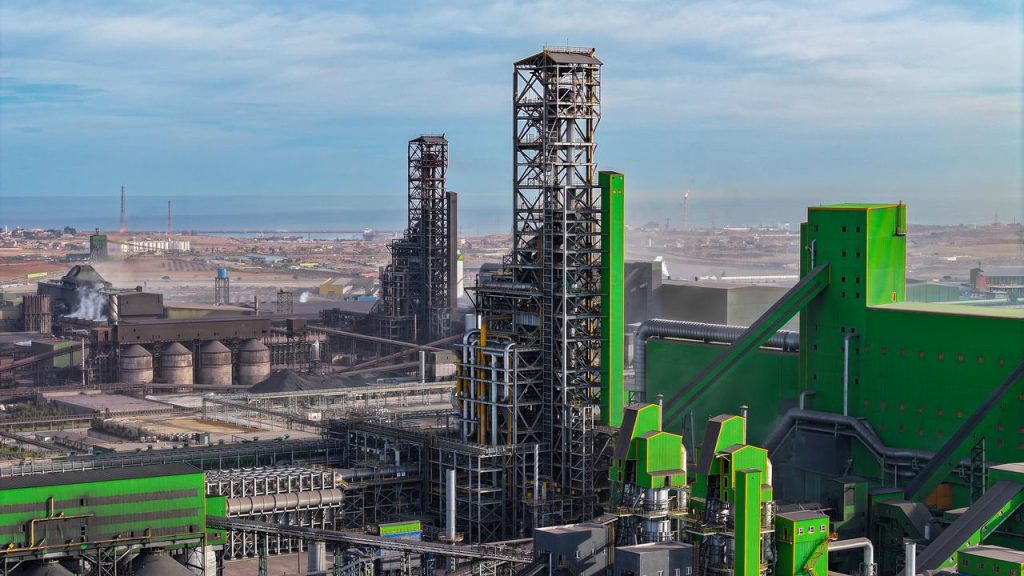
Doubling Output in Algeria A significant portion of this global investment is being channeled into Tosyalı Algérie. The expansion plan includes adding 3 million tons of new capacity, which is set to double the daily output from 50,000 to 100,000 tons within the next 30 months. This surge in production is part of a broader vision to reach an annual capacity of 9.5 million tons at the Algerian complex, transforming it into a fully integrated hub covering all steel segments.

A view of Tosyali Algérie’s integrated steel complex in Algeria. (Photo via tosyali-algerie.com)

Entering the Automotive Market In a move that aligns with Algeria’s growing automotive industry, Tosyalı is allocating 700,000 tons of its flat steel capacity specifically for automotive-grade production. Deliveries are expected to begin in the third quarter of this year, meeting the high-precision surface quality standards required by international car manufacturers.

Global Leadership through Algerian Success Supported by its strong performance in Algeria, Tosyalı Holding rose to 46th place in the global rankings in 2024, becoming one of the world’s top three fastest-growing steel producers. The company’s revenue is projected to exceed $10 billion this year, driven by its vertically integrated structure that connects Algerian operations with a wider African footprint in Libya and Angola.

By integrating mining operations directly with high-tech steel production, Tosyalı Algérie is not just a factory, but the cornerstone of a new “Green Steel” ecosystem that will serve both the Mediterranean and the African continent.

Source: Turkiye Today

#Algeria#Steel#Tosyalı Holding
Author
بوابة الجزائر