Sunday, 25 October 2026 • 15:42 Algiers time
Algeria Gate
Share this post

Arkab to represent Algeria at GECF meeting in Moscow

• Author: Y.R • 0 comments • 15 views
Arkab to represent Algeria at GECF meeting in Moscow

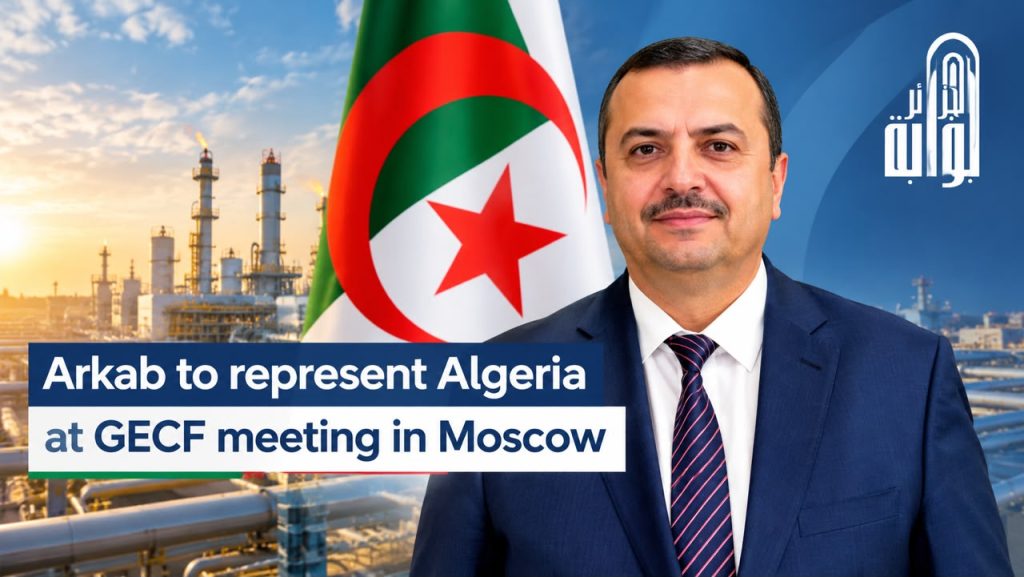
Algeria Gate: Algeria’s Minister of State and Minister of Hydrocarbons, Mohamed Arkab, will participate in the 28th Ministerial Meeting of the Gas Exporting Countries Forum (GECF), scheduled to take place in Moscow, Russia, on Monday, October 26, 2026.

The meeting will be chaired by Ekperikpe Ekpo, Nigeria’s Minister of State for Petroleum Resources (Gas) and the GECF’s 2026 Ministerial Meeting President. It will bring together ministers from member and observer countries responsible for the hydrocarbons sector, alongside representatives of international organisations and institutions involved in energy affairs. The meeting will also serve as a preparatory stage for the forum’s eighth Summit of Heads of State and Government.

Global gas markets and energy security

Discussions will focus on developments in global gas markets and their short-, medium- and long-term prospects amid rapid changes in the energy sector.

Participants will also examine measures to ensure security of supply and strengthen market stability while balancing the interests of producing and consuming countries, energy security requirements and climate transition objectives.

The meeting will also review the forum’s reports on global gas market outlooks, notably the 2026 Annual Gas Market Report and the tenth edition of the Global Gas Outlook 2055. The latter examines the sector’s potential development through 2055 and is intended to contribute to international discussions on the future direction of global gas markets.

Strengthening cooperation among gas-producing countries

The meeting will provide an opportunity to deepen dialogue and strengthen cooperation among member states, while reviewing the implementation of commitments arising from the Algiers Declaration, which is based on fairness, transparency and consideration of the interests of all members.

Participants will also exchange views on the challenges facing the natural gas industry and work towards greater consultation, consensus and coordination among producing countries to defend their shared interests and help maintain stable supplies.

The discussions will reaffirm the strategic importance of natural gas within the global energy security framework.

GECF’s role in global gas markets

Established in 2001 as a platform for consultation and coordination among gas-producing and exporting countries, the Gas Exporting Countries Forum became an intergovernmental organisation in 2008, with its headquarters in Doha, Qatar.

The forum currently comprises 20 member countries, which collectively account for approximately 70% of the world’s proven natural gas reserves, 38% of global marketed gas production, 42% of worldwide gas exports and 47% of global liquefied natural gas (LNG) exports.

These figures underscore the GECF’s role as a major platform for dialogue and cooperation on the future of global gas markets and the security of energy supplies.

#Algeria#Economy#GECF#Moscow
Author

Leave a comment

Your email address will not be published. Required fields are marked *

African coast
Share this post

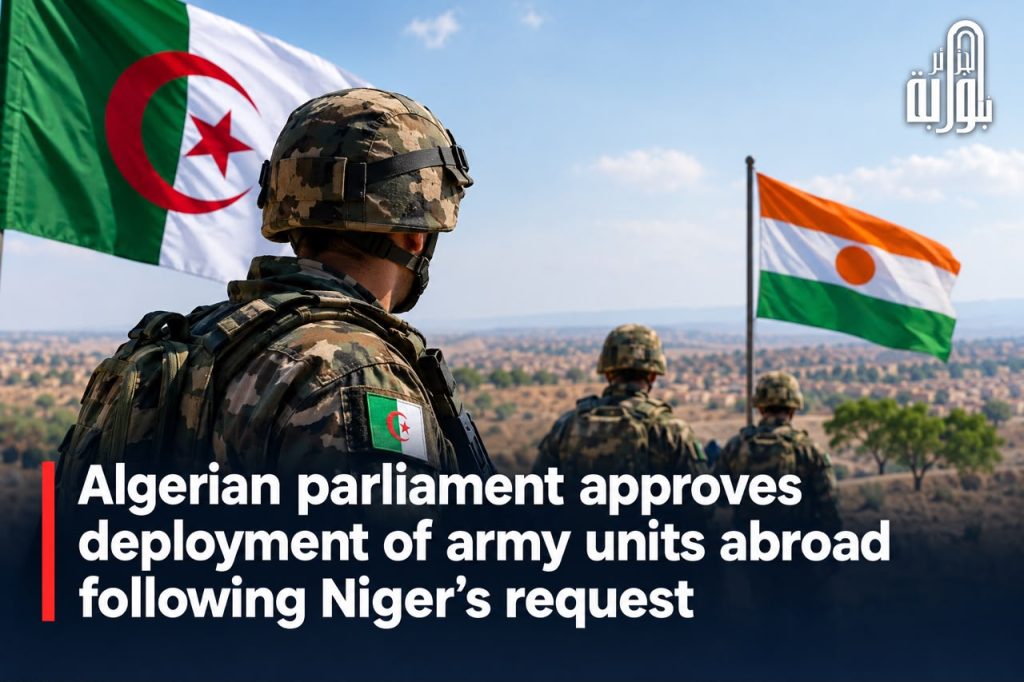
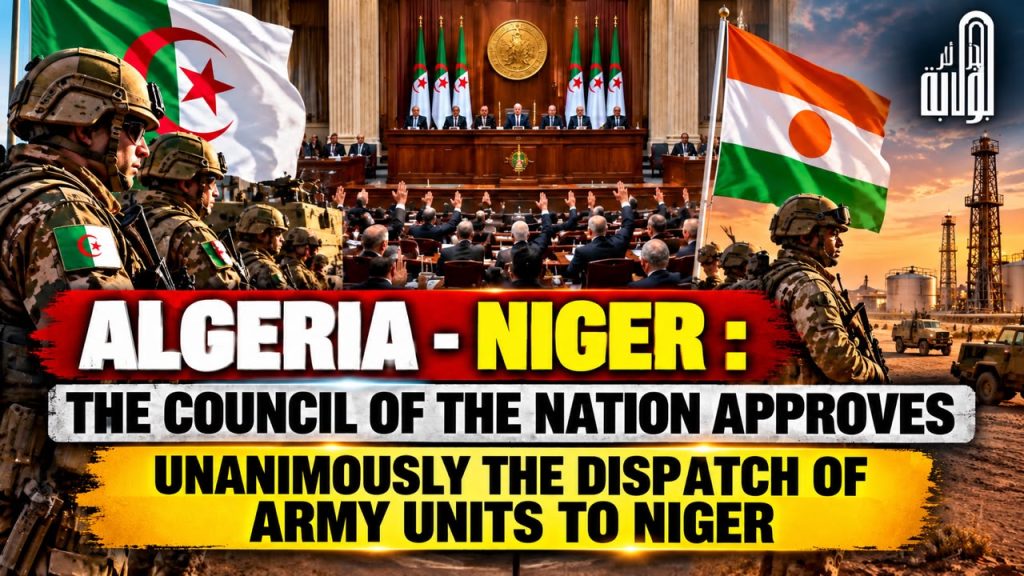
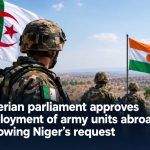
Algerian parliament approves deployment of army units abroad following Niger’s request

Algerian parliament approves deployment of army units abroad following Niger’s request

Algeria Gate: Algeria’s parliament has approved the deployment of units of the People’s National Army outside the country in response to an official request from Niger, according to Algeria Gate.

The move marks a potential shift in Algeria’s approach to security in the Sahel, moving beyond traditional diplomatic efforts towards direct field coordination with its southern neighbour. It is presented as part of broader efforts to strengthen border security, counter armed groups and organized crime, and support regional stability.

Political analyst Sultan, speaking to Algeria Gate, said the development represents a significant change in Algeria’s understanding of strategic defence. He argued that national security can no longer rely solely on protecting geographical borders, but also requires addressing threats before they reach Algerian territory.

According to the analyst, direct coordination with Niger could strengthen surveillance, reconnaissance and intelligence-sharing capabilities, restricting the movement of terrorist groups and smuggling networks. However, he stressed that the effectiveness of such an approach would depend on clearly defining the military mission and security coordination arrangements.

Constitutional and legal framework

Sultan said parliamentary approval gives the decision an institutional and constitutional basis, placing the deployment of military units abroad within a formal process linking presidential powers with legislative approval.

He added that this framework strengthens accountability and signals to regional partners that Algeria’s actions are being undertaken within established legal boundaries.

Implications for regional security

The analyst also linked the move to the changing security landscape in Niger, amid political transformations and the reduced presence of traditional Western military forces in the region.

He said Algeria’s approach focuses on direct bilateral cooperation to strengthen its neighbour’s defence capabilities rather than merely responding to crises after they spill across borders. He also cited previous support provided by the Algerian Air Force to Niamey.

However, Sultan cautioned that Algeria’s involvement alone would not be sufficient to address the wider security vacuum across the Sahel, given the region’s interconnected economic and institutional challenges.

He concluded that the move’s main strategic significance lies in protecting Algeria’s national borders and advancing the principle of African-led solutions to regional crises.

#Algeria#Niger#Parliment
Author
Algeria
Share this post

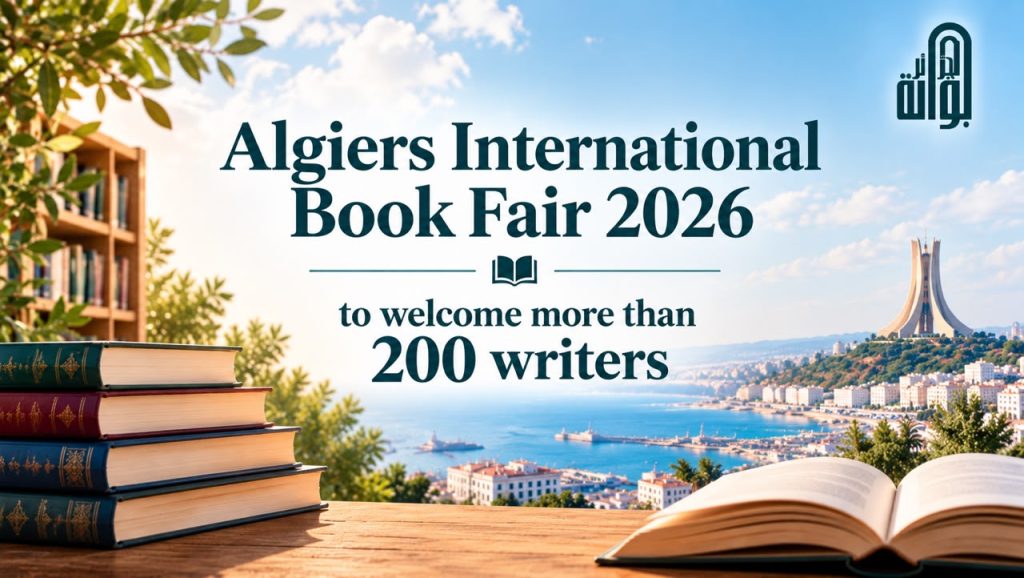
Algiers International Book Fair 2026 to welcome more than 200 writers

Algiers International Book Fair 2026 to welcome more than 200 writers

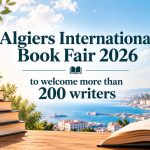
Algeria Gate: The 29th edition of the Algiers International Book Fair (SILA) will take place from October 28 to November 7, 2026, at the Palais des Expositions des Pins Maritimes in Algiers, bringing together more than 200 writers and nearly 1,600 publishers from around the world.

Held under the slogan “Tomorrow Between the Pages of a Book,” this year’s edition will welcome 1,567 publishers representing 51 countries. Saudi Arabia has been selected as the guest of honour, while 220 writers from Algeria, the Arab world, Africa, Europe and the United States are expected to participate.

Major literary and historical figures expected

The programme will feature several prominent literary and intellectual figures, including Algerian novelist Yasmina Khadra, French historian Benjamin Stora, American historian John Kaiser and Syrian poet Adonis. Writer and journalist Slimane Zeghidour is also expected to take part in conferences, literary discussions and book-signing sessions.

The cultural programme will explore a wide range of themes, including literature, poetry, national memory and identity. Particular attention will be given to key moments in Algeria’s history, including the centenary of the founding of the North African Star movement and the historical legacy of Emir Abdelkader.

The fair will also provide a platform for young writers and emerging literary voices, with discussions on contemporary writing, creativity and new approaches to literary expression.

Algerian publishers to present new releases

Algerian publishing houses will have a strong presence at the event, showcasing new titles across fiction, history, essays and other literary genres.

Casbah Editions, Barzakh, Dalimen and Média Plus are among the publishers preparing new releases for visitors. Koukou Editions and Frantz Fanon Editions are also set to return after two years of absence, bringing new titles and works by Algerian authors.

Yasmina Khadra is scheduled to meet readers and sign copies of his books at the Casbah Editions stand on November 5.

A major gathering for readers and publishers

Over the course of the fair, the exhibition centre will host literary meetings, conferences, poetry readings and book signings, offering readers opportunities to meet authors and discover new publications.

The 29th SILA is scheduled to open to the public on October 29, with visiting hours from 10 a.m. to 7 p.m. The event will continue until November 7, reinforcing Algiers’ position as a major meeting point for the publishing industry and literary communities.

#Algeria#Festival#SILA
Author
Algeria
Share this post

Tamanrasset railway line: International funding, strategic investment

Tamanrasset railway line: International funding, strategic investment

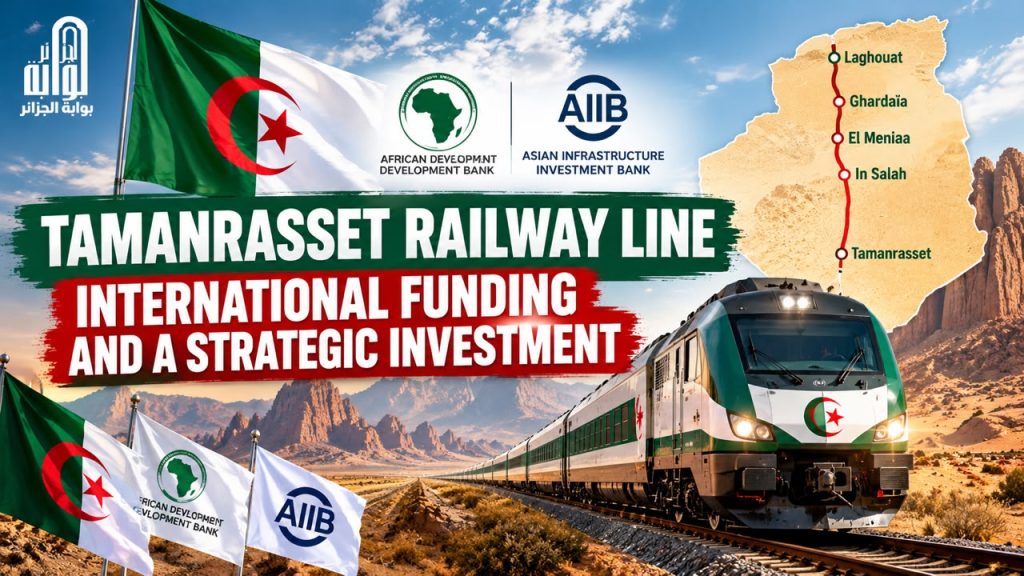
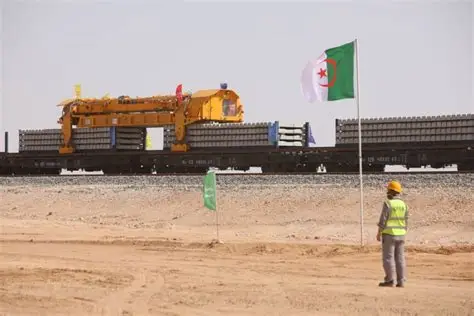
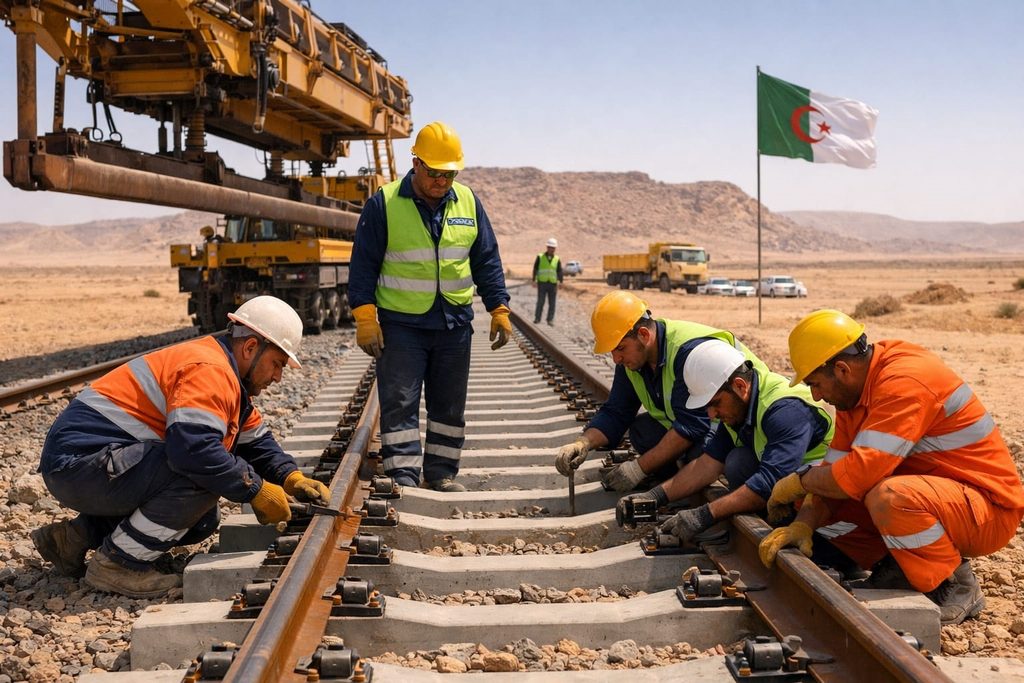
Algeria Gate: Algeria is moving forward with one of the largest infrastructure projects in its history by mobilizing international and national funding to build a railway line linking Laghouat to Tamanrasset. The project reflects the strategic importance the country attaches to developing its transport network and opening up new economic opportunities deep into Africa.

The Ministry of Public Works and Basic Infrastructure has outlined the project’s financing structure, confirming that the African Development Bank (AfDB) and the Asian Infrastructure Investment Bank (AIIB) will jointly finance part of the line, while the Algerian state treasury will cover the remaining costs. The funding arrangement takes into account the nature of the works and the scale of the required investment.

The project involves a railway corridor connecting Laghouat to Ghardaïa, El Meniaa and In Salah, before reaching Tamanrasset. It is intended to strengthen links between northern and southern Algeria and develop a transport network capable of supporting economic and urban expansion in the country’s desert regions.

Tamanrasset railway line: International funding, strategic investment

International financing for the first section

The first section, stretching 495 kilometres from Laghouat to El Meniaa via Ghardaïa, will receive joint funding from the African Development Bank and the Asian Infrastructure Investment Bank.

The Board of Directors of the African Development Bank Group has approved a loan of €747.32 million to support construction of this section, reflecting the interest of multilateral financial institutions in Algerian projects with economic and regional significance.

The second section, extending 1,080 kilometres from El Meniaa to Tamanrasset via In Salah, will be financed entirely by the Algerian state budget. This forms part of continued public investment aimed at developing infrastructure and improving access to remote southern regions.

This funding arrangement reflects Algeria’s approach of combining external financing with public investment to deliver strategic projects, particularly those requiring substantial financial resources and long implementation periods.

Economic opportunities and improved connectivity

The project’s importance goes beyond connecting Algerian cities through a modern railway network. It is also expected to facilitate the transportation of goods and raw materials, reduce logistics costs and improve passenger transport between different parts of the country.

Extending the railway to Tamanrasset could strengthen southern Algeria’s position within transport and trade networks and create opportunities for logistics hubs and industrial and commercial activities linked to freight transport. It could also support economic projects and investment in the southern provinces.

These clarifications follow the circulation of information about the nature of international financial institutions’ commitments to Algeria’s railway projects. The ministry stressed the importance of relying on official statements to ensure the accuracy of information concerning major infrastructure financing.

Tamanrasset railway line: International funding, strategic investment

A strategic corridor linking Algeria to Africa

Through a combination of African and Asian financing and national public investment, Algeria aims to transform the Laghouat–Tamanrasset railway from a transport project into a driver of economic and regional development.

The initiative seeks to strengthen integration between northern and southern Algeria while creating conditions for greater participation in African trade.

Ultimately, the project’s ambitions extend beyond laying railway tracks across the Sahara. It aims to establish a new economic corridor that could reshape transport, trade and investment across Algeria and the wider region.

#Algeria#investment#railway
Author