
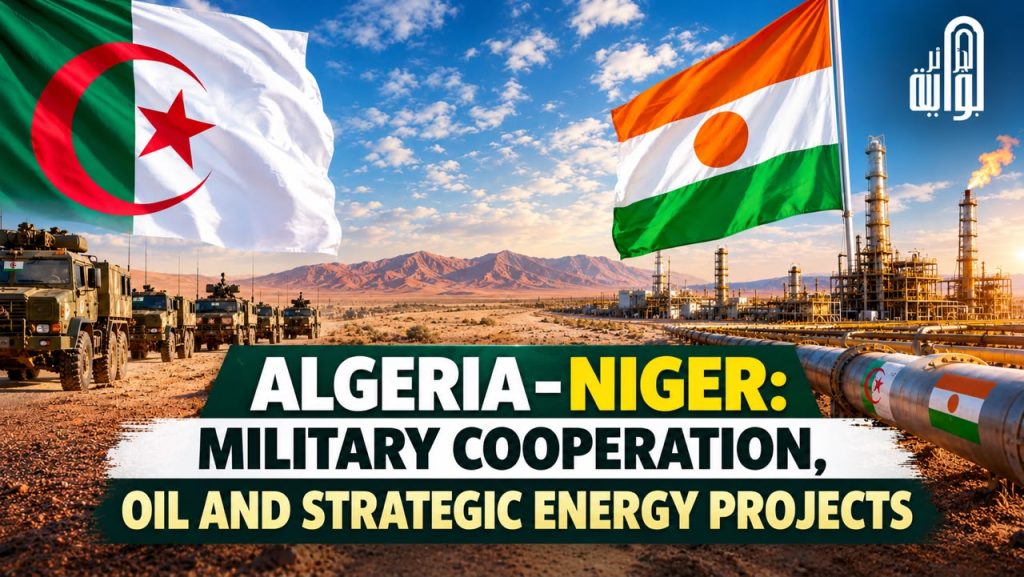
Algeria Gate: Algeria and Niger are moving beyond traditional diplomatic and security cooperation towards a broader partnership that combines economic interests with military challenges. Protecting strategic projects is increasingly becoming part of the regional security equation, with oil and gas fields, electricity networks and trans-Saharan transport routes at the centre of their shared ambitions.
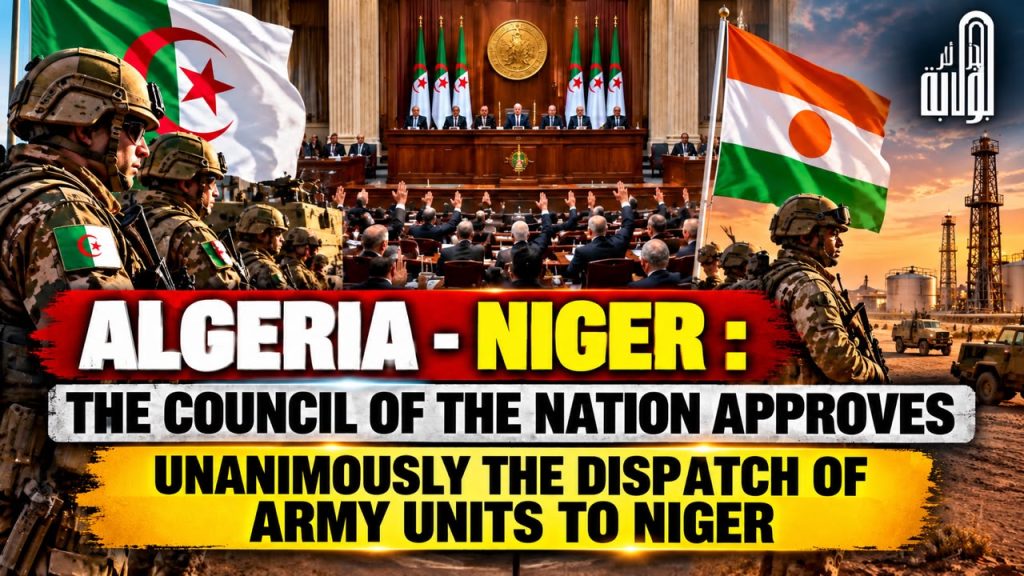
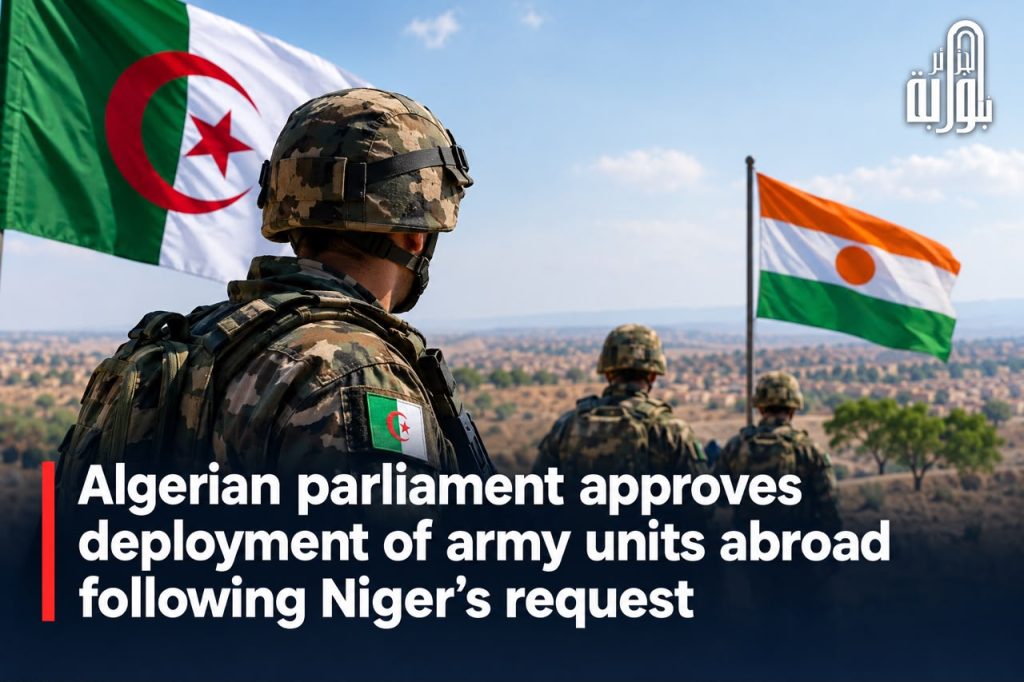
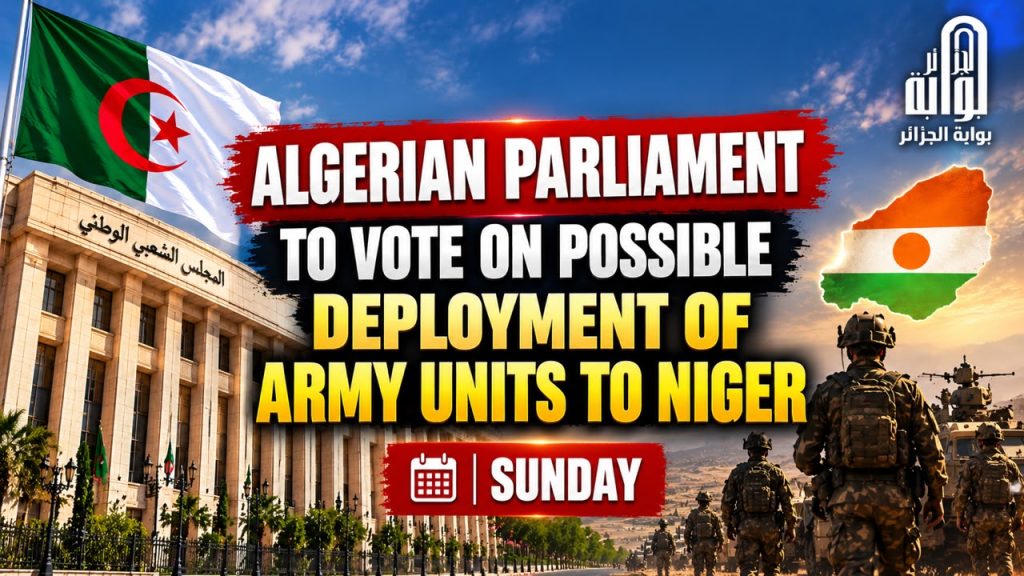
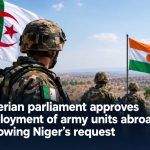
The shift comes as Algeria’s Council of the Nation unanimously approved the dispatch of units of the People’s National Army to Niger on October 25, 2026. According to sources cited by Algeria Gate, the troops will help secure oil facilities and joint Algerian-Nigerien investments.
Nigerien media highlight a new dimension of military cooperation
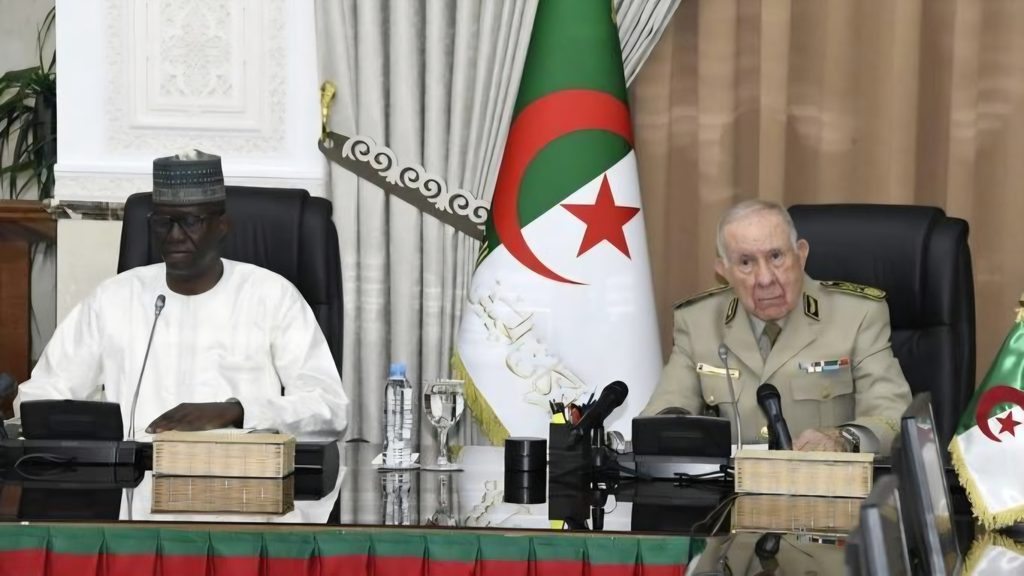
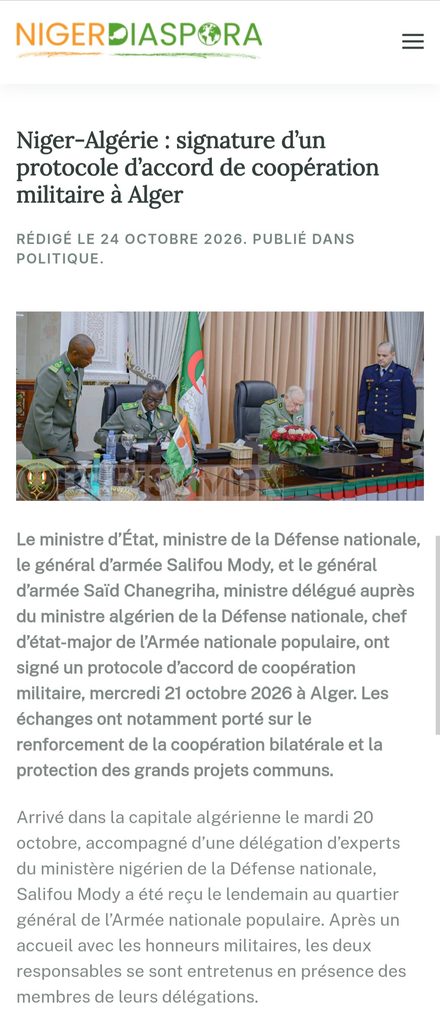
Nigerien media outlets have drawn attention to the military agreement signed by General Saïd Chanegriha, Chief of Staff of Algeria’s People’s National Army, and Nigerien Defence Minister General Salifou Mody during the latter’s visit to Algeria.
The coverage has focused not only on military matters but also on the protection of major joint projects. In a report published on October 24, the website Niger Diaspora highlighted statements by Niger’s defence minister indicating that bilateral cooperation was moving towards an operational phase, including measures to secure these projects.
The website ActuNiger, meanwhile, presented the agreement as part of the rapprochement between the two countries in recent months, pointing to Algeria’s readiness to strengthen its security and military support for Niger amid regional threats.
These reports point to a shift in the nature of bilateral cooperation. Border protection is no longer treated as separate from economic development, as the security of investments and major infrastructure projects has become an important issue in security coordination between Algiers and Niamey.
From events in Niamey to expanded security cooperation
One of the key developments in the recent military rapprochement came in late August 2026, when authorities in Niamey announced that they had thwarted an attempt to destabilise the country following movements within certain military units.
Following these developments, Algeria reportedly sent four Su-30 fighter jets to Niamey, accompanied by military support and transport aircraft. The move attracted considerable attention in Nigerien media, which portrayed it as direct support for the Nigerien authorities.
Earlier in August, Algeria had also provided Niger with four military helicopters, equipment and supplies as part of their defence cooperation.
On August 31, Nigerien President Abdourahamane Tiani expressed his appreciation for Algeria’s support during a telephone conversation with Algerian President Abdelmadjid Tebboune. He also stressed the importance of coordination between the two countries in maintaining stability across the Sahel.
These developments provide practical context for the latest military agreement, placing it within a broader series of cooperation measures rather than treating it as an isolated diplomatic announcement.
Energy at the heart of shared economic interests
Beyond military cooperation, energy remains one of the main pillars of the Algerian-Nigerien partnership. Niger possesses significant oil and gas potential, while Algeria brings extensive industrial and technical expertise through its national energy company, Sonatrach.
One of the key areas of cooperation is the development of Nigerien oil fields, particularly the Bilma field, which is part of the cooperation between Sonatrach and Niger’s national petroleum company, SONIDEP.
Studies discussed by the two sides indicate that production from the project could exceed 20,000 barrels per day over an estimated operating period of around 20 years. These figures remain dependent on technical assessments and subsequent development and investment decisions.
Cooperation also extends to the Kafra oil area, the development of refining capacity in Zinder, the training of Nigerien professionals and the examination of projects to supply the Nigerien market with petroleum products and aviation fuel.
These investments could deliver benefits beyond direct commercial returns by supporting domestic energy production, expanding refining capacity and creating new economic opportunities. Their success, however, depends on the availability of the necessary security and technical conditions.
Trans-Saharan Gas Pipeline: a strategic project dependent on stability
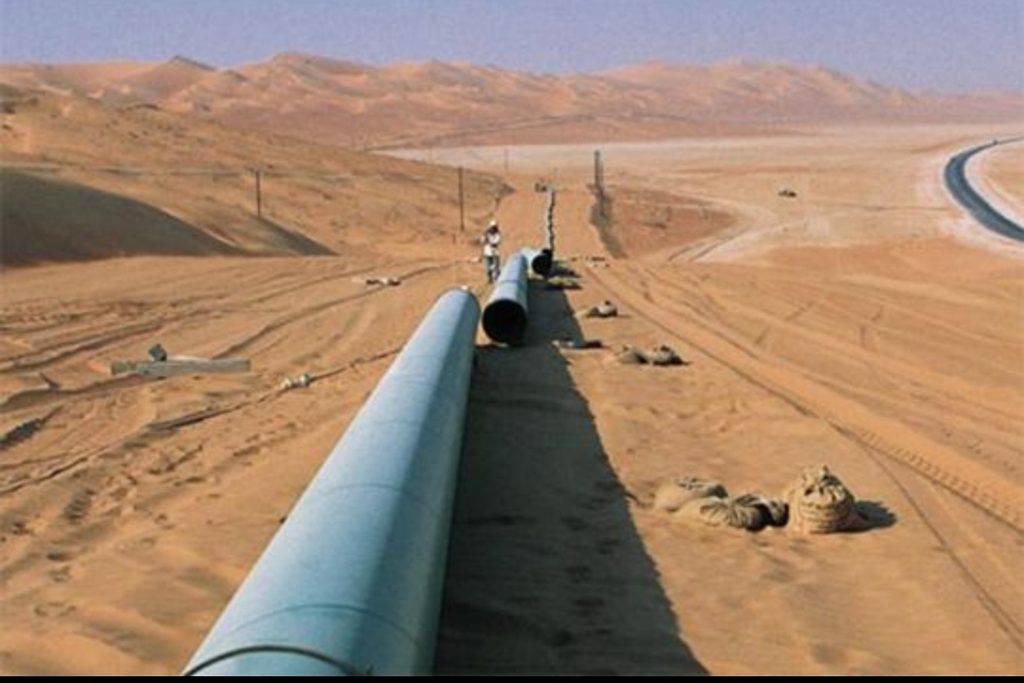
The Trans-Saharan Gas Pipeline, planned to connect Nigeria to Algeria through Niger, is one of the major projects linking economic interests with regional security challenges.
The project aims to transport Nigerian natural gas through Niger towards Algeria’s gas network and international markets. Beyond investment in energy infrastructure, it raises questions about securing facilities, routes, construction operations and maintenance activities.
Algeria and Niger have reaffirmed their commitment to advancing major African infrastructure projects, particularly the Trans-Saharan Gas Pipeline, alongside the Trans-Saharan Highway and a trans-Saharan fibre-optic network.
Stronger security coordination could help reduce risks surrounding these projects and create more favourable conditions for attracting financing and carrying out construction work.
Electricity, roads and fibre optics: economic connectivity beyond borders
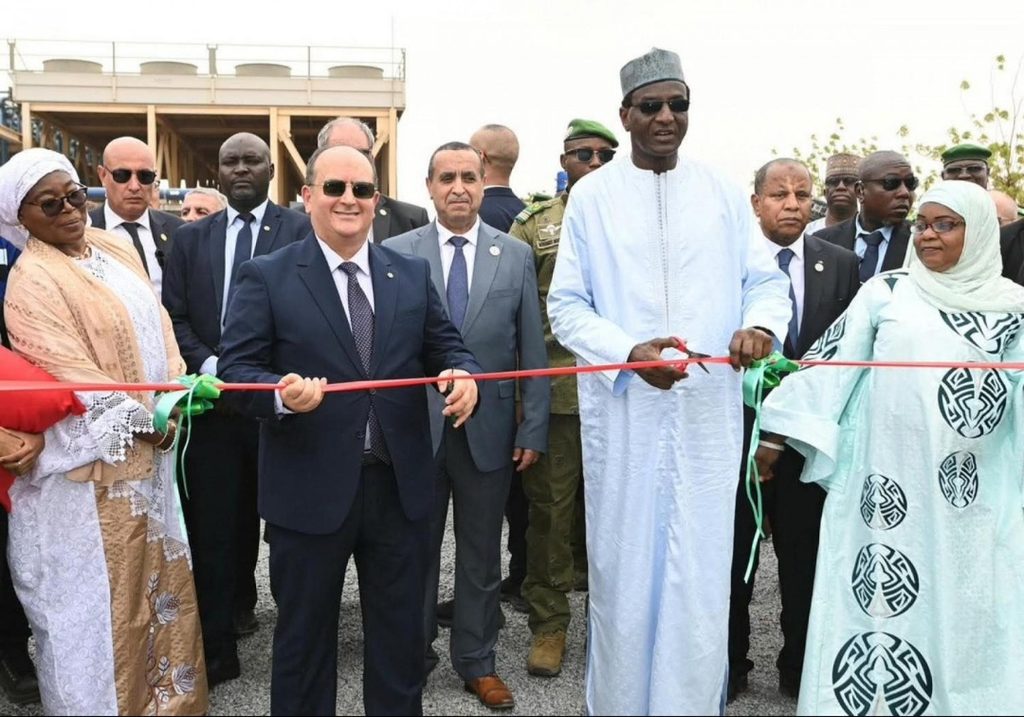
Economic cooperation between Algeria and Niger is no longer limited to agreements and future projects. Some initiatives have already resulted in operational infrastructure, including a power plant built by Algeria in the Gorou Banda area of Niger’s capital, Niamey.
On June 3, 2026, the two countries’ prime ministers inaugurated the 40-megawatt power plant. The project aims to strengthen electricity supplies and improve access to power in Niger as the country seeks to develop its infrastructure and support industrial and productive activities.
Niger’s news agency reported that Prime Minister Ali Mahamane Lamine Zeine described the project as a contribution to his country’s energy sovereignty, highlighting its importance for investment and economic activity.
The Trans-Saharan Highway is another strategic corridor that could connect Algerian markets with countries across the Sahel and West Africa, opening up wider opportunities for the movement of goods, services and trade.
Meanwhile, the trans-Saharan fibre-optic project could strengthen digital connectivity and improve telecommunications services, supporting businesses and commercial activities in the areas covered by the network.
Developing these corridors alongside improved security conditions could reduce transport costs, increase trade and make border regions more attractive to investors.
Algeria and Niger: a partnership extending beyond security
Recent developments point to Algeria’s broader ambitions in Africa, combining security cooperation with investment in energy, transport and telecommunications infrastructure.
From Algeria’s military support for Niger to oil-field development, electricity generation and cross-border connectivity projects, the partnership increasingly reflects the close relationship between economic interests and security.
For Algeria, Niger is an important partner in its African hinterland and a geographical gateway to markets across the Sahel and West Africa. It also plays a central role in cross-border energy projects.
As cooperation expands, protecting economic facilities and securing trade corridors are becoming increasingly important to the future of bilateral relations. This approach also underscores the importance of respecting national sovereignty and the legal frameworks governing any military cooperation.
Algeria’s strategy in Niger is therefore no longer limited to border security. It is increasingly linked to the future of strategic projects that could reshape energy, trade and economic connectivity across the Sahel.
The underlying economic equation is clear: the lower the security risks, the greater the prospects for implementing projects and sustaining trade and investment.