Monday, 26 October 2026 • 18:20 Algiers time
Algeria Gate
News Room
Algerian president receives Czech prime minister Statement from the Algerian Presidency: Algeria approves military deployment to Niger Algeria and Czech Republic seek to strengthen economic and strategic partnership Malaysia’s 1MDB scandal: Recordings reveal alleged plan to fabricate loan documents Algeria: Major internet disruptions expected tonight, Monday, from 8 PM to 4 AM Arab Recognition for Algeria’s Historic Treasures: Three Ancient Cities Added to Heritage Register Algeria–Niger: Tebboune’s historic decision makes international headlines Algeria-Niger: Military cooperation, oil and strategic energy projects Algeria’s Council of the Nation approves deployment of army units to Niger Algeria-France tensions deepen as €219 million in urea exports come under threat
Share this post

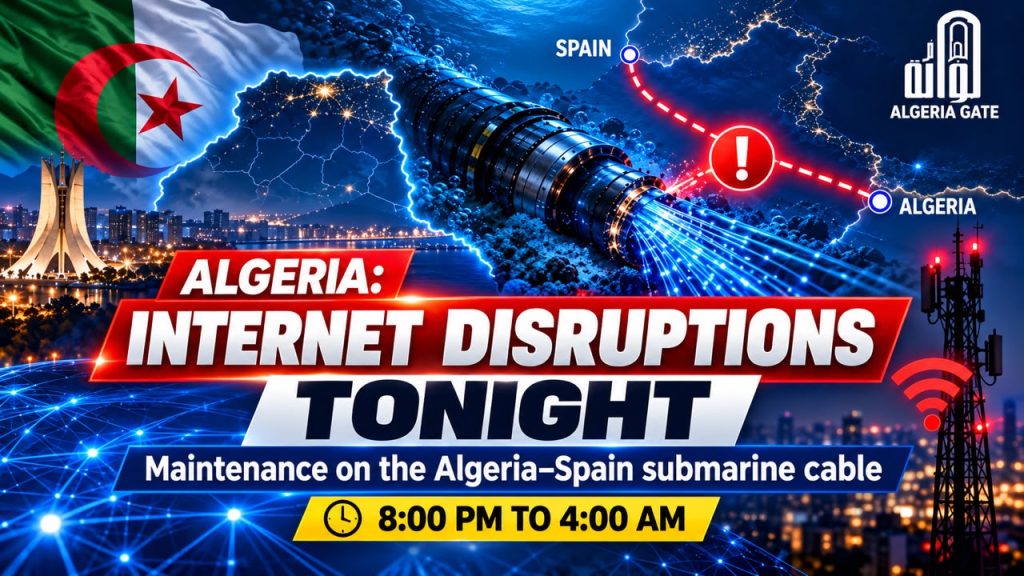
Algeria: Major internet disruptions expected tonight, Monday, from 8 PM to 4 AM

• Author: Y.R • 0 comments • 8 views
Algeria: Major internet disruptions expected tonight, Monday, from 8 PM to 4 AM

Algeria Gate: Algeria’s Ministry of Post and Telecommunications has announced significant disruptions to the internet network across Algeria, starting Monday, October 26, 2026, at 8:00 p.m. and continuing until Tuesday, October 27, at 4:00 a.m.

According to an official statement, the disruptions are due to maintenance work beyond the control of the Algerian authorities, being carried out on the undersea cable connecting Algeria to Spain.

The ministry stated that its services, in coordination with Algérie Télécom, are fully mobilized to monitor the operations and minimize their impact on subscribers.

The authorities assured the public that all necessary measures will be taken to ensure a gradual return to normal service as quickly as possible.

#Algeria#Internet#Spain
Author

Leave a comment

Your email address will not be published. Required fields are marked *

African coast
Share this post

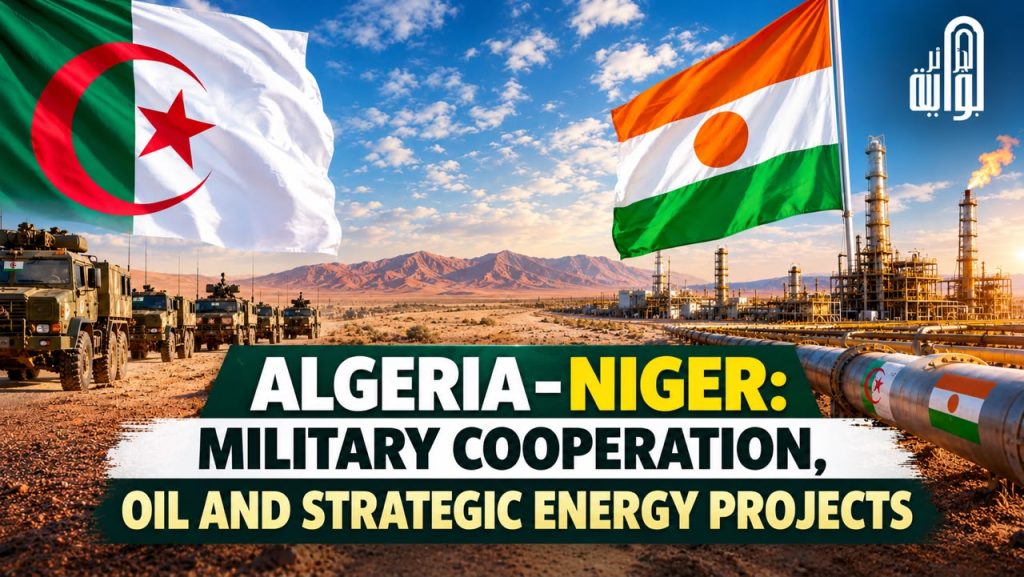
Algeria-Niger: Military cooperation, oil and strategic energy projects

Algeria-Niger: Military cooperation, oil and strategic energy projects

Algeria Gate: Algeria and Niger are moving beyond traditional diplomatic and security cooperation towards a broader partnership that combines economic interests with military challenges. Protecting strategic projects is increasingly becoming part of the regional security equation, with oil and gas fields, electricity networks and trans-Saharan transport routes at the centre of their shared ambitions.

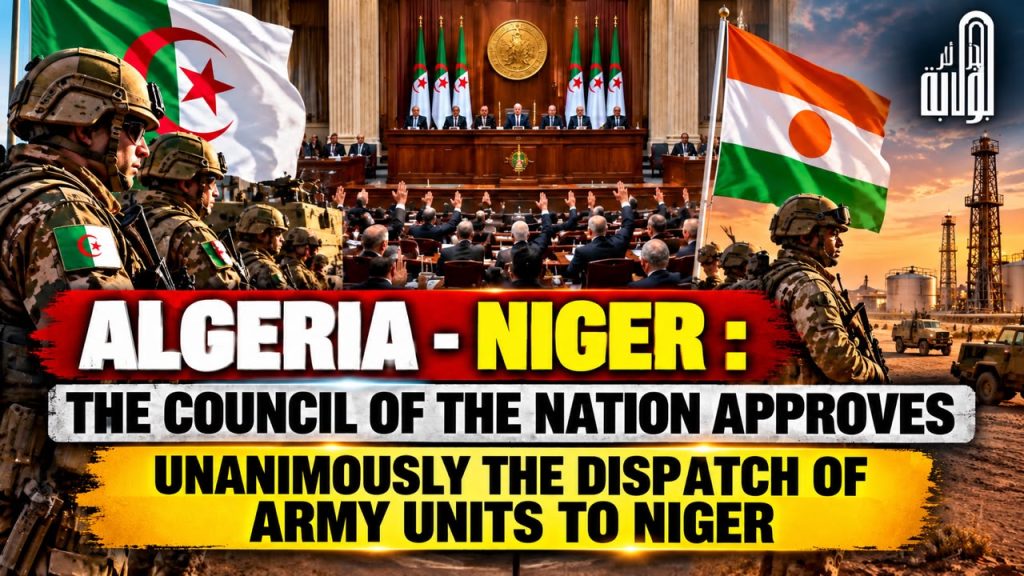
The shift comes as Algeria’s Council of the Nation unanimously approved the dispatch of units of the People’s National Army to Niger on October 25, 2026. According to sources cited by Algeria Gate, the troops will help secure oil facilities and joint Algerian-Nigerien investments.

Algeria-Niger: Military cooperation, oil and strategic energy projects

Nigerien media highlight a new dimension of military cooperation

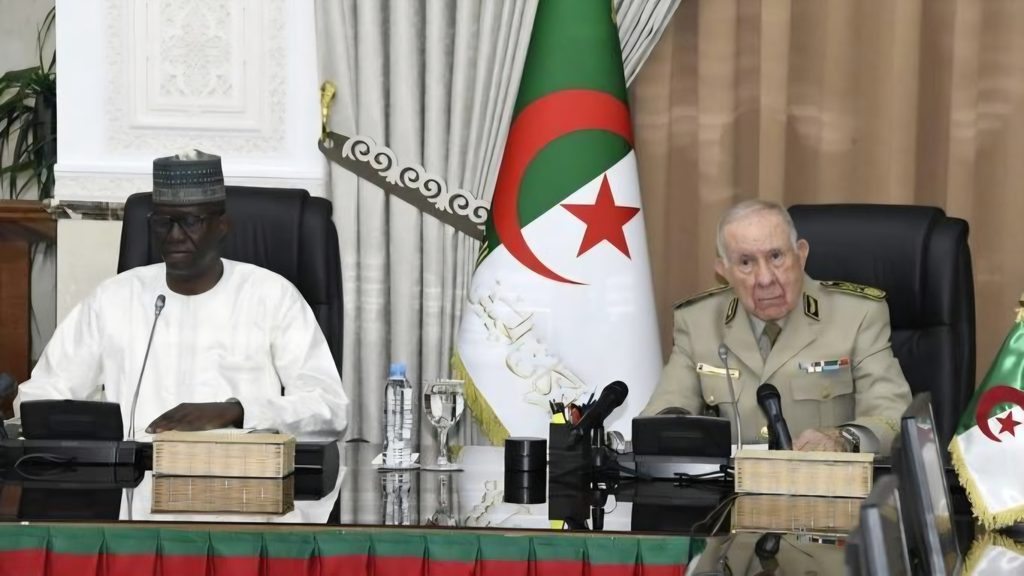
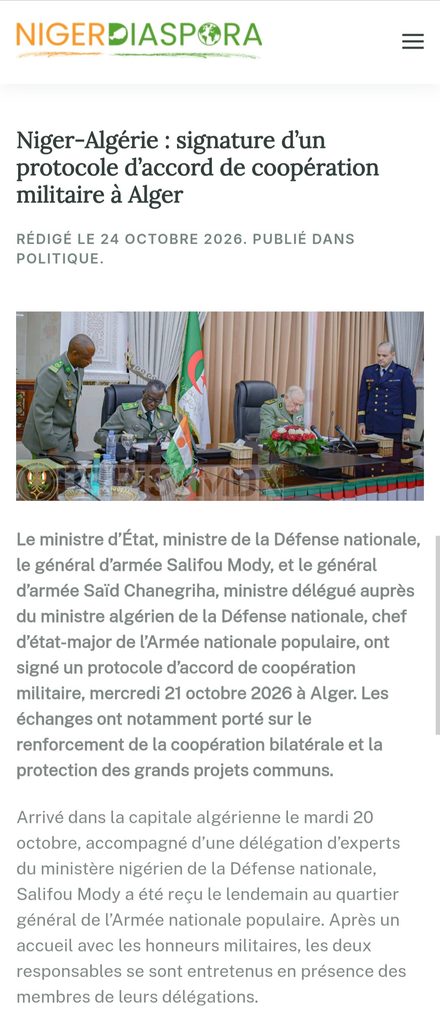
Nigerien media outlets have drawn attention to the military agreement signed by General Saïd Chanegriha, Chief of Staff of Algeria’s People’s National Army, and Nigerien Defence Minister General Salifou Mody during the latter’s visit to Algeria.

The coverage has focused not only on military matters but also on the protection of major joint projects. In a report published on October 24, the website Niger Diaspora highlighted statements by Niger’s defence minister indicating that bilateral cooperation was moving towards an operational phase, including measures to secure these projects.

The website ActuNiger, meanwhile, presented the agreement as part of the rapprochement between the two countries in recent months, pointing to Algeria’s readiness to strengthen its security and military support for Niger amid regional threats.

These reports point to a shift in the nature of bilateral cooperation. Border protection is no longer treated as separate from economic development, as the security of investments and major infrastructure projects has become an important issue in security coordination between Algiers and Niamey.

From events in Niamey to expanded security cooperation

One of the key developments in the recent military rapprochement came in late August 2026, when authorities in Niamey announced that they had thwarted an attempt to destabilise the country following movements within certain military units.

Following these developments, Algeria reportedly sent four Su-30 fighter jets to Niamey, accompanied by military support and transport aircraft. The move attracted considerable attention in Nigerien media, which portrayed it as direct support for the Nigerien authorities.

Earlier in August, Algeria had also provided Niger with four military helicopters, equipment and supplies as part of their defence cooperation.

On August 31, Nigerien President Abdourahamane Tiani expressed his appreciation for Algeria’s support during a telephone conversation with Algerian President Abdelmadjid Tebboune. He also stressed the importance of coordination between the two countries in maintaining stability across the Sahel.

These developments provide practical context for the latest military agreement, placing it within a broader series of cooperation measures rather than treating it as an isolated diplomatic announcement.

Algeria-Niger: Military cooperation, oil and strategic energy projects

Energy at the heart of shared economic interests

Beyond military cooperation, energy remains one of the main pillars of the Algerian-Nigerien partnership. Niger possesses significant oil and gas potential, while Algeria brings extensive industrial and technical expertise through its national energy company, Sonatrach.

One of the key areas of cooperation is the development of Nigerien oil fields, particularly the Bilma field, which is part of the cooperation between Sonatrach and Niger’s national petroleum company, SONIDEP.

Studies discussed by the two sides indicate that production from the project could exceed 20,000 barrels per day over an estimated operating period of around 20 years. These figures remain dependent on technical assessments and subsequent development and investment decisions.

Cooperation also extends to the Kafra oil area, the development of refining capacity in Zinder, the training of Nigerien professionals and the examination of projects to supply the Nigerien market with petroleum products and aviation fuel.

These investments could deliver benefits beyond direct commercial returns by supporting domestic energy production, expanding refining capacity and creating new economic opportunities. Their success, however, depends on the availability of the necessary security and technical conditions.

Trans-Saharan Gas Pipeline: a strategic project dependent on stability

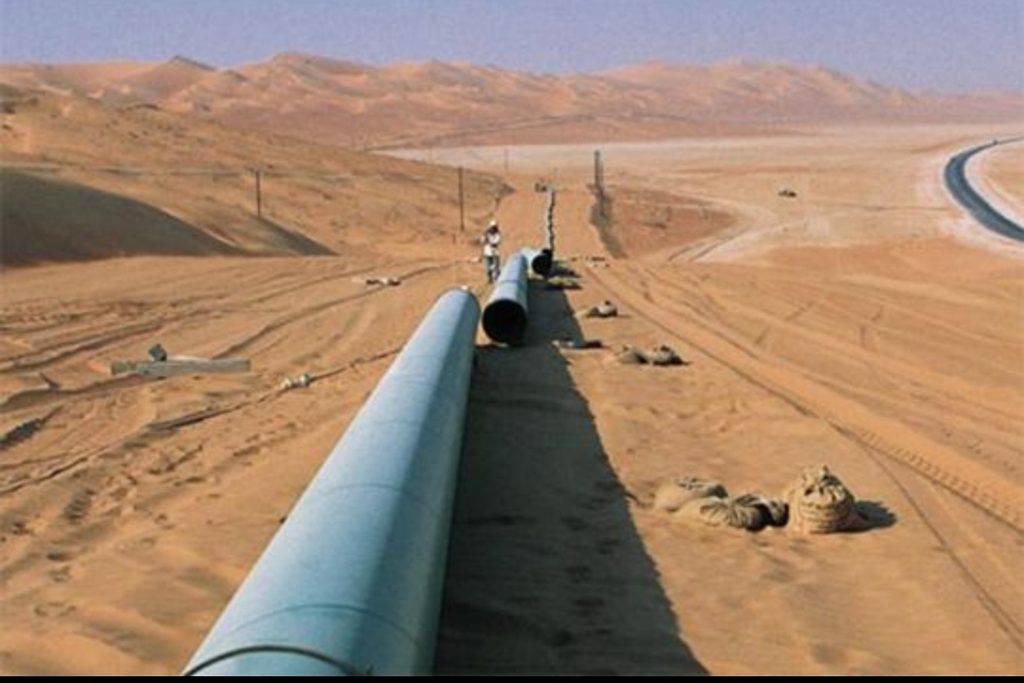
The Trans-Saharan Gas Pipeline, planned to connect Nigeria to Algeria through Niger, is one of the major projects linking economic interests with regional security challenges.

The project aims to transport Nigerian natural gas through Niger towards Algeria’s gas network and international markets. Beyond investment in energy infrastructure, it raises questions about securing facilities, routes, construction operations and maintenance activities.

Algeria and Niger have reaffirmed their commitment to advancing major African infrastructure projects, particularly the Trans-Saharan Gas Pipeline, alongside the Trans-Saharan Highway and a trans-Saharan fibre-optic network.

Stronger security coordination could help reduce risks surrounding these projects and create more favourable conditions for attracting financing and carrying out construction work.

Algeria-Niger: Military cooperation, oil and strategic energy projects

Electricity, roads and fibre optics: economic connectivity beyond borders

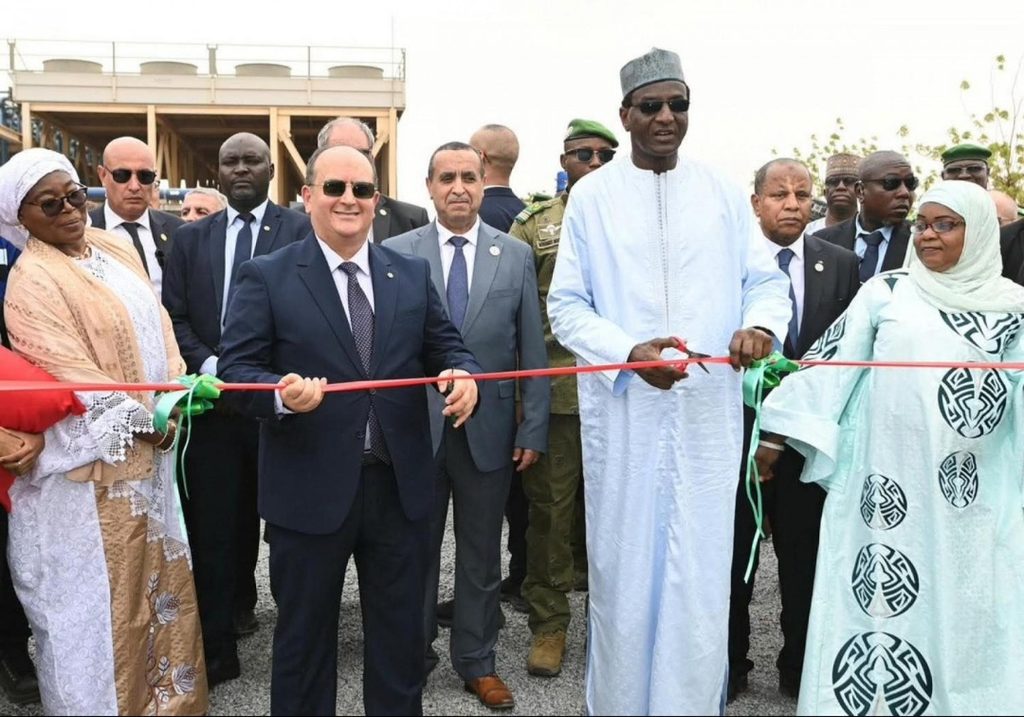
Economic cooperation between Algeria and Niger is no longer limited to agreements and future projects. Some initiatives have already resulted in operational infrastructure, including a power plant built by Algeria in the Gorou Banda area of Niger’s capital, Niamey.

On June 3, 2026, the two countries’ prime ministers inaugurated the 40-megawatt power plant. The project aims to strengthen electricity supplies and improve access to power in Niger as the country seeks to develop its infrastructure and support industrial and productive activities.

Niger’s news agency reported that Prime Minister Ali Mahamane Lamine Zeine described the project as a contribution to his country’s energy sovereignty, highlighting its importance for investment and economic activity.

The Trans-Saharan Highway is another strategic corridor that could connect Algerian markets with countries across the Sahel and West Africa, opening up wider opportunities for the movement of goods, services and trade.

Meanwhile, the trans-Saharan fibre-optic project could strengthen digital connectivity and improve telecommunications services, supporting businesses and commercial activities in the areas covered by the network.

Developing these corridors alongside improved security conditions could reduce transport costs, increase trade and make border regions more attractive to investors.

Algeria-Niger: Military cooperation, oil and strategic energy projects

Algeria and Niger: a partnership extending beyond security

Recent developments point to Algeria’s broader ambitions in Africa, combining security cooperation with investment in energy, transport and telecommunications infrastructure.

From Algeria’s military support for Niger to oil-field development, electricity generation and cross-border connectivity projects, the partnership increasingly reflects the close relationship between economic interests and security.

For Algeria, Niger is an important partner in its African hinterland and a geographical gateway to markets across the Sahel and West Africa. It also plays a central role in cross-border energy projects.

As cooperation expands, protecting economic facilities and securing trade corridors are becoming increasingly important to the future of bilateral relations. This approach also underscores the importance of respecting national sovereignty and the legal frameworks governing any military cooperation.

Algeria’s strategy in Niger is therefore no longer limited to border security. It is increasingly linked to the future of strategic projects that could reshape energy, trade and economic connectivity across the Sahel.

The underlying economic equation is clear: the lower the security risks, the greater the prospects for implementing projects and sustaining trade and investment.

#Algeria#Energy#Military#Niger
Author
Algeria
Share this post

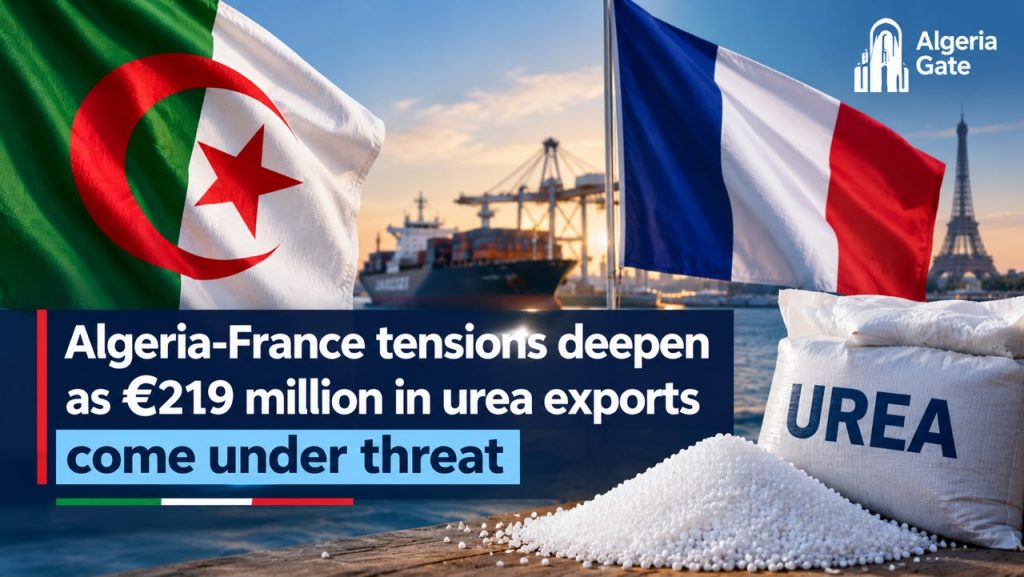
Algeria-France tensions deepen as €219 million in urea exports come under threat

Algeria-France tensions deepen as €219 million in urea exports come under threat

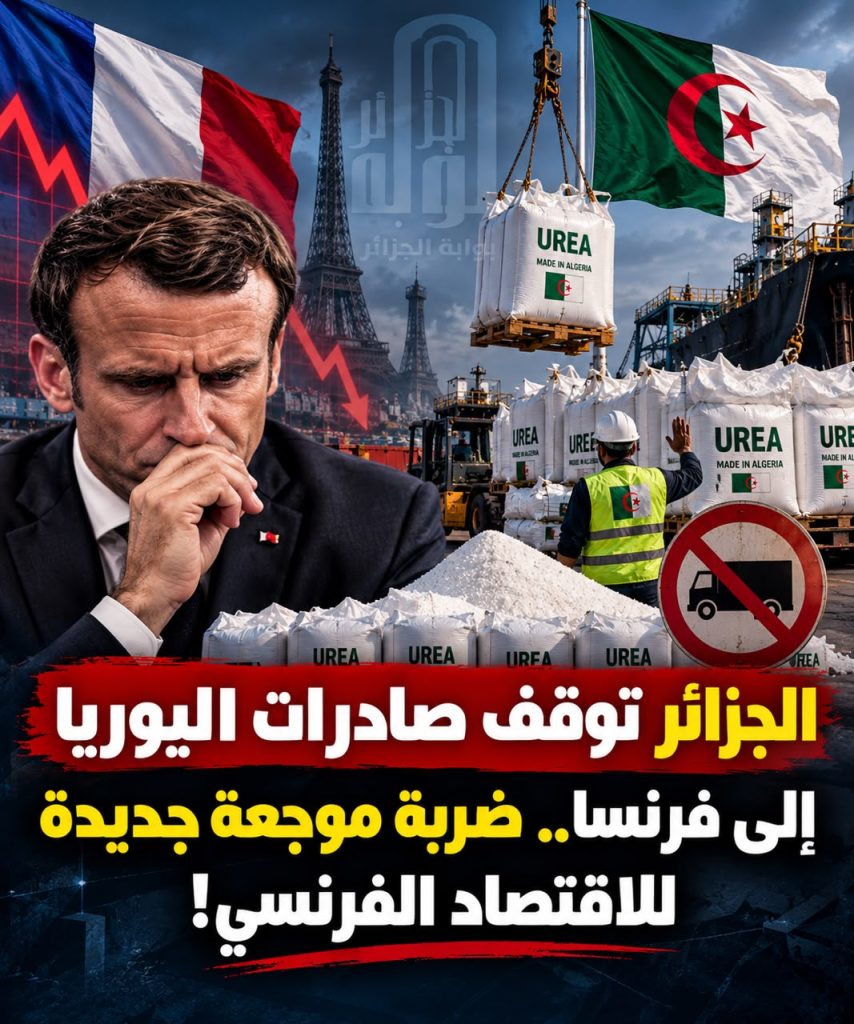
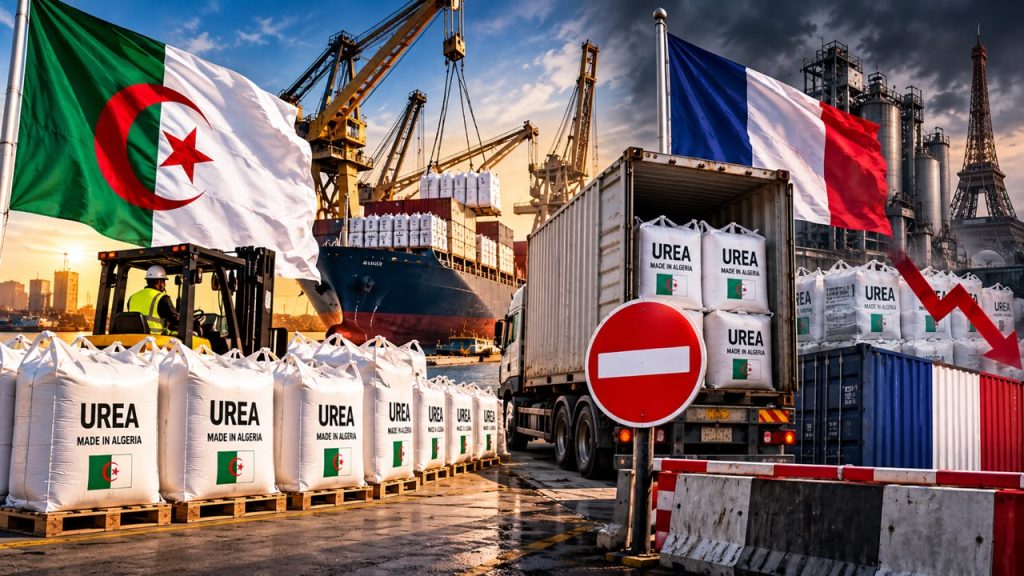
Algeria Gate: France is facing growing economic costs from deteriorating relations with Algeria, as political tensions increasingly affect trade and industrial supply chains. French exports to the Algerian market are declining, while supplies of Algerian urea fertiliser to France could face disruption, adding pressure on importers and the agricultural sector.

According to a Reuters report published on October 23, 2026, five diplomatic and industry sources said Algeria had instructed urea producers to halt fertiliser exports to France. If implemented and maintained, the measure could disrupt an important supply route for French agriculture.

Algeria-France tensions deepen as €219 million in urea exports come under threat

French exports to Algeria continue to decline

French customs data cited by Reuters show that French exports to Algeria fell by around 12% in 2025, reaching €4.2 billion. They declined by a further 12% year-on-year during the first eight months of 2026.

Diplomatic sources cited by Reuters said Algeria had imposed broad, informal restrictions on French goods imports since late July 2026. However, the Algerian authorities have not published an official decision confirming these measures, and the French Foreign Ministry said it had not received formal notification.

Meanwhile, French imports from Algeria reached €5.1 billion in 2025, following an 18% decline. They fell by a further 11% between January and August 2026 compared with the same period a year earlier.

Although these figures do not establish that political measures caused every decline, they point to a broader contraction in bilateral trade.

Algeria-France tensions deepen as €219 million in urea exports come under threat

Urea exports worth nearly $219 million

The potential suspension of Algerian urea supplies could have significant implications for France. International trade data for 2025 show that France imported approximately 481,000 tonnes of urea from Algeria, worth around $218.9 million, making Algeria France’s second-largest supplier of the fertiliser after Egypt.

French industry associations estimate that Algerian supplies account for around 30% of France’s urea imports, while trade data measured by value put the share at approximately 26%. The difference reflects variations in data sources and measurement methods.

If these supplies are interrupted, French importers would need to find alternative suppliers in an international market where prices, delivery schedules and transportation costs influence purchasing decisions.

The disruption could also affect fertiliser costs for French farmers as they prepare for the next agricultural season. French representatives from the fertiliser and grain sectors have warned that supply disruptions, combined with higher gas costs, could put additional pressure on agricultural production expenses.

The actual impact will depend on whether the reported suspension is implemented, how long it lasts and how quickly importers can secure alternative supplies.

Political tensions spill into trade

The latest developments reflect a broader deterioration in relations between Algeria and France since 2024, following French President Emmanuel Macron’s support for a plan granting Western Sahara autonomy under Moroccan sovereignty.

France has raised the issue of Algerian trade restrictions during a meeting of European Union foreign ministers, suggesting that Paris is also seeking to address the consequences through European channels. However, the EU’s common trade policy complicates efforts to resolve the dispute through bilateral measures alone.

For France, the economic pressure comes amid declining exports to Algeria and growing uncertainty over access to the Algerian market. For Algeria, trade and industrial supplies represent potential sources of leverage, although the impact on Algerian producers will depend on their ability to redirect exports to alternative markets and maintain revenues.

The dispute is therefore taking on a more direct economic dimension. France is facing a documented decline in exports to Algeria, while the possible suspension of Algerian urea supplies could add further costs for French importers and the agricultural sector.

If the reported measure is confirmed and sustained, the consequences would demonstrate how political tensions between the two countries can extend beyond diplomacy and affect businesses and productive sectors on both sides.

#Algeria#Economy#France#Urea
Author
Algeria
Share this post

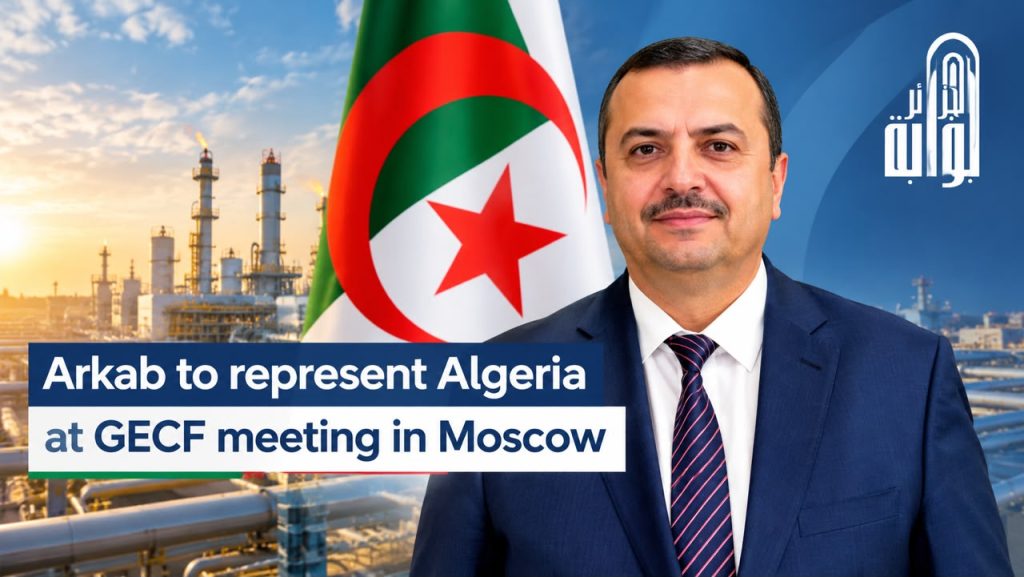
Arkab to represent Algeria at GECF meeting in Moscow

Arkab to represent Algeria at GECF meeting in Moscow

Algeria Gate: Algeria’s Minister of State and Minister of Hydrocarbons, Mohamed Arkab, will participate in the 28th Ministerial Meeting of the Gas Exporting Countries Forum (GECF), scheduled to take place in Moscow, Russia, on Monday, October 26, 2026.

The meeting will be chaired by Ekperikpe Ekpo, Nigeria’s Minister of State for Petroleum Resources (Gas) and the GECF’s 2026 Ministerial Meeting President. It will bring together ministers from member and observer countries responsible for the hydrocarbons sector, alongside representatives of international organisations and institutions involved in energy affairs. The meeting will also serve as a preparatory stage for the forum’s eighth Summit of Heads of State and Government.

Global gas markets and energy security

Discussions will focus on developments in global gas markets and their short-, medium- and long-term prospects amid rapid changes in the energy sector.

Participants will also examine measures to ensure security of supply and strengthen market stability while balancing the interests of producing and consuming countries, energy security requirements and climate transition objectives.

The meeting will also review the forum’s reports on global gas market outlooks, notably the 2026 Annual Gas Market Report and the tenth edition of the Global Gas Outlook 2055. The latter examines the sector’s potential development through 2055 and is intended to contribute to international discussions on the future direction of global gas markets.

Strengthening cooperation among gas-producing countries

The meeting will provide an opportunity to deepen dialogue and strengthen cooperation among member states, while reviewing the implementation of commitments arising from the Algiers Declaration, which is based on fairness, transparency and consideration of the interests of all members.

Participants will also exchange views on the challenges facing the natural gas industry and work towards greater consultation, consensus and coordination among producing countries to defend their shared interests and help maintain stable supplies.

The discussions will reaffirm the strategic importance of natural gas within the global energy security framework.

GECF’s role in global gas markets

Established in 2001 as a platform for consultation and coordination among gas-producing and exporting countries, the Gas Exporting Countries Forum became an intergovernmental organisation in 2008, with its headquarters in Doha, Qatar.

The forum currently comprises 20 member countries, which collectively account for approximately 70% of the world’s proven natural gas reserves, 38% of global marketed gas production, 42% of worldwide gas exports and 47% of global liquefied natural gas (LNG) exports.

These figures underscore the GECF’s role as a major platform for dialogue and cooperation on the future of global gas markets and the security of energy supplies.

#Algeria#Economy#GECF#Moscow
Author