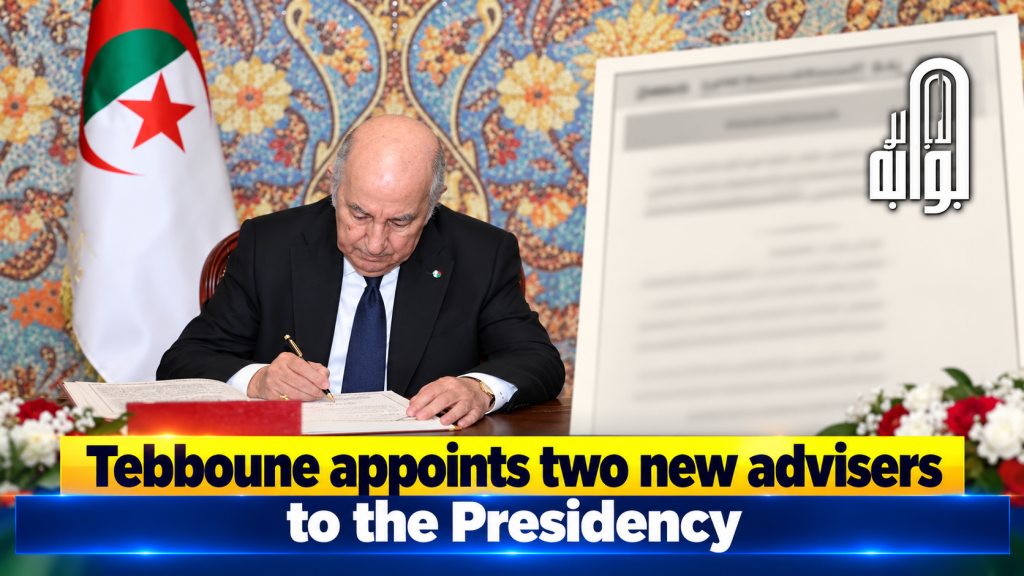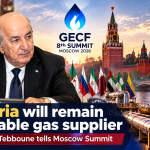

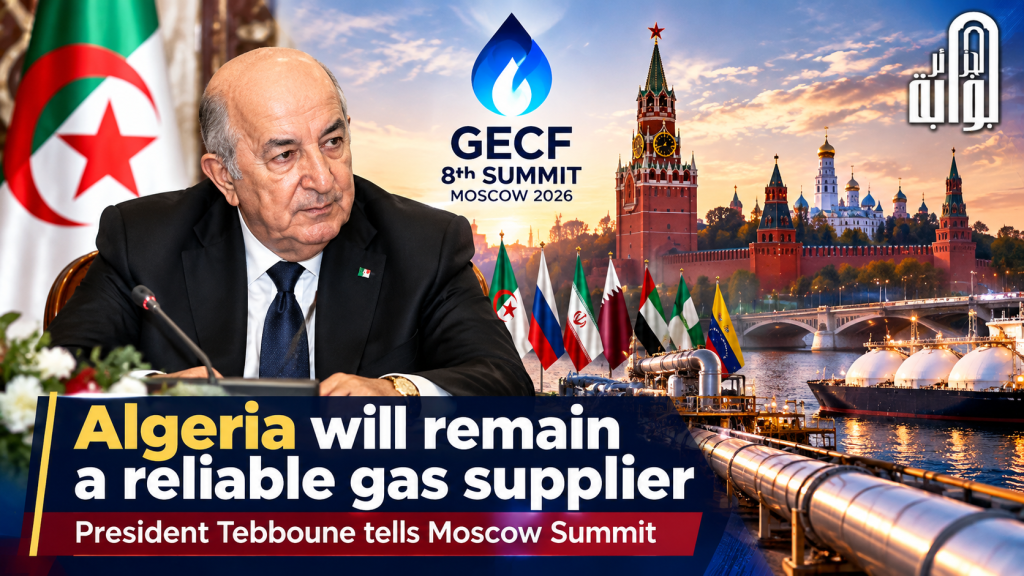
Algeria Gate: President Abdelmadjid Tebboune has reiterated Algeria’s determination to remain a secure and dependable supplier of natural gas to international markets, emphasizing the importance of stable investment conditions, energy sovereignty and a balanced transition toward cleaner energy sources.
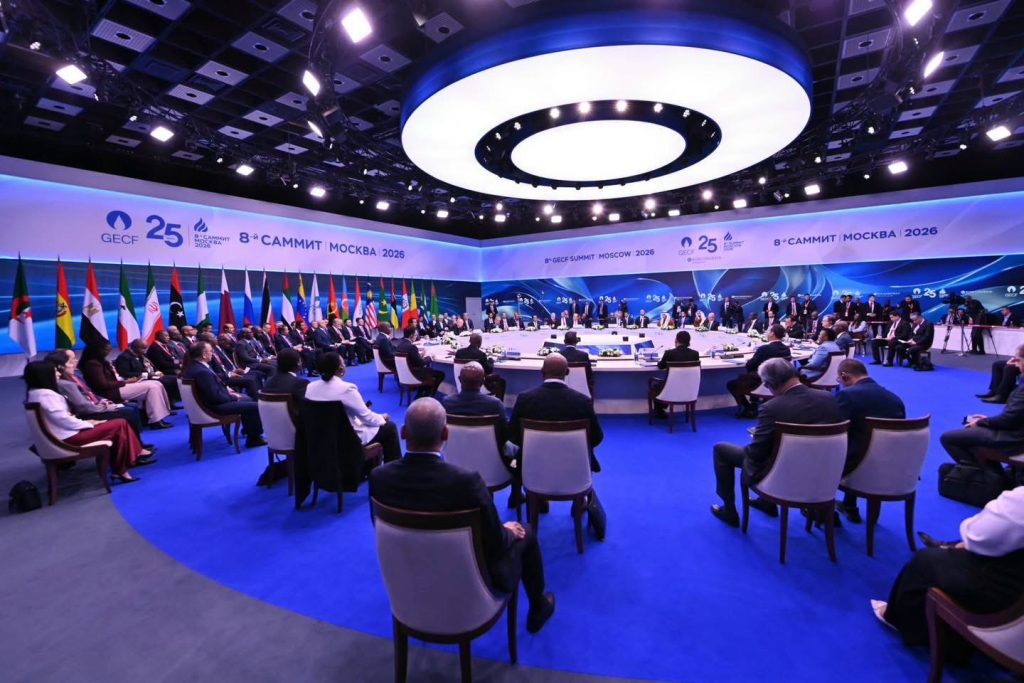
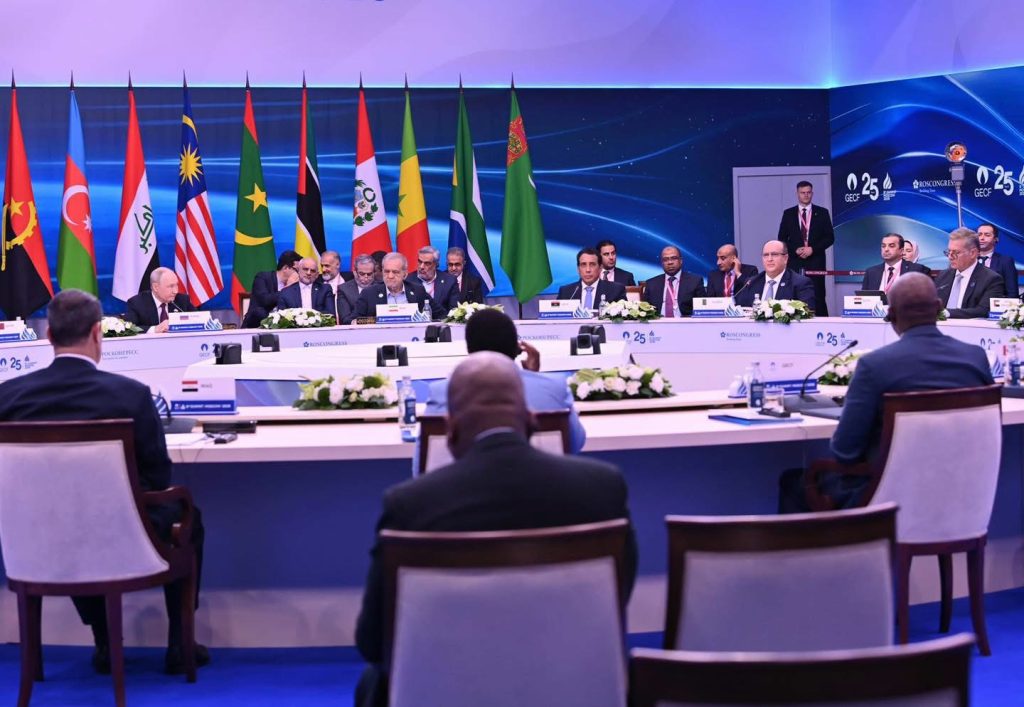
In an address delivered on his behalf by Prime Minister Sifi Ghrieb during the opening of the eighth summit of heads of state and government of the Gas Exporting Countries Forum (GECF) in Moscow, Tebboune highlighted the resilience of the global natural gas industry despite successive international crises.
The Algerian president stressed that natural gas continues to play an essential role in supporting national economies and ensuring global energy security, particularly amid geopolitical uncertainty and growing pressure to accelerate the energy transition.
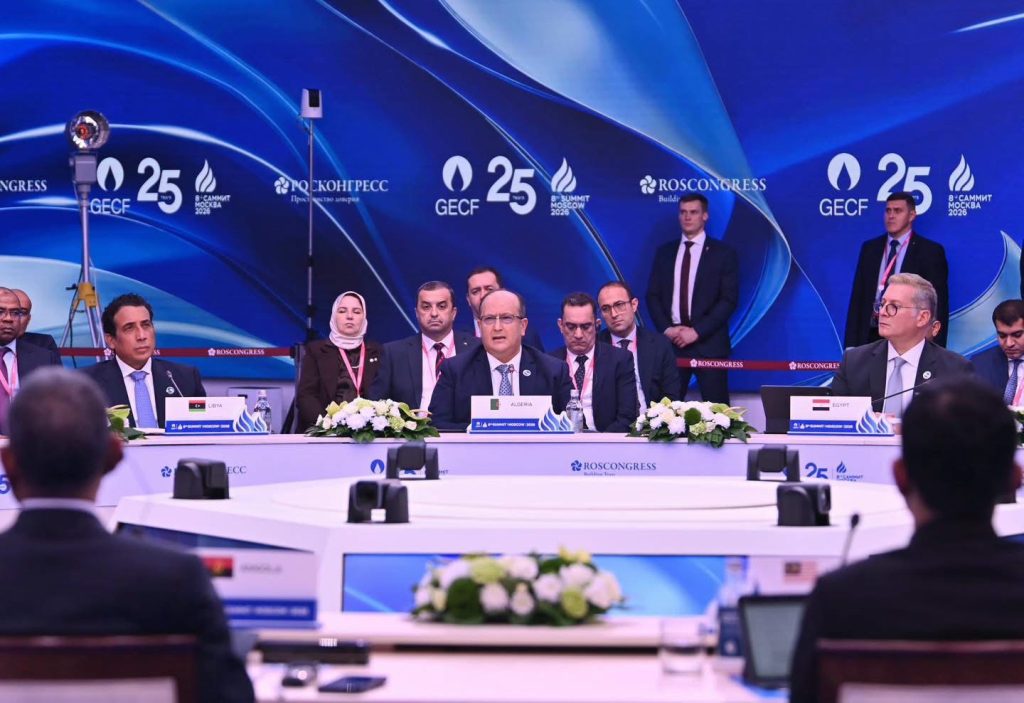
Algeria reaffirms its position as a trusted energy partner
Tebboune emphasized Algeria’s longstanding contribution to the international gas industry, recalling that the country established a pioneering liquefied natural gas facility in Arzew in 1964.
Today, Algeria ranks among the world’s ten largest natural gas producers and is a major supplier to European markets, particularly through its pipeline infrastructure.
The president reaffirmed that Algeria would continue honoring its international commitments while strengthening its production and export capabilities.
He also warned that unpredictable regulatory changes could undermine investment in the gas industry and threaten the stability of global energy supplies.
According to Tebboune, major investments in natural gas infrastructure require clear regulatory frameworks, fair pricing mechanisms and long-term partnerships between producers and consumers.
Major strategic projects to strengthen algeria’s economy
During his address, Tebboune highlighted several major development projects designed to diversify Algeria’s economy and make greater use of its natural resources.
Among the initiatives mentioned were the Gara Djebilet iron ore project and the integrated phosphate project, both considered important components of Algeria’s industrial development strategy.
These projects aim to expand domestic industrial production, increase export capacity and strengthen the country’s role in international commodity markets.
The president presented these investments as part of a broader national strategy to combine energy development with economic diversification and sustainable growth.
Trans-Saharan gas pipeline at the heart of regional cooperation
Tebboune also emphasized the strategic importance of the proposed Trans-Saharan Gas Pipeline, a major infrastructure initiative intended to strengthen energy cooperation between African countries.
With a projected annual export capacity of approximately 30 billion cubic meters, the pipeline represents an opportunity to expand regional energy infrastructure and improve access to international markets.
The Algerian president described the project as an example of African cooperation based on shared development objectives and greater economic independence.
He reaffirmed Algeria’s willingness to contribute its technical expertise and experience to the initiative.
A balanced approach to the global energy transition
Addressing environmental challenges, Tebboune called for a fair and gradual energy transition that takes into account the development needs of emerging economies.
He argued that natural gas should be regarded as a complementary energy source alongside renewables, helping maintain electricity supply stability while supporting efforts to reduce emissions.
The president also highlighted Algeria’s commitment to reducing methane emissions, limiting gas flaring and developing carbon capture technologies.
He called for greater international cooperation in research, innovation and digital technologies, including artificial intelligence, to improve energy efficiency and reduce the environmental impact of gas production.
Algeria seeks a stronger role in global energy markets
Tebboune’s address underscored Algeria’s ambition to consolidate its position as a leading energy partner while pursuing industrial diversification and expanding cooperation across Africa.
By combining investments in natural gas infrastructure, renewable energy, mining and industrial development, Algeria aims to reinforce its economic resilience and strengthen its international partnerships.
The president’s message at the Moscow summit centered on the need for energy policies that balance supply security, environmental responsibility, national sovereignty and long-term economic development.
For Algeria, natural gas remains not only a strategic export commodity but also a key instrument for financing development and supporting regional economic integration.