Thursday, 29 October 2026 • 01:12 Algiers time
Algeria Gate
Share this post

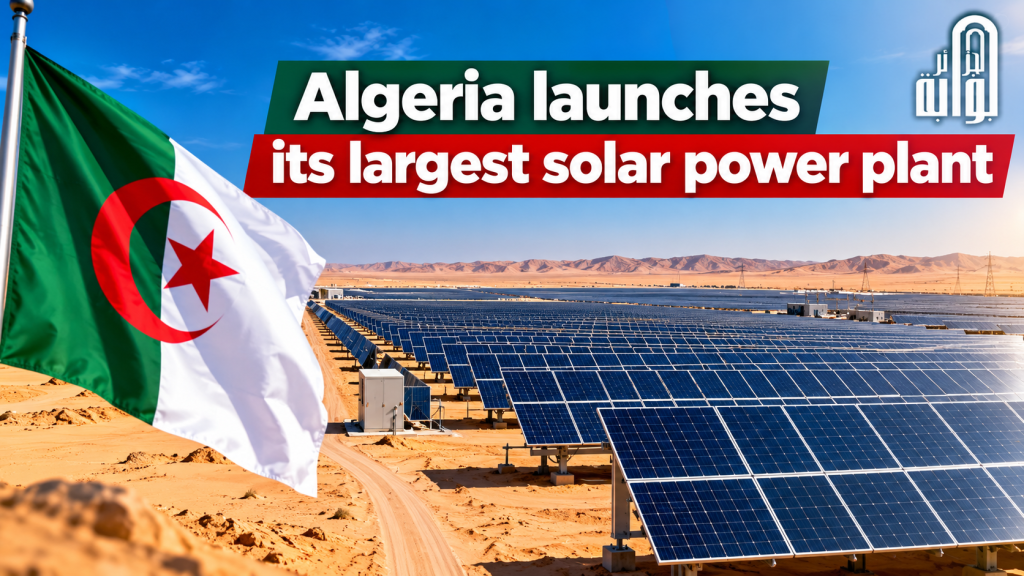
Algeria launches its largest solar power plant

• Author: Y.R • 0 comments • 4 views
Algeria launches its largest solar power plant

Algeria Gate: Algeria has taken a major step toward expanding renewable energy production with the inauguration of a 300-megawatt solar photovoltaic power plant in El Oued, marking a significant milestone in the country’s efforts to diversify its energy mix and reduce dependence on fossil fuels.

The facility, inaugurated on October 26 by Minister of Energy and Renewable Energy Mourad Adjal, is described as Algeria’s largest solar power plant and the second-largest in Africa in terms of installed capacity.

Located in El Foulia, in the municipality of Guemar, the project strengthens Algeria’s growing solar infrastructure and represents another step toward transforming the country’s abundant sunshine into a strategic source of electricity.

The inauguration also reflects Algeria’s determination to accelerate its energy transition while maintaining its position as a major natural gas producer and exporter.

A 300 MW milestone for Algeria’s solar ambitions

The newly inaugurated facility has an installed capacity of 300 megawatts, making it the country’s largest photovoltaic installation.

Solar photovoltaic plants convert sunlight directly into electricity through semiconductor-based panels, providing a renewable source of power without requiring fuel combustion during operation.

The El Oued facility is expected to contribute to Algeria’s electricity supply while supporting the gradual diversification of a power generation system historically dominated by natural gas.

The plant’s location in southeastern Algeria is particularly significant. The country’s Saharan regions benefit from extensive solar resources, offering favourable conditions for large-scale photovoltaic development.

By developing renewable electricity generation in these areas, Algeria aims to make greater use of its natural energy advantages and reduce the amount of gas required for domestic power production.

Three major solar plants commissioned in 2026

The El Oued inauguration follows the commissioning of two other major photovoltaic installations earlier in 2026.

The first is located in Tendla, in El M’Ghair province, while the second is situated in El Ghrous, in Biskra province.

Each has an installed capacity of 200 megawatts.

Together with the new El Oued facility, the three projects represent 700 megawatts of newly commissioned solar generation capacity during 2026.

This expansion demonstrates the growing scale of Algeria’s renewable energy programme and the government’s efforts to move from project planning toward operational infrastructure.

The three facilities also illustrate the importance of southern and inland provinces in the country’s clean energy strategy.

Algeria targets 15,000 MW of solar capacity by 2035

The inauguration forms part of Algeria’s national objective of reaching 15,000 megawatts of photovoltaic capacity by 2035.

The target reflects a long-term strategy to diversify electricity generation, strengthen energy security and develop the country’s renewable energy industry.

Achieving this ambition will require continued investment in solar installations, electricity transmission networks, grid management and supporting infrastructure.

It will also depend on the successful integration of new renewable power sources into the national electricity system.

Unlike conventional gas-fired generation, solar electricity output varies according to daylight and weather conditions. This makes grid flexibility, forecasting and the development of complementary technologies increasingly important as renewable capacity expands.

Nevertheless, Algeria’s extensive land availability and high solar irradiation provide significant opportunities for large-scale solar deployment.

Renewable energy could strengthen Algeria’s gas export potential

Expanding solar electricity production could also have broader implications for Algeria’s hydrocarbon industry.

Natural gas remains a central component of the country’s electricity generation system and an important source of export revenue.

As more solar capacity becomes operational, renewable electricity could gradually replace part of the gas currently consumed in power stations, depending on demand growth and how the grid is operated.

This would potentially free up additional natural gas for industrial use or international markets.

The relationship between renewable energy development and gas exports is particularly important as Algeria seeks to balance domestic energy needs with its commitments to international customers.

Solar expansion therefore represents not only an environmental initiative but also a possible instrument for improving the efficiency of the country’s overall energy strategy.

A new opportunity for industrial development and investment

The expansion of solar energy infrastructure could generate opportunities across several sectors of the Algerian economy.

Large photovoltaic projects require electrical equipment, construction services, engineering expertise, maintenance operations and grid infrastructure.

As deployment increases, these activities could encourage investment in domestic manufacturing and technical services, particularly if local suppliers become more deeply integrated into project development.

The renewable energy programme could also support the creation of specialized jobs and contribute to the development of new industrial capabilities.

However, the extent of these benefits will depend on procurement policies, workforce training, technology transfer and the participation of Algerian businesses in the renewable energy supply chain.

Algeria moves toward a more diversified energy future

The commissioning of the El Oued solar plant marks another concrete achievement in Algeria’s efforts to expand renewable electricity generation.

With three major photovoltaic facilities brought into service in 2026 and a national target of 15,000 megawatts by 2035, the country is seeking to translate its considerable solar potential into operational energy infrastructure.

The challenge ahead will be to sustain the pace of project delivery while modernizing the electricity network and ensuring that renewable generation can be efficiently integrated into national supply.

For Algeria, the new 300-megawatt facility represents an important step toward a more diversified energy system, greater use of domestic solar resources and a stronger foundation for long-term energy security.

#Algeria#Enconomy#Solar Power
Author

Leave a comment

Your email address will not be published. Required fields are marked *

Algeria
Share this post

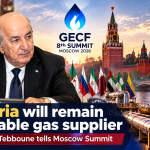
Tebboune: Algeria remains a reliable gas supplier

Tebboune: Algeria remains a reliable gas supplier

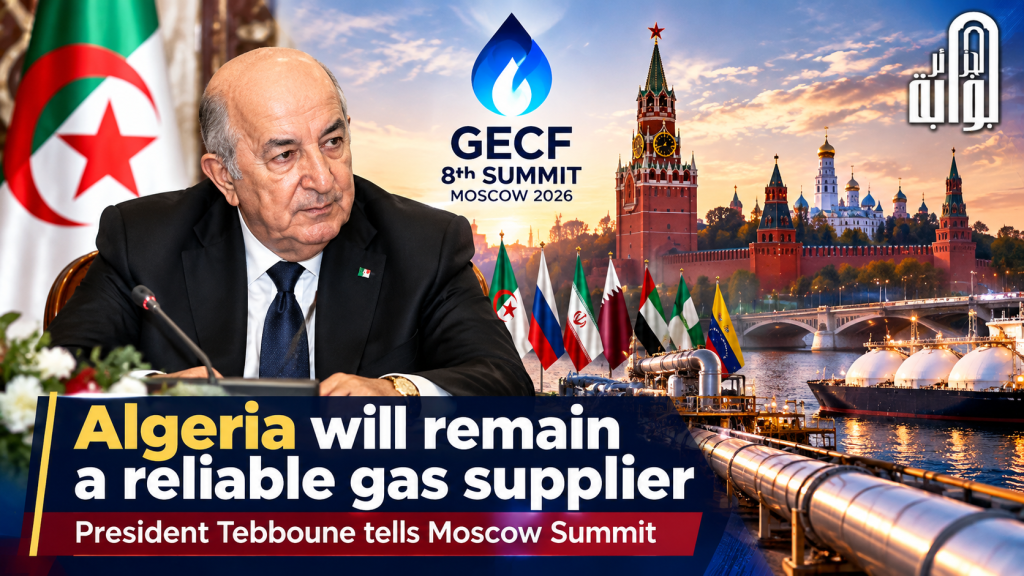
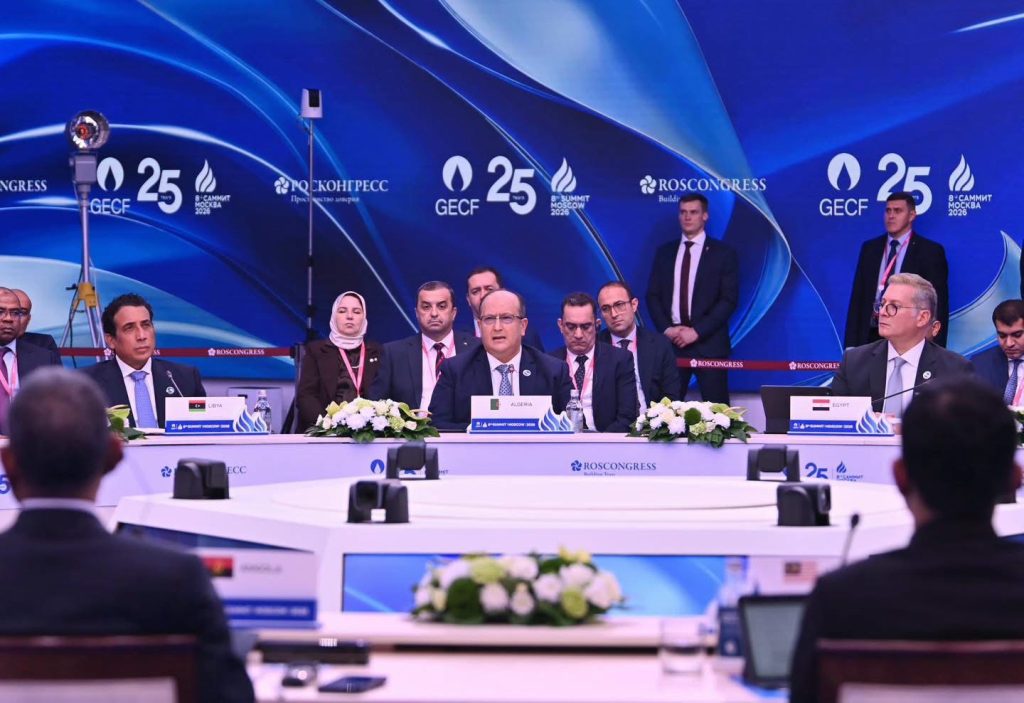
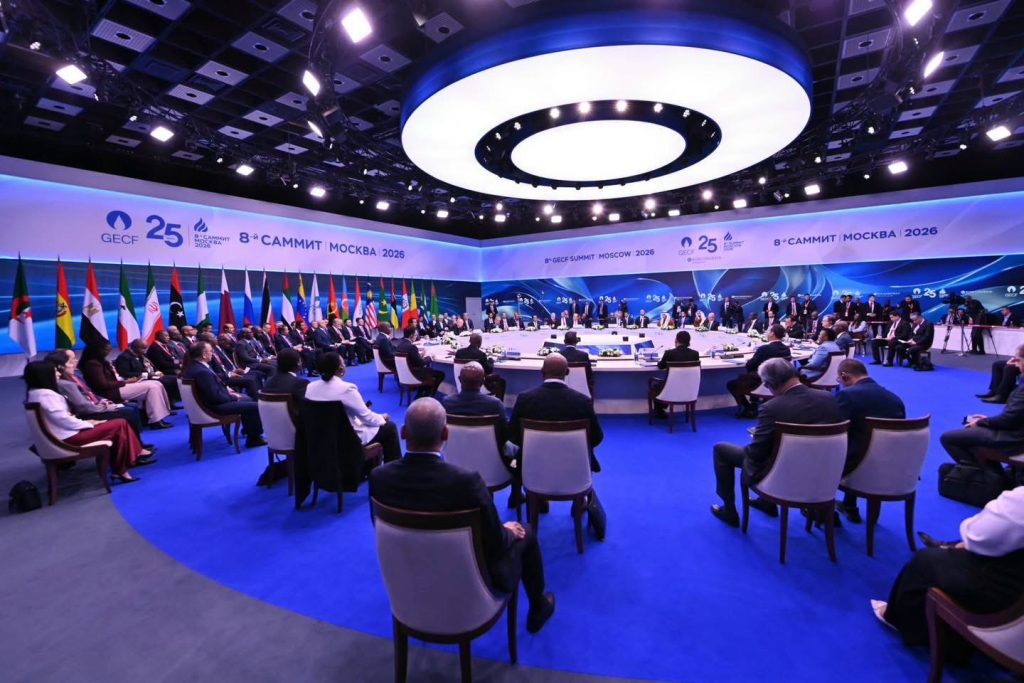
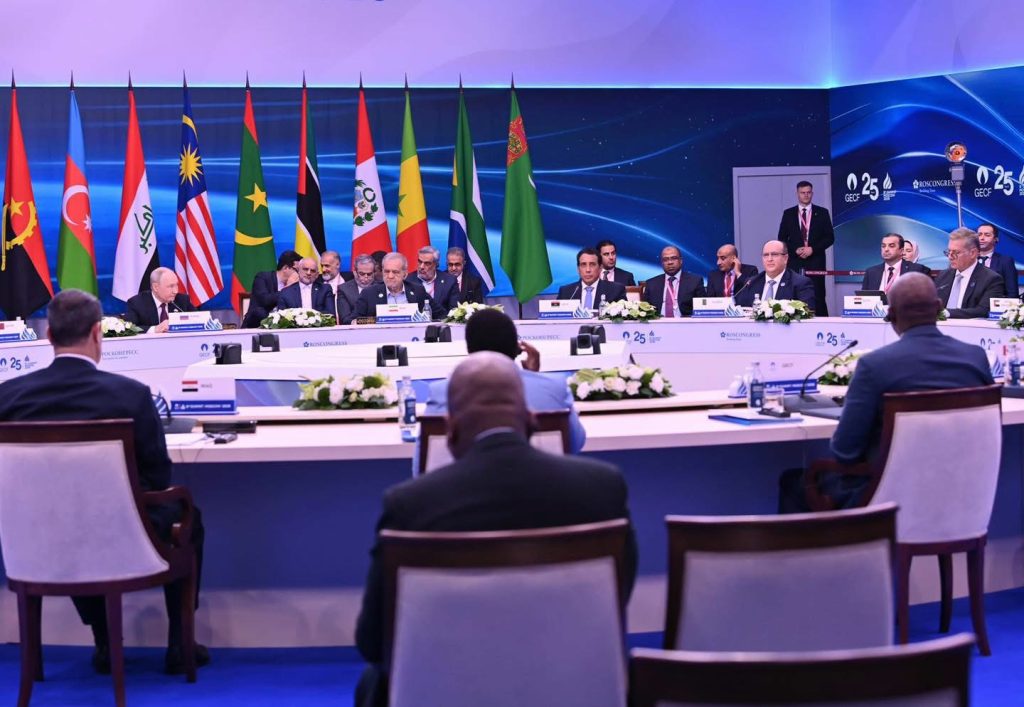
Algeria Gate: President Abdelmadjid Tebboune has reiterated Algeria’s determination to remain a secure and dependable supplier of natural gas to international markets, emphasizing the importance of stable investment conditions, energy sovereignty and a balanced transition toward cleaner energy sources.

In an address delivered on his behalf by Prime Minister Sifi Ghrieb during the opening of the eighth summit of heads of state and government of the Gas Exporting Countries Forum (GECF) in Moscow, Tebboune highlighted the resilience of the global natural gas industry despite successive international crises.

The Algerian president stressed that natural gas continues to play an essential role in supporting national economies and ensuring global energy security, particularly amid geopolitical uncertainty and growing pressure to accelerate the energy transition.

Tebboune: Algeria remains a reliable gas supplier

Algeria reaffirms its position as a trusted energy partner

Tebboune emphasized Algeria’s longstanding contribution to the international gas industry, recalling that the country established a pioneering liquefied natural gas facility in Arzew in 1964.

Today, Algeria ranks among the world’s ten largest natural gas producers and is a major supplier to European markets, particularly through its pipeline infrastructure.

The president reaffirmed that Algeria would continue honoring its international commitments while strengthening its production and export capabilities.

He also warned that unpredictable regulatory changes could undermine investment in the gas industry and threaten the stability of global energy supplies.

According to Tebboune, major investments in natural gas infrastructure require clear regulatory frameworks, fair pricing mechanisms and long-term partnerships between producers and consumers.

Tebboune: Algeria remains a reliable gas supplier

Major strategic projects to strengthen algeria’s economy

During his address, Tebboune highlighted several major development projects designed to diversify Algeria’s economy and make greater use of its natural resources.

Among the initiatives mentioned were the Gara Djebilet iron ore project and the integrated phosphate project, both considered important components of Algeria’s industrial development strategy.

These projects aim to expand domestic industrial production, increase export capacity and strengthen the country’s role in international commodity markets.

The president presented these investments as part of a broader national strategy to combine energy development with economic diversification and sustainable growth.

Tebboune: Algeria remains a reliable gas supplier

Trans-Saharan gas pipeline at the heart of regional cooperation

Tebboune also emphasized the strategic importance of the proposed Trans-Saharan Gas Pipeline, a major infrastructure initiative intended to strengthen energy cooperation between African countries.

With a projected annual export capacity of approximately 30 billion cubic meters, the pipeline represents an opportunity to expand regional energy infrastructure and improve access to international markets.

The Algerian president described the project as an example of African cooperation based on shared development objectives and greater economic independence.

He reaffirmed Algeria’s willingness to contribute its technical expertise and experience to the initiative.

Tebboune: Algeria remains a reliable gas supplier

A balanced approach to the global energy transition

Addressing environmental challenges, Tebboune called for a fair and gradual energy transition that takes into account the development needs of emerging economies.

He argued that natural gas should be regarded as a complementary energy source alongside renewables, helping maintain electricity supply stability while supporting efforts to reduce emissions.

The president also highlighted Algeria’s commitment to reducing methane emissions, limiting gas flaring and developing carbon capture technologies.

He called for greater international cooperation in research, innovation and digital technologies, including artificial intelligence, to improve energy efficiency and reduce the environmental impact of gas production.

Algeria seeks a stronger role in global energy markets

Tebboune’s address underscored Algeria’s ambition to consolidate its position as a leading energy partner while pursuing industrial diversification and expanding cooperation across Africa.

By combining investments in natural gas infrastructure, renewable energy, mining and industrial development, Algeria aims to reinforce its economic resilience and strengthen its international partnerships.

The president’s message at the Moscow summit centered on the need for energy policies that balance supply security, environmental responsibility, national sovereignty and long-term economic development.

For Algeria, natural gas remains not only a strategic export commodity but also a key instrument for financing development and supporting regional economic integration.

#Algeria#Moscow#President tebboune
Author
Algeria
Share this post

Tebboune appoints two new advisers to the Presidency

Tebboune appoints two new advisers to the Presidency

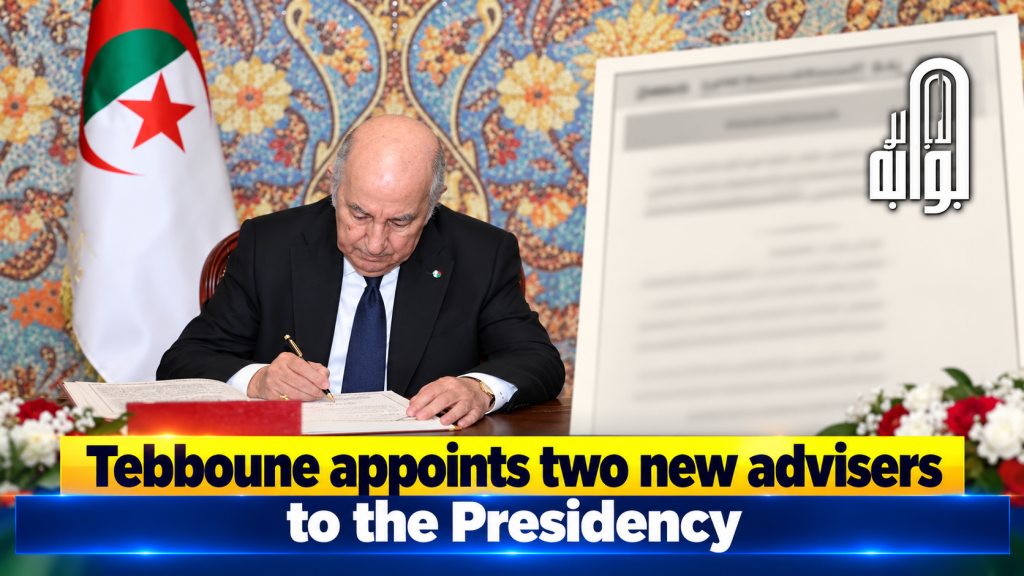
Algeria Gate: Algerian President Abdelmadjid Tebboune has appointed two new advisers to the Presidency of the Republic, assigning them responsibilities in specific affairs and qualification investigations, as well as legal and judicial matters.

According to Official Gazette No. 75, published on October 25, 2026, the appointments were formalised through presidential decrees dated October 18, 2026.

Mohamed Abdelwahab Roui has been appointed adviser to the President of the Republic in charge of specific affairs and qualification investigations.

Meanwhile, Mokhtar Lakhdari has been appointed adviser to the President in charge of legal and judicial affairs.

The appointments concern two distinct areas of presidential advisory work and form part of changes within the Presidency of the Republic.

#Algeria#President tebboune
Author
Algeria
Share this post

Algerian president receives Czech prime minister

Algerian president receives Czech prime minister

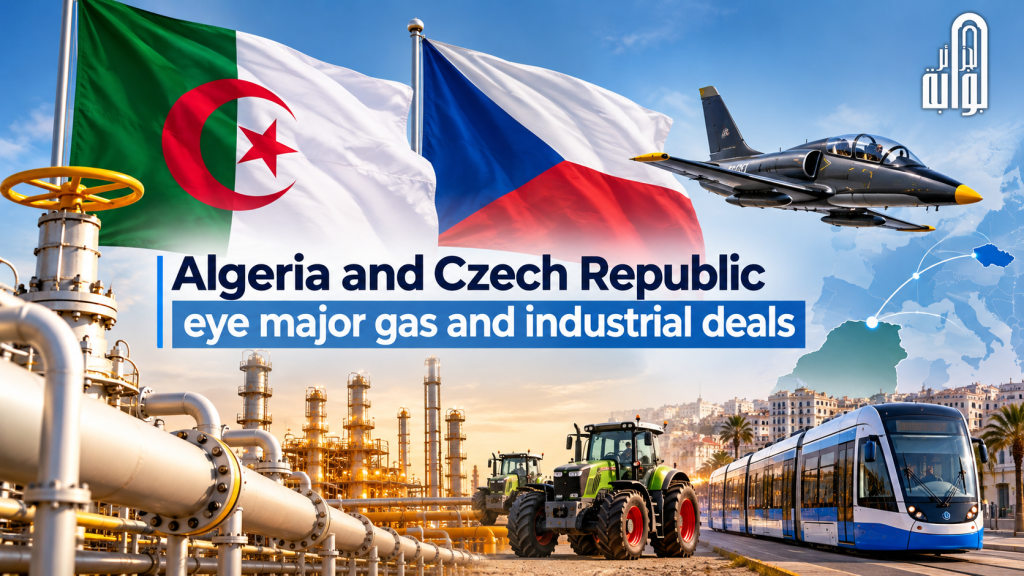
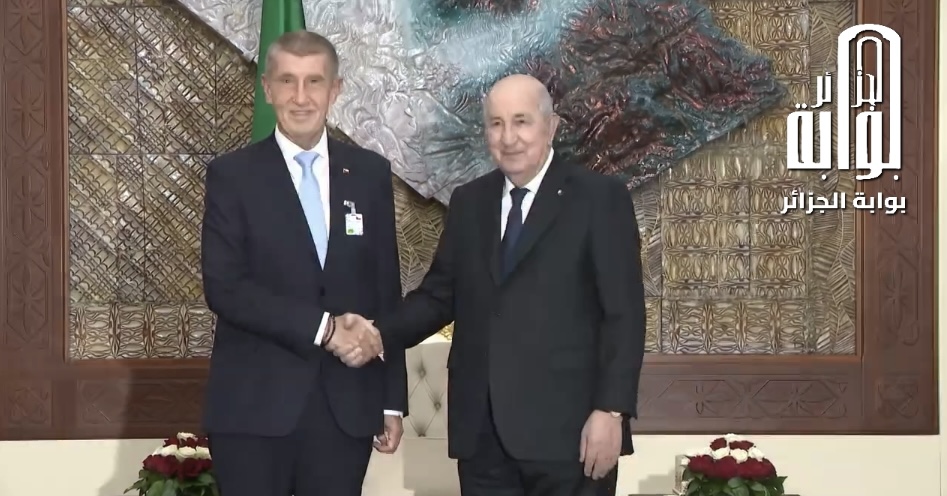
Algeria Gate: Algerian President Abdelmadjid Tebboune received Czech Prime Minister Andrej Babiš and his accompanying delegation on Monday, according to a statement from the Algerian Presidency.

https://twitter.com/algatedzEng/status/2114741063793483840?s=20

The meeting was attended by several senior Algerian officials, including Lounès Magramane, Director of the President’s Office; Amar Abba, Adviser to the President in charge of diplomatic affairs; Sofiane Chaib, Secretary of State to the Minister of Foreign Affairs, in charge of the national community abroad; Noureddine Daoudi, CEO of Sonatrach; and Mohamed Meziane, Algeria’s ambassador to the Czech Republic.

#Algeria#Czech#Economy
Author