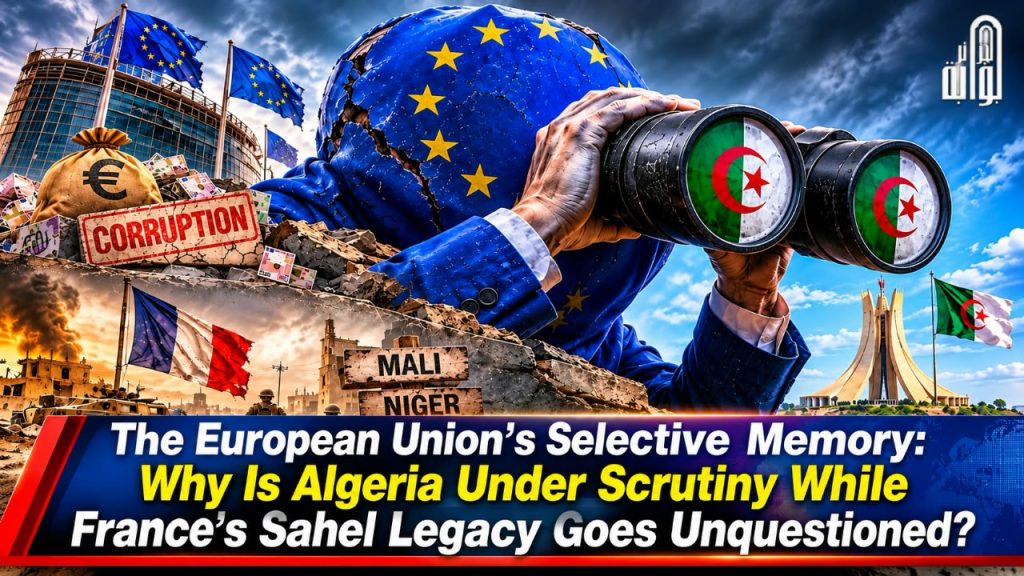
Algeria gate: When it comes to demanding explanations, Brussels appears to have a remarkably selective memory.
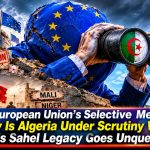
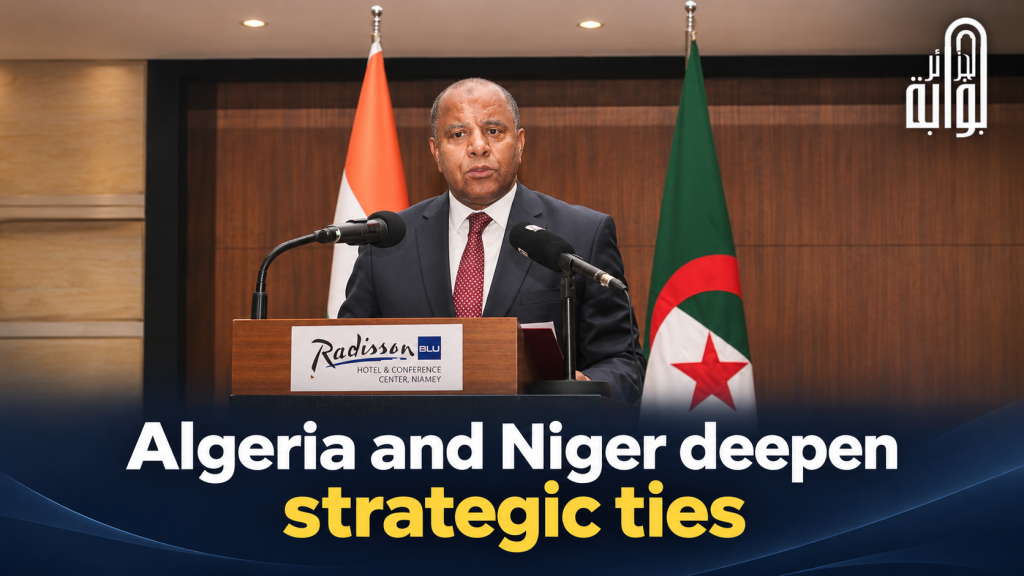
The European Union has recently expressed its desire for further clarification regarding Algeria’s decision to authorise the deployment of military forces in Niger, with EU foreign affairs spokesperson Anouar El Anouni stating that Brussels was closely monitoring the situation and seeking details about the mission’s scope, objectives and legal basis.
Fair enough. Transparency and international law are legitimate concerns. But one cannot help wondering: where was this same level of scrutiny when France was conducting its military operations across the Sahel?
For nearly a decade, France led major military operations in Mali under Operation Serval and subsequently Operation Barkhane, extending its military presence across several Sahelian countries, including Niger. Yet, despite considerable military resources and billions of euros spent, the security situation deteriorated, armed groups expanded their reach, civilian casualties mounted, and millions were displaced.
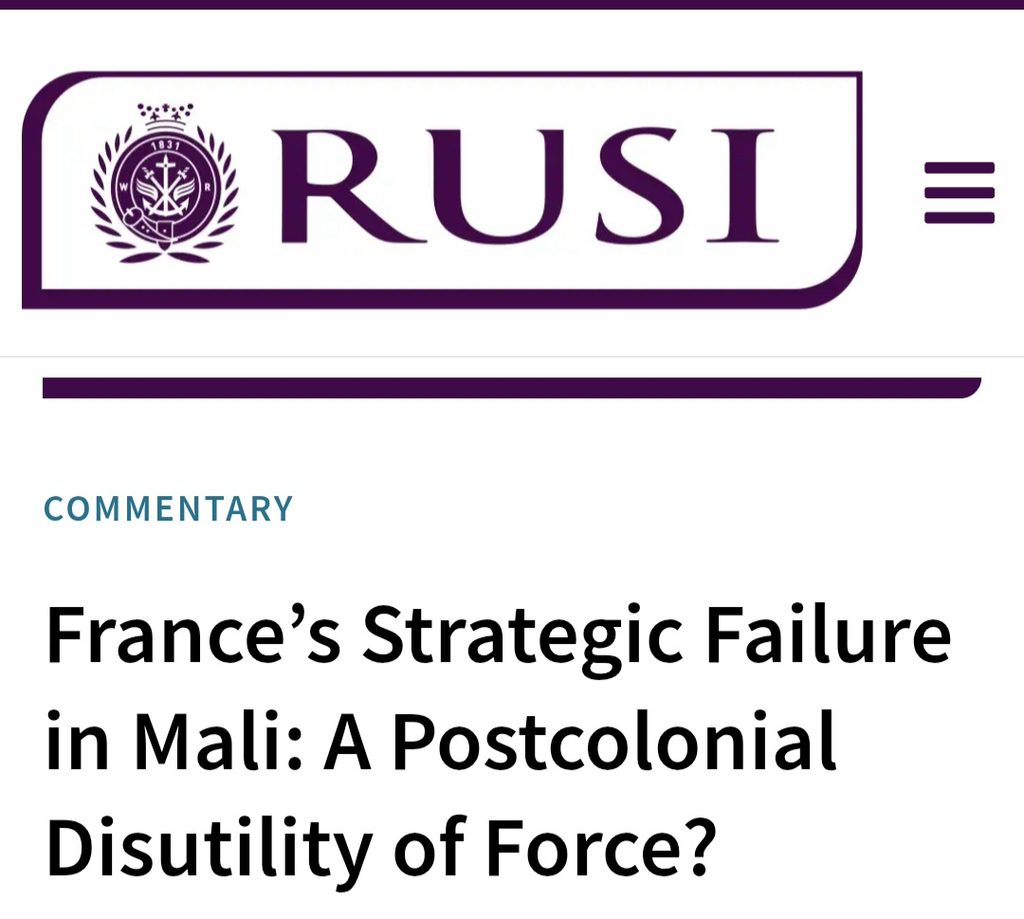
A 2024 analysis by the Royal United Services Institute (RUSI) described France’s intervention in Mali as a strategic failure, arguing that its military approach had, in several respects, worsened the conflict rather than bringing about a lasting political solution.
France eventually withdrew its forces from Mali in 2022 and Niger in 2023, leaving behind a region still struggling with profound security challenges.
Apparently, the European appetite for demanding explanations was not quite as visible when the consequences of its closest ally’s military strategy were unfolding.
And what about Brussels itself?
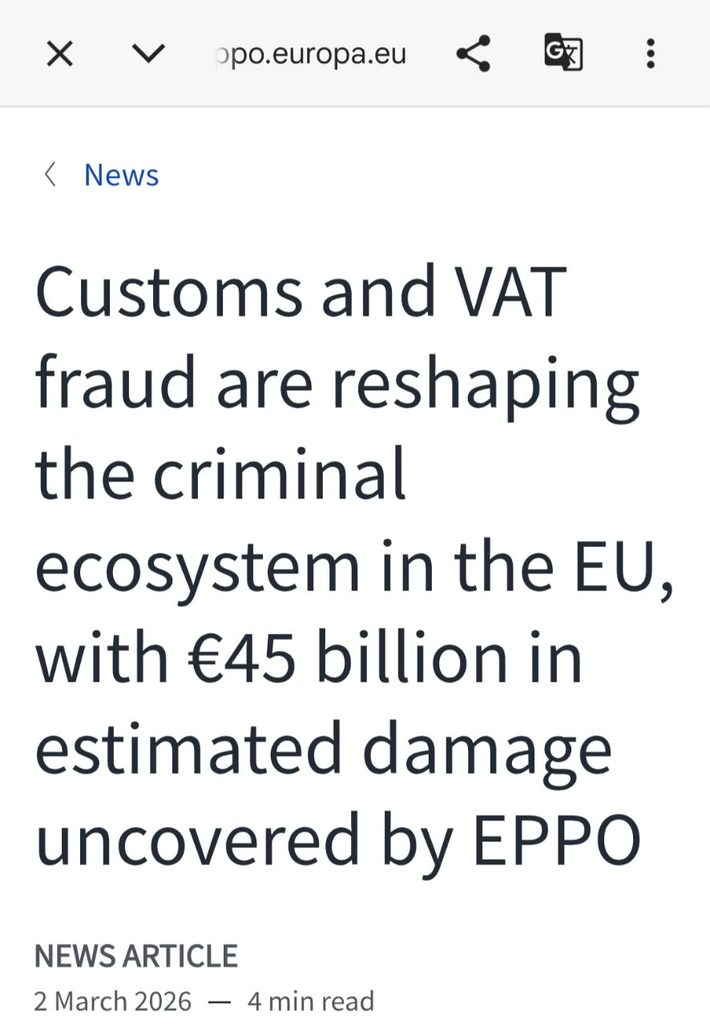
While European officials find time to question Algeria’s security decisions, the European Union is hardly short of internal matters requiring serious attention. The European Public Prosecutor’s Office reported that, by the end of 2025, it was investigating 3,602 active cases involving estimated damage of €67.27 billion to EU and national budgets, including extensive VAT, customs and subsidy fraud.
The Qatargate scandal, meanwhile, exposed serious allegations of corruption involving individuals connected to the European Parliament, raising uncomfortable questions about integrity and accountability within European political institutions.
Perhaps Brussels should occasionally turn its demanding questions inward.
Algeria’s sovereignty is not a matter for political convenience. Its security decisions, particularly those taken in cooperation with neighbouring countries, deserve to be assessed on their actual legal and regional context, not through a lens of suspicion simply because they originate from Algiers.
The point is not that Algeria should be exempt from legitimate questions. Rather, the same standards should apply to everyone, including France and the European institutions themselves.
After all, if Brussels is so concerned about stability, transparency and international law in the Sahel, it should also be willing to examine the consequences of the policies that helped shape the region’s current reality.
One final question remains: Is the European Union genuinely concerned about security in the Sahel, or is it simply more comfortable questioning Algeria than confronting the failures of its own allies?