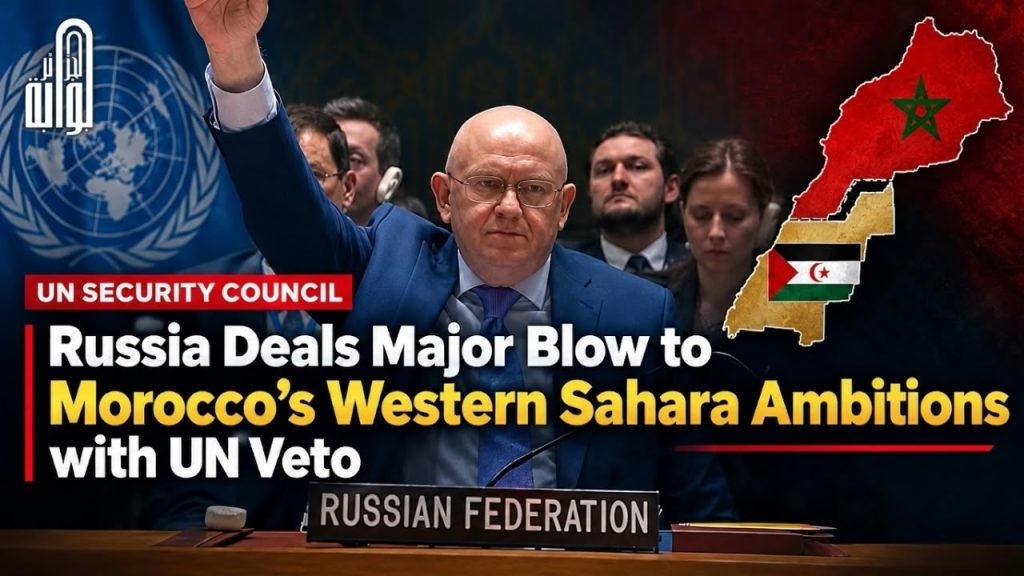
Algeria gate: Russia has dealt a major diplomatic setback to Morocco by vetoing a United States-backed draft resolution on Western Sahara at the United Nations Security Council on Friday, October 30, blocking an initiative that sought to strengthen Morocco’s autonomy proposal as the basis for resolving the decades-long dispute.
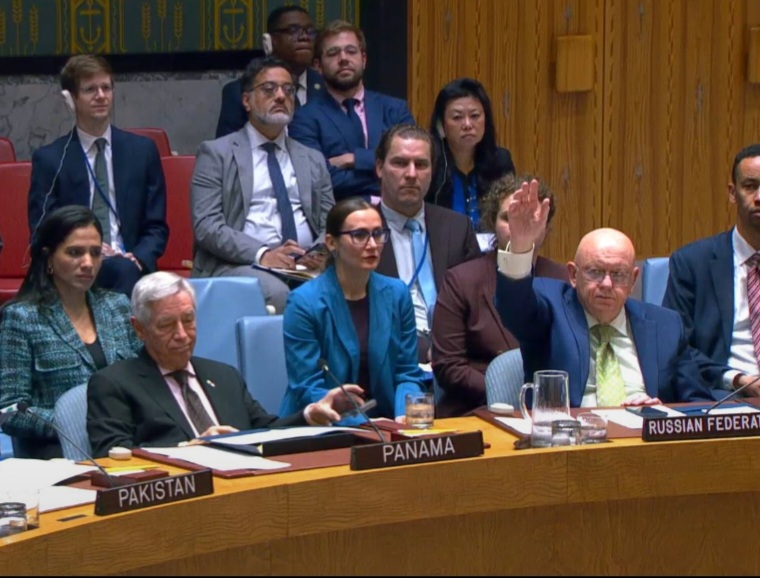
The draft resolution received 11 votes in favour, while Russia voted against it and three other members abstained. As a permanent member of the Security Council, Moscow’s negative vote was sufficient to prevent the resolution’s adoption, despite the overwhelming majority supporting the American proposal.
The vote marked a significant turning point in the latest diplomatic efforts surrounding Western Sahara, particularly for Rabat, which had been seeking to consolidate growing international support for its autonomy initiative under Moroccan sovereignty.
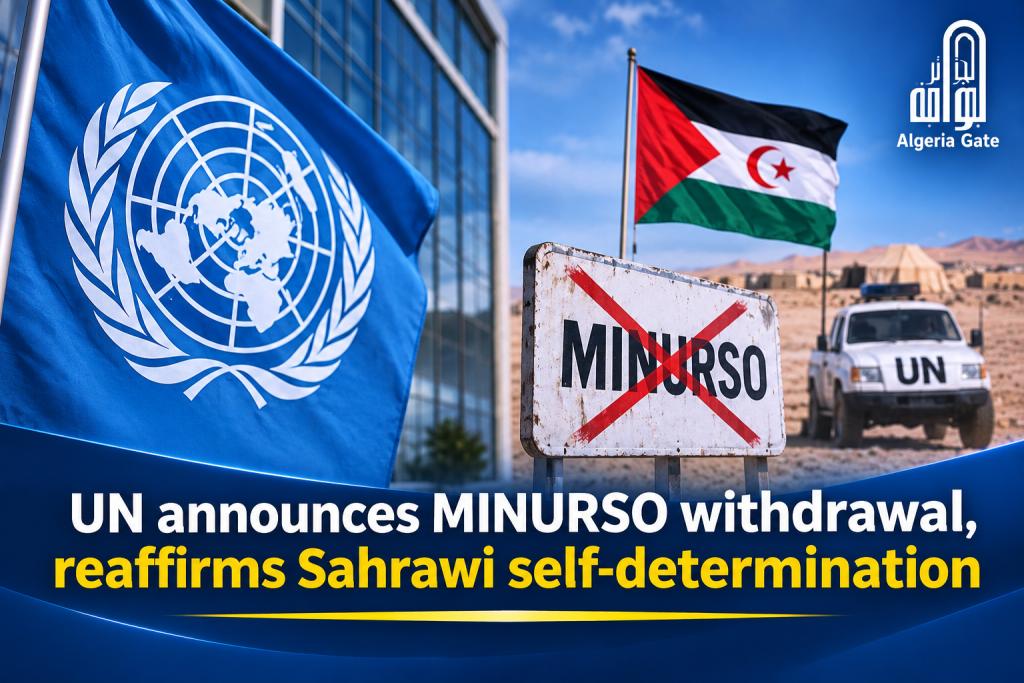
The American-backed draft proposed extending the mandate of the United Nations Mission for the Referendum in Western Sahara (MINURSO) for another year, while introducing substantial changes to its structure and responsibilities. Among the most controversial provisions was a proposal to rename the mission, removing the explicit reference to the referendum, alongside plans to reduce its personnel and military component.
Washington had also revised its initial language following objections from several Security Council members. The updated text described Morocco’s autonomy plan as the most feasible foundation for negotiations, rather than presenting it as the only acceptable outcome. Nevertheless, the proposal continued to raise concerns over the future of the UN-led political process and the principle of self-determination.
Russia, meanwhile, had put forward an alternative draft calling for a one-year extension of MINURSO’s mandate until October 31, 2027, without changing its existing responsibilities. Moscow’s move reflected its opposition to what it considered an attempt to reshape the UN mission and the negotiating framework in favour of one party to the conflict.
The Russian intervention has therefore dealt a serious blow to Morocco’s diplomatic ambitions. After years of efforts to secure broader international recognition of its autonomy proposal, Rabat had hoped that the latest Security Council resolution would represent another major step towards consolidating its position. Instead, the American initiative was blocked by a permanent member of the Council, exposing the limits of the diplomatic momentum Morocco had sought to build.
The outcome also demonstrates that support from Washington and other Western capitals does not automatically translate into consensus within the Security Council. Despite the 11 votes in favour, Russia’s veto prevented the proposed changes from becoming a new UN-backed framework.
For Morocco, the vote represents a considerable setback to expectations that the international community would move closer to endorsing its preferred approach. The diplomatic path Rabat had hoped to see consolidated has encountered a formidable obstacle, leaving the future of the dispute firmly contested within the highest international body responsible for maintaining peace and security.