Monday, 2 November 2026 • 18:53 Algiers time
Algeria Gate
Share this post

UN announces MINURSO withdrawal, reaffirms Sahrawi self-determination

• Author: Y.R • 0 comments • 19 views
UN announces MINURSO withdrawal, reaffirms Sahrawi self-determination

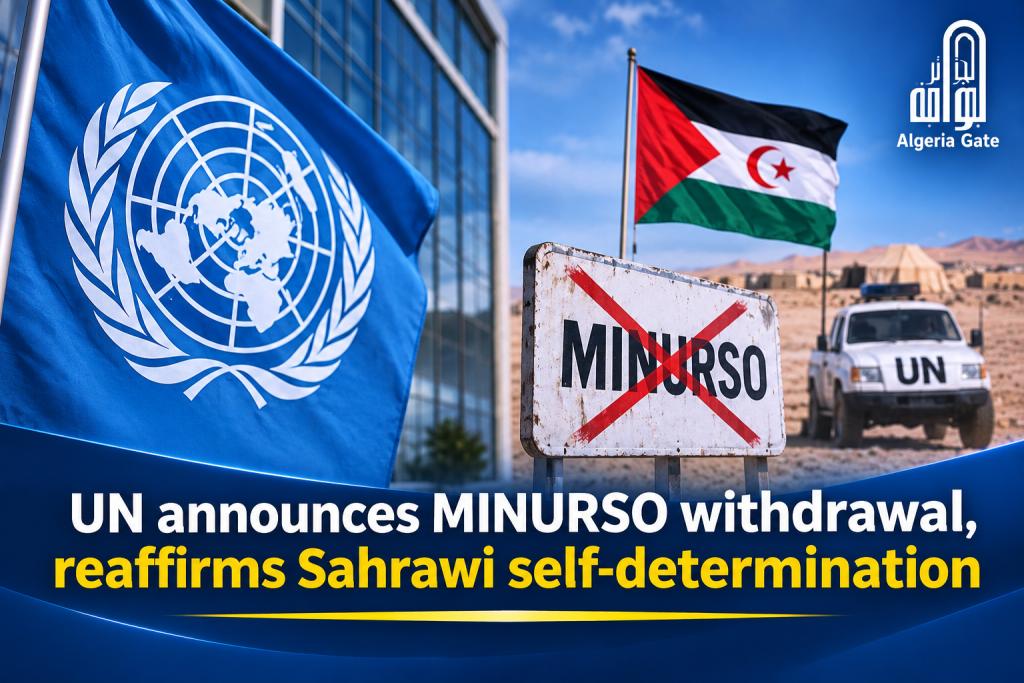
Algeria Gate: The United Nations has announced the beginning of the withdrawal and liquidation process of its peacekeeping mission in Western Sahara, MINURSO, marking a major development in the decades-long territorial dispute between Morocco and the Polisario Front.

According to a statement attributed to UN spokesperson Stéphane Dujarric and reported by Algeria Gate, Secretary-General António Guterres expressed his gratitude to the personnel who served under the United Nations Mission for the Referendum in Western Sahara (MINURSO), while reaffirming the Sahrawi people’s inalienable right to self-determination.

The reported announcement comes amid persistent tensions in Western Sahara and renewed concerns about the possibility of further military escalation.

MINURSO begins its withdrawal process

According to the report, November 1, 2026, marks the beginning of the mission’s liquidation phase, bringing its peacekeeping operations to an end after 35 years.

A reduced UN team, operating under the Department of Operational Support, will oversee the orderly repatriation of equipment belonging to troop-contributing countries and the management of UN-owned assets.

Guterres reportedly called on all parties to cooperate fully to ensure that the process is completed efficiently and without unnecessary delays.

The Secretary-General also paid tribute to Alexander Ivanko, his Special Representative for Western Sahara, acknowledging his leadership during a particularly challenging period following the resumption of hostilities in 2020.

He further honored the 20 MINURSO personnel who lost their lives during the mission’s 35-year presence in the territory.

Sahrawi self-determination remains a fundamental right

Despite the reported end of MINURSO’s peacekeeping operations, the United Nations reiterated that the withdrawal does not extinguish the Sahrawi people’s right to determine their political future.

According to the statement cited by Algeria Gate, MINURSO was established to serve the people of Western Sahara, particularly by enabling them to exercise their inalienable right to self-determination.

Guterres emphasized that the departure of the mission does not eliminate that right and called on all parties to respect and uphold the rights of the Sahrawi people.

This distinction is particularly significant because MINURSO was originally established in 1991 to support a ceasefire and organize a referendum on Western Sahara’s future political status.

Although the referendum has never taken place, self-determination remains central to the United Nations’ approach to resolving the dispute.

Security Council deadlock triggers mission’s closure

The development follows a dramatic diplomatic confrontation at the UN Security Council on October 30, when competing American and Russian draft resolutions failed to secure approval.

Russia vetoed a US-backed proposal that would have extended MINURSO’s mandate while placing Morocco’s autonomy initiative at the center of negotiations and reducing the mission’s military role.

The Council subsequently failed to adopt a Russian proposal seeking a one-year extension of MINURSO’s existing mandate.

As a result, the mission’s authorization was left to expire on October 31, creating a major challenge for the United Nations’ presence in Western Sahara.

Guterres warns against renewed hostilities

The Secretary-General also expressed concern about the deteriorating security situation and the potential consequences of renewed military confrontation.

He urged Morocco, the Polisario Front and other concerned parties to exercise maximum restraint, avoid provocative actions and refrain from measures that could further destabilize the region.

The reported withdrawal raises particular concerns about the future of ceasefire monitoring and the ability of international observers to help prevent escalation.

Humanitarian organization Oxfam has similarly warned that the loss of MINURSO’s monitoring and de-escalation functions could have serious consequences for civilians and regional stability.

UN diplomatic efforts to continue

Despite the end of the mission’s mandate, the United Nations remains committed to pursuing a political settlement to the Western Sahara conflict.

According to Algeria Gate, Guterres reaffirmed the organization’s willingness to support negotiations aimed at achieving a just, lasting and mutually acceptable solution that guarantees the Sahrawi people’s right to self-determination.

These diplomatic efforts are expected to continue through the Secretary-General’s Personal Envoy for Western Sahara, Staffan de Mistura.

The withdrawal of MINURSO therefore represents a significant change in the UN’s operational presence, but not an end to its political involvement in the territory.

For the Sahrawi people, the central question remains unresolved: how their internationally recognized right to self-determination will be exercised after more than three decades of unsuccessful efforts to organize a referendum.

The latest developments leave Western Sahara at a critical crossroads, with the future of regional stability, diplomatic negotiations and the Sahrawi people’s political aspirations increasingly uncertain.


#Algeria#MINURSO#UN
Author

Leave a comment

Your email address will not be published. Required fields are marked *

Europe
Share this post

Italy swept by nationwide protests

Italy swept by nationwide protests

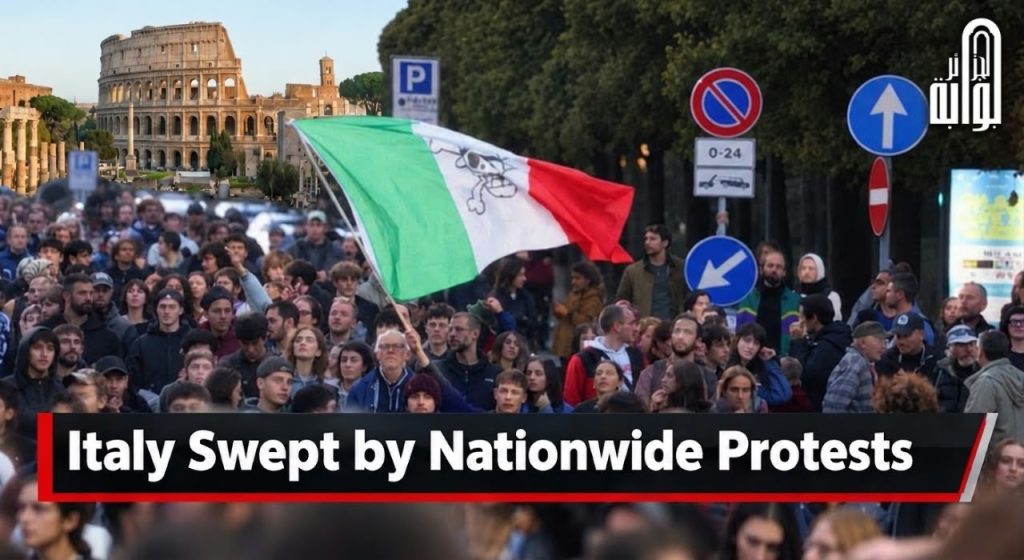
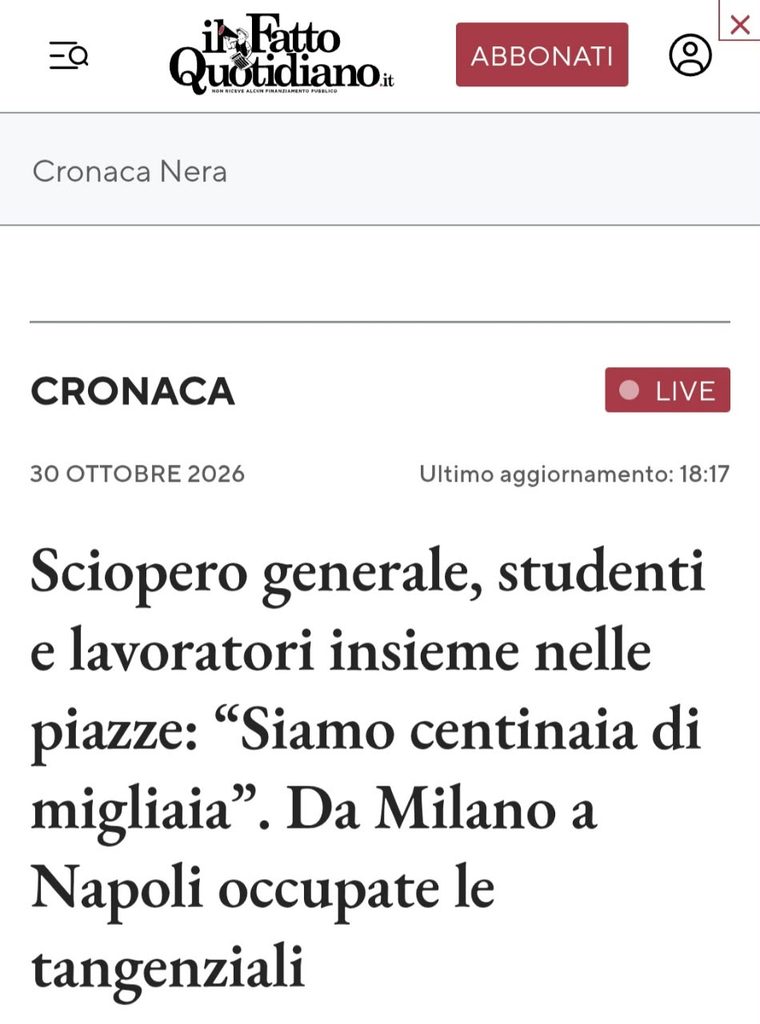
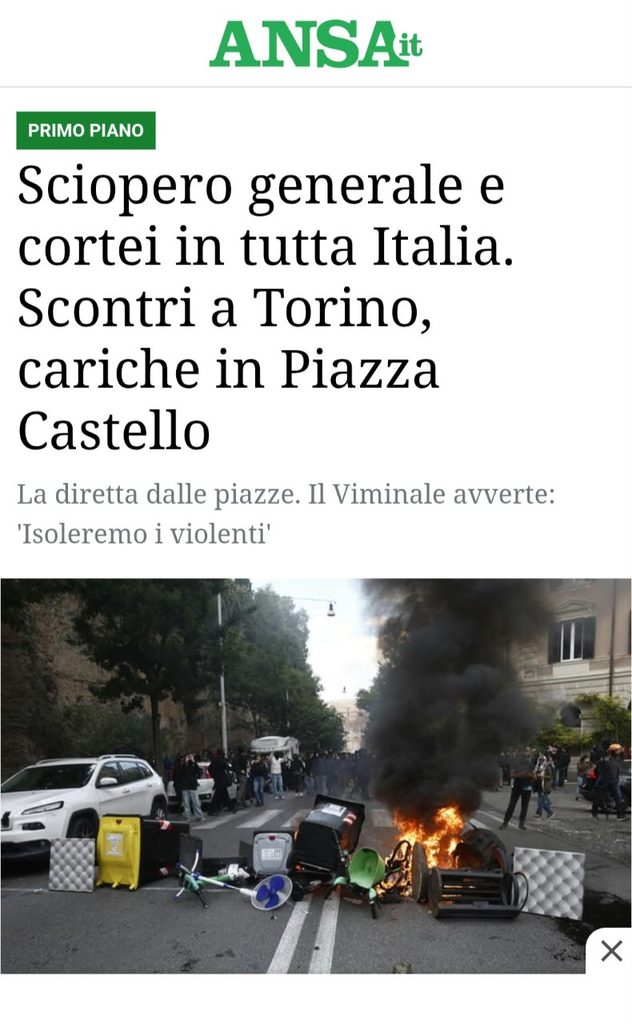
Algeria gate: October 30, 2026 — Thousands of demonstrators took to the streets across Italy on Friday as a nationwide general strike triggered widespread protests against rising living costs, government policies, increased military spending and the country’s involvement in the arms trade.

Italy swept by nationwide protests

The demonstrations, organised in response to a call by the grassroots trade union Unione Sindacale di Base (USB), brought together workers, university and high-school students, pensioners, activists and port employees in more than 40 cities, including Rome, Milan, Turin, Naples, Venice and Palermo.

Protesters voiced growing frustration over the rising cost of essential goods, housing, energy bills and declining purchasing power, while demanding stronger investment in public services, particularly education and healthcare. They also criticised the government’s rearmament policies and called for an end to the use of Italian ports for arms shipments to conflict zones.

The mobilisation was particularly visible in Milan, where around 30,000 people reportedly joined a march along a section of the city’s ring road, which was closed to traffic. In Genoa, approximately 15,000 port workers, students and other demonstrators gathered in and around the port, highlighting their opposition to the transport of weapons.

However, the demonstrations were not entirely peaceful. In Rome, clashes broke out after a group of protesters separated from the main march, throwing objects at police officers and setting fire to rubbish bins and electric scooters. In Turin, police deployed water cannons and charged at demonstrators after tensions escalated near the prefecture.

Italy swept by nationwide protests

The authorities had placed several major cities under heightened security measures following violent incidents during previous demonstrations in Milan, Turin, Rome and Bologna in recent weeks.

The strike also affected several sectors, including schools, public transport and other essential services, reflecting the broader social and economic concerns behind the mobilisation.

Friday’s demonstrations underscore the growing tensions surrounding Italy‘s economic pressures, social demands and government priorities, as thousands of citizens continue to call for better living conditions, stronger public services and a different approach to military spending.

https://twitter.com/Italia24HLive/status/2116186646768955903?a=iHLEpZV0Dqifb3oB-TU&s=08
#Europe#Italy#protests
Author
صغير يسرى
View my articles
Algeria
Share this post

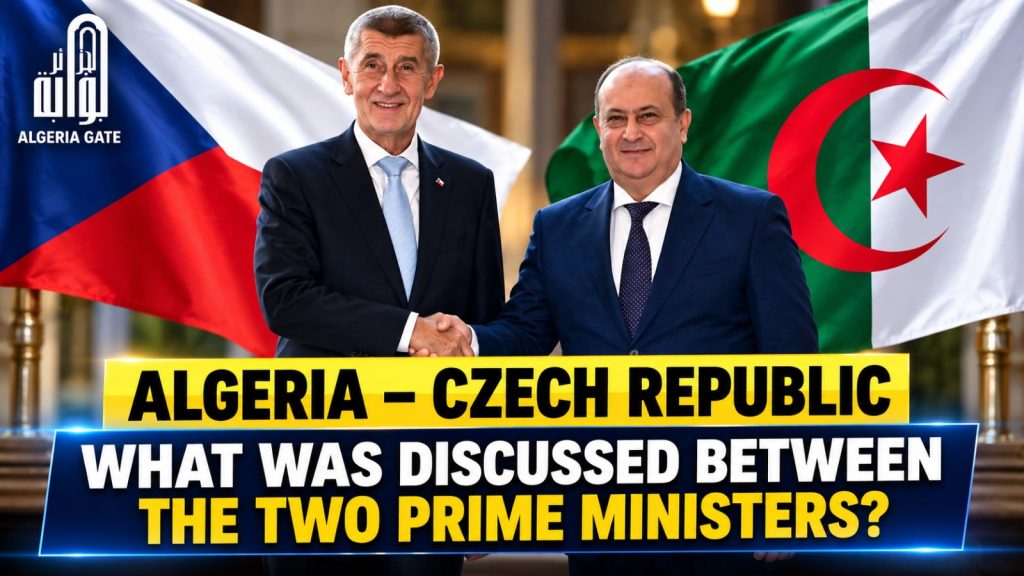
Algeria and Czech Republic eye major gas and industrial deals

Algeria and Czech Republic eye major gas and industrial deals

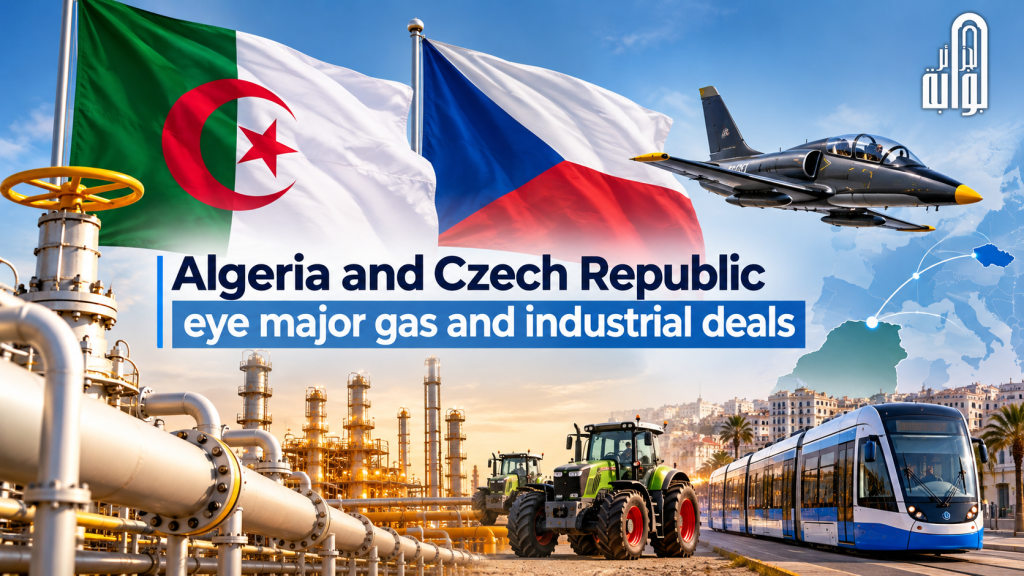
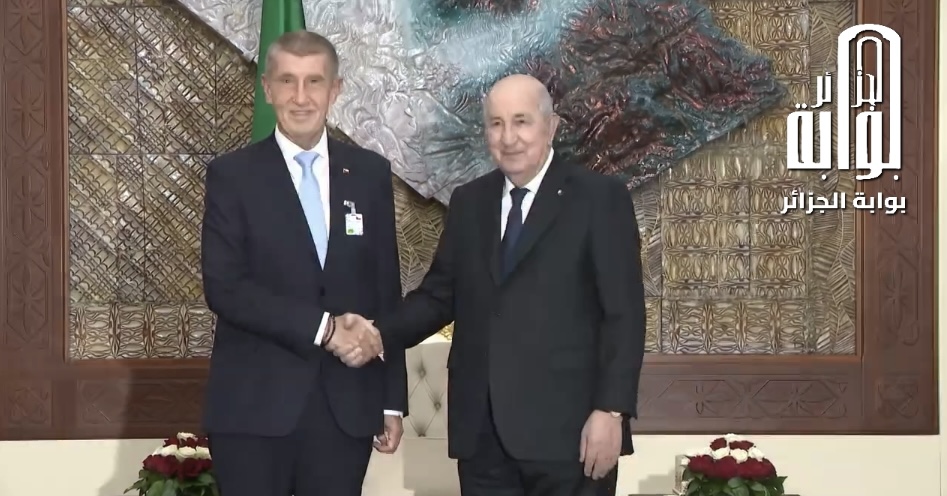
Algeria Gate: Algeria is emerging as an increasingly important economic and energy partner for the Czech Republic, as Prague seeks to double its imports of Algerian natural gas while exploring major cooperation opportunities in aviation, railway transport and industrial manufacturing.

According to the Czech News Agency (ČTK), Czech Deputy Prime Minister Karel Havlíček announced during his visit to Algiers on October 26–27, 2026, that he had secured an agreement in principle from Algerian President Abdelmadjid Tebboune regarding a potential increase in natural gas supplies.

The Czech Republic aims to raise its annual imports of Algerian gas from 200 million to 400 million cubic metres, a move that could strengthen Algeria’s position as a reliable energy supplier to European markets.

Czech Republic proposes up to 24 military training aircraft

Beyond energy cooperation, Prague is seeking to expand its industrial and technological presence in Algeria through several proposed projects.

One of the most significant proposals involves the potential sale of 12 to 24 L-39 Skyfox aircraft, manufactured by Czech aerospace company Aero Vodochody.

The aircraft, designed primarily for military pilot training, could contribute to the modernisation of Algeria’s aviation training capabilities.

The proposed acquisition remains under discussion, with no final purchase agreement announced.

Tractor manufacturing and technology transfer

Industrial cooperation also features prominently in the discussions between the two countries.

Czech officials have proposed establishing a joint tractor manufacturing project in Algeria, involving the transfer of technical expertise and the supply of industrial components.

Such a partnership could support Algeria’s efforts to develop domestic manufacturing, strengthen agricultural mechanisation and reduce reliance on imported equipment.

The project could also create opportunities for local industrial integration and workforce development, depending on the terms of any future agreement.

Škoda eyes Algeria’s tramway market

The Czech Republic is also seeking opportunities in Algeria’s public transportation sector.

Czech manufacturer Škoda Transportation has expressed interest in supplying tramways and exploring potential industrial partnerships with Algerian operators.

The initiative could open new opportunities for cooperation in urban mobility, transport infrastructure and related industrial activities.

However, these proposals remain preliminary and would require further negotiations before commercial contracts or investment commitments can be confirmed.

Algeria strengthens its position in Europe

The latest discussions highlight Algeria’s growing importance in European energy diversification strategies, while also demonstrating its ambition to build economic partnerships extending beyond hydrocarbons.

For the Czech Republic, closer relations with Algeria could provide greater access to natural gas supplies and new markets for its industrial and technological products.

For Algeria, the proposed cooperation offers potential opportunities to attract investment, acquire industrial expertise and expand domestic production in strategic sectors.

The central challenge will now be translating these preliminary discussions into concrete agreements capable of delivering long-term economic benefits for both countries.

If successful, the emerging partnership could mark a new chapter in Algerian-Czech relations, combining energy security with industrial development and technological cooperation.

#Algeria#Gas
Author
Algeria
Share this post

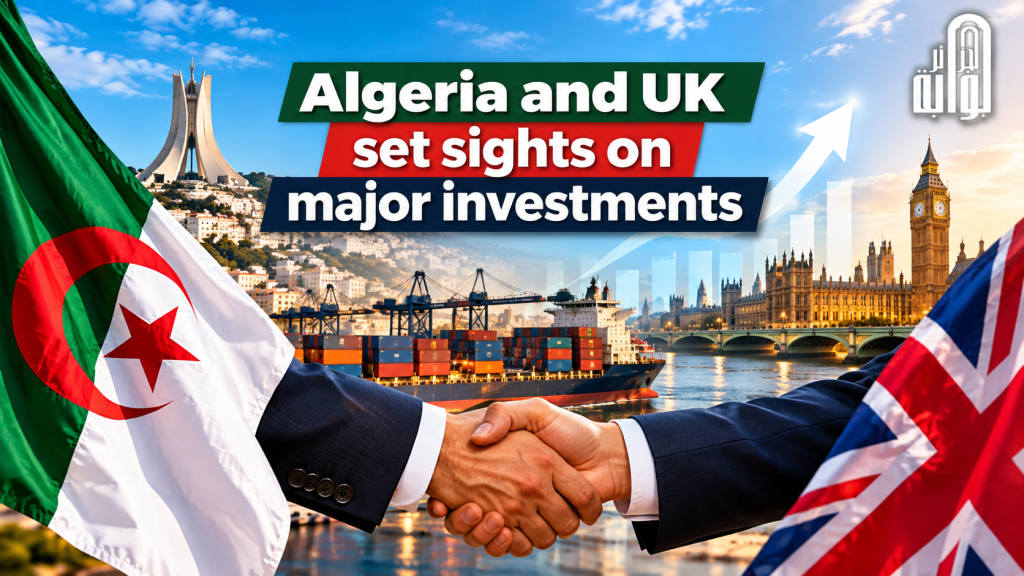
Algeria and UK set sights on major investments

Algeria and UK set sights on major investments

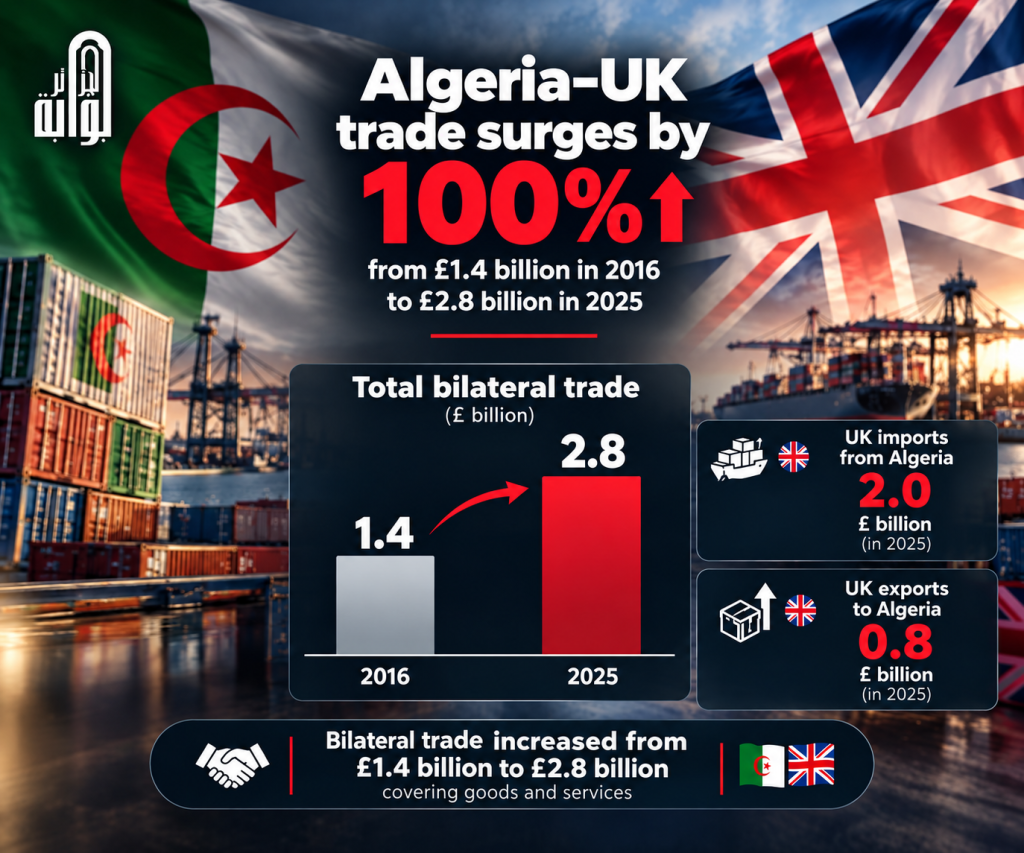
Algeria Gate: Algeria and the United Kingdom are moving toward a broader economic partnership, with bilateral trade reaching £2.8 billion in 2025 and fresh discussions opening the door to British investment in mining, renewable energy, agriculture, technology and industrial development.

The latest initiative follows a meeting on October 27 between the Algerian Investment Promotion Agency (AAPI) and Hannah Barbosa, regional director for trade policy at the UK’s Department for Business and Trade. Representatives of the British Embassy in Algeria also attended the discussions.

The meeting focused on identifying investment opportunities, encouraging joint projects and strengthening cooperation between businesses in both countries.

The renewed engagement reflects a growing ambition to move beyond traditional trade relations, particularly in hydrocarbons, and develop partnerships capable of supporting Algeria’s economic diversification.

Bilateral trade doubles in less than a decade

Economic exchanges between Algeria and the United Kingdom have expanded considerably over recent years.

According to British statistical figures cited in the report, total bilateral trade increased from approximately £1.4 billion in 2016 to £2.8 billion in 2025, representing a doubling in value.

British imports from Algeria accounted for approximately £2 billion, while UK exports to the Algerian market reached around £800 million.

Energy remains a major component of Algeria’s exports to Britain, reflecting the country’s established position as a supplier of hydrocarbons to international markets.

British exports to Algeria include industrial vehicles, mechanical equipment, pharmaceutical products and scientific instruments.

The composition of trade highlights the complementary strengths of the two economies while revealing opportunities to expand cooperation into higher-value industrial and technological activities.

Algeria and UK set sights on major investments

Mining and renewable energy attract growing interest

Mining is emerging as a promising area for future Algerian-British cooperation.

Algeria is pursuing major mineral development projects aimed at increasing domestic processing, reducing dependence on imports and creating new export opportunities.

These initiatives could generate demand for specialized machinery, engineering services, industrial technology and technical expertise.

Renewable energy also offers potential for collaboration as Algeria seeks to expand its solar electricity capacity and modernize its energy infrastructure.

British companies with experience in energy technology, project development and engineering could explore opportunities in these sectors, although specific investments remain subject to further negotiations.

Digital transformation represents another area of interest, particularly in industrial modernization, business services and technological cooperation.

Agriculture opens another investment opportunity

Algeria’s efforts to increase agricultural production, particularly through large-scale farming projects in southern regions, could create additional opportunities for British businesses.

Potential areas of cooperation include agricultural machinery, irrigation technology, food processing, storage infrastructure and modern farming techniques.

Expanding domestic food production is an important component of Algeria’s economic diversification strategy.

Investment partnerships in agriculture could contribute to improving productivity, strengthening supply chains and supporting the development of food-processing industries.

However, translating these opportunities into operational projects will depend on financing, infrastructure, regulatory conditions and commercial agreements between interested companies.

British investment has room to expand

Despite the size of bilateral trade, the United Kingdom’s direct investment presence in Algeria remains comparatively limited.

British foreign direct investment stock in Algeria stood at approximately £77 million at the end of 2024, according to the figures cited in the report.

The gap between trade volumes and existing investment suggests significant potential for a deeper economic relationship.

Greater investment in manufacturing, mining, agriculture and renewable energy could help shift bilateral cooperation from the exchange of goods toward long-term production partnerships.

Such projects could also support technology transfer, workforce development and greater participation by Algerian companies in international supply chains.

London and Algiers build on earlier economic talks

The latest discussions follow the second meeting of the Algeria–UK Economic Working Group, held in London on April 22, 2026.

During that meeting, both sides agreed to intensify economic exchanges and explore cooperation in industry, infrastructure, agriculture, mining, energy transition and digitalization.

The continuation of these discussions indicates an effort to establish a more structured framework for bilateral economic engagement.

Officials are now seeking to improve information-sharing and identify concrete investment projects that could attract businesses from both countries.

The possibility of organizing an Algerian-British business forum was also discussed, potentially creating a platform for investors, companies and economic institutions to explore commercial opportunities.

A new chapter for Algeria–UK economic relations

Algeria’s expanding investment ambitions and the United Kingdom’s experience in industrial technology, financial services and engineering provide a foundation for closer economic cooperation.

For Algeria, attracting productive foreign investment is part of a broader effort to diversify economic activity, develop domestic industries and reduce reliance on hydrocarbon revenues.

For British companies, Algeria offers opportunities in energy, mineral resources, infrastructure and a range of emerging industrial sectors.

The challenge will be to convert diplomatic and institutional discussions into concrete investment commitments and commercially viable projects.

With bilateral trade already reaching £2.8 billion, both countries are seeking to build a partnership that extends beyond conventional trade and delivers longer-term economic benefits.

#Algeria#Economy#UK
Author