
Monday, 2 November 2026 • 19:29 Algiers time
Algeria Gate
Share this post

World Bank warns of global price surge

• Author: Y.R • 0 comments • 7 views
World Bank warns of global price surge

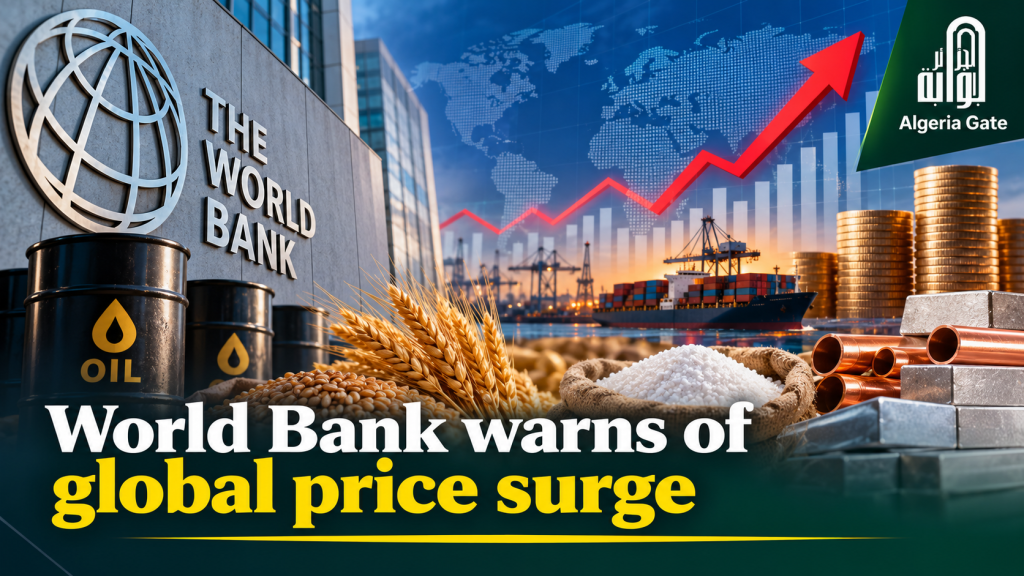
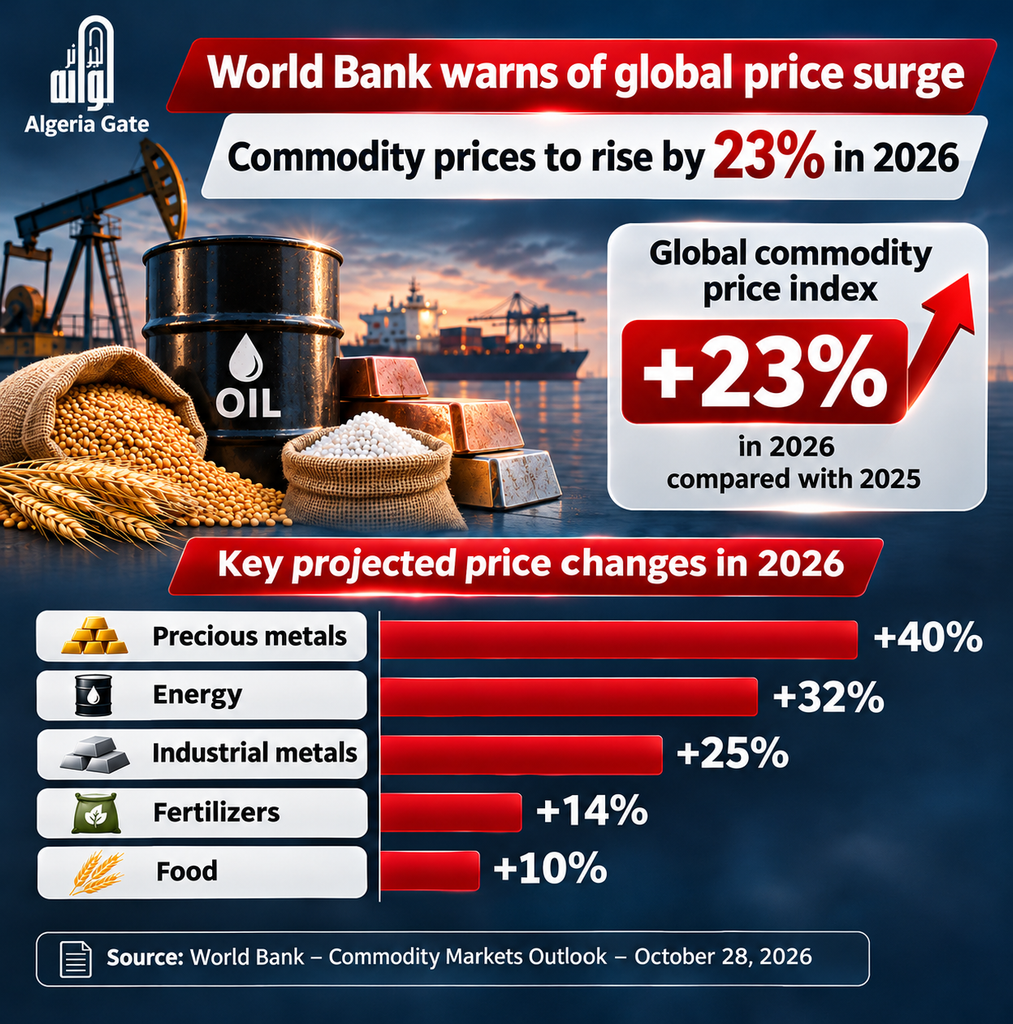
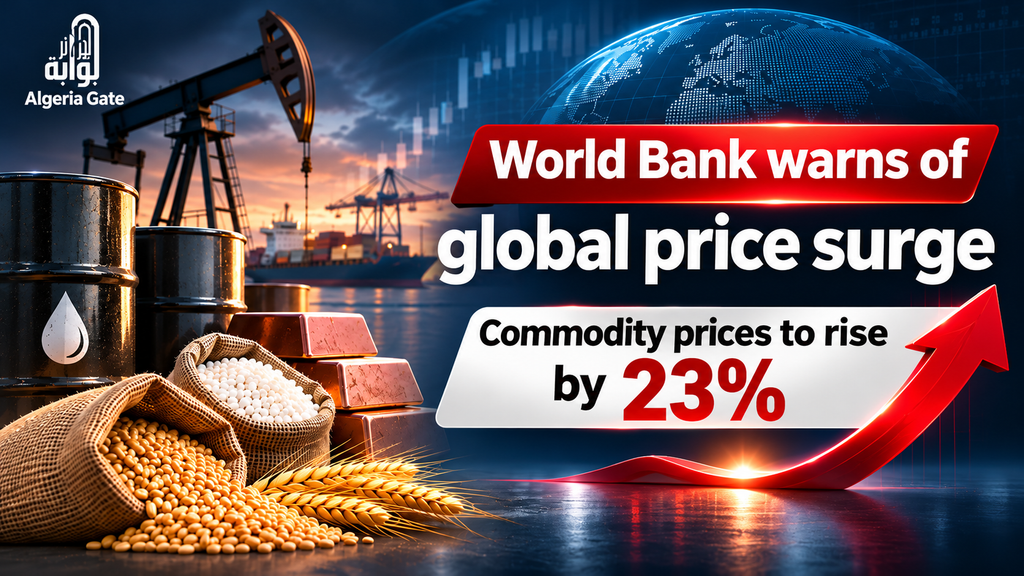
Algeria Gate: The World Bank has warned that the global economy faces renewed inflationary pressures as geopolitical tensions, energy supply disruptions and rising food costs threaten to drive commodity prices sharply higher. According to a report published by Algeria Gate, the Bank’s latest Commodity Markets Outlook, released on 28 October 2026, projects a 23% increase in global commodity prices during 2026.

The projected increase reflects mounting pressure across international energy, agricultural and industrial markets, with developing economies particularly vulnerable to higher import costs and declining household purchasing power.
World Bank warns of global price surge

Energy prices face renewed pressure

Energy markets are expected to experience some of the sharpest increases, with the report projecting a 32% rise in energy prices in 2026, reversing three consecutive years of decline.

The World Bank’s forecasts, as reported by Algeria Gate, suggest that Brent crude oil could average $91 per barrel in 2026, compared with $69 in 2025, before easing to approximately $79 in 2027 if global supply conditions improve.

The report attributes these pressures to geopolitical instability in the Middle East, declining oil inventories and disruptions affecting international energy supplies.

Global oil production is projected to fall by 5.2% in 2026, while consumption could decline by 2.5% as higher prices constrain demand and electrification expands across transport and industrial sectors.

Despite weaker consumption, supply constraints could continue to place upward pressure on international oil prices.
World Bank warns of global price surge

Food prices threaten household purchasing power

Food markets are also facing significant uncertainty.

According to the report, global food prices could increase by approximately 10% in 2026, followed by a further 7% in 2027, representing a cumulative rise of nearly 18% over two years.

Several factors are contributing to this outlook, including disruptions to grain shipments through the Black Sea, rising fuel and fertiliser costs, and the potential effects of El Niño-related weather conditions on agricultural production.

These developments could have particularly severe consequences for low-income households, where food expenditure represents a substantial proportion of household budgets.

The World Bank also warns that an adverse scenario involving intensified conflicts, shipping disruptions and extreme weather could push food prices 12% above its baseline projections for 2027.

Such developments would increase the risk of food insecurity and place additional pressure on countries already experiencing economic difficulties.

Industrial metals and fertilisers also affected

The inflationary pressures extend beyond energy and food.

Industrial metal prices are projected to increase by 25% in 2026, supported by growing demand from electric vehicle manufacturing, renewable energy infrastructure and data centres.

Copper, aluminium and tin are among the commodities experiencing particularly strong demand, while supply disruptions could further restrict availability.

Precious metals are also expected to register substantial gains, with the report forecasting a 40% increase as investors seek safer assets amid geopolitical and economic uncertainty.

Meanwhile, fertiliser prices could rise by approximately 14%, increasing agricultural production costs and potentially contributing to further food price pressures.

Together, these developments illustrate how disruptions in one commodity market can spread through international production networks, affecting transport, manufacturing, agriculture and consumer prices.
World Bank warns of global price surge

What the price surge means for Algeria

For Algeria, the changing commodity outlook presents both economic opportunities and challenges.

As a major oil and natural gas exporter, Algeria could benefit from stronger international energy prices, potentially increasing hydrocarbon export revenues and supporting public finances.

Higher energy prices may also strengthen Algeria’s position as a reliable supplier to European and Asian markets seeking stable sources of oil and natural gas.

However, the benefits of higher hydrocarbon revenues could be partially offset by rising international prices for imported agricultural products, industrial equipment and raw materials.

In particular, higher grain, fertiliser and industrial commodity prices could increase production and import costs, placing additional pressure on businesses and consumers.

The overall economic impact will therefore depend on the balance between stronger energy export earnings and rising expenditure on imported goods.

World Bank outlines financial support measures

In response to growing economic risks, the World Bank has reportedly made between $50 billion and $60 billion in financing and assistance available through existing instruments.

This includes approximately $25 billion in pre-arranged financing intended to support countries facing financial pressures.

The measures are designed to help vulnerable economies strengthen social protection systems, support farmers and businesses, and manage the consequences of higher commodity prices.

The Bank also projects that its overall commodity price index could decline by 7% in 2027, although this forecast depends on the absence of further major disruptions to global supply chains.

A fragile outlook for the global economy

The latest projections highlight the increasingly interconnected nature of international commodity markets.

Energy shortages can raise transport and manufacturing costs, while agricultural disruptions can increase food prices and intensify inflationary pressures across entire economies.

For developing countries, the principal challenge will be maintaining economic stability while protecting households from rising living costs.

For commodity exporters such as Algeria, the situation may provide additional export revenue, but also reinforces the importance of economic diversification, domestic production and resilient supply chains.

With geopolitical uncertainty remaining elevated, the direction of global commodity prices will depend heavily on developments in energy markets, international trade routes and agricultural production.

The World Bank’s reported forecasts underline a broader concern: sustained commodity price increases could undermine purchasing power, slow economic growth and deepen financial pressures on vulnerable economies.

#Economy#World Bank
Author

Leave a comment

Your email address will not be published. Required fields are marked *

Algeria
Share this post

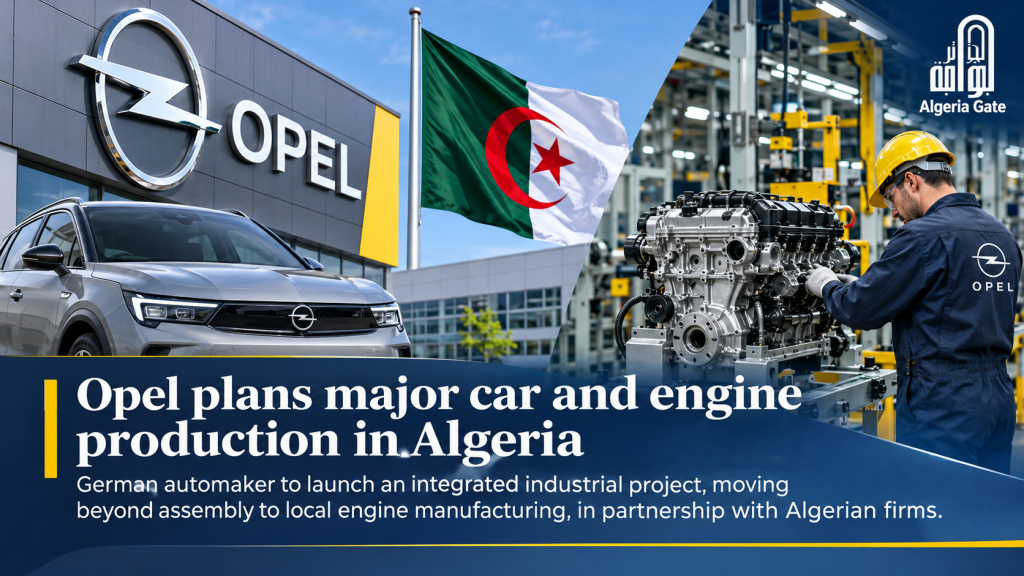
Opel plans major car and engine production in Algeria

Opel plans major car and engine production in Algeria

Algeria Gate: German automaker Opel is preparing to launch a major industrial project in Algeria, marking a significant step toward localizing vehicle and engine production. The initiative aims to move beyond traditional vehicle assembly toward manufacturing high-value mechanical components including enhanced modern features, strengthening Algeria’s automotive industry and expanding the European brand’s industrial presence in the country.

Opel CEO Florian Huettl confirmed during a press meeting on the sidelines of the Paris Motor Show in October 2026 that the company is developing an integrated industrial project in Algeria. The initiative includes a vehicle production facility and a dedicated engine manufacturing line, in cooperation with Algerian partners.

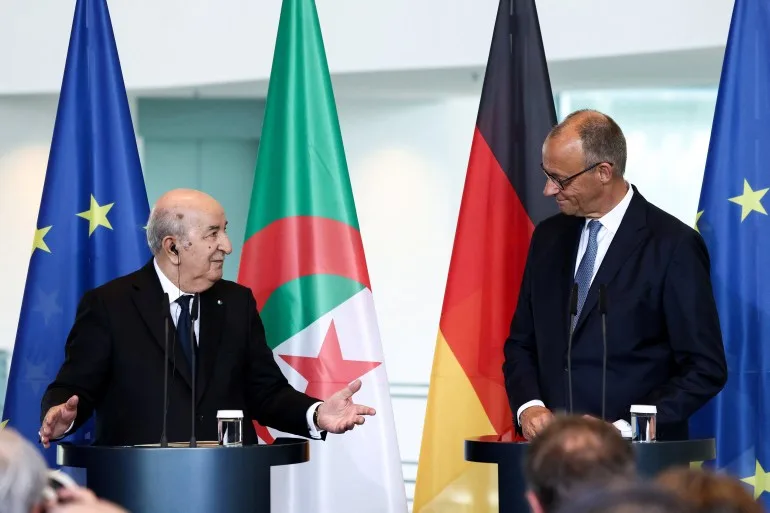
The announcement follows a memorandum of understanding signed on July 17, 2026, in Berlin between Opel Automobile GmbH and Algeria’s AGM Holding Group. The agreement was concluded during the Algerian-German Economic Forum, held alongside President Abdelmadjid Tebboune’s visit to Germany.

Opel plans major car and engine production in Algeria

According to Opel’s official statement cited in the report, the partnership aims to establish local production of the brand’s first engine manufactured in Algeria. This forms part of a broader strategy to develop domestic industrial capabilities, meet national market demand, and attract further investment in automotive manufacturing and component production.

Beyond assembly: Building an integrated automotive industry

The project extends beyond establishing a vehicle assembly plant. Opel intends to develop an industrial ecosystem encompassing engine manufacturing, supplier development, and the transfer of engineering and technical expertise.

These efforts are expected to increase local integration rates and encourage greater participation by Algerian companies in the mechanical manufacturing sector.

Engine production represents a particularly important industrial milestone, as engines are among the most technically complex automotive components. Their manufacturing requires precision equipment, specialized expertise, and rigorous quality-control systems.

Establishing these capabilities locally could create new opportunities for Algerian companies specializing in metalworking, mechanical engineering, and technical components.

The project gained further momentum in October following a visit to Algeria by Falk Zimpel, Opel’s director for the Middle East and Africa.

During his visit, Zimpel held working meetings with AGM Holding officials and technical teams involved in the initiative. Discussions focused on monitoring preparatory work and examining the technical requirements for implementing the partnership, signaling a gradual transition from preliminary agreements toward practical industrial preparations.

Opel plans major car and engine production in Algeria

Algeria seeks greater local automotive production

The initiative comes as Algeria seeks to establish a more integrated automotive industry, prioritizing domestic manufacturing, higher local content, and the development of a national supplier network rather than relying primarily on imported components for assembly.

The Opel project also reflects expanding industrial cooperation between Algeria and Germany, particularly in technology and mechanical engineering.

Through this partnership, Opel aims to capitalize on the potential of the Algerian market while establishing a long-term industrial presence outside Europe.

Regarding production priorities, Huettl explained that the initial phase would focus on meeting demand in the Algerian market. Export opportunities could be considered at a later stage, depending on the development of manufacturing capacity and the availability of suitable conditions.

The vehicle models to be produced locally have not yet been finalized. Opel is evaluating several options, including family cars and higher-segment vehicles, but no definitive decision has been announced.

The company has also not disclosed the total investment value, the expected annual engine production capacity, or a final timetable for the start of commercial manufacturing.

A strategic investment in Algeria’s industrial future

As part of the Stellantis automotive group, Opel aims to establish an industrial base in Algeria capable of supporting vehicle production and developing domestic engine manufacturing.

The initiative could contribute to job creation, technical skills development, and technology transfer while strengthening Algeria’s position within international automotive value chains.

Beyond introducing another automotive brand to the Algerian market, the project offers an opportunity to develop a more comprehensive mechanical manufacturing industry.

Its long-term impact will depend on successfully transforming the proposed engine manufacturing facilities into operational production lines, supported by growing participation from Algerian suppliers and industrial companies.

If implemented successfully, Opel’s investment could mark an important milestone in Algeria’s ambition to become a regional automotive manufacturing hub.

#Algeria#Cars#Germany
Author
Algeria
Share this post

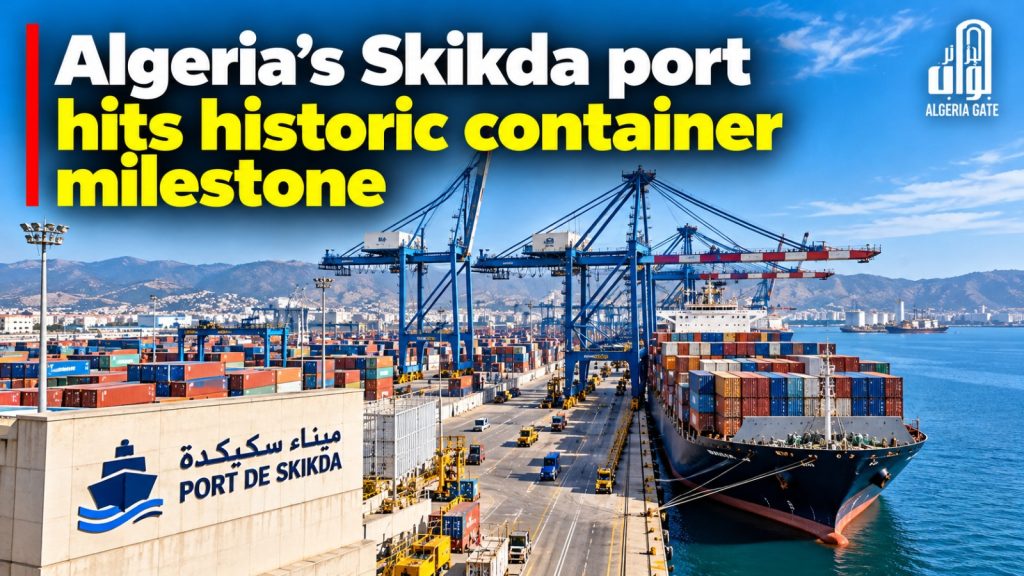
Algeria’s Skikda port hits historic container milestone

Algeria’s Skikda port hits historic container milestone

Algeria Gate: Algeria’s Port of Skikda has achieved a historic milestone, handling more than 200,000 twenty-foot equivalent units (TEUs) between January and October 2026, marking the first time the eastern Algerian port has crossed this threshold.

The achievement was announced by the port’s commercial director, Ilyas Manea, according to the Algerian Press Service (APS), highlighting improvements in operational efficiency, cargo handling and logistics capabilities.

The milestone represents a significant development for one of Algeria’s strategic maritime facilities, reinforcing its role in supporting international trade and the country’s broader economic diversification efforts.

A record-breaking performance for Skikda

The port’s latest figures show that container traffic exceeded 200,000 TEUs during the first ten months of 2026, setting a new record in its history.

The TEU, or twenty-foot equivalent unit, is the internationally recognized measurement used to calculate container traffic at seaports.

According to the port’s management, the achievement reflects ongoing efforts to reorganize cargo-handling operations, improve terminal productivity and optimize the use of port infrastructure.

These operational improvements have helped the facility accommodate greater cargo volumes while strengthening its ability to respond to growing commercial demand.

The record also illustrates the importance of modernizing Algeria’s maritime infrastructure to support increasingly complex international supply chains.

A strategic gateway for eastern Algeria

Located on Algeria’s Mediterranean coastline, the Port of Skikda serves as an important commercial gateway for industrial enterprises, manufacturers and economic operators across the country’s eastern regions.

Its activities contribute to the movement of imported goods, industrial materials and Algerian products destined for international markets.

Beyond container handling, the port plays a role in supporting Algeria’s non-hydrocarbon exports, particularly construction materials.

Skikda has handled shipments of cement and clinker to overseas destinations, including Italy and Libya, reflecting efforts to expand Algeria’s export presence beyond traditional energy products.

The growth of these activities is particularly significant as Algeria seeks to diversify its economy and increase the contribution of manufacturing and industrial exports to national trade.

Algeria’s ports gain momentum

Skikda’s achievement comes amid broader efforts to improve the performance of Algeria’s maritime transport sector.

Other national ports have also reported progress in container-handling operations.

The Port of Annaba, another major maritime facility in eastern Algeria, surpassed the 200,000-container threshold in December 2025, highlighting improvements across the country’s port network.

These developments reflect the growing importance of maritime infrastructure in supporting Algeria’s industrial expansion and international commercial ambitions.

Modern ports are essential for reducing transport bottlenecks, facilitating imports and exports, and improving the competitiveness of businesses operating in domestic and international markets.

Boosting trade and logistics efficiency

Higher container-handling capacity can generate important economic benefits, particularly when accompanied by improvements in transportation networks, storage facilities and customs procedures.

More efficient port operations can help reduce vessel waiting times, accelerate cargo movements and lower logistics costs for importers and exporters.

For Algerian companies, these improvements could translate into more reliable supply chains and stronger access to international markets.

However, sustaining this progress will require continued investment in port equipment, digital management systems and connections between maritime facilities and inland transportation networks.

The development of integrated logistics services will also be essential to ensuring that growing container volumes translate into long-term economic gains.

A milestone for Algeria’s maritime ambitions

By surpassing 200,000 TEUs in the first ten months of 2026, the Port of Skikda has strengthened its position within Algeria’s maritime logistics network.

The achievement highlights the potential of improved port management and infrastructure modernization to support higher trade volumes and more efficient commercial operations.

As Algeria continues working to expand non-hydrocarbon exports and strengthen its international trade connections, Skikda’s record represents another step toward developing a more competitive national maritime sector.

The challenge now will be to build on this performance through sustained investment, operational improvements and closer integration between ports, industries and transportation networks.

#Algeria#Economy
Author
Algeria
Share this post

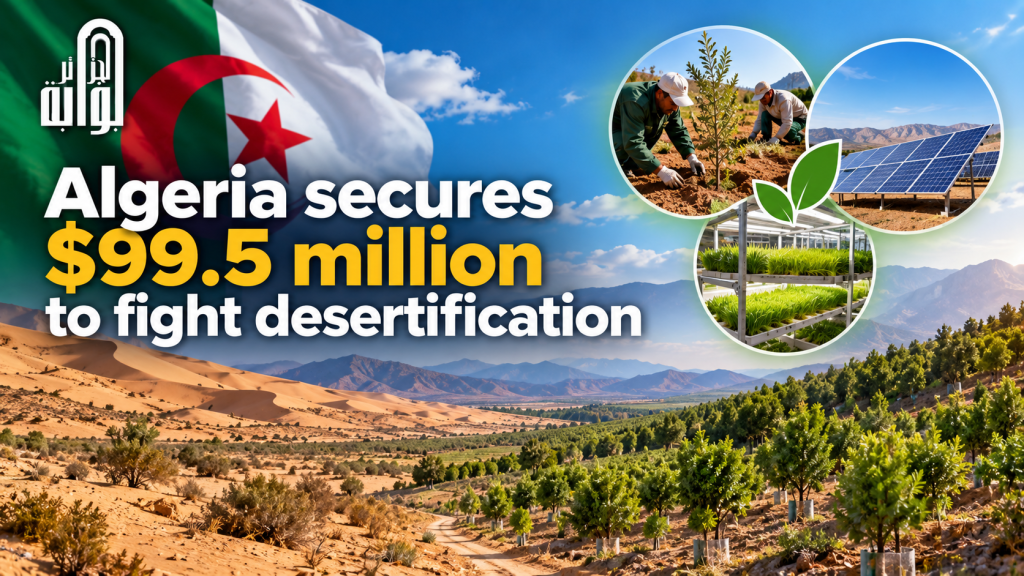
Algeria secures $99.5 million to fight desertification

Algeria secures $99.5 million to fight desertification

Algeria Gate: Algeria has secured approval for a major $99.5 million environmental and rural development project aimed at combating desertification, restoring degraded land and improving livelihoods across six provinces, with more than one million people expected to benefit.

The initiative, approved by the Green Climate Fund (GCF), represents the first project of its kind to receive funding from the international climate financing institution in Algeria.

The decision was announced following a meeting of the GCF Board in Songdo, South Korea. The seven-year programme will be implemented with support from the United Nations Food and Agriculture Organization (FAO), marking a significant investment in Algeria’s efforts to address climate change and strengthen rural development.

Algeria secures $99.5 million to fight desertification

$99.5 million investment to transform rural communities

The project brings together international climate financing and national resources to support environmental restoration and economic development.

Of the total $99.5 million budget, $43 million will come from the Green Climate Fund as a grant, while the Algerian government will contribute an additional $56.5 million.

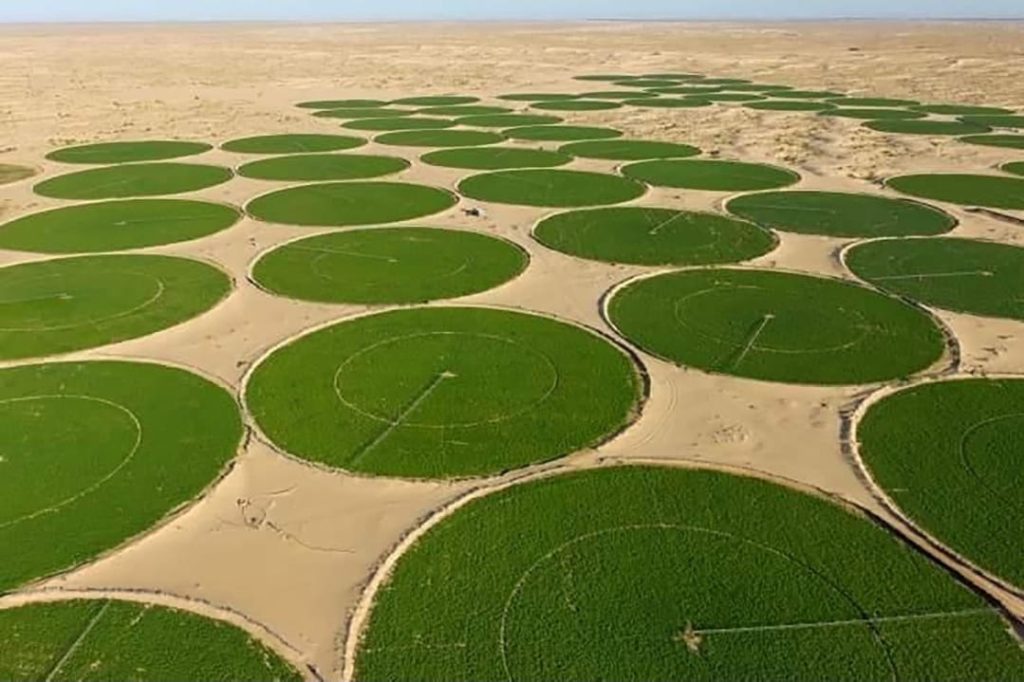
The programme will cover approximately 454,138 hectares across six Algerian provinces, targeting regions particularly vulnerable to desertification, land degradation and climate-related pressures.

According to information published by the United Nations and reported by Algeria Gate, more than one million people are expected to benefit from the initiative, including over 142,000 farmers and livestock breeders.

Women account for more than one-third of the agricultural beneficiaries, reflecting the programme’s emphasis on inclusive rural development.

The targeted areas are also home to more than half of Algeria’s nomadic population, making the initiative particularly important for communities whose livelihoods depend on livestock, grazing land and natural resources.

Restoring more than 59,000 hectares of degraded land

Environmental restoration is at the heart of the programme.

The project aims to rehabilitate more than 59,000 hectares of degraded forests, rangelands, sand dunes and agricultural land.

These interventions are designed to address the effects of soil erosion, declining vegetation cover and expanding desertification, which threaten agricultural productivity and rural livelihoods in Algeria’s arid and semi-arid regions.

Restoration activities are expected to improve land management, protect biodiversity and strengthen ecosystems against the increasingly severe effects of climate change.

By rehabilitating natural landscapes and supporting sustainable agricultural practices, the initiative also seeks to improve the long-term productivity of rural areas.

Algeria secures $99.5 million to fight desertification

Solar energy and innovative farming solutions

Beyond environmental restoration, the programme includes significant investments in renewable energy and agricultural innovation.

A total of 190 solar energy units will be installed to provide clean power for rural households and agricultural activities.

These installations will support essential services such as refrigeration, agricultural processing and other productive activities, helping rural communities reduce their reliance on conventional energy sources.

The project also includes the installation of 240 hydroponic farming units dedicated to animal feed production.

These systems are expected to provide year-round feed for more than 25,000 livestock animals, offering a practical response to shortages caused by drought and deteriorating grazing conditions.

Hydroponic fodder production could help livestock breeders maintain more stable agricultural activities while reducing pressure on vulnerable natural rangelands.

Algeria secures $99.5 million to fight desertification

New economic opportunities for rural entrepreneurs

The programme also seeks to strengthen rural economies by improving access to financing and supporting small-scale businesses.

Special attention will be given to microenterprises operating in agriculture, livestock production and the processing of natural resources.

At least half of the supported projects are expected to be led by women, creating opportunities for greater participation in local economic development.

The initiative will also promote value chains associated with traditional Algerian agricultural products, including prickly pears, olives, rosemary, wool, esparto grass and mint.

By improving production, processing and market access, the programme aims to help rural communities generate additional income and create more sustainable economic activities.

These measures are intended to complement environmental restoration by ensuring that local populations can benefit economically from improved natural resource management.

A new boost for Algeria’s Green Dam project

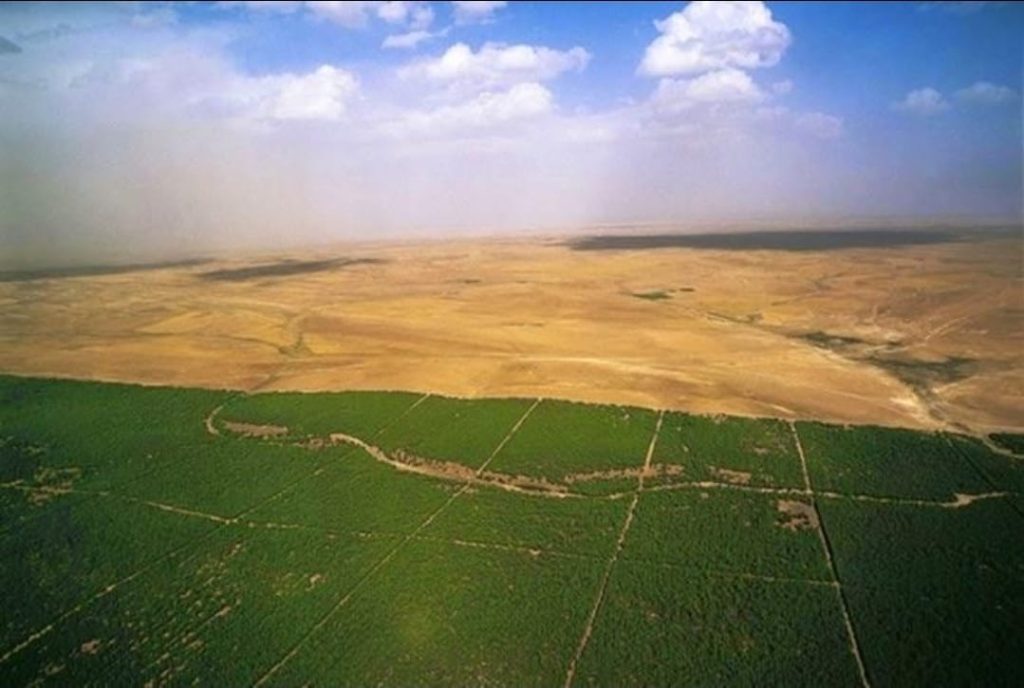
The newly approved investment is closely linked to the revival of Algeria’s historic Green Dam initiative, known as the Barrage Vert.

Launched in 1971, the Green Dam was designed to combat desertification and protect vulnerable landscapes from the northward expansion of the Sahara.

The project remains one of Algeria’s most ambitious long-term environmental initiatives, covering vast areas of the country’s steppe and semi-arid regions.

The latest financing is expected to support renewed restoration efforts while integrating modern approaches to biodiversity conservation, climate adaptation and rural economic development.

Algeria’s Minister of Agriculture, Rural Development and Fisheries, Sid Ali Khaldi, described the initiative as an important contribution to revitalizing the Green Dam through an approach combining environmental protection with stronger economic resilience for local communities.

The project reflects a broader effort to connect ecosystem restoration with sustainable development rather than treating desertification solely as an environmental challenge.

Algeria strengthens its climate investment ambitions

The approval of the $99.5 million programme marks an important development in Algeria’s efforts to attract international climate financing and expand investment in sustainable development.

By combining environmental restoration, renewable energy, agricultural innovation and support for rural entrepreneurs, the project addresses several interconnected challenges affecting vulnerable communities.

Its expected impact extends beyond combating desertification, with potential benefits for food security, employment, agricultural productivity and the economic resilience of rural households.

The seven-year programme will ultimately be measured by its ability to restore degraded landscapes, deliver practical improvements to local communities and establish sustainable economic activities.

With more than one million people expected to benefit, the initiative represents a substantial commitment to protecting Algeria’s natural resources while supporting the long-term development of its rural regions.

#Algeria#Economy
Author