Tuesday, 3 November 2026 • 21:10 Algiers time
Algeria Gate
Share this post

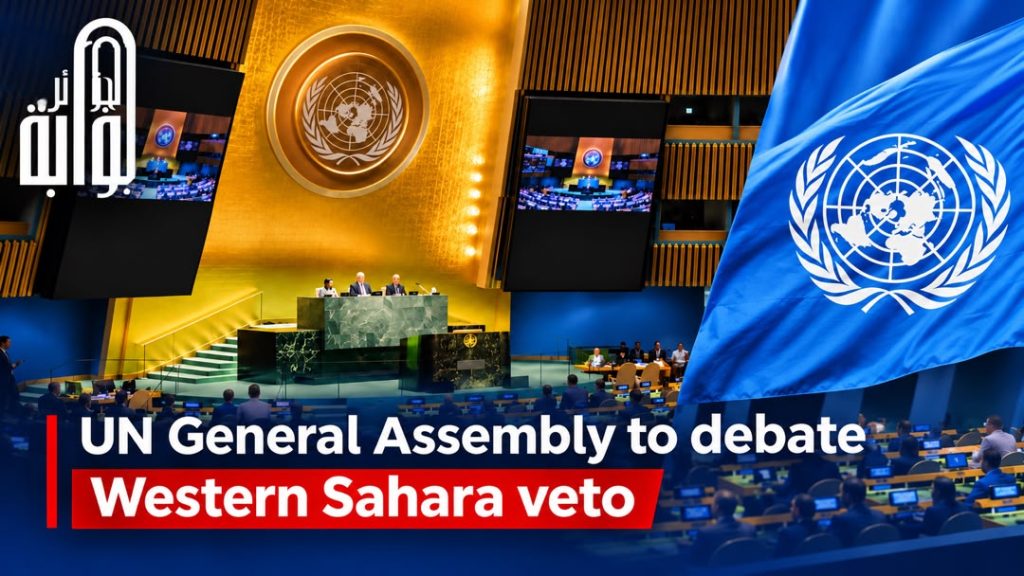
UN General Assembly to debate Western Sahara veto

• Author: Y.R • 0 comments • 11 views
UN General Assembly to debate Western Sahara veto

Algeria Gate: The United Nations General Assembly is expected to hold a plenary meeting next Tuesday to discuss the use of veto power in the Security Council during its October 30 session on Western Sahara.

According to a UN General Assembly statement obtained by Algeria Gate, the meeting will address the use of the veto by a permanent member of the Security Council during discussions concerning the disputed territory.

The meeting is reportedly being convened under UN General Assembly Resolution 76/262, which requires the Assembly to hold a debate within ten working days whenever a permanent Security Council member casts a veto, unless an emergency special session on the same situation is held.

An official letter dated November 2 confirms that the debate will take place on November 10, 2026, following vetoes cast by two permanent Security Council members. General Assembly of the United Nations

The October 30 deadlock saw Russia veto a US-backed resolution on Western Sahara, while a competing Russian proposal failed to secure sufficient support. Consequently, the mandate of the UN Mission for the Referendum in Western Sahara (MINURSO) expired on October 31.

The upcoming General Assembly debate will allow UN member states to examine the Security Council’s deadlock and its implications for efforts to resolve the Western Sahara conflict.

#Algeria#UN#Western Sahara
Author

Leave a comment

Your email address will not be published. Required fields are marked *

Algeria
Share this post

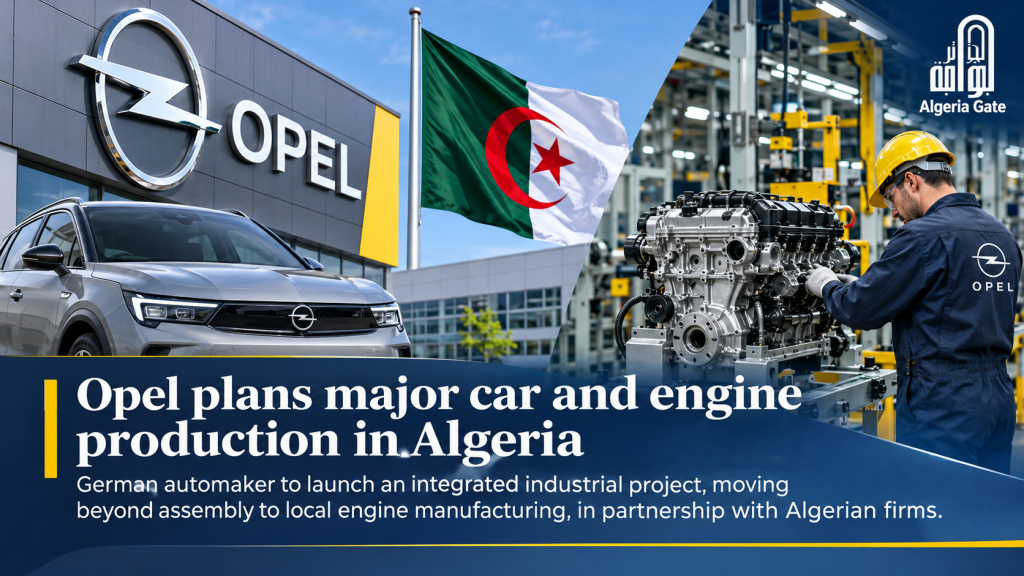
Opel plans major car and engine production in Algeria

Opel plans major car and engine production in Algeria

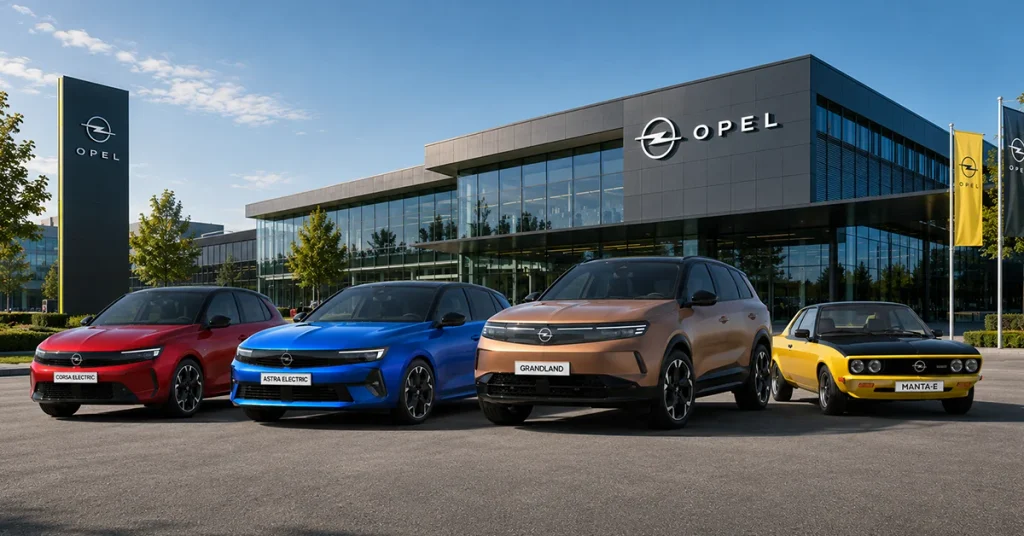
Algeria Gate: German automaker Opel is preparing to launch a major industrial project in Algeria, marking a significant step toward localizing vehicle and engine production. The initiative aims to move beyond traditional vehicle assembly toward manufacturing high-value mechanical components including enhanced modern features, strengthening Algeria’s automotive industry and expanding the European brand’s industrial presence in the country.

Opel CEO Florian Huettl confirmed during a press meeting on the sidelines of the Paris Motor Show in October 2026 that the company is developing an integrated industrial project in Algeria. The initiative includes a vehicle production facility and a dedicated engine manufacturing line, in cooperation with Algerian partners.

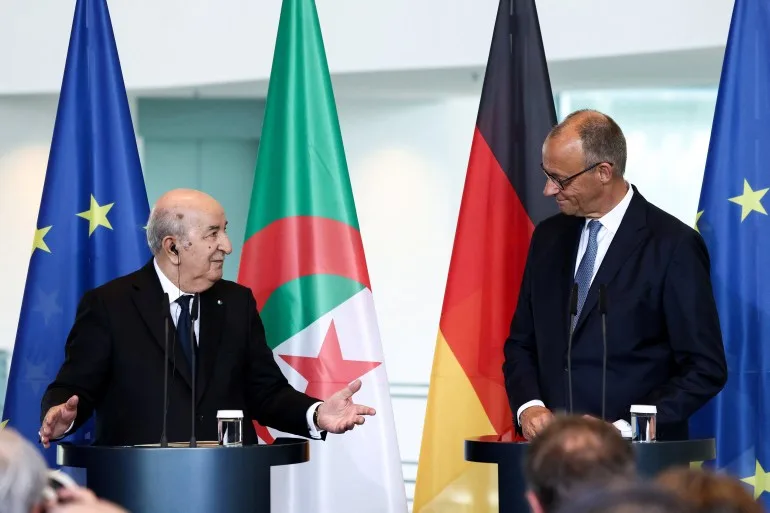
The announcement follows a memorandum of understanding signed on July 17, 2026, in Berlin between Opel Automobile GmbH and Algeria’s AGM Holding Group. The agreement was concluded during the Algerian-German Economic Forum, held alongside President Abdelmadjid Tebboune’s visit to Germany.

Opel plans major car and engine production in Algeria

According to Opel’s official statement cited in the report, the partnership aims to establish local production of the brand’s first engine manufactured in Algeria. This forms part of a broader strategy to develop domestic industrial capabilities, meet national market demand, and attract further investment in automotive manufacturing and component production.

Beyond assembly: Building an integrated automotive industry

The project extends beyond establishing a vehicle assembly plant. Opel intends to develop an industrial ecosystem encompassing engine manufacturing, supplier development, and the transfer of engineering and technical expertise.

These efforts are expected to increase local integration rates and encourage greater participation by Algerian companies in the mechanical manufacturing sector.

Engine production represents a particularly important industrial milestone, as engines are among the most technically complex automotive components. Their manufacturing requires precision equipment, specialized expertise, and rigorous quality-control systems.

Establishing these capabilities locally could create new opportunities for Algerian companies specializing in metalworking, mechanical engineering, and technical components.

The project gained further momentum in October following a visit to Algeria by Falk Zimpel, Opel’s director for the Middle East and Africa.

During his visit, Zimpel held working meetings with AGM Holding officials and technical teams involved in the initiative. Discussions focused on monitoring preparatory work and examining the technical requirements for implementing the partnership, signaling a gradual transition from preliminary agreements toward practical industrial preparations.

Opel plans major car and engine production in Algeria

Algeria seeks greater local automotive production

The initiative comes as Algeria seeks to establish a more integrated automotive industry, prioritizing domestic manufacturing, higher local content, and the development of a national supplier network rather than relying primarily on imported components for assembly.

The Opel project also reflects expanding industrial cooperation between Algeria and Germany, particularly in technology and mechanical engineering.

Through this partnership, Opel aims to capitalize on the potential of the Algerian market while establishing a long-term industrial presence outside Europe.

Regarding production priorities, Huettl explained that the initial phase would focus on meeting demand in the Algerian market. Export opportunities could be considered at a later stage, depending on the development of manufacturing capacity and the availability of suitable conditions.

The vehicle models to be produced locally have not yet been finalized. Opel is evaluating several options, including family cars and higher-segment vehicles, but no definitive decision has been announced.

The company has also not disclosed the total investment value, the expected annual engine production capacity, or a final timetable for the start of commercial manufacturing.

A strategic investment in Algeria’s industrial future

As part of the Stellantis automotive group, Opel aims to establish an industrial base in Algeria capable of supporting vehicle production and developing domestic engine manufacturing.

The initiative could contribute to job creation, technical skills development, and technology transfer while strengthening Algeria’s position within international automotive value chains.

Beyond introducing another automotive brand to the Algerian market, the project offers an opportunity to develop a more comprehensive mechanical manufacturing industry.

Its long-term impact will depend on successfully transforming the proposed engine manufacturing facilities into operational production lines, supported by growing participation from Algerian suppliers and industrial companies.

If implemented successfully, Opel’s investment could mark an important milestone in Algeria’s ambition to become a regional automotive manufacturing hub.

#Algeria#Cars#Germany
Author
Europe
Share this post

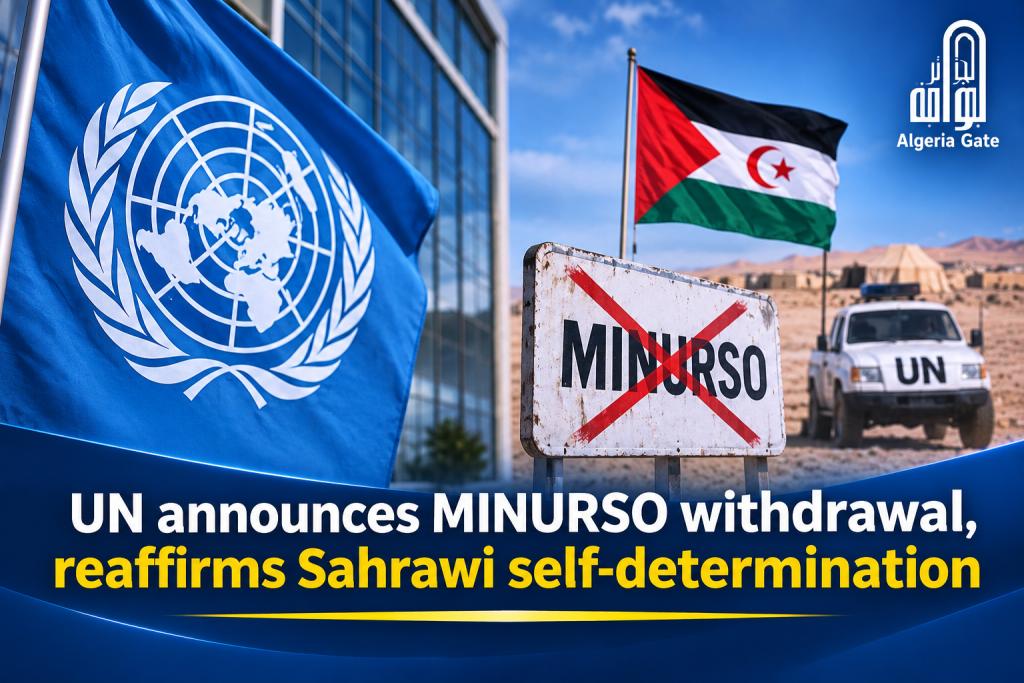
UN announces MINURSO withdrawal, reaffirms Sahrawi self-determination

UN announces MINURSO withdrawal, reaffirms Sahrawi self-determination

Algeria Gate: The United Nations has announced the beginning of the withdrawal and liquidation process of its peacekeeping mission in Western Sahara, MINURSO, marking a major development in the decades-long territorial dispute between Morocco and the Polisario Front.

According to a statement attributed to UN spokesperson Stéphane Dujarric and reported by Algeria Gate, Secretary-General António Guterres expressed his gratitude to the personnel who served under the United Nations Mission for the Referendum in Western Sahara (MINURSO), while reaffirming the Sahrawi people’s inalienable right to self-determination.

The reported announcement comes amid persistent tensions in Western Sahara and renewed concerns about the possibility of further military escalation.

MINURSO begins its withdrawal process

According to the report, November 1, 2026, marks the beginning of the mission’s liquidation phase, bringing its peacekeeping operations to an end after 35 years.

A reduced UN team, operating under the Department of Operational Support, will oversee the orderly repatriation of equipment belonging to troop-contributing countries and the management of UN-owned assets.

Guterres reportedly called on all parties to cooperate fully to ensure that the process is completed efficiently and without unnecessary delays.

The Secretary-General also paid tribute to Alexander Ivanko, his Special Representative for Western Sahara, acknowledging his leadership during a particularly challenging period following the resumption of hostilities in 2020.

He further honored the 20 MINURSO personnel who lost their lives during the mission’s 35-year presence in the territory.

Sahrawi self-determination remains a fundamental right

Despite the reported end of MINURSO’s peacekeeping operations, the United Nations reiterated that the withdrawal does not extinguish the Sahrawi people’s right to determine their political future.

According to the statement cited by Algeria Gate, MINURSO was established to serve the people of Western Sahara, particularly by enabling them to exercise their inalienable right to self-determination.

Guterres emphasized that the departure of the mission does not eliminate that right and called on all parties to respect and uphold the rights of the Sahrawi people.

This distinction is particularly significant because MINURSO was originally established in 1991 to support a ceasefire and organize a referendum on Western Sahara’s future political status.

Although the referendum has never taken place, self-determination remains central to the United Nations’ approach to resolving the dispute.

Security Council deadlock triggers mission’s closure

The development follows a dramatic diplomatic confrontation at the UN Security Council on October 30, when competing American and Russian draft resolutions failed to secure approval.

Russia vetoed a US-backed proposal that would have extended MINURSO’s mandate while placing Morocco’s autonomy initiative at the center of negotiations and reducing the mission’s military role.

The Council subsequently failed to adopt a Russian proposal seeking a one-year extension of MINURSO’s existing mandate.

As a result, the mission’s authorization was left to expire on October 31, creating a major challenge for the United Nations’ presence in Western Sahara.

Guterres warns against renewed hostilities

The Secretary-General also expressed concern about the deteriorating security situation and the potential consequences of renewed military confrontation.

He urged Morocco, the Polisario Front and other concerned parties to exercise maximum restraint, avoid provocative actions and refrain from measures that could further destabilize the region.

The reported withdrawal raises particular concerns about the future of ceasefire monitoring and the ability of international observers to help prevent escalation.

Humanitarian organization Oxfam has similarly warned that the loss of MINURSO’s monitoring and de-escalation functions could have serious consequences for civilians and regional stability.

UN diplomatic efforts to continue

Despite the end of the mission’s mandate, the United Nations remains committed to pursuing a political settlement to the Western Sahara conflict.
According to Algeria Gate, Guterres reaffirmed the organization’s willingness to support negotiations aimed at achieving a just, lasting and mutually acceptable solution that guarantees the Sahrawi people’s right to self-determination.

These diplomatic efforts are expected to continue through the Secretary-General’s Personal Envoy for Western Sahara, Staffan de Mistura.

The withdrawal of MINURSO therefore represents a significant change in the UN’s operational presence, but not an end to its political involvement in the territory.

For the Sahrawi people, the central question remains unresolved: how their internationally recognized right to self-determination will be exercised after more than three decades of unsuccessful efforts to organize a referendum.

The latest developments leave Western Sahara at a critical crossroads, with the future of regional stability, diplomatic negotiations and the Sahrawi people’s political aspirations increasingly uncertain.

#Algeria#MINURSO#UN
Author
Europe
Share this post

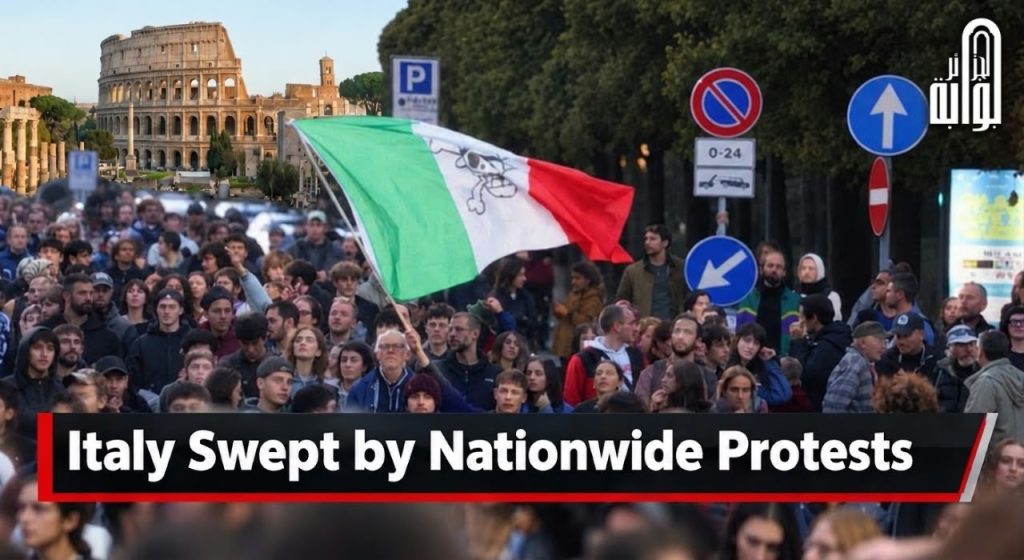
Italy swept by nationwide protests

Italy swept by nationwide protests

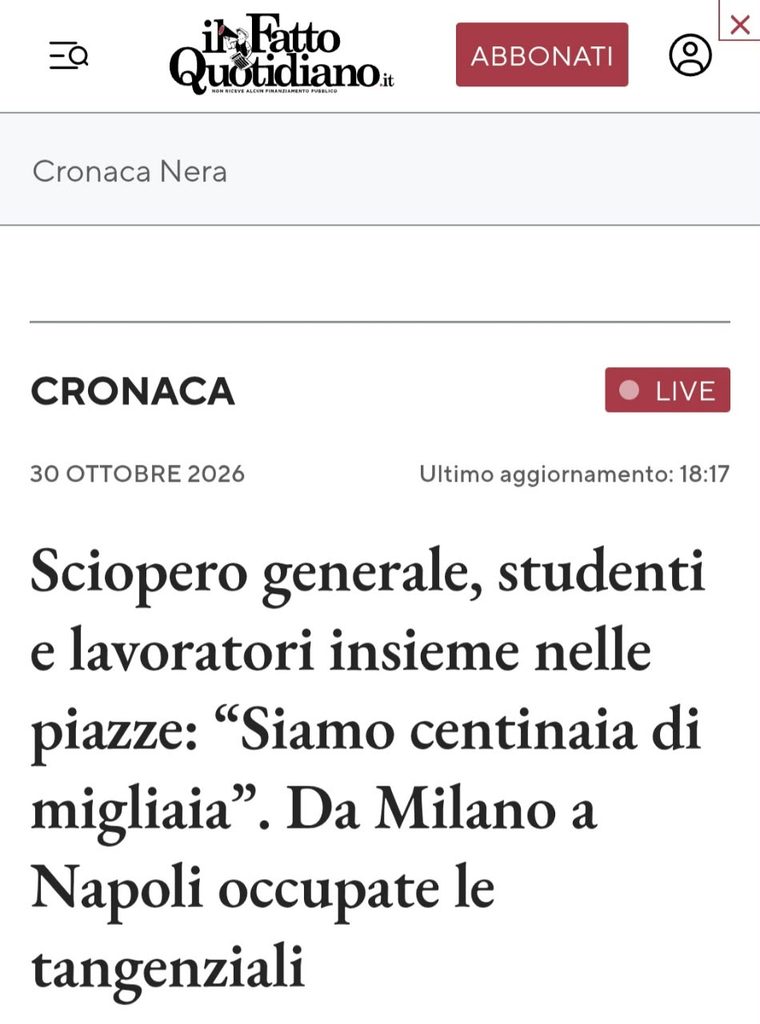
Algeria gate: October 30, 2026 — Thousands of demonstrators took to the streets across Italy on Friday as a nationwide general strike triggered widespread protests against rising living costs, government policies, increased military spending and the country’s involvement in the arms trade.

Italy swept by nationwide protests

The demonstrations, organised in response to a call by the grassroots trade union Unione Sindacale di Base (USB), brought together workers, university and high-school students, pensioners, activists and port employees in more than 40 cities, including Rome, Milan, Turin, Naples, Venice and Palermo.

Protesters voiced growing frustration over the rising cost of essential goods, housing, energy bills and declining purchasing power, while demanding stronger investment in public services, particularly education and healthcare. They also criticised the government’s rearmament policies and called for an end to the use of Italian ports for arms shipments to conflict zones.

The mobilisation was particularly visible in Milan, where around 30,000 people reportedly joined a march along a section of the city’s ring road, which was closed to traffic. In Genoa, approximately 15,000 port workers, students and other demonstrators gathered in and around the port, highlighting their opposition to the transport of weapons.

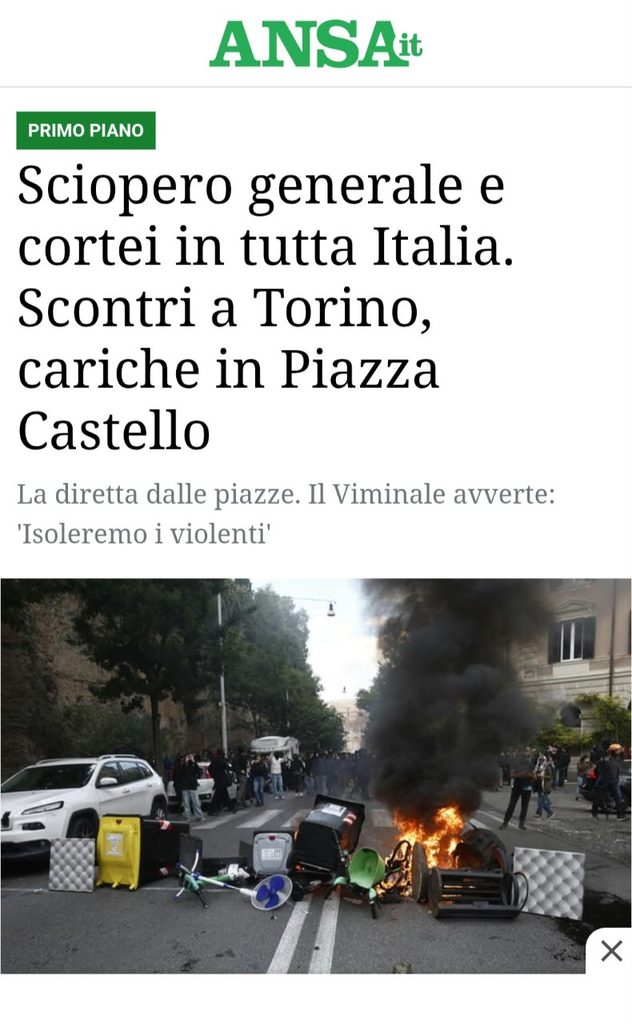
However, the demonstrations were not entirely peaceful. In Rome, clashes broke out after a group of protesters separated from the main march, throwing objects at police officers and setting fire to rubbish bins and electric scooters. In Turin, police deployed water cannons and charged at demonstrators after tensions escalated near the prefecture.

Italy swept by nationwide protests

The authorities had placed several major cities under heightened security measures following violent incidents during previous demonstrations in Milan, Turin, Rome and Bologna in recent weeks.

The strike also affected several sectors, including schools, public transport and other essential services, reflecting the broader social and economic concerns behind the mobilisation.

Friday’s demonstrations underscore the growing tensions surrounding Italy‘s economic pressures, social demands and government priorities, as thousands of citizens continue to call for better living conditions, stronger public services and a different approach to military spending.

https://twitter.com/Italia24HLive/status/2116186646768955903?a=iHLEpZV0Dqifb3oB-TU&s=08
#Europe#Italy#protests
Author
صغير يسرى
View my articles