Wednesday, 18 November 2026 • 19:28 Algiers time
Algeria Gate
News Room
Share this post

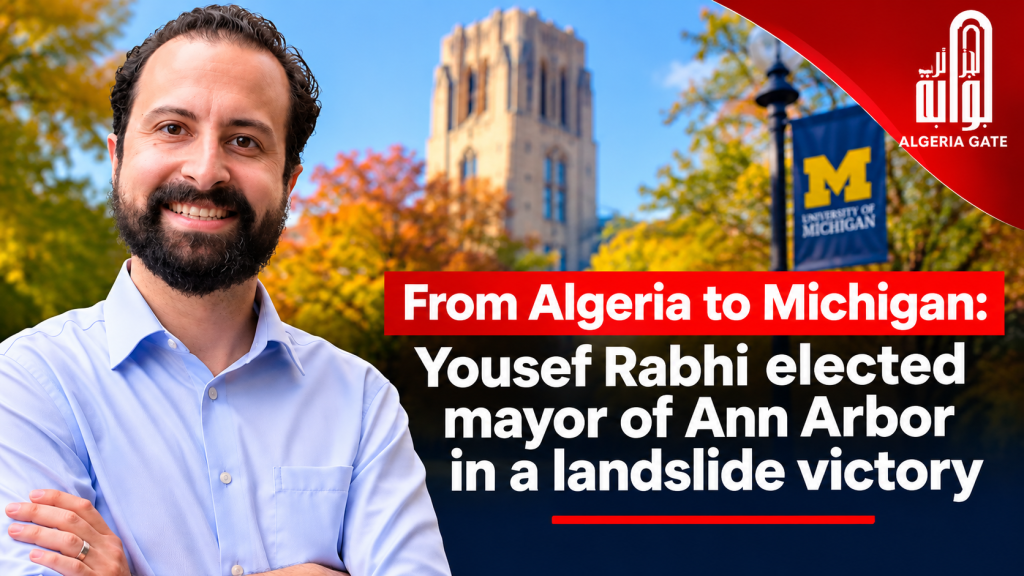
From Algeria to Michigan: Yousef Rabhi elected mayor of Ann Arbor in a landslide victory

• Author: Y.R • 0 comments • 8 views
From Algeria to Michigan: Yousef Rabhi elected mayor of Ann Arbor in a landslide victory

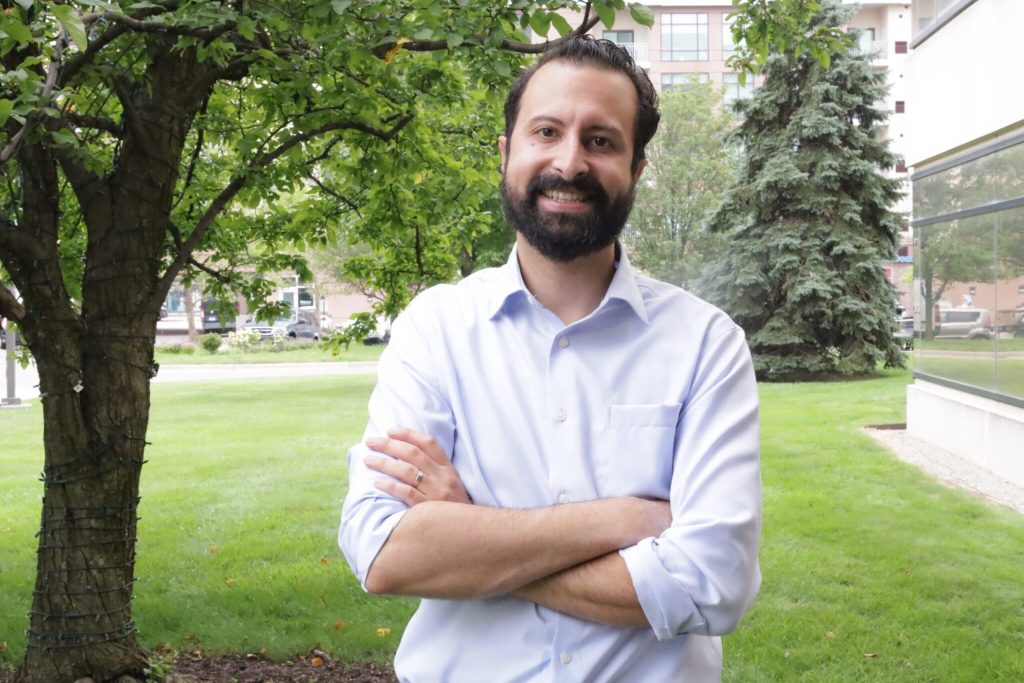
Algeria Gate: An Algerian-American political figure has achieved a major electoral victory in the United States, as Yousef Rabhi has been elected mayor of Ann Arbor, Michigan, securing approximately 97% of the vote.
From Algeria to Michigan: Yousef Rabhi elected mayor of Ann Arbor in a landslide victory

Rabhi’s election marks another milestone in his political career, which began at a young age. In 2010, at just 22, he joined the Washtenaw County Board of Commissioners. He later served in the Michigan House of Representatives from 2017 to 2023.

Born and raised in Michigan, Rabhi is the son of Lounis Rabhi, a mechanical engineer of Algerian origin. He studied at the University of Michigan before becoming an established figure in local politics.

Defeating a 12-year incumbent

One of the most significant moments in his political journey came during the Democratic primary elections in August, when he defeated former Ann Arbor mayor Christopher Taylor, who had held the position for 12 years.
From Algeria to Michigan: Yousef Rabhi elected mayor of Ann Arbor in a landslide victory

A member of the Democratic Socialists of America, Rabhi made the housing crisis, rising living costs and improving residents’ purchasing power central priorities of his electoral programme.

He is expected to officially assume office on December 1, opening a new chapter in Ann Arbor’s local leadership.

His victory adds another name of Algerian descent to the growing list of figures making their mark in American political life.


#Algeria#USA#Yousef Rabhi
Author

Leave a comment

Your email address will not be published. Required fields are marked *

Algeria
Share this post

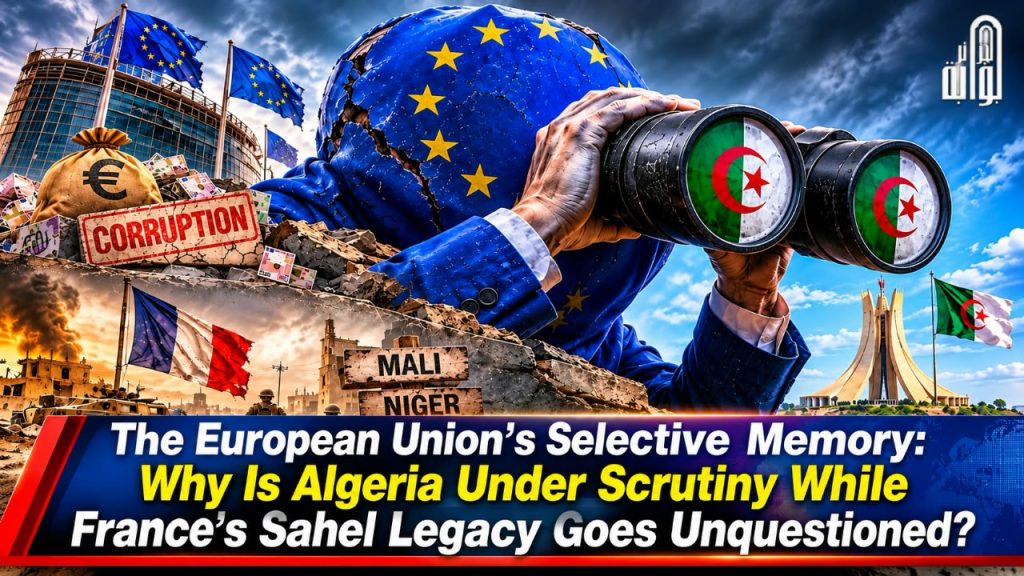
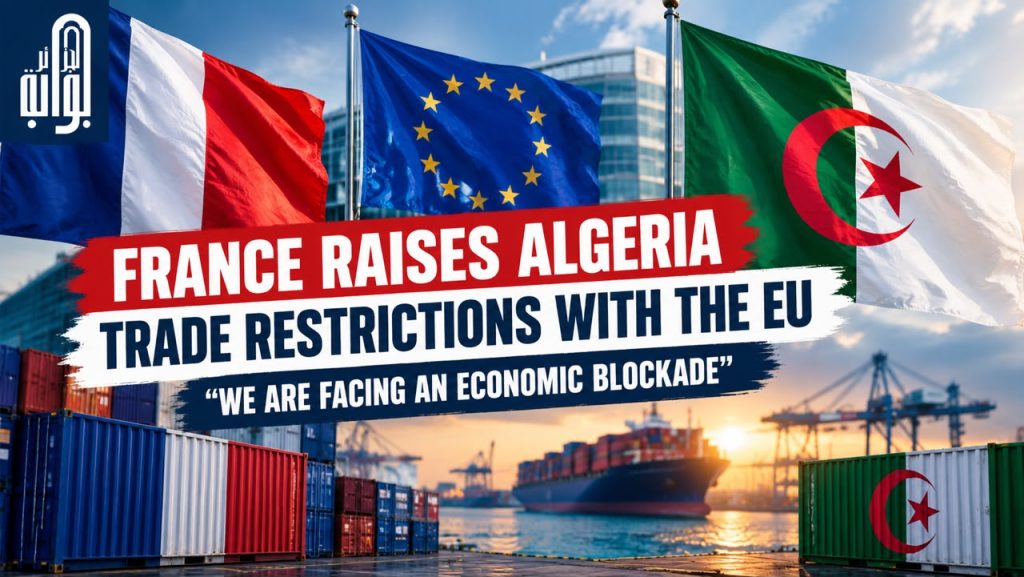
The European union’s selective memory: why is Algeria under scrutiny while France’s Sahel legacy goes unquestioned?

The European union’s selective memory: why is Algeria under scrutiny while France’s Sahel legacy goes unquestioned?

Algeria gate: When it comes to demanding explanations, Brussels appears to have a remarkably selective memory.
The European Union has recently expressed its desire for further clarification regarding Algeria’s decision to authorise the deployment of military forces in Niger, with EU foreign affairs spokesperson Anouar El Anouni stating that Brussels was closely monitoring the situation and seeking details about the mission’s scope, objectives and legal basis.


Fair enough. Transparency and international law are legitimate concerns. But one cannot help wondering: where was this same level of scrutiny when France was conducting its military operations across the Sahel?
For nearly a decade, France led major military operations in Mali under Operation Serval and subsequently Operation Barkhane, extending its military presence across several Sahelian countries, including Niger. Yet, despite considerable military resources and billions of euros spent, the security situation deteriorated, armed groups expanded their reach, civilian casualties mounted, and millions were displaced.


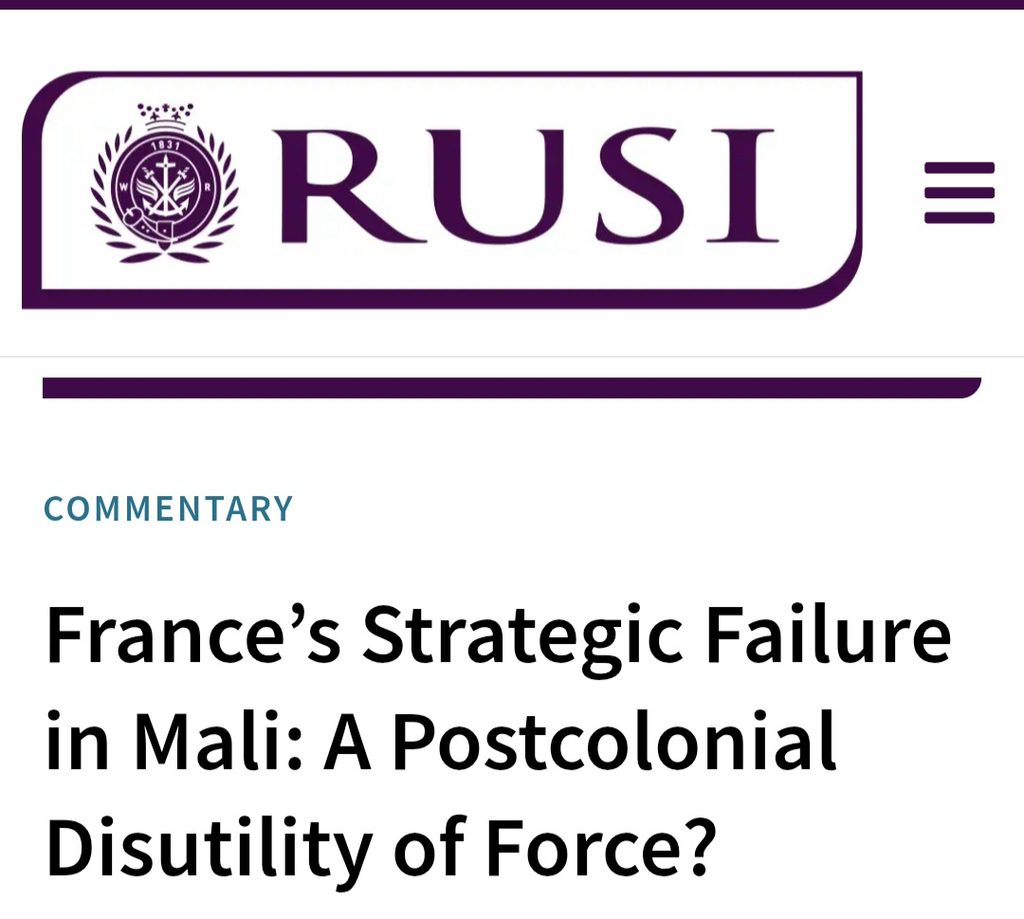
A 2024 analysis by the Royal United Services Institute (RUSI) described France’s intervention in Mali as a strategic failure, arguing that its military approach had, in several respects, worsened the conflict rather than bringing about a lasting political solution.
France eventually withdrew its forces from Mali in 2022 and Niger in 2023, leaving behind a region still struggling with profound security challenges.

The European union’s selective memory: why is Algeria under scrutiny while France’s Sahel legacy goes unquestioned?


Apparently, the European appetite for demanding explanations was not quite as visible when the consequences of its closest ally’s military strategy were unfolding.


And what about Brussels itself?


While European officials find time to question Algeria’s security decisions, the European Union is hardly short of internal matters requiring serious attention. The European Public Prosecutor’s Office reported that, by the end of 2025, it was investigating 3,602 active cases involving estimated damage of €67.27 billion to EU and national budgets, including extensive VAT, customs and subsidy fraud.

The European union’s selective memory: why is Algeria under scrutiny while France’s Sahel legacy goes unquestioned?


The Qatargate scandal, meanwhile, exposed serious allegations of corruption involving individuals connected to the European Parliament, raising uncomfortable questions about integrity and accountability within European political institutions.
Perhaps Brussels should occasionally turn its demanding questions inward.


Algeria’s sovereignty is not a matter for political convenience. Its security decisions, particularly those taken in cooperation with neighbouring countries, deserve to be assessed on their actual legal and regional context, not through a lens of suspicion simply because they originate from Algiers.


The point is not that Algeria should be exempt from legitimate questions. Rather, the same standards should apply to everyone, including France and the European institutions themselves.
After all, if Brussels is so concerned about stability, transparency and international law in the Sahel, it should also be willing to examine the consequences of the policies that helped shape the region’s current reality.


One final question remains: Is the European Union genuinely concerned about security in the Sahel, or is it simply more comfortable questioning Algeria than confronting the failures of its own allies?

#Algeria#Algeria-niger#europeanunion
Author
صغير يسرى
View my articles
French press
Share this post

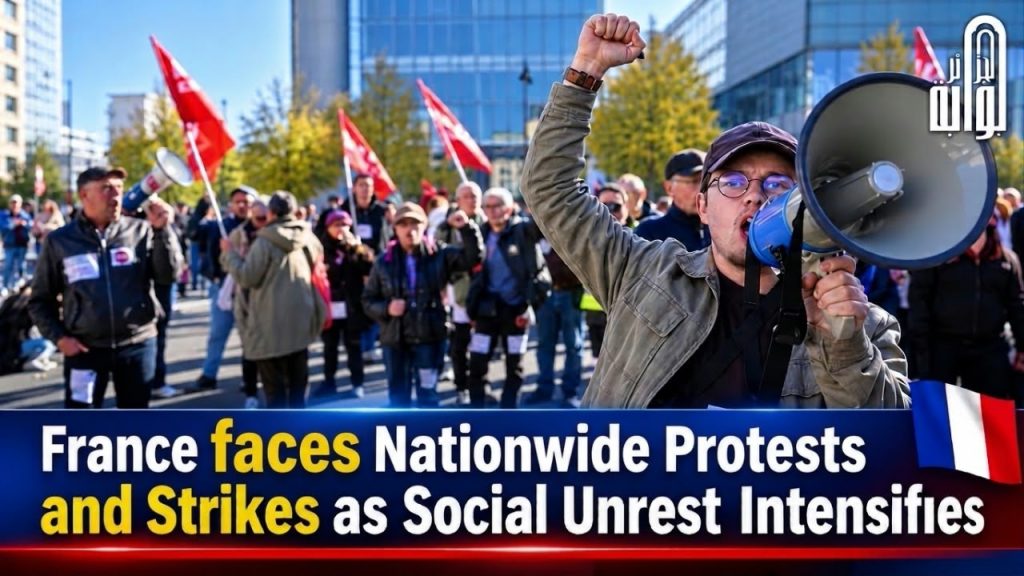
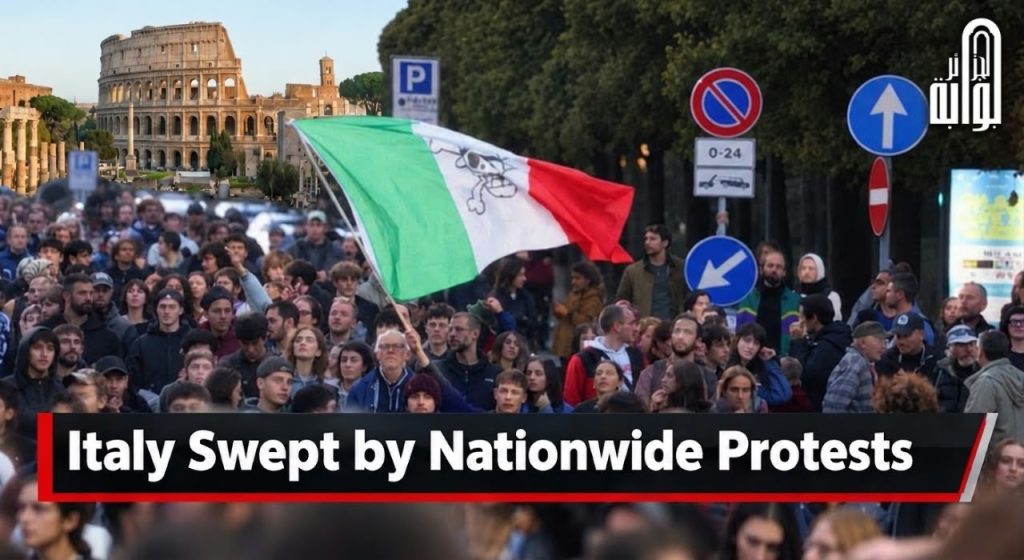
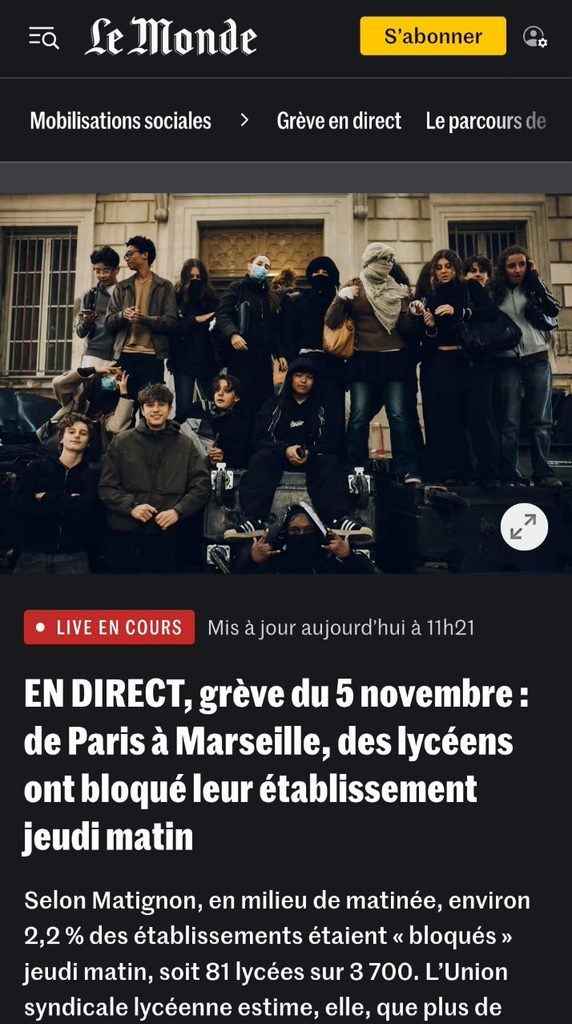
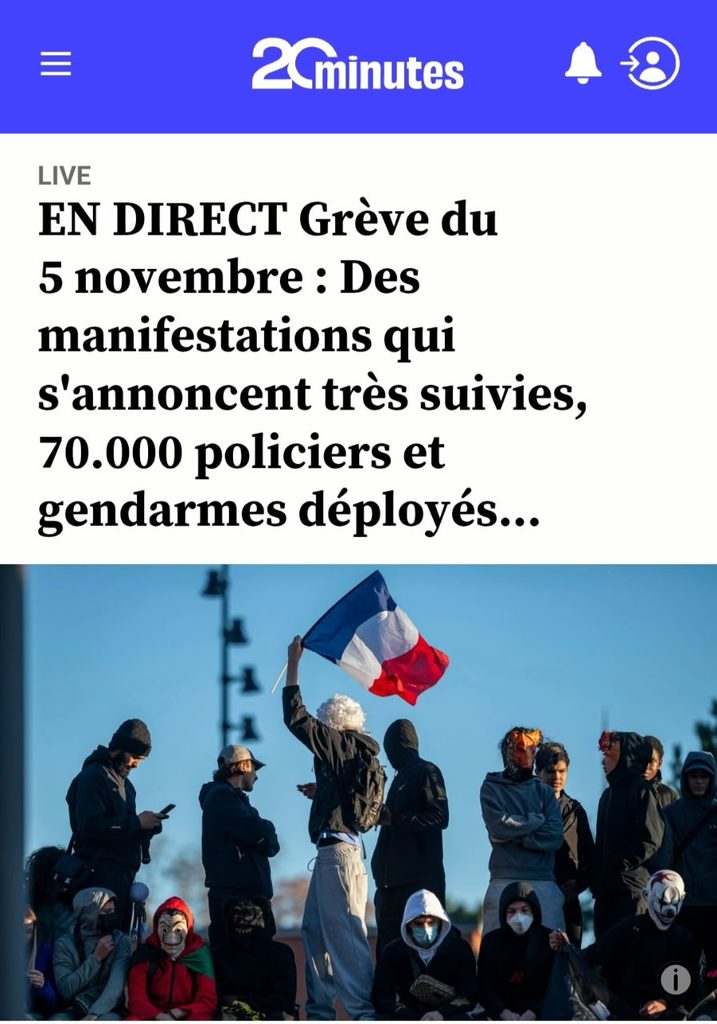
France faces nationwide protests and strikes as social unrest intensifies

France faces nationwide protests and strikes as social unrest intensifies

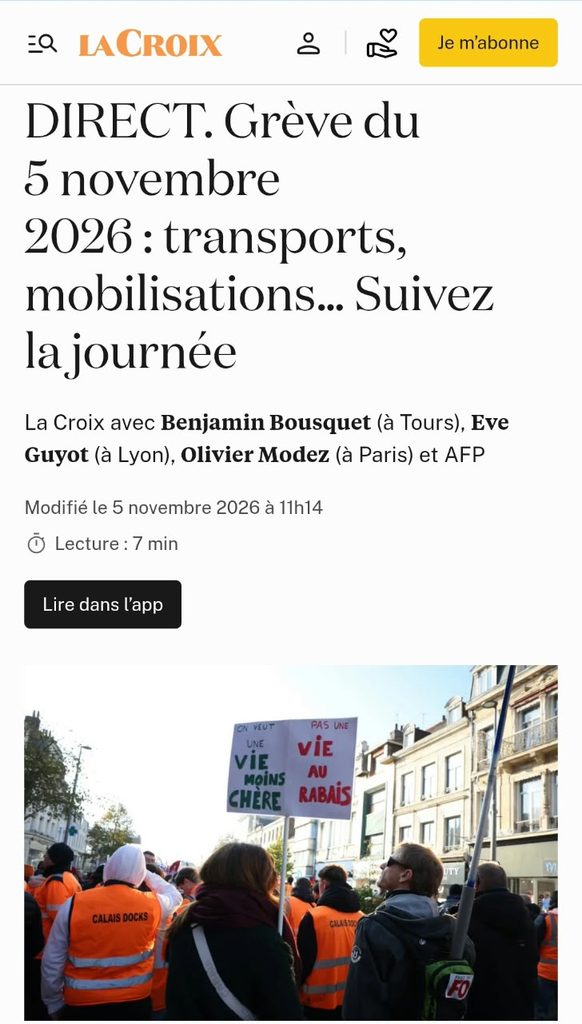
Algeria gate: France is witnessing a major wave of demonstrations and nationwide strike action on Thursday, as growing public frustration over the rising cost of living, stagnant wages and deteriorating public services puts increasing pressure on President Emmanuel Macron’s government.

France faces nationwide protests and strikes as social unrest intensifies


Thousands of demonstrators are taking to the streets across the country, with major rallies taking place in Paris, Lyon, Marseille and several other cities.
The mobilisation, organised by several major trade unions, brings together workers from both the public and private sectors, alongside students and high school pupils protesting over poor educational conditions and insufficient funding.
Rising Living Costs Fuel Public Anger


Trade unions are demanding higher wages, improved purchasing power, better working conditions and stronger investment in public services.
They are criticising government economic policies, arguing that rising living expenses, job insecurity and pressure on public services are placing an increasing burden on ordinary households.
Student groups are also joining the demonstrations, highlighting overcrowded classrooms, staff shortages and deteriorating school facilities.

France faces nationwide protests and strikes as social unrest intensifies


70,000 Security Personnel Deployed Across France


French authorities are deploying approximately 70,000 police officers and gendarmes nationwide to maintain public order and prevent potential violence.
According to the Interior Ministry, more than 220 public demonstrations and gatherings are taking place or are expected throughout the country.
In Paris, demonstrators are gathering as trade unions lead the main march through the capital. Security measures remain reinforced, with police units monitoring key locations and major public gathering points.
Transport and Public Services Disrupted
The nationwide strike is disrupting several sectors, including education, rail transport, healthcare, postal services and public administration.
Railway services are experiencing disruptions, while some schools and public institutions are operating with reduced services or facing temporary closures.
The mobilisation is taking place amid weeks of growing social tensions, with previous demonstrations witnessing clashes between protesters and security forces, vandalism and arrests.

France faces nationwide protests and strikes as social unrest intensifies


Macron’s Government Faces Growing Pressure


The demonstrations are increasing pressure on Emmanuel Macron’s government, as social discontent spreads beyond student groups and traditional labour movements.
Trade unions are maintaining their demands for stronger government action, while protesters continue to voice their dissatisfaction with economic and social policies.
As demonstrations and strike action continue across the country, France is facing another period of heightened social tension, raising questions about the government’s ability to respond to growing public anger.

#France#press#protests
Author
صغير يسرى
View my articles
Algeria
Share this post

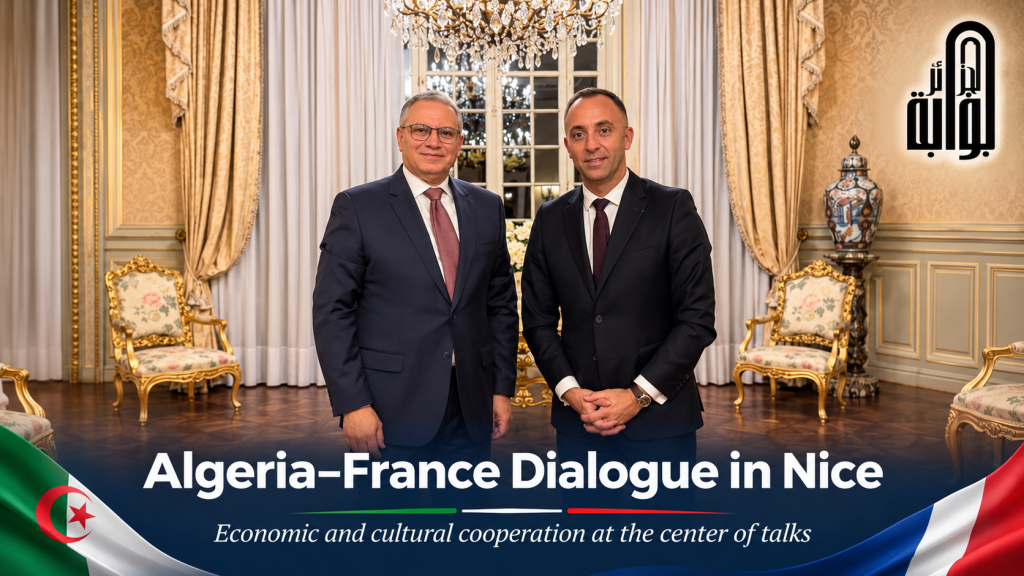
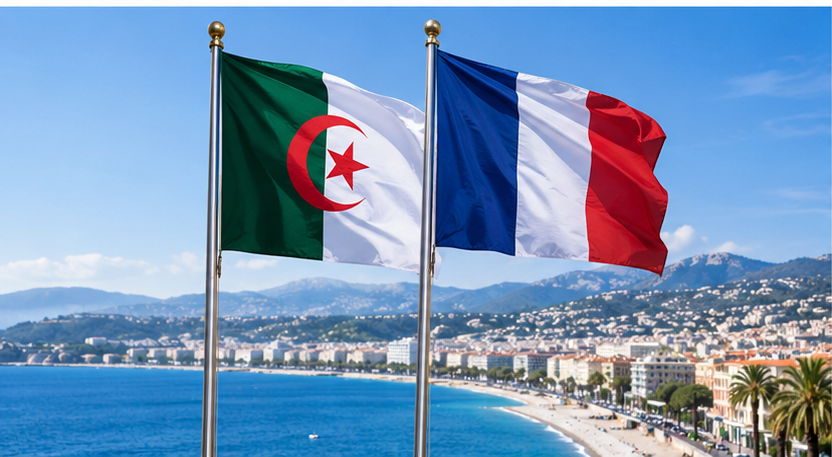
Algeria and France renew local dialogue in Nice

Algeria and France renew local dialogue in Nice

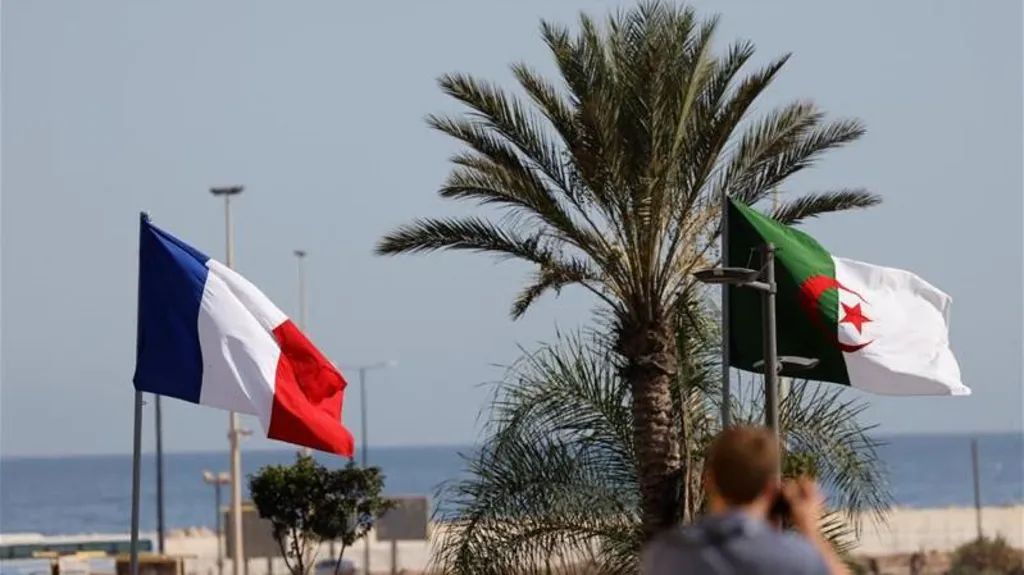
Algeria Gate: As relations between Algiers and Paris navigate a complex diplomatic period, a meeting between Algerian Consul General Fawzi Dib and French Prefect Jean-Marie Girier highlights the importance of maintaining cooperation across the Mediterranean.At a time when relations between Algeria and France remain marked by political disagreements, a diplomatic meeting in the French Riviera city of Nice has placed renewed attention on the practical ties connecting the two countries.

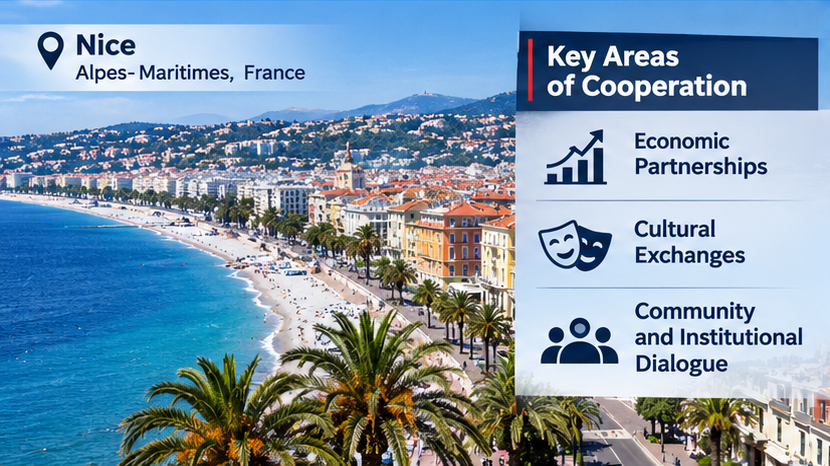
Jean-Marie Girier, Prefect of the Alpes-Maritimes, received Fawzi Dib, Algeria’s Consul General in Nice, for discussions focused on shared interests and opportunities to strengthen cooperation.The meeting, scheduled for November 3 and publicly highlighted by the French prefecture on November 4, emphasized economic and cultural partnerships, demonstrating how regional diplomacy can continue even during periods of uncertainty at the national level.

Algeria and France renew local dialogue in Nice

The meeting between Jean-Marie Girier and Fawzi Dib represents an important opportunity for dialogue between French regional authorities and Algeria’s diplomatic representation in southeastern France

According to the Alpes-Maritimes prefecture, the discussions addressed common challenges and prospects for cooperation, particularly in the economic and cultural spheres.

The prefecture emphasized the close connections between the two Mediterranean territories and the importance of maintaining communication to support existing partnerships.For Algeria, such engagement offers an opportunity to reinforce relations with regional institutions and maintain constructive contact with French authorities.For the Alpes-Maritimes, the dialogue reflects the region’s international outlook and its links with countries across the Mediterranean.

Although no specific new agreement was announced, the meeting demonstrated a willingness to preserve institutional communication and explore avenues for further collaboration.

Algeria and France renew local dialogue in Nice

Who Are Jean-Marie Girier and Fawzi Dib?

Two officials played central roles in the discussions, each representing an important institutional link between Algeria and France.Appointed by presidential decree on July 9, 2026, Jean-Marie Girier serves as the French state’s representative in the Alpes-Maritimes department, which includes Nice and much of the French Riviera.His responsibilities encompass the implementation of national government policies, coordination between state institutions and local authorities, and matters relating to public administration and security.His meeting with the Algerian consul forms part of the prefecture’s broader engagement with diplomatic and institutional partners.

Fawzi Dib — Consul General of Algeria in NiceFawzi Dib represents Algeria within an extensive consular jurisdiction covering the Alpes-Maritimes, Alpes-de-Haute-Provence, Var, Corsica and Monaco.In addition to administrative and consular responsibilities, his mission contributes to maintaining Algeria’s institutional relationships with local authorities and supporting the Algerian community abroad.The Algerian consulate in Nice has previously organized initiatives involving entrepreneurs, investors and members of the Algerian diaspora, highlighting the economic potential of connections between expatriate communities and Algeria.The encounter between Girier and Dib therefore extends beyond a formal diplomatic courtesy. It brings together two institutions positioned to facilitate cooperation at the regional level.

A Local Meeting Against a Complex Diplomatic Background

The significance of the Nice meeting becomes clearer when viewed against the broader evolution of Franco-Algerian relations.The two countries share deeply rooted historical, economic, cultural and human connections. Nevertheless, their diplomatic relationship has experienced considerable strain since 2024, including disagreements over Western Sahara and other bilateral issues.

Despite those tensions, official contacts have continued.During 2026, several senior figures from both countries participated in meetings intended to restore working relations. Among them were French Interior Minister Laurent Nuñez and his Algerian counterpart Saïd Sayoud, who met in Paris in June to address issues of mutual concern.Economic relations also remain significant.According to figures published by the French Ministry for Europe and Foreign Affairs, bilateral trade reached approximately €9.4 billion in 2025, although this represented a decline of 14.8% compared with the previous year.These figures illustrate both the continuing importance of economic exchanges and the difficulties facing the bilateral relationship.Within this context, regional cooperation provides an additional channel through which contacts can be maintained.The Nice meeting should not, however, be interpreted as evidence of a wider diplomatic breakthrough. Its importance lies in the continued willingness of local institutions to communicate on practical matters despite broader political disagreements.

Algeria and France renew local dialogue in Nice

Looking Ahead: Can Regional Cooperation Build Lasting Bridges?

The meeting between Fawzi Dib and Jean-Marie Girier raises a broader question: can cooperation at the regional level help sustain relationships between Algeria and France when national diplomacy encounters difficulties?One possible avenue is economic engagement.Business networks, entrepreneurs and professional associations on both sides of the Mediterranean could benefit from stronger institutional contacts, particularly where shared commercial interests already exist.Cultural cooperation offers another opportunity. Academic partnerships, artistic exchanges and community initiatives can help maintain relationships that extend beyond changing political circumstances.The Algerian diaspora also has an important role in this process, serving as a connection between communities, institutions and economic networks in both countries.Nevertheless, the practical impact of the meeting will depend on developments that follow.

#Algeria#France
Author
عماري محمد
View my articles