Tuesday, 24 November 2026 • 11:02 Algiers time
Algeria Gate
Share this post

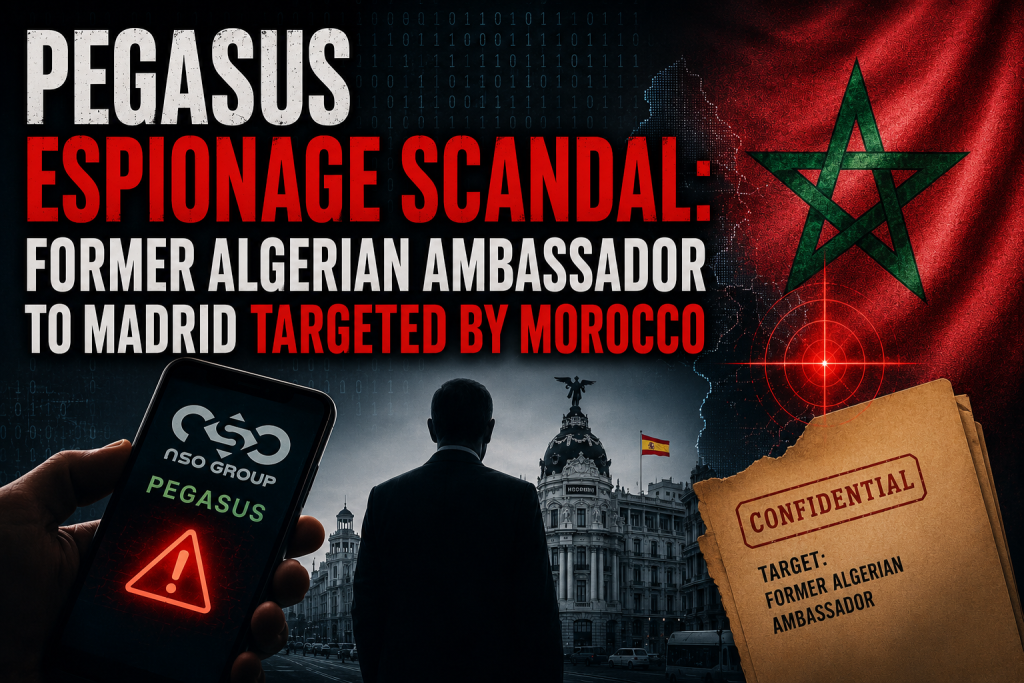
Pegasus Espionage Scandal: Former Algerian Ambassador to Madrid Targeted by Morocco

• Author: Lys Iwannughen • 0 comments • 85 views
Pegasus Espionage Scandal: Former Algerian Ambassador to Madrid Targeted by Morocco

Algeria Gate: A former Algerian ambassador to Madrid was targeted by Morocco using the spyware Pegasus, according to numerous foreign media outlets.

Five years after the Pegasus scandal broke, new revelations from the international press shed light on this espionage operation carried out by Moroccan services using that spyware.
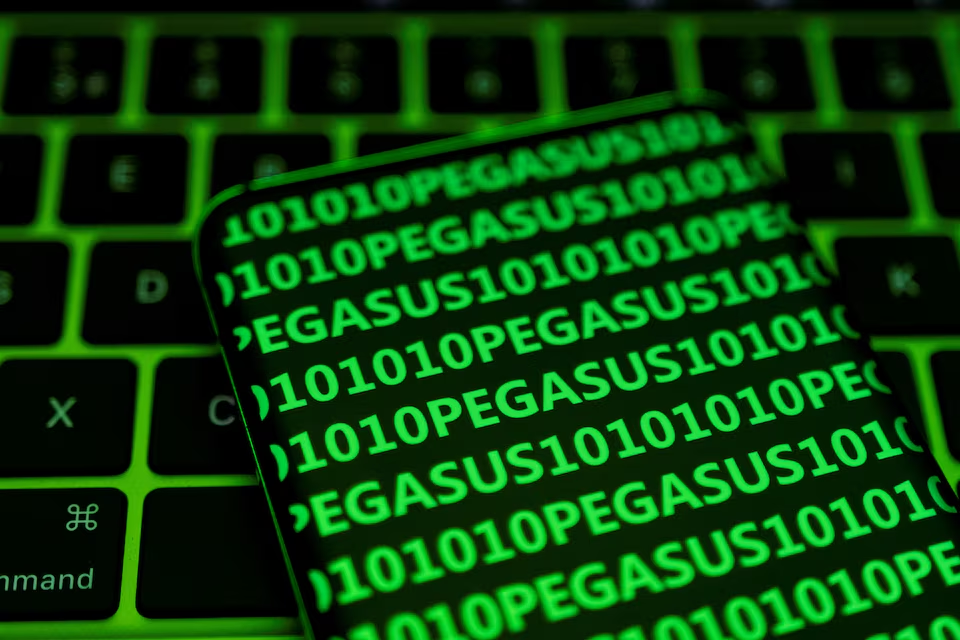
Pegasus Espionage Scandal: Former Algerian Ambassador to Madrid Targeted by Morocco

As new evidence continues to incriminate Morocco, clearly demonstrating the involvement of its services (notably the DGST and foreign intelligence), the Spanish newspaper El Confidencial has released figures illustrating the scale of the operation and the names of certain targeted personalities in Spain.

El Confidencial is part of the consortium of 16 international media outlets that first exposed the scandal in July 2021.

According to the Spanish newspaper, 768 cyberattacks targeted 250 mobile phones in Spain between May 2018 and June 2019 alone. A record was even set on March 16, 2019, with 106 attacks in a single day.

Pegasus Revelations: More Light Shed on Targeted Personalities

The kingdom’s services targeted not only Moroccan journalists and opponents, but also foreign journalists, diplomats, and leaders, including French President Emmanuel Macron and Spanish Prime Minister Pedro Sánchez.

Pegasus Espionage Scandal: Former Algerian Ambassador to Madrid Targeted by Morocco

In Spain, most of the attacked phones belonged to Moroccans and Sahrawis residing in the country, but devices belonging to Algerians and Spaniards were also affected, including that of a Guardia Civil colonel, the media summarizes.

Algeria featured prominently on the list of targeted countries. El Confidencial reveals which Algerians were spied on Spanish soil. The newspaper reports that “a handful of Algerian diplomats accredited in Spain at the end of the last decade appear in the Moroccan DGST’s directory.”

Among these targeted Algerian diplomats, the most prominent figure is Taous Feroukhi, who served as ambassador to Madrid until the end of 2019.

Thousands of phones were spied on across several countries as part of this operation. Algeria has consistently been cited as one of the most heavily targeted nations. The revelations published by El Confidencial on Thursday, July 16th, concern only the confirmed attacks on Spanish territory.

Pegasus Espionage Scandal: Former Algerian Ambassador to Madrid Targeted by Morocco
#Algeria#Morocco#Pegasus#Spain
Author
Lys Iwannughen
View my articles

Leave a comment

Your email address will not be published. Required fields are marked *

Algeria
Share this post

French Ambassador’s Visa Pledge Reignites Right-Wing Fury Over Algeria

French Ambassador’s Visa Pledge Reignites Right-Wing Fury Over Algeria

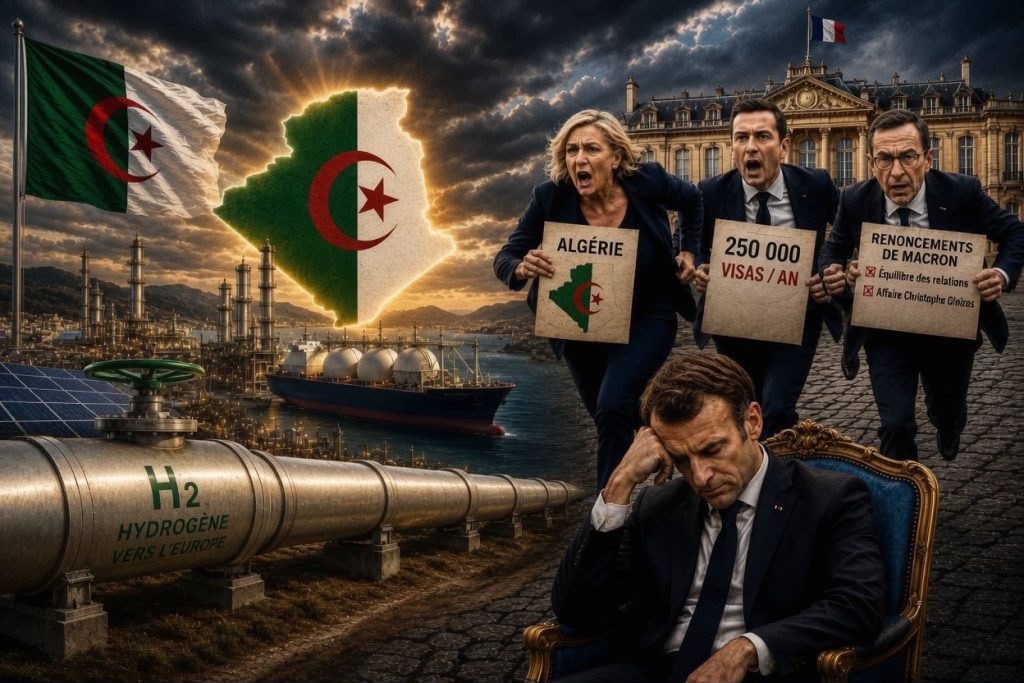
France’s ambassador to Algeria, Stéphane Romatet, has triggered a political storm within the French right after pledging to restore visa issuance for Algerians to pre-crisis levels roughly 250,000 visas a year. The statement came in an interview with Algerian news site TSA, published Wednesday, July 15, in which Romatet insisted that citizens should not be made to pay the price for political disputes between states.

The backlash was immediate. Bruno Retailleau, leader of the Republicans party (LR) and a candidate in France’s presidential race, called it “a tragedy to see our diplomacy forced to bow its head over the president’s concessions to the Algerian regime.” Retailleau leveled three specific accusations at the Élysée: abandoning the push to deport “delinquent Algerians” back to their country, sacrificing the balance of the bilateral relationship, and failing to demand the release of French journalist Christophe Gleizes, imprisoned in Algeria since May 2024 and sentenced to seven years for “glorifying terrorism.”

https://twitter.com/AlgeriaGatePlus/status/2078420431812358586?s=20

Retailleau was not alone. National Rally leader Jordan Bardella joined the attack, branding the move a “capitulation of Macronism to the Algerian regime.” François-Xavier Bellamy also weighed in, listing what he believes the ambassador should have said instead starting with visas.

The French Foreign Ministry pushed back, stating that visa issuance is not part of the ongoing talks with Algeria and that “no numerical target has been set,” an attempt to contain the controversy without abandoning the détente track Macron set in motion when he reinstated Romatet in May, more than a year after recalling him at the height of the diplomatic crisis.

The episode exposes a deeper rift in French politics over Algeria: one camp pushing pragmatic normalization on economic and diplomatic grounds, another an ascendant right casting every gesture of deescalation as surrender. Retailleau, mid-campaign for the presidency, has found in the visa file a fresh opportunity to stake his claim as the voice of the hardline position on Algeria. The Élysée, meanwhile, is betting that gradual thaw remains the only route back to resolving the harder cases still on the table Gleizes’ file chief among them.

Author
بوابة الجزائر
View my articles
Europe
Share this post

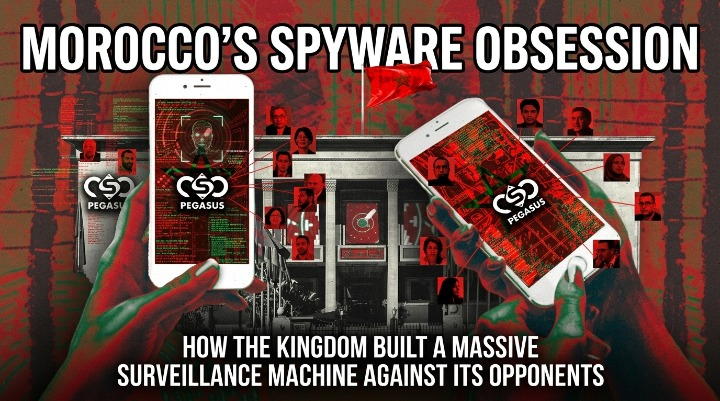
Morocco’s Spyware Obsession: How the Kingdom Built a Massive Surveillance Machine Against Its Opponents

Morocco’s Spyware Obsession: How the Kingdom Built a Massive Surveillance Machine Against Its Opponents

Algeria Gate: Despite repeated official denials, Morocco has become one of the most aggressive users of advanced spyware to monitor and suppress journalists, activists, and dissidents, both at home and abroad.

A new investigation by Forbidden Stories, in collaboration with Amnesty International’s Security Lab and international media partners, draws on rare insider testimony, previously unpublished internal documents, and technical evidence to expose the inner workings of Morocco’s surveillance state. At the center of this operation is Pegasus, the notorious spyware developed by Israel’s NSO Group.

Key Revelations

  • A former agent of Morocco’s domestic intelligence agency (DGST) provides a detailed firsthand account of mass surveillance operations.
  • Internal documents reveal pre-infected phones distributed to activists, compromised internet cafés, and the extensive use of Pegasus.
  • The investigation identifies senior DGST officials involved in these operations and publishes the first images of Pegasus’s user interface as seen by Moroccan operators.

The Case of Omar Radi

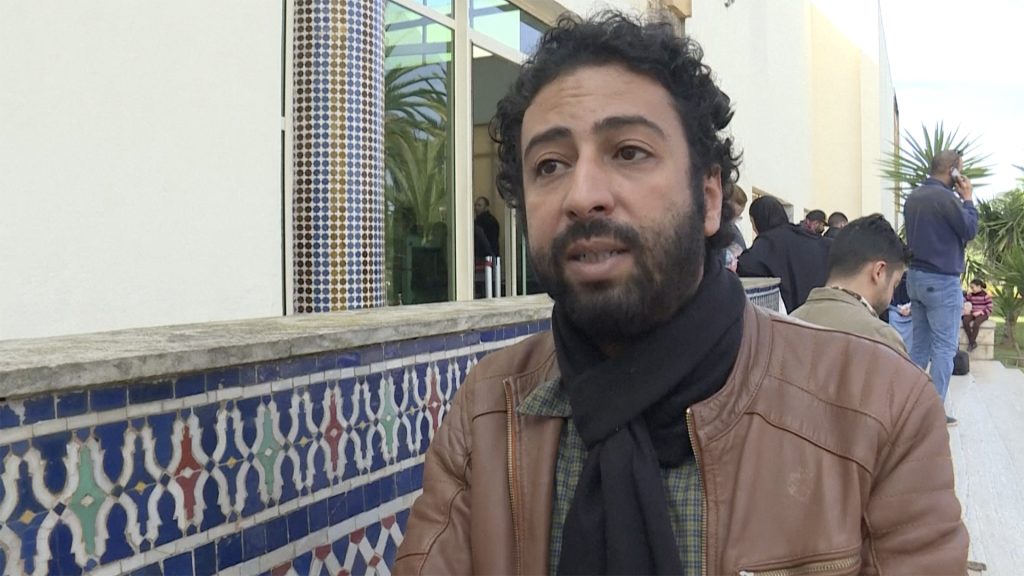
Journalist Omar Radi became a prime target of the Moroccan security services after investigating corruption and land grabs linked to associates of King Mohammed VI.

Morocco’s Spyware Obsession: How the Kingdom Built a Massive Surveillance Machine Against Its Opponents

Long before his 2020 arrest in Casablanca, Radi’s life was under constant watch: his home was bugged, his movements tracked, and his contacts monitored. When police finally detained him, they immediately seized his iPhone. Unable to unlock it on the spot, they used Cellebrite forensic software to extract its data.

Radi was later sentenced to six years in prison on charges widely viewed as politically motivated. He was pardoned in 2024. Forensic analysis later confirmed he had been infected with Pegasus spyware.

According to the former DGST agent (referred to as Safir), traditional surveillance methods proved insufficient against cautious targets like Radi. “Pegasus was the final tool; one of the most powerful,” he said.

From Hacking Team to Pegasus

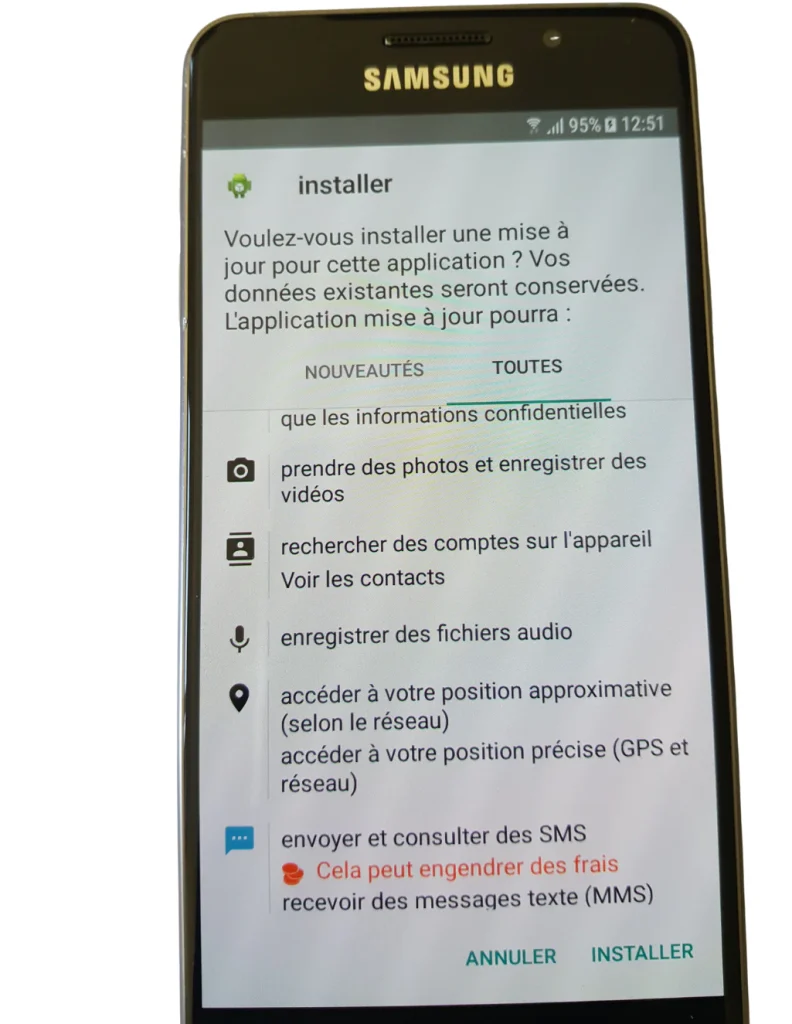
Before adopting Pegasus in late 2017, the DGST used spyware from Italy’s Hacking Team (Remote Control System or RCS). Agents infected dozens of new Samsung Galaxy S6 Edge phones and distributed them at discounted prices to activists in the Rif region during protest movements. They also compromised internet cafés frequented by targets.

Morocco’s Spyware Obsession: How the Kingdom Built a Massive Surveillance Machine Against Its Opponents

When Pegasus became available, it represented a major upgrade: zero-click infection capability meant targets could be compromised simply by receiving a missed call, with no interaction required. The system’s web-based console allowed operators to easily access calls, messages, location data, photos, and even remotely activate microphones.

Morocco reportedly selected nearly 13,000 phone numbers for potential targeting, including high-profile figures such as French President Emmanuel Macron, Belgian Prime Minister Charles Michel, French journalists, and Algerian officials.

Inside the DGST’s Spy Unit

The operation was reportedly led by senior DGST figures, including Abdeljalil Taki, who heads the spyware department, and Mohammed Raji, described by some as the architect of Morocco’s phone-tapping program and a close associate of powerful intelligence chief Abdellatif Hammouchi.

Even DGST agents tested the software on their own phones before deploying it more widely.

Denial vs. Evidence

Morocco has consistently denied using Pegasus. However, technical analyses by Amnesty International and French authorities, along with the new insider testimony and documents, strongly contradict these claims. The same Apple infrastructure used against Moroccan journalists was also linked to operations targeting French and Spanish figures.

The investigation highlights how the kingdom has used these tools not only against domestic critics but also against perceived foreign adversaries, while maintaining strong diplomatic ties ; particularly with France following its recognition of Moroccan sovereignty over Western Sahara.

This latest exposé, published five years after the original Pegasus Project, offers an unprecedented look inside one country’s addiction to digital surveillance as a tool of control, and the human cost paid by those who dare to speak out.

#Morocco#Pegasus
Author
Lys Iwannughen
View my articles
Europe
Share this post

Beyond Gas: Why Germany Is Looking to Algeria as a Strategic Partner for Europe’s Next Economic Chapter

Beyond Gas: Why Germany Is Looking to Algeria as a Strategic Partner for Europe’s Next Economic Chapter

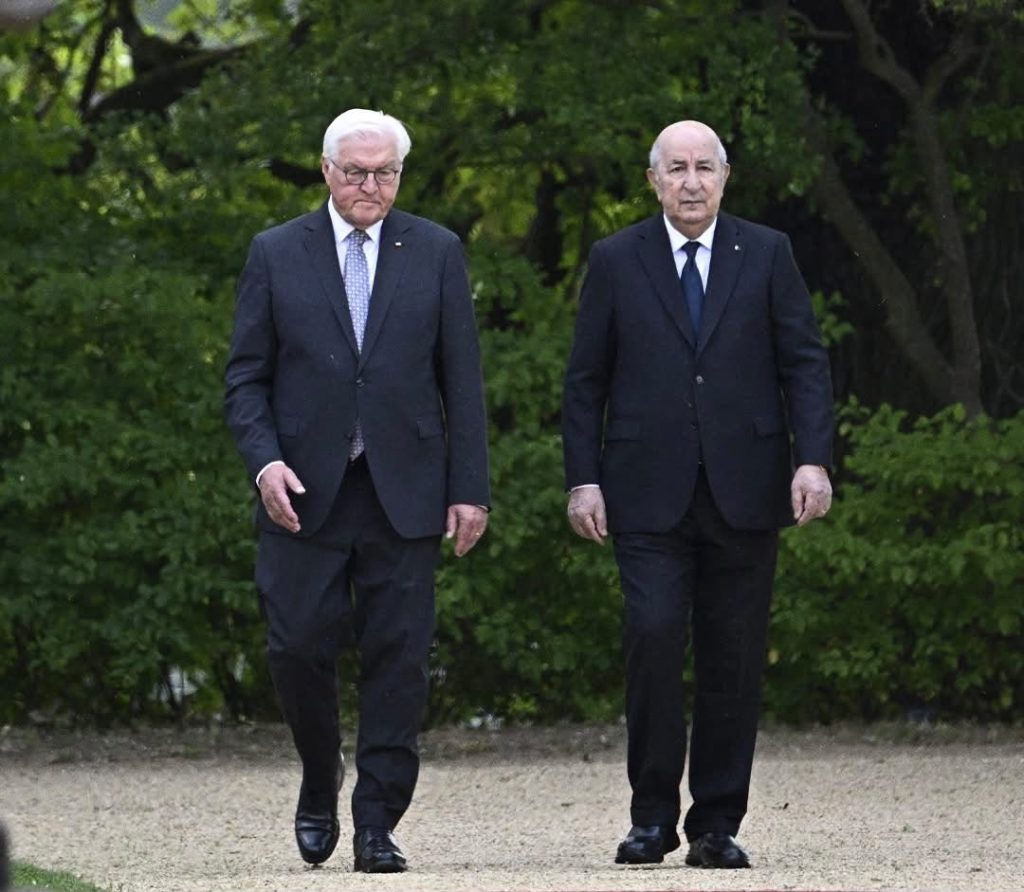
Algerian President Abdelmadjid Tebboune’s state visit to Germany is expected to mark a new phase in bilateral relations, one that extends well beyond natural gas. As Europe seeks to strengthen its energy security, accelerate its green transition, and diversify strategic partnerships, Berlin is increasingly positioning Algeria as a long-term partner in renewable energy, green hydrogen, industrial cooperation, and defense.

https://twitter.com/algatedzEng/status/2077402469198438909?s=20

The two day visit, held at the invitation of German President Frank Walter Steinmeier, has been granted the status of a State Visit Germany’s highest level of diplomatic protocol, reserved for only a handful of foreign leaders each year. Alongside full military honors, Tebboune is scheduled to hold talks with President Steinmeier and Chancellor Friedrich Merz, underscoring the growing strategic importance Germany attaches to its relationship with Algeria.

https://twitter.com/algatedzEng/status/2077731721701654648?s=20

The evolving partnership is backed by increasingly strong economic indicators. Algerian exports to Germany rose by 11 percent to €1.4 billion in 2025 and continued their upward trajectory with a further 20 percent increase during the first quarter of 2026. Meanwhile, Algeria plans to invest around $60 billion in its energy sector by 2030 while expanding renewable energy capacity to 15 gigawatts by 2035.

Although natural gas remains the cornerstone of economic cooperation, the partnership is increasingly being shaped by Europe’s long-term energy transition. Algeria ranked as the European Union’s second-largest supplier of pipeline natural gas in 2025, reinforcing its role as a reliable energy partner at a time when European countries continue to diversify their sources of supply. Major European energy firms, including Italy’s Eni, have expanded their investments in Algeria, highlighting growing international confidence in the country’s energy sector.

Green hydrogen has emerged as one of the most promising areas of cooperation. Algeria aims to invest between $20 billion and $25 billion in green hydrogen projects while significantly increasing its solar power generation over the coming decade. Berlin and Algiers have already launched a 50-megawatt pilot green hydrogen project, supported by a €20 million German contribution, as part of broader plans to develop the Southern Hydrogen Corridor, which would transport clean hydrogen from North Africa to European markets.

The project also fits within the European Union’s wider T-MED initiative, backed by €5 billion in European guarantees and designed to mobilize up to €25 billion in renewable energy investments across the Mediterranean. For Germany, cooperation with Algeria is becoming an essential component of Europe’s strategy to secure future supplies of clean energy while reducing dependence on traditional fossil fuels.

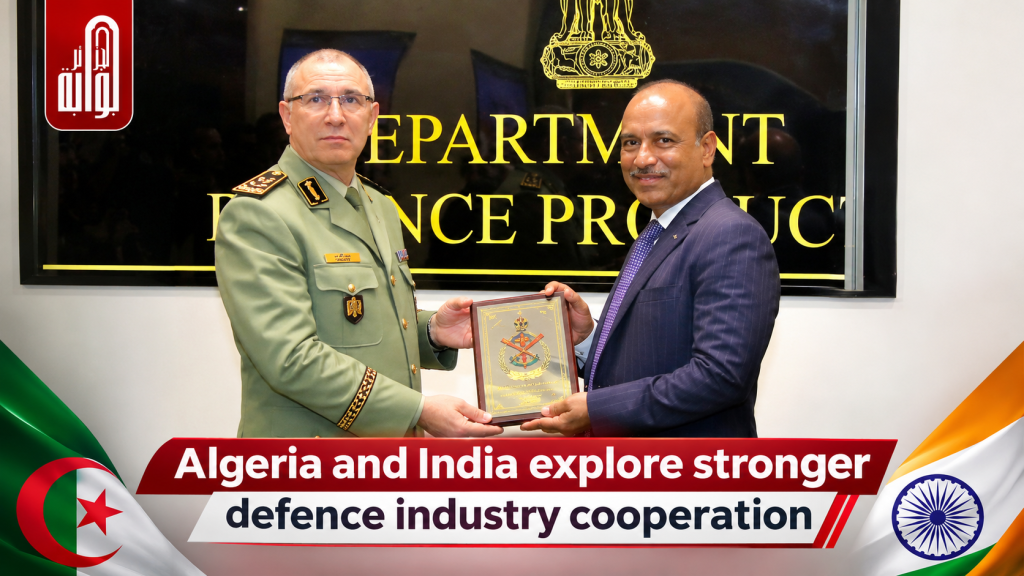
Beyond energy, industrial cooperation is also gaining momentum. German companies have long maintained a presence in Algeria’s industrial and defense sectors through technology transfer, manufacturing partnerships, and infrastructure projects. Firms such as Rheinmetall, MAN, and Thyssenkrupp have participated in programs ranging from armored vehicle production to naval construction and military training under local industrial agreements.

As Algeria accelerates the modernization and digitalization of its armed forces in 2026, while maintaining one of Africa’s largest defense budgets estimated at around $25 billion annually Germany’s rapidly expanding defense industry could become another pillar of bilateral cooperation. The renewed European focus on defense production following NATO’s rearmament efforts further increases opportunities for industrial partnerships extending beyond traditional security cooperation.

Digital transformation represents another strategic dimension of the relationship. Both countries are seeking to deepen cooperation in industrial innovation, advanced manufacturing, vocational training, and technological development, areas increasingly viewed as essential to long-term economic competitiveness.

Taken together, these developments suggest that Algerian-German relations are evolving from a partnership primarily centered on energy trade into a broader strategic alliance built on industrial development, technological cooperation, clean energy, and shared economic interests.

Ultimately, the significance of President Tebboune’s visit to Berlin will not be measured solely by the agreements signed during the two-day visit. More importantly, it reflects a strategic shift in how both countries view one another: not simply as supplier and customer, but as long-term partners seeking to shape a new model of economic and industrial cooperation in an increasingly uncertain geopolitical environment.

Author
بوابة الجزائر
View my articles