Friday, 6 November 2026 • 14:43 Algiers time
Algeria Gate
Share this post

Aouchiche… Hanoun and the RCD… Will the people hold them to account on November 28?

• Author: Lys Iwannughen • 0 comments • 21 views
Aouchiche… Hanoun and the RCD… Will the people hold them to account on November 28?

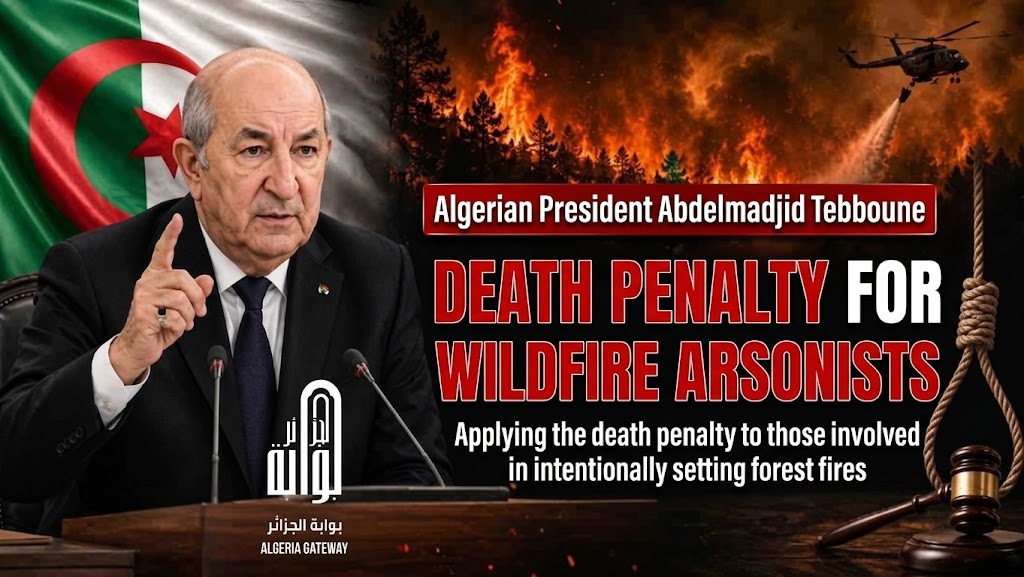
Algeria Gate: Have the trio of the FFS, the Workers’ Party and the RCD committed a strategic error against the will of the Algerian people by refusing to activate the death penalty against those who set fire to the country’s resources?
Aouchiche… Hanoun and the RCD… Will the people hold them to account on November 28?

It is a natural question at a time when the parties are preparing for the local elections; the first real measure of popular support for the political formations taking part.

Although the death penalty that the President of the Republic announced would be activated came after long seasonal calls; beginning since his first term, to stop the targeting of Algerians and the country’s wealth with fires, and despite the wide welcome from the majority of Algerians for this long-awaited decision (in the words and statements of citizens to various media outlets and the rejoicing of millions on social media), Algerian public opinion is left surprised.
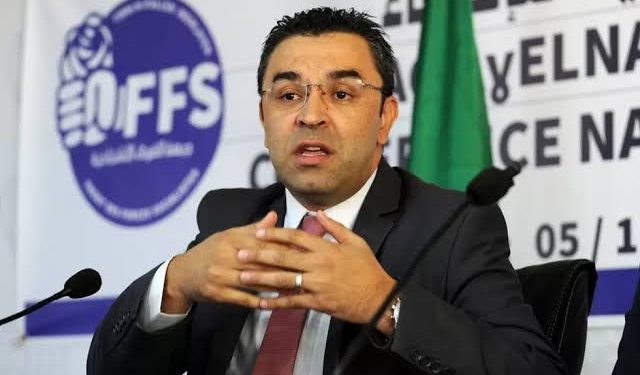

Through a wide range of comments on both verified and unverified accounts, people notice the agreement of the RCD, the FFS and the Workers’ Party with external calls; from Tunisia, Morocco and France, to reject the implementation of the death penalty against the killers of people and nature in Algeria.

The rejection of the death penalty by these parties is not fundamentally linked to the recent fires. It is a political orientation, an old alignment with certain foreign human-rights organizations. But their coming out, in the heart of the national ordeal, against the single Algerian popular voice, including the voice of the Association of Muslim Scholars supporting the decision of the President of the Republic, automatically activates among those following public affairs the thesis of “political suicide” on the eve of local elections, in which the rate of popular participation is known to be by far the highest compared with presidential and legislative elections.

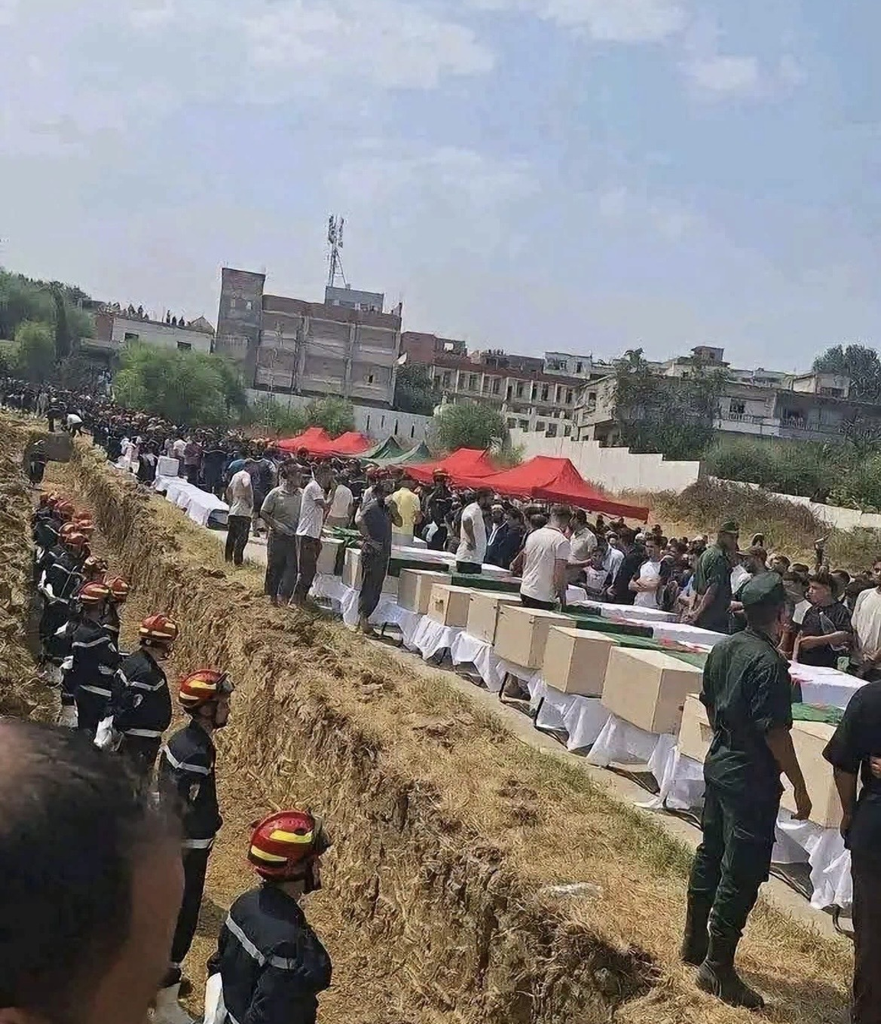
Here it may appear to the Algerian people that those party formations that did not stand in solidarity with them in their ordeal, by supporting the punishment of those who created their tragedies by burning lives and property, have committed an explicit betrayal of the principle of popular solidarity. That solidarity goes beyond material aid to moral positions. The implementation of the death penalty here was never a comprehensive resort but a partial one, a last resort against a heinous crime that is repeated and has taken on the character of a seasonal phenomenon. A crime that exhausts the country’s climate, starting with its oxygen and the air it breathes, all the way to the lives that are taken.

In addition, the margin of error in pronouncing judicial rulings in such cases is almost non-existent, given the availability of technical and scientific evidence and the highly precise investigations led by specialized teams, not to mention the conscience that surrounds everyone who will work on this file and directs them instinctively toward high credibility, since it concerns human lives.
Aouchiche… Hanoun and the RCD… Will the people hold them to account on November 28?

No one, under these circumstances, should seize the opportunity to emerge from isolation and political unemployment in order to create a political program that is already a losing one in advance; giving the impression to anyone tempted to interfere from outside in Algeria’s internal affairs that there is a popular division over the implementation of the death penalty against those who executed Algerians by fire.

The reality is the opposite. How similar yesterday is to today, when some Algerians stood against the independence of their homeland from France in 1962. They were not all necessarily harkis… but that does not negate that some of them were indeed harkis.


Author
Lys Iwannughen
View my articles

Leave a comment

Your email address will not be published. Required fields are marked *

Algeria
Share this post

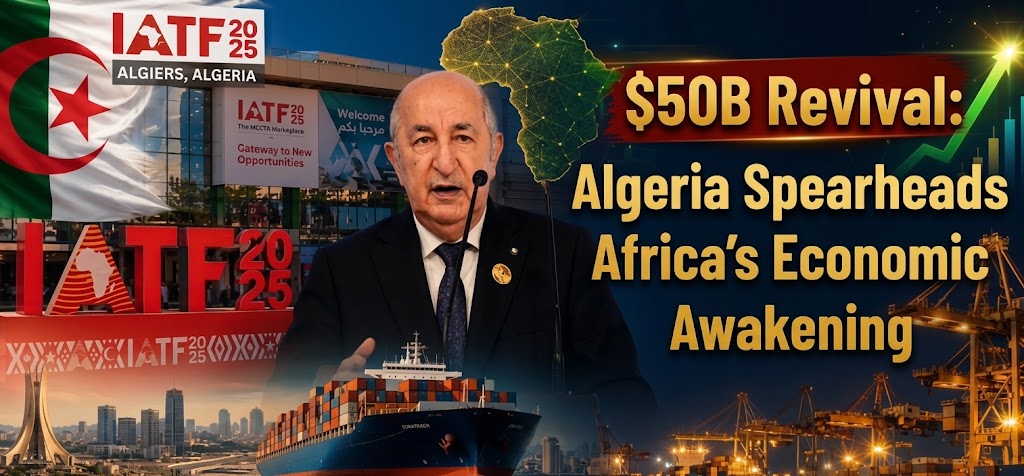
$50B Revival: Algeria Spearheads Africa’s Economic Awakening

$50B Revival: Algeria Spearheads Africa’s Economic Awakening

Algeria Gate: One year after hosting the fourth edition of the Intra-African Trade Fair in September 2025, Algeria has proven its pivotal role in driving continental economic integration, recording unprecedented figures in the history of the event.

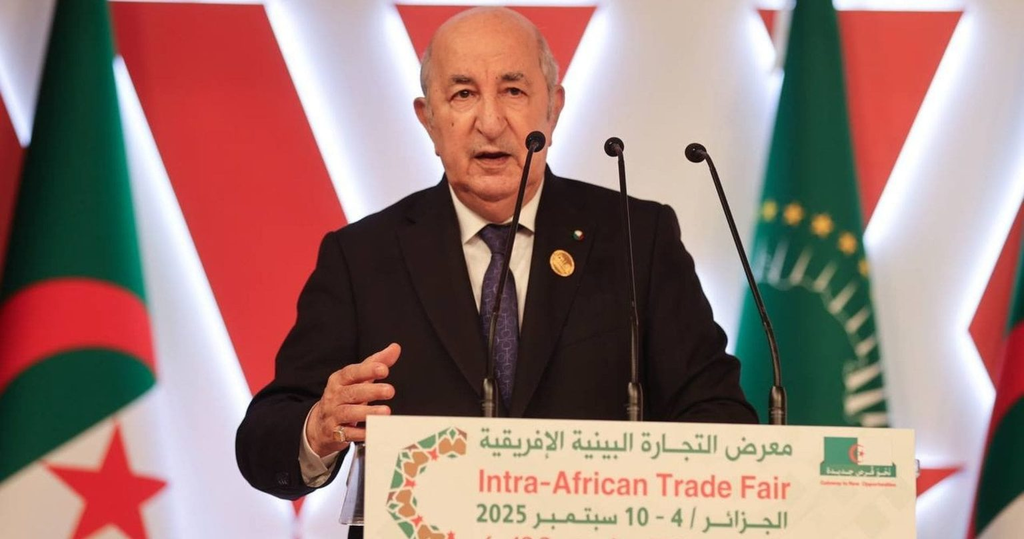
Under the supervision of President Abdelmadjid Tebboune, the Algerian capital turned into a global economic hub, successfully attracting massive investments and strategic partnerships.

Exceptional Numbers and the Lion’s Share for Algeria

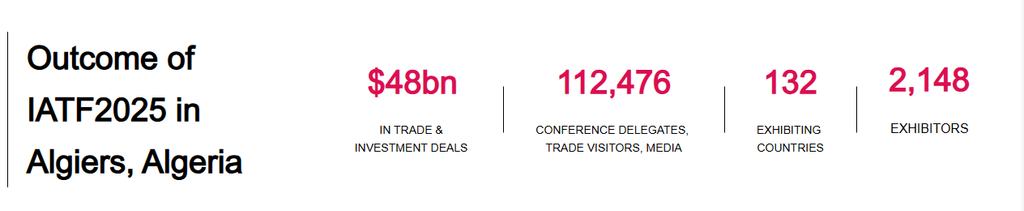
Data released by the African Export-Import Bank (Afreximbank) revealed that Algeria alone secured contracts exceeding $11 billion in value, representing nearly a quarter of the total transactions concluded during the fair, which reached $50 billion. This edition witnessed unprecedented global turnout, attracting more than 112,000 visitors from 132 countries, reflecting Algeria’s growing economic weight as a leading partner.

$50B Revival: Algeria Spearheads Africa’s Economic Awakening

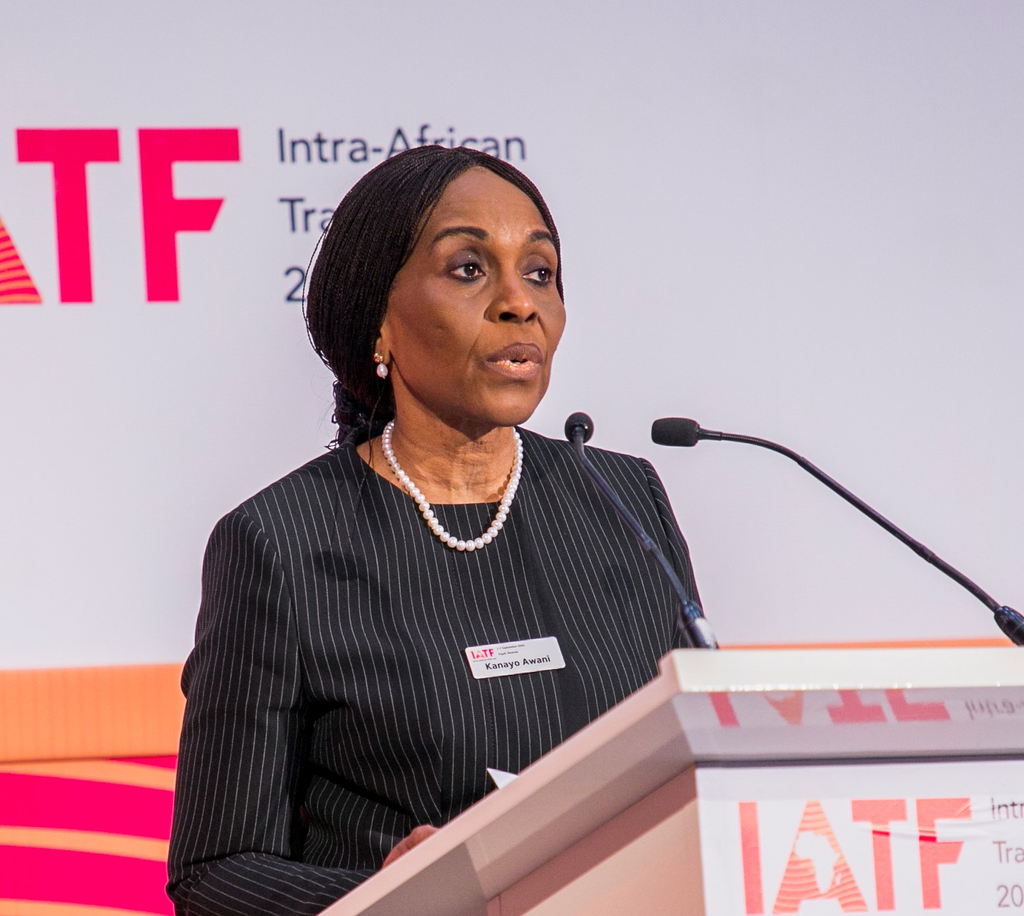
In this regard, Kanayo Awani, Executive Vice President of Afreximbank, affirmed that the “Algeria Edition,” held under the theme “A Gateway to New Opportunities”, marked a true turning point in the path of African trade and created an effective platform connecting companies to tangible growth opportunities.

$50B Revival: Algeria Spearheads Africa’s Economic Awakening

Mega Energy Projects Boosting Employment

As one of the direct fruits of the business meetings held in Algeria, Afreximbank recently approved $200 million in financing to support the development of the “Hassi Bir Rekaiz” oil field. Representing a total cost of $980 million in a joint venture between Algeria’s Sonatrach, Thailand’s PTTEP, and Spain’s Cepsa, this project stands as a strategic step in the energy sector and is expected to generate around 6,000 new job opportunities.

$50B Revival: Algeria Spearheads Africa’s Economic Awakening

Continental Gains Heading Towards Lagos 2027

The echoes of the Algeria edition’s success extended beyond the country’s borders to revitalize the entire continental economy. This edition contributed to raising the total value of deals signed across the fair’s four editions to over $167 billion. Around 360,000 small and medium-sized enterprises (SMEs); many managed by youth and women, benefited from this economic momentum, helping to create more than half a million direct jobs with each edition.

As preparations begin in Lagos, Nigeria, to host the fifth edition in November 2027 under the theme “Global Africa, Smart Trade,” decision-makers are looking to build upon the strong economic legacy established by Algeria, aiming to empower the continent to shape its economic future with strength and independence.

#Africa#Algeria#Economy
Author
Lys Iwannughen
View my articles
Algeria
Share this post

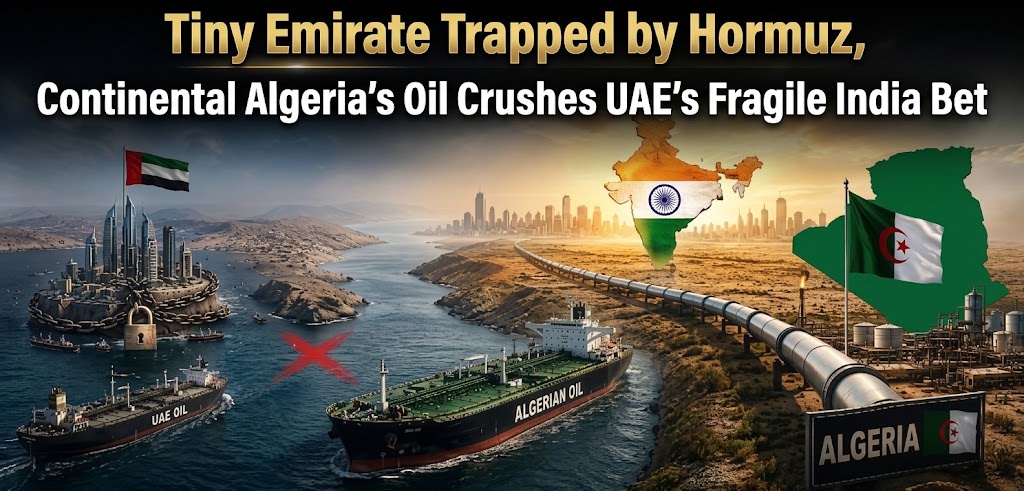
Tiny Emirate Trapped by Hormuz, Continental Algeria’s Oil Crushes UAE’s Fragile India Bet

Tiny Emirate Trapped by Hormuz, Continental Algeria’s Oil Crushes UAE’s Fragile India Bet

Algeria Gate: With 47 degrees API and just 0.11% sulfur, Algerian “Saharan Blend” ranks among Africa’s top crudes for Indian energy security. Disturbances in the Strait of Hormuz have exposed the limits of reliance on Gulf suppliers, while the UAE’s exit from OPEC has not freed its exports from geography and maritime risks.

A study by the Indian Centre for Defence Research and Studies (September 5th 2026) concluded that African crudes can reduce New Delhi’s exposure to Gulf concentration risks, placing Saharan Blend among the most attractive options for quality and location. This does not signal an official purchase decision or long-term Sonatrach contract, but confirms Algeria’s place in India’s measurable energy-security calculus.

Tiny Emirate Trapped by Hormuz, Continental Algeria’s Oil Crushes UAE’s Fragile India Bet

India’s oil import dependence hit a record 88.7% in fiscal year 2025-2026 (up from 85.5% in 2021-2022), with nearly 5.02 million barrels per day imported in the first half of 2026. Supply regularity, freight, and corridor safety now directly affect inflation, industry, subsidies, and refining margins. Much of the oil from Saudi Arabia, the UAE, Iraq, and Kuwait passes through Hormuz, so buyers weigh maritime risks, insurance, delays, and tanker availability alongside price.

Tiny Emirate Trapped by Hormuz, Continental Algeria’s Oil Crushes UAE’s Fragile India Bet

Algeria offers a different proposition: high-quality crude from Mediterranean ports outside Hormuz, continued OPEC+ membership, and an expansion program for production, reserves, and markets. Saharan Blend (47 API, ≤0.11% sulfur) outperforms Saudi Arab Light (33.4 API, 1.8% sulfur), Iraqi Basra Light (~30.2 API, 2.6%), and Kuwaiti crude (31 API, 2.63%), approaching Nigerian Bonny Light and Angolan Cabinda. Light and sweet, it yields high volumes of naphtha, jet fuel, and diesel with lower desulfurization needs. Reference specs often cite ~45 API and 0.09% sulfur, with approximate yields of 23% naphtha, 13% kerosene/jet, 21% diesel, and 22% heavy gas oil. Quality commands a premium; Sonatrach set February 2026 OSP at $2.50/bbl above Dated Brent, but final economics at the refinery gate (price + transport + yields + margins) decide competitiveness.

The decisive card is geography: cargoes avoid Hormuz. Even if the Suez-Red Sea-Bab el-Mandeb route is disrupted and vessels divert around the Cape, Saharan Blend still provides genuine diversification when Gulf shipping and insurance costs spike.

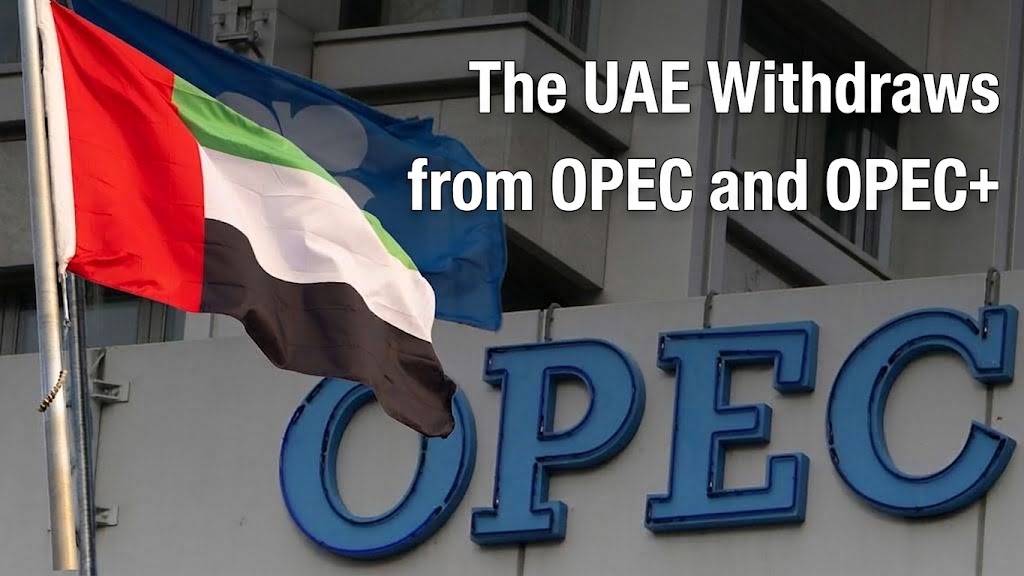
The Emirati predicament is clear. Abu Dhabi left OPEC on 1 May 2026 to expand production freedom, yet its ports remain inside the Gulf and its tankers still face Hormuz. Greater output does not guarantee delivery when corridors are disrupted. The withdrawal weakened OPEC cohesion without ending geographic dependence.

India is not replacing the UAE with Algeria; Abu Dhabi remains a major producer and partner. But the crisis proved that over-reliance on any Gulf supplier creates exposure. New Delhi therefore spreads risk across Algeria, Nigeria, Angola, and the Americas. Algeria combines ultra-high quality with a non-Hormuz source.

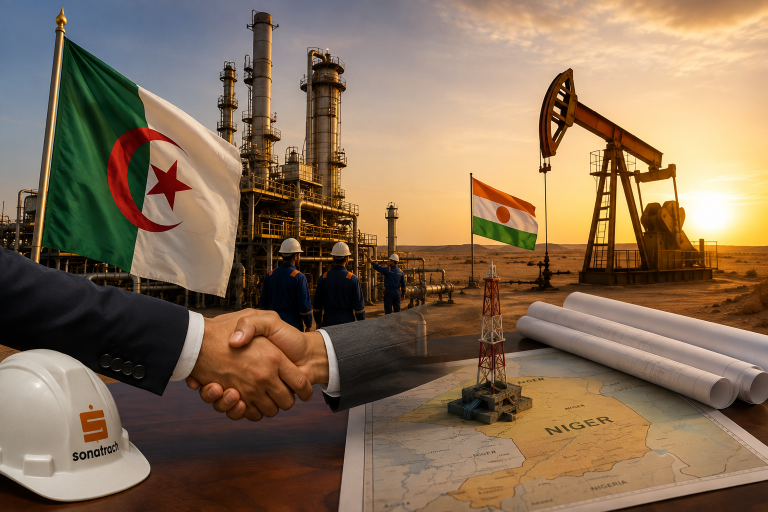
Algeria approaches the market with a broader strategy under President Abdelmadjid Tebboune: raise production, renew reserves, expand partners, and diversify destinations so Asia becomes a stable outlet. A ~$60 billion five-year energy investment program prioritizes exploration and production, with the rest for refining, petrochemicals, and processing. The 2026 Bid Round offered seven blocks after the 2024 round awarded five with ~$606 million in initial investment. Major contracts include Illizi South (~$5.4 billion), Sinopec (~$850 million), and a $380 million production-improvement deal. These tools rebuild capacity, strengthen sovereignty, and attract technology while retaining state control; enabling Asian expansion without diverting volumes from Europe.

Tiny Emirate Trapped by Hormuz, Continental Algeria’s Oil Crushes UAE’s Fragile India Bet

Logistics matter: weather disruptions cut Saharan Blend loadings to ~201,000 b/d in January 2026 from 476,000 b/d in December 2025, underscoring the need for reliable delivery.

Existing ties provide a base. Bilateral trade reached $1.71 billion in Indian FY 2024-2025. June 2026 Indian imports included ~$113 million of Algerian crude, $207 million of fertilizers, and $7.83 million of fertilizer raw materials. Algeria rapidly scaled LPG exports to ~110,000 tons in August 2026; Sonatrach and Indian Oil are negotiating monthly 45,000–55,000-ton propane/butane cargoes for 2027 (potentially 540,000–660,000 tons annually), often priced below the Saudi reference. Success in LPG builds networks that can expand to crude, LNG, urea, methanol, and phosphate—and opens doors for Indian investment (ONGC Videsh, Indian Oil, Bharat Petroleum) in exploration, production, storage, and services.

Converting the advantage into a lasting share requires cargo availability, loading regularity, competitive pricing that absorbs distance, and multi-year contracts. Algeria thus differs from the post-OPEC UAE: Abu Dhabi gained pumping freedom but remains trapped by Hormuz, while Algeria retains producer-system influence, ports outside the chokepoint, and technically superior crude.

The Indian reference to Saharan Blend is not mere praise of a known grade; it reflects a post-Hormuz shift. New Delhi now seeks barrels that arrive on time, cut processing costs, and come from a country with independent energy policy and a clear production-growth strategy. Algeria is steadily entering that equation through long-term investment and a vision to expand global presence—while Emirati tankers stay captive to the strait.

#Algeria#India#Oil#UAE
Author
Lys Iwannughen
View my articles
Algeria
Share this post

5.6 Million Cubic Meters per Day by 2030… Algeria Moves Desalination to the Heart of the Economy

5.6 Million Cubic Meters per Day by 2030… Algeria Moves Desalination to the Heart of the Economy

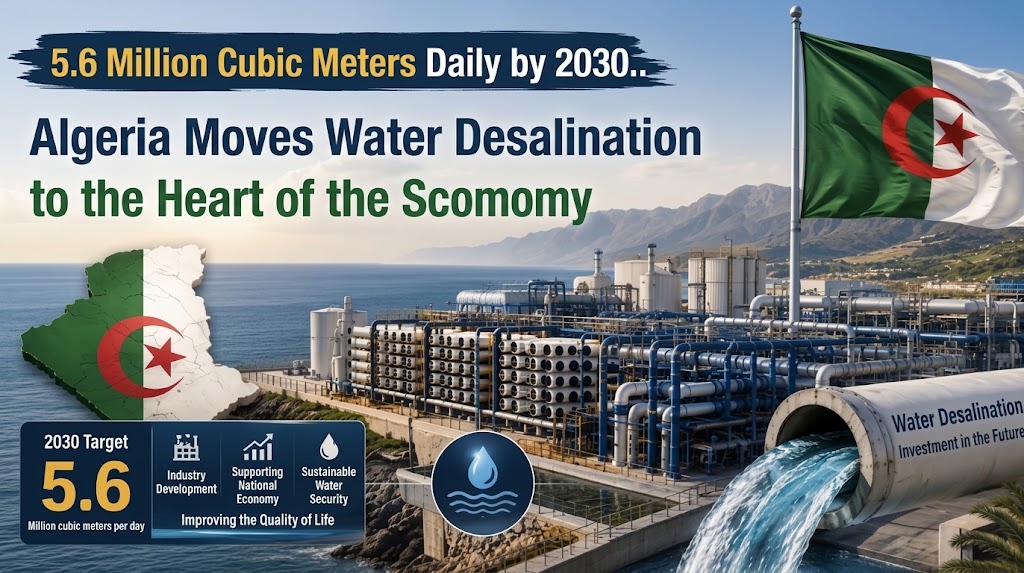
Algeria Gate: Algeria aims to produce about 5.6 million cubic meters of desalinated seawater per day by 2030, compared with a current capacity estimated at 3.76 million cubic meters, raising desalination from a means of securing drinking water to an economic investment that directly affects gas and electricity consumption, subsidy expenditures, the distribution of dam water, and the cost of industrial and agricultural activity.

5.6 Million Cubic Meters per Day by 2030… Algeria Moves Desalination to the Heart of the Economy

Algeria currently operates 19 major plants with an annual capacity of approximately 1.37 billion cubic meters, in addition to 21 small single-block units with a total capacity of 57,500 cubic meters per day. This system supplies about 40% to 42% of drinking water needs, according to the date of calculation of the capacities that have actually entered service.

These figures mean that of every ten liters distributed for domestic consumption, more than four liters come from seawater after treatment. Coastal urban supplies are therefore no longer entirely dependent on dam stocks and rainfall cycles.

The National Land Planning Scheme issued in 2010 had targeted reaching 15 plants with a capacity of 938 million cubic meters per year by 2025. However, current capacity has exceeded that estimate by about 432 million cubic meters per year, or approximately 46%.

Investments have also moved from limited plants built at the beginning of the millennium to large programs executed by Algerian companies. According to previous statements by the CEO of the Algerian Energy Company to Reuters, the country has invested about $2.1 billion in this activity, with plans to inject another $2.4 billion to implement the program extending to 2030.

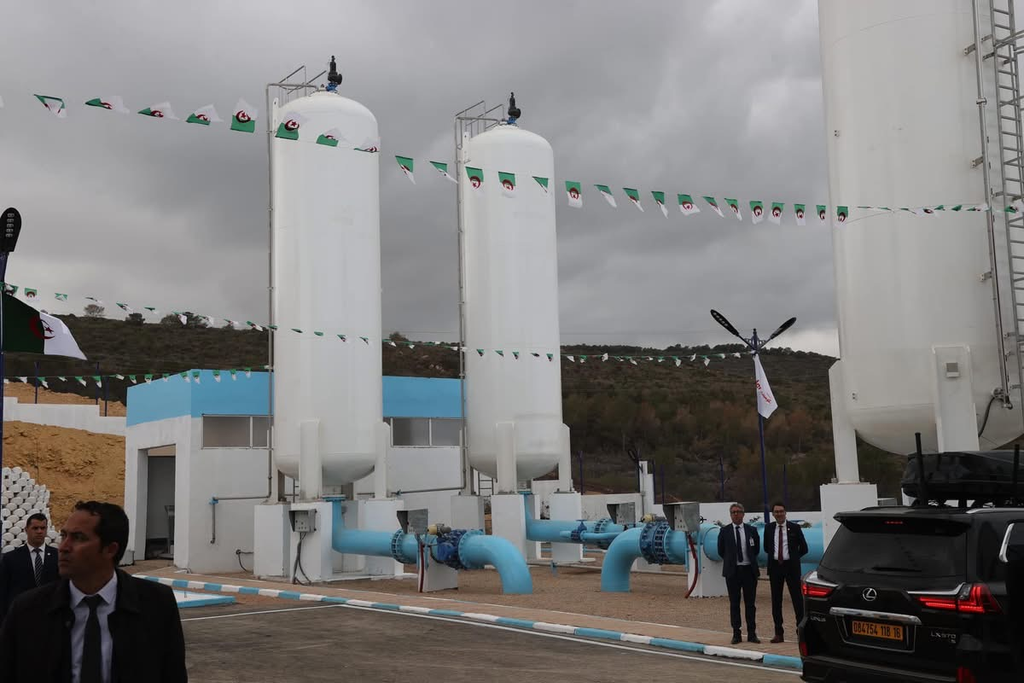
The ongoing program adds three major plants in Tlemcen, Chlef, and Mostaganem, each with a capacity of 300,000 cubic meters per day. Their operation will add 900,000 cubic meters per day, or 328.5 million cubic meters per year, to the production system.

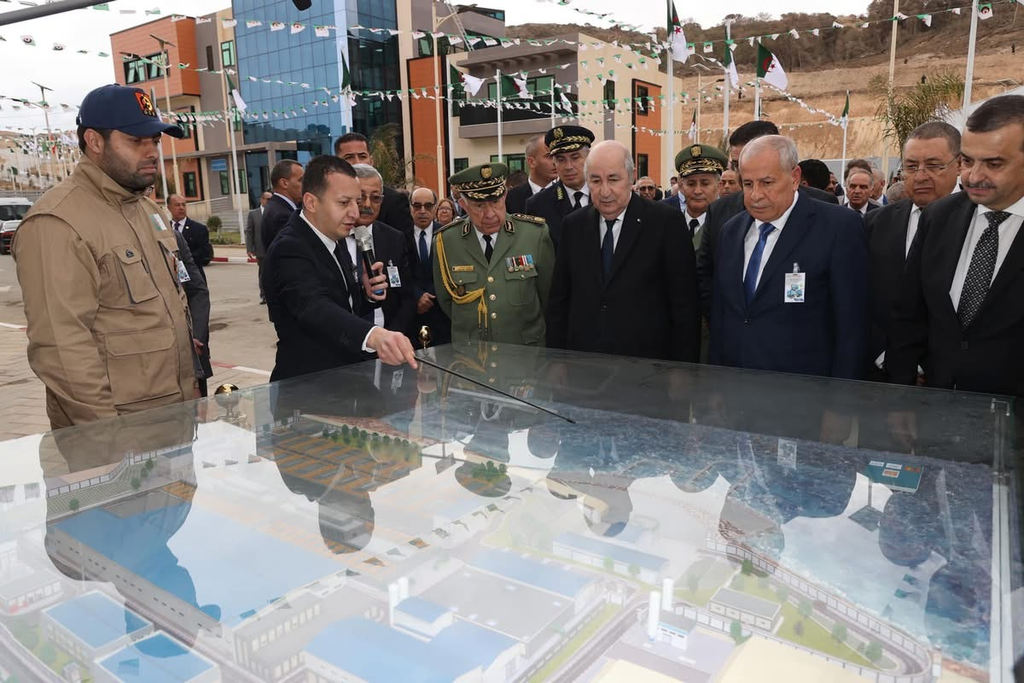
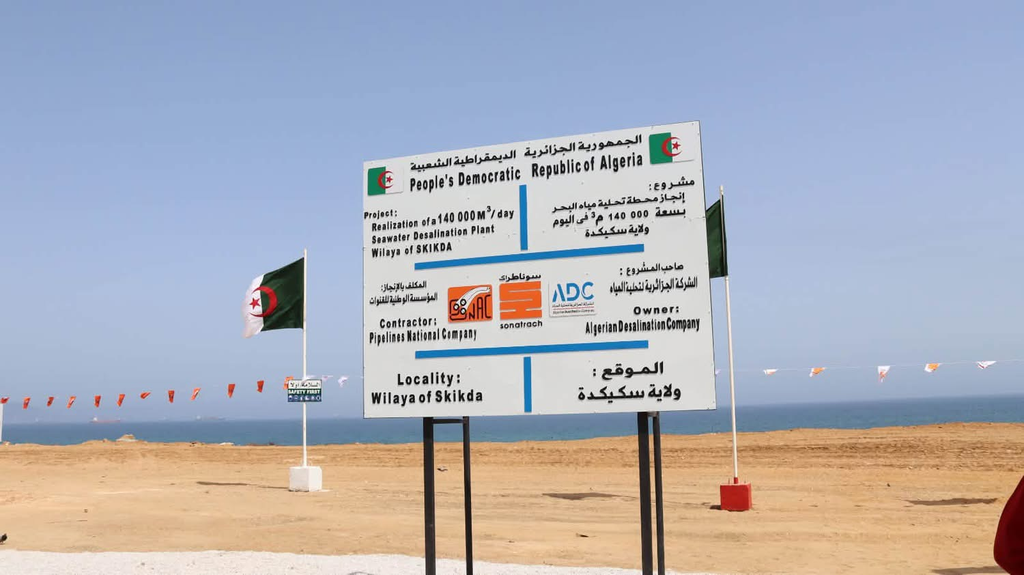
Work began on the Ain Ajroud plant in Mersa Ben M’hidi in Tlemcen in November 2025, then on the El Marsa plant in Chlef in December, in parallel with the completion of procedures for the Mostaganem plant. Sonatrach also launched in July 2026 the Ben M’hidi plant project in Skikda with a capacity of 140,000 cubic meters per day, of which 100,000 are for drinking water and 40,000 for the industrial sector.

However, adding the three plants to current capacity raises theoretical capacity to only about 4.66 million cubic meters per day. Reaching the target of 5.6 million cubic meters therefore requires providing another 940,000 cubic meters through new facilities or expansion of existing plants and increased productivity.

Nominal capacity alone is not a sufficient measure of water security, because the water produced needs pumping lines, reservoirs, lifting stations, and connection to distribution networks. Cost also rises the farther water is transported or the higher the areas above coastal level.

The World Bank estimates that transporting water horizontally over a distance of 100 kilometers or lifting it vertically by about 100 meters adds roughly $0.05 to $0.06 to the cost of a cubic meter. Expanding the supply of desalinated water from coastal wilayas to areas 150 kilometers, then 250 kilometers away therefore requires additional investments in pipes, pumping, energy, and maintenance.

The cost of producing a cubic meter at the desalination plant outlet is estimated at between $0.55 and $0.9, depending on technology, plant size, electricity price, membrane life, and maintenance expenses. When final transport, treatment, storage, and distribution are included, the cost may rise to between $1 and $1.5 when the water reaches the consumer.

Calculating the operation of current capacity of 3.76 million cubic meters per day, the theoretical production value at the plant outlets ranges between $2.07 and $3.38 million per day, equivalent to between $755 million and $1.24 billion per year.

After the three plants with a total capacity of 900,000 cubic meters per day come into operation, the theoretical annual cost of producing 4.66 million cubic meters per day may rise to a range of between $936 million and $1.53 billion, before accounting for the costs of delivering water to consumer networks.

These calculations do not reflect announced government spending, because they assume plants operating at full capacity and constant production costs throughout the year. They do, however, reveal that the coming challenge is not only related to financing construction, but also to providing the resources needed for maintenance, electricity, membranes, and chemicals over the life of the plants.

They also show that water pricing will become one of the central economic files. Continuing to sell water at low administrative prices means that the Treasury and public institutions bear the cost difference, while a uniform increase in tariffs could pressure purchasing power.

The solution requires separating basic domestic consumption, which needs social support, from high consumption and industrial and commercial uses. It also requires accurate measurement of quantities, actual billing, and reduction of illegal connections and commercial losses.

This is directly linked to the state of distribution networks. Every cubic meter produced with energy and imported materials that then leaks before reaching the consumer represents a double loss of water and money. Repairing networks in some areas may therefore be less costly than adding new production capacity of the same volume.

5.6 Million Cubic Meters per Day by 2030… Algeria Moves Desalination to the Heart of the Economy

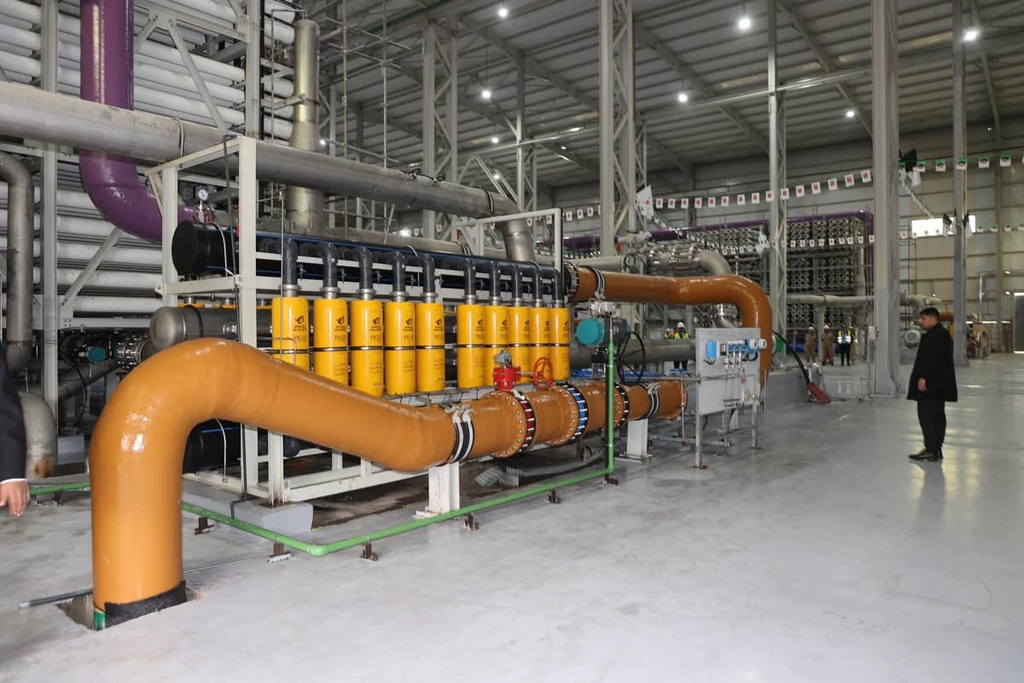
Energy represents one of the largest operating items of the plants. The reverse-osmosis technology used mainly in Algeria consumes about 2.5 to 3.5 kilowatt-hours per cubic meter, depending on plant efficiency and seawater quality.

Adopting an average of three kilowatt-hours per cubic meter, current capacity requires approximately 11.28 gigawatt-hours per day, or about 4.12 terawatt-hours per year. The requirement rises to about 6.13 terawatt-hours per year when the target of 5.6 million cubic meters per day is reached.

The difference between the current situation and the 2030 target is about two million additional cubic meters per day, requiring approximately 2.2 terawatt-hours of electricity per year under the same assumption. The desalination program therefore also becomes an energy program that needs generation and transmission capacity and continuous operation guarantees.

Integrating solar and wind energy offers an opportunity to reduce the gas used in electricity production. Every quantity of gas not burned to operate the plants can be directed to export or processing industries, creating an indirect economic return from investment in renewable electricity.

However, the round-the-clock operation of plants prevents total reliance on an intermittent source. The model therefore needs a mix of the electricity grid, renewable energies, and storage systems, with long-term electricity purchase contracts and guarantees of frequency and supply stability.

5.6 Million Cubic Meters per Day by 2030… Algeria Moves Desalination to the Heart of the Economy

This is consistent with Algeria’s updated climate contribution deposited with the United Nations in June 2026, which targets a 14% reduction in greenhouse gas emissions by 2035 with national resources, and up to 31% if international financing is available.

On the other hand, the economic impact of desalination is not limited to drinking water. Replacing dam water inside coastal cities allows a portion of traditional resources to be redirected toward agricultural perimeters, providing an indirect channel to support the production of cereals, vegetables, fruit trees, and industrial crops.

This approach avoids the direct use of desalinated water in agriculture, where most crops cannot bear its cost. Instead, cities obtain stable water from the sea, while dams gradually recover their irrigation function.

This transfer does not occur automatically; it requires irrigation networks, maintenance of storage facilities, and the determination of measurable quotas, as well as directing water toward products with the highest economic and food return. The quantity of agricultural production achieved per cubic meter should also be calculated, not just the irrigated area.

At the same time, the expansion of desalination raises an environmental challenge related to the brine produced by salt separation. International data indicate that the production of 95.37 million cubic meters of desalinated water per day generated about 141.5 million cubic meters of brine, or roughly 1.5 cubic meters of waste per cubic meter produced on average.

The actual volume of waste varies according to the water recovery rate, plant technology, and source salinity. Increasing Algerian capacity means higher quantities discharged into the sea, requiring monitoring of salinity, temperature, and chemicals at discharge points.

On June 15th 2026, the Algerian Desalination Company signed three agreements with the National Observatory for the Environment and Sustainable Development, the Directorate General for Scientific Research and Technological Development, and Kasdi Merbah University in Ouargla (not Biskra as stated in the original French text).

The agreements cover environmental monitoring, applied research, and the development of techniques for valorizing salts and mineral materials resulting from desalination. This path could open activities linked to the extraction of salt, magnesium, potassium, and other compounds, provided their viability is proven compared with the cost of separation, energy, and transport.

Signing research agreements does not mean that Algeria has begun commercial production of minerals from brine; the transition to industry remains linked to studies, experiments, and the determination of technologies and target markets. It does, however, move waste treatment from an environmental item to a potential field of research and investment.

5.6 Million Cubic Meters per Day by 2030… Algeria Moves Desalination to the Heart of the Economy

Thus, the economic value of the 2030 plan is determined by the ability to control five interconnected variables: the cost of producing a cubic meter, electricity consumption, distribution network losses, the volume of dam water freed for agriculture, and the cost of treating brine.

Raising production to 5.6 million cubic meters per day remains a necessary target but is insufficient on its own. The actual result will be measured by the quantity of water that reaches the consumer, the cost of each billed cubic meter, the stability of supply, and the volume of traditional water redirected to the productive economy.

#Algeria#Economy
Author
Lys Iwannughen
View my articles