Friday, 6 November 2026 • 13:56 Algiers time
Algeria Gate
Share this post

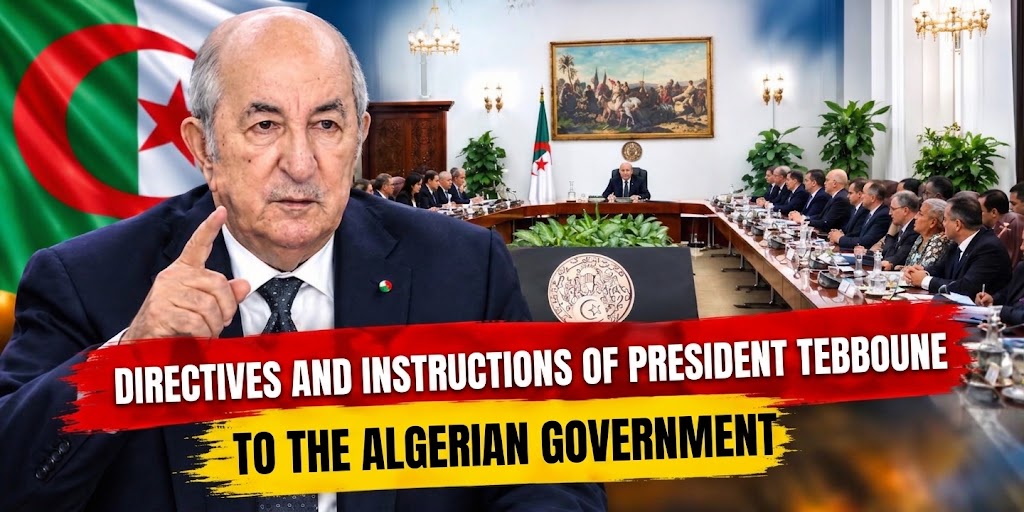
President Tebboune’s directives and instructions to the Algerian government

• Author: Lys Iwannughen • 0 comments • 26 views
President Tebboune’s directives and instructions to the Algerian government

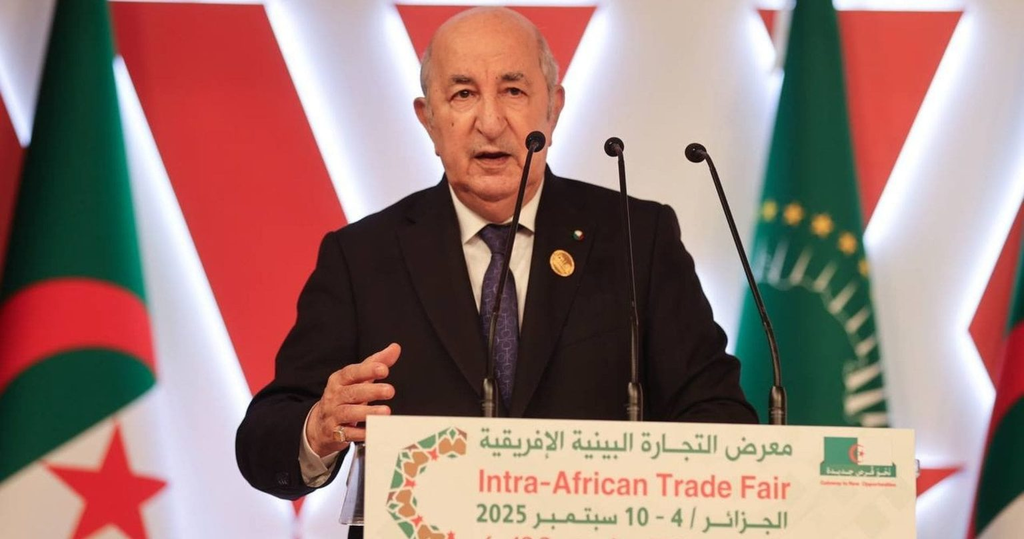
Algeria Gate: The President of the Republic, Commander-in-Chief of the Armed Forces and Minister of National Defence, Abdelmadjid Tebboune, chaired a Council of Ministers meeting that addressed several vital files concerning the social front, the national economy and major infrastructure projects, as well as the education and heritage sectors.

https://twitter.com/algatedzEng/status/2096601465796059328?s=20

A wave of solidarity and immediate compensation

At the outset of the meeting, after welcoming the new ministers appointed in the recent government reshuffle, President Tebboune highly praised the exceptional wave of solidarity shown by the Algerian people from every part of the country and abroad toward those affected by the fires.

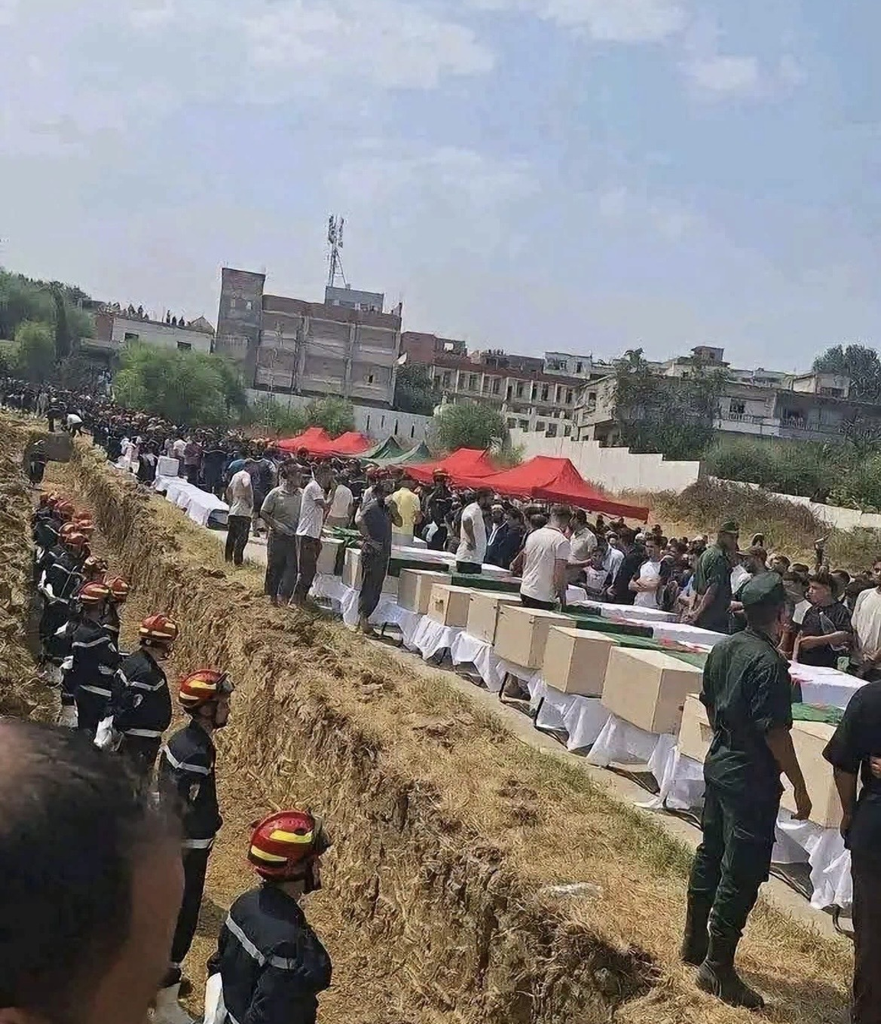
The President considered that this show of solidarity painted a bright image of Algeria before the world, expressing his thanks to the workers in the Civil Protection, Sonelgaz, Mobilis and Public Works sectors for their record intervention in restoring essential services. Embodying the state’s support for its citizens, His Excellency ordered that compensation payments begin this week, free of any bureaucratic complications, and directed the Minister of Agriculture to immediately supervise on the ground the compensation of livestock.

Legal firmness and economic revival

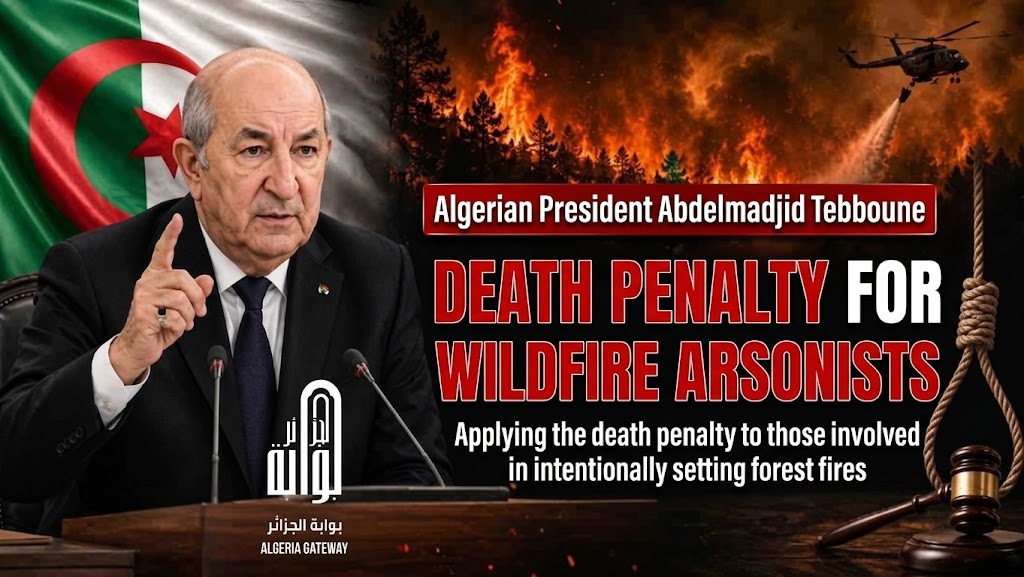
On the legal front, the President of the Republic settled the amendments to the Penal Code bill, stressing that the application of the death penalty would be limited to two specific cases: those who start and organise fires that result in death, and those who kidnap and mistreat minors.

On the economic front, he instructed the government to effectively involve national companies in order to multiply production and meet the requirements of major infrastructure projects, with the aim of strengthening the recovery of the national economy and moving away from an unconsidered import policy.

Protecting the Algerian school and enhancing heritage

In preparation for the new school year, President Tebboune ordered that the gains achieved in the education sector be exploited and its human resources invested, strictly emphasising the need to keep educational institutions away from all political and ideological controversies so that discussion remains purely pedagogical, while prohibiting any media promotion of sectoral changes before they are discussed exclusively in the Council of Ministers.

Given preserving identity, the President announced the creation of the “National Agency for Antiquities” to constitute a scientific revolution in the field of excavations. This body will enjoy financial and administrative independence under the direct supervision of the Presidency of the Republic, and will work to highlight the depth of Algerian heritage and its civilisational influence extending over three thousand years, beginning with the Kingdom of Numidia and its capital Constantine.

Railway projects: strategic priorities

At the close of the meeting, the Algerian President praised the pace of completion of the mining railway line (Beled El Hadba – Oued El Kebrit – Annaba Port), expected to begin production in March 2027. He also affirmed that the strategic line linking Tamanrasset to the north of the country (via Laghouat, Ghardaïa, El Menia and In Salah) represents the absolute priority, directing that all efforts be concentrated on delivering it by the end of 2028 as an unprecedented historic achievement.


#Algeria#President tebboune
Author
Lys Iwannughen
View my articles

Leave a comment

Your email address will not be published. Required fields are marked *

Algeria
Share this post

Aouchiche… Hanoun and the RCD… Will the people hold them to account on November 28?

Aouchiche… Hanoun and the RCD… Will the people hold them to account on November 28?

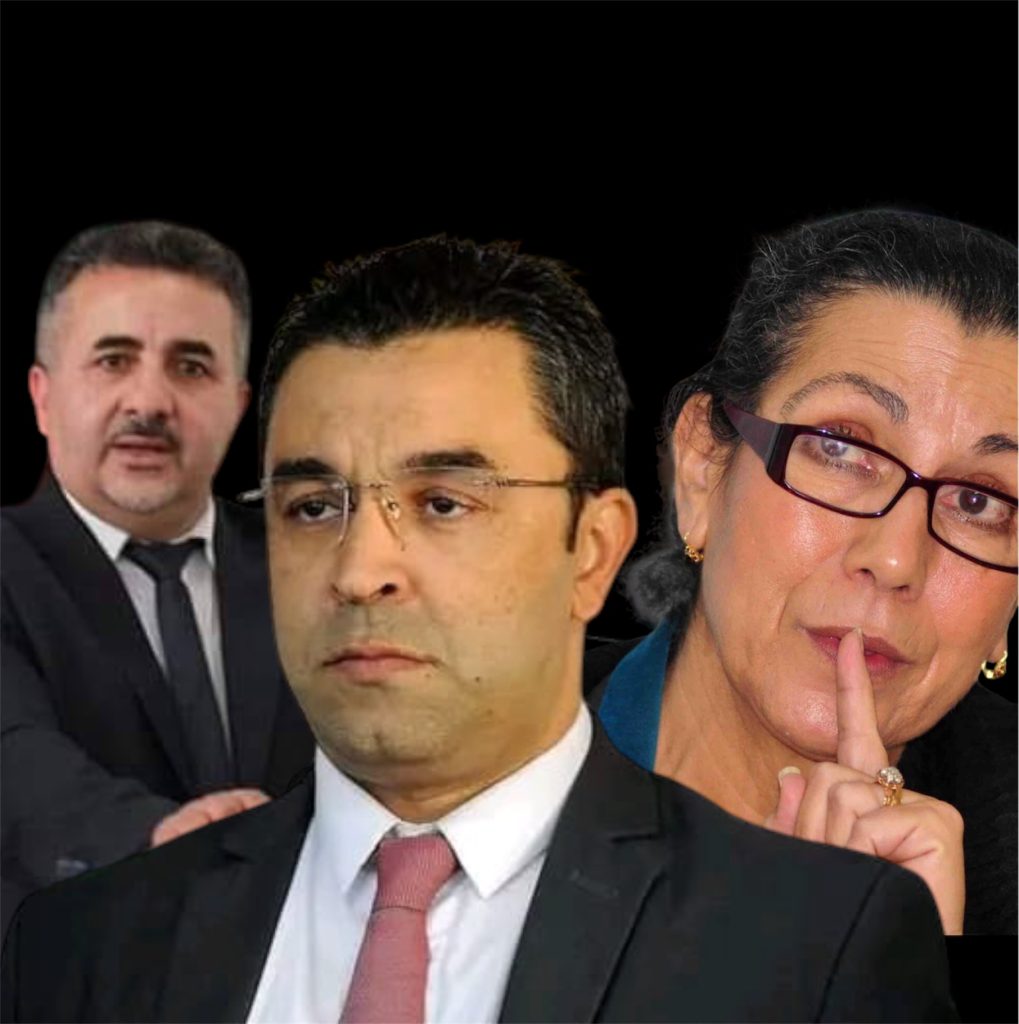
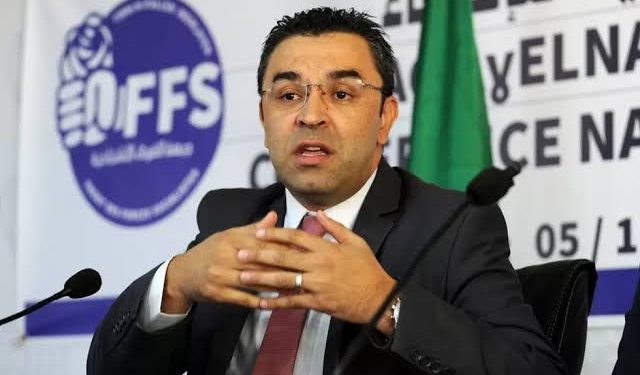
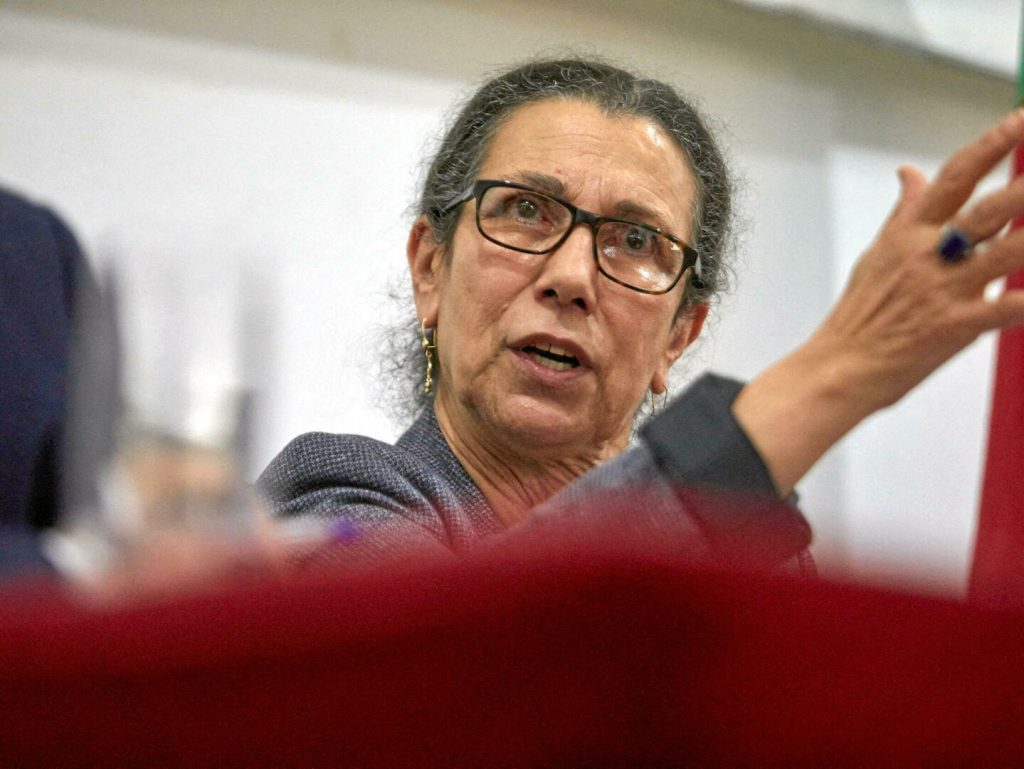
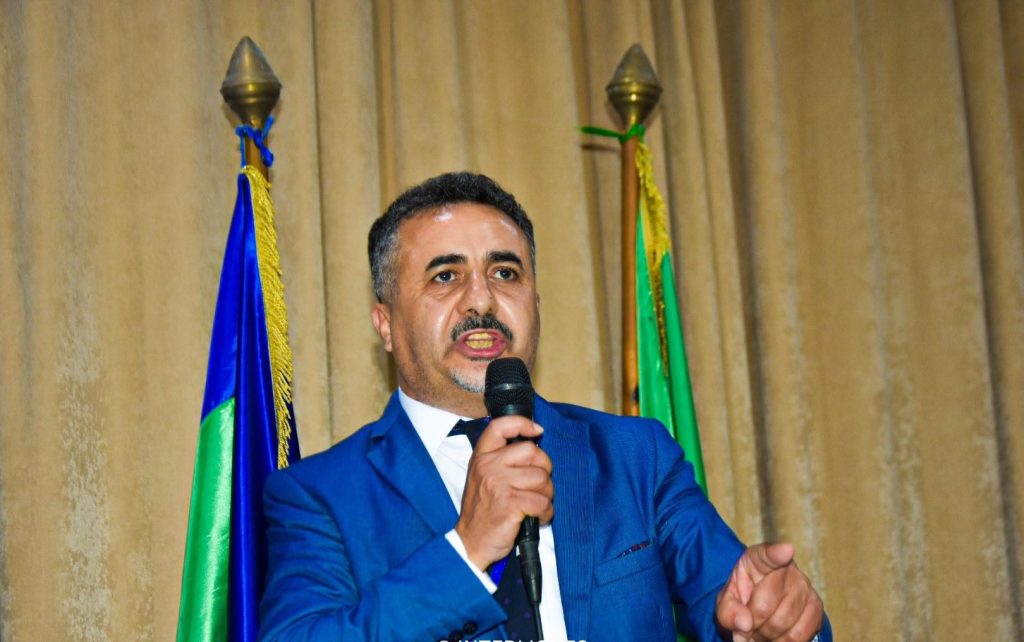
Algeria Gate: Have the trio of the FFS, the Workers’ Party and the RCD committed a strategic error against the will of the Algerian people by refusing to activate the death penalty against those who set fire to the country’s resources?

Aouchiche… Hanoun and the RCD… Will the people hold them to account on November 28?

It is a natural question at a time when the parties are preparing for the local elections; the first real measure of popular support for the political formations taking part.

Although the death penalty that the President of the Republic announced would be activated came after long seasonal calls; beginning since his first term, to stop the targeting of Algerians and the country’s wealth with fires, and despite the wide welcome from the majority of Algerians for this long-awaited decision (in the words and statements of citizens to various media outlets and the rejoicing of millions on social media), Algerian public opinion is left surprised.

Through a wide range of comments on both verified and unverified accounts, people notice the agreement of the RCD, the FFS and the Workers’ Party with external calls; from Tunisia, Morocco and France, to reject the implementation of the death penalty against the killers of people and nature in Algeria.

The rejection of the death penalty by these parties is not fundamentally linked to the recent fires. It is a political orientation, an old alignment with certain foreign human-rights organizations. But their coming out, in the heart of the national ordeal, against the single Algerian popular voice, including the voice of the Association of Muslim Scholars supporting the decision of the President of the Republic, automatically activates among those following public affairs the thesis of “political suicide” on the eve of local elections, in which the rate of popular participation is known to be by far the highest compared with presidential and legislative elections.

Here it may appear to the Algerian people that those party formations that did not stand in solidarity with them in their ordeal, by supporting the punishment of those who created their tragedies by burning lives and property, have committed an explicit betrayal of the principle of popular solidarity. That solidarity goes beyond material aid to moral positions. The implementation of the death penalty here was never a comprehensive resort but a partial one, a last resort against a heinous crime that is repeated and has taken on the character of a seasonal phenomenon. A crime that exhausts the country’s climate, starting with its oxygen and the air it breathes, all the way to the lives that are taken.

In addition, the margin of error in pronouncing judicial rulings in such cases is almost non-existent, given the availability of technical and scientific evidence and the highly precise investigations led by specialized teams, not to mention the conscience that surrounds everyone who will work on this file and directs them instinctively toward high credibility, since it concerns human lives.

Aouchiche… Hanoun and the RCD… Will the people hold them to account on November 28?

No one, under these circumstances, should seize the opportunity to emerge from isolation and political unemployment in order to create a political program that is already a losing one in advance; giving the impression to anyone tempted to interfere from outside in Algeria’s internal affairs that there is a popular division over the implementation of the death penalty against those who executed Algerians by fire.

The reality is the opposite. How similar yesterday is to today, when some Algerians stood against the independence of their homeland from France in 1962. They were not all necessarily harkis… but that does not negate that some of them were indeed harkis.

Author
Lys Iwannughen
View my articles
Algeria
Share this post

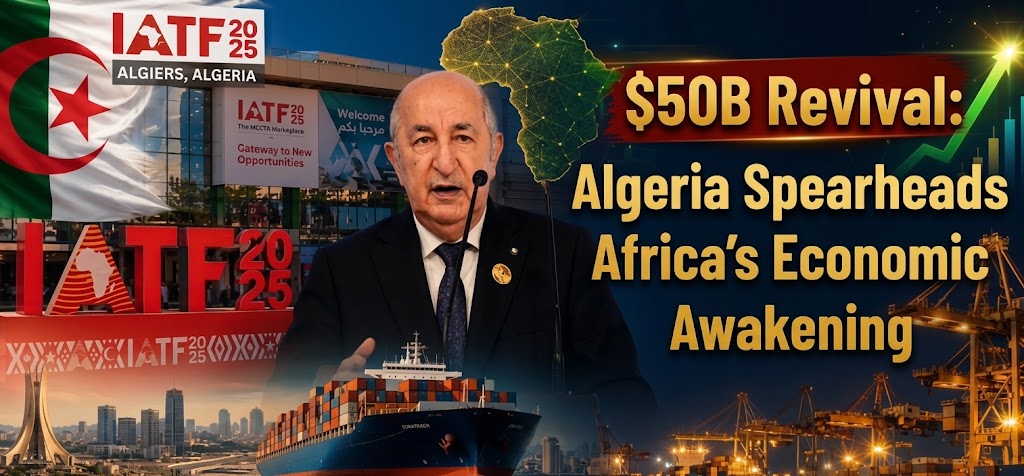
$50B Revival: Algeria Spearheads Africa’s Economic Awakening

$50B Revival: Algeria Spearheads Africa’s Economic Awakening

Algeria Gate: One year after hosting the fourth edition of the Intra-African Trade Fair in September 2025, Algeria has proven its pivotal role in driving continental economic integration, recording unprecedented figures in the history of the event.

Under the supervision of President Abdelmadjid Tebboune, the Algerian capital turned into a global economic hub, successfully attracting massive investments and strategic partnerships.

Exceptional Numbers and the Lion’s Share for Algeria

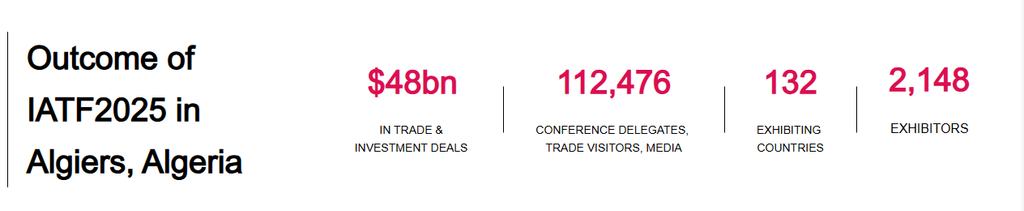
Data released by the African Export-Import Bank (Afreximbank) revealed that Algeria alone secured contracts exceeding $11 billion in value, representing nearly a quarter of the total transactions concluded during the fair, which reached $50 billion. This edition witnessed unprecedented global turnout, attracting more than 112,000 visitors from 132 countries, reflecting Algeria’s growing economic weight as a leading partner.

$50B Revival: Algeria Spearheads Africa’s Economic Awakening

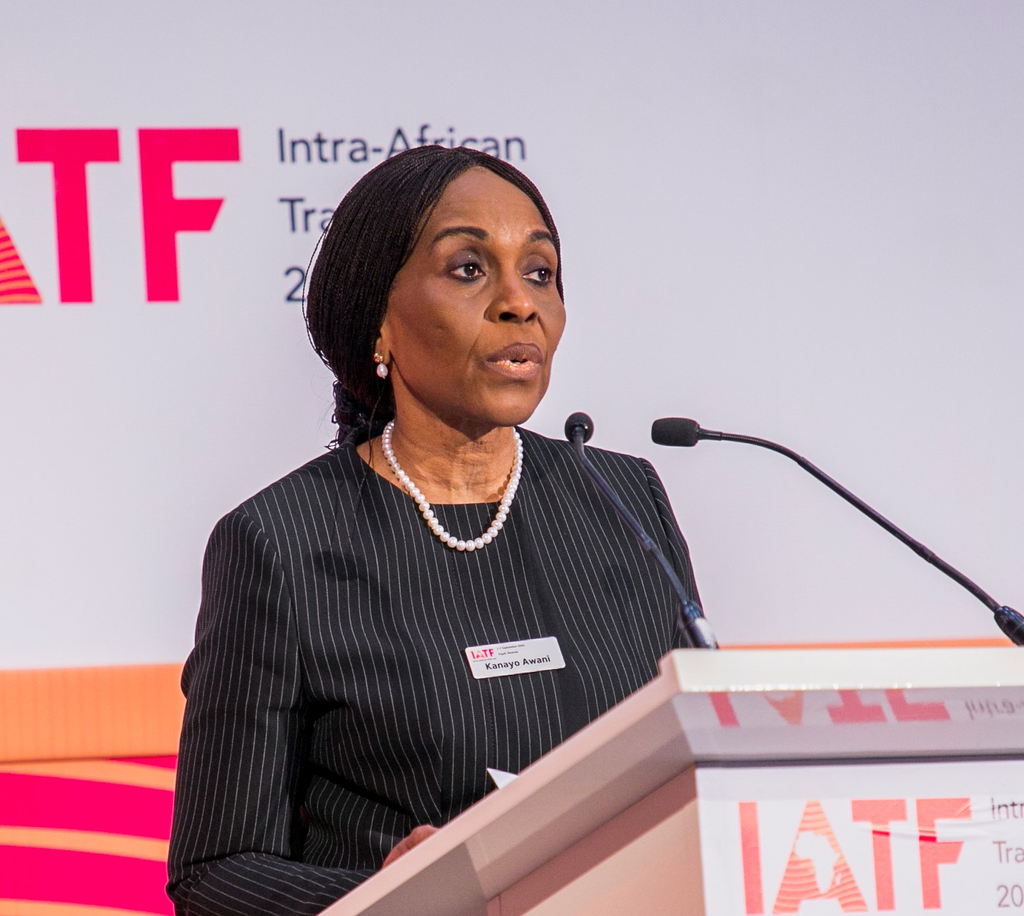
In this regard, Kanayo Awani, Executive Vice President of Afreximbank, affirmed that the “Algeria Edition,” held under the theme “A Gateway to New Opportunities”, marked a true turning point in the path of African trade and created an effective platform connecting companies to tangible growth opportunities.

$50B Revival: Algeria Spearheads Africa’s Economic Awakening

Mega Energy Projects Boosting Employment

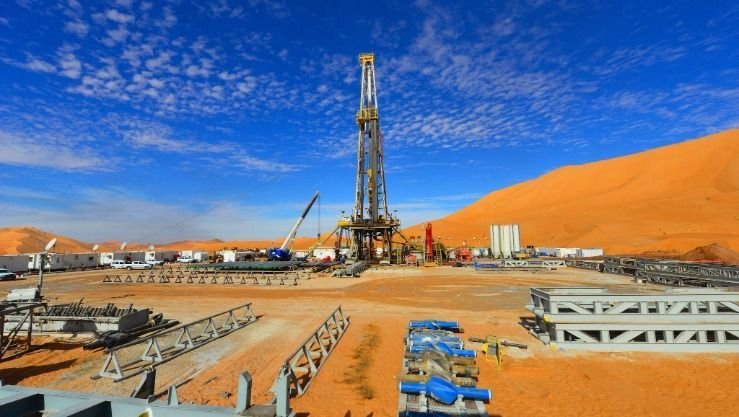
As one of the direct fruits of the business meetings held in Algeria, Afreximbank recently approved $200 million in financing to support the development of the “Hassi Bir Rekaiz” oil field. Representing a total cost of $980 million in a joint venture between Algeria’s Sonatrach, Thailand’s PTTEP, and Spain’s Cepsa, this project stands as a strategic step in the energy sector and is expected to generate around 6,000 new job opportunities.

$50B Revival: Algeria Spearheads Africa’s Economic Awakening

Continental Gains Heading Towards Lagos 2027

The echoes of the Algeria edition’s success extended beyond the country’s borders to revitalize the entire continental economy. This edition contributed to raising the total value of deals signed across the fair’s four editions to over $167 billion. Around 360,000 small and medium-sized enterprises (SMEs); many managed by youth and women, benefited from this economic momentum, helping to create more than half a million direct jobs with each edition.

As preparations begin in Lagos, Nigeria, to host the fifth edition in November 2027 under the theme “Global Africa, Smart Trade,” decision-makers are looking to build upon the strong economic legacy established by Algeria, aiming to empower the continent to shape its economic future with strength and independence.

#Africa#Algeria#Economy
Author
Lys Iwannughen
View my articles
Algeria
Share this post

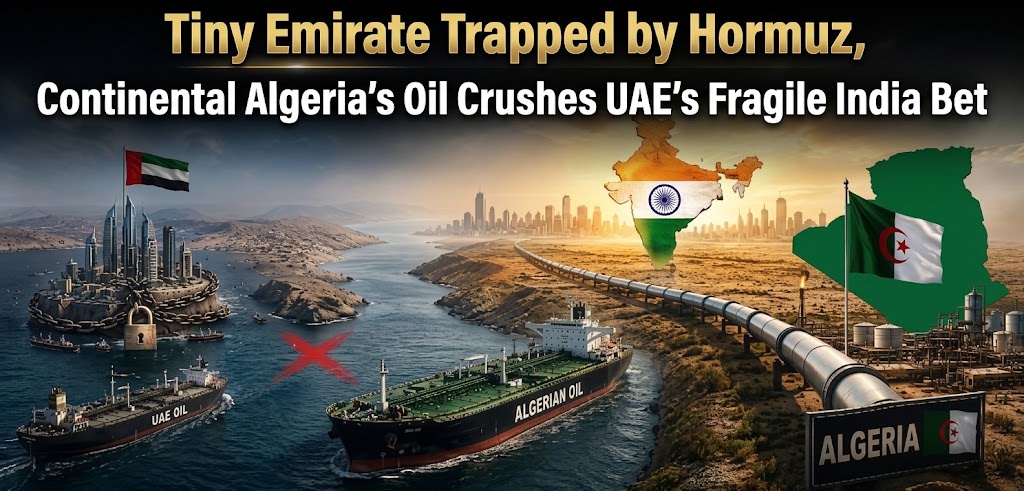
Tiny Emirate Trapped by Hormuz, Continental Algeria’s Oil Crushes UAE’s Fragile India Bet

Tiny Emirate Trapped by Hormuz, Continental Algeria’s Oil Crushes UAE’s Fragile India Bet

Algeria Gate: With 47 degrees API and just 0.11% sulfur, Algerian “Saharan Blend” ranks among Africa’s top crudes for Indian energy security. Disturbances in the Strait of Hormuz have exposed the limits of reliance on Gulf suppliers, while the UAE’s exit from OPEC has not freed its exports from geography and maritime risks.

A study by the Indian Centre for Defence Research and Studies (September 5th 2026) concluded that African crudes can reduce New Delhi’s exposure to Gulf concentration risks, placing Saharan Blend among the most attractive options for quality and location. This does not signal an official purchase decision or long-term Sonatrach contract, but confirms Algeria’s place in India’s measurable energy-security calculus.

Tiny Emirate Trapped by Hormuz, Continental Algeria’s Oil Crushes UAE’s Fragile India Bet

India’s oil import dependence hit a record 88.7% in fiscal year 2025-2026 (up from 85.5% in 2021-2022), with nearly 5.02 million barrels per day imported in the first half of 2026. Supply regularity, freight, and corridor safety now directly affect inflation, industry, subsidies, and refining margins. Much of the oil from Saudi Arabia, the UAE, Iraq, and Kuwait passes through Hormuz, so buyers weigh maritime risks, insurance, delays, and tanker availability alongside price.

Tiny Emirate Trapped by Hormuz, Continental Algeria’s Oil Crushes UAE’s Fragile India Bet

Algeria offers a different proposition: high-quality crude from Mediterranean ports outside Hormuz, continued OPEC+ membership, and an expansion program for production, reserves, and markets. Saharan Blend (47 API, ≤0.11% sulfur) outperforms Saudi Arab Light (33.4 API, 1.8% sulfur), Iraqi Basra Light (~30.2 API, 2.6%), and Kuwaiti crude (31 API, 2.63%), approaching Nigerian Bonny Light and Angolan Cabinda. Light and sweet, it yields high volumes of naphtha, jet fuel, and diesel with lower desulfurization needs. Reference specs often cite ~45 API and 0.09% sulfur, with approximate yields of 23% naphtha, 13% kerosene/jet, 21% diesel, and 22% heavy gas oil. Quality commands a premium; Sonatrach set February 2026 OSP at $2.50/bbl above Dated Brent, but final economics at the refinery gate (price + transport + yields + margins) decide competitiveness.

The decisive card is geography: cargoes avoid Hormuz. Even if the Suez-Red Sea-Bab el-Mandeb route is disrupted and vessels divert around the Cape, Saharan Blend still provides genuine diversification when Gulf shipping and insurance costs spike.

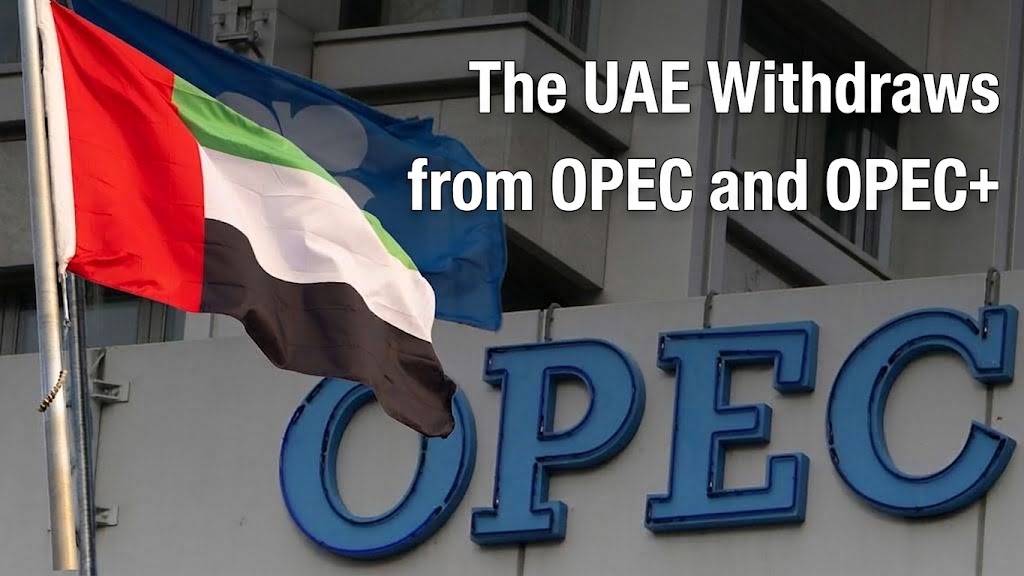
The Emirati predicament is clear. Abu Dhabi left OPEC on 1 May 2026 to expand production freedom, yet its ports remain inside the Gulf and its tankers still face Hormuz. Greater output does not guarantee delivery when corridors are disrupted. The withdrawal weakened OPEC cohesion without ending geographic dependence.

India is not replacing the UAE with Algeria; Abu Dhabi remains a major producer and partner. But the crisis proved that over-reliance on any Gulf supplier creates exposure. New Delhi therefore spreads risk across Algeria, Nigeria, Angola, and the Americas. Algeria combines ultra-high quality with a non-Hormuz source.

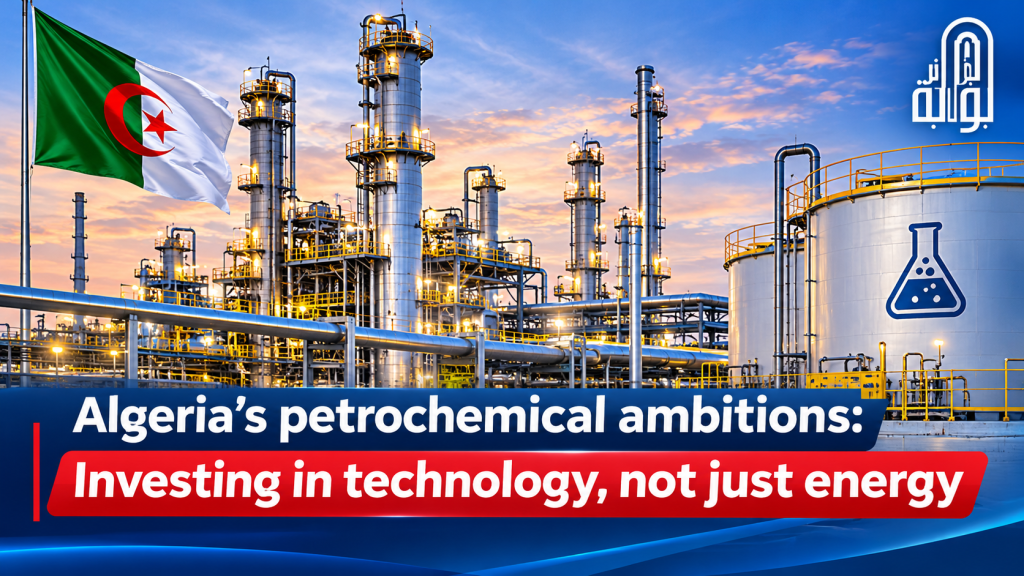
Algeria approaches the market with a broader strategy under President Abdelmadjid Tebboune: raise production, renew reserves, expand partners, and diversify destinations so Asia becomes a stable outlet. A ~$60 billion five-year energy investment program prioritizes exploration and production, with the rest for refining, petrochemicals, and processing. The 2026 Bid Round offered seven blocks after the 2024 round awarded five with ~$606 million in initial investment. Major contracts include Illizi South (~$5.4 billion), Sinopec (~$850 million), and a $380 million production-improvement deal. These tools rebuild capacity, strengthen sovereignty, and attract technology while retaining state control; enabling Asian expansion without diverting volumes from Europe.

Tiny Emirate Trapped by Hormuz, Continental Algeria’s Oil Crushes UAE’s Fragile India Bet

Logistics matter: weather disruptions cut Saharan Blend loadings to ~201,000 b/d in January 2026 from 476,000 b/d in December 2025, underscoring the need for reliable delivery.

Existing ties provide a base. Bilateral trade reached $1.71 billion in Indian FY 2024-2025. June 2026 Indian imports included ~$113 million of Algerian crude, $207 million of fertilizers, and $7.83 million of fertilizer raw materials. Algeria rapidly scaled LPG exports to ~110,000 tons in August 2026; Sonatrach and Indian Oil are negotiating monthly 45,000–55,000-ton propane/butane cargoes for 2027 (potentially 540,000–660,000 tons annually), often priced below the Saudi reference. Success in LPG builds networks that can expand to crude, LNG, urea, methanol, and phosphate—and opens doors for Indian investment (ONGC Videsh, Indian Oil, Bharat Petroleum) in exploration, production, storage, and services.

Converting the advantage into a lasting share requires cargo availability, loading regularity, competitive pricing that absorbs distance, and multi-year contracts. Algeria thus differs from the post-OPEC UAE: Abu Dhabi gained pumping freedom but remains trapped by Hormuz, while Algeria retains producer-system influence, ports outside the chokepoint, and technically superior crude.

The Indian reference to Saharan Blend is not mere praise of a known grade; it reflects a post-Hormuz shift. New Delhi now seeks barrels that arrive on time, cut processing costs, and come from a country with independent energy policy and a clear production-growth strategy. Algeria is steadily entering that equation through long-term investment and a vision to expand global presence—while Emirati tankers stay captive to the strait.

#Algeria#India#Oil#UAE
Author
Lys Iwannughen
View my articles