Thursday, 5 November 2026 • 12:10 Algiers time
Algeria Gate
Share this post

Morocco under fire over cartoonist’s four-year sentence

• Author: عماري محمد • 0 comments • 3 views
Morocco under fire over cartoonist’s four-year sentence

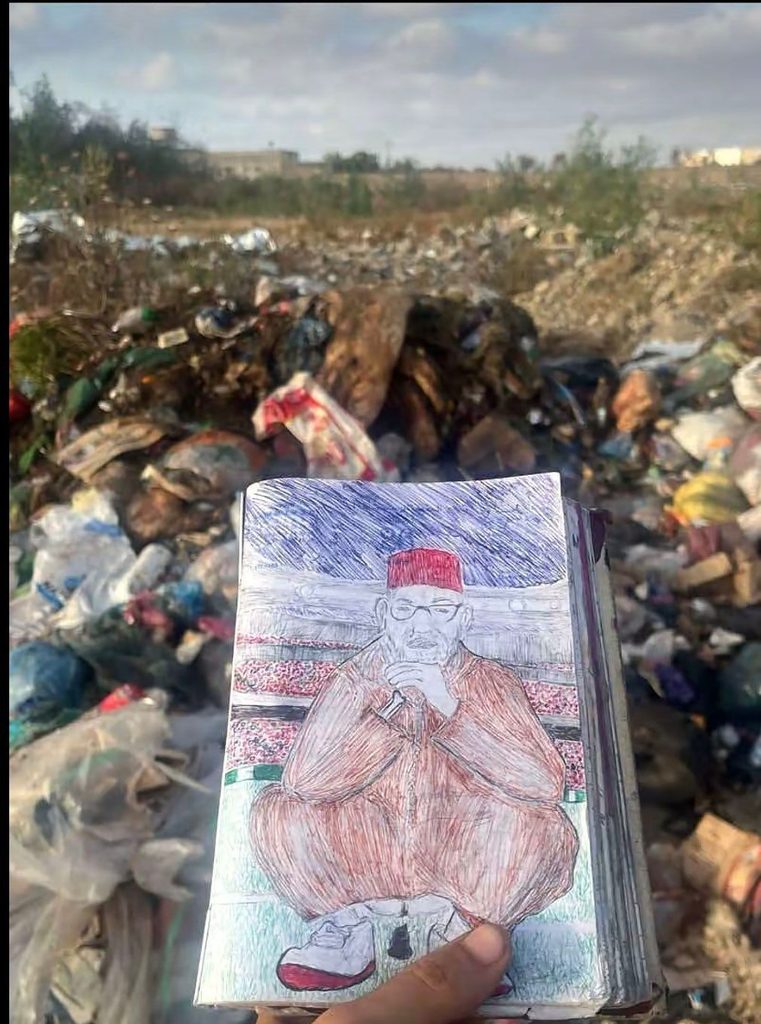
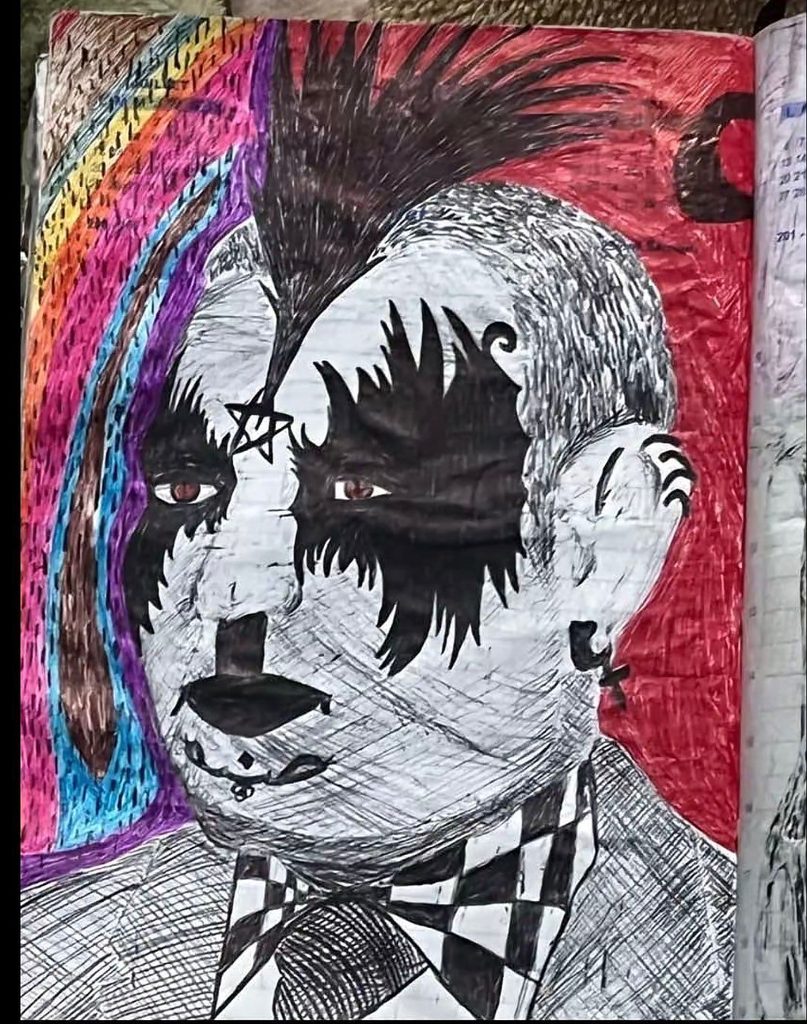
Algeria Gate: French media reports have renewed concerns about freedom of expression in Morocco after a 22-year-old artist was sentenced to prison for publishing cartoons of King Mohammed VI.four-Year Prison Sentence for Political CartoonsMorocco is facing renewed criticism over freedom of expression following the sentencing of Yasser Mounbir, a 22-year-old Moroccan cartoonist and graffiti artist, to four years in prison.

The young artist was also ordered to pay a fine of 40,000 Moroccan dirhams, approximately €3,600, after publishing satirical drawings of King Mohammed VI on Instagram.

The ruling, delivered by a Casablanca court on October 30, 2026, has attracted international media attention and sparked criticism from human rights organizations.Mounbir was convicted of insulting the king and public officials, raising questions about the limits of artistic freedom and political criticism in Morocco.
Morocco under fire over cartoonist’s four-year sentence

Arrested for Drawings Published on Instagram

The case began when Mounbir shared several caricatures of King Mohammed VI on his Instagram account. Moroccan authorities considered the illustrations offensive to the monarch.He was arrested on June 15, 2026, and held in pretrial detention at Oukacha Prison in Casablanca before receiving his sentence.

The conviction is linked to Article 179 of Morocco’s Penal Code, which criminalizes insults, defamation, or violations of the king’s privacy. Under this law, offenders can face between six months and two years in prison, with penalties potentially doubled when the alleged offense is committed through electronic platforms.

Human Rights Organizations Demand His Release

The sentence has triggered strong reactions from human rights advocates.The Moroccan Association for Human Rights has called for Mounbir’s release, expressing concern about the prosecution of individuals for artistic expression and social media posts.His lawyers have described the punishment as disproportionate and a serious restriction on creative freedom.The case has also received support from journalists, intellectuals, and opposition figures who signed a petition demanding his release.

Morocco under fire over cartoonist’s four-year sentence

For rights campaigners, the case reflects a broader problem: the risk of criminal prosecution faced by artists, activists, and ordinary citizens who publicly criticize political authorities.

Growing Concerns About Civil Liberties Under Mohammed VI

Beyond the fate of one young cartoonist, the case has reopened a wider debate about civil liberties in Morocco.Human rights defenders argue that laws protecting the monarchy from criticism can discourage public debate and restrict political and artistic expression.They have called for reforms to legislation that allows prison sentences for certain forms of speech, including statements and illustrations published online.The controversy also raises questions about the relationship between political authority, freedom of expression, and the independence of artistic activity.The central question remains whether critical artistic expression should be treated as a criminal offense carrying years of imprisonment.

Morocco under fire over cartoonist’s four-year sentence

For human rights advocates, the answer is clear: freedom of expression must be protected, even when the ideas or images being expressed are controversial or critical of those in power.


#France#Morocco
Author
عماري محمد
View my articles

Leave a comment

Your email address will not be published. Required fields are marked *

Algeria
Share this post

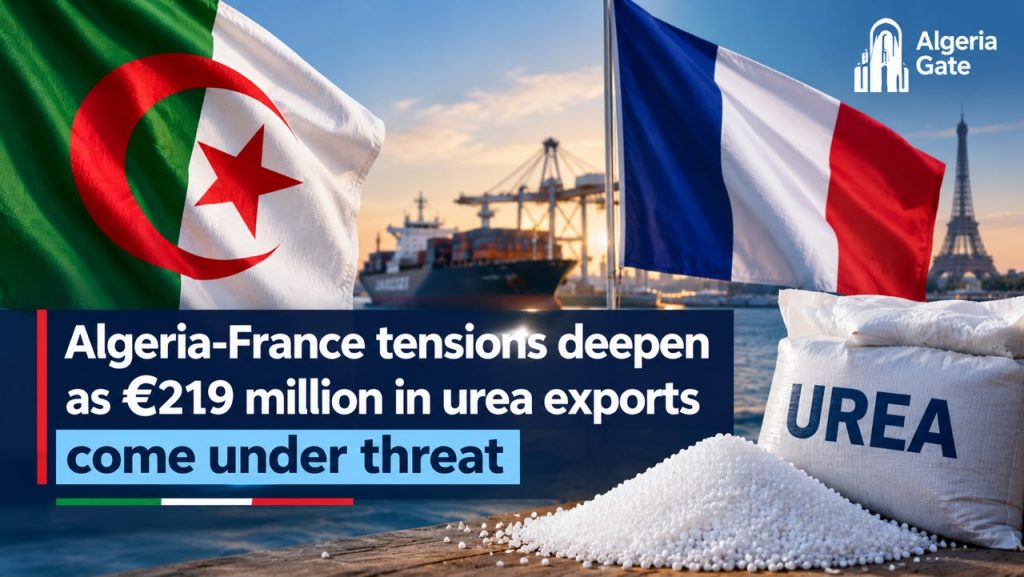
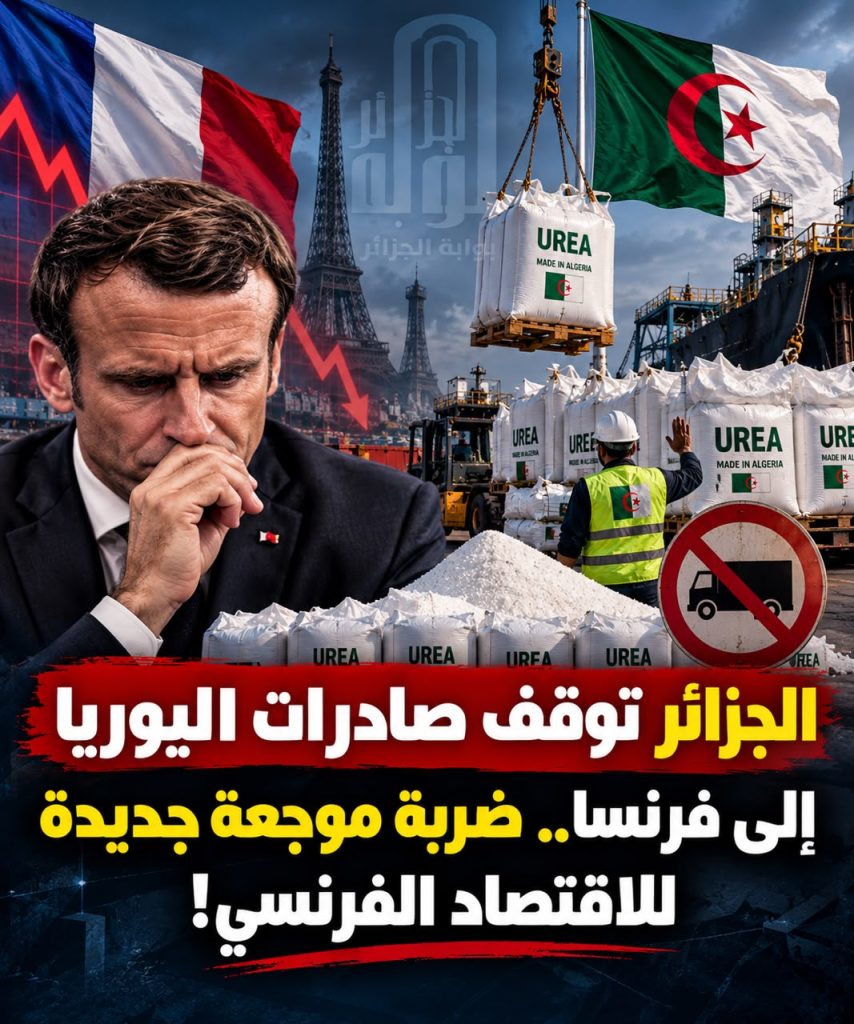
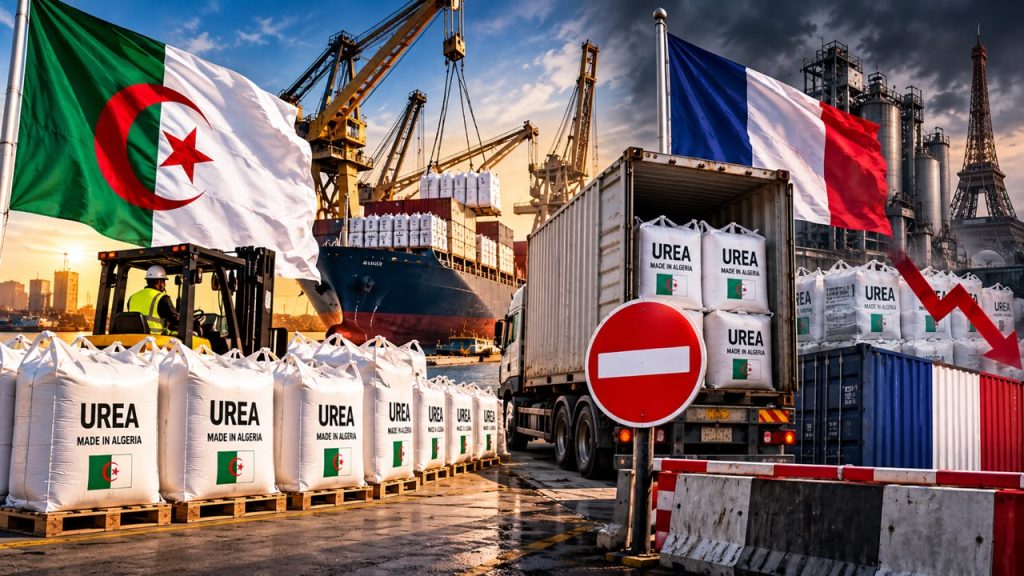
Algeria-France tensions deepen as €219 million in urea exports come under threat

Algeria-France tensions deepen as €219 million in urea exports come under threat

Algeria Gate: France is facing growing economic costs from deteriorating relations with Algeria, as political tensions increasingly affect trade and industrial supply chains. French exports to the Algerian market are declining, while supplies of Algerian urea fertiliser to France could face disruption, adding pressure on importers and the agricultural sector.

According to a Reuters report published on October 23, 2026, five diplomatic and industry sources said Algeria had instructed urea producers to halt fertiliser exports to France. If implemented and maintained, the measure could disrupt an important supply route for French agriculture.

Algeria-France tensions deepen as €219 million in urea exports come under threat

French exports to Algeria continue to decline

French customs data cited by Reuters show that French exports to Algeria fell by around 12% in 2025, reaching €4.2 billion. They declined by a further 12% year-on-year during the first eight months of 2026.

Diplomatic sources cited by Reuters said Algeria had imposed broad, informal restrictions on French goods imports since late July 2026. However, the Algerian authorities have not published an official decision confirming these measures, and the French Foreign Ministry said it had not received formal notification.

Meanwhile, French imports from Algeria reached €5.1 billion in 2025, following an 18% decline. They fell by a further 11% between January and August 2026 compared with the same period a year earlier.

Although these figures do not establish that political measures caused every decline, they point to a broader contraction in bilateral trade.

Algeria-France tensions deepen as €219 million in urea exports come under threat

Urea exports worth nearly $219 million

The potential suspension of Algerian urea supplies could have significant implications for France. International trade data for 2025 show that France imported approximately 481,000 tonnes of urea from Algeria, worth around $218.9 million, making Algeria France’s second-largest supplier of the fertiliser after Egypt.

French industry associations estimate that Algerian supplies account for around 30% of France’s urea imports, while trade data measured by value put the share at approximately 26%. The difference reflects variations in data sources and measurement methods.

If these supplies are interrupted, French importers would need to find alternative suppliers in an international market where prices, delivery schedules and transportation costs influence purchasing decisions.

The disruption could also affect fertiliser costs for French farmers as they prepare for the next agricultural season. French representatives from the fertiliser and grain sectors have warned that supply disruptions, combined with higher gas costs, could put additional pressure on agricultural production expenses.

The actual impact will depend on whether the reported suspension is implemented, how long it lasts and how quickly importers can secure alternative supplies.

Political tensions spill into trade

The latest developments reflect a broader deterioration in relations between Algeria and France since 2024, following French President Emmanuel Macron’s support for a plan granting Western Sahara autonomy under Moroccan sovereignty.

France has raised the issue of Algerian trade restrictions during a meeting of European Union foreign ministers, suggesting that Paris is also seeking to address the consequences through European channels. However, the EU’s common trade policy complicates efforts to resolve the dispute through bilateral measures alone.

For France, the economic pressure comes amid declining exports to Algeria and growing uncertainty over access to the Algerian market. For Algeria, trade and industrial supplies represent potential sources of leverage, although the impact on Algerian producers will depend on their ability to redirect exports to alternative markets and maintain revenues.

The dispute is therefore taking on a more direct economic dimension. France is facing a documented decline in exports to Algeria, while the possible suspension of Algerian urea supplies could add further costs for French importers and the agricultural sector.

If the reported measure is confirmed and sustained, the consequences would demonstrate how political tensions between the two countries can extend beyond diplomacy and affect businesses and productive sectors on both sides.

#Algeria#Economy#France#Urea
Author
Economy
Share this post

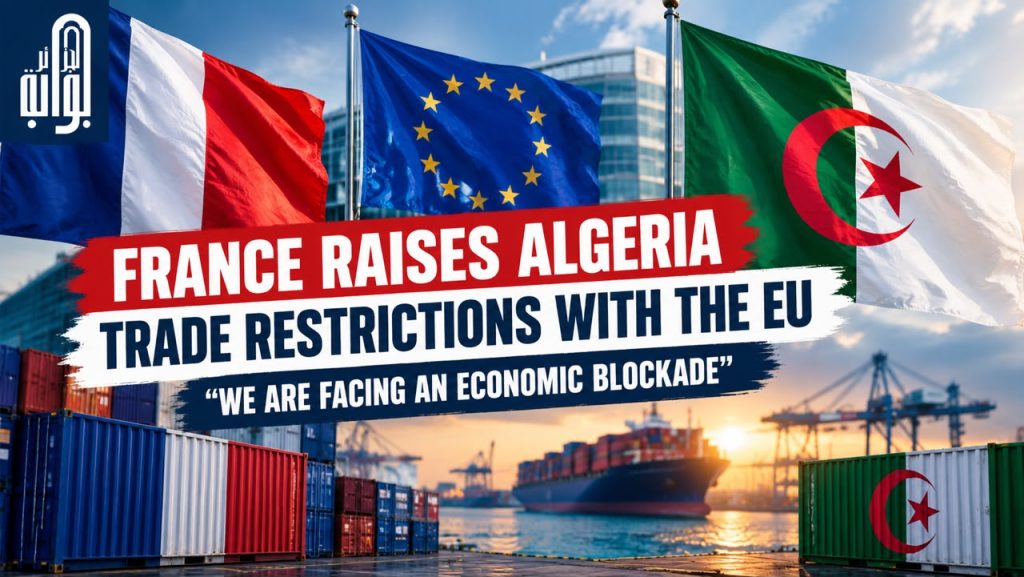
France raises Algeria trade restrictions with the EU as bilateral trade declines

France raises Algeria trade restrictions with the EU as bilateral trade declines

Algeria Gate: France has raised concerns over trade restrictions affecting its exports to Algeria with the European Union, as diplomatic tensions between the two countries continue to weigh on bilateral economic relations.

According to two diplomats cited by Reuters, French Foreign Minister Jean-Noël Barrot brought up the issue of restrictions on French goods during a meeting of EU foreign ministers. An EU summary of the October 12 meeting stated that France referred to Algeria in connection with recently adopted trade restrictions on French imports.

The reported move comes amid a continued decline in trade between Paris and Algiers. French customs data show that French exports to Algeria fell by around 12% in 2025, reaching €4.2 billion. Exports then recorded a further year-on-year decline of approximately 12% during the first eight months of 2026.

https://twitter.com/algatedz/status/2113974916185809327?s=46

French imports from Algeria, consisting mainly of oil and gas, also decreased. They fell by 18% in 2025 to approximately €5.1 billion and declined by a further 11% between January and August 2026, according to the same data.

The trade dispute unfolds against a backdrop of strained diplomatic relations, which deteriorated significantly in 2024 following France’s shift on the Western Sahara issue. The disagreement has since affected several areas of bilateral cooperation, including economic exchanges.

Reuters reported that diplomats had described broad restrictions affecting French goods in Algeria. However, the measures have not been formally announced by the Algerian government, and the report noted that Algerian officials had denied the restrictions when questioned by French representatives.

France’s appeal to the European Union highlights the growing economic dimension of the dispute, as both countries face declining trade flows amid continued political tensions.

#Algeria#EU#France#Trade
Author
Europe
Share this post

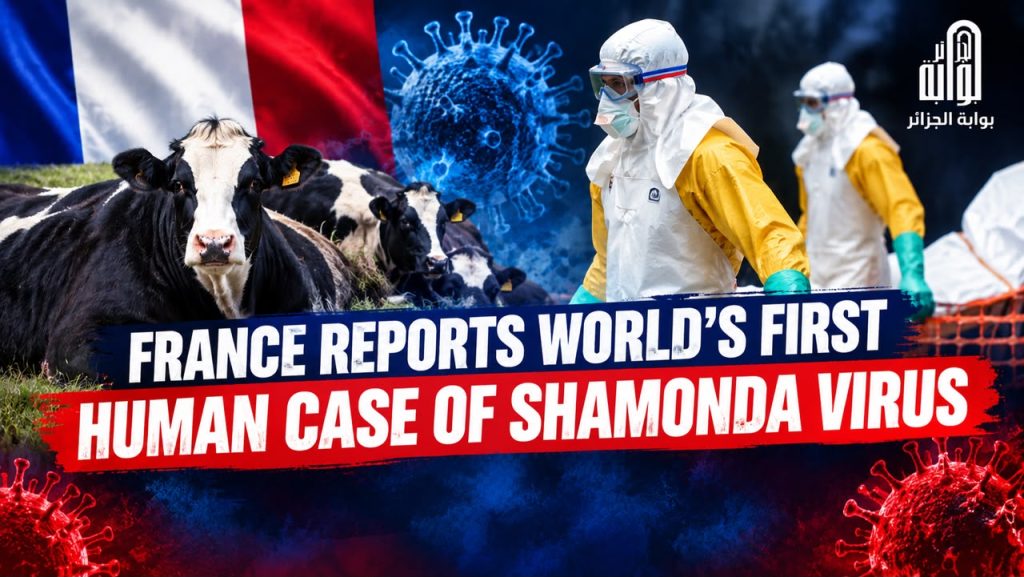
France reports world’s first human case of Shamonda virus

France reports world’s first human case of Shamonda virus

Algeria Gate: France has reported the world’s first documented human infection with the Shamonda virus after a severely immunocompromised patient died following the infection, French authorities announced on Thursday, October 22.

The patient had been receiving treatment for a serious underlying illness in Lyon and died in early October. Initial investigations suggest the infection may have been acquired through the bite of a Culicoides biting midge in eastern France, where the virus had circulated among animals during the spring and summer.

According to the French ministries of Health and Agriculture, neurological complications observed before the patient’s death were likely linked to the infection. However, investigations are still underway to determine how the virus was acquired and whether it caused or contributed to the death.

No risk identified for the general population

Despite the exceptional nature of the case, French authorities have stressed that no health risk to the general population has been identified based on current scientific knowledge.

The European Centre for Disease Prevention and Control (ECDC) is monitoring the situation and is working with French authorities and European partners to assess the potential public health implications. The World Health Organization has also been notified.

A virus primarily affecting livestock

The Shamonda virus belongs to the Orthobunyavirus group and is transmitted mainly by biting midges. It was first identified in Nigeria in the mid-1960s and has historically been detected in animals across parts of Africa and Asia.

The virus was identified in livestock in Europe for the first time in 2026, including in France, Germany and Switzerland. Cattle are considered its main hosts, although infections have also been detected in other animals, including horses, sheep, goats and alpacas.

The human case is the first documented worldwide. Further clinical, laboratory and epidemiological investigations are ongoing to better understand the infection and its implications.

#Death#France#Health#Shamonda#Virus
Author