Sunday, 22 November 2026 • 15:07 Algiers time
Algeria Gate
Share this post

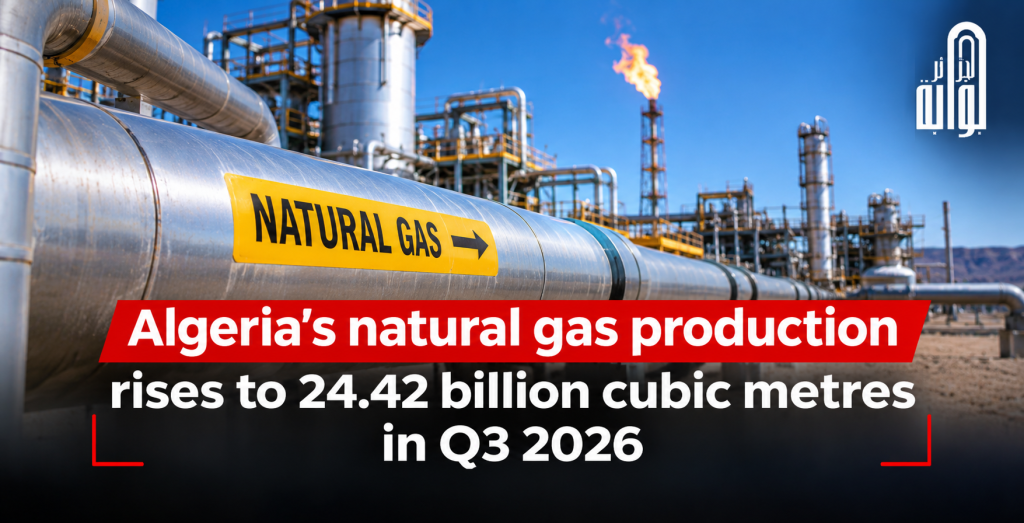
Algeria’s natural gas production rises to 24.42 billion cubic metres in Q3 2026

• Author: Y.R • 0 comments • 9 views
Algeria’s natural gas production rises to 24.42 billion cubic metres in Q3 2026

Algeria Gate: Algeria’s natural gas production increased by 3% year-on-year in the third quarter of 2026, reaching 24.42 billion cubic metres, compared with 23.66 billion cubic metres during the same period last year, according to data from the Joint Organisations Data Initiative (JODI), cited by Energy Research Unit.

The increase of approximately 760 million cubic metres marks Algeria’s highest third-quarter gas production level since 2023, reflecting continued growth in the country’s energy output.

Production exceeds 78 billion cubic metres in nine months

Algeria’s total natural gas production during the first nine months of 2026 reached 78.42 billion cubic metres, up from 75.47 billion cubic metres during the same period in 2025, representing an increase of nearly 4%.

January recorded the highest monthly production, at 10.44 billion cubic metres, while production stood at 8.61 billion cubic metres in July and 8.69 billion cubic metres in August. September output reached 7.11 billion cubic metres, compared with 6.92 billion cubic metres a year earlier.

Domestic consumption continues to rise

The increase in production comes amid growing domestic demand, particularly from the electricity generation sector.

Algeria’s gas consumption reached 13.28 billion cubic metres in the third quarter of 2026, compared with 12.05 billion cubic metres during the same period last year, representing an increase of more than 10%.

Electricity generation accounted for approximately 68% of total gas consumption, reaching 9.03 billion cubic metres, while electricity demand peaked at 21,830 megawatts on August 19, 2026.

Exports remain a key component of Algeria’s energy sector

Algeria exported approximately 10.50 billion cubic metres of gas through pipelines and LNG shipments during the third quarter, compared with 10.86 billion cubic metres a year earlier.

Pipeline exports accounted for the largest share, reaching 8.48 billion cubic metres, while LNG exports stood at 2.02 billion cubic metres.

LNG exports also recorded a notable increase in October, reaching 1.03 million tonnes, their highest monthly level in a year. France ranked as the leading importer, followed by Spain and Türkiye.

The latest figures highlight the strategic importance of natural gas to Algeria’s economy, as the country seeks to balance rising domestic demand with its role as a major energy supplier to international markets.

#Algeria#Economy#Natural Gas
Author

Leave a comment

Your email address will not be published. Required fields are marked *

Algeria
Share this post

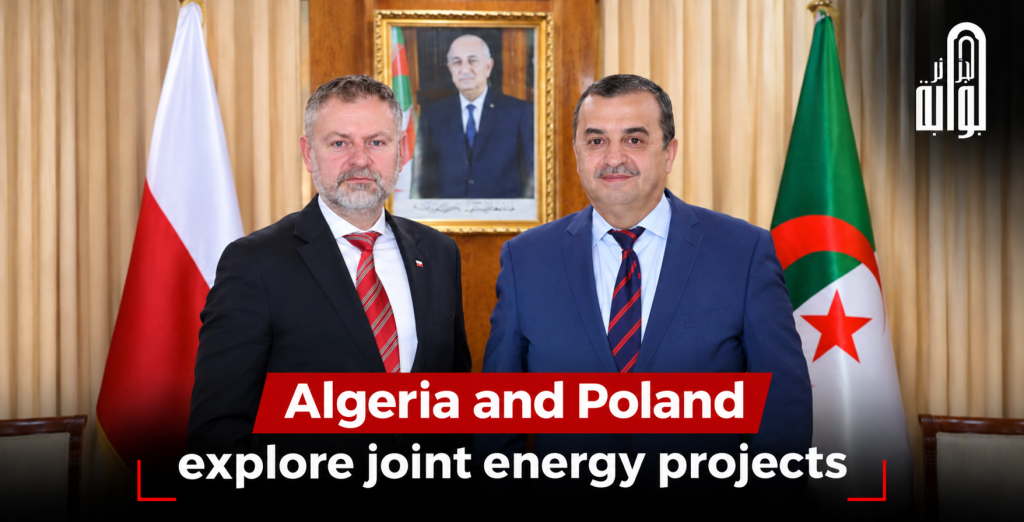
Algeria and Poland explore joint energy projects

Algeria and Poland explore joint energy projects

Algeria Gate: Algeria and Poland are seeking to strengthen their economic and energy cooperation through joint investment projects in hydrocarbons, petrochemicals, refining and other strategic industries, as both countries explore new opportunities for partnership.

Minister of State, Minister of Hydrocarbons Mohamed Arkab received Polish Deputy Minister of State Assets Grzegorz Wrona on Sunday, November 22, at the ministry’s headquarters in Algiers. The Polish official was accompanied by Ambassador Krzysztof Kopytko, with officials from both sides attending the meeting.

The talks focused on following up on previous discussions between the two countries and assessing progress on proposed technical and investment projects, particularly those involving Sonatrach and Polish companies.

Expanding cooperation in oil and gas

Both sides discussed opportunities to develop joint projects in Algeria involving the exploration and exploitation of oil and gas fields using modern technologies, as well as the manufacturing of equipment for the energy industry.

Cooperation in refining, petrochemicals and fertilizer production was also discussed, with an emphasis on innovative technologies, industrial efficiency and reducing carbon emissions.

The discussions further addressed technical cooperation, the exchange of expertise and the training of Algerian personnel, particularly in methane emissions reduction.

Gas trade

The two officials also explored opportunities to strengthen energy trade through the marketing of liquefied natural gas (LNG) and liquefied petroleum gas (LPG) using Poland’s energy infrastructure.

Cooperation in logistics and services was also on the agenda, alongside potential partnerships in seawater desalination. The discussions included the possibility of benefiting from Polish energy-efficient technologies in the development and equipment of desalination plants in Algeria.

Arkab calls on Polish companies to invest in Algeria

Arkab invited Polish companies to strengthen their presence in the Algerian market and take advantage of available investment opportunities, particularly through Algeria’s 2026 hydrocarbon licensing round.

He stressed the importance of accelerating technical coordination between the relevant working teams and translating the proposals discussed into concrete investment projects based on technology transfer, the development of national expertise and mutual benefits.

For his part, Wrona reaffirmed Poland’s commitment to advancing cooperation with Sonatrach and Algerian companies, expressing his country’s interest in strengthening economic and commercial ties between Algeria and Poland.

The meeting reflects both countries’ efforts to expand their partnership beyond traditional energy trade and explore new opportunities in industrial development, technology and investment.

#Algeria#Economy#Poland
Author
Algeria
Share this post

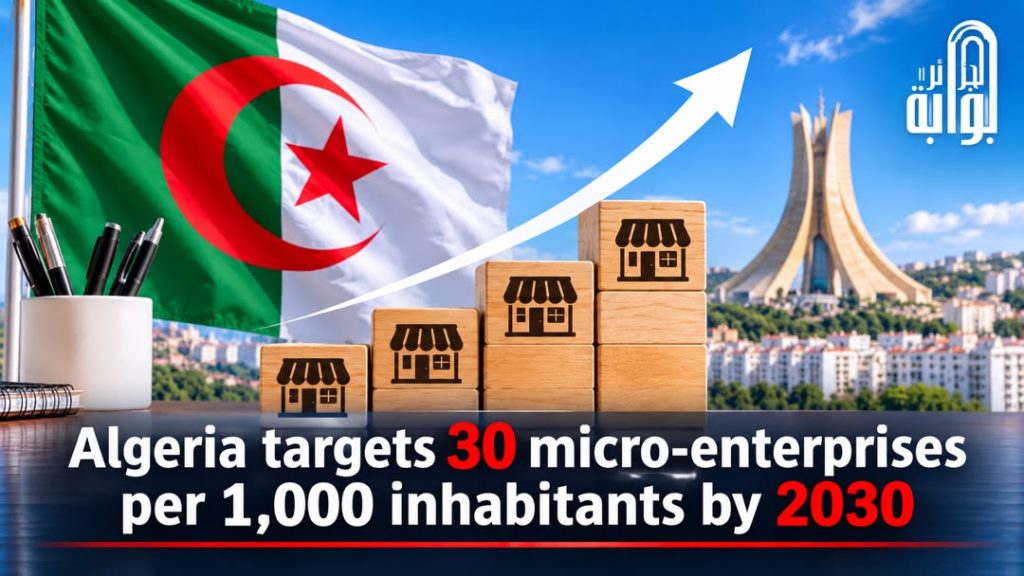
Algeria targets 30 micro-enterprises per 1,000 inhabitants by 2030

Algeria targets 30 micro-enterprises per 1,000 inhabitants by 2030

Algeria Gate: Algeria aims to increase the density of micro-enterprises to 30 per 1,000 inhabitants by 2030, up from the current rate of 25, as part of a strategy to expand the productive economy and strengthen entrepreneurship.

The target was announced by Sandra Saibi, Director of Micro-Enterprises at the Ministry of Knowledge Economy, Startups and Micro-Enterprises, during her appearance on the “Guest of the Morning” programme on Algerian Radio Channel One.

Saibi said the strategy also seeks to double the rate at which project holders who receive training successfully establish businesses, raising it from 10% to 20%. The new approach focuses on the actual economic outcomes of entrepreneurial initiatives rather than simply counting registered projects.

She noted that Algeria recorded 58,000 activities during Global Entrepreneurship Week in 2025, ranking first worldwide. Authorities are now working with the Global Entrepreneurship Network (GEN) to develop mechanisms for measuring the impact of these initiatives and tracking the progress of participating young people.

The number of projects registered under the self-entrepreneurship scheme has also reached approximately 140,000, reflecting growing interest in service-based activities and digital businesses, which can be launched through simplified online procedures.

The strategy further aims to improve the survival rate of micro-enterprises, targeting a sustainability rate of between 50% and 70%. This will involve strengthening technical support, coordination and feasibility studies to help businesses remain active, as financing alone is not considered sufficient to ensure their success.

Authorities are also preparing a dashboard of indicators covering different provinces, age groups, educational levels, regional characteristics and sectors in need of support. The data is expected to help direct funding and assistance through the National Agency for Support and Development of Entrepreneurship (NESDA) and the National Agency for the Management of Microcredit (ANGEM), towards projects responding to local demand and economic opportunities.

The current edition of Global Entrepreneurship Week is expected to cover 69 provinces, with workshops focusing on exports, imports, raw materials, equipment, digitalisation, artificial intelligence and local development.

Meanwhile, the Small Business Hub platform is being developed to connect micro-enterprises with industrial operators and major factories, facilitate partnerships and expand local subcontracting, particularly in strategic sectors.

Algeria is also seeking to strengthen its entrepreneurial culture and improve its position in the Global Innovation Index. According to figures presented by Saibi, the country ranks 43rd out of 139 countries in the indicator related to the spread of entrepreneurial culture.

#Algeria#Economy
Author
African coast
Share this post

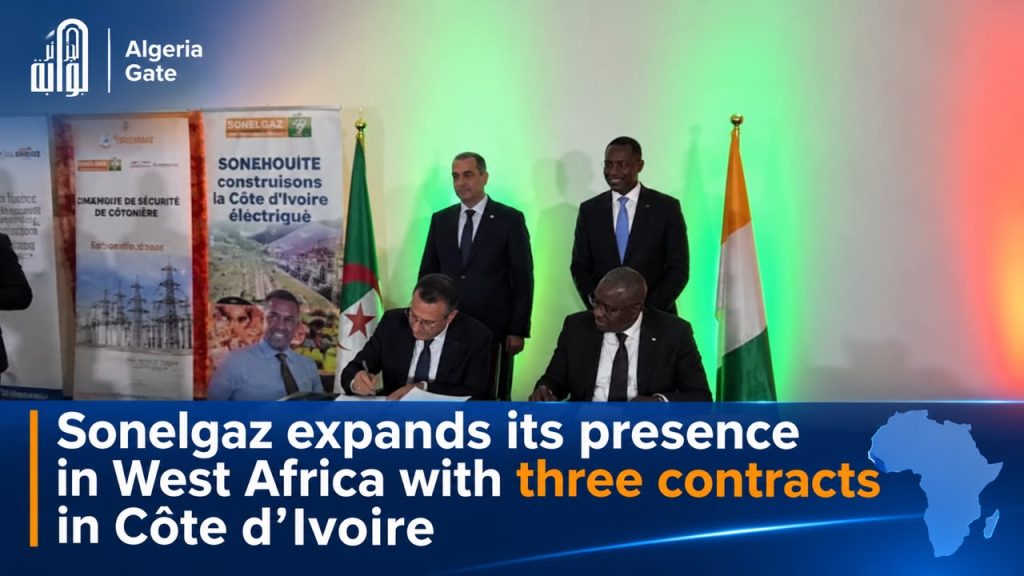
Sonelgaz expands its presence in Côte d’Ivoire

Sonelgaz expands its presence in Côte d’Ivoire

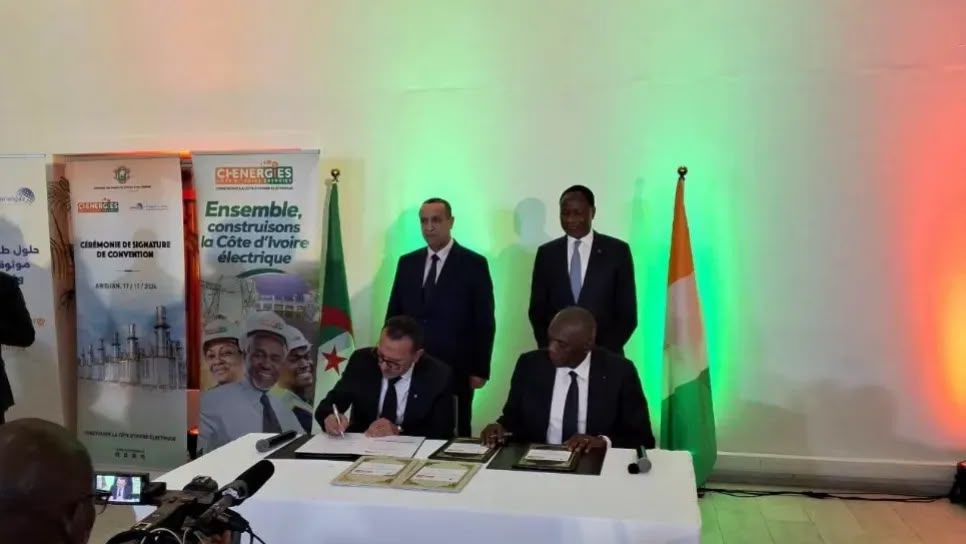
Algeria’s Sonelgaz International signed three contracts with Côte d’Ivoire Energies on Wednesday, November 18, in Abidjan, including the construction of a 40-megawatt power plant.

The agreements cover the installation of a power generation plant using two mobile gas turbines, each with a capacity of 20 MW, as well as the supply and installation of equipment for Côte d’Ivoire’s electricity distribution network.

Sonelgaz expands its presence in Côte d’Ivoire

The contracts were signed during the second edition of the International Exhibition of Extractive Resources and Energy (SIREXE 2026), in the presence of Algeria’s Minister of Energy and Renewable Energy, Mourad Adjal, and his Ivorian counterpart, Mamadou Sangafowa Coulibaly.

The agreements come eight months after Sonelgaz International was established in March 2026 to expand the Algerian energy group’s operations abroad, strengthening its presence in the West African market.

#Algeria#Economy
Author