Sunday, 8 November 2026 • 22:12 Algiers time
Algeria Gate
Share this post

Algeria shines in Africa’s governance rankings

• Author: Y.R • 0 comments • 4 views
Algeria shines in Africa’s governance rankings

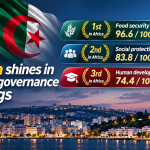
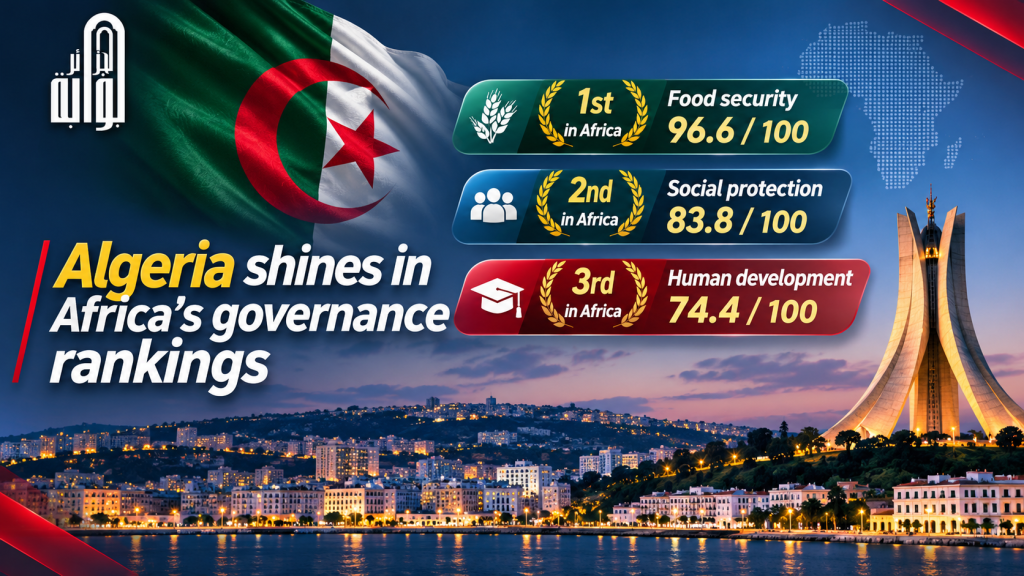
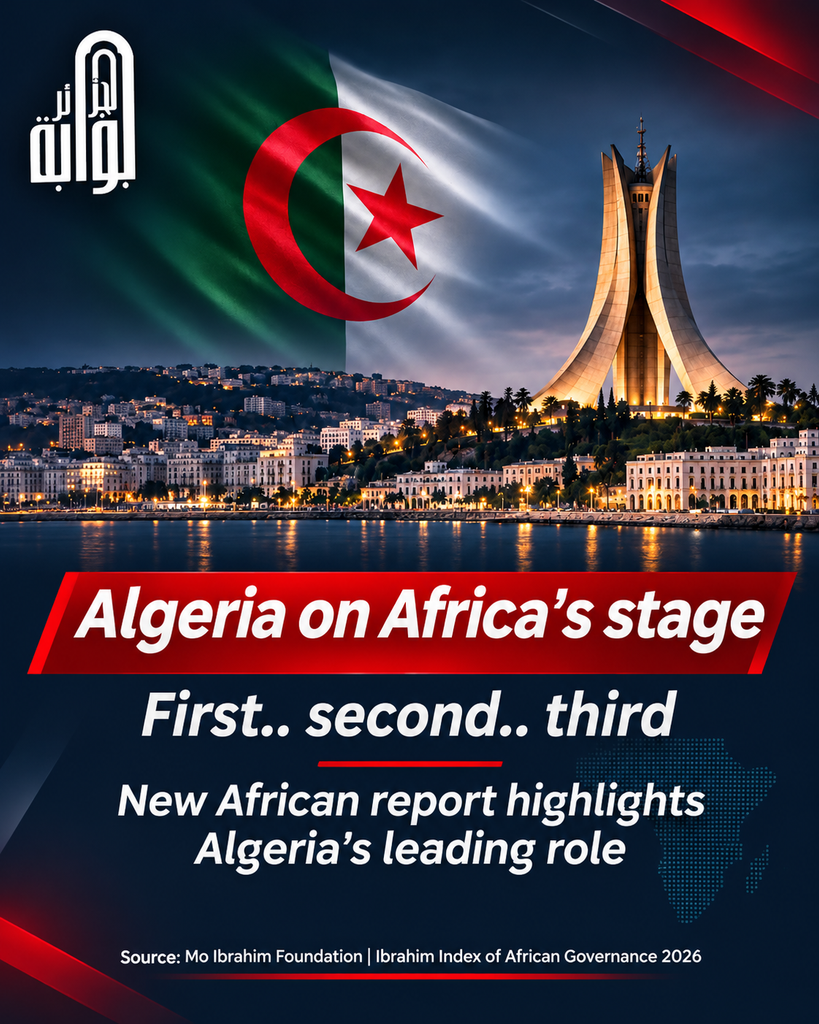
Algeria Gate: Algeria has emerged among Africa’s leading nations in several key development indicators, securing first place in food security, second in social protection and third in human development, according to figures attributed to the Mo Ibrahim Foundation’s 2026 Ibrahim Index of African Governance.

The rankings highlight Algeria’s performance in areas directly affecting citizens’ well-being, reflecting the country’s continued emphasis on food availability, social welfare and human development.
Algeria shines in Africa’s governance rankings

Algeria leads Africa in food security

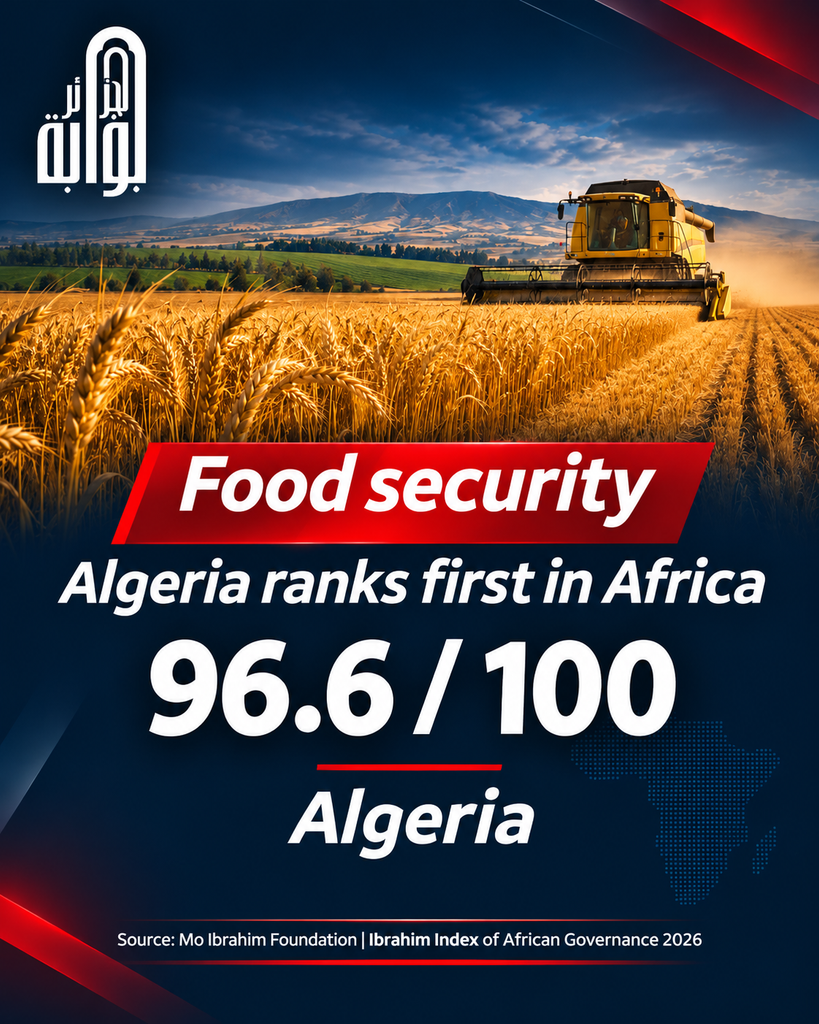
Algeria secured first place in Africa for food security, with a score of 96.6 out of 100, according to the figures presented.
Algeria shines in Africa’s governance rankings

This achievement highlights the country’s position in a strategic sector closely linked to national sovereignty, economic resilience and social stability.

Algeria has pursued agricultural development through investments in irrigation, agricultural infrastructure and the expansion of cultivated land, particularly in southern regions.

Food security remains a central national priority, with efforts focused on strengthening domestic production, improving agricultural productivity and reducing dependence on imported food products.

The reported ranking represents an encouraging indicator of Algeria’s progress in a sector that has become increasingly important amid global supply disruptions and climate-related challenges.

Second place in Africa for social protection

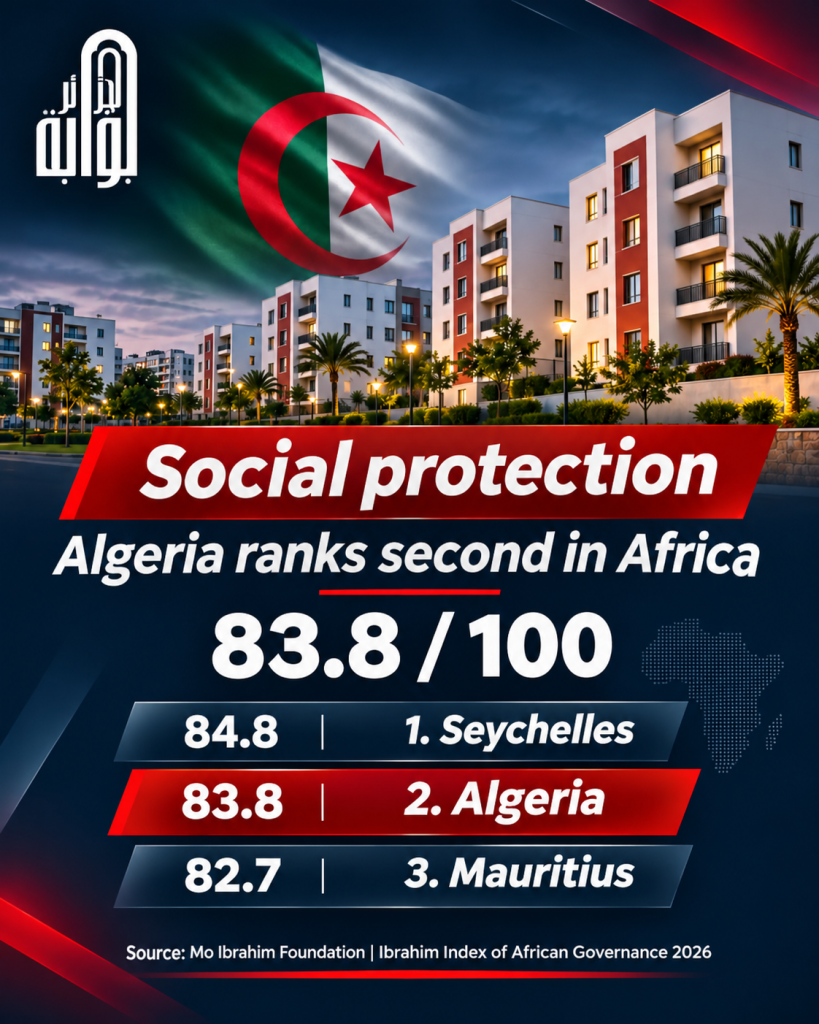
Algeria also achieved second place in Africa for social protection, scoring 83.8 out of 100, placing it just behind Seychelles.

According to the figures, the three leading countries are:

RankCountryScore
1Seychelles84.8
2Algeria83.8
3Mauritius82.7

Algeria’s position reflects the importance of social protection within its national development model.
Algeria shines in Africa’s governance rankings

The country maintains extensive public support mechanisms, including subsidized essential goods, public healthcare, social housing programmes, pensions and assistance for vulnerable populations.

These policies aim to preserve purchasing power, promote social cohesion and provide a degree of protection against economic pressures.

Algeria’s reported performance places it among the continent’s strongest performers in this area, illustrating the significance of sustained investment in social welfare.

Algeria ranks third in human development

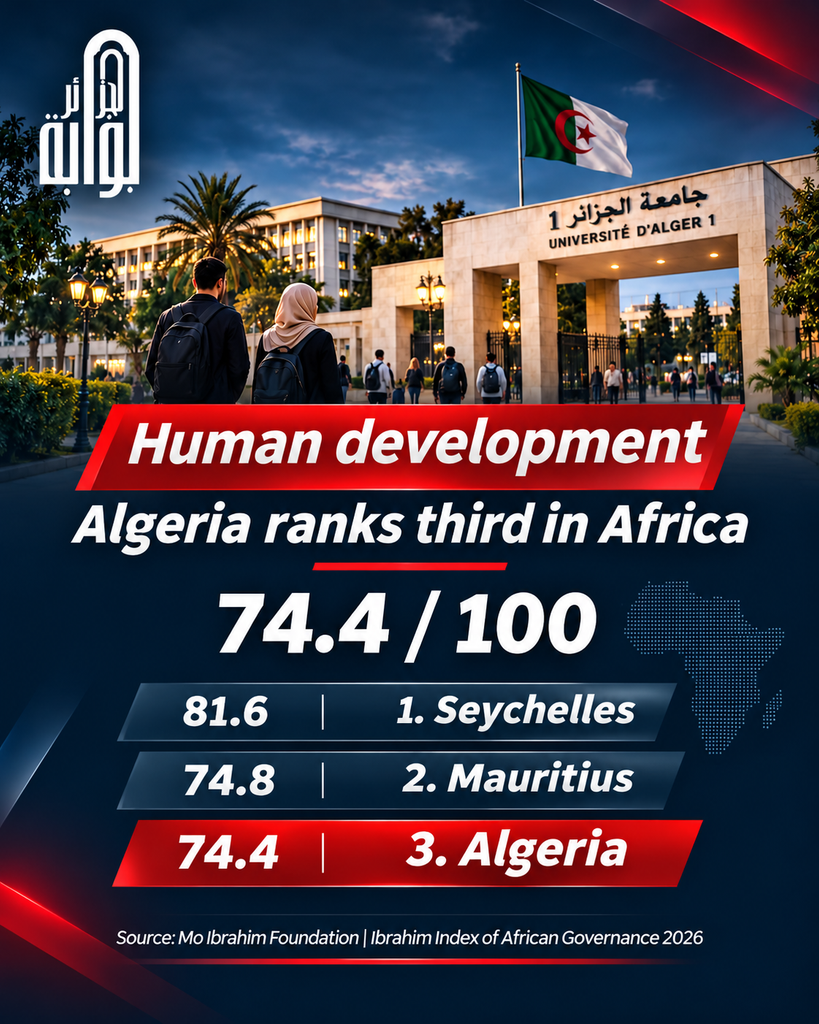
In another notable result, Algeria secured third place in Africa for human development, with a score of 74.4 out of 100.

The figures place Seychelles first with 81.6 points, followed by Mauritius with 74.8 and Algeria with 74.4.

RankCountryScore
1Seychelles81.6
2Mauritius74.8
3Algeria74.4

Human development encompasses essential dimensions of national progress, particularly education, healthcare and the opportunities available to citizens.

Algeria has made public investment in education and healthcare a longstanding priority, supported by an extensive network of schools, universities, hospitals and vocational training institutions.
Algeria shines in Africa’s governance rankings

The country’s continued efforts to expand access to essential services have played an important role in shaping its development trajectory.

Its reported third-place position reinforces Algeria’s standing among Africa’s leading countries in human development.

#Algeria#Economy
Author

Leave a comment

Your email address will not be published. Required fields are marked *

African coast
Share this post

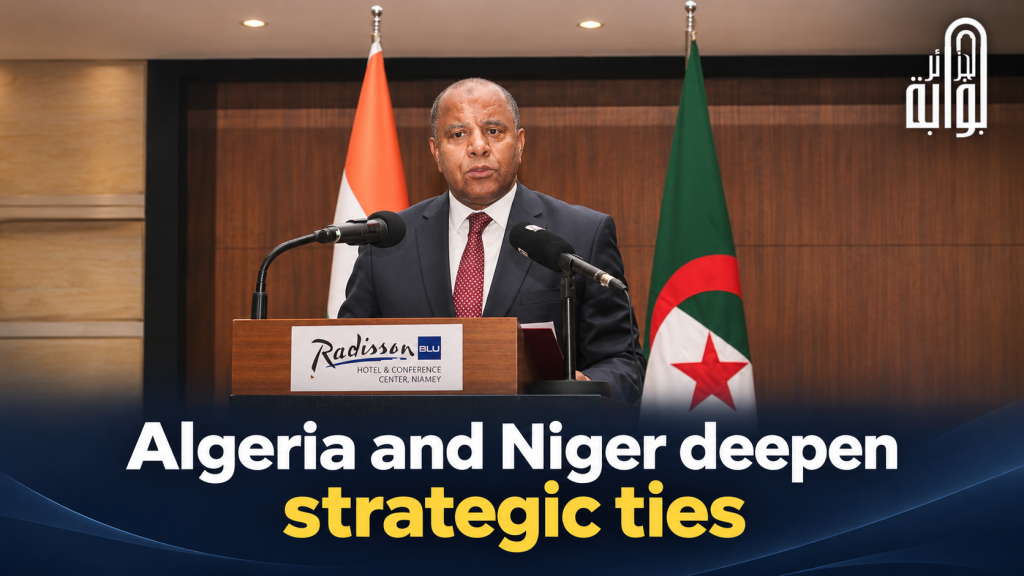
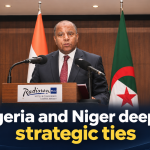
Algeria and Niger deepen strategic ties

Algeria and Niger deepen strategic ties

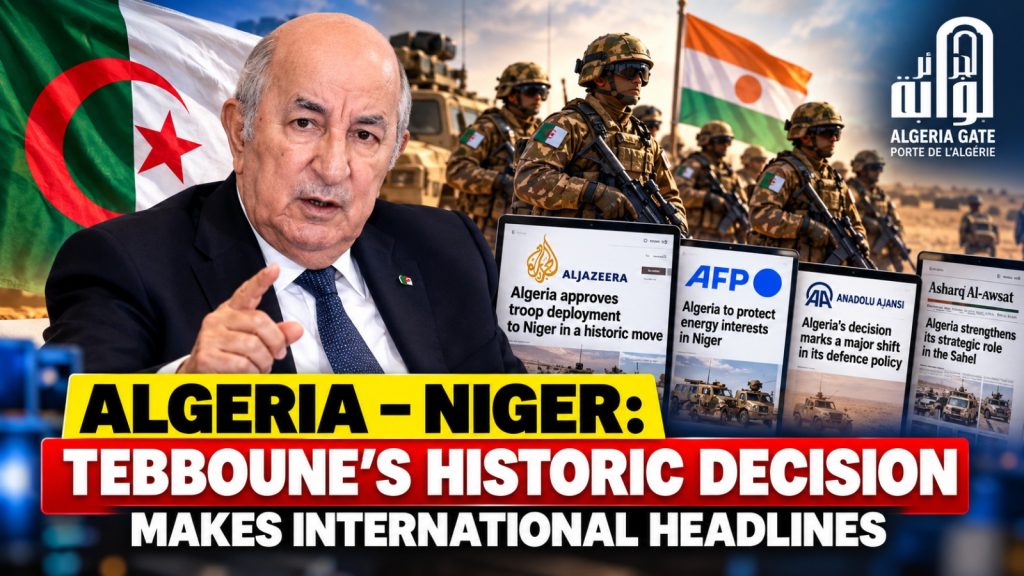
Algeria Gate: Algeria is seeking to expand cooperation with Niger through major energy and transport projects, stronger security coordination and training programmes, Algerian Ambassador Saadi Ahmed said during a speech in Niamey.

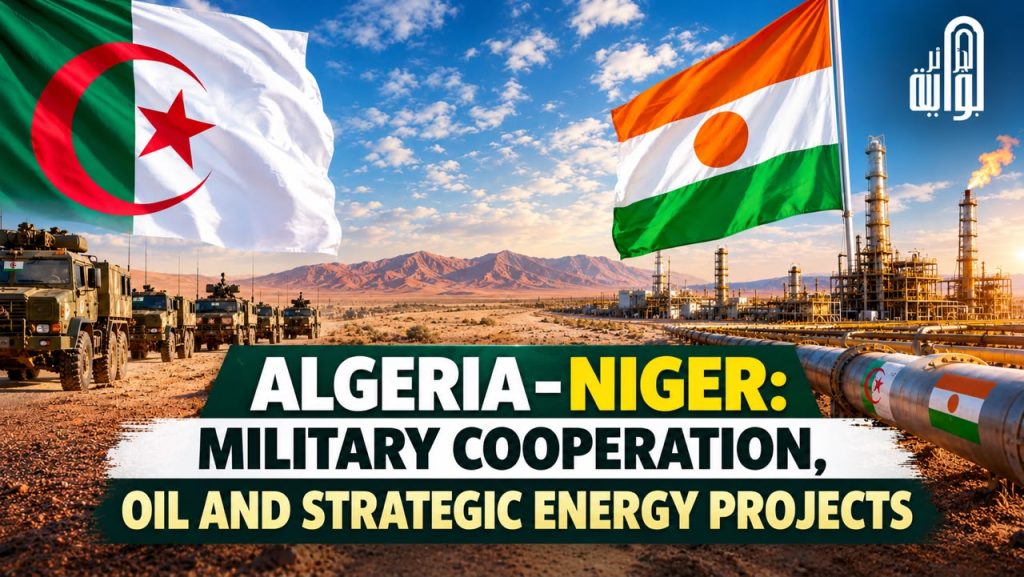
Speaking at a ceremony marking the 72nd anniversary of the outbreak of Algeria’s liberation revolution, the ambassador outlined progress in bilateral relations, highlighting the Trans-Saharan gas pipeline, cross-border fibre-optic connections and oil exploration.

Energy and infrastructure drive cooperation

According to the ambassador, work on the Algerian section of the Trans-Saharan gas pipeline began on 4 June in Adrar, while construction on the Nigerien section is expected to start soon. The project forms part of a broader effort to strengthen energy cooperation and regional connectivity.

Saadi Ahmed also highlighted the Trans-Saharan Highway and prospects for railway connections, alongside the inauguration of a fibre-optic link between Algeria and Niger on 6 October.

He said access to Algerian ports could create new opportunities for Nigerien exports, while preparations to open an Algerian bank branch in Niamey would support commercial exchanges.

In the oil sector, the ambassador reported that drilling on an exploration well began on 13 August, adding another dimension to the countries’ energy partnership.

Training and trade opportunities

The ambassador linked the expansion of cooperation to Nigerien President Abdourahamane Tiani’s visit to Algeria in February 2026 and the subsequent meeting of the bilateral High Joint Commission in Niamey in March.

According to his account, that meeting resulted in 20 agreements, memoranda of understanding and cooperation programmes covering several sectors.

Vocational training is another priority. Saadi Ahmed said Algeria had welcomed 500 young Nigeriens since 30 September for training in various trades. Upon completing their programmes, participants are expected to receive equipment to help them establish professional activities and launch businesses after returning home.

The initiative places practical skills and employment opportunities alongside the larger infrastructure projects shaping the partnership.

Security and regional stability

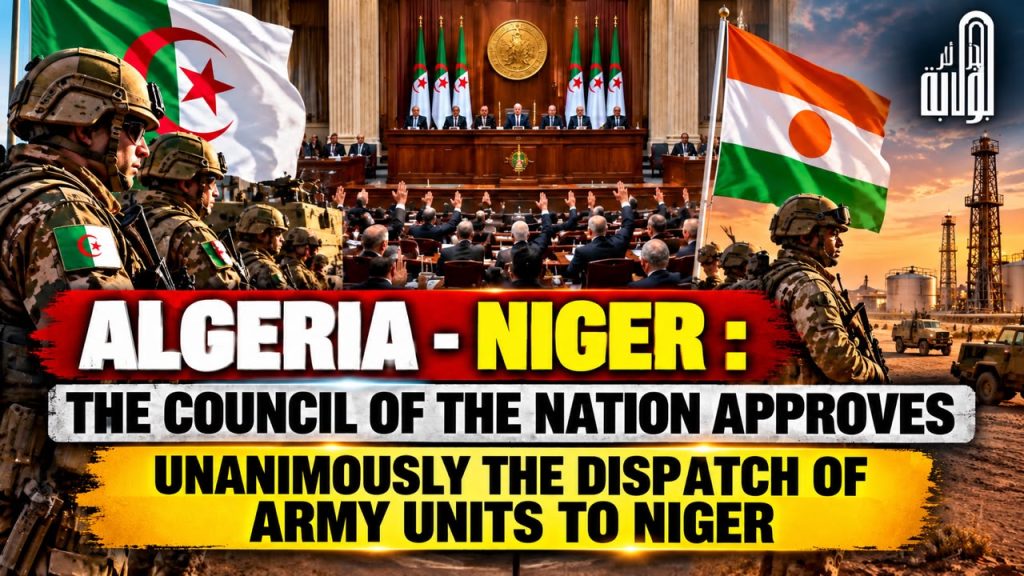
On security, the ambassador reaffirmed both countries’ commitment to closer coordination against terrorism, cross-border crime and other threats across the Sahel and Sahara. He cited a military cooperation agreement signed in Algeria on 21 October.

He also recalled President Abdelmadjid Tebboune’s statement that the two countries stand “in the same trench”, underscoring Algeria’s view that Niger’s security is closely connected to its own.

Reflecting on the historical foundations of bilateral relations, Saadi Ahmed stressed respect for national sovereignty, non-interference and peoples’ right to self-determination.

He concluded by reaffirming Algeria’s intention to broaden its partnership with Niger in support of development, stability and regional integration.

#Algeria#Economy#Niger
Author
African coast
Share this post

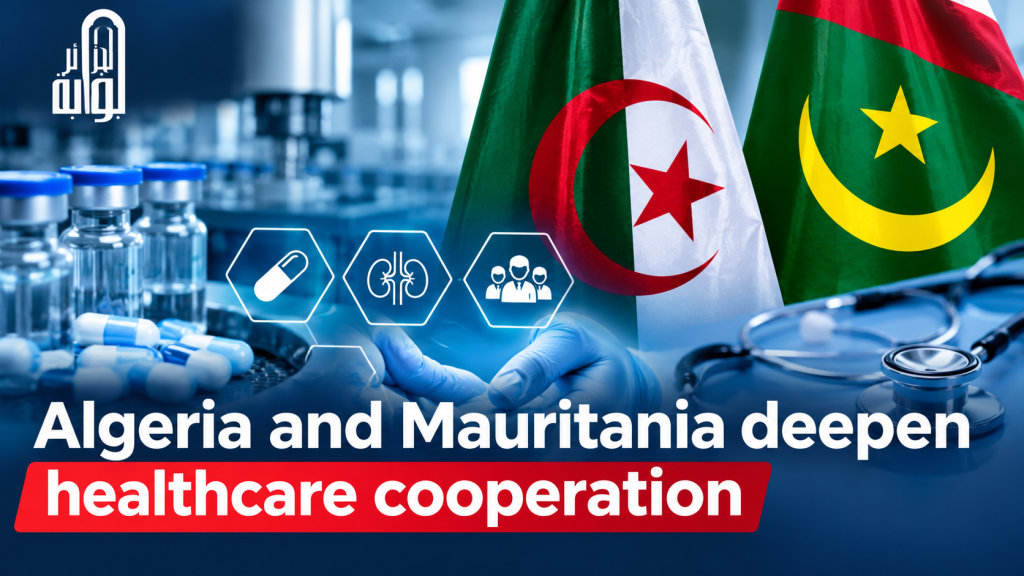
Algeria and Mauritania deepen healthcare cooperation

Algeria and Mauritania deepen healthcare cooperation

Algeria Gate: Algeria and Mauritania are moving to strengthen their bilateral partnership in the healthcare sector, with new discussions focusing on pharmaceutical manufacturing, kidney transplantation, and continuous training for medical professionals.

Mauritanian Health Minister Naha Hamdi Mouknass held talks with Algeria’s Ambassador to Nouakchott, Amine Sid, to explore opportunities for expanding cooperation across several strategic healthcare and industrial fields.

The discussions reflect both countries’ efforts to reinforce their longstanding bilateral relations while developing practical partnerships that could improve healthcare services and strengthen medical expertise.

https://twitter.com/algatedzEng/status/2117572423994257565?a=a0rnZ4LsG5TzLl2lFYM&s=20

Pharmaceutical industry and organ transplantation take center stage

A major focus of the talks was cooperation in pharmaceutical manufacturing, an area that offers opportunities for industrial development, technology exchange, and improved access to essential medicines.

Algeria’s expanding pharmaceutical production capabilities could provide a foundation for closer cooperation with Mauritania, particularly in strengthening local medicine supply chains and reducing dependence on imported pharmaceutical products.

Kidney transplantation was another key topic, highlighting the potential for collaboration in specialized medical services, knowledge transfer, and the development of advanced healthcare capabilities.

The two sides also discussed continuous training programs for healthcare professionals, recognizing the importance of developing medical expertise and improving the quality of patient care.

Such cooperation could facilitate professional exchanges, specialized training initiatives, and closer coordination between healthcare institutions in both countries.

A joint roadmap to turn commitments into action

During the meeting, both officials emphasized the importance of establishing a clear roadmap to monitor the implementation of bilateral commitments and ensure sustained progress in their healthcare partnership.

The proposed framework would help structure future cooperation, identify priority projects, and facilitate coordination between the relevant institutions.

Beyond immediate healthcare priorities, the discussions form part of broader efforts to diversify Algerian-Mauritanian cooperation into industrial and service-oriented sectors.

For Algeria, strengthening healthcare partnerships with neighboring African countries also represents an opportunity to expand its regional pharmaceutical presence and promote South-South cooperation.

For Mauritania, closer collaboration could support the modernization of its healthcare system, improve access to specialized treatments, and strengthen the professional capacities of its medical workforce.

Algeria and Mauritania deepen healthcare cooperation

Strengthening regional healthcare integration

The latest discussions underline the growing importance of healthcare cooperation in Algeria’s relations with its African neighbors.

As African countries seek to reinforce health security, expand domestic pharmaceutical production, and reduce reliance on external suppliers, regional partnerships are increasingly viewed as an important instrument for sustainable development.

Algeria and Mauritania’s renewed engagement could contribute to these objectives by encouraging the exchange of expertise, supporting industrial cooperation, and improving access to healthcare services.

While specific agreements, investment figures, and implementation timelines have not yet been announced, the emphasis on a joint roadmap signals an intention to move beyond diplomatic discussions toward more structured cooperation.

The initiative illustrates how Algeria and Mauritania are seeking to translate their bilateral relationship into practical projects with potential long-term benefits for their healthcare systems and wider economic development.

#Algeria#Economy#Mauritania
Author
African coast
Share this post

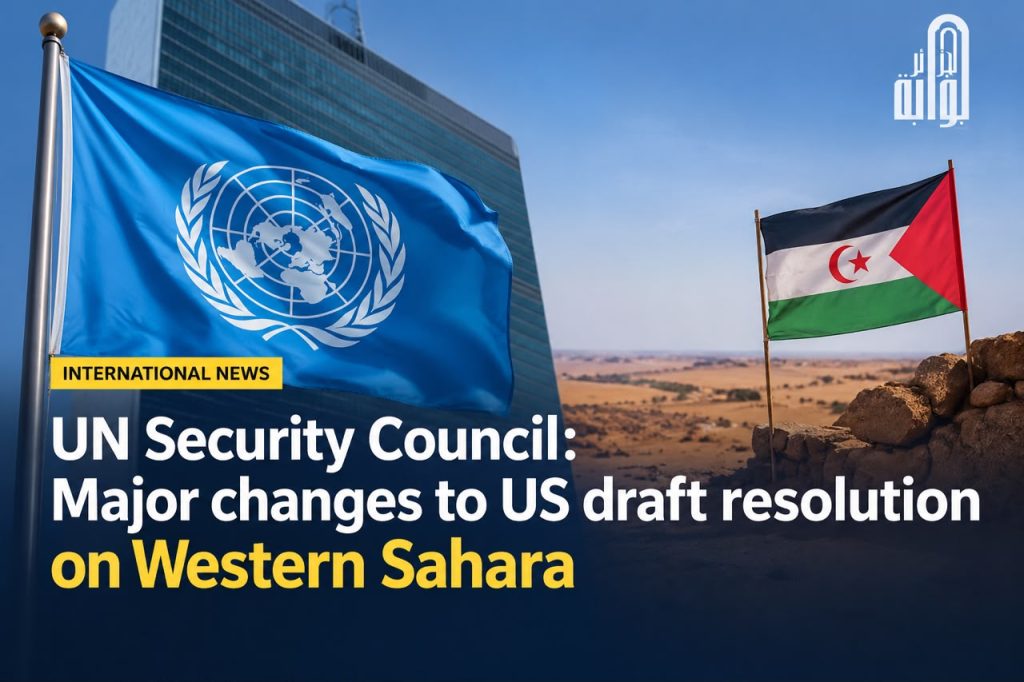
UN Security Council: Major changes to US draft resolution on Western Sahara

UN Security Council: Major changes to US draft resolution on Western Sahara

Algeria Gate: The latest version of the US draft resolution on Western Sahara introduces significant changes concerning the political settlement and the future of the United Nations Mission for the Referendum in Western Sahara (MINURSO). The revised text restores explicit reference to the principle of self-determination and drops the description of Morocco’s autonomy proposal as the “only viable solution,” according to the version dated October 24.

Self-determination returns to the forefront

One of the most notable changes concerns the wording used to describe Morocco’s autonomy proposal. The revised draft changes its status from the “only viable solution” to the “most viable solution.”

It also stresses the need for a just, lasting and mutually acceptable political settlement, consistent with the UN Charter and its principles, including the right to self-determination.

The draft calls on the parties to engage actively and constructively in the political process and submit their responses on this basis. This wording distinguishes between using Morocco’s proposal as a basis for negotiations and presenting it as the only possible outcome.

Changes to the future of MINURSO

The revised draft also changes the proposed approach to MINURSO’s future. It removes the initial plan to end the mission’s peacekeeping mandate on April 30, 2027, and transform it into a special political mission starting May 1, 2027.

Instead, the revised text leaves the mission’s future open to a subsequent Security Council decision, taking into account proposals from the UN Secretary-General and progress in the political process.

The draft also requests detailed proposals on the mission’s structure, staffing, resources and operational arrangements by January 30, 2027, giving the Council greater flexibility to assess the available options.

Reference to additional measures removed

Another significant change is the removal of a paragraph indicating that the Security Council could consider additional measures if either party failed to engage constructively in the political process.

The revised text instead emphasizes the continued leadership role of the United Nations, alongside support from the Secretary-General, his Personal Envoy and the United States in facilitating discussions. This differs from the initial draft, which placed particular emphasis on the continuing leadership role of the Personal Envoy.

What do the changes mean?

The amendments represent a retreat from some of the more definitive language in the initial draft, particularly regarding the exclusivity of Morocco’s autonomy proposal and the predetermined restructuring of MINURSO. However, the proposal remains a basis for negotiations.

The changes come amid ongoing consultations within the Security Council and discussions over the positions of the parties to the conflict, including the Polisario Front’s rejection of the initial draft, according to the information reported on the negotiations.

The revised text highlights three key elements of a potential settlement: a just and lasting solution, acceptance by both parties, and consistency with the UN Charter and its principles, including self-determination.

With changes affecting both the political framework and the future of the UN mission, the final version of the draft resolution remains subject to ongoing Security Council consultations. Attention is now focused on the outcome of the negotiations and their implications for the future of Western Sahara.

#Algeria#UN#Western Sahara
Author