

ALGIERS – On the eve of the historic visit of Pope Leo XIV to the birthplace of Saint Augustine—the spiritual father of the Catholic Church—Algeria has officially submitted the “Augustinian Paths” file to UNESCO, according to an announcement by the Algerian Ministry of Culture.
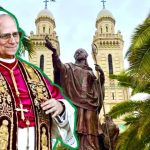
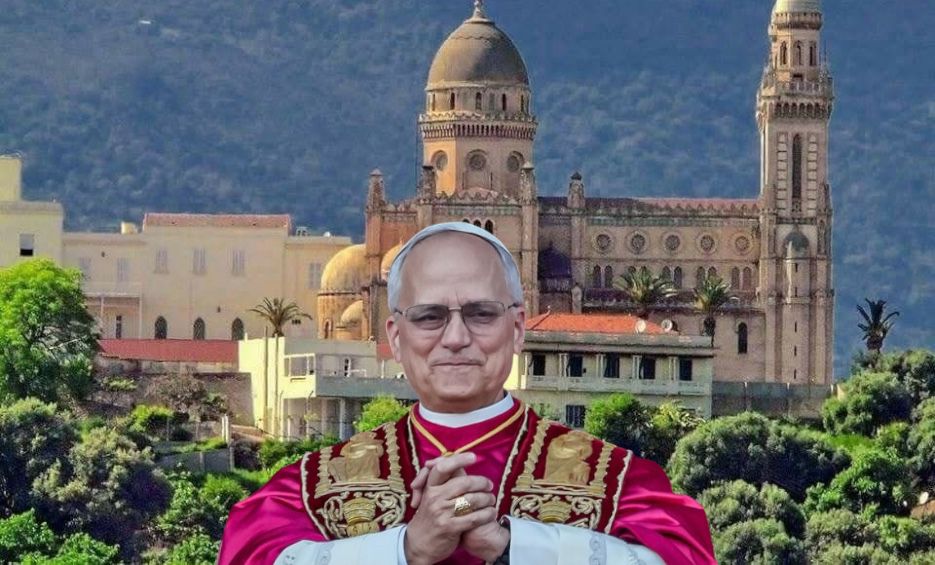
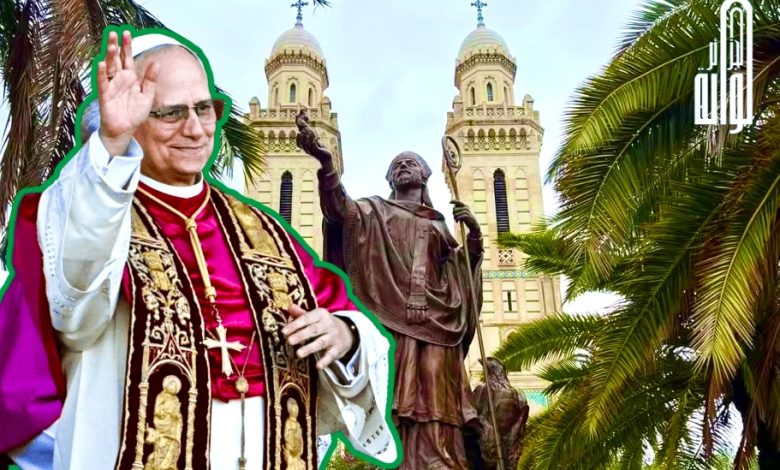
Pope Leo XIV, the first American pontiff, is scheduled to arrive in Algeria in mid-April 2026. This visit, the first of its kind, holds profound significance as the Pope is a follower of the Augustinian doctrine, a commitment he reaffirmed in his inaugural address after ascending the papal throne in late 2025.
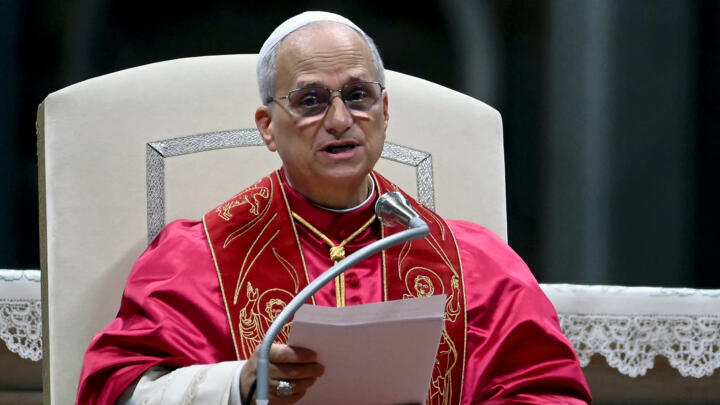
In a strategic move affirming its steadfast commitment to preserving and valorizing its ancient civilizational heritage, the Algerian Minister of Culture, Malika Bendouda, presided over the installation of the National Commission tasked with the precise supervision and follow-up of the “Augustinian Paths in Algeria” file.
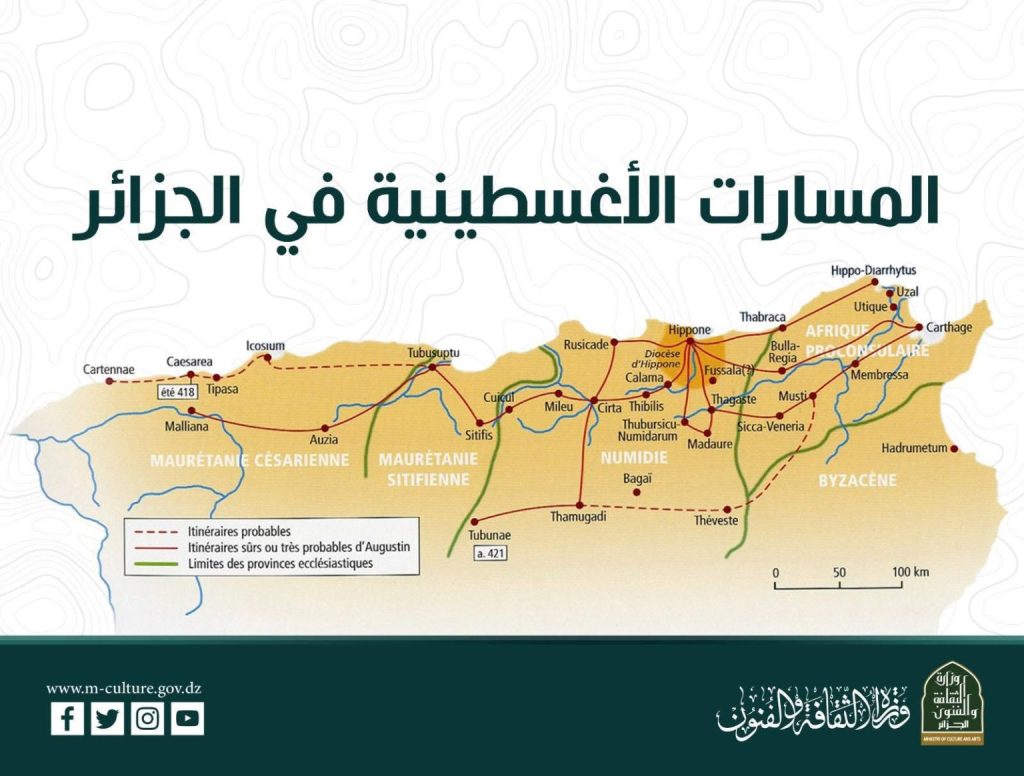
According to the Ministry’s statement, these paths encompass several archaeological sites and diverse historical landmarks, including: Hippo (Annaba), Calama (Guelma), Thibilis (Selaoua Announa), Thubursicum Numidarum (Khemissa), Madaurus (M’Daourouch), Thagaste (Souk Ahras), Castellum Tidditanorum (Tiddis), Thagura (Taoura), Milev (Mila), Sitifis (Setif), Caesarea (Cherchell), Cartenas (Ténès), Theveste (Tebessa), and Thubunae (Tobna/Batna).
The Ministry explained that this project aims to highlight Algeria’s historical and cultural depth and bolster its position on the World Heritage map. The path serves as a living testimony to the civilizational diversity of the nation, stretching nearly 1,500 kilometers across the ancient cities of eastern and central Algeria. It redraws the intellectual and heritage geography of these regions, linking ancient Numidian metropolises and presenting them as evidence of the brilliance of the Algerian land, which produced a singular figure like Saint Augustine—whose thought formed a bridge across continents and religions.
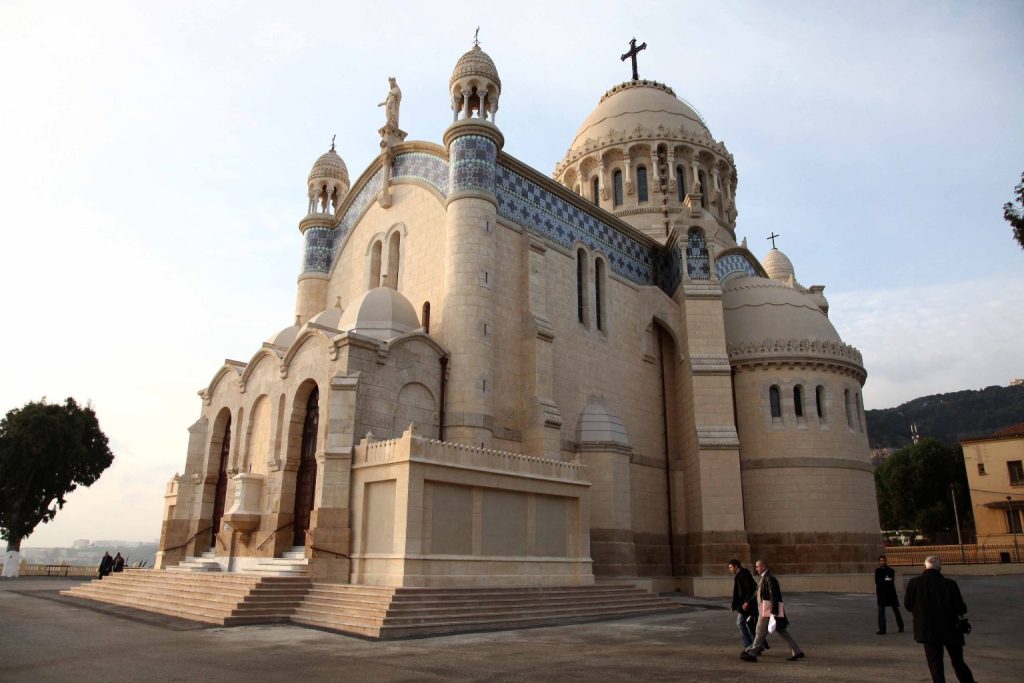
The Ministry further noted that the “Augustinian Path” possesses unique characteristics that make it a global competitor. It is a trans-border route linking Africa to Europe, embodying the deep interaction between faith and reason within a multidimensional cultural context.
Beyond its spiritual value, the project ensures the preservation of the urban and archaeological fabric of Numidian-Roman sites. Furthermore, it aims to transform these archaeological locations into vibrant spaces that fuel “memory tourism” and create sustainable local economic dynamics.