
Algeria gate ; Inside the Geopolitical Strategy Behind Algiers’ Simultaneous Moves Toward Madrid, Berlin, and Rome
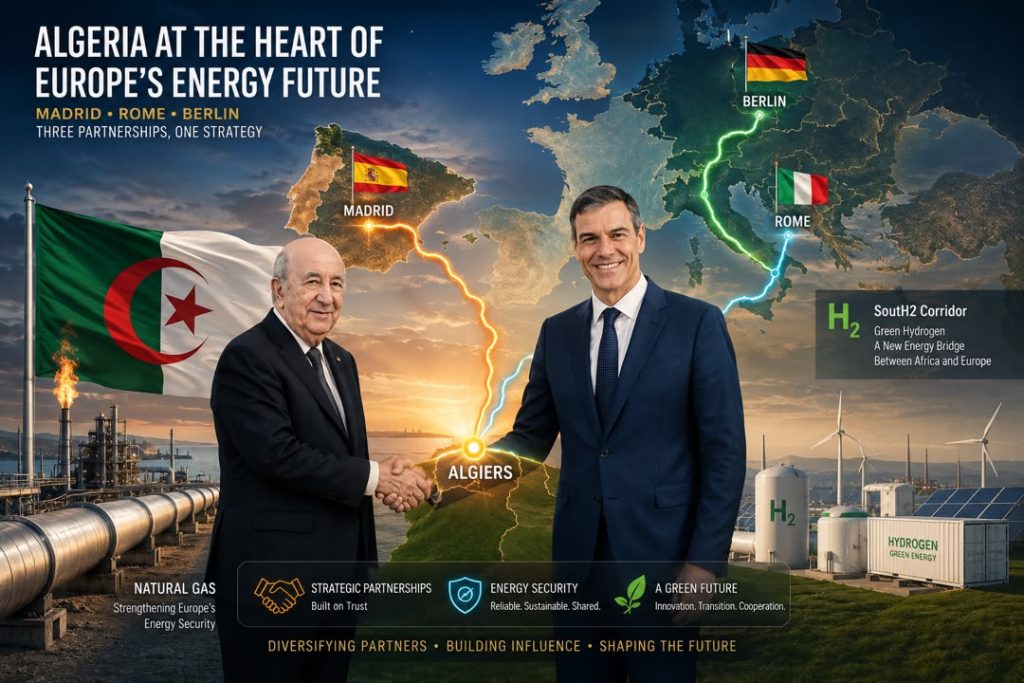
Algiers Within less than two weeks, were not simply separate diplomatic stops on Algeria’s foreign policy agenda. Instead, they appeared to form part of a carefully coordinated strategy. As Algeria restored political momentum with Spain, strengthened its position in the German energy market, and officially joined one of Europe’s largest green hydrogen projects, a broader geopolitical pattern began to emerge.
This convergence is far more than a diplomatic coincidence. It reflects a significant shift in Algeria’s approach to Europe from isolated bilateral partnerships to a diversified strategic network targeting the continent’s political, industrial, and energy power centers.
Madrid: From Diplomatic Reconciliation to a Multi-Dimensional Partnership
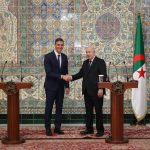
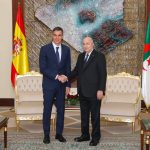
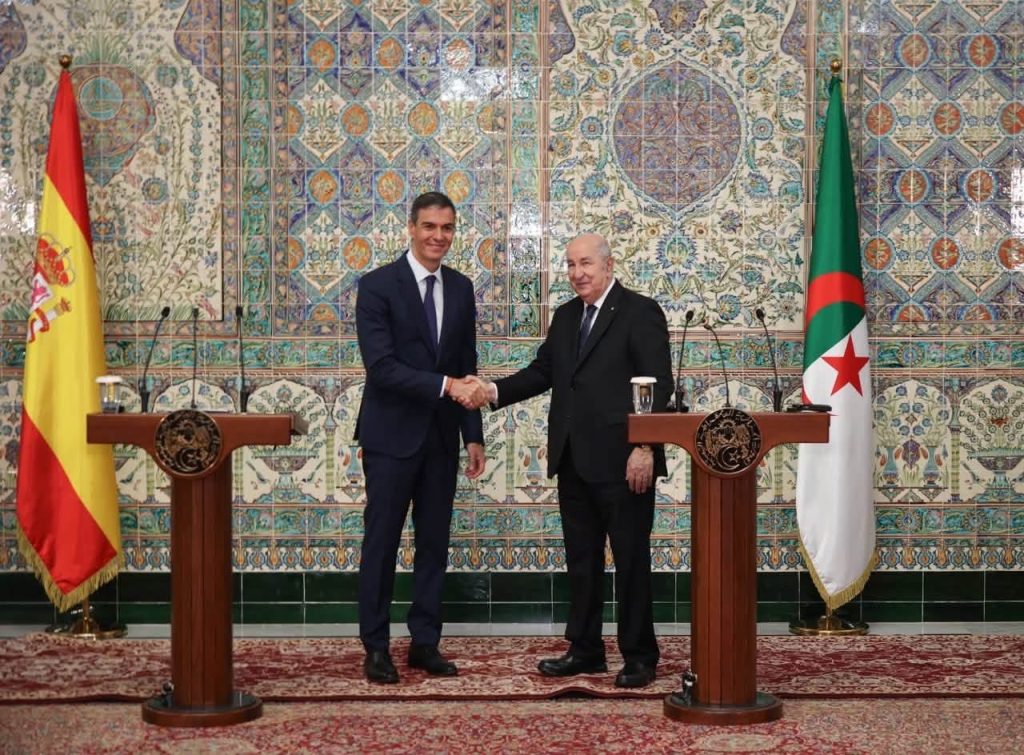
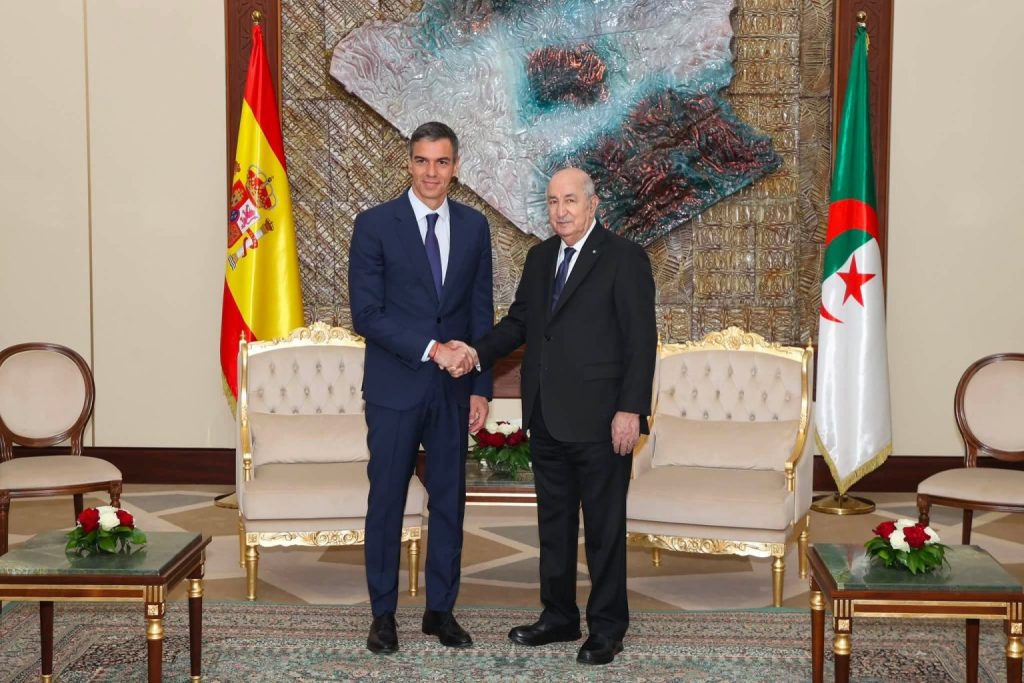
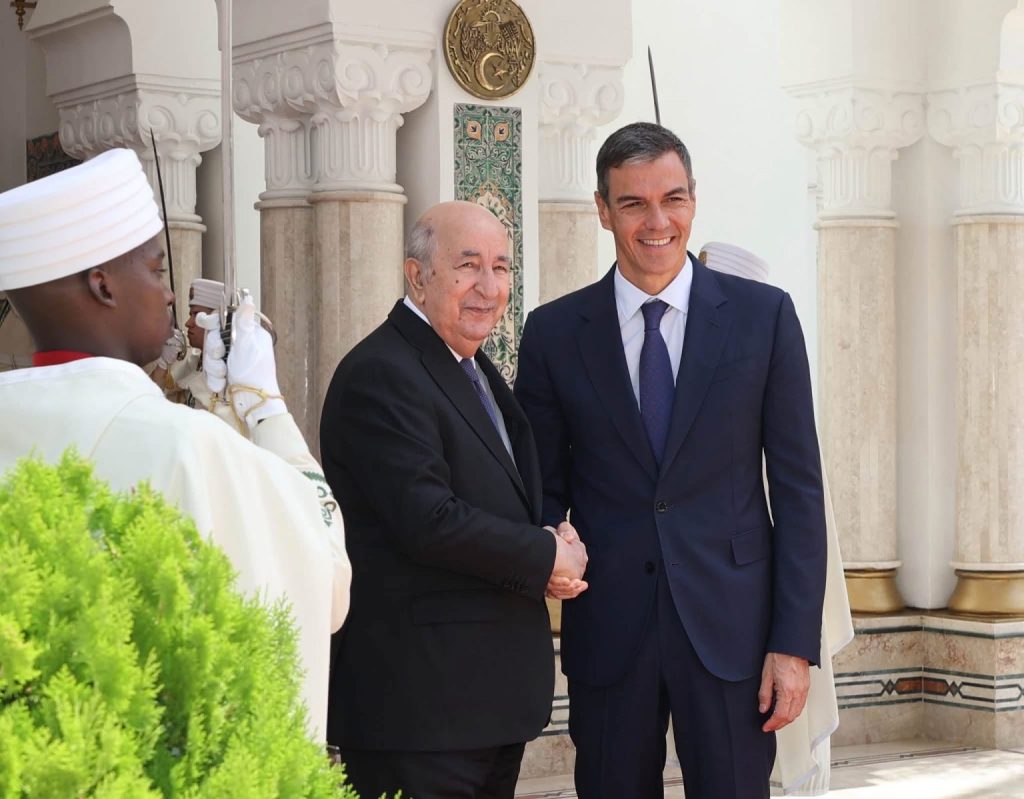
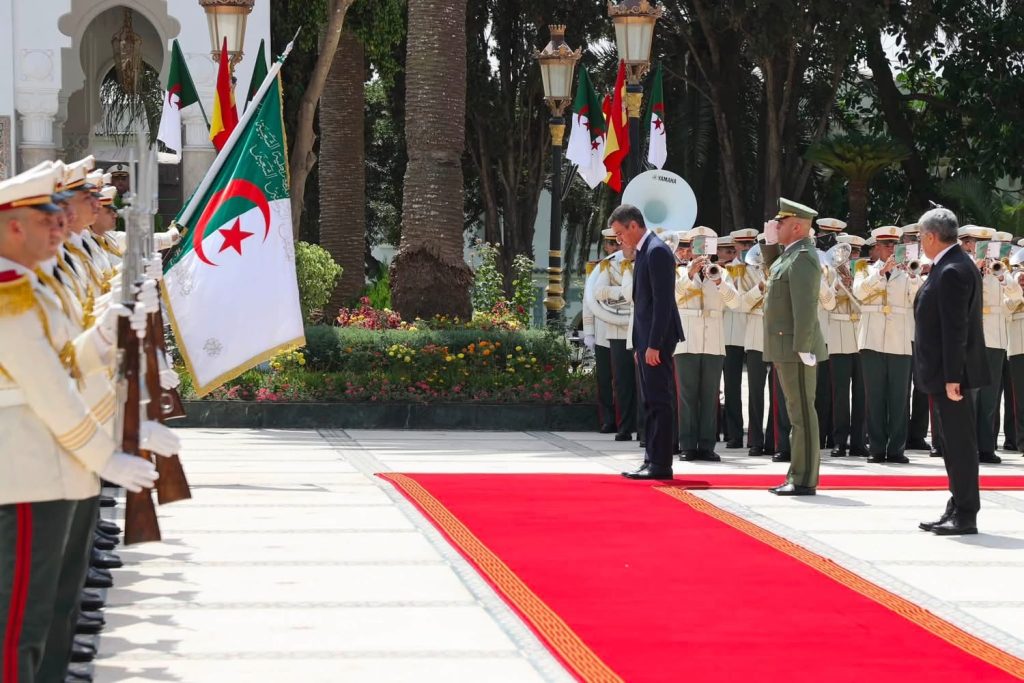
After four years of strained relations following Spain’s 2022 position on the Western Sahara issue, Algeria and Spain have rebuilt their diplomatic ties. The full restoration of the Treaty of Friendship in March 2026 paved the way for Spanish Prime Minister Pedro Sánchez’s latest visit to Algiers, symbolizing the normalization of bilateral relations.
Economically, Algeria regained its position as Spain’s largest supplier of natural gas in June 2026, accounting for more than 40% of Spanish gas imports through the Medgaz pipeline.
Yet energy is no longer the sole pillar of the relationship. Discussions have expanded to include the energy transition, technological innovation, digital infrastructure, industrial investment, agribusiness, judicial cooperation, asset recovery, and the fight against cross-border corruption.
Berlin: More Than a Gas Deal
At the same time, Sonatrach and Germany’s energy company VNG signed a new agreement to increase Algerian natural gas exports to Germany starting in January 2027.
The agreement’s significance extends well beyond supply volumes. German officials described Algeria as Europe’s second-largest gas supplier, a political acknowledgment that reinforces Algeria’s strategic importance in the continent’s energy security architecture.
The partnership is also evolving beyond conventional gas. Both sides have expanded cooperation to include green hydrogen, methane emission reduction, and renewable energy projects, signaling a transition from traditional energy trade to collaboration on Europe’s low-carbon future.
Rome: Algeria’s Gateway to Europe’s Green Energy Future
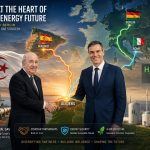
The most strategic development, however, is Algeria’s official accession to the SoutH2 Corridor, one of Europe’s most ambitious green hydrogen infrastructure projects.
Stretching approximately 3,300 kilometers, the corridor will connect Algeria to Germany via Tunisia, Italy, Austria, and the Mediterranean, with projected investments reaching $25 billion by 2035.
For Italy, the project strengthens its ambition to become Europe’s primary energy gateway linking Africa and the continent. For Algeria, it marks a decisive step toward becoming a central player in Europe’s future clean-energy supply chains.
Why Now and Why These Three Capitals?
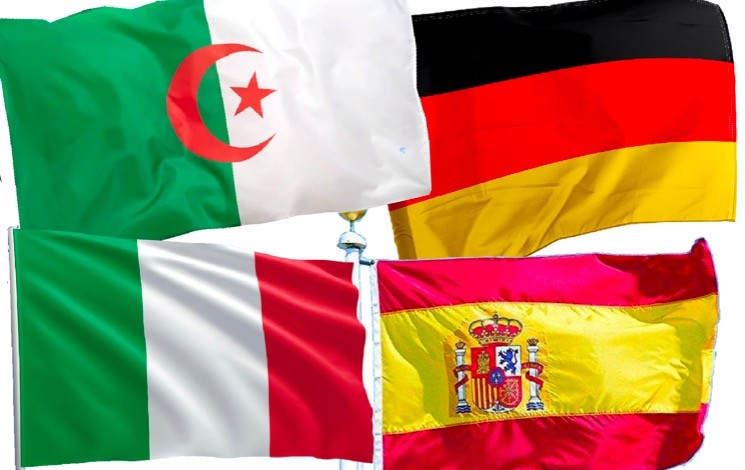
Viewed separately, each agreement appears to serve a different purpose. Taken together, however, they reveal a coherent geopolitical strategy.
Spain represents Algeria’s western Mediterranean gateway and the restoration of political trust after years of diplomatic tensions. Germany offers industrial weight and access to the European Union’s largest economy, reinforcing Algeria’s position in continental energy policymaking. Italy, meanwhile, provides the strategic transit route that can transform Algeria from a natural gas exporter into a key supplier of green hydrogen for Europe.
Rather than viewing Europe as a single market, Algeria increasingly sees it as a network of complementary strategic gateways, each serving a distinct geopolitical function.
A Strategy of Diversified Influence
These parallel initiatives also demonstrate Algeria’s determination to reduce dependence on any single European partner by building balanced relationships with the continent’s most influential powers across Southern, Western, and Central Europe.
Such diversification provides Algeria with greater diplomatic flexibility, stronger bargaining power, and increased resilience amid Europe’s evolving political and economic landscape.
If the past decade established Algeria as a reliable supplier of natural gas, recent developments suggest that the coming decade could redefine its role altogether not merely as an energy exporter, but as a geopolitical partner whose strategic value extends far beyond hydrocarbons.
From Madrid to Berlin and Rome, Algeria’s message is becoming increasingly clear: diversifying strategic partnerships is no longer simply a diplomatic choice it is the cornerstone of a long-term strategy to secure lasting geopolitical influence within Europe’s evolving energy architecture.