Sunday, 18 October 2026 • 21:09 Algiers time
Algeria Gate
News Room
Cameron Hudson: UAE is virtually the sole backer of the RSF..without its support the war in Sudan would not continue Algeria-Niger: Official launch of Trans-Saharan fibre optic link Five minutes of lament over Algeria: Amar Belani exposes CNEWS’s real obsession Algerian courts hand down first death sentences under new drugs law Ségolène Royal’s masterclass on Algeria against an ignorant and demagogic journalist President Tebboune and senior officials receive the remains of Boualem Boualem in Algiers NAPEC 2026 in Oran: Algeria at the Heart of Africa’s and the Mediterranean’s New Energy Landscape Pegasus Files: Amnesty Uncovers Morocco’s Espionage Against Spain President Tebboune Orders Salary Increases in Algeria’s 2027 Budget, Rules Out New Taxes on Citizens Algeria Emerges as a Trusted Power for Regional Peace and Stability
Share this post

President Tebboune Honors Top BEM and Baccalaureate Achievers

• Author: Lys Iwannughen • 0 comments • 41 views
President Tebboune Honors Top BEM and Baccalaureate Achievers

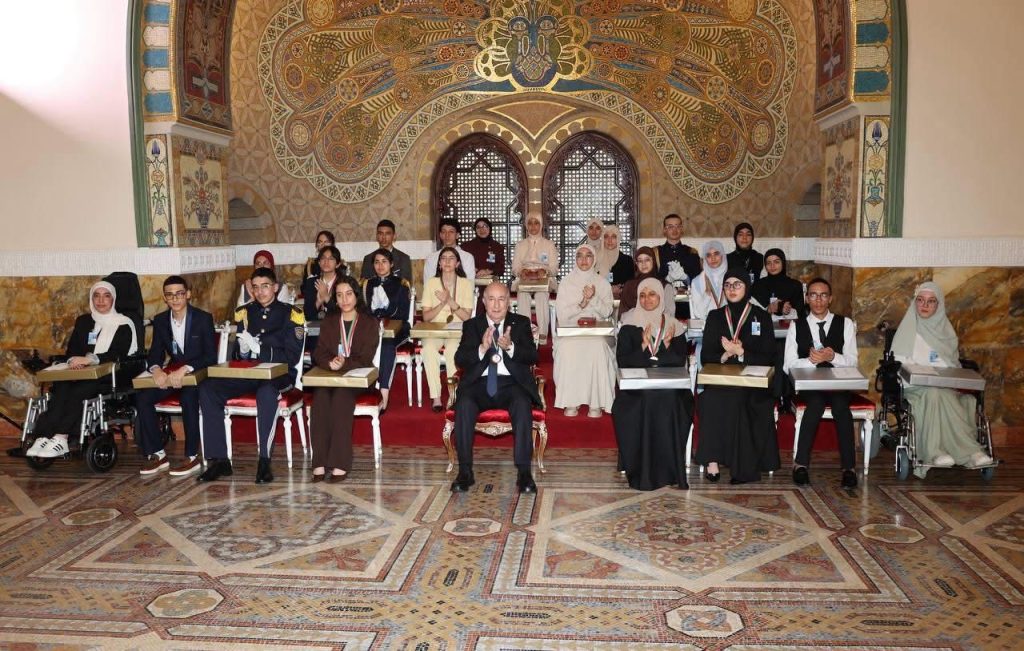
Algeria Gate: President of the Republic Abdelmadjid Tebboune presided over a ceremony honoring the country’s top performers in the BEM (Middle School Certificate) and Baccalaureate examinations, in the presence of the highest-ranking state officials.

The event celebrates academic excellence and rewards students who achieved the best results at the national level. The President commended the students for their outstanding efforts and paid tribute to the teachers, supervisors, and families for their essential role in this success.

#Algeria#President tebboune
Author
Lys Iwannughen
View my articles

Leave a comment

Your email address will not be published. Required fields are marked *

Algeria
Share this post

Farewell Visits: Ambassadors Highlight Deep Friendship and Cooperation with Algeria

Farewell Visits: Ambassadors Highlight Deep Friendship and Cooperation with Algeria

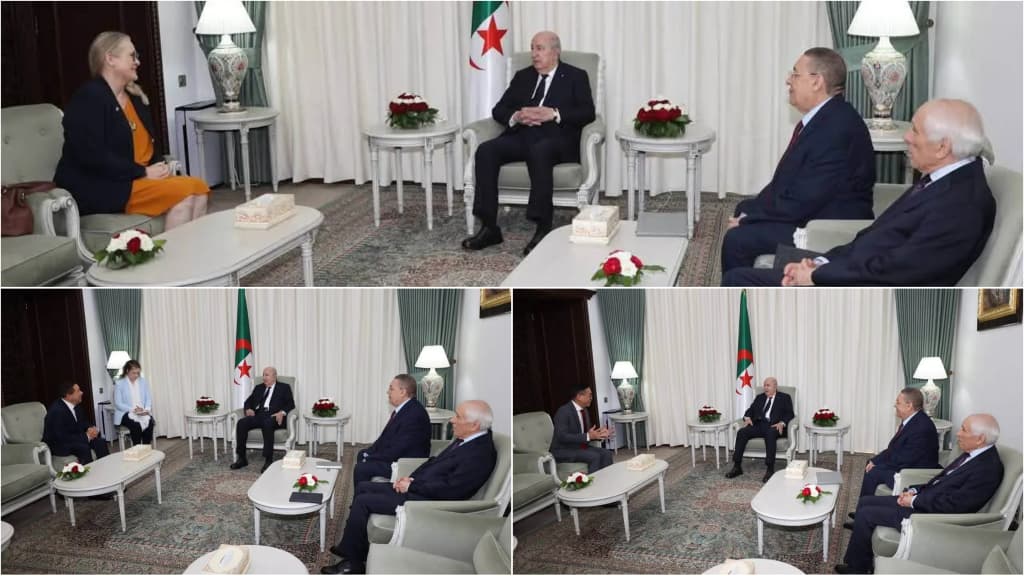
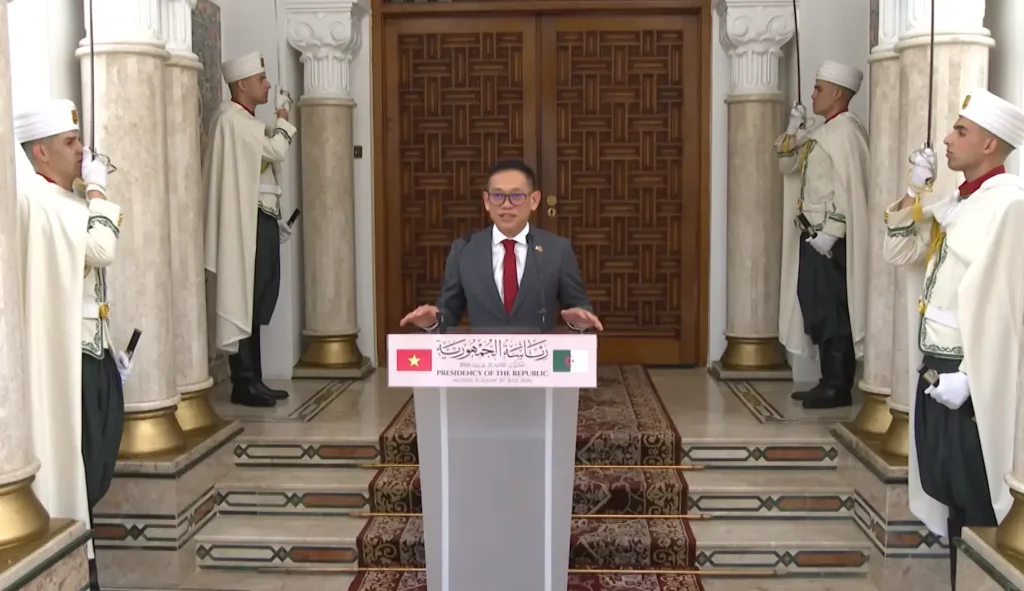
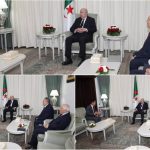
Algeria Gate: Algerian President Abdelmadjid Tebboune received, on Tuesday, three outgoing ambassadors for farewell audiences, highlighting Algeria’s active diplomacy and the quality of its international relations.

The ambassadors from Colombia, Norway, and Vietnam each expressed deep satisfaction with the level of bilateral cooperation and optimism for its future development.

Colombia: Deep and Historic Friendship

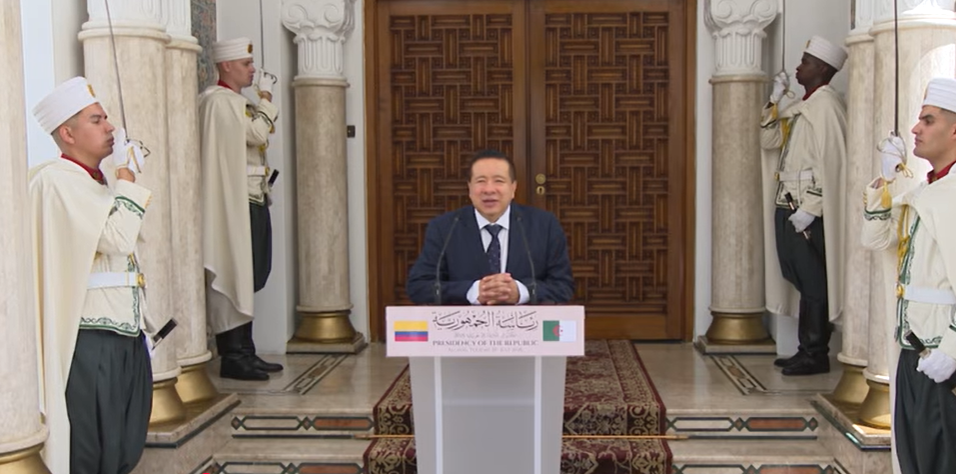
Colombian Ambassador José Antonio Solarte Gomez described Algeria and Colombia as “two friendly countries linked by deep and solid relations.”

In his statement to the press after the meeting, he emphasized the shared history, culture, and common vision between the two nations. He characterized his farewell audience with President Tebboune as “an authentic moment” held in a spirit of trust, friendship, and solidarity.

Ambassador Gomez expressed confidence that Algeria and Colombia would continue to strengthen their bilateral cooperation to the benefit of both peoples.

Farewell Visits: Ambassadors Highlight Deep Friendship and Cooperation with Algeria

Norway: Energy Cooperation and Shared Global Interests

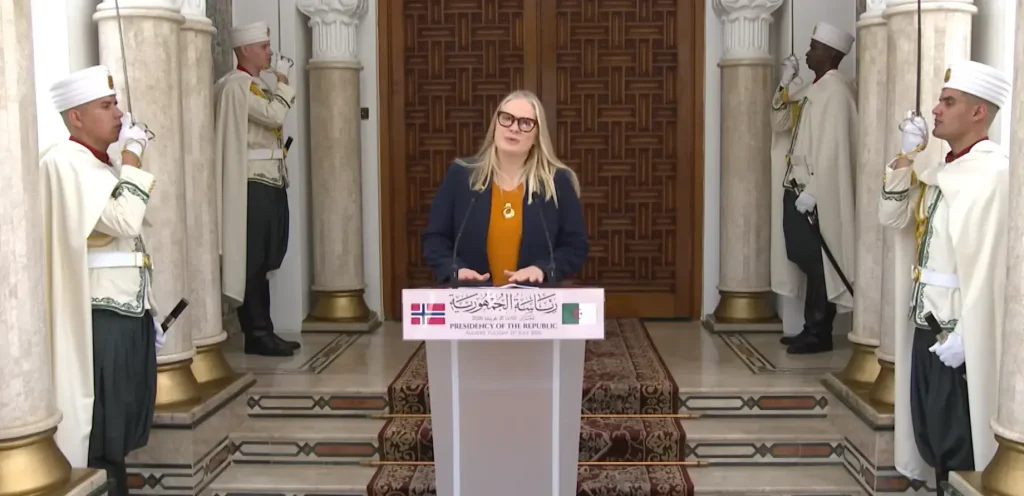
Norwegian Ambassador Therese H. Løken Gheziel praised the “dynamic and positive” relations between Norway and Algeria, built on frank dialogue, mutual respect, and trust.

She highlighted energy cooperation as a cornerstone of the bilateral relationship, noting the long-standing ties between Algerian and Norwegian energy operators, particularly Sonatrach and Equinor.

Looking ahead, Ambassador Gheziel pointed to promising opportunities to expand cooperation into renewable energy transition, climate action, digital technologies, trade, and investment. She also stressed the two countries’ shared commitment to international law and the pursuit of lasting political solutions, including on the Palestinian issue.

Farewell Visits: Ambassadors Highlight Deep Friendship and Cooperation with Algeria

Vietnam: Fraternal and Unconditional Trust

Vietnamese Ambassador Tran Quoc Khanh underlined the traditional friendship and significant progress in Algeria-Vietnam relations. He described the ties between the two countries as “relations of fraternity and unconditional trust.”

During his farewell meeting with President Tebboune, Ambassador Khanh conveyed his best wishes for Algeria’s development, prosperity, and the well-being of its people. In an emotional note, he said: “I will leave Algeria, but not definitively, because a part of my heart and mind will remain here.”

Farewell Visits: Ambassadors Highlight Deep Friendship and Cooperation with Algeria

These farewell visits underscore Algeria’s strong and diverse diplomatic relationships across Latin America, Europe, and Asia. The consistent messages of friendship, mutual respect, and commitment to enhanced cooperation reflect Algeria’s growing role as a reliable international partner and its determination to build constructive ties with countries from different regions of the world.

#Algeria#Colombia#Norway#Vietnam
Author
Lys Iwannughen
View my articles
Algeria
Share this post

Algeria-Spain Relations: Pedro Sánchez’s Strategic Visit to Algiers

Algeria-Spain Relations: Pedro Sánchez’s Strategic Visit to Algiers

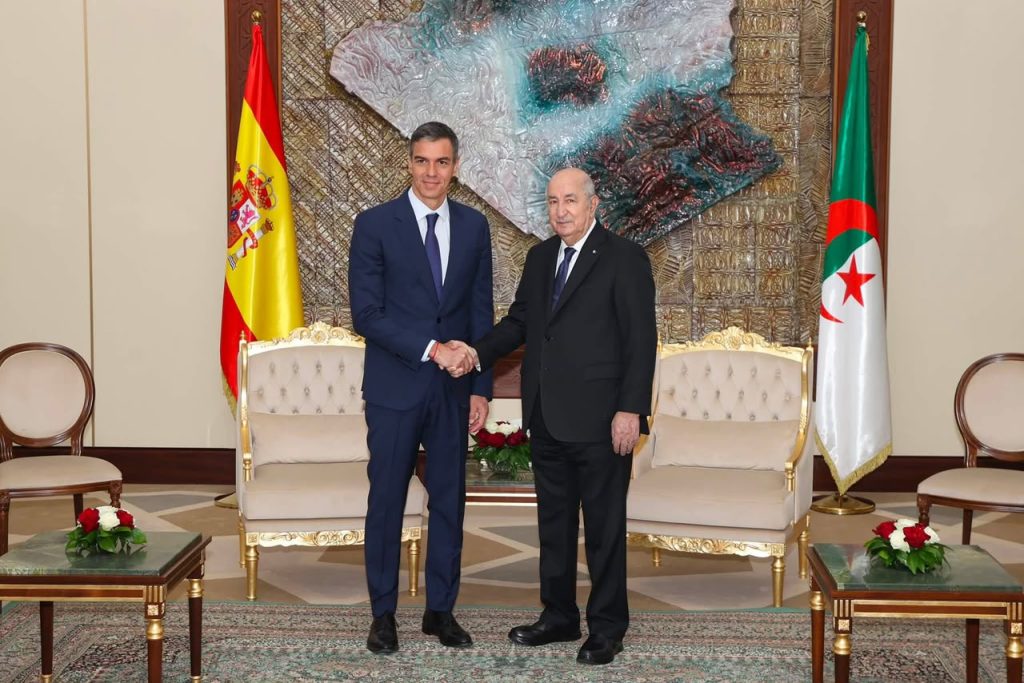
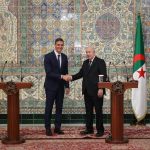
Algeria Gate: Spanish Prime Minister Pedro Sánchez concluded a successful working and friendship visit to Algeria on Monday, July 20th, 2026.

This high-level trip marks a pivotal moment in the normalization and strengthening of bilateral relations between the two Mediterranean neighbors.

As the first visit by a Spanish head of government in nearly six years, it signals a clear mutual desire to turn the page on past tensions and open a new era of multidimensional partnership based on trust, mutual respect, and shared strategic interests.

Arrival in Algiers and Solemn Tribute

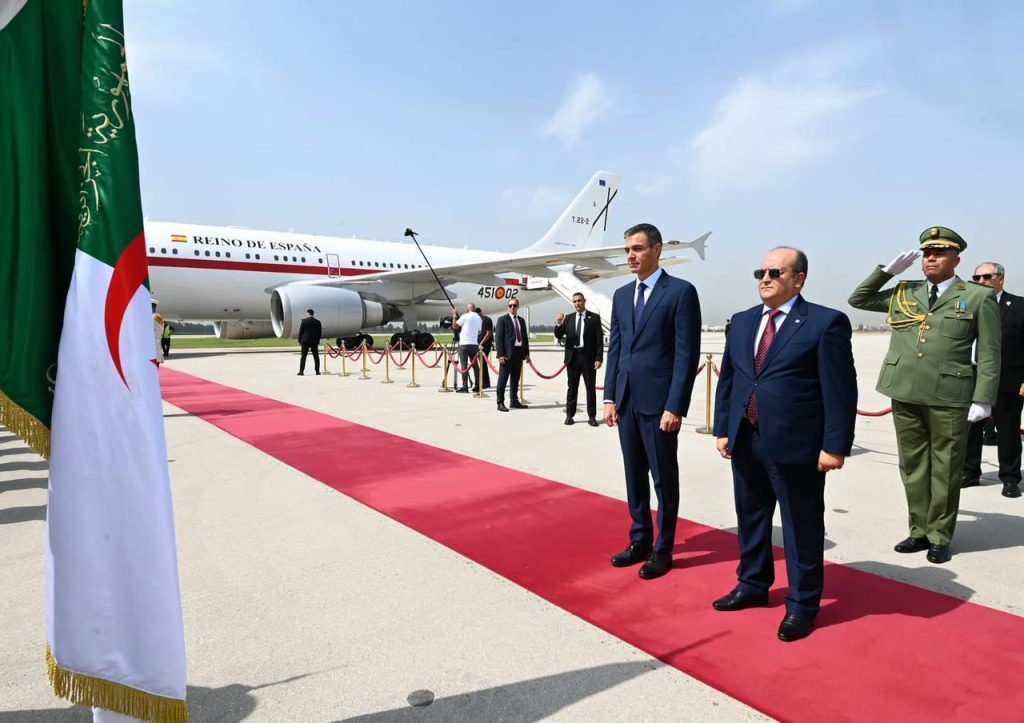
Upon his arrival at Houari Boumediene International Airport, Prime Minister Sánchez was warmly received by Algerian Prime Minister Sifi Ghrieb.

Algeria-Spain Relations: Pedro Sánchez’s Strategic Visit to Algiers

He began his official program with a solemn tribute to the martyrs of the Algerian National Liberation Revolution. Sánchez observed a minute of silence and laid a wreath at the commemorative stele at the Martyr’s Sanctuary in Algiers; a respectful gesture that set a positive tone for the visit.

Official Talks with President Tebboune

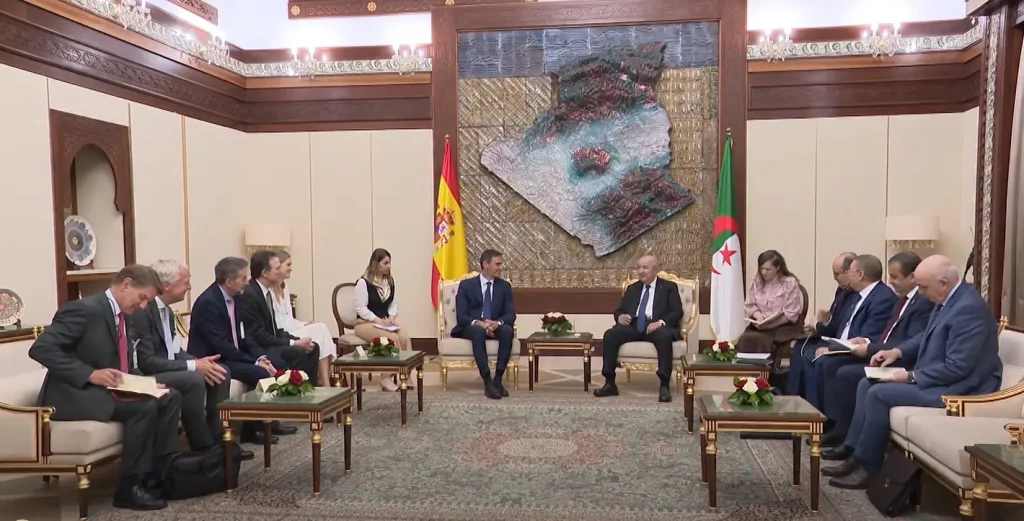
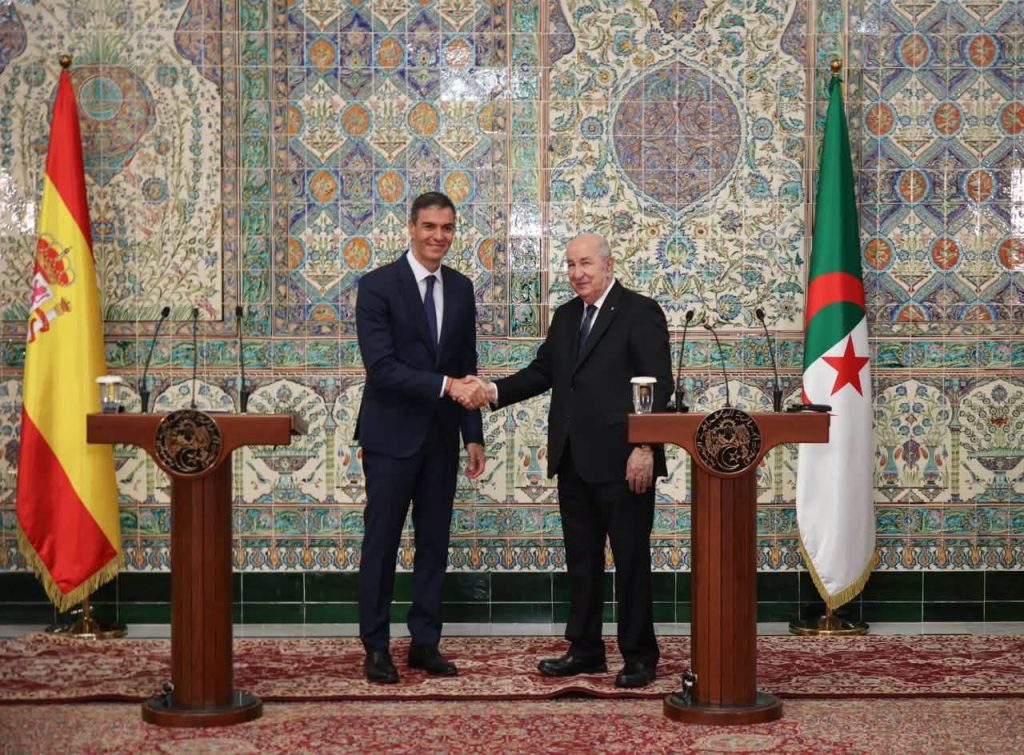
President Abdelmadjid Tebboune extended an official welcome to the Spanish delegation at the Presidency headquarters. The two leaders held private one-on-one talks, followed by expanded discussions with their respective delegations.

These meetings were described as fruitful, frank, and constructive. They covered a wide range of priority areas, including energy cooperation, renewable energies, trade expansion, investment promotion, security, judicial and consular affairs, migration management, and regional stability.

Joint Press Statements and Key Outcomes

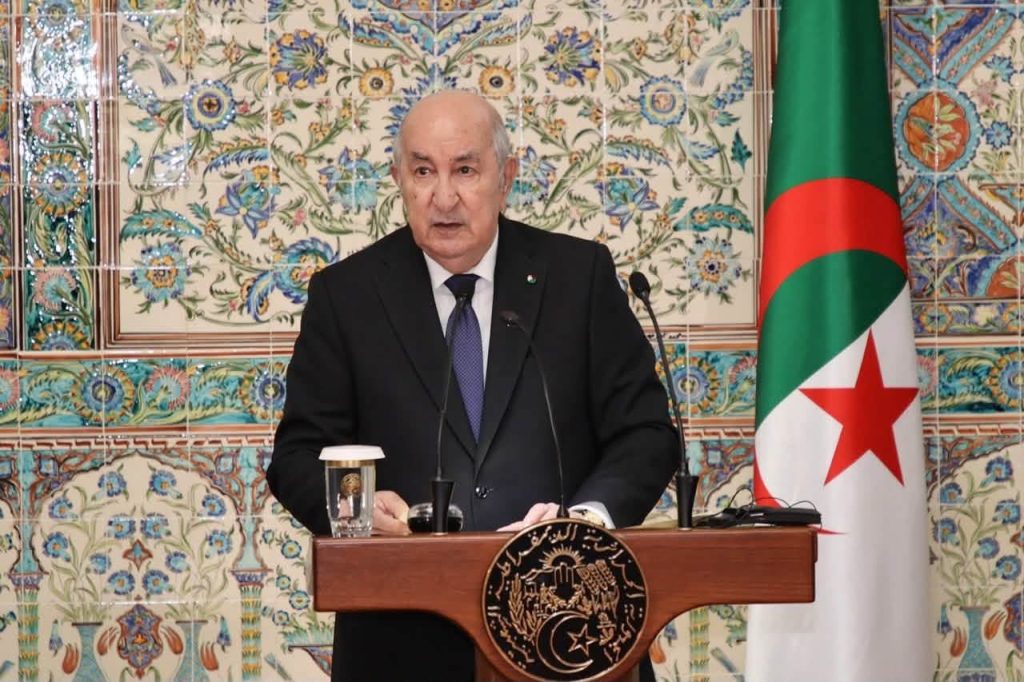
In a joint press statement, President Tebboune described the visit as “a key milestone reflecting the political will of both friendly countries to advance a bilateral partnership offering clear mutual benefits.”

Algeria-Spain Relations: Pedro Sánchez’s Strategic Visit to Algiers

He expressed satisfaction with the increasing momentum in long-standing relations and highlighted progress toward the 8th session of the Algerian-Spanish High-Level Meeting (RAN), scheduled for October in Spain. President Tebboune also commended Spanish authorities for their positive response to Algeria’s efforts to recover looted assets abroad, noting “satisfactory results” in this important file.

Pedro Sánchez’s Vision for Bilateral Relations

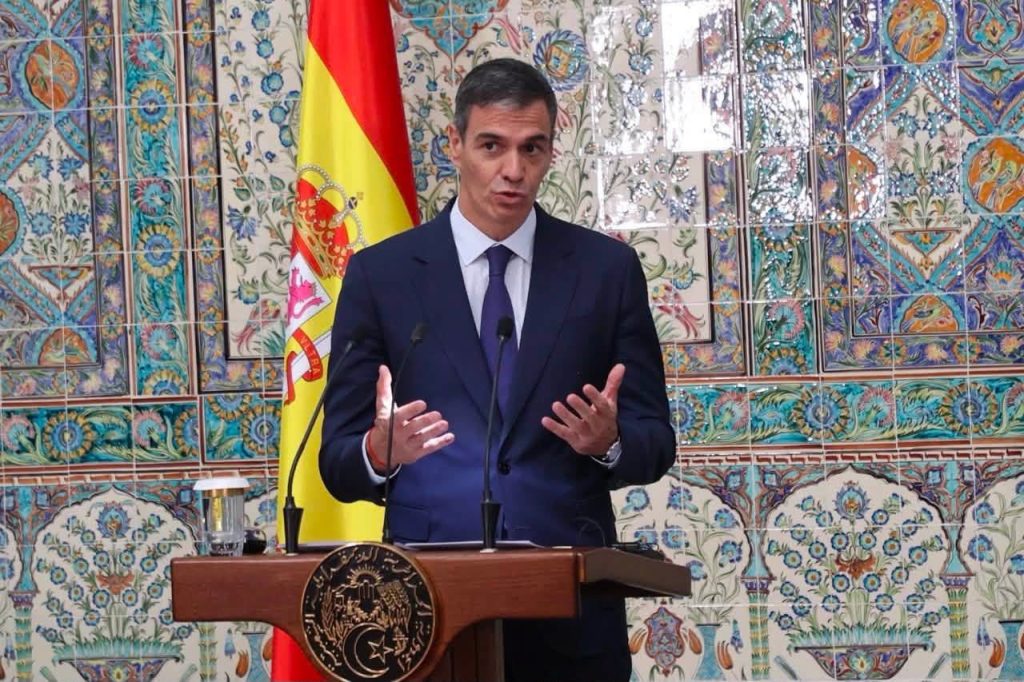
Prime Minister Sánchez underscored that Spain views Algeria as “a strategic partner and a friendly country.” He emphasized the visit’s role in building excellent relations within a “new phase” of bilateral cooperation.

Algeria-Spain Relations: Pedro Sánchez’s Strategic Visit to Algiers

Sánchez stressed the importance of political dialogue as the foundation for all collaboration and reaffirmed Spain’s commitment to deepening friendship and expanding future-oriented ties. He particularly highlighted Algeria’s pivotal geostrategic role in the Mediterranean and Africa, as well as its position as Spain’s leading supplier of natural gas.

Agreements on Security, Migration, and Regional Stability

Both sides agreed to maintain regular dialogue and consultation. They prioritized peaceful, UN-backed, and multilateral solutions to regional crises and conflicts.

Discussions also focused on enhanced coordination in combating irregular migration, human trafficking, and cross-border organized crime, while exploring ways to facilitate legitimate people-to-people movements.

Focus on Energy Security and Economic Cooperation

Energy security featured prominently during the visit. Several major Spanish energy companies, including executives from Repsol, Naturgy, Enagás, and Moeve, accompanied the Prime Minister.

Algeria-Spain Relations: Pedro Sánchez’s Strategic Visit to Algiers

Algeria remains a cornerstone of Spain’s energy strategy. The visit is expected to boost cooperation in hydrocarbons, renewable energies, infrastructure, and broader investments. Algerian media, such as El Khabar, highlighted these economic stakes and the potential for expanded gas supplies via pipeline and liquefied natural gas (LNG).

Symbolic and Cultural Warmth

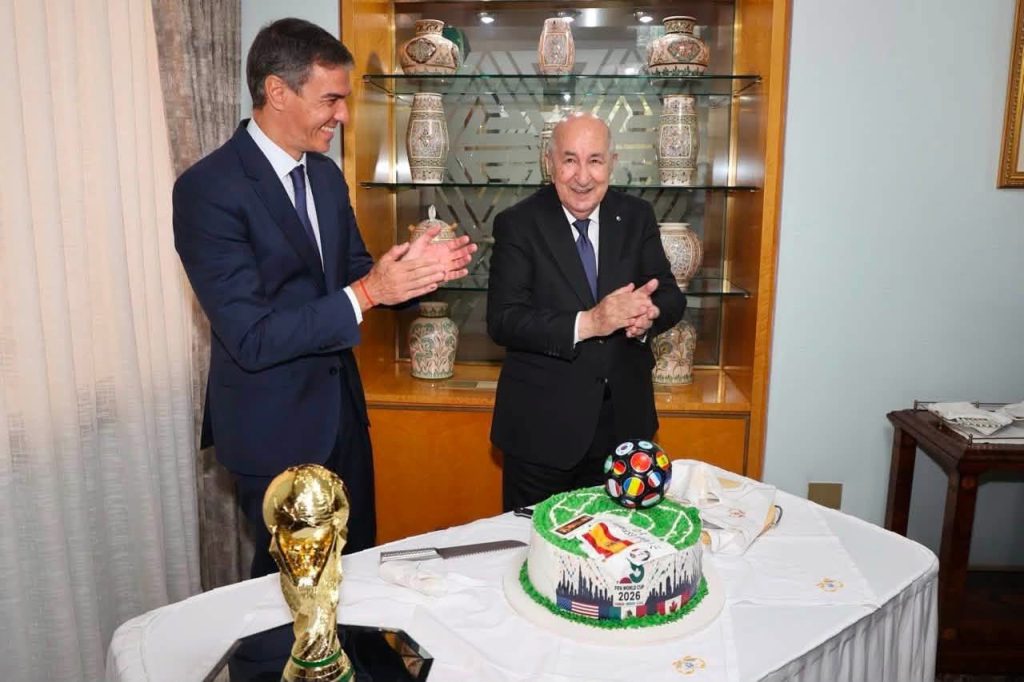
The visit carried a symbolic warmth when President Tebboune congratulated Spain and its people on their national team’s triumph in the 2026 FIFA World Cup final. This gesture added a positive cultural dimension to the diplomatic engagements.

Algeria-Spain Relations: Pedro Sánchez’s Strategic Visit to Algiers

Departure and Optimism for the Future

Prime Minister Sánchez departed Algeria in the afternoon. He was seen off at the airport by senior officials, including Prime Minister Sifi Ghrieb, Minister of Foreign Affairs Ahmed Attaf, Minister of Hydrocarbons Mohamed Arkab, and other dignitaries

Both parties expressed optimism that the visit will act as a catalyst for economic operators and businessmen, intensifying sectoral cooperation for the benefit of both nations.

From Diplomatic Strain to Renewed Partnership

This engagement follows a period of diplomatic strain triggered by differences over the Western Sahara issue in 2022. That dispute led to the suspension of the 2002 Treaty of Friendship, Good-Neighborliness, and Cooperation and temporary trade restrictions.

Relations have gradually normalized since then, with the treaty reactivated in March 2026, paving the way for renewed focus on pragmatic cooperation in energy, economy, and regional stability.

Strategic Benefits and Way Forward

Observers view the visit as part of a broader re-engagement process that prioritizes shared interests over past divergences. For Algeria, it opens avenues to diversify partnerships, attract investment, and advance key priorities like asset recovery. For Spain, it ensures reliable energy supplies and strengthens Mediterranean ties.

Algeria-Spain Relations: Pedro Sánchez’s Strategic Visit to Algiers

As preparations for the upcoming High-Level Meeting advance, both capitals appear committed to translating the positive momentum into concrete agreements in trade, energy, security, and cultural exchanges. This visit firmly places Algeria-Spain relations on a promising new strategic path.

#Algeria#Spain
Author
Lys Iwannughen
View my articles
Algeria
Share this post

Why Is Algeria Playing All Its European Cards at Once?

Why Is Algeria Playing All Its European Cards at Once?

Algeria gate ; Inside the Geopolitical Strategy Behind Algiers’ Simultaneous Moves Toward Madrid, Berlin, and Rome

Algiers Within less than two weeks, were not simply separate diplomatic stops on Algeria’s foreign policy agenda. Instead, they appeared to form part of a carefully coordinated strategy. As Algeria restored political momentum with Spain, strengthened its position in the German energy market, and officially joined one of Europe’s largest green hydrogen projects, a broader geopolitical pattern began to emerge.

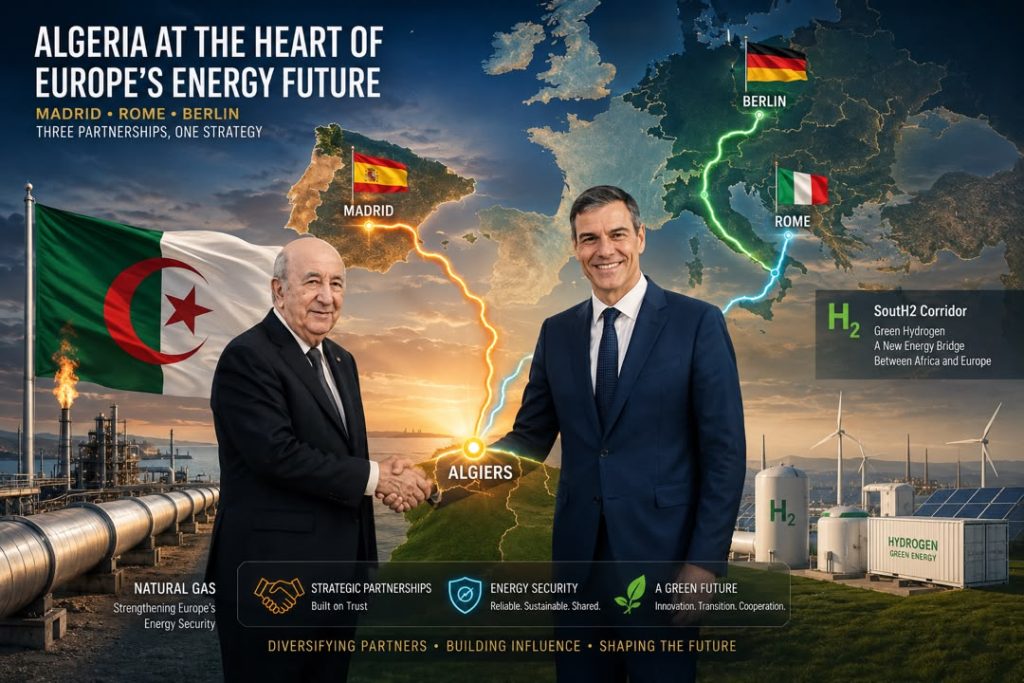
This convergence is far more than a diplomatic coincidence. It reflects a significant shift in Algeria’s approach to Europe from isolated bilateral partnerships to a diversified strategic network targeting the continent’s political, industrial, and energy power centers.

Madrid: From Diplomatic Reconciliation to a Multi-Dimensional Partnership

After four years of strained relations following Spain’s 2022 position on the Western Sahara issue, Algeria and Spain have rebuilt their diplomatic ties. The full restoration of the Treaty of Friendship in March 2026 paved the way for Spanish Prime Minister Pedro Sánchez’s latest visit to Algiers, symbolizing the normalization of bilateral relations.

Economically, Algeria regained its position as Spain’s largest supplier of natural gas in June 2026, accounting for more than 40% of Spanish gas imports through the Medgaz pipeline.

Yet energy is no longer the sole pillar of the relationship. Discussions have expanded to include the energy transition, technological innovation, digital infrastructure, industrial investment, agribusiness, judicial cooperation, asset recovery, and the fight against cross-border corruption.

https://twitter.com/algatedzEng/status/2079148374129889670?s=20

Berlin: More Than a Gas Deal

At the same time, Sonatrach and Germany’s energy company VNG signed a new agreement to increase Algerian natural gas exports to Germany starting in January 2027.

The agreement’s significance extends well beyond supply volumes. German officials described Algeria as Europe’s second-largest gas supplier, a political acknowledgment that reinforces Algeria’s strategic importance in the continent’s energy security architecture.

The partnership is also evolving beyond conventional gas. Both sides have expanded cooperation to include green hydrogen, methane emission reduction, and renewable energy projects, signaling a transition from traditional energy trade to collaboration on Europe’s low-carbon future.

https://twitter.com/algatedzEng/status/2077735369555034223?s=20

Rome: Algeria’s Gateway to Europe’s Green Energy Future

The most strategic development, however, is Algeria’s official accession to the SoutH2 Corridor, one of Europe’s most ambitious green hydrogen infrastructure projects.

Stretching approximately 3,300 kilometers, the corridor will connect Algeria to Germany via Tunisia, Italy, Austria, and the Mediterranean, with projected investments reaching $25 billion by 2035.

For Italy, the project strengthens its ambition to become Europe’s primary energy gateway linking Africa and the continent. For Algeria, it marks a decisive step toward becoming a central player in Europe’s future clean-energy supply chains.

https://twitter.com/Eng_china5/status/2036800678199439735?s=20

Why Now and Why These Three Capitals?

Why Is Algeria Playing All Its European Cards at Once?

Viewed separately, each agreement appears to serve a different purpose. Taken together, however, they reveal a coherent geopolitical strategy.

Spain represents Algeria’s western Mediterranean gateway and the restoration of political trust after years of diplomatic tensions. Germany offers industrial weight and access to the European Union’s largest economy, reinforcing Algeria’s position in continental energy policymaking. Italy, meanwhile, provides the strategic transit route that can transform Algeria from a natural gas exporter into a key supplier of green hydrogen for Europe.

Rather than viewing Europe as a single market, Algeria increasingly sees it as a network of complementary strategic gateways, each serving a distinct geopolitical function.

A Strategy of Diversified Influence

These parallel initiatives also demonstrate Algeria’s determination to reduce dependence on any single European partner by building balanced relationships with the continent’s most influential powers across Southern, Western, and Central Europe.

Such diversification provides Algeria with greater diplomatic flexibility, stronger bargaining power, and increased resilience amid Europe’s evolving political and economic landscape.

If the past decade established Algeria as a reliable supplier of natural gas, recent developments suggest that the coming decade could redefine its role altogether not merely as an energy exporter, but as a geopolitical partner whose strategic value extends far beyond hydrocarbons.

From Madrid to Berlin and Rome, Algeria’s message is becoming increasingly clear: diversifying strategic partnerships is no longer simply a diplomatic choice it is the cornerstone of a long-term strategy to secure lasting geopolitical influence within Europe’s evolving energy architecture.

Author
بوابة الجزائر
View my articles