Sunday, 18 October 2026 • 18:39 Algiers time
Algeria Gate
News Room
Cameron Hudson: UAE is virtually the sole backer of the RSF..without its support the war in Sudan would not continue Algeria-Niger: Official launch of Trans-Saharan fibre optic link Five minutes of lament over Algeria: Amar Belani exposes CNEWS’s real obsession Algerian courts hand down first death sentences under new drugs law Ségolène Royal’s masterclass on Algeria against an ignorant and demagogic journalist President Tebboune and senior officials receive the remains of Boualem Boualem in Algiers NAPEC 2026 in Oran: Algeria at the Heart of Africa’s and the Mediterranean’s New Energy Landscape Pegasus Files: Amnesty Uncovers Morocco’s Espionage Against Spain President Tebboune Orders Salary Increases in Algeria’s 2027 Budget, Rules Out New Taxes on Citizens Algeria Emerges as a Trusted Power for Regional Peace and Stability
Share this post

LNG Gives Sonatrach a New Boost Toward Regional Leadership

• Author: بوابة الجزائر • 0 comments • 50 views
LNG Gives Sonatrach a New Boost Toward Regional Leadership

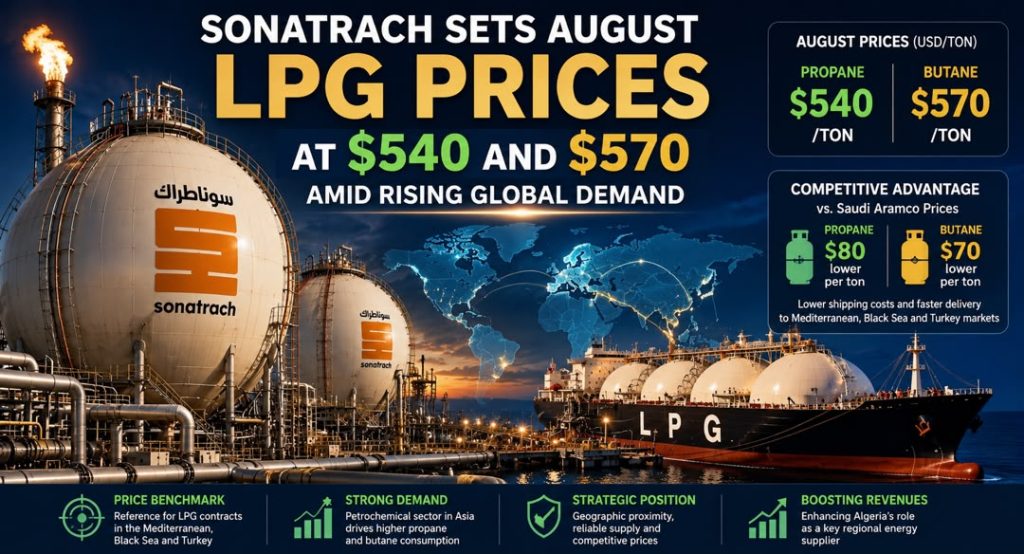
Sonatrach is once again asserting its influence in the liquefied petroleum gas (LPG) market after announcing its August pricing, strengthening the competitiveness of Algerian exports and giving the company a clear advantage over major suppliers, particularly Saudi Aramco, across the Mediterranean, Black Sea, and Turkish markets.

The Algerian energy giant set August propane prices at $540 per metric ton and butane at $570 per metric ton, compared with Saudi Aramco’s official contract prices of $620 and $640 per metric ton, respectively. This leaves Algerian propane priced about $80 lower than its Saudi counterpart and butane $70 lower, making Algerian cargoes increasingly attractive to regional buyers.

The price gap becomes even more significant when transportation costs are taken into account. Algeria’s geographic proximity to Southern Europe, Turkey, and the Black Sea reduces freight expenses and shortens delivery times, providing Sonatrach with a logistical advantage over suppliers shipping from or other distant regions.

Sonatrach’s influence extends well beyond its export volumes. Its official monthly LPG prices serve as the benchmark for contracts across the Mediterranean, Black Sea, and Turkish markets, while Saudi Aramco’s prices remain the primary reference for Asia-Pacific trade. This gives the Algerian company a strategic role in shaping regional pricing and influencing negotiations between traders, distributors, and importers.
LNG Gives Sonatrach a New Boost Toward Regional Leadership

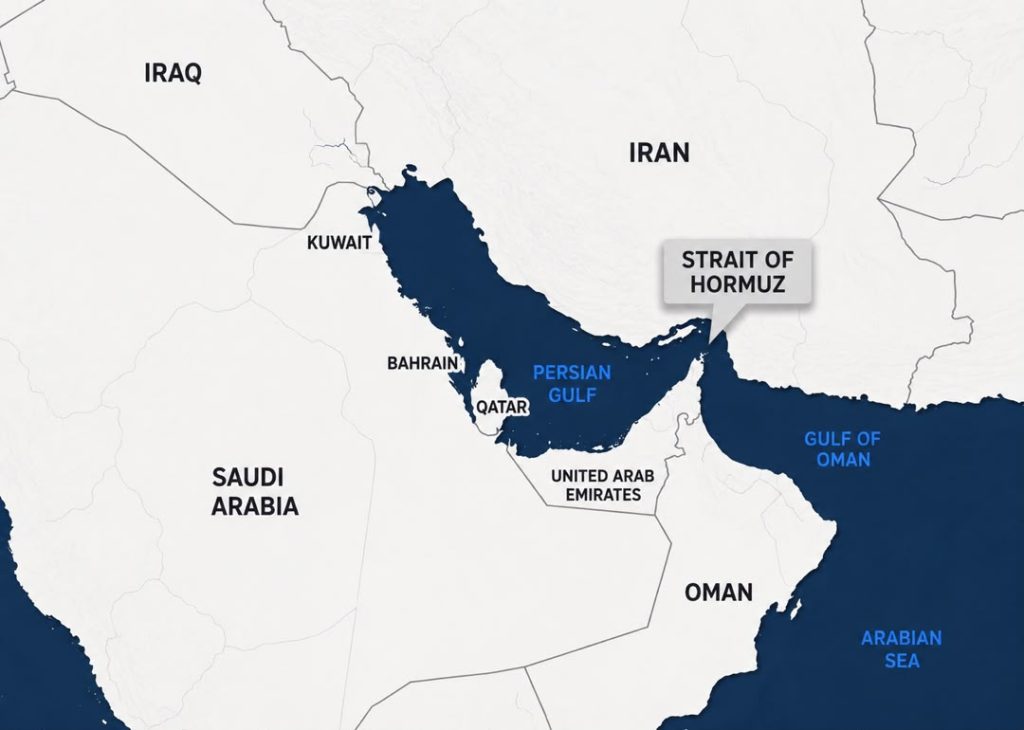
The latest pricing decision comes after a highly volatile year for global LPG markets. In April 2026, the conflict in the Middle East and the closure of the Strait of Hormuz disrupted shipments from the Gulf, sending prices sharply higher. Sonatrach raised propane to $850 per ton and butane to $900 per ton, while Aramco increased its prices to $750 and $800, respectively.

As supplies gradually recovered, Sonatrach adjusted its pricing strategy, reducing propane and butane prices in May and June before reaching $518 and $600 per ton in July. The August revision reflects the company’s ability to respond quickly to changing market conditions while preserving its competitive edge.

Demand fundamentals have also improved, particularly in Asia’s petrochemical sector. Steam crackers are expected to consume 442,000 tons of LPG during August, including 289,000 tons of propane and 153,000 tons of butane, marking the highest planned monthly consumption since December 2025. Propane remains an attractive alternative to naphtha for olefin production whenever price spreads favor LPG, while butane demand continues to be supported by gasoline blending, heating, and residential consumption.

Despite improving demand, market uncertainty persists. Supply risks in the Middle East continue to weigh on global trade, while longer shipping distances and higher freight costs limit the ability of U.S. exporters to fully replace Gulf supplies. The disruption earlier this year also highlighted the heavy dependence of major importers such as India on Middle Eastern LPG, encouraging countries to diversify their supply sources.

Against this backdrop, Algeria is benefiting from three major strategic advantages: its proximity to key importing markets, well-established production and export infrastructure for propane and butane, and Sonatrach’s position as the regional pricing benchmark for the Mediterranean basin
LNG Gives Sonatrach a New Boost Toward Regional Leadership

The new August pricing also positions Sonatrach to generate stronger returns without sacrificing market share. By maintaining prices below the Saudi benchmark while responding to improving demand, the company has reinforced its commercial competitiveness and strengthened Algeria’s role as a reliable regional energy supplier.

As global demand for LPG continues to expand across transportation, residential heating, and petrochemical industries, Sonatrach appears well positioned to increase both its revenues and regional influence. More importantly, its pricing strategy underscores Algeria’s growing role in shaping energy trade across the Mediterranean at a time when global supply chains remain under pressure and competition among exporters is intensifying.

Author
بوابة الجزائر
View my articles

Leave a comment

Your email address will not be published. Required fields are marked *

Algeria
Share this post

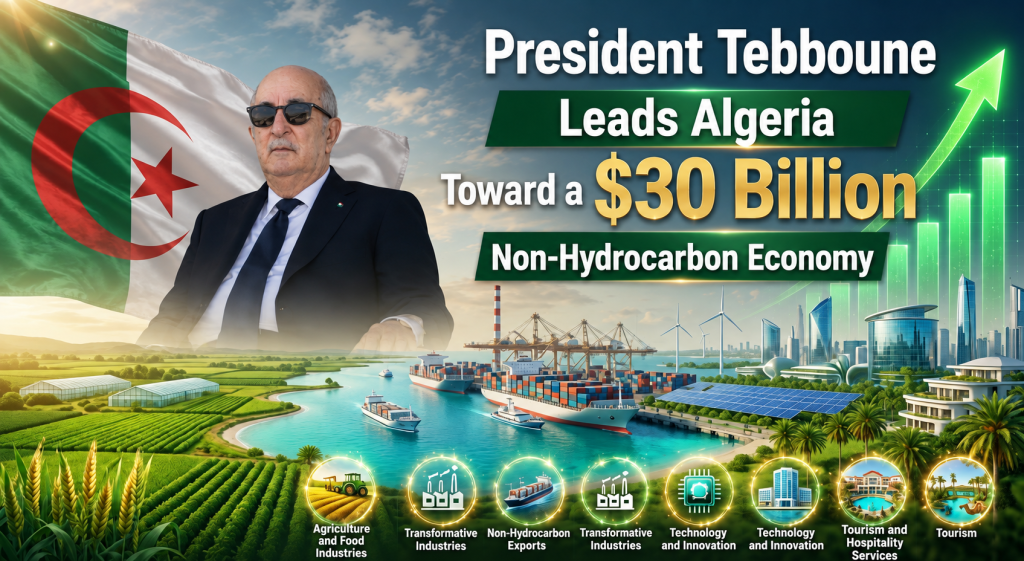
President Tebboune Leads Algeria Toward a $30 Billion Non-Hydrocarbon Economy

President Tebboune Leads Algeria Toward a $30 Billion Non-Hydrocarbon Economy

Algeria Gate: Algerian companies are targeting $30 billion in non-hydrocarbon exports by the 2029–2030 horizon, as part of an economic transformation based on expanding industrial production, reducing imports, and increasing exports of manufactured goods and refined petroleum products, alongside a seawater desalination program aimed at covering 62% of the country’s potable water needs by 2029.

President Tebboune Leads Algeria Toward a $30 Billion Non-Hydrocarbon Economy

President Abdelmadjid Tebboune stated that the enterprises under the Algerian Economic Renewal Council have committed to reaching non-oil exports of nearly $30 billion annually. This level would reduce the trade balance’s reliance on crude oil and gas revenues and raise the contribution of industry, agriculture, mining, and services to hard-currency earnings.

The target comes after non-hydrocarbon exports reached $7 billion in recent years, compared with less than $2 billion before the launch of the export-diversification policy. These exports also recorded 16% growth in the first quarter of 2026 compared with the same period in 2025, reflecting continued expansion in sales of industrial and food products, construction materials, and electrical equipment.

From $7 Billion to $30 Billion

The $30 billion goal represents a shift from gradually raising exports to building a production base regularly oriented toward external markets. In May 2026, President Tebboune had stressed the need to raise annual non-hydrocarbon exports to between $8 and $9 billion before reaching the commitment set by the Algerian Economic Renewal Council for the 2030 horizon.

Algeria is banking on expanding the list of exportable goods after new national products entered the market, including household appliances, electrical equipment, cables, industrial pumps, iron and steel, food products, construction materials, and chemical industry products.

President Tebboune Leads Algeria Toward a $30 Billion Non-Hydrocarbon Economy

President Tebboune affirmed that the competitiveness of a number of industrial branches has given a strong boost to non-hydrocarbon exports after Algerian companies moved from covering domestic demand to marketing their products in Africa, Europe, and Arab countries.

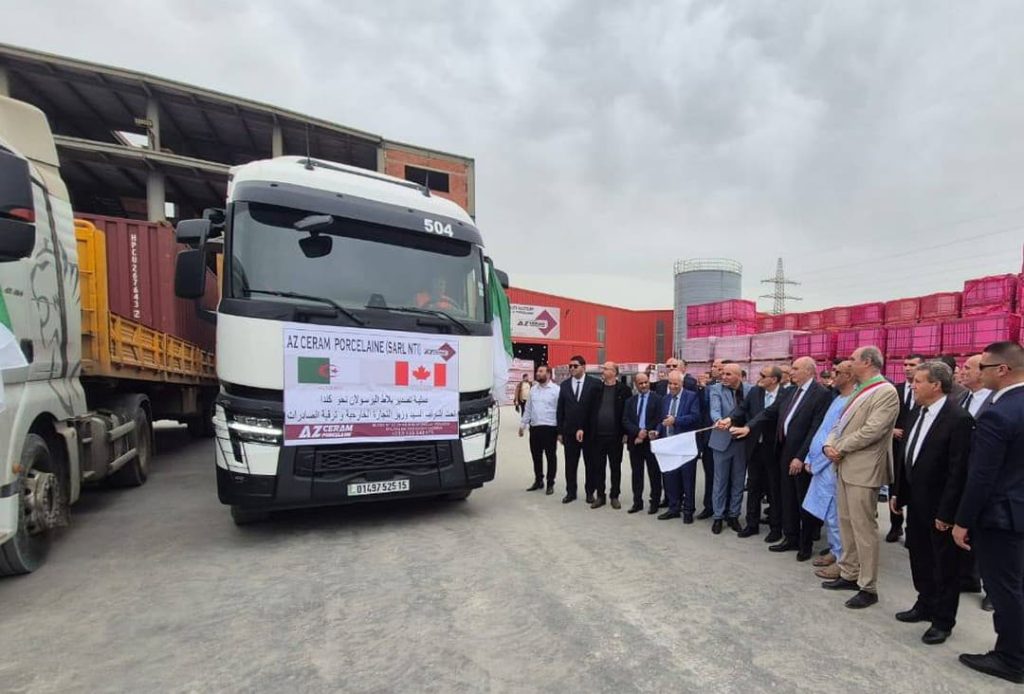
Field figures support this trajectory: in June 2026, the port of Mostaganem loaded more than 13,000 tons of non-hydrocarbon products in a single operation, while companies from Setif, Bordj Bou Arreridj, Biskra, and Jijel launched export operations of locally manufactured products to several countries in April.

Industry as a Gradual Alternative to Imports

Expanding exports is linked to a policy of substituting national production for imported goods. President Tebboune noted that Algeria now produces a wider range of manufactured goods, from electrical and household equipment to components used in industry, construction, and energy.

The new economic equation rests on reducing imports of products that can now be manufactured locally, then directing surplus production toward exports. This lowers demand for hard currency on one hand and generates new foreign-currency revenues on the other.

The ability to reach $30 billion is also tied to developing ports, logistics platforms, maritime and land transport, and storage and refrigeration facilities. In July 2026, Minister of Foreign Trade and Export Promotion Kamel Rezig stressed that logistics infrastructure is one of the fundamental pillars for raising Algeria’s non-hydrocarbon exports.

Support tools include the Export Promotion Fund covering part of international transport costs and participation in economic exhibitions, allowing companies to reduce the cost of entering distant markets and improve their competitiveness.

From Fuel Self-Sufficiency to Exporting Gasoline and Kerosene

The transformation extends to the energy sector, where Algeria has moved from importing certain types of fuel to covering domestic demand and preparing to expand exports of higher-value refined products.

According to the head of the Hydrocarbons Regulatory Authority, Algeria stopped importing fuel in 2020. President Tebboune confirmed that self-sufficiency has been consolidated since 2022 and that the country has begun exporting gasoline and kerosene.

Algeria is preparing to increase these exports with the commissioning of new projects, foremost among them the Hassi Messaoud refinery with a processing capacity of 5 million tons per year. The project aims to increase production of gasoline, diesel, and refined products to cover domestic demand and provide a regular surplus for export.

President Tebboune Leads Algeria Toward a $30 Billion Non-Hydrocarbon Economy

Sonatrach is also implementing projects to raise the capacity of the Arzew refinery, including a catalytic reforming unit that will increase gasoline production from 450,000 tons to 1.2 million tons annually, along with a complex to produce MTBE (used in gasoline manufacturing), which will allow an end to its import and the future export of the surplus.

Within its medium-term plan for 2026–2030, Sonatrach has adopted a program to develop refining, petrochemicals, and downstream industries with the aim of covering local market needs and strengthening the capacity to export finished products rather than merely marketing raw materials.

Exporting gasoline, kerosene, naphtha, and refined products gives Algeria a higher return than selling crude oil, reduces exposure of revenues to fluctuations in the price of a single commodity, and strengthens Sonatrach’s integration into the energy value chain.

Six New Plants and 62% Water Coverage

The industrial path coincides with the expansion of the water-security program after declining rainfall and rising demand for water in cities and economic sectors.

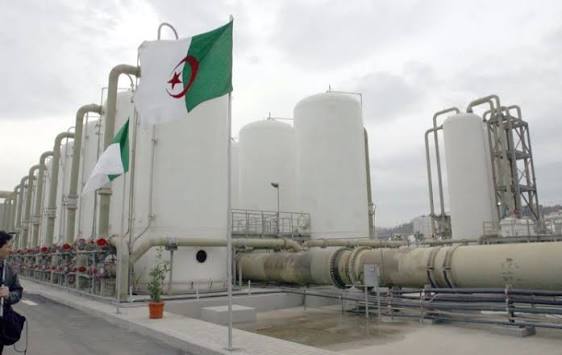
Algeria plans to build six large new seawater desalination plants, each with a capacity of 300,000 cubic meters per day, in the wilayas of Skikda, Jijel, Tizi Ouzou, Chlef, Mostaganem, and Tlemcen. Arrangements are also being prepared to transfer the produced water to 18 wilayas.

The previous program included five plants with a total capacity of 1.5 million cubic meters per day in El Tarf, Bejaia, Boumerdès, Tipaza, and Oran. Their entry into service raised the number of desalination plants to 19 and national capacity from 2.2 million to 3.7 million cubic meters per day, equivalent to about 42% of national demand for drinking water.

The new program aims to raise the contribution of desalinated water to 62% of national consumption by 2029, reducing reliance on dams and groundwater and limiting the impact of drought seasons on household and industrial supplies. President Tebboune affirmed that the expansion of desalination will place Algeria among the world’s leading countries in this field.

An Economy Based on Production and Export

These projects bring together four interconnected axes: increasing national production, reducing imports, expanding exports, and securing the basic resources necessary for investment and the population.

Reaching $30 billion in non-hydrocarbon exports requires greater industrial production, more efficient ports and transport lines, suitable bank financing, and the ability to meet international standards and delivery deadlines.

Expanding oil refining raises the value of energy exports, while the desalination program provides a stable water resource that supports cities, industrial zones, and new investments.

President Tebboune Leads Algeria Toward a $30 Billion Non-Hydrocarbon Economy

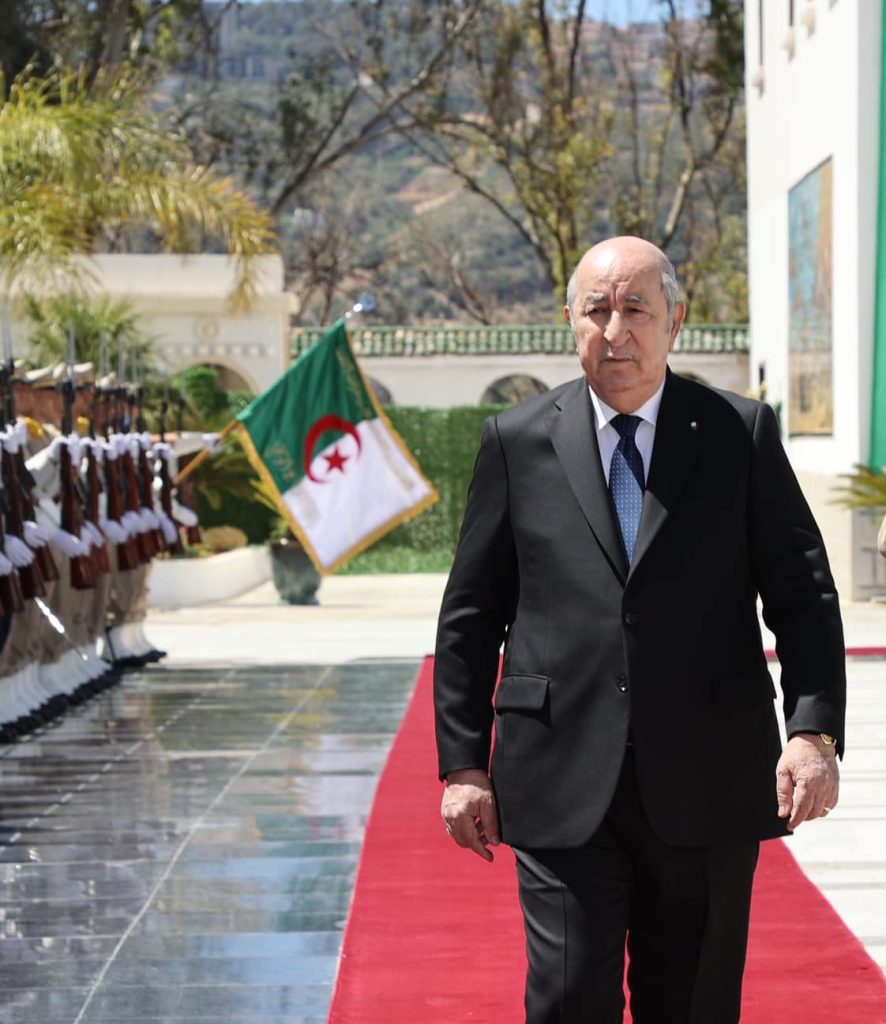
President Tebboune described the ongoing path as a break with an economy of “importing for the sake of importing,” affirming that in five years Algeria will be different from its current situation, with the expansion of industry, technology, startups, and exports. In July 2026 he also stressed that the Algerian economy has entered a new phase of production diversification that requires reviewing its trade relations and external agreements in a way that protects national industry and supports its access to markets.

Achieving the goal of $30 billion in non-hydrocarbon exports by 2029–2030 constitutes one of the most important tests of Algeria’s economic transformation. Success depends on the ability of companies to move from covering the local market to regular production according to external demand, and on converting major investments in industry, energy, water, and transport into lasting revenues, jobs, and added value within the national economy.

#Algeria#Economy#President tebboune
Author
Lys Iwannughen
View my articles
Algeria
Share this post

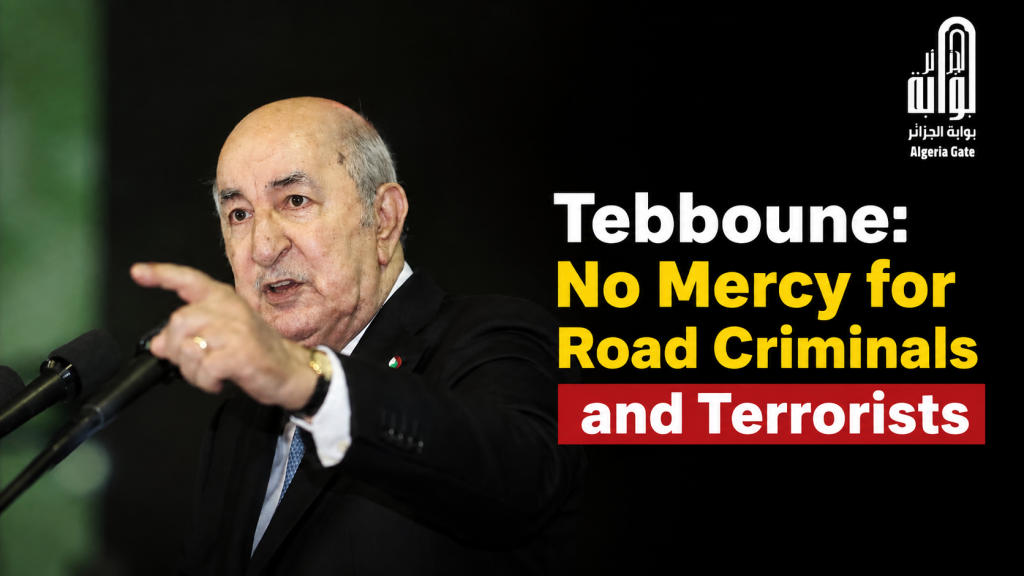
Tebboune: No Mercy for Road Criminals and Terrorists

Tebboune: No Mercy for Road Criminals and Terrorists

Algeria Gate: Algerian President Abdelmadjid Tebboune affirmed that the authorities will deal firmly with those responsible for the tragic traffic accident that occurred in Boumerdes Province, stressing that justice will take its full course with the utmost severity once investigations are completed and all circumstances of the accident are revealed.

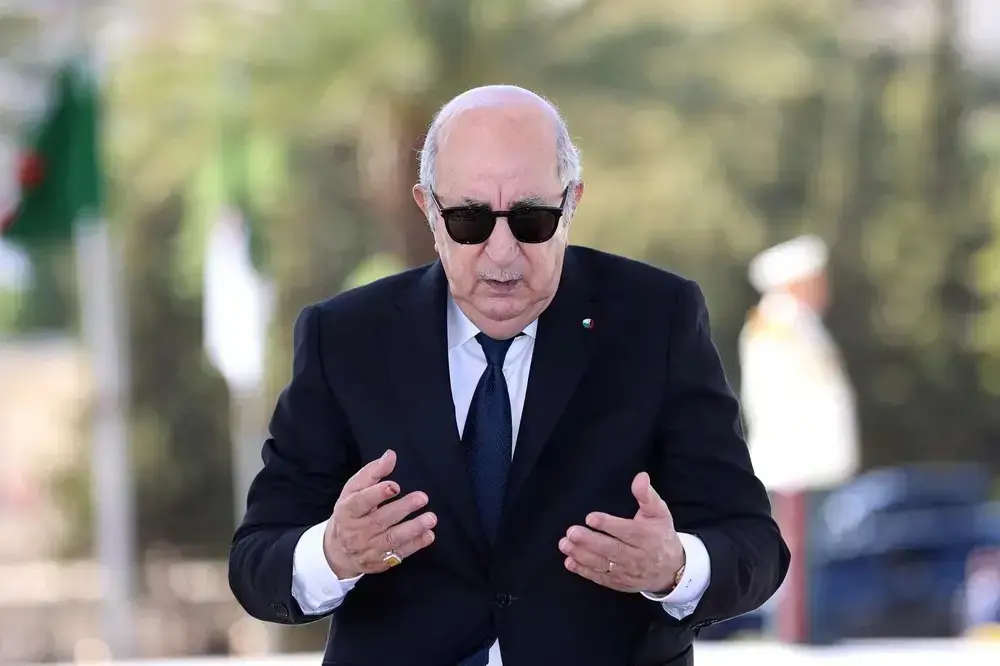
In a statement from the Presidency of the Republic, President Tebboune offered his sincere condolences and sympathy to the families of the victims, expressing his solidarity with them in this painful tragedy and wishing a speedy recovery to all the injured.

The statement clarified that the President of the Republic emphasized the need to apply the law with full firmness, affirming that justice will strike with an iron fist anyone proven to have been negligent or responsible for this catastrophe, after the ongoing investigations are concluded.

In a post published on the Algerian Presidency’s page, President Tebboune said that due to road criminals and terrorists, a fatal traffic accident occurred in Boumerdès Province, claiming the lives of a number of Algeria’s sons. He added that Algerian justice will strike with an iron fist and without mercy after the investigations reveal the circumstances of the accident.

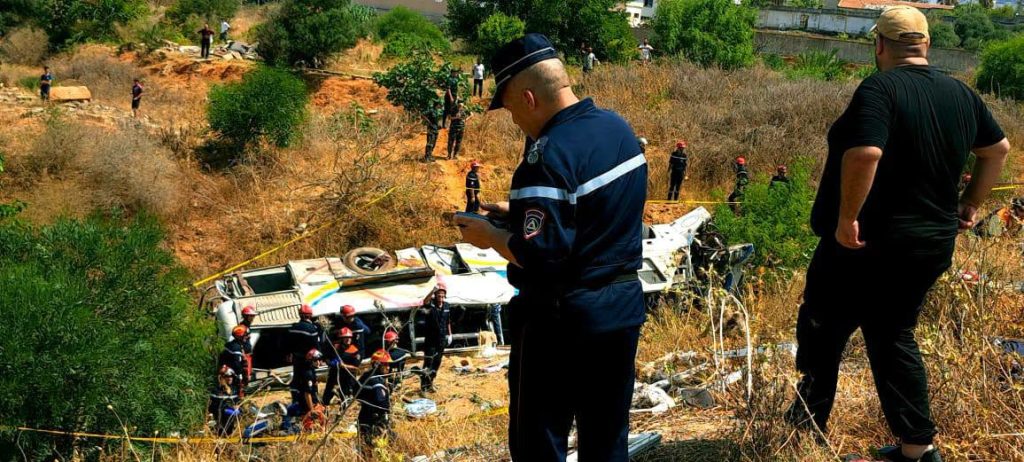
The accident occurred today, Friday, on the bypass road at Rahmoun El-Karma in the municipality and district of Boumerdes, after a passenger bus veered off course, overturned, and fell down a slope, resulting in the death of 27 people and 42 injuries.

#President tebboune
Author
Lys Iwannughen
View my articles
Algeria
Share this post

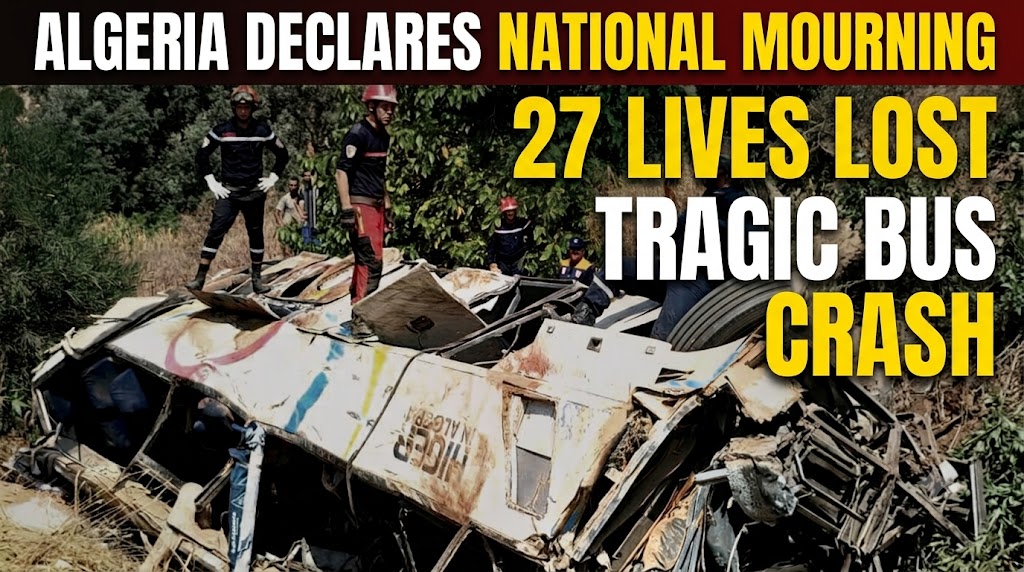
Algeria Declares National Mourning After Bus Crash Claims 27 Lives

Algeria Declares National Mourning After Bus Crash Claims 27 Lives

Algeria Gate: A passenger bus veered off the road, overturned and plunged down a slope in Algeria’s Boumerdes province on Friday morning, killing 27 people and injuring 42 others, according to civil protection authorities.

The accident occurred at approximately 9:41 a.m. on National Road 24 in the Al-Karma area of Boumerdes commune and district. Civil protection services initially reported 25 dead and 44 injured. The toll was later revised upward to 27 fatalities and 42 wounded, said Nassim Bernaoui, deputy director of statistics and information at the General Directorate of Civil Protection.

Algeria Declares National Mourning After Bus Crash Claims 27 Lives

Rescue teams were rapidly deployed, including two heavy rescue trucks and 10 ambulances. Operations to free victims and evacuate the injured to hospitals continued as specialized units worked at the scene. Authorities noted that the casualty figures remained subject to further updates.

President Abdelmadjid Tebboune expressed his deepest condolences to the families of the victims. In a message of sympathy, he stressed that justice “will strike with an iron fist and without mercy” once investigations establish the circumstances of the crash. He also declared three days of national mourning, with flags to be flown at half-mast across the country.

Algeria Declares National Mourning After Bus Crash Claims 27 Lives

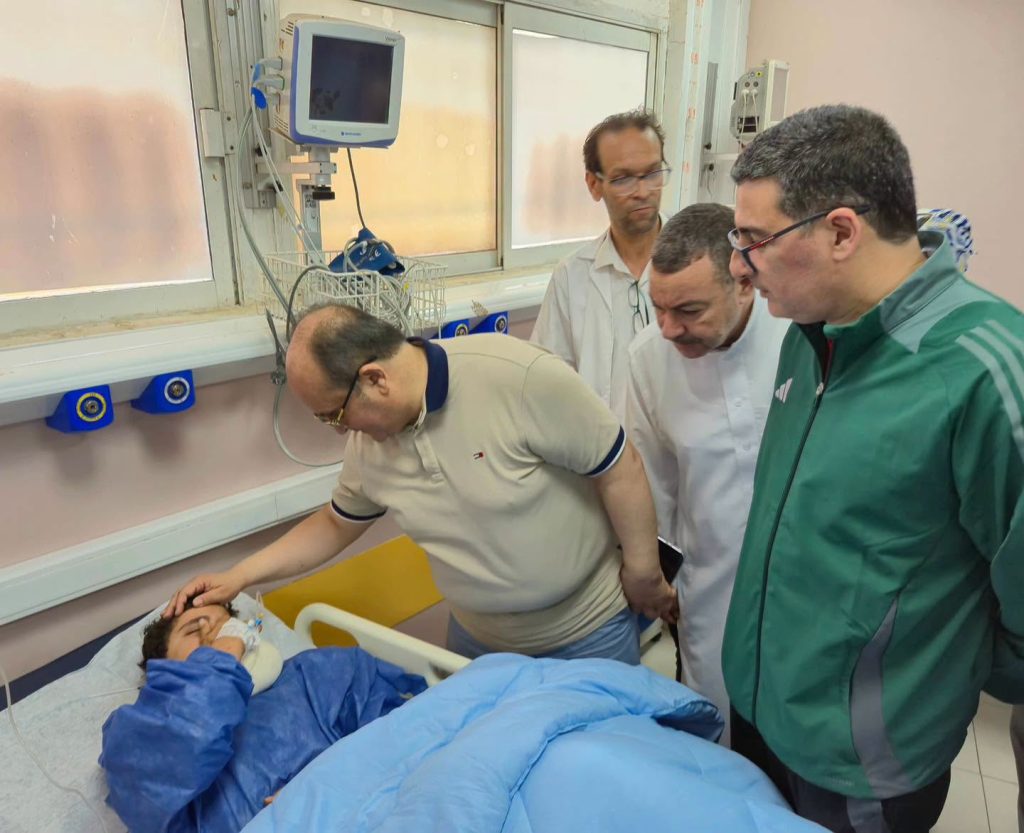
On the president’s instructions, Prime Minister Sifi Ghrieb led a ministerial delegation to Boumerdes to assess the situation on the ground. The prime minister visited the injured and reviewed the care being provided to them at hospitals in Boumerdes and Algiers.

Algeria Declares National Mourning After Bus Crash Claims 27 Lives

The crash has plunged Algeria into mourning as rescue and medical efforts continue.

#Algeria
Author
Lys Iwannughen
View my articles