

Algeria Gate: Algeria is moving forward with one of the largest infrastructure projects in its history by mobilizing international and national funding to build a railway line linking Laghouat to Tamanrasset. The project reflects the strategic importance the country attaches to developing its transport network and opening up new economic opportunities deep into Africa.
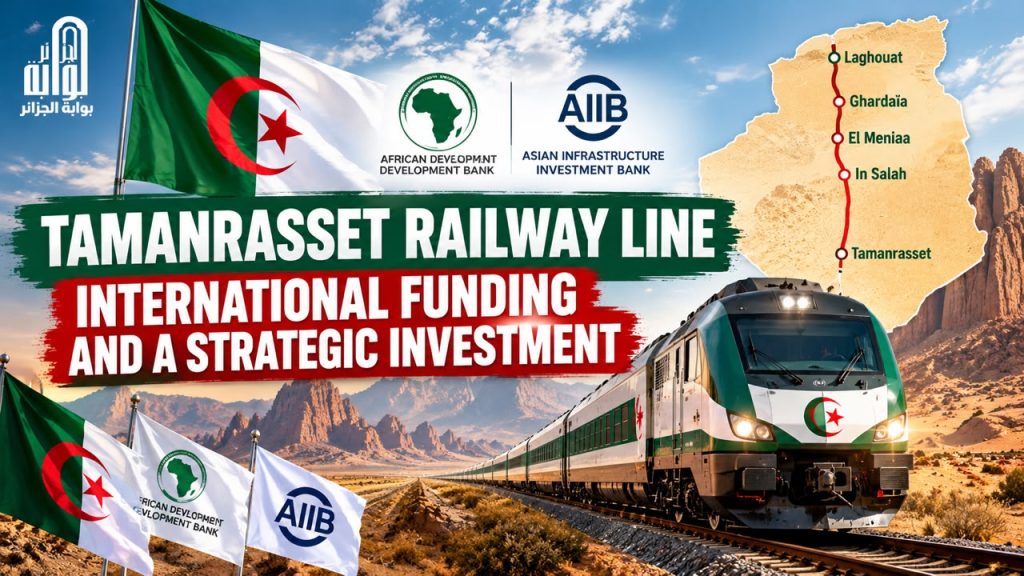
The Ministry of Public Works and Basic Infrastructure has outlined the project’s financing structure, confirming that the African Development Bank (AfDB) and the Asian Infrastructure Investment Bank (AIIB) will jointly finance part of the line, while the Algerian state treasury will cover the remaining costs. The funding arrangement takes into account the nature of the works and the scale of the required investment.
The project involves a railway corridor connecting Laghouat to Ghardaïa, El Meniaa and In Salah, before reaching Tamanrasset. It is intended to strengthen links between northern and southern Algeria and develop a transport network capable of supporting economic and urban expansion in the country’s desert regions.
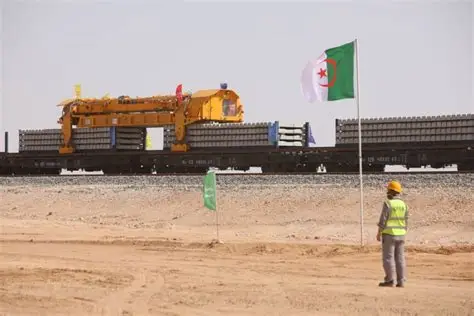
International financing for the first section
The first section, stretching 495 kilometres from Laghouat to El Meniaa via Ghardaïa, will receive joint funding from the African Development Bank and the Asian Infrastructure Investment Bank.
The Board of Directors of the African Development Bank Group has approved a loan of €747.32 million to support construction of this section, reflecting the interest of multilateral financial institutions in Algerian projects with economic and regional significance.
The second section, extending 1,080 kilometres from El Meniaa to Tamanrasset via In Salah, will be financed entirely by the Algerian state budget. This forms part of continued public investment aimed at developing infrastructure and improving access to remote southern regions.
This funding arrangement reflects Algeria’s approach of combining external financing with public investment to deliver strategic projects, particularly those requiring substantial financial resources and long implementation periods.
Economic opportunities and improved connectivity
The project’s importance goes beyond connecting Algerian cities through a modern railway network. It is also expected to facilitate the transportation of goods and raw materials, reduce logistics costs and improve passenger transport between different parts of the country.
Extending the railway to Tamanrasset could strengthen southern Algeria’s position within transport and trade networks and create opportunities for logistics hubs and industrial and commercial activities linked to freight transport. It could also support economic projects and investment in the southern provinces.
These clarifications follow the circulation of information about the nature of international financial institutions’ commitments to Algeria’s railway projects. The ministry stressed the importance of relying on official statements to ensure the accuracy of information concerning major infrastructure financing.
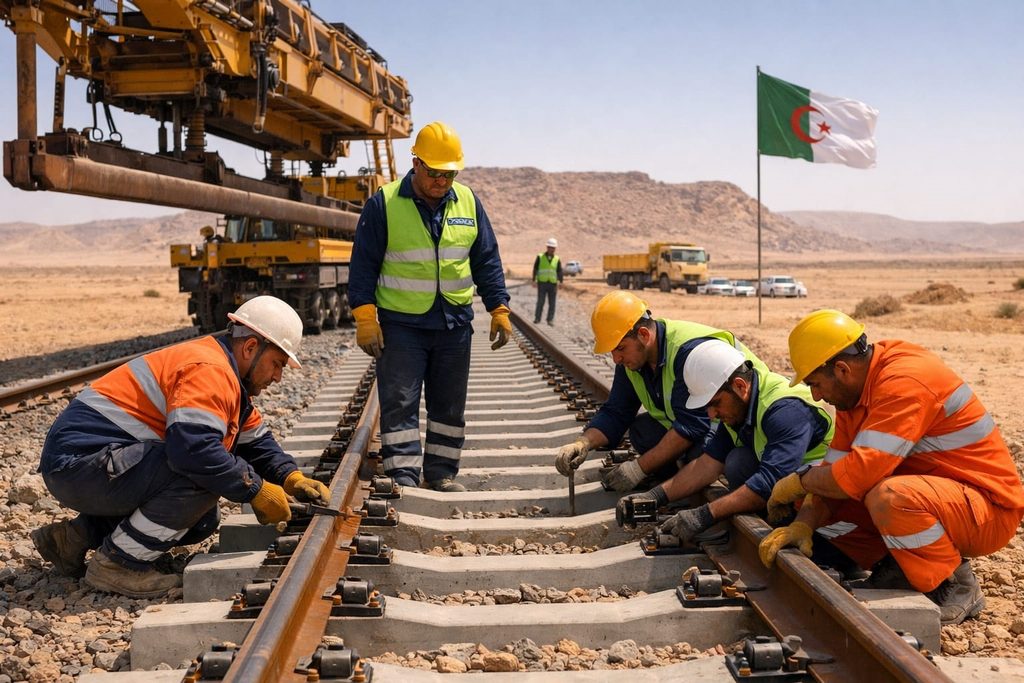
A strategic corridor linking Algeria to Africa
Through a combination of African and Asian financing and national public investment, Algeria aims to transform the Laghouat–Tamanrasset railway from a transport project into a driver of economic and regional development.
The initiative seeks to strengthen integration between northern and southern Algeria while creating conditions for greater participation in African trade.
Ultimately, the project’s ambitions extend beyond laying railway tracks across the Sahara. It aims to establish a new economic corridor that could reshape transport, trade and investment across Algeria and the wider region.