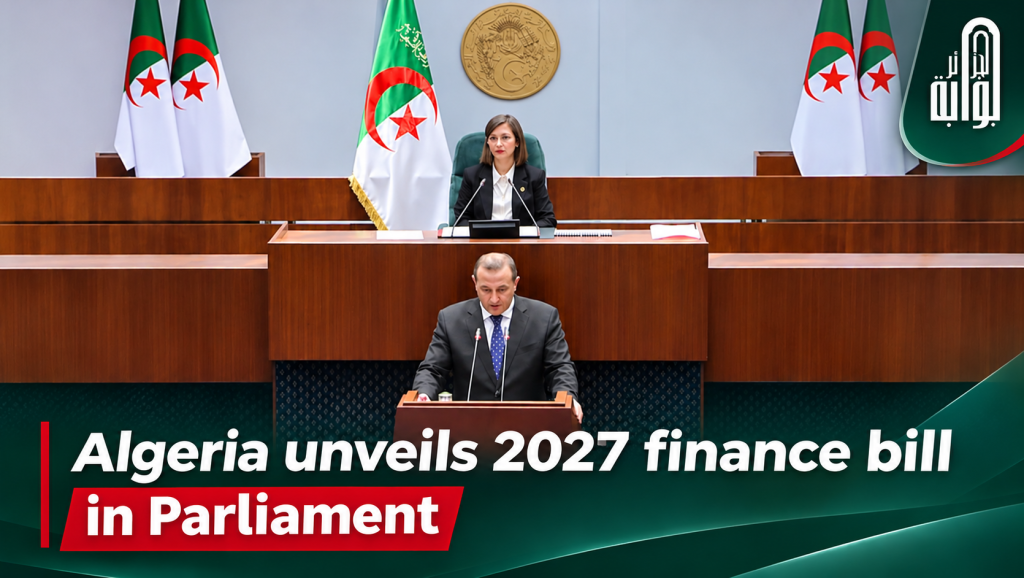
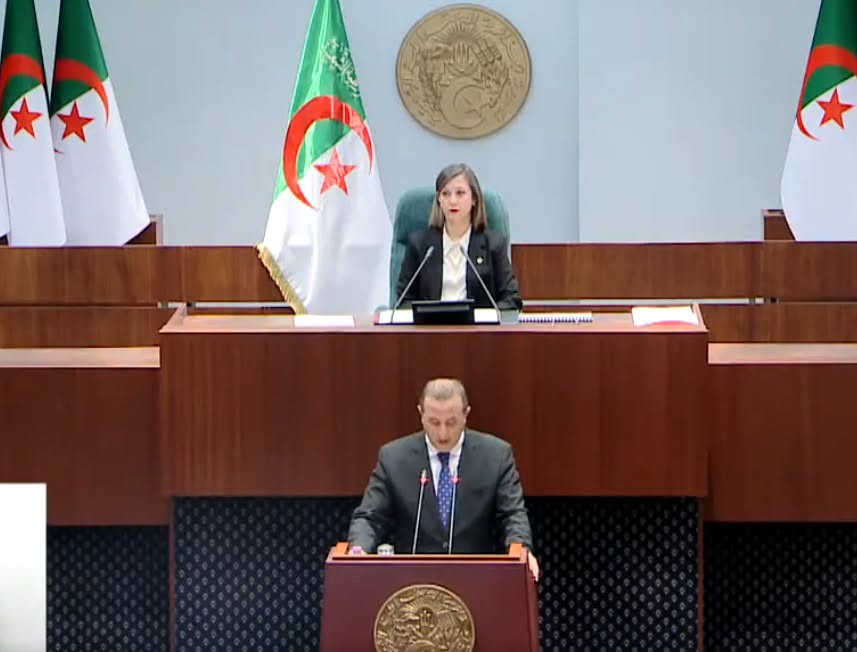
Algeria Gate: Algeria’s Minister of Finance, Mohamed Lamine Lebbou, presented the draft Finance Law for 2027 before the National People’s Assembly (APN), marking a key stage in the country’s annual budget approval process.
Speaking on behalf of the government, the minister introduced the proposed legislation during a parliamentary session dedicated to examining the country’s financial priorities and budgetary framework for the coming year.
The presentation opens an important phase of parliamentary scrutiny, during which lawmakers will assess the government’s fiscal proposals, public spending priorities, and measures intended to support Algeria’s economic development.
A crucial step in Algeria’s budget process
The 2027 Finance Bill forms part of Algeria’s annual financial planning process, establishing the legal framework for government revenue, expenditure, and fiscal policy.
The legislation is particularly significant as Algeria continues its efforts to diversify the national economy, strengthen non-hydrocarbon sectors, encourage investment, and maintain public services.
Parliamentary examination provides lawmakers with an opportunity to question government representatives, evaluate proposed financial measures, and discuss their potential implications for businesses, households, and public institutions.
Economic growth and purchasing power at the forefront
According to figures previously presented by the Finance Ministry, Algeria’s economy is projected to grow by 4.2% in 2027, supported by activity in industry, construction, services, and agriculture.
The draft budget forecasts revenue of approximately DZD 9,251.1 billion, while payment appropriations are projected at DZD 17,882.6 billion.
The proposed legislation also includes measures to encourage productive investment, modernize tax administration, improve revenue collection, and protect citizens’ purchasing power.
Among its social provisions, the bill includes planned wage increases and the extension of certain value-added tax exemptions on essential food products.
President Abdelmadjid Tebboune had previously instructed the government to incorporate salary increases into the 2027 Finance Bill while avoiding new taxes that would undermine the purchasing power of middle- and lower-income households.
Parliamentary vote scheduled for November 16
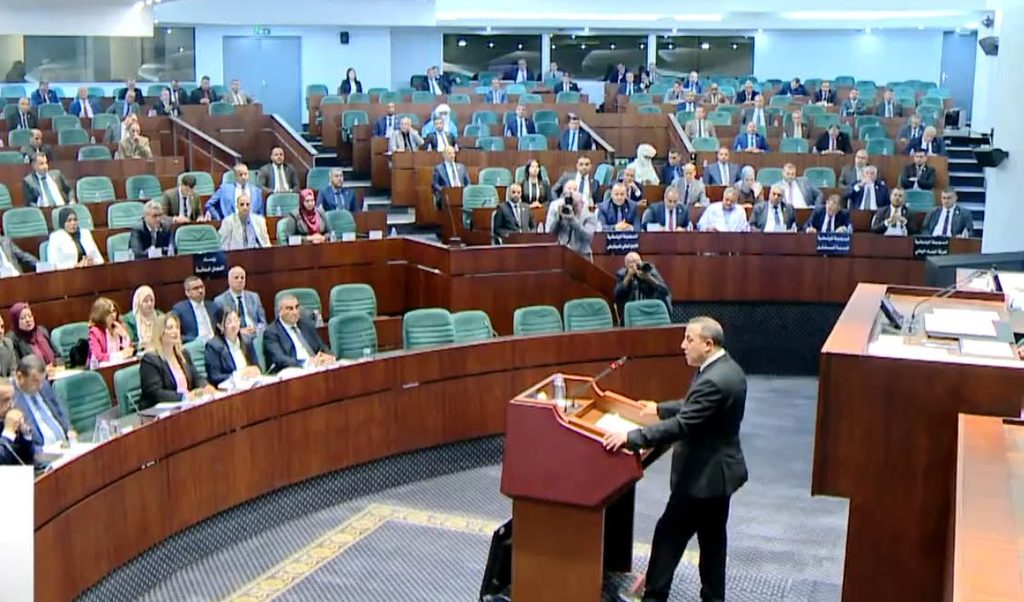
According to the National People’s Assembly’s announced timetable, the general debate will continue through Thursday, November 5, when parliamentary group leaders and the government’s representative are expected to address lawmakers’ concerns.
The bill is scheduled for a parliamentary vote on November 16, 2026.
The outcome will help determine the financial framework for Algeria’s economic and social policies in 2027, with particular attention to public investment, economic diversification, social support, and fiscal stability.