Tuesday, 3 November 2026 • 22:54 Algiers time
Algeria Gate
Share this post

Algeria and Mauritania deepen healthcare cooperation

• Author: Y.R • 0 comments • 3 views
Algeria and Mauritania deepen healthcare cooperation

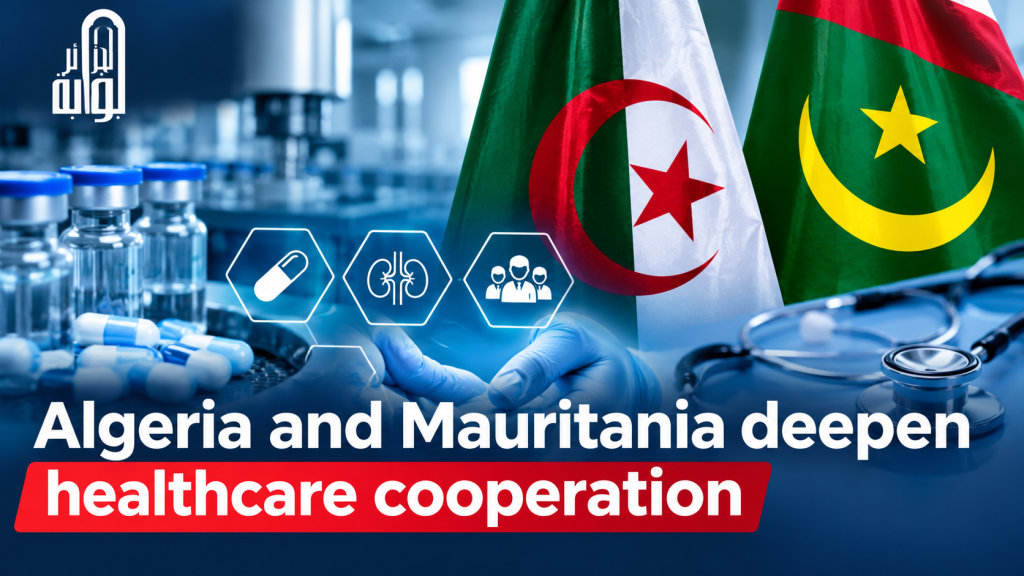
Algeria Gate: Algeria and Mauritania are moving to strengthen their bilateral partnership in the healthcare sector, with new discussions focusing on pharmaceutical manufacturing, kidney transplantation, and continuous training for medical professionals.

Mauritanian Health Minister Naha Hamdi Mouknass held talks with Algeria’s Ambassador to Nouakchott, Amine Sid, to explore opportunities for expanding cooperation across several strategic healthcare and industrial fields.

The discussions reflect both countries’ efforts to reinforce their longstanding bilateral relations while developing practical partnerships that could improve healthcare services and strengthen medical expertise.

https://twitter.com/algatedzEng/status/2117572423994257565?a=a0rnZ4LsG5TzLl2lFYM&s=20

Pharmaceutical industry and organ transplantation take center stage

A major focus of the talks was cooperation in pharmaceutical manufacturing, an area that offers opportunities for industrial development, technology exchange, and improved access to essential medicines.

Algeria’s expanding pharmaceutical production capabilities could provide a foundation for closer cooperation with Mauritania, particularly in strengthening local medicine supply chains and reducing dependence on imported pharmaceutical products.

Kidney transplantation was another key topic, highlighting the potential for collaboration in specialized medical services, knowledge transfer, and the development of advanced healthcare capabilities.

The two sides also discussed continuous training programs for healthcare professionals, recognizing the importance of developing medical expertise and improving the quality of patient care.

Such cooperation could facilitate professional exchanges, specialized training initiatives, and closer coordination between healthcare institutions in both countries.

A joint roadmap to turn commitments into action

During the meeting, both officials emphasized the importance of establishing a clear roadmap to monitor the implementation of bilateral commitments and ensure sustained progress in their healthcare partnership.

The proposed framework would help structure future cooperation, identify priority projects, and facilitate coordination between the relevant institutions.

Beyond immediate healthcare priorities, the discussions form part of broader efforts to diversify Algerian-Mauritanian cooperation into industrial and service-oriented sectors.

For Algeria, strengthening healthcare partnerships with neighboring African countries also represents an opportunity to expand its regional pharmaceutical presence and promote South-South cooperation.

For Mauritania, closer collaboration could support the modernization of its healthcare system, improve access to specialized treatments, and strengthen the professional capacities of its medical workforce.

Algeria and Mauritania deepen healthcare cooperation

Strengthening regional healthcare integration

The latest discussions underline the growing importance of healthcare cooperation in Algeria’s relations with its African neighbors.

As African countries seek to reinforce health security, expand domestic pharmaceutical production, and reduce reliance on external suppliers, regional partnerships are increasingly viewed as an important instrument for sustainable development.

Algeria and Mauritania’s renewed engagement could contribute to these objectives by encouraging the exchange of expertise, supporting industrial cooperation, and improving access to healthcare services.

While specific agreements, investment figures, and implementation timelines have not yet been announced, the emphasis on a joint roadmap signals an intention to move beyond diplomatic discussions toward more structured cooperation.

The initiative illustrates how Algeria and Mauritania are seeking to translate their bilateral relationship into practical projects with potential long-term benefits for their healthcare systems and wider economic development.

#Algeria#Economy#Mauritania
Author

Leave a comment

Your email address will not be published. Required fields are marked *

African coast
Share this post

UN Security Council: Major changes to US draft resolution on Western Sahara

UN Security Council: Major changes to US draft resolution on Western Sahara

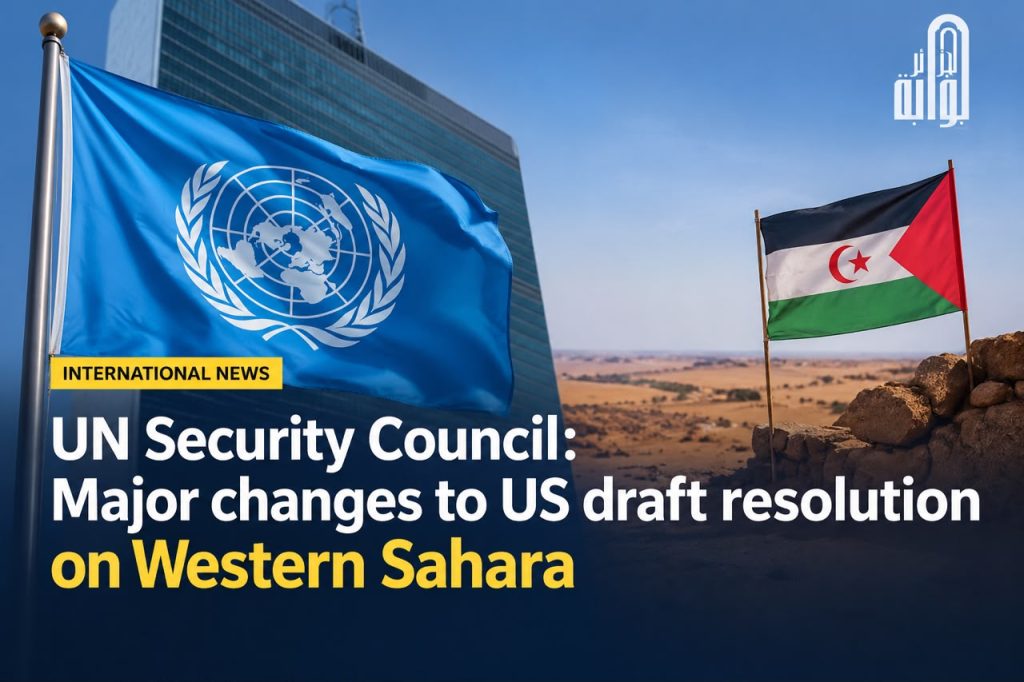
Algeria Gate: The latest version of the US draft resolution on Western Sahara introduces significant changes concerning the political settlement and the future of the United Nations Mission for the Referendum in Western Sahara (MINURSO). The revised text restores explicit reference to the principle of self-determination and drops the description of Morocco’s autonomy proposal as the “only viable solution,” according to the version dated October 24.

Self-determination returns to the forefront

One of the most notable changes concerns the wording used to describe Morocco’s autonomy proposal. The revised draft changes its status from the “only viable solution” to the “most viable solution.”

It also stresses the need for a just, lasting and mutually acceptable political settlement, consistent with the UN Charter and its principles, including the right to self-determination.

The draft calls on the parties to engage actively and constructively in the political process and submit their responses on this basis. This wording distinguishes between using Morocco’s proposal as a basis for negotiations and presenting it as the only possible outcome.

Changes to the future of MINURSO

The revised draft also changes the proposed approach to MINURSO’s future. It removes the initial plan to end the mission’s peacekeeping mandate on April 30, 2027, and transform it into a special political mission starting May 1, 2027.

Instead, the revised text leaves the mission’s future open to a subsequent Security Council decision, taking into account proposals from the UN Secretary-General and progress in the political process.

The draft also requests detailed proposals on the mission’s structure, staffing, resources and operational arrangements by January 30, 2027, giving the Council greater flexibility to assess the available options.

Reference to additional measures removed

Another significant change is the removal of a paragraph indicating that the Security Council could consider additional measures if either party failed to engage constructively in the political process.

The revised text instead emphasizes the continued leadership role of the United Nations, alongside support from the Secretary-General, his Personal Envoy and the United States in facilitating discussions. This differs from the initial draft, which placed particular emphasis on the continuing leadership role of the Personal Envoy.

What do the changes mean?

The amendments represent a retreat from some of the more definitive language in the initial draft, particularly regarding the exclusivity of Morocco’s autonomy proposal and the predetermined restructuring of MINURSO. However, the proposal remains a basis for negotiations.

The changes come amid ongoing consultations within the Security Council and discussions over the positions of the parties to the conflict, including the Polisario Front’s rejection of the initial draft, according to the information reported on the negotiations.

The revised text highlights three key elements of a potential settlement: a just and lasting solution, acceptance by both parties, and consistency with the UN Charter and its principles, including self-determination.

With changes affecting both the political framework and the future of the UN mission, the final version of the draft resolution remains subject to ongoing Security Council consultations. Attention is now focused on the outcome of the negotiations and their implications for the future of Western Sahara.

#Algeria#UN#Western Sahara
Author
African coast
Share this post

Statement from the Algerian Presidency: Algeria approves military deployment to Niger

Statement from the Algerian Presidency: Algeria approves military deployment to Niger

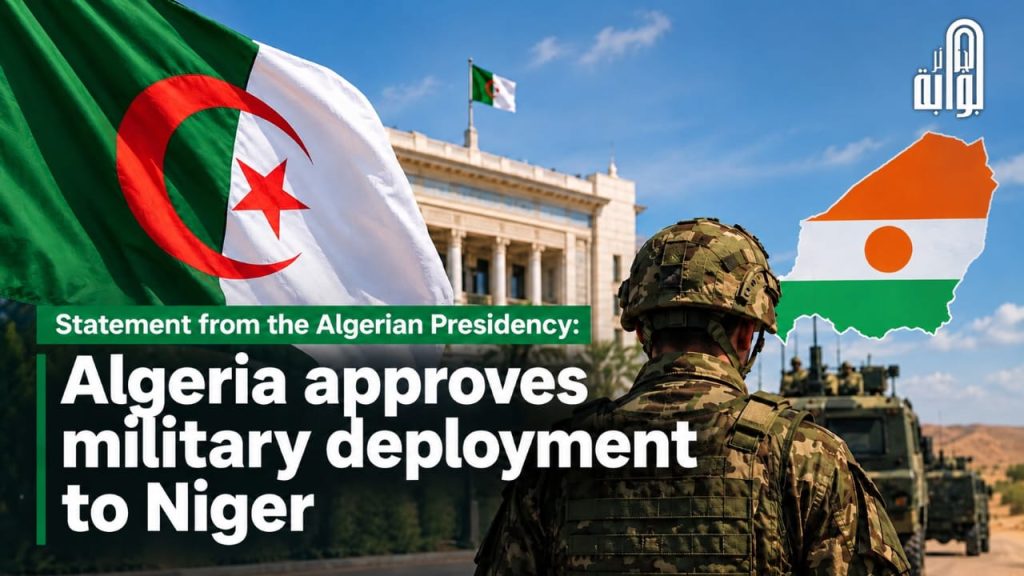
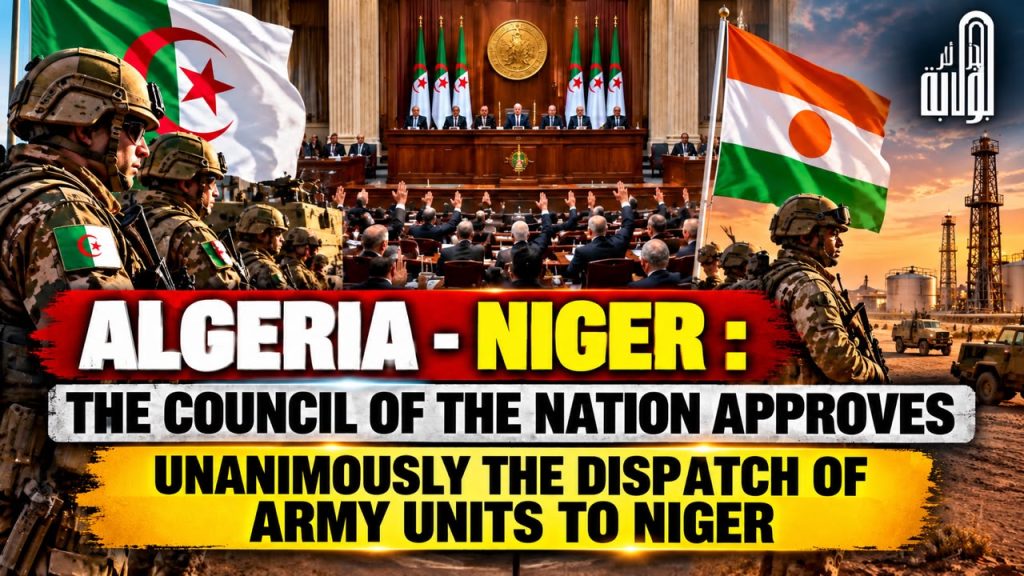
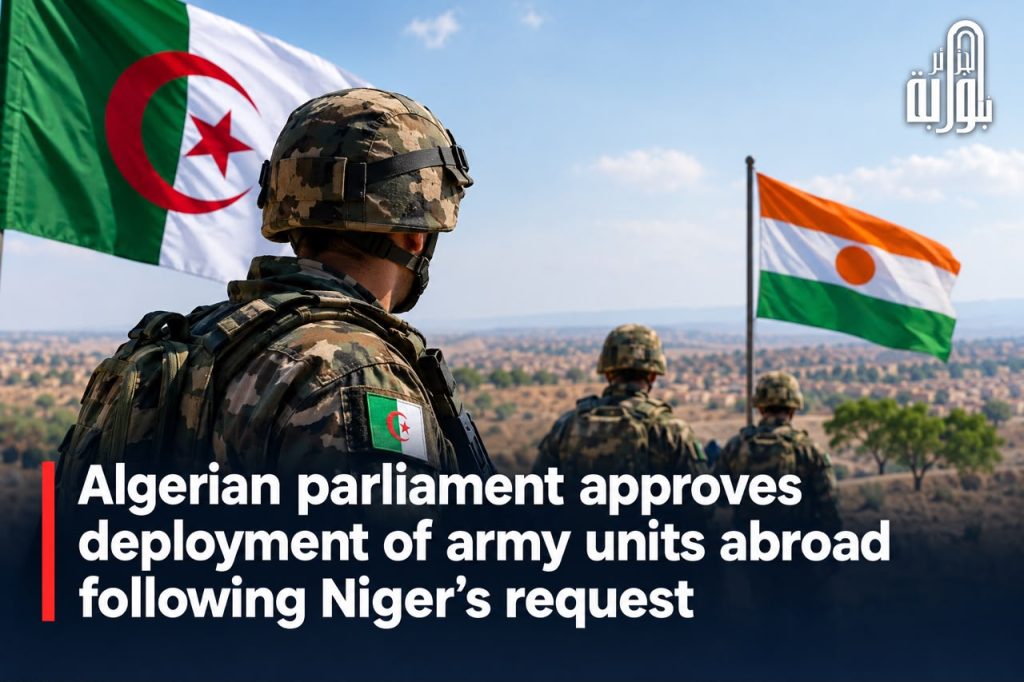
Algeria Gate: President Abdelmadjid Tebboune decided on Monday to deploy units of the People’s National Army to the Republic of Niger to protect the two countries’ shared energy and economic interests, according to an official statement issued after the Council of the Nation and the National People’s Assembly unanimously approved the decision during two closed plenary sessions held yesterday.

Statement text:

In accordance with the provisions of the Constitution, particularly Articles 30 and 91 (paragraphs 1, 2 and 7);

At the request of the Nigerien authorities;

Following unanimous approval by the Council of the Nation at its closed plenary session held on October 25, 2026;

Following unanimous approval by the People’s National Assembly at its closed plenary session held on October 25, 2026;

Mr. Abdelmadjid Tebboune, President of the Republic, Supreme Commander of the Armed Forces and Minister of National Defence, decided on Monday, October 26, 2026, to deploy units of the People’s National Army to the Republic of Niger in order to ensure the protection of shared Algerian-Nigerien energy and economic interests.

#Algeria#Niger#President tebboune
Author
African coast
Share this post

Algeria–Niger: Tebboune’s historic decision makes international headlines

Algeria–Niger: Tebboune’s historic decision makes international headlines

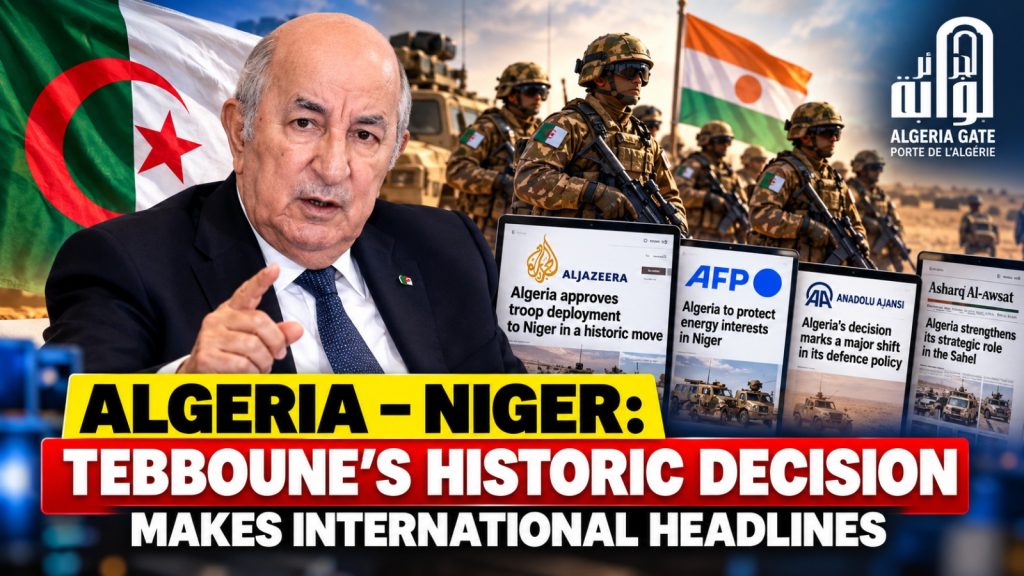
Algeria Gate: Algeria’s decision to authorize the deployment of a military unit to Niger has attracted significant attention from international media, with outlets including Al Jazeera, Agence France-Presse (AFP), and Anadolu highlighting a potential turning point in the country’s defense policy and its role in Sahel security.

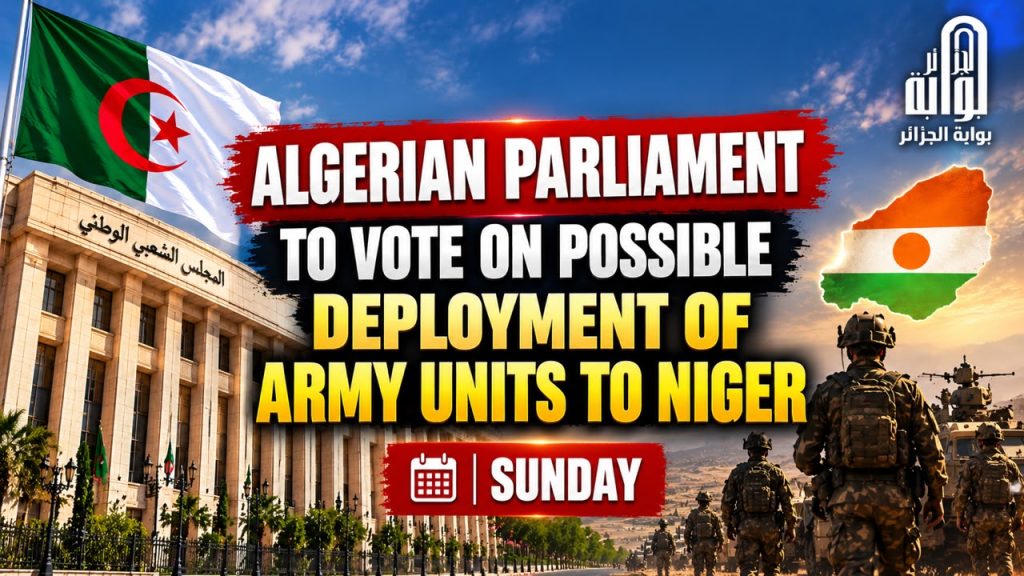
On Sunday, October 25, Algeria’s Council of the Nation unanimously approved President Abdelmadjid Tebboune’s request to authorize the deployment of a unit of the People’s National Army (ANP) to Niger.

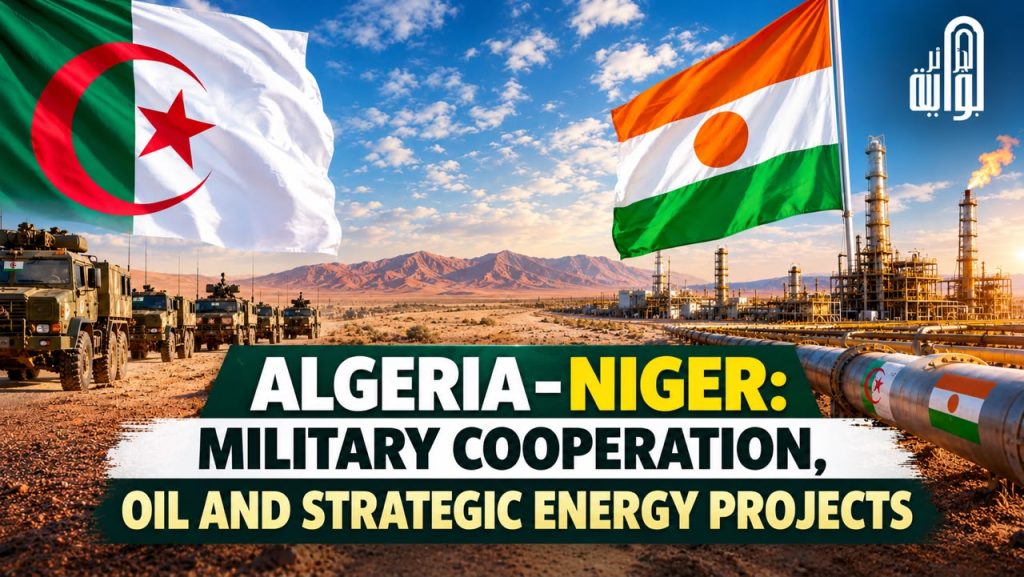
According to reports cited by several media outlets, the mission is expected to focus, in particular, on protecting energy infrastructure and Sonatrach’s oil investments in the neighboring country.

https://twitter.com/algatedzEng/status/2114340551516627257?s=20

Al Jazeera describes the decision as historic

Al Jazeera highlighted the exceptional nature of the decision, noting that such a deployment would mark the first of its kind since the October 1973 War.

The Qatari broadcaster also pointed to growing strategic ties between Algiers and Niamey, following the recent signing of a military cooperation agreement and increased diplomatic and security exchanges between the two countries.

https://www.aljazeera.com/news/2026/10/25/algerian-parliaments-upper-house-approves-troop-deployment-to-niger?utm

AFP highlights the protection of energy infrastructure

Agence France-Presse reported that the vote by Algerian senators aims primarily to enable the protection of energy facilities in Niger.

The agency also placed the initiative within the broader context of bilateral cooperation to address armed groups, cross-border crime, and security threats across the Sahel.

Algeria senate approves sending troops to Niger: senator – Africa – World – Ahram Online

Anadolu points to a shift in Algeria’s military policy

Turkish news agency Anadolu described the parliamentary vote as a significant development in Algeria’s defense policy.

The agency referred to Article 91 of the Algerian Constitution, which allows the president to authorize the deployment of military units abroad, subject to approval by a two-thirds majority in each chamber of Parliament.

https://www.aa.com.tr/fr/afrique/algérie-le-parlement-vote-à-l-unanimité-une-décision-visant-l-envoi-des-unités-de-l-armée-au-niger/4100227?utm

The decision comes just days after Algeria and Niger signed a military cooperation agreement, further strengthening security ties between the two countries.

Arab media focus on Algeria’s security priorities

Saudi newspaper Asharq Al-Awsat reported on preparations for the decision as early as October 24, highlighting regional security concerns and the possibility of a greater Algerian military role in Niger.

Meanwhile, Al Araby emphasized the protection of energy and oil projects amid persistent threats from armed groups operating in the Sahel.

A new dimension to Algeria’s regional role

Beyond its military implications, the decision underscores Niger’s growing strategic importance to Algeria.

Cooperation between the two countries covers several key areas, including border security, counterterrorism, the protection of investments, and economic partnerships.

For Algiers, the challenge also lies in safeguarding its strategic interests in a region undergoing significant geopolitical changes.

The decision has drawn international attention, although key details surrounding a potential deployment remain unclear. At the time of the initial reports on Sunday, a vote by the National People’s Assembly was still expected.

The precise terms of the deployment, including the number of troops involved and the timeline, had not been publicly detailed.

The international media coverage reflects considerable interest in Algeria’s decision, but does not indicate a unanimous position for or against the initiative.

#Algeria#Niger
Author