Algeria has achieved a notable milestone at both continental and global levels, ranking first in Africa in the 2026 Resilient Food Systems Index (RFSI), published by Economist Impact. The country placed 32nd worldwide with a score of 64.66 points, in an index that measures nations’ ability to ensure stable food availability and accessibility despite accelerating global challenges.
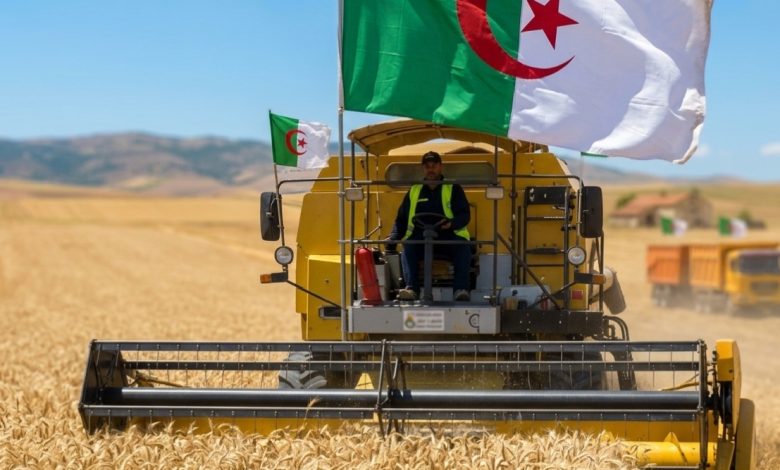
This ranking highlights Algeria’s growing position in the field of food security, as it has succeeded in building a food system capable of adapting to economic fluctuations and disruptions in global supply chains, amid an international context marked by increasing climate and geopolitical instability.
Growing capacity to withstand crises
According to the report, Algeria topped the African rankings, ahead of South Africa, which ranked 38th globally with 62.65 points, and Egypt, which came 39th with 62.18 points.
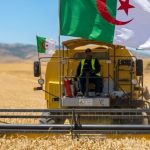
The index underscores Algeria’s strong capacity to cope with global supply chain challenges, particularly in the face of price volatility and trade disruptions. This performance reflects public policies focused on boosting domestic production, improving distribution mechanisms, and ensuring the availability of essential food products at affordable prices.
It also indicates steady progress in food security and sustainable development indicators. Algeria has previously achieved advanced positions in similar international reports in recent years, reinforcing its status as a regional player in this strategic sector.
At the Arab level, Algeria ranked fourth, behind countries such as Qatar and Saudi Arabia, in an index that evaluates 60 countries worldwide based on 71 quantitative and qualitative indicators.
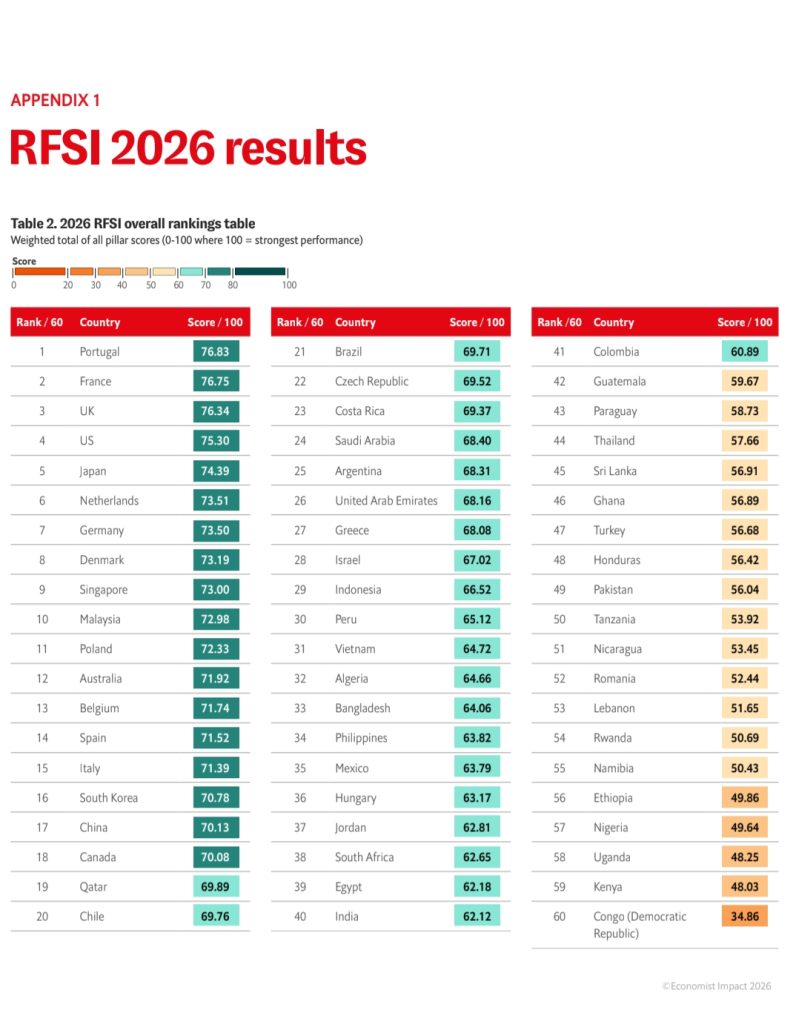
Globally, Portugal topped the rankings with 76.83 points, benefiting from its agricultural diversity and policies supporting healthy food systems. The report also revealed a gap of more than 40 points between the most resilient and the most vulnerable food systems, highlighting the scale of challenges still facing many countries.