Monday, 23 November 2026 • 20:34 Algiers time
Algeria Gate
Share this post

Air Algérie Cargo: A Strategic Shift to Transform Algiers into a Global Logistics Hub

• Author: بوابة الجزائر • 0 comments • 187 views
Air Algérie Cargo: A Strategic Shift to Transform Algiers into a Global Logistics Hub

With Plans to Triple Freight Volume by 2029, the National Carrier Invests in Infrastructure and Fleet Conversion to Boost Global Trade

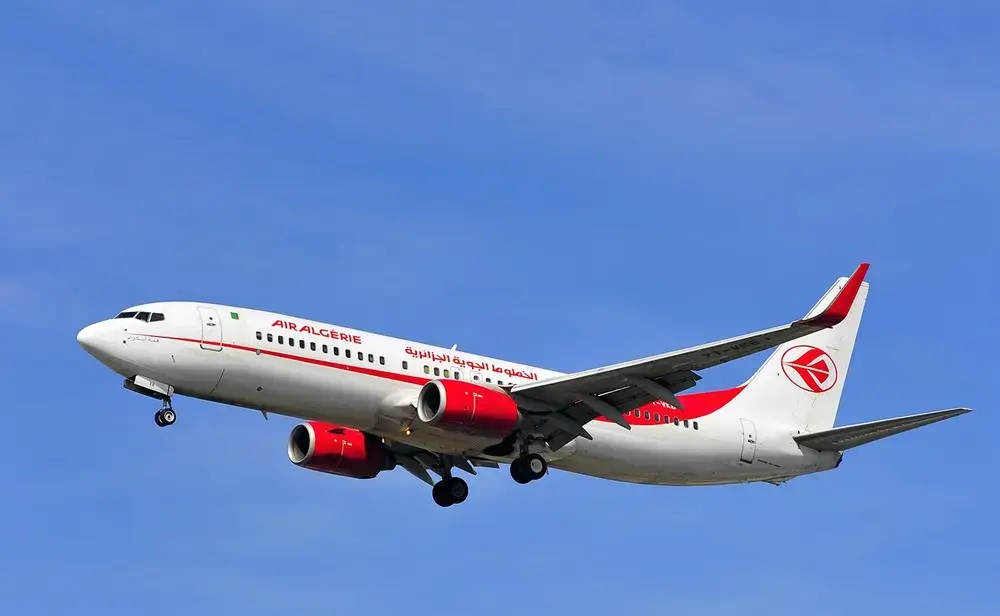
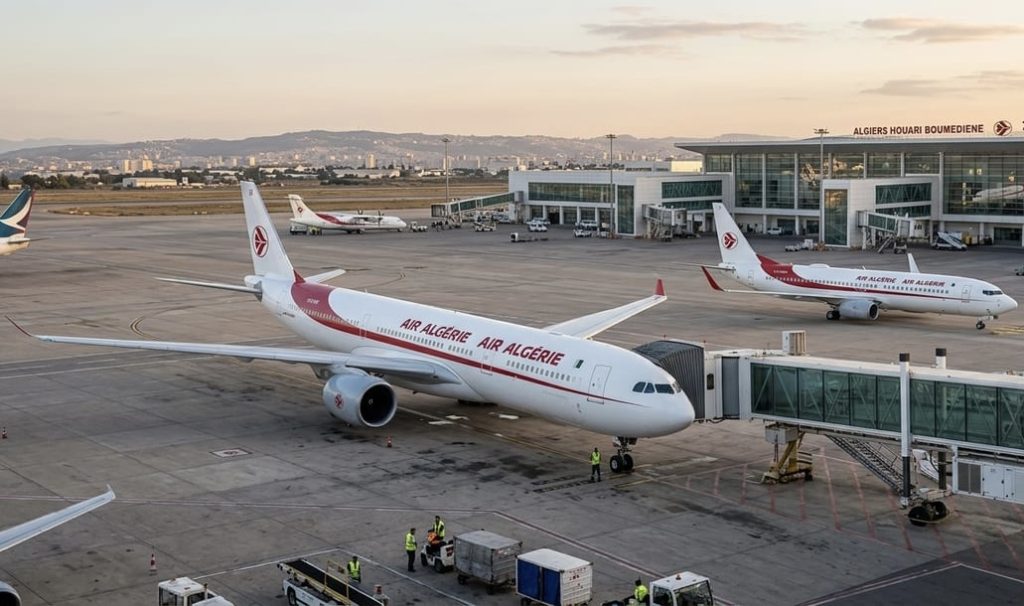
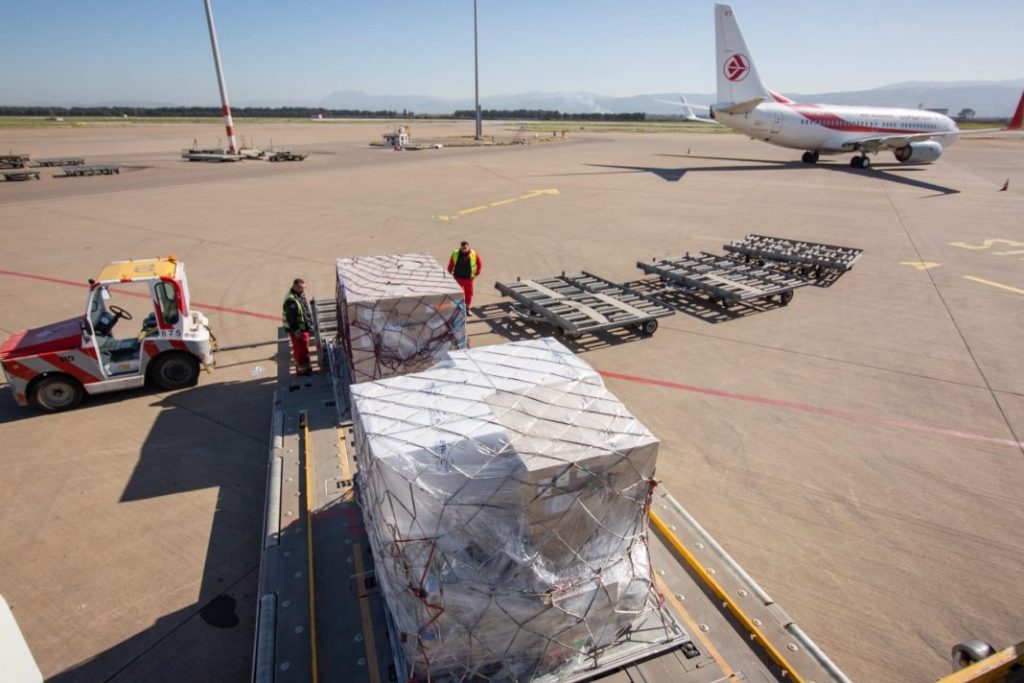
ALGIERS – Following its fleet renewal and network expansion, Air Algérie has embarked on a major new undertaking: the large-scale development of its air freight subsidiary. The ultimate goal is to position Algiers Airport as a future regional logistics hub.

On Thursday evening, Air Algérie formalized this ambition by signing a strategic partnership with the Algiers Airport Management Company (SGSIA) to significantly bolster its cargo capacities.

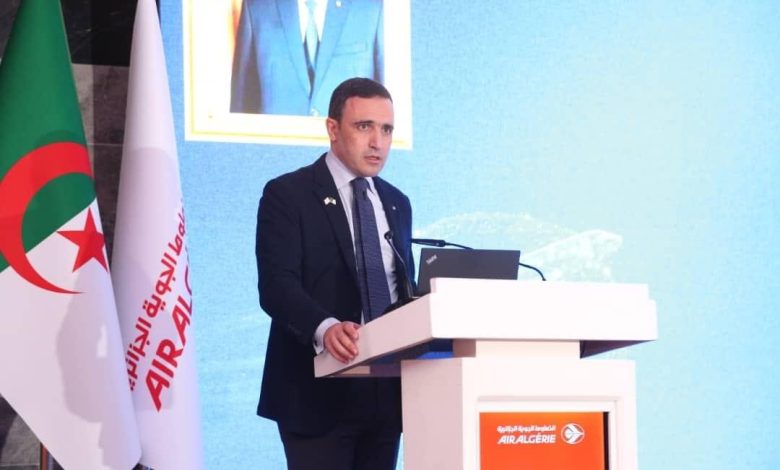
During the event, Air Algérie CEO Hamza Benhamouda explained that the project rests on two pillars. The immediate priority involves the rehabilitation of existing cargo infrastructure at Algiers Airport’s Terminal 3. Simultaneously, the company will oversee the construction of a new, state-of-the-art cargo center built to international standards.

This new facility will be self-financed, Mr. Benhamouda assured, adding that Air Algérie has secured a 30-year operating contract. “This project represents a qualitative leap in air freight management, combining infrastructure investment with modernized management and a performance-driven economic approach,” he stated.

65,000 Tons by 2029 As Algeria experiences an economic resurgence, Air Algérie is preparing for a significant surge in demand. According to forecasts shared by Mr. Benhamouda, cargo activity is expected to skyrocket from 19,000 tons in 2023 to over 65,000 tons by 2029—effectively tripling the volume in just six years.

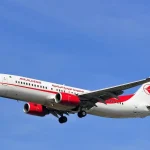
To meet these targets, the carrier is leveraging its fleet renewal program. Older passenger aircraft are being converted into dedicated freighters. Under a three-year investment plan, five aircraft will undergo conversion. “Upon completion, the cargo fleet will consist of two Airbus A330-200s, two Boeing 737s, and two ATR freighters,” revealed Benhamouda, noting that the belly-hold capacity of regular passenger flights also remains fully available for freight.

A Pillar for the National Economy Abdelkader Salmi, Director General of Air Algérie Cargo, described the partnership as a “new milestone.” He emphasized that air freight has become a vital pillar in supporting the national economy and enhancing its access to international markets. The objective is to turn Algeria into a “logistics platform capable of attracting global trade flows.”

For his part, Mokhtar Saïd Mediouni, CEO of SGSIA, highlighted the synergy between the two entities. He noted that the new cargo center is part of a global strategy to modernize logistics infrastructure and bring processing capacities in line with top international standards.

Air Algérie is now operating on multiple fronts—from fleet acquisition and international redeployment to cargo development—positioning itself to finally realize its vast potential in the global aviation market.

Source: lalgerieaujourdhui.dz

Author
بوابة الجزائر
View my articles

Leave a comment

Your email address will not be published. Required fields are marked *

Algeria
Share this post

Air Algérie and Algiers Airport Authority Sign MOU to Establish a State-of-the-Art Air Cargo Hub

Air Algérie and Algiers Airport Authority Sign MOU to Establish a State-of-the-Art Air Cargo Hub

ALGIERS (APS) – The Air Algérie Group and the Algiers Airport Services and Infrastructure Management Company (SGSIA) have signed a Memorandum of Understanding (MOU) to establish a modern air cargo hub. This project aims to enhance logistical efficiency and keep pace with the ongoing economic developments in the country.

Air Algérie and Algiers Airport Authority Sign MOU to Establish a State-of-the-Art Air Cargo Hub

The agreement was signed by Hamza Benhamouda, CEO of Air Algérie, and Mokhtar Said Mediouni, CEO of SGSIA, in the presence of the CEO of Sonatrach, the Director General of Customs, the Director General of the Algerian Investment Promotion Agency (AAPI), and the President of the National Union of Public Contractors (UNEP).

Air Algérie and Algiers Airport Authority Sign MOU to Establish a State-of-the-Art Air Cargo Hub

Managed by Air Algérie Cargo, the “Algiers Cargo” project will be located in the southeastern zone of the airport. The works include the rehabilitation of Terminal 3, converting the 10,530 m² building—with a storage capacity of 25,500 m³—into a centralized operations hub, complete with a commercial agency and administrative offices.

Infrastructure and Timeline The hub, scheduled for completion within 12 months, will feature specialized zones for import/export processing, modern warehouses, cold rooms for sensitive and pharmaceutical products, rapid sorting areas, and dedicated spaces for customs and inspection. Additionally, the project includes a future expansion of 5,000 m² (15,000 m³ storage capacity) to be completed within 24 months, alongside a modern three-story administrative building.

Economic Integration and Trade Expansion During the ceremony, Mr. Benhamouda emphasized that this project aligns with national efforts to diversify the economy and promote non-hydrocarbon exports. He highlighted its role in activating economic integration mechanisms, such as the African Continental Free Trade Area (AfCFTA), to create new trade opportunities.

“Developing the air cargo hub represents a qualitative shift in managing this activity by combining infrastructure investment with modern management methods and integrated digital systems,” Benhamouda stated. The project follows a self-financing model with a 30-year operating contract, ensuring strategic sustainability.

Targeting International Markets The hub aims to accelerate operations and significantly increase capacity. Projections indicate that cargo volume will rise from approximately 19,000 tons in 2023 to over 65,000 tons by 2029.

Air Algérie and Algiers Airport Authority Sign MOU to Establish a State-of-the-Art Air Cargo Hub

Data shows a surge in air cargo activity:

  • 2023: 5.26% growth.
  • 2024: A “qualitative leap” of 31%.
  • 2025: Sustained growth momentum exceeding 25%.
  • 2026: Upward trend expected to continue, reflecting rising demand and confidence in national cargo capabilities.

To support this growth, Air Algérie is converting five aircraft for cargo use, bringing its total freighter fleet to six. This expansion targets promising markets in Africa, Asia, Europe, and North America.

Strategic Partnerships Mr. Benhamouda also revealed that a strategic partnership agreement between Air Algérie Cargo and Ethiopian Airlines will be signed “soon” to optimize network utilization across the continent.

For his part, Mr. Mediouni highlighted that the hub adheres to the highest international standards, integrating advanced digital technologies. Meanwhile, Abdelkader Salmi, Director General of Air Algérie Cargo, stated that the center will transform Algiers Airport into a “regional logistical platform” capable of attracting global trade flows, particularly towards African markets such as Nouakchott, Dakar, and N’Djamena.

Author
بوابة الجزائر
View my articles
Economy
Share this post

Algeria to Become Arab World’s 4th Largest Economy by 2026, IMF Data Shows

Algeria to Become Arab World’s 4th Largest Economy by 2026, IMF Data Shows

ALGIERS – Algeria is redefining the Arab economic landscape with remarkable growth projections. According to recent International Monetary Fund (IMF) estimates, the country is set to secure its position as the fourth-largest Arab economy by 2026, based on Purchasing Power Parity (PPP).

The nation’s Gross Domestic Product (GDP) under this metric reached $915.79 billion, reflecting a robust productive and consumer capacity that far exceeds traditional indicators based on standard exchange rates. These figures, rooted in the IMF’s World Economic Outlook report (October 2025), highlight a qualitative leap for the Algerian economy.

Algeria has emerged as a pivotal economic powerhouse in the region, outperforming most Maghreb nations and approaching the “trillion-dollar economy” milestone. In the 2026 rankings for Arab economies:

Saudi Arabia leads with a GDP of $2.85 trillion (ranking 16th globally).

Egypt follows with $2.53 trillion.

The United Arab Emirates ranks third at $999.95 billion.

Algeria holds the fourth spot at $915.79 billion.

Rounding out the top ten are Iraq ($739.13B), Morocco ($457.52B), Qatar ($410.58B), Kuwait ($285.9B), Oman ($245.87B), and Tunisia ($193.56B).

On the global stage, Algeria climbed to the 39th position, surpassing advanced European economies such as Switzerland, which recorded approximately $909.09 billion by the same standard.

Drivers of Growth

This distinguished performance is attributed to several key factors. Most notably, the Algerian economy has capitalized on surging energy prices and the rising global demand for natural gas. This windfall has bolstered foreign exchange reserves and enabled the financing of strategic projects in the mining and manufacturing sectors.

Furthermore, the government has strategically channeled financial surpluses from hydrocarbon exports into diversifying the productive base. This includes significant investments in new gas fields and the development of industrial value chains. Complementing these efforts, political stability and sustained growth in non-hydrocarbon sectors have played a vital role in enhancing productive capacity and mitigating the impact of exchange rate fluctuations.

Author
بوابة الجزائر
View my articles
Economy
Share this post

South Korean envoy to be dispatched to Algeria as part of plan to secure crude oil supplies amid Strait of Hormuz crisis

South Korean envoy to be dispatched to Algeria as part of plan to secure crude oil supplies amid Strait of Hormuz crisis

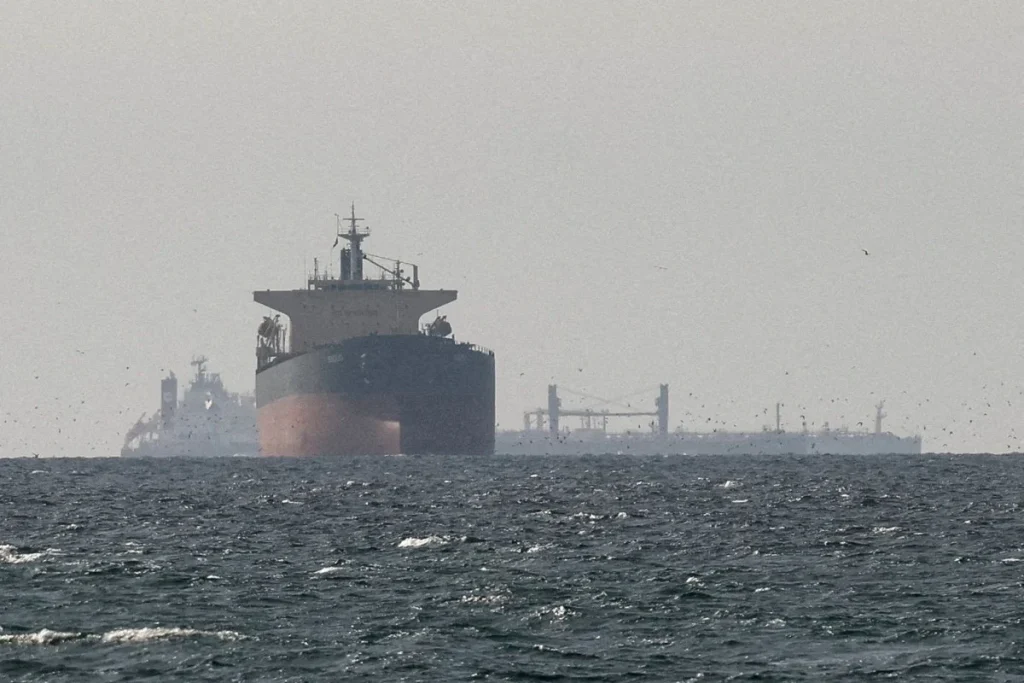
South Korea has announced plans to send special envoys to three countries — Saudi Arabia, Oman, and Algeria — in a bid to secure alternative crude oil supplies and reduce its dependence on the volatile Strait of Hormuz.

The decision was confirmed by lawmaker Ahn Do-geol following a meeting with South Korea’s energy ministry and other relevant agencies. He also revealed that five Korean-flagged vessels are set to be deployed to Yanbu port in Saudi Arabia, located on the Red Sea, as part of a broader strategy to bypass the strategic strait.

While Saudi Arabia and Oman are traditional energy partners for Seoul, Algeria’s inclusion signals a significant diplomatic and economic outreach by South Korea to North Africa, potentially opening new routes for crude imports. Algeria, a major oil and gas producer and a key OPEC member, could offer South Korea an alternative supply chain through the Mediterranean, bypassing Middle Eastern chokepoints altogether.

The move comes as South Korea, heavily reliant on energy imports, faces mounting pressure from the effective closure of the Strait of Hormuz, which has driven up global energy prices and pushed the government to propose a US$17.2 billion supplementary budget. President Lee Jae Myung has described the economic situation as being on a “wartime footing.”

Meanwhile, domestic energy conservation measures have been issued, including guidelines urging citizens to take shorter showers and charge mobile phones during daytime hours.

In other developments related to the Strait of Hormuz:

A third Turkish-owned vessel, the “Ocean Thunder,” safely crossed the strait on Monday, according to Turkey’s Transport Minister Abdulkadir Uraloğlu. The ship was carrying crude oil loaded from Iraq to Malaysia and passed through the strait overnight. It is the third Turkish vessel to do so since the weekend, reducing the number of Turkish-owned ships still in the vicinity to 12, with eight more awaiting permission to exit alongside their 156 crew members.

Author
بوابة الجزائر
View my articles