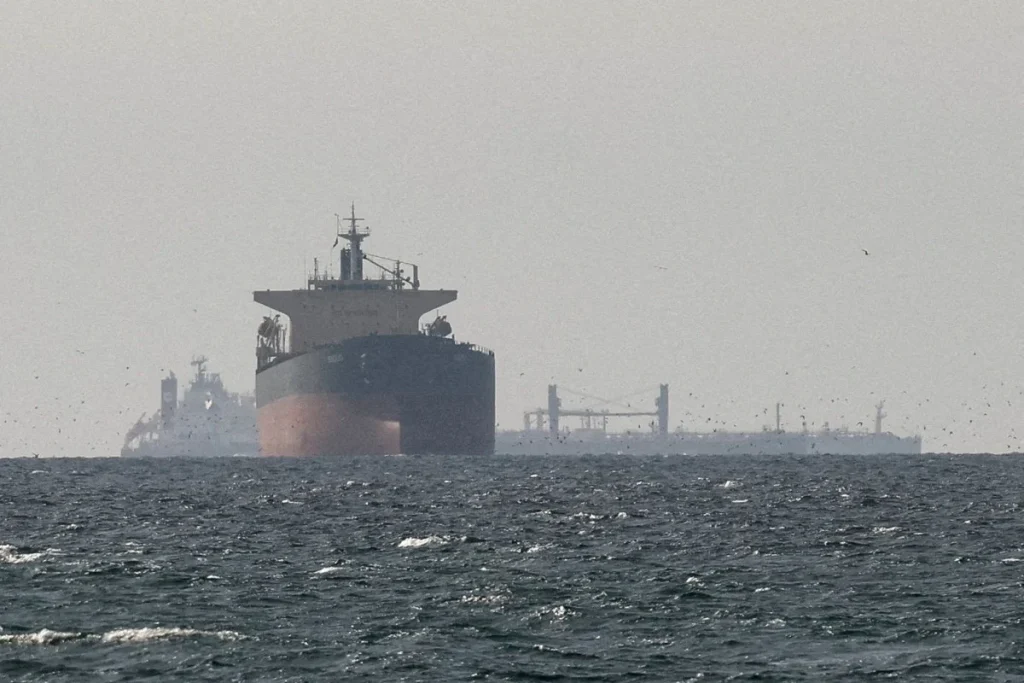
South Korea has announced plans to send special envoys to three countries — Saudi Arabia, Oman, and Algeria — in a bid to secure alternative crude oil supplies and reduce its dependence on the volatile Strait of Hormuz.
The decision was confirmed by lawmaker Ahn Do-geol following a meeting with South Korea’s energy ministry and other relevant agencies. He also revealed that five Korean-flagged vessels are set to be deployed to Yanbu port in Saudi Arabia, located on the Red Sea, as part of a broader strategy to bypass the strategic strait.
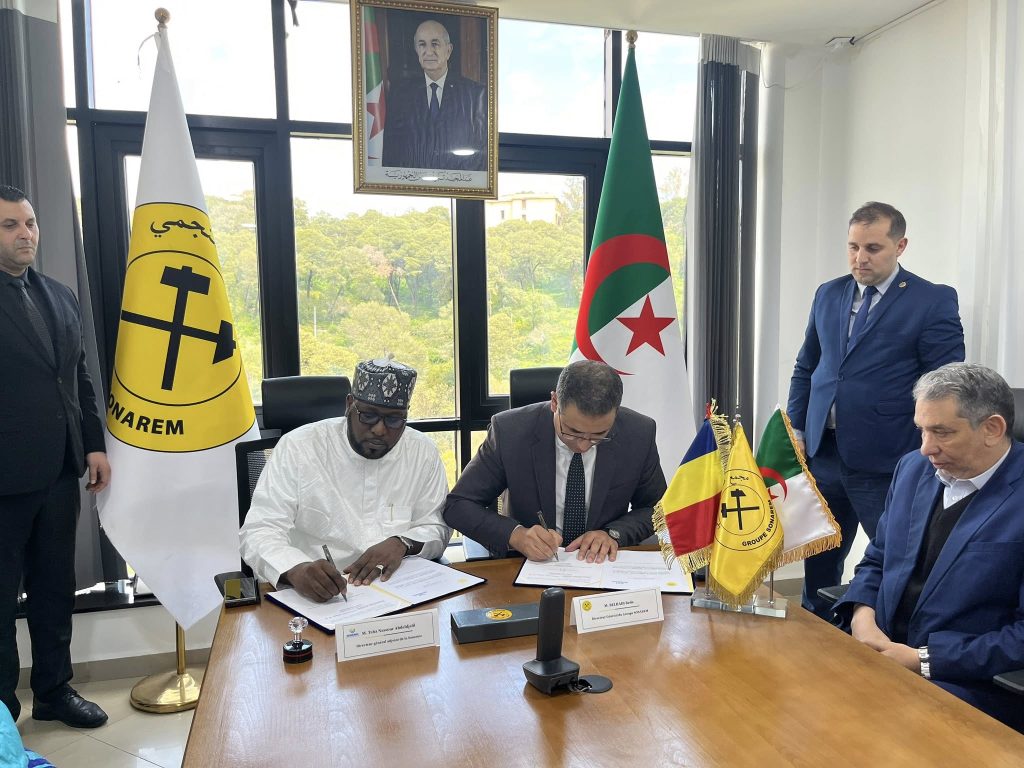
While Saudi Arabia and Oman are traditional energy partners for Seoul, Algeria’s inclusion signals a significant diplomatic and economic outreach by South Korea to North Africa, potentially opening new routes for crude imports. Algeria, a major oil and gas producer and a key OPEC member, could offer South Korea an alternative supply chain through the Mediterranean, bypassing Middle Eastern chokepoints altogether.
The move comes as South Korea, heavily reliant on energy imports, faces mounting pressure from the effective closure of the Strait of Hormuz, which has driven up global energy prices and pushed the government to propose a US$17.2 billion supplementary budget. President Lee Jae Myung has described the economic situation as being on a “wartime footing.”
Meanwhile, domestic energy conservation measures have been issued, including guidelines urging citizens to take shorter showers and charge mobile phones during daytime hours.
In other developments related to the Strait of Hormuz:
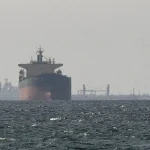
A third Turkish-owned vessel, the “Ocean Thunder,” safely crossed the strait on Monday, according to Turkey’s Transport Minister Abdulkadir Uraloğlu. The ship was carrying crude oil loaded from Iraq to Malaysia and passed through the strait overnight. It is the third Turkish vessel to do so since the weekend, reducing the number of Turkish-owned ships still in the vicinity to 12, with eight more awaiting permission to exit alongside their 156 crew members.