Sunday, 18 October 2026 • 18:13 Algiers time
Algeria Gate
News Room
Cameron Hudson: UAE is virtually the sole backer of the RSF..without its support the war in Sudan would not continue Algeria-Niger: Official launch of Trans-Saharan fibre optic link Five minutes of lament over Algeria: Amar Belani exposes CNEWS’s real obsession Algerian courts hand down first death sentences under new drugs law Ségolène Royal’s masterclass on Algeria against an ignorant and demagogic journalist President Tebboune and senior officials receive the remains of Boualem Boualem in Algiers NAPEC 2026 in Oran: Algeria at the Heart of Africa’s and the Mediterranean’s New Energy Landscape Pegasus Files: Amnesty Uncovers Morocco’s Espionage Against Spain President Tebboune Orders Salary Increases in Algeria’s 2027 Budget, Rules Out New Taxes on Citizens Algeria Emerges as a Trusted Power for Regional Peace and Stability
Share this post

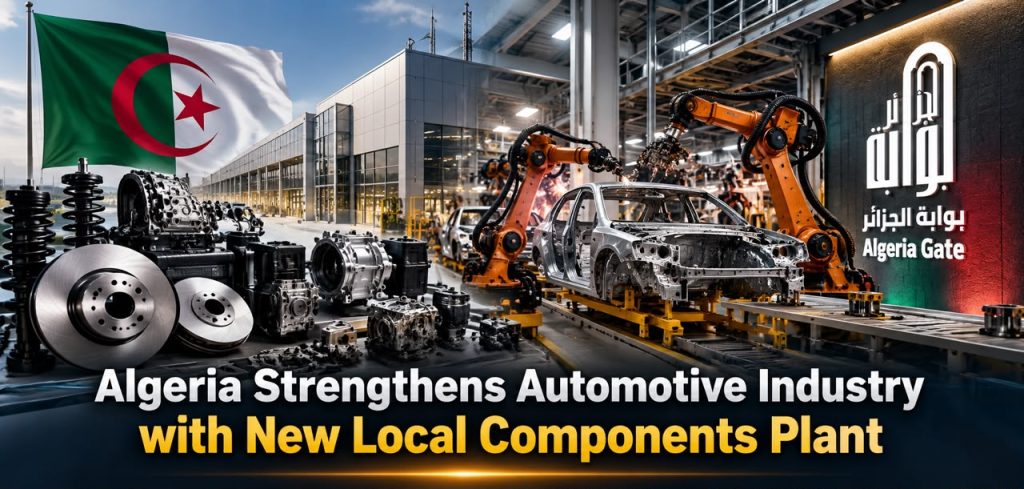
Algeria Inaugurates Automotive Plastic Components Plant in Tissemsilt to Boost Local Integration

• Author: Lys Iwannughen • 0 comments • 11 views
Algeria Inaugurates Automotive Plastic Components Plant in Tissemsilt to Boost Local Integration

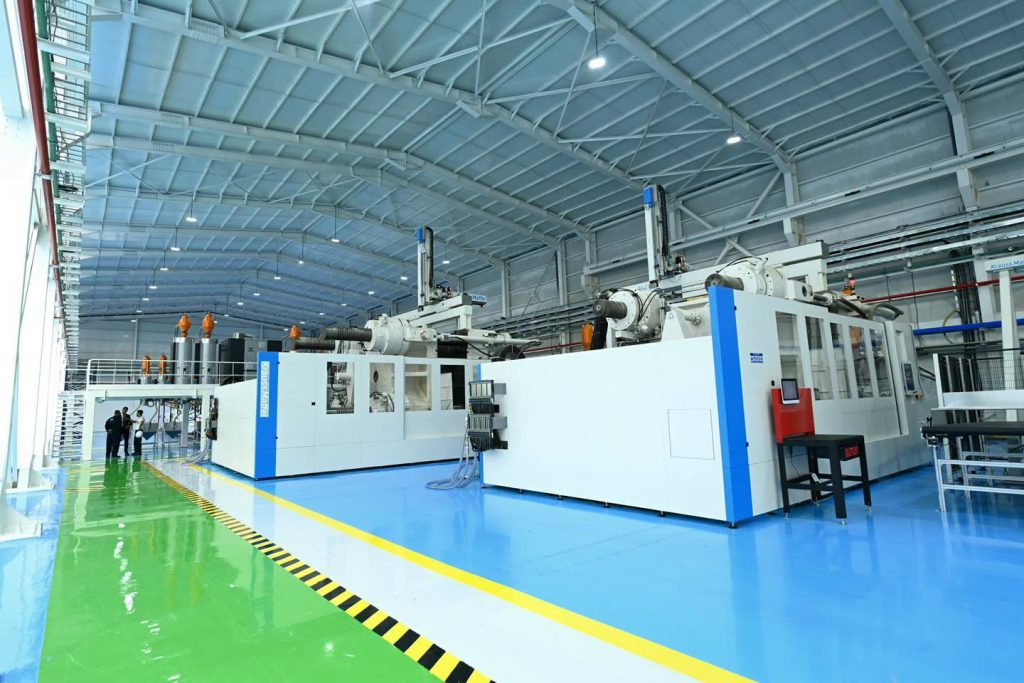
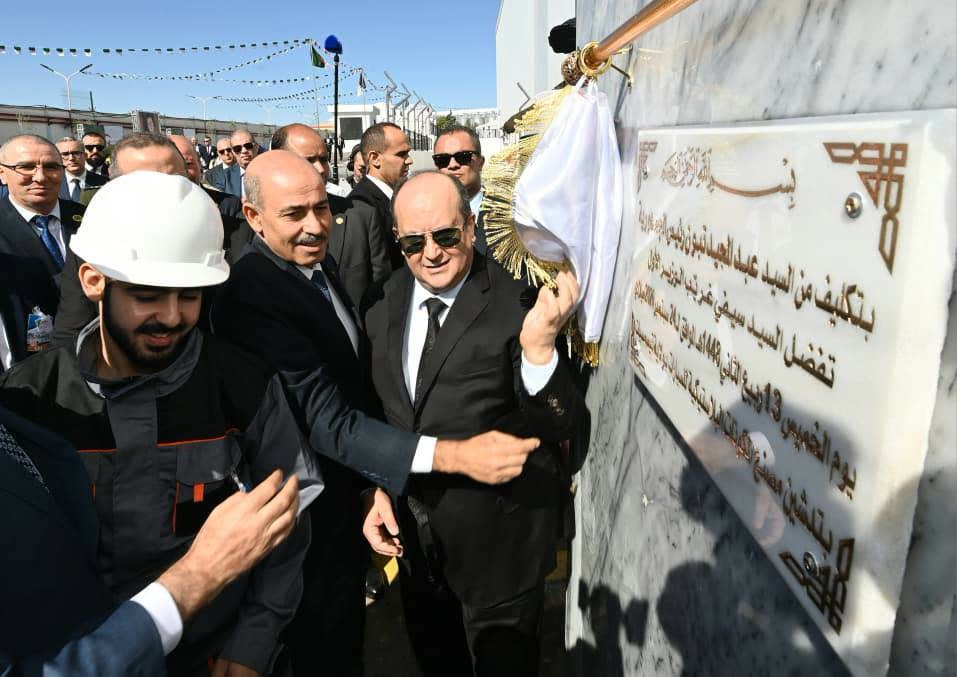
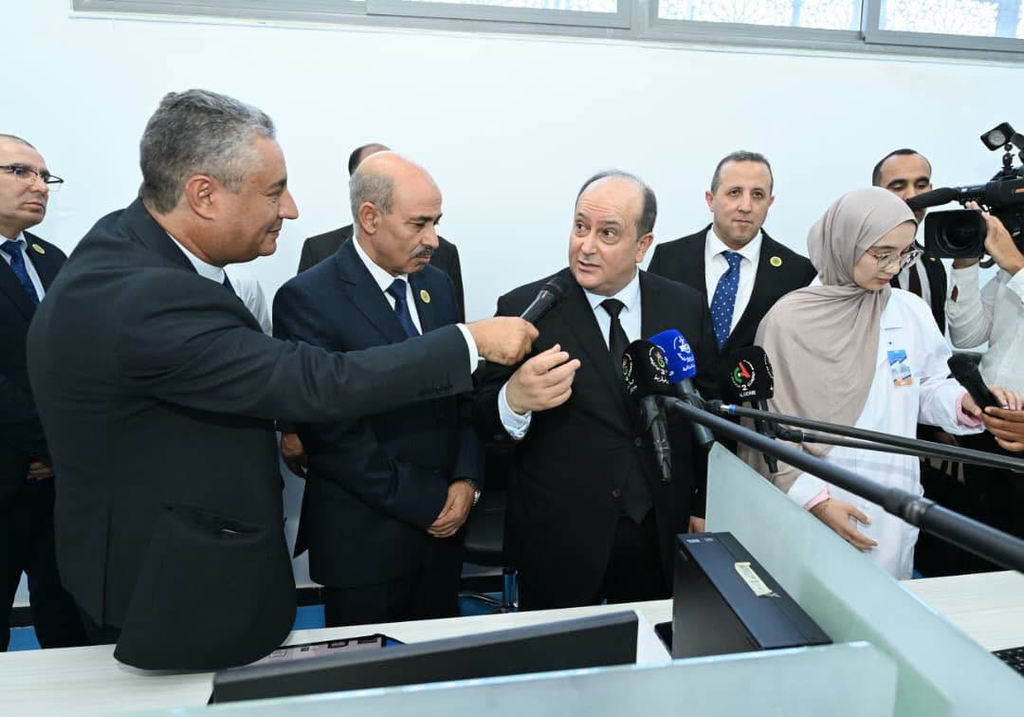
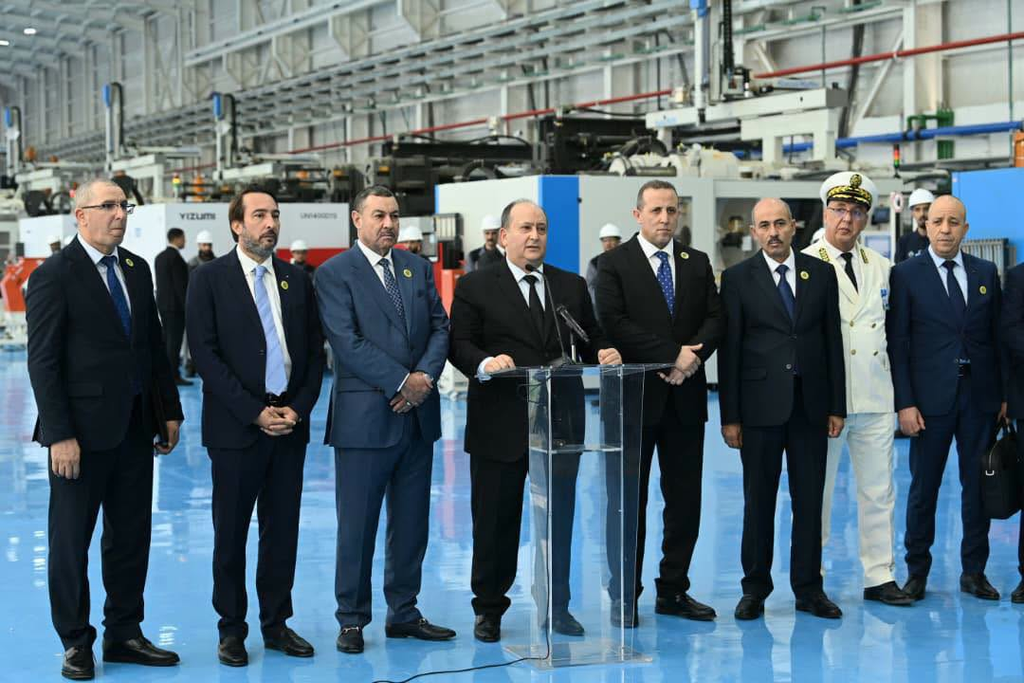
Algeria Gate: Prime Minister Sifi Ghrieb, acting on instructions from President Abdelmadjid Tebboune, inaugurated the “General Plastic Injection” production unit in Tissemsilt on Thursday. The facility, operated by the public holding Algeria Chemical Specialities (ACS), specializes in plastic components and accessories for the automotive sector and forms part of Algeria’s broader push to recover confiscated industrial assets and raise national integration rates.
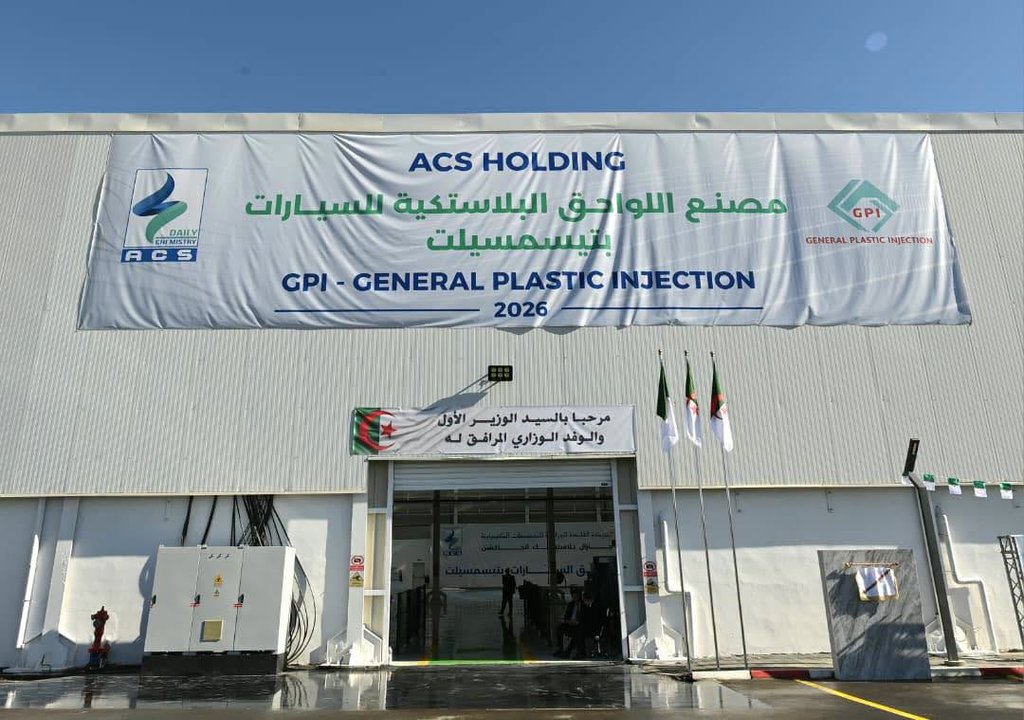
Inauguration of the General Plastic Injection Unit

The ceremony took place in the commune of Khemisti in the presence of Interior, Local Authorities and Transport Minister Saïd Sayoud, Finance Minister Mohammed Lamine Lebbou, Industry Minister Farid Kourtel, and Kamel Moula, president of the Council for the Economic Renewal of Algeria (CREA).
Algeria Inaugurates Automotive Plastic Components Plant in Tissemsilt to Boost Local Integration

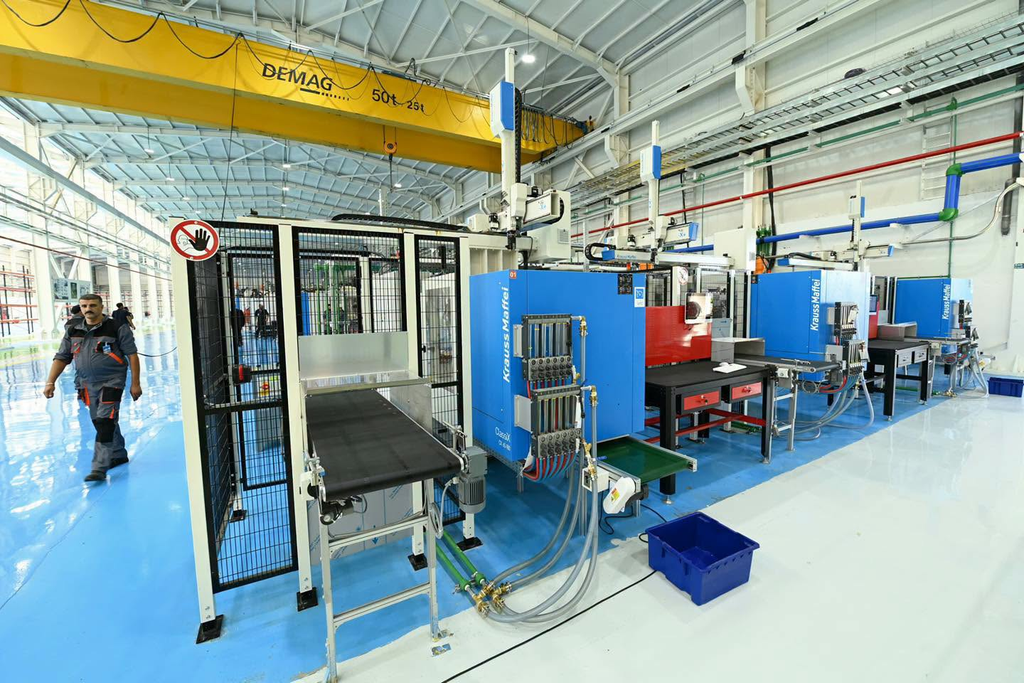
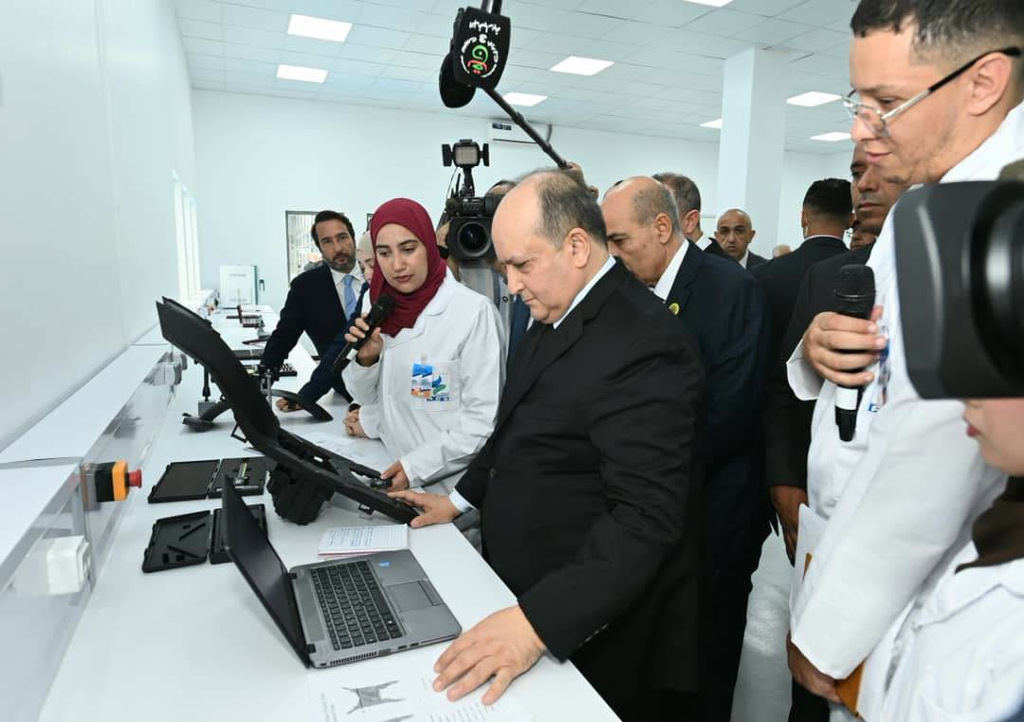
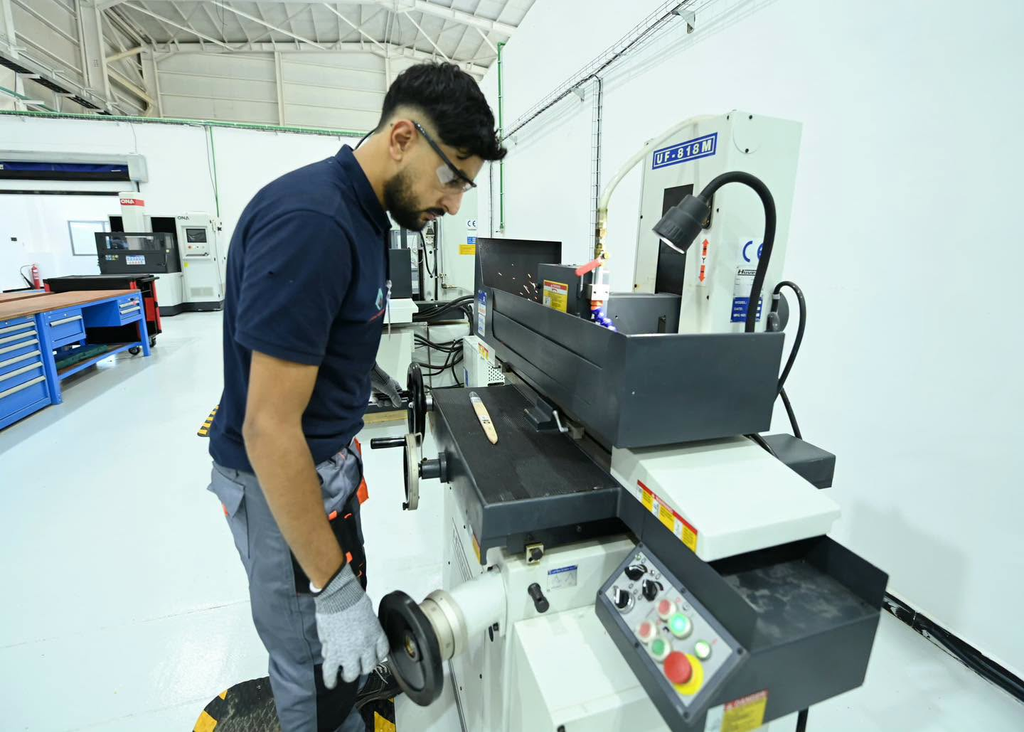
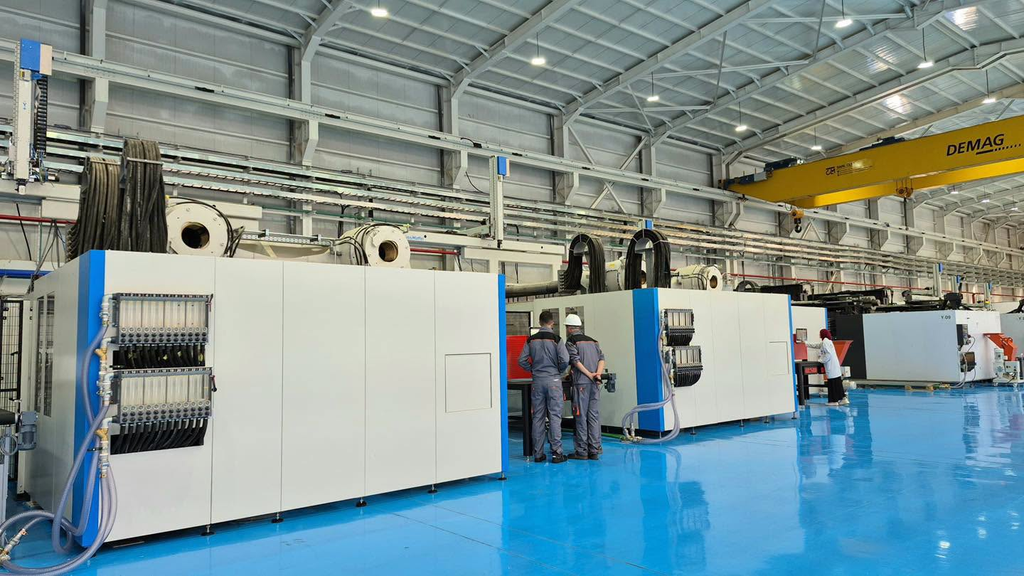
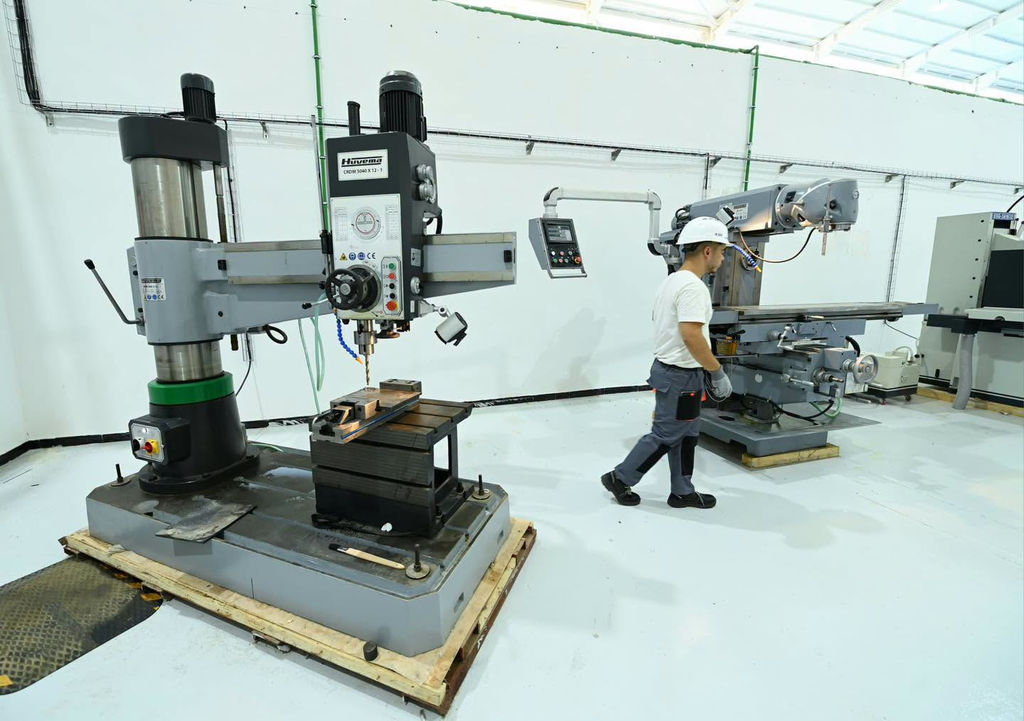
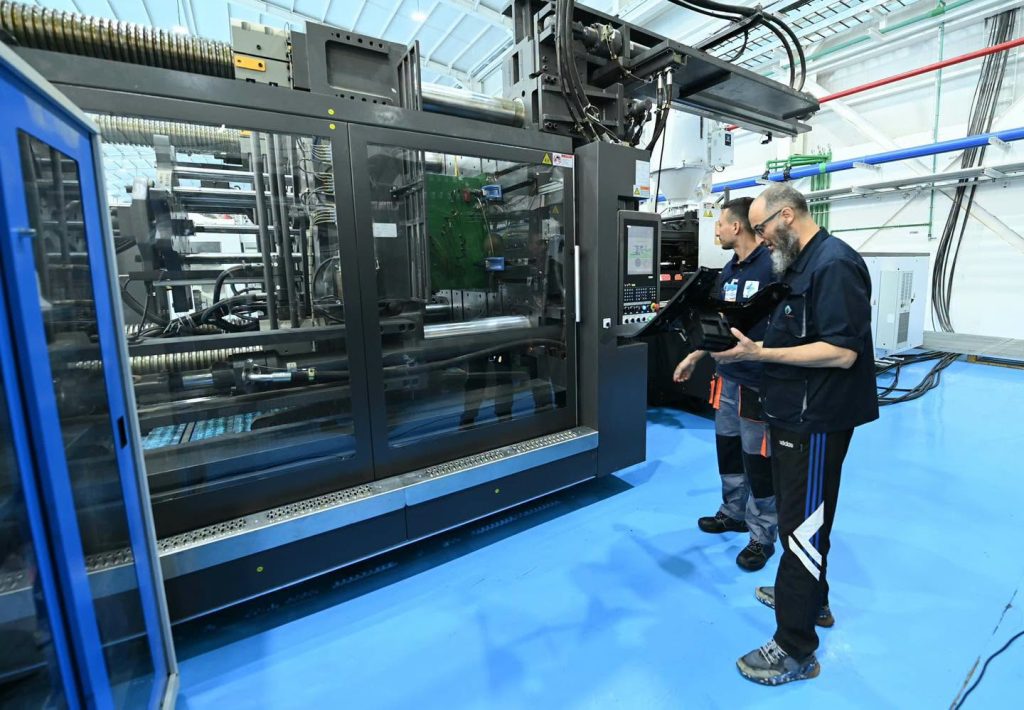
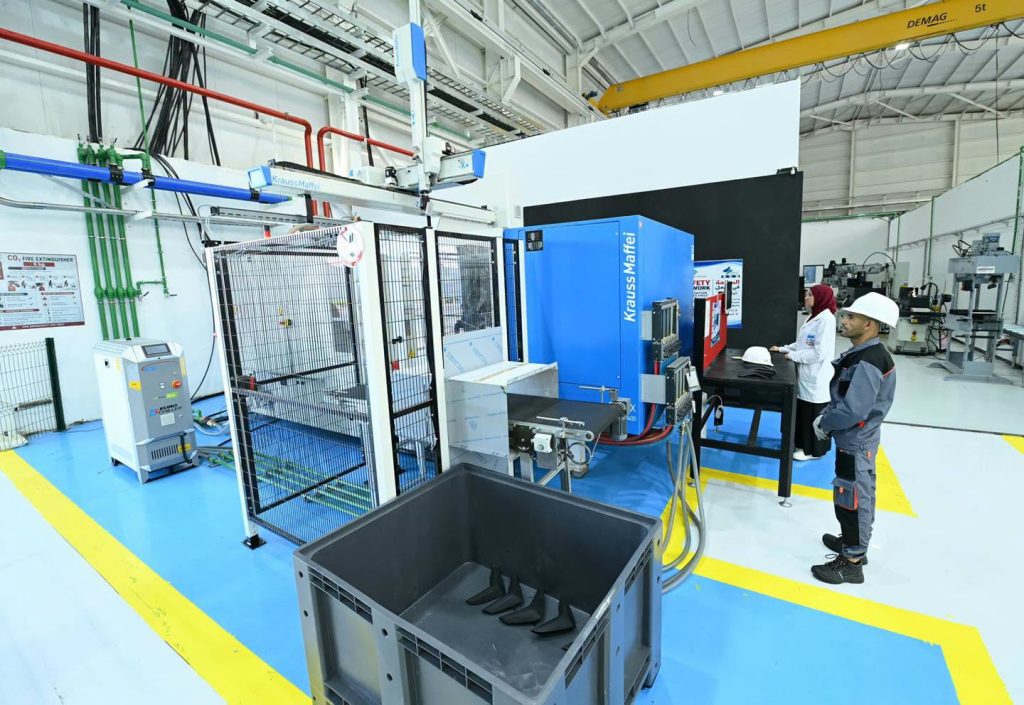
The Prime Minister inspected the plant and received a detailed briefing on its manufacturing processes and development prospects. Construction began in April, and the unit was brought online in under five months at an estimated cost of 5 billion Algerian dinars. Officials credit the rapid turnaround to the efforts of workers, managers, engineers and other stakeholders involved in the project’s revival.
Algeria Inaugurates Automotive Plastic Components Plant in Tissemsilt to Boost Local Integration

Raising National Integration and Cutting Imports

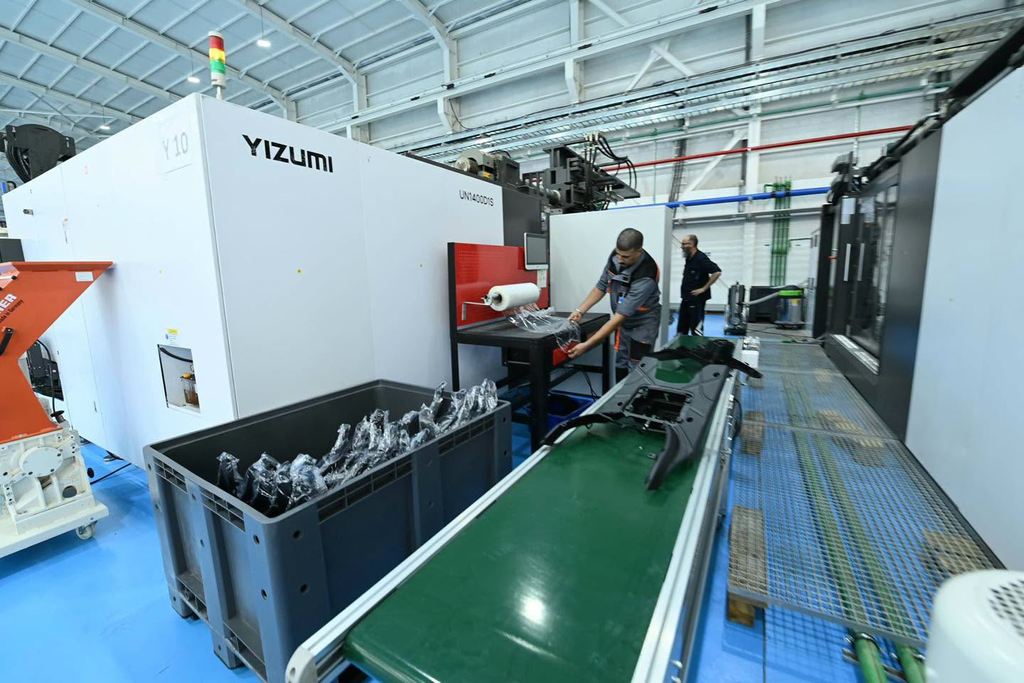
The plant is designed to produce 251,000 parts annually, enough to equip roughly 200,000 vehicles. Officials project an initial national integration rate of 40 percent, with a target of 70 percent in later phases. The project supports Algeria’s strategy of strengthening domestic automotive supply chains, reducing reliance on imported components, and building a higher-value local industry.
Algeria Inaugurates Automotive Plastic Components Plant in Tissemsilt to Boost Local Integration

Ghrieb stressed that continuing to import plastic parts that can be manufactured in Algeria is no longer acceptable. He called for a collective commitment to prioritize national products and described the construction of a genuine automotive industry with strong local content as a shared national responsibility.

https://twitter.com/algatedzEng/status/2103250645465637107?s=20

Mandatory Local Sourcing from Early 2027

At a press briefing after the inauguration, the Prime Minister set December 31st as the final deadline for importing plastic parts used in vehicle manufacturing and assembly. From the beginning of 2027, all licensed automotive manufacturers and assemblers in Algeria will be required to source plastic components that can be produced locally from the Tissemsilt plant, under a clear set of specifications.
Algeria Inaugurates Automotive Plastic Components Plant in Tissemsilt to Boost Local Integration

The measure aims to deliver an “effective integration rate” in the automotive sector. Ghrieb noted that Algeria is committed to developing a real automotive industry based on high-value-added production. He also indicated that technical meetings will examine alternatives if mould-import lead times prove lengthy, and that a similar approach will apply to the bodywork sector in Batna to further raise local content.

Socioeconomic Benefits and Broader Industrial Reach

Beyond automotive applications, the factory will supply a wide range of plastic products for household appliances, cable manufacturing, refrigerators, air conditioners, medical equipment and devices, packaging materials, household tools and articles, cosmetics, eyewear, general plastic goods, drone components, and road-sign panels.
Algeria Inaugurates Automotive Plastic Components Plant in Tissemsilt to Boost Local Integration

The project is expected to create 300 direct jobs and 500 indirect jobs. Officials say it will stimulate commercial activity, support investment, develop transport and logistics services, and open opportunities for small and medium-sized enterprises as well as the wider plastics industry in the region.

Recovery of Confiscated Industrial Assets Continues
Algeria Inaugurates Automotive Plastic Components Plant in Tissemsilt to Boost Local Integration

The Tissemsilt plant forms part of the government’s programme to recover and relaunch assets seized under final court rulings linked to anti-corruption efforts, returning them to the national economic circuit. Ghrieb confirmed that President Tebboune is personally monitoring the process and attaches particular importance to meeting agreed deadlines.
Algeria Inaugurates Automotive Plastic Components Plant in Tissemsilt to Boost Local Integration

He stated that several additional recovered industrial projects across various wilayas will be relaunched in the near future. The recovery and reintegration of these assets into the national industrial fabric is progressing steadily and quietly, he added, with further announcements expected soon.
The inauguration of the General Plastic Injection unit marks an early step in a wider effort to expand Algeria’s automotive industry and raise the level of local integration.


#Algeria#Economy#Prime Minister
Author
Lys Iwannughen
View my articles

Leave a comment

Your email address will not be published. Required fields are marked *

Algeria
Share this post

“Roqia” will represent Algeria at the Oscars

“Roqia” will represent Algeria at the Oscars

Algeria Gate: The Algerian film Roqia, directed by Yanis Koussim, has been selected to represent Algeria in the race for the 99th Academy Awards, in the Best International Feature Film category.

This first feature film by the director blends drama, fantasy, and horror, against a backdrop of memory and traumas linked to the 1990s in Algeria.

Already screened at several international festivals, notably in Venice, Roqia thus continues its journey abroad. Its selection constitutes Algeria’s official entry, ahead of the next stages that will determine the films ultimately nominated for the Oscars.

#Algeria#Oscars
Author
Lys Iwannughen
View my articles
Algeria
Share this post

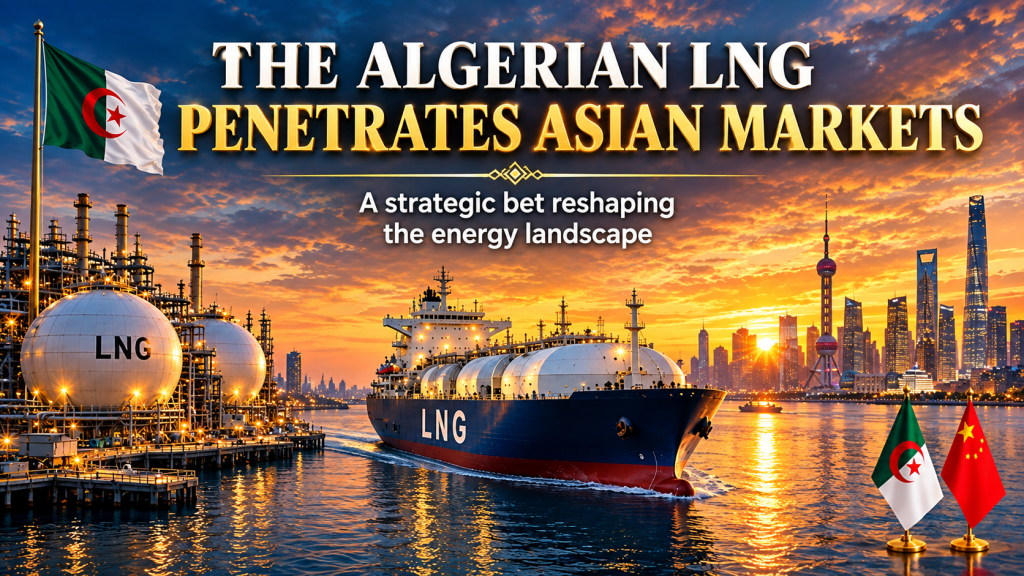
Algerian LNG to Asia: A Historic Bet Amid the Strait of Hormuz Crisis and Production Challenges

Algerian LNG to Asia: A Historic Bet Amid the Strait of Hormuz Crisis and Production Challenges

Algeria Gate: Algeria is considering exporting LNG to Asia (notably Bangladesh), a historic shift away from its traditional reliance on the European market. Experts see this as a welcome diversification strategy.

Bangladesh, a major Asian importer, is seeking alternative sources after being hard hit by the drop in Qatari deliveries (more than 60% of its supplies), in the context of the Strait of Hormuz crisis. This crisis is pushing Asian countries to diversify their sources away from the Gulf, creating an opportunity for Algeria and other Mediterranean countries, which are perceived as more stable.

Algeria’s strengths

  • Significant reserves and liquefaction capacity of 25.5 million tonnes per year.
  • Geographic position distant from maritime tensions.

Major constraints

  • Current exports historically low (under 10 million tonnes per year).
  • Aging fields and liquefaction plants operating at less than 50% of capacity.
  • Growing domestic consumption absorbing half of production.
  • No surplus production capacity at present.

The success of this Asian pivot depends entirely on Algeria’s ability to accelerate investments, develop fields, and rehabilitate infrastructure in order to close the gap between its reserves and actual production.

#Algeria#Asia#LNG
Author
Lys Iwannughen
View my articles
Algeria
Share this post

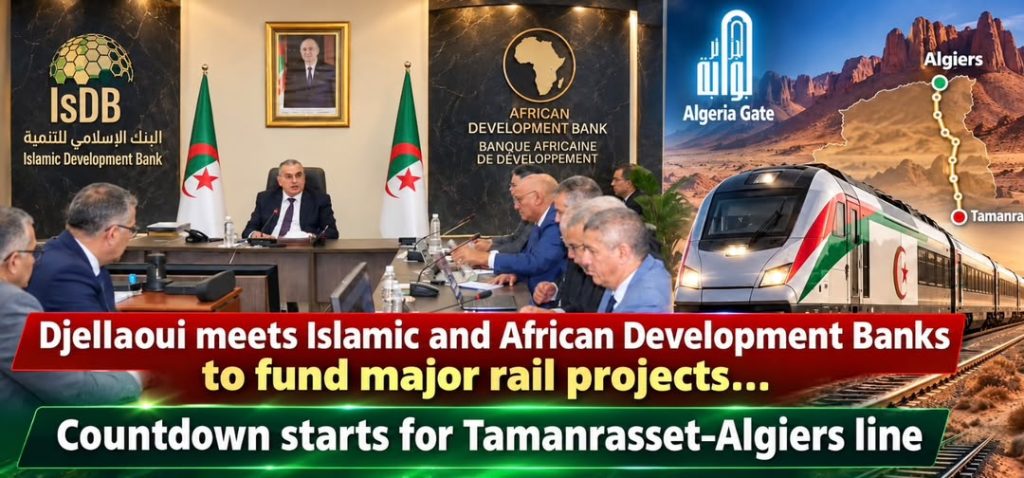
Djellaoui meets Islamic and African Development Banks to fund major rail projects… Countdown starts for Tamanrasset–Algiers line

Djellaoui meets Islamic and African Development Banks to fund major rail projects… Countdown starts for Tamanrasset–Algiers line

Algeria strengthens its partnerships to finance major infrastructure projects

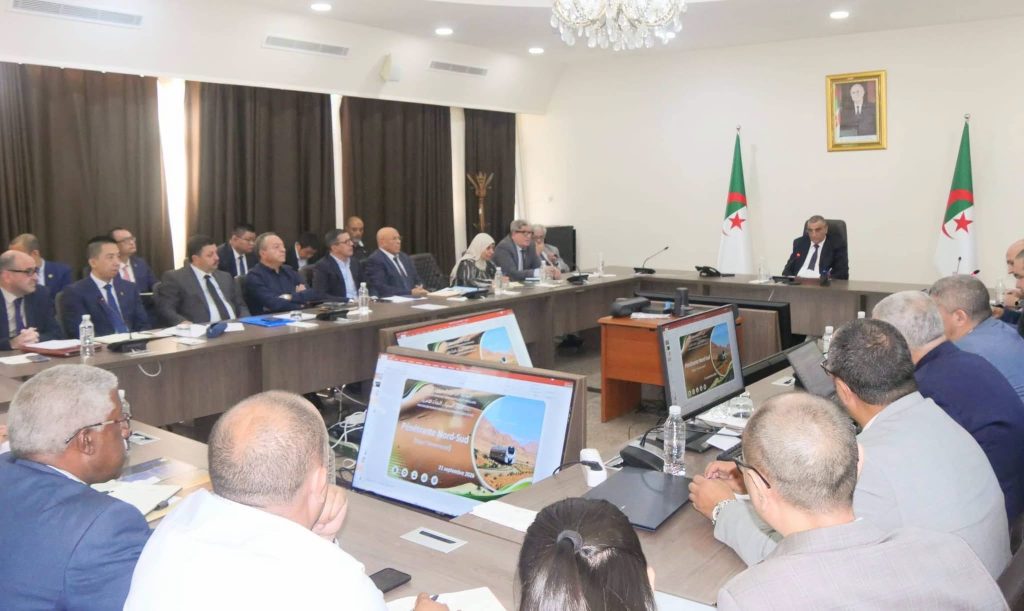
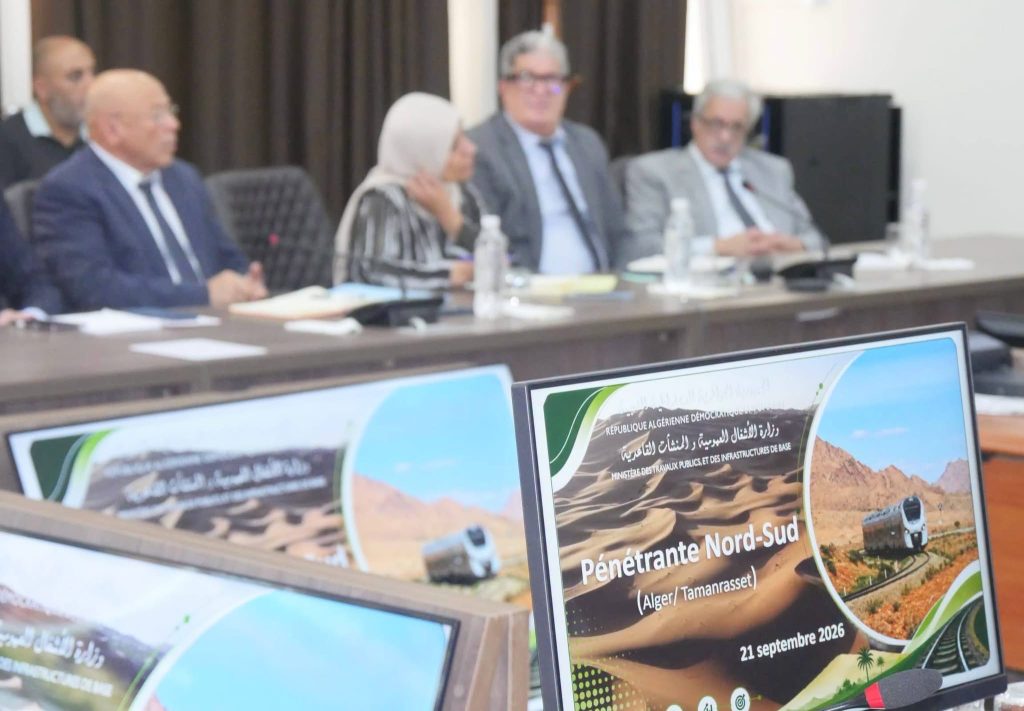
Algeria Gate: Algeria has launched the countdown to complete the largest logistics project linking the north of the country to the south. The railway line project connecting Tamanrasset to the north of the country has entered its decisive phase through intensive efforts on two fronts: finalizing the last on-site preparations and diversifying the financing mechanisms for this massive project.

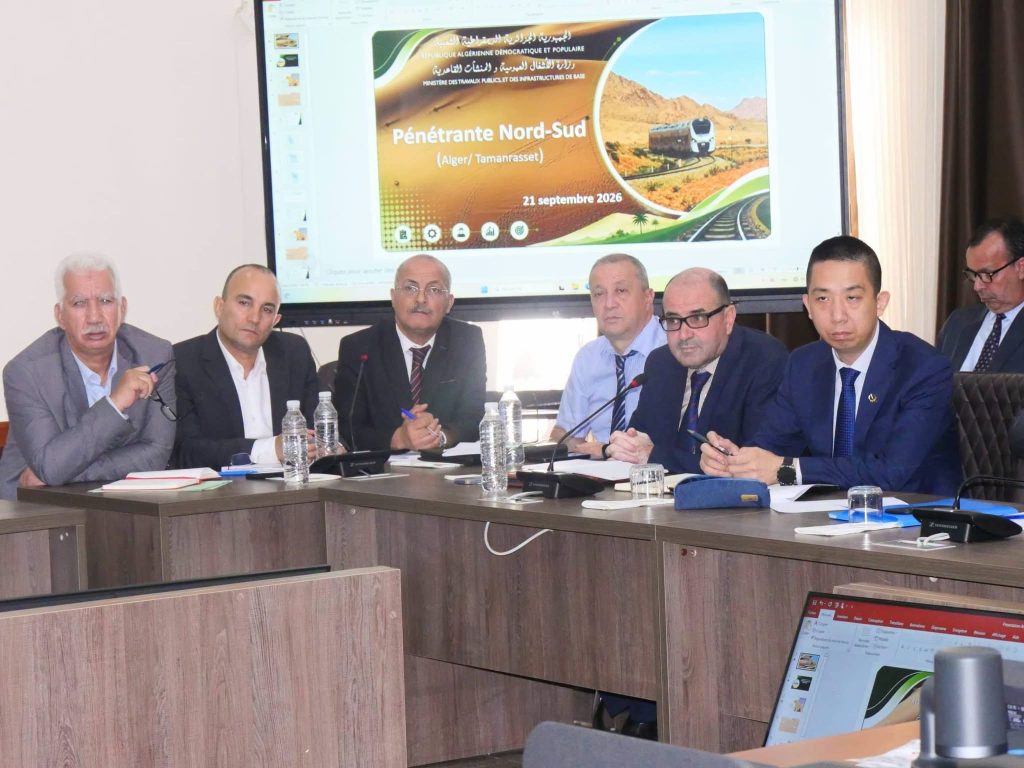
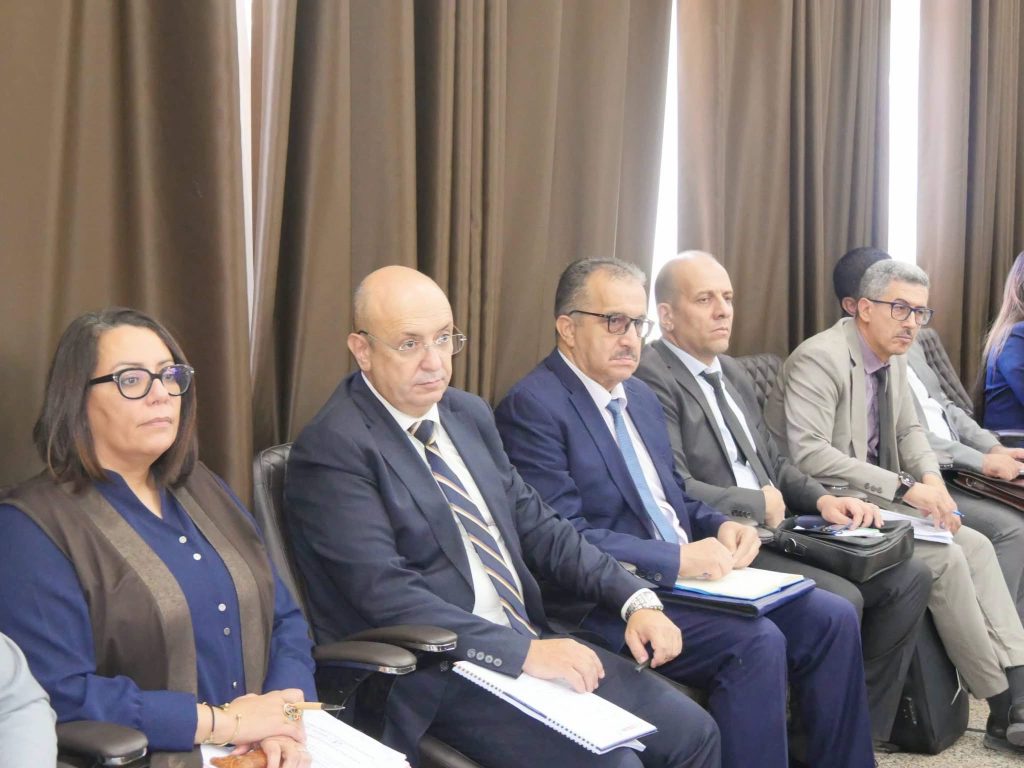
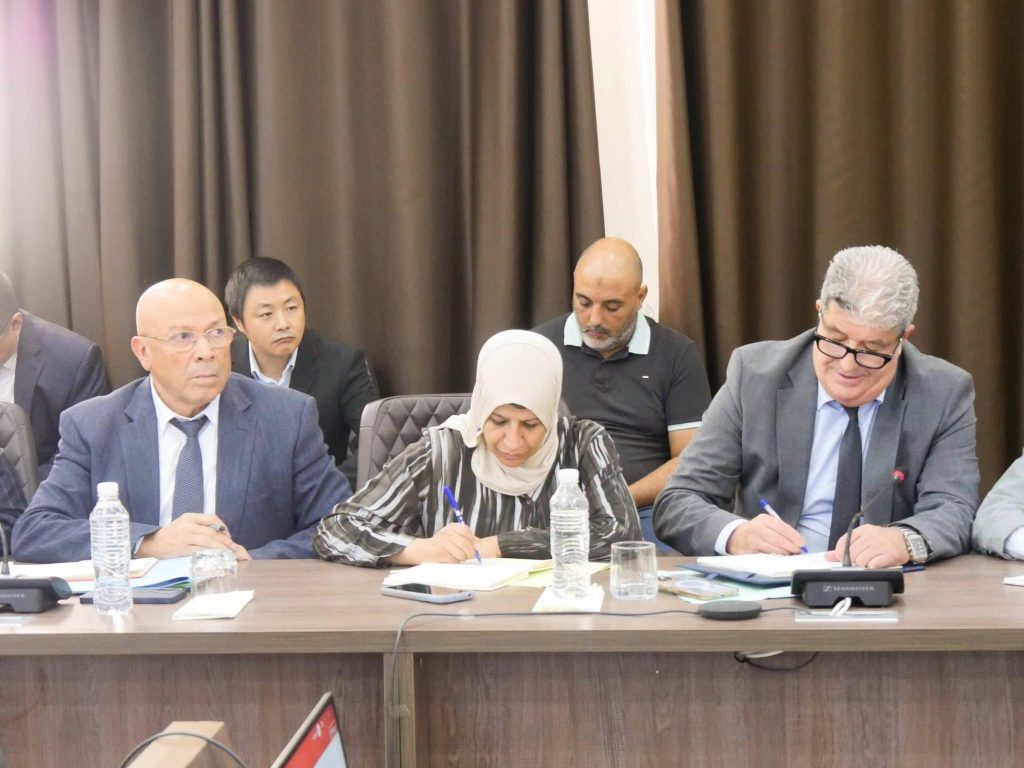
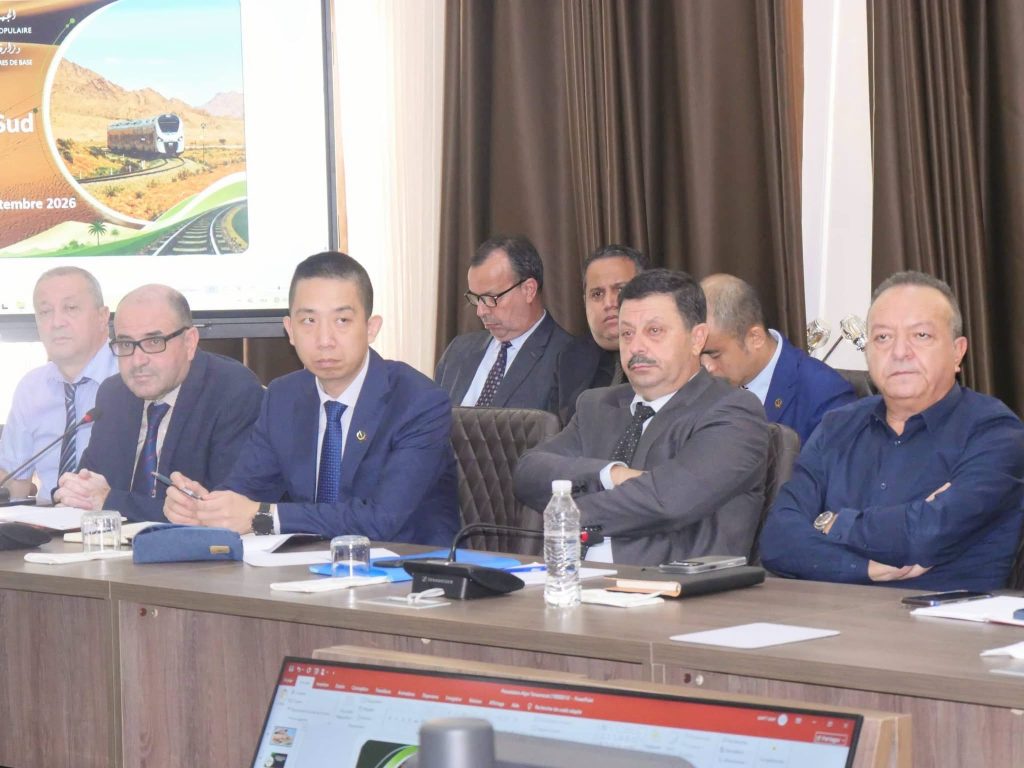
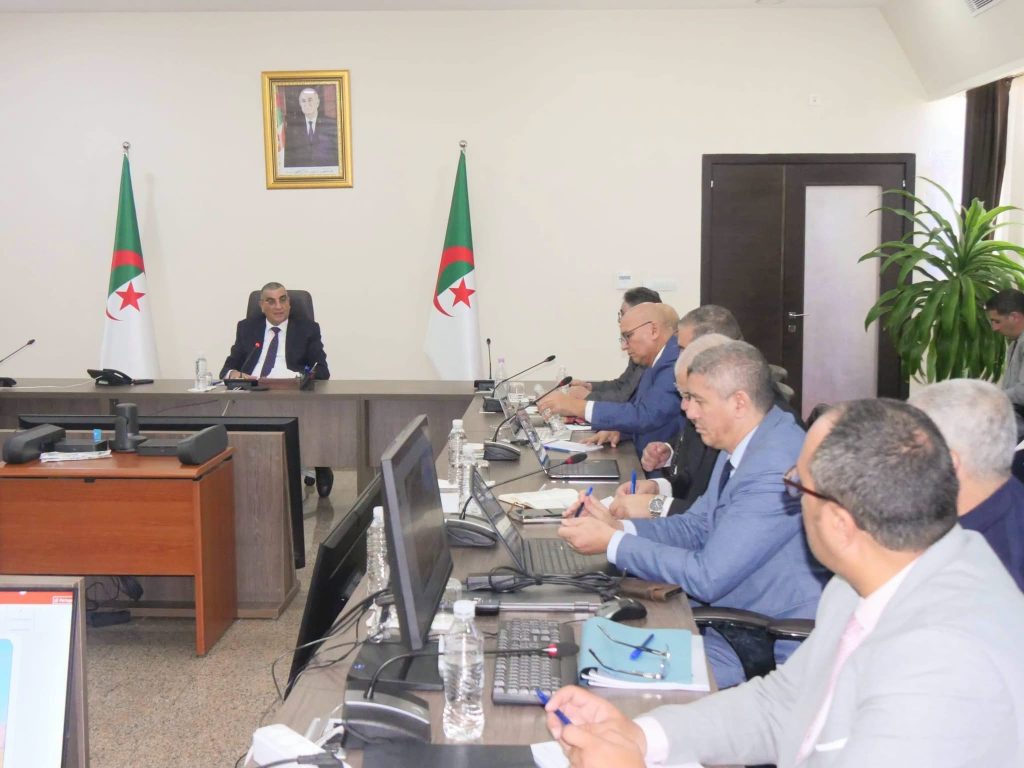
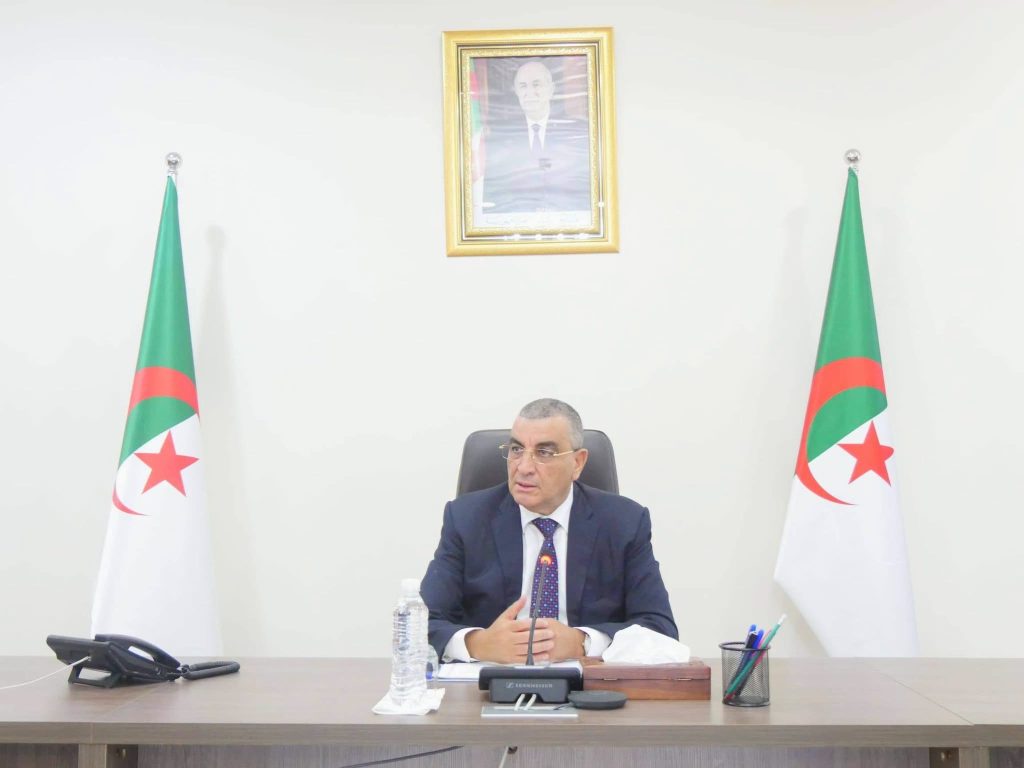
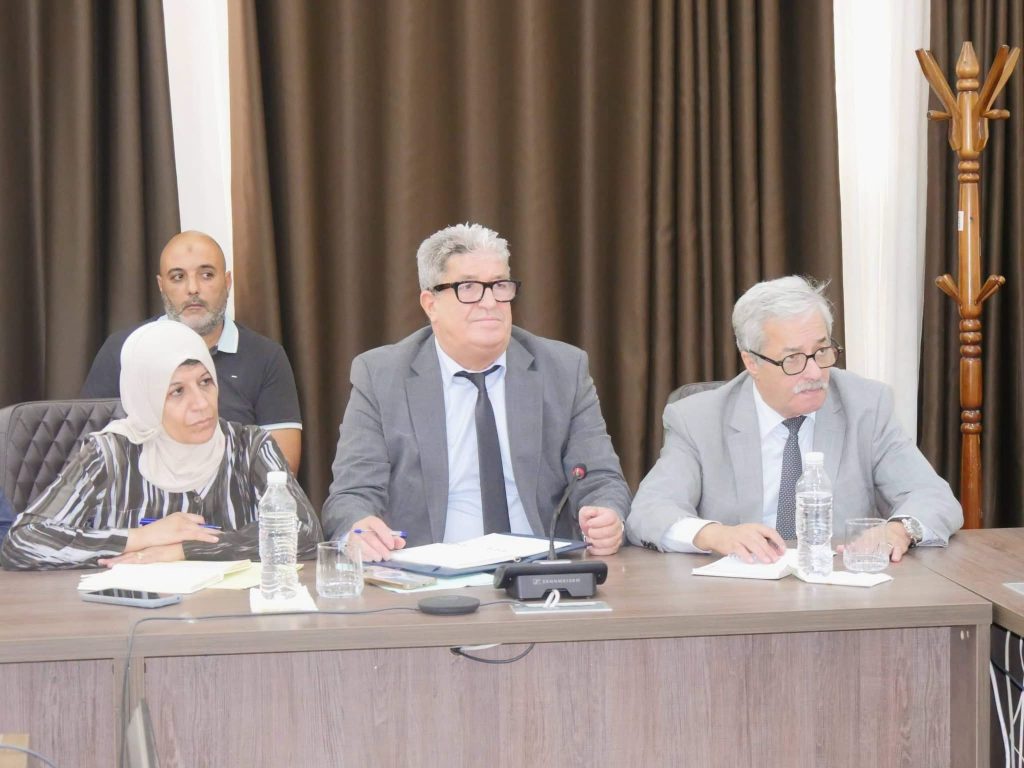
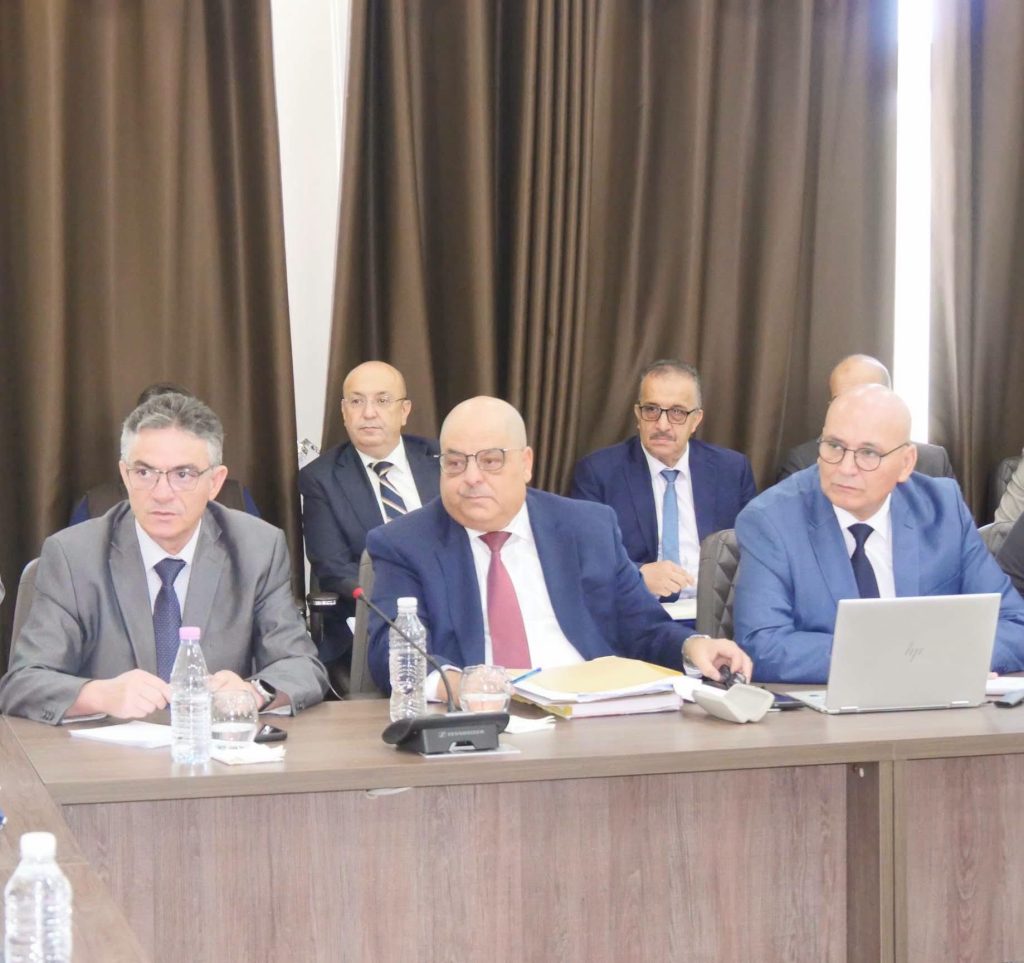
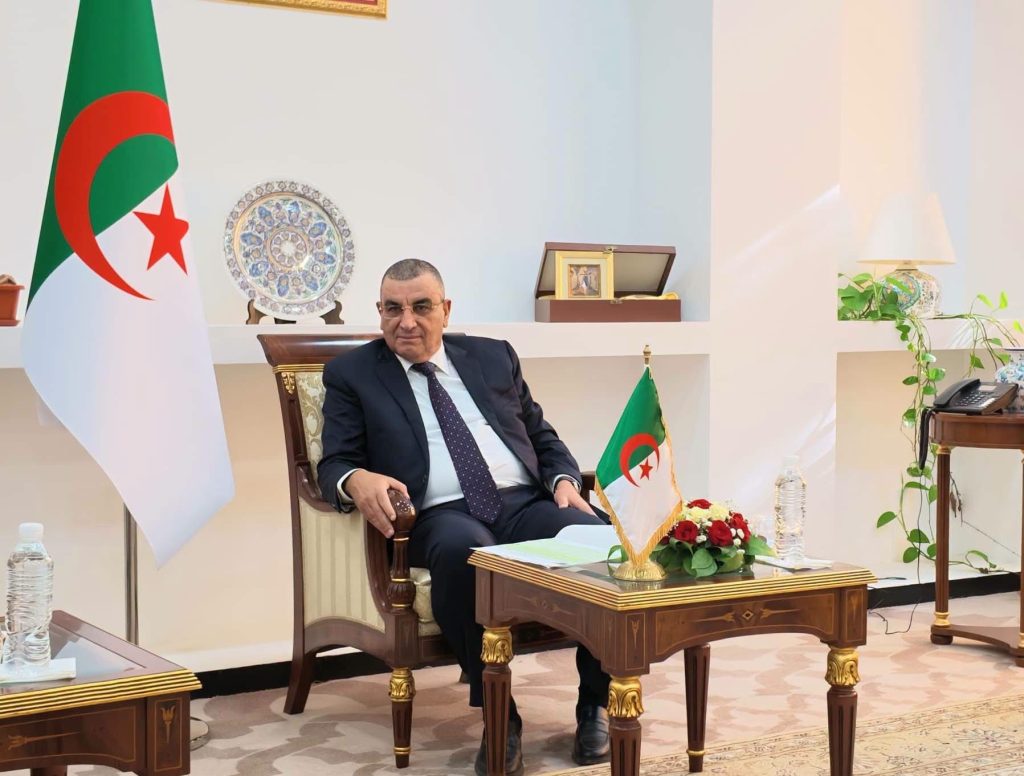
In this regard the Minister of Public Works and Basic Infrastructure, Abdelkader Djellaoui, chaired a high-level coordination meeting dedicated to finalizing the arrangements and giving the necessary impetus to this vital project.

The meeting reviewed the technical plans and the readiness of the construction sites for the major sections that pass through the provinces of Laghouat, Ghardaia, El Meniaa, and In Salah, reaching Tamanrasset. These include, foremost, the Laghouat–Ghardaia–El Meniaa axis extending over a distance of 495 km, as well as the El Meniaa–Kilometer Point 216 and Tamanrasset–Moulay Lahcen sections covering 213 km.

The meeting saw the mobilization of a strong national and international network of engineering firms and construction companies, led by the Cosider Group, the National Agency for Studies and Monitoring of Railway Investment Projects (ANESRIF), and a Chinese partner that underscores the strategic dimensions of the project.

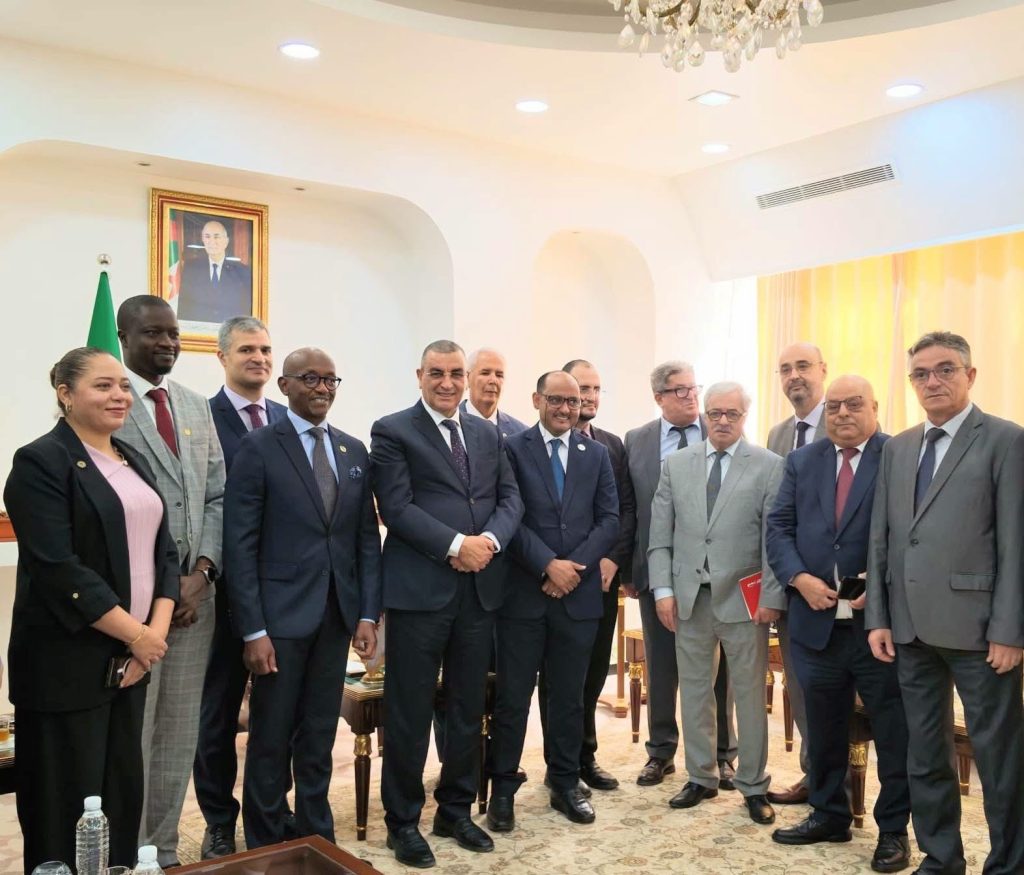
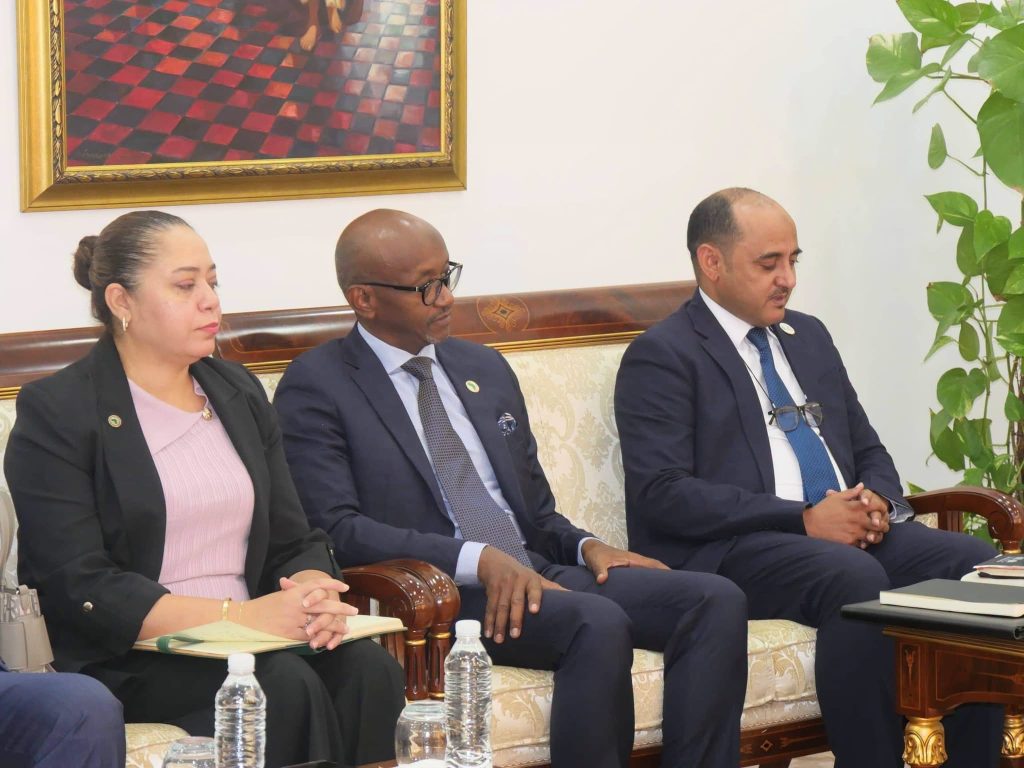
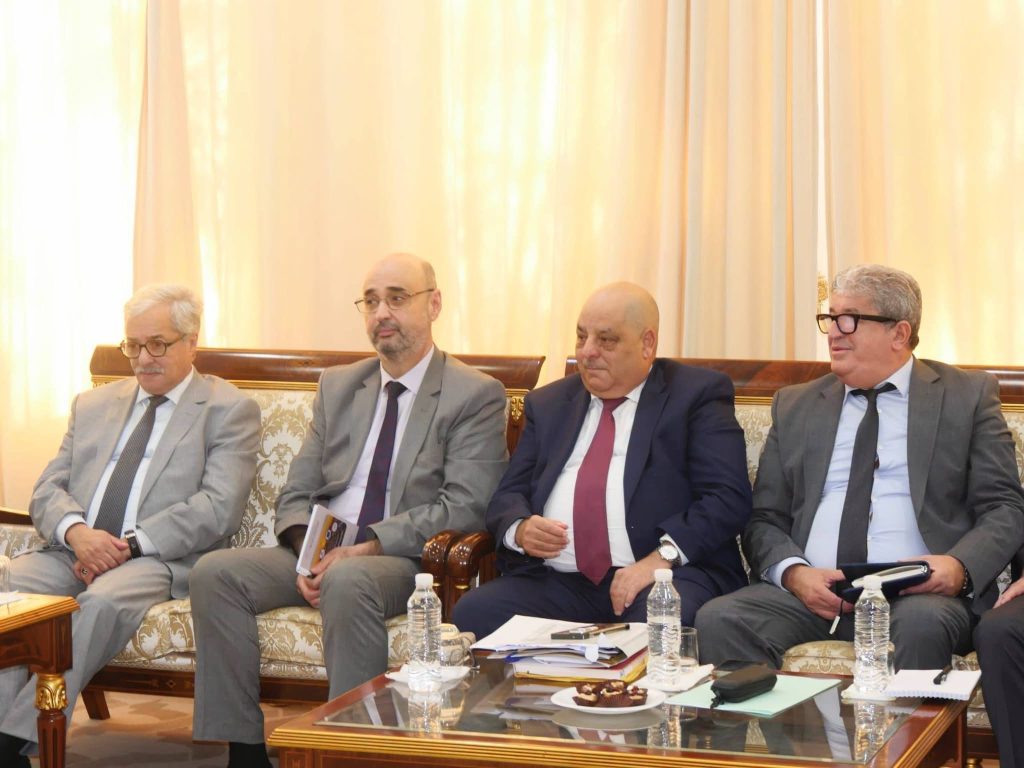
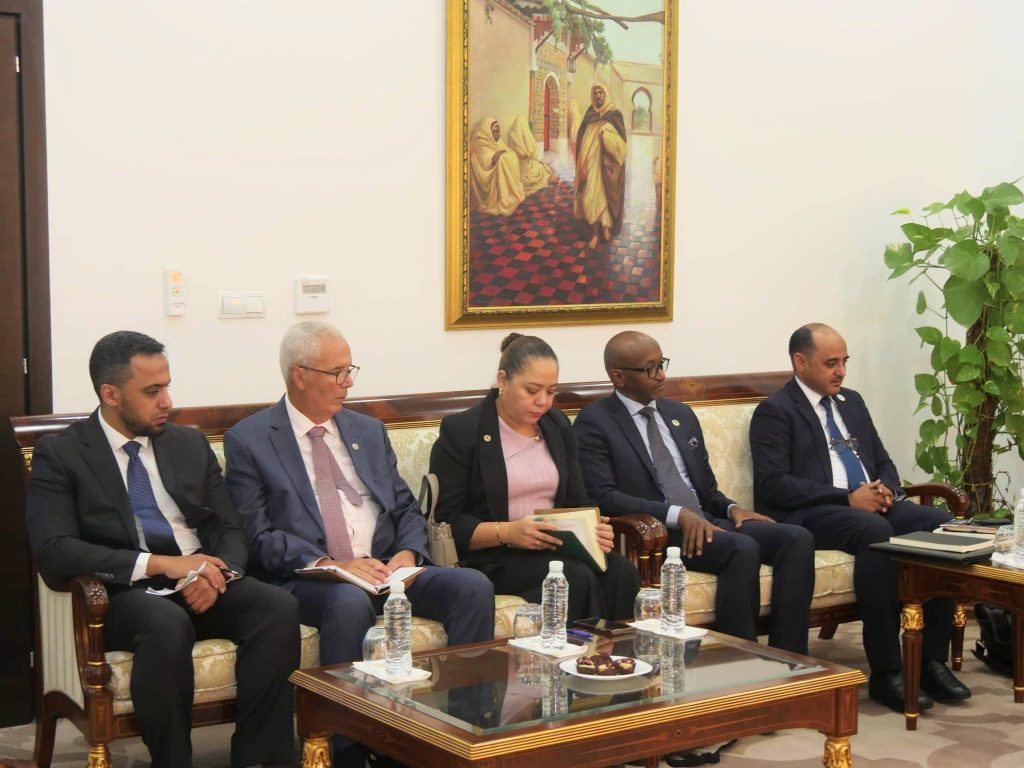
This momentum did not stop at the field level but extended in parallel to the economic diplomacy front, where the sector minister received a high-level delegation representing both the Islamic Development Bank and the African Development Bank.

This meeting, held in the presence of a representative from the Ministry of Finance and ANESRIF officials, constituted a strategic stop to discuss partnership prospects and the financing of major infrastructure projects, topped by this Trans-Saharan railway line.

The minister stressed the need to accelerate the completion of the remaining procedures and to mobilize all material and human resources in order to launch the construction sites on schedule.

This tight coordination between field readiness and international financial backing confirms the confidence of major institutions in the project’s viability, heralding an unprecedented developmental and economic transformation that will reshape the transport map and connect the north to the south.

#Algeria
Author
Lys Iwannughen
View my articles