Algeria Gate :The North African gas balance is being reshaped by international tensions—notably since the war in Iran—highlighting the strategic importance of regional transport networks.
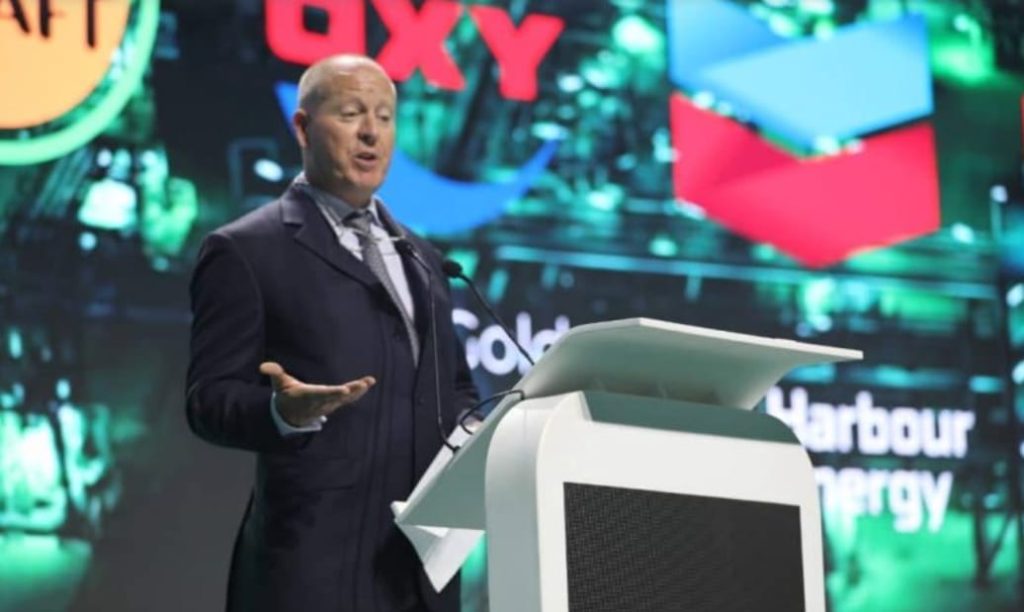
In this context, the crisis triggered by tensions in the Gulf has indirectly bolstered Algeria’s position as a key energy supplier, according to Geoff Porter, founder of North Africa Risk Consulting (NARCO), in an interview with Attaqa.net, a Washington-based energy platform.
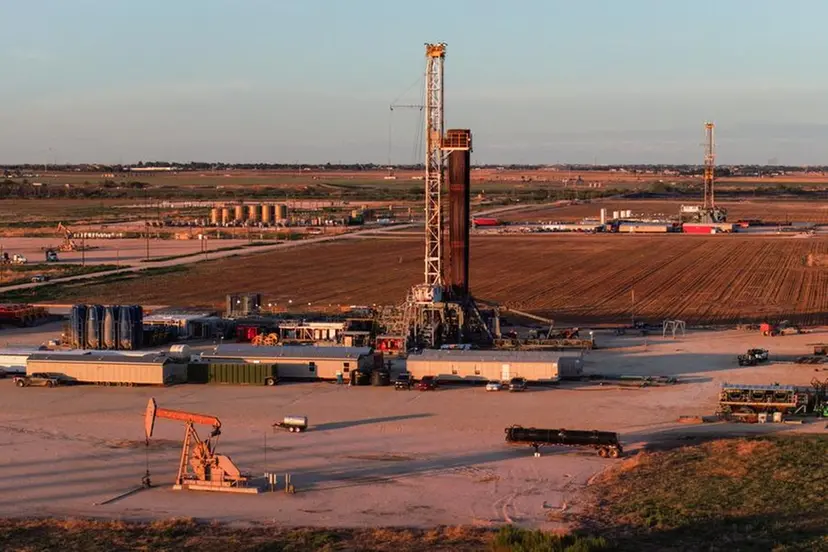
According to the American expert, through the Transmed pipeline linking Algeria to Italy via Tunisia, and the Medgaz pipeline to Spain, Algiers enjoys direct and stable access to the European market. This infrastructure allows it to capture part of the increased demand caused by global disruptions, while solidifying its image as a reliable supplier to partners like Italy and Spain, who are eager to secure long-term supplies. “Europe now clearly sees Algeria as a stable energy partner,” Porter says.
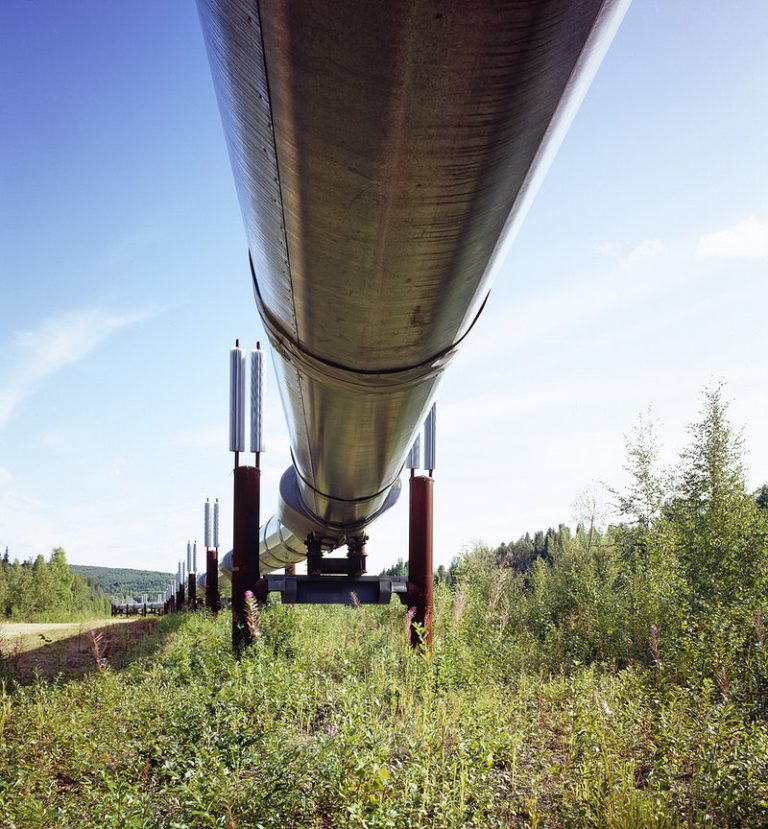
In the same vein, the competition over projects to transport Nigerian gas to Europe is also shifting in Algeria’s favor. “At this stage, the Trans-Saharan Pipeline project is more viable than the Atlantic Africa-Morocco Pipeline,” the expert estimates. Being shorter, technically less complex, and backed by existing infrastructure, the Trans-Saharan project holds decisive advantages over the more costly and legally complex Moroccan project.
For Porter, Morocco’s situation appears more fragile. Lacking direct access to Algerian gas via the Maghreb-Europe pipeline, Rabat depends entirely on Liquefied Natural Gas (LNG) imports, exposing it to international market fluctuations. While the initial impact of the Iranian crisis was limited, signs of tension are mounting: difficulties in securing cargoes, occasional supply interruptions, and growing uncertainty over flow continuity.
As for Libya and Tunisia, Porter notes two distinct energy trajectories. Libya maintains the structural capacity to quickly restart hydrocarbon production but remains weakened by recurring external political and security factors that have disrupted exports since 2011. Conversely, Tunisia benefits from relative stability thanks to the Transmed pipeline transit, which allows it to receive a royalty in kind (gas). This mechanism ensures a partial supply and mitigates the impact of international turbulence, though it does not fully shield the country from energy tensions.
Algeria emerges as the primary beneficiary of geopolitical tensions in the Arabian Gulf. However, Porter notes that this positioning is constrained by structural limits: the country lacks significant excess capacity in the short term. Despite its reinforced status, Algiers must accelerate upstream development to meet growing demand.
In this era of global energy realignment, investment capacity and infrastructure control have become, more than ever, the true keys to sovereignty.
Source: l’Algérie Aujourd’hui