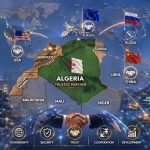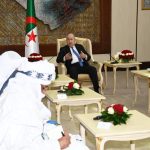

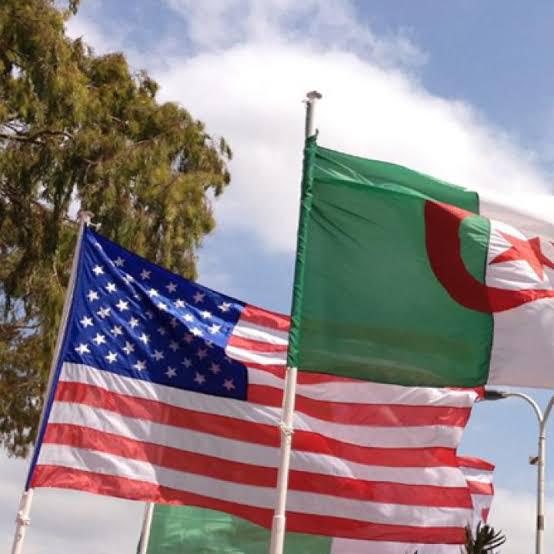
he visit of U.S. Deputy Secretary of State Christopher Landau to Algeria signals a clear repositioning in Washington’s approach to bilateral relations, moving toward a more pragmatic partnership centered on energy, security, and regional stability.
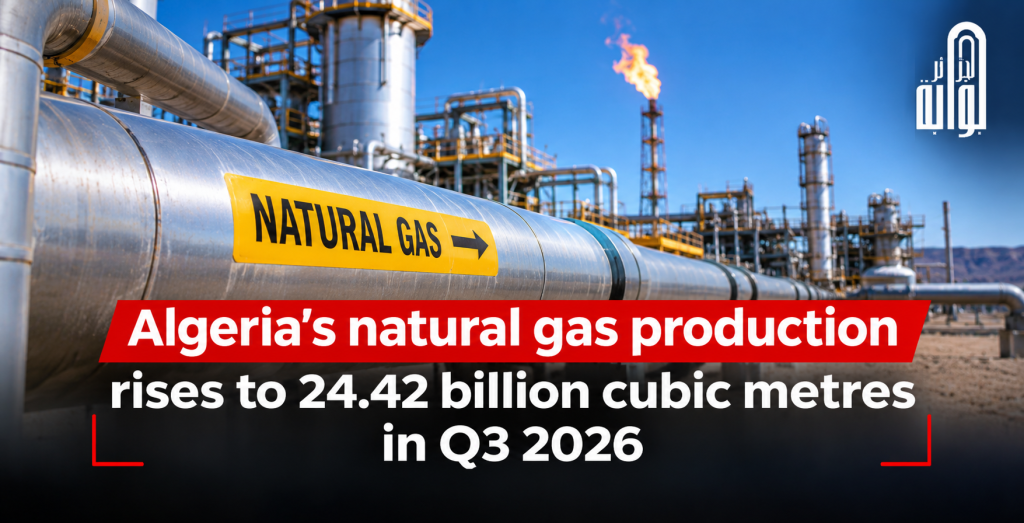
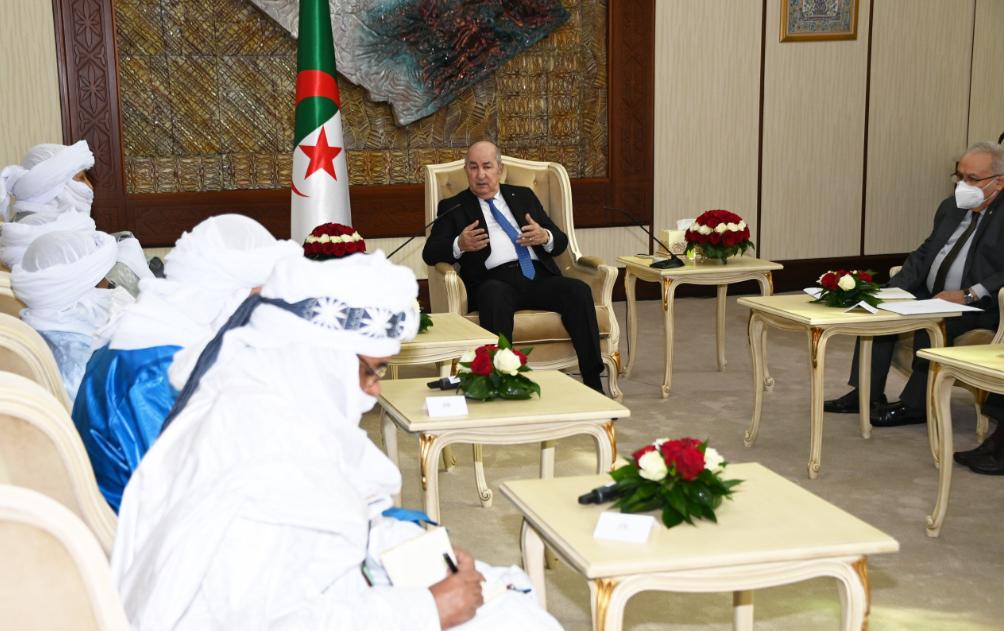
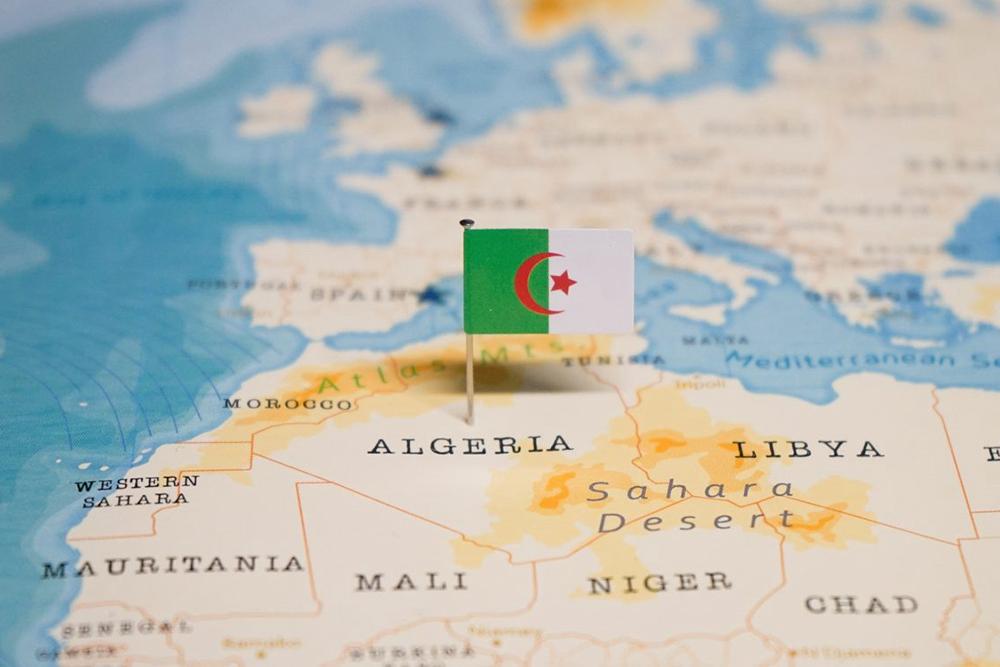
Discussions focused on expanding cooperation in the energy sector, strengthening investment frameworks, and coordinating efforts on security challenges in the Sahel region. The United States increasingly views Algeria as a key actor in regional energy security and a fundamental pillar in maintaining balance and stability across North Africa, especially amid rising regional instability.
In parallel, the visit of the Commander of U.S. Africa Command (AFRICOM), General Michael Langley Anderson, reinforced this security dimension. Talks with Algerian officials focused on the deteriorating situation in the Sahel, the expansion of armed group activity, and the need for deeper operational coordination, with Algeria emerging as a party possessing advanced field experience and a real capacity to influence regional security dynamics
These high-level engagements reflect a shift from traditional cooperation to a growing American recognition that Algeria is not merely a partner, but a regional center of gravity that actively shapes both energy and security equations, particularly in the volatile Sahel space.
In this light, it becomes clear that Algeria is no longer just a participant in regional balances, but one of their core pillars, where security and energy calculations in the region are increasingly built around its role as an essential factor that cannot be bypassed or overlooked.