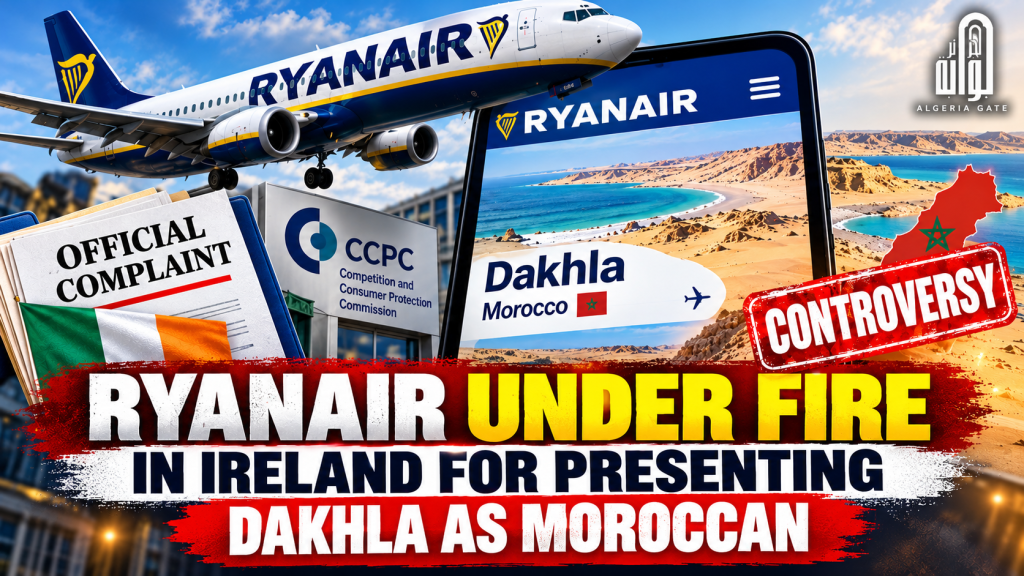
Algeria Gate: Irish airline Ryanair has found itself at the centre of a controversy after presenting the city of Dakhla, located in Western Sahara, as a Moroccan destination. Ireland’s advertising regulator considers the marketing potentially misleading to travellers and recommends that it be withdrawn in its current form.
The case was reported by the Irish newspaper The Irish Times following a complaint filed by Lynn Boylan, an Irish Member of the European Parliament from the Sinn Féin party, who denounced what she described as a misleading representation of Dakhla’s territorial status.
An advertising campaign sparks controversy
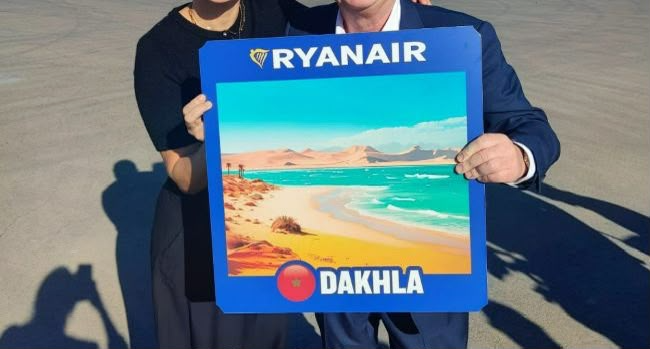
In several promotional campaigns, Ryanair invited customers to discover Dakhla through an experience described as a “Moroccan adventure”.
However, the campaign drew criticism because Dakhla is located in Western Sahara, a territory that has been on the United Nations list of Non-Self-Governing Territories since 1963.
In a preliminary opinion dated 12 October 2026, Ireland’s Advertising Standards Authority (ASA) concluded that the advertisements risked misleading consumers.
Ryanair faces a regulatory warning
The advertising authority has recommended that its independent council uphold the complaint and request that the advertisement no longer be displayed in its current form.
However, this is not yet a final decision, as it still needs to be approved by the competent council.
Ryanair, for its part, maintains that its communications were intended solely to promote the tourist destination and did not express a political position.
Western Sahara’s status at the heart of the debate
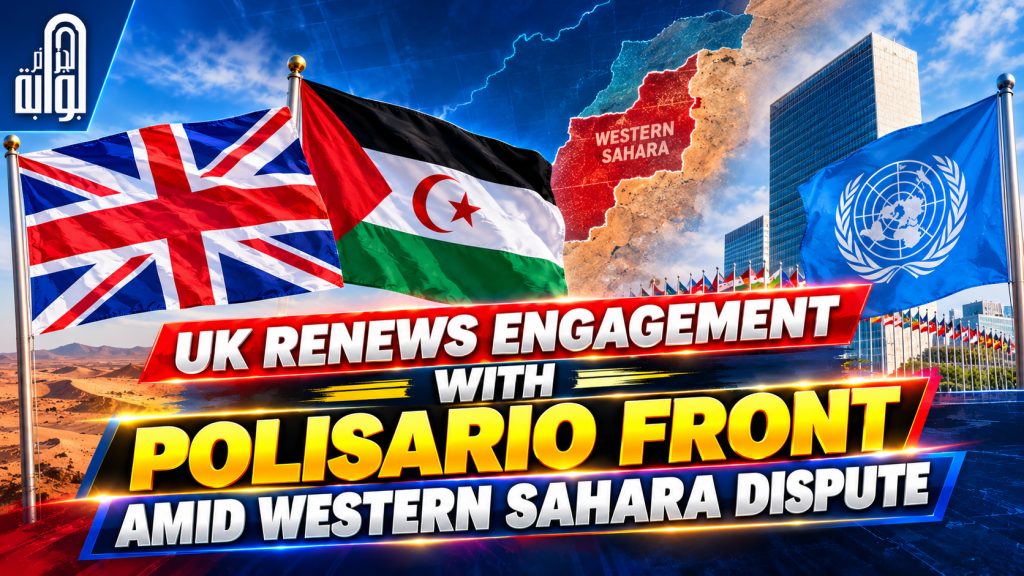
The case has once again drawn attention to the legal status of Western Sahara, which is claimed by Morocco but regarded by the United Nations as a territory whose decolonisation process remains incomplete.
The Court of Justice of the European Union has also reiterated in several rulings that Western Sahara has a status separate and distinct from that of Morocco.
Beyond a simple tourism campaign, the controversy highlights the legal and political consequences that can arise from the commercial presentation of a disputed territory.
For Ryanair, the case could lead to changes in its promotional communications, while the question of Western Sahara continues to spark debate on the international stage.