Saturday, 24 October 2026 • 17:18 Algiers time
Algeria Gate
Share this post

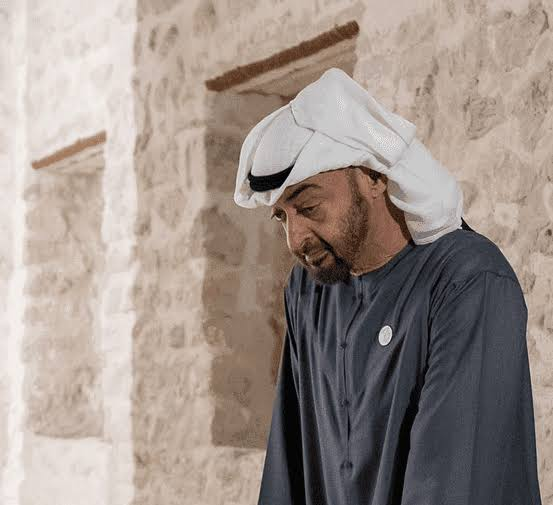
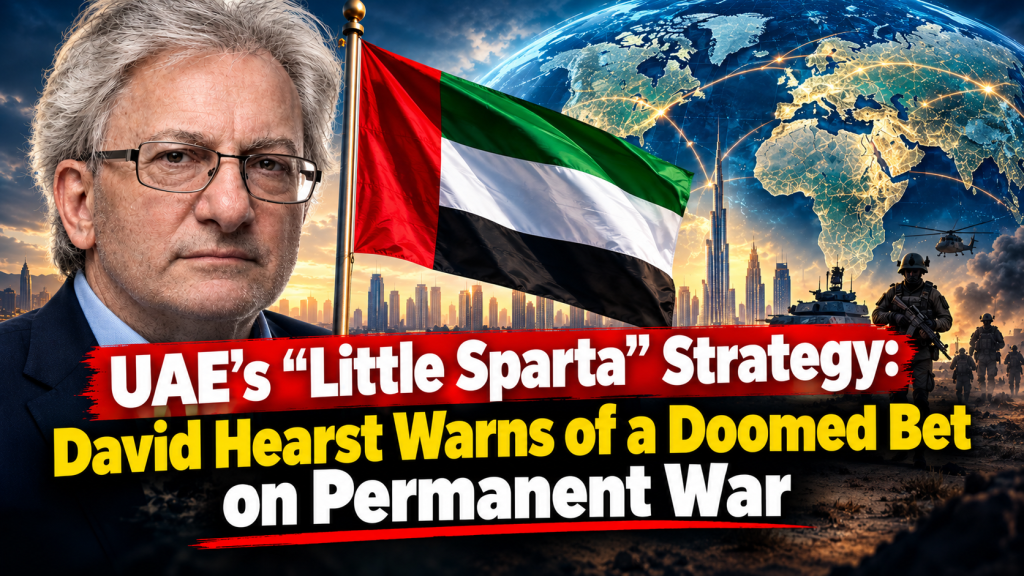
UAE’s “Little Sparta” Strategy: David Hearst Warns of a Doomed Bet on Permanent War

• Author: Lys Iwannughen • 0 comments • 39 views
UAE’s “Little Sparta” Strategy: David Hearst Warns of a Doomed Bet on Permanent War

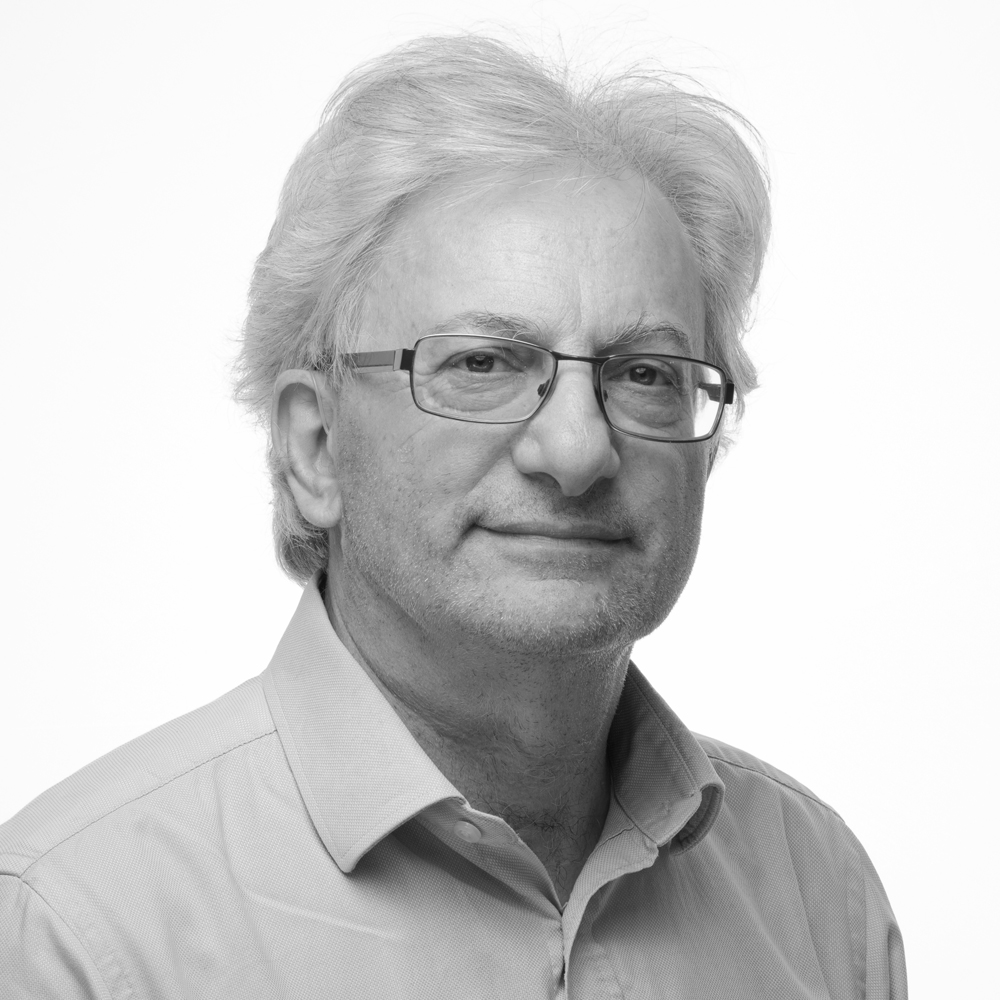
Opinion article by David Hearst (Executive Editor of Middle East Eye)
UAE’s “Little Sparta” Strategy: David Hearst Warns of a Doomed Bet on Permanent War

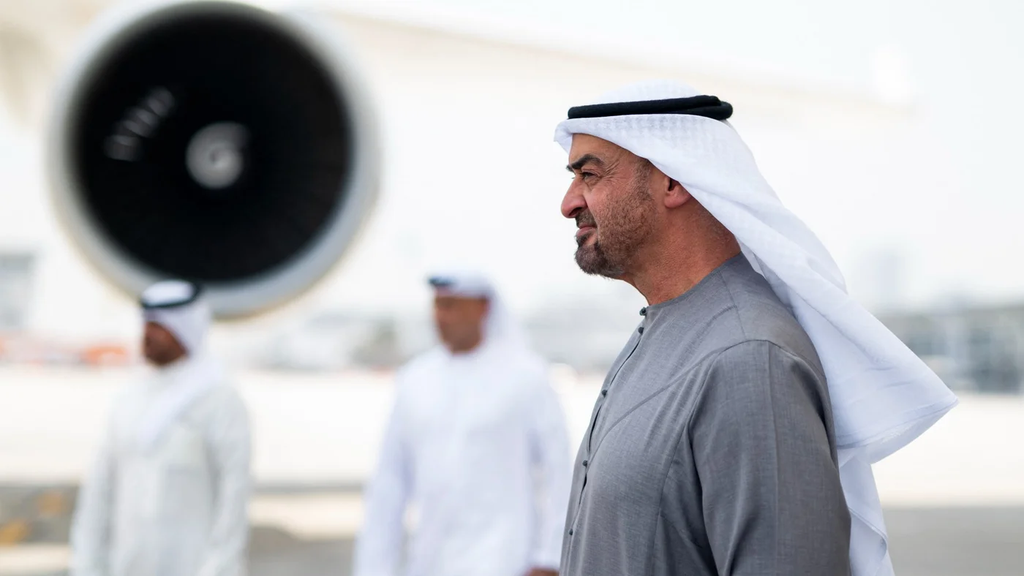
Algeria Gate: In a sharply critical opinion piece, David Hearst, executive editor of Middle East Eye, contends that the United Arab Emirates, alongside the United States and Israel, is working to normalise a condition of permanent war throughout the Middle East. Hearst argues that Mohamed bin Zayed is repeating the familiar mistake of major powers that prioritise hard power over soft power.
UAE’s “Little Sparta” Strategy: David Hearst Warns of a Doomed Bet on Permanent War

He begins by noting how both Vladimir Putin and Donald Trump have declined to describe their military operations as “wars;” in Ukraine and against Iran, despite the heavy human and material toll. As a concrete illustration, Hearst points to the crew of the American aircraft carrier USS Abraham Lincoln, which endured 286 consecutive days at sea and returned clearly exhausted. The same pattern of denial, he suggests, now defines Abu Dhabi’s approach to the region.

United States intelligence assessments, according to Hearst, show that Iran emerged from the recent confrontation with greater confidence in its military strength. Tehran has openly declared a shift toward “pre-emptive” operations, a change that further weakens the notion that regional coercion can deliver lasting strategic results.

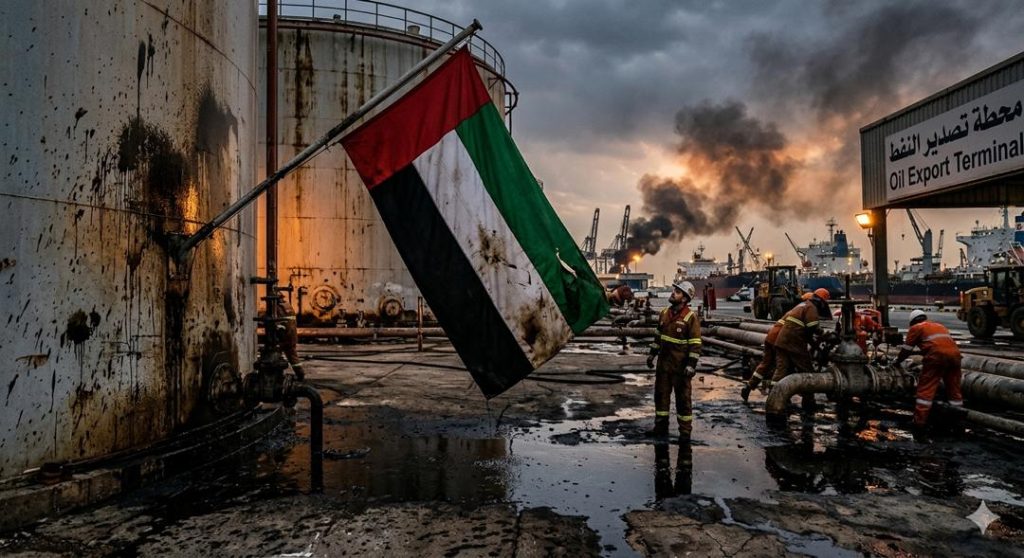
The article presents the UAE as a calculated “chaos actor.” While projecting an image of tolerance, modernity and openness; through a Ministry of Tolerance, towering skyscrapers and prominent sports investments, Abu Dhabi is accused of quietly directing money, mercenaries and weapons into several conflict zones. Hearst highlights the use of Bosaso port in Somalia as one link in a discreet supply network that has allegedly helped sustain fighting in Libya and Sudan, even as official denials continue.

This dual character is most evident, Hearst writes, in Sudan. The Emirates is accused of supplying arms to the Rapid Support Forces (RSF), the militia facing charges of war crimes and ethnic cleansing in Darfur. Routes through Chad and Libya, combined with the recruitment of Colombian mercenaries, form part of what the author describes as a deliberate effort to keep the conflict going.
UAE’s “Little Sparta” Strategy: David Hearst Warns of a Doomed Bet on Permanent War

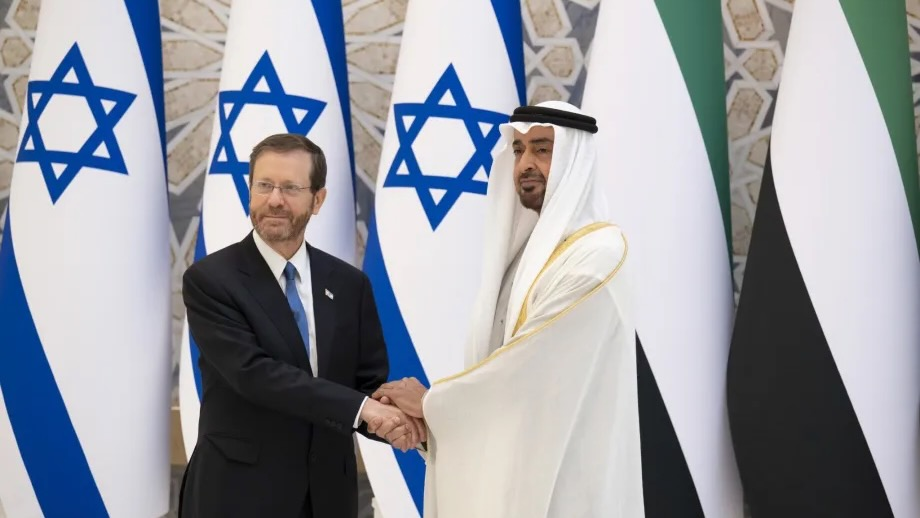
A similar pattern is visible in the UAE’s expanding military ties with Israel. Despite famine and what numerous international observers call genocide in Gaza, the Israeli defence firm Elbit Systems concluded a $2.3 billion arms agreement with Abu Dhabi; the largest single contract in Israel’s history. At the same time, Hearst notes a growing convergence between the UAE, Israel and elements of the European far right, including figures such as Nigel Farage, who exploit Islamophobic themes for political gain.

Hearst’s closing argument is historical and firm. The “Little Sparta” approach adopted by Abu Dhabi; the idea that concentrated military and financial power can permanently reshape the region, is bound to fail. History, he observes, remembers Athens rather than Sparta. It was the city that lost the Peloponnesian War yet left the world philosophy, art and democracy, not the militarised victor that bequeathed almost nothing.

In Hearst’s view, Mohamed bin Zayed is making the same strategic error that has already brought down earlier regional and global powers: the belief that hard power alone can enforce order. Soft power: legitimacy, culture, and the ability to inspire rather than compel, remains the only lasting force.


#UAE
Author
Lys Iwannughen
View my articles

Leave a comment

Your email address will not be published. Required fields are marked *

Hebrew press
Share this post

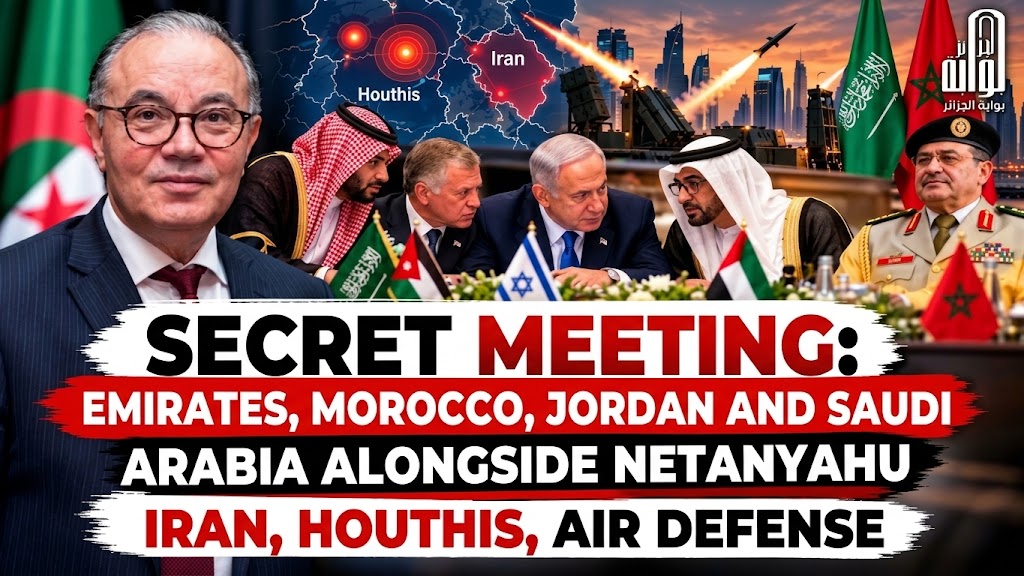
Ben Zayed Scandal: The Warning He Gave Netanyahu Before the Al-Aqsa Flood

Ben Zayed Scandal: The Warning He Gave Netanyahu Before the Al-Aqsa Flood

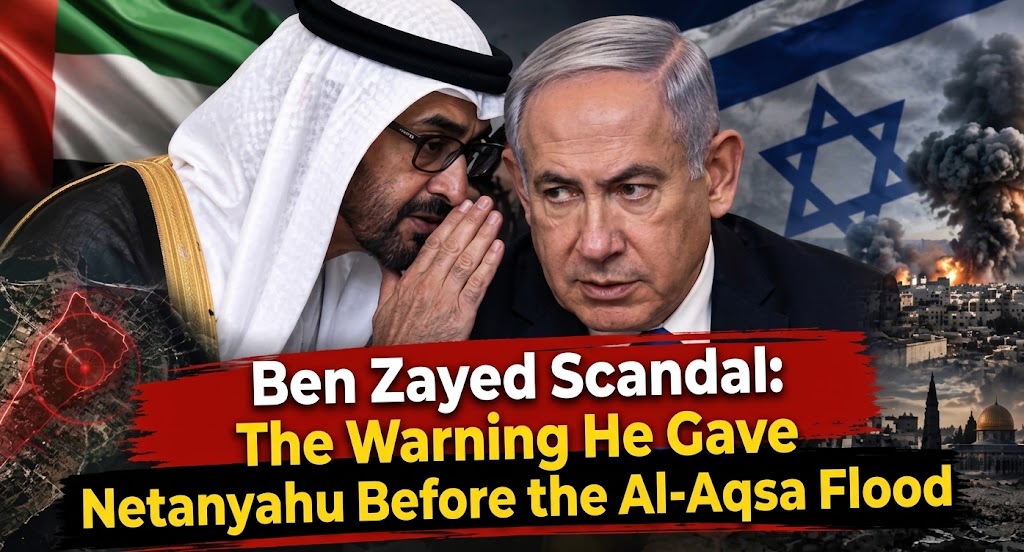
Algeria Gate: The Hebrew newspaper Haaretz revealed this Tuesday that the occupation prime minister, Benjamin Netanyahu, received a warning from UAE President Mohammed bin Zayed a week and a half before the “Al-Aqsa Flood” operation on October 7th 2023.

Ben Zayed Scandal: The Warning He Gave Netanyahu Before the Al-Aqsa Flood

According to details published by the newspaper, in the final days of September 2023; i.e., a week and a half before the operation, Netanyahu received a phone call from Mohammed bin Zayed that lasted 45 minutes. During that call, bin Zayed warned Netanyahu of the intentions of the late Hamas political bureau chief Yahya Sinwar to launch a major operation by Hamas against Israel. The paper said that despite this, “Netanyahu did nothing.” The extensive investigation was conducted for a book titled Hostages (the Israeli captives): 843 days of neglect, which effectively revealed a series of Netanyahu’s failures before the operation occurred.

According to the newspaper, bin Zayed, who has close relations with Isaac Herzog, the Zionist president, spoke in the days preceding the outbreak of the war. According to Herzog: “The UAE president has always conveyed messages that there is a need to calm the situation,” noting that “he sent a special envoy to Israel who met Netanyahu… as if he felt that the region was about to explode.”

Ben Zayed Scandal: The Warning He Gave Netanyahu Before the Al-Aqsa Flood

The details also state that bin Zayed urged Netanyahu to “take the warning seriously.” However, in a manner that aroused his astonishment, the Zionist prime minister’s response was “relatively calm” upon hearing the information and warnings; he said that “Hamas intends to move in the West Bank” and then “reassured bin Zayed that Israel is prepared for all scenarios.”

#Israel#Palestine#UAE
Author
Lys Iwannughen
View my articles
International press
Share this post

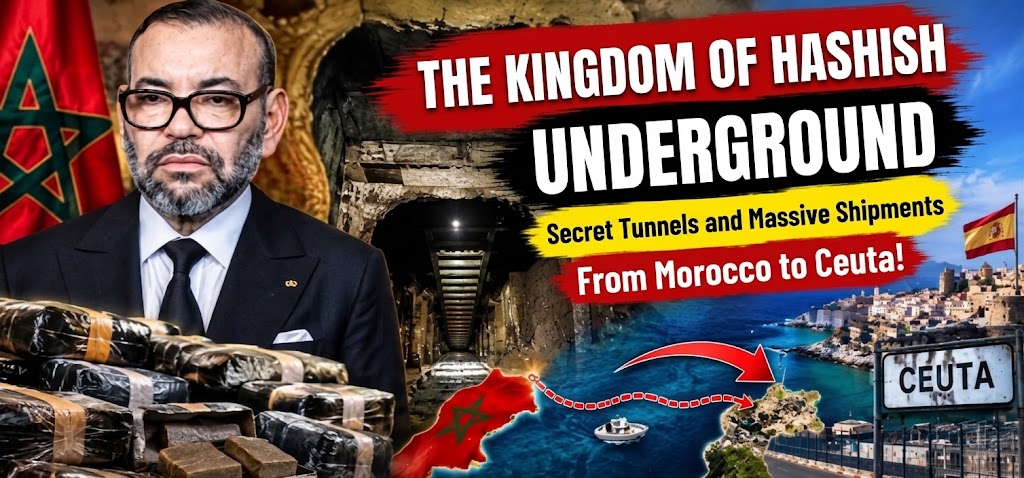
From Hashish to Synthetic Drugs: Morocco’s Poison Network Targets Its Neighbors

From Hashish to Synthetic Drugs: Morocco’s Poison Network Targets Its Neighbors

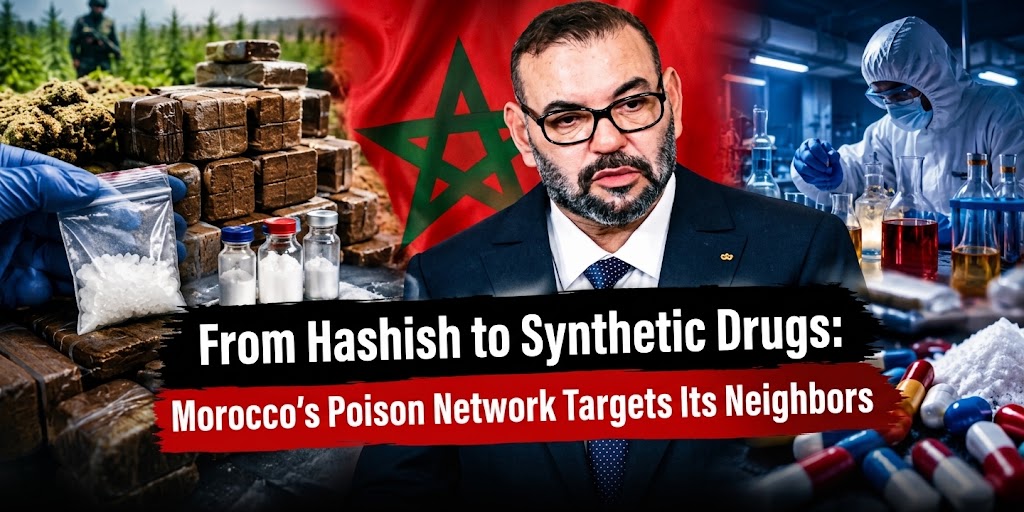
Algeria Gate / Agencies: Through its complicity and turning a blind eye, the Makhzen is consolidating Morocco as a nurturing environment for secret laboratories producing hallucinogens and psychotropic substances, in a transition from a notable focus on the traditional hashish economy to the manufacture of chemical drugs and their smuggling across borders. Meanwhile, the activities of trafficking networks and the laundering of proceeds are expanding, turning the kingdom into a regional platform for manufacturing these poisons and flooding neighboring countries with them.

From Hashish to Synthetic Drugs: Morocco’s Poison Network Targets Its Neighbors

International data show that the shift is no longer limited to smuggling hard drugs but has extended to processing and converting them inside the kingdom. The Geneva-based international research network Global Initiative Against Transnational Organized Crime, which deals with cross-border organized crime and drug trafficking issues, highlighted the existence of a cocaine conversion laboratory in the city of Oujda, Morocco, since 2016, run by chemists and linked to the processing of 250 kilograms of refined cocaine that same year.

These facts expose Morocco’s central role, for years, in processing cocaine, and the appearance of locally manufactured substances shows the extent to which Moroccan criminal networks have developed their capabilities in this field.

In this regard, “boufa,” known as the “poor man’s cocaine,” has emerged as one of the most prominent manifestations of local manufacturing. It is a substance prepared from cocaine residues, chemicals, and drugs, and first appeared in Morocco in 2020 before expanding remarkably. However, “boufa” is only one face of a broader shift in the nature of drugs produced inside and outside the kingdom.

In January 2026, official data themselves acknowledged that more than four million psychotropic tablets were manufactured locally in a limited period inside secret laboratories, coinciding with the appearance of new psychotropic substances and the complexity of production networks and transit routes.

In this specific framework, Spanish investigations reveal that Moroccan manufacturing does not occur in isolation from abroad but relies on a cross-border network.

From Hashish to Synthetic Drugs: Morocco’s Poison Network Targets Its Neighbors

In January 2022, the Spanish police announced the dismantling of an international criminal network that was trafficking medicines used in the manufacture of what is known as the “Karkoubi” tablet inside Morocco (a type of psychotropic substance converted into hallucinogenic drugs). They seized 200,000 psychotropic tablets in Spain, while total seizures exceeded around 500,000 tablets as an extension of the same operation.

This case illustrates a broader meaning of the development of manufacturing inside the kingdom, as it reveals that some raw materials come from abroad as legitimate medicines before entering an illegal manufacturing process to produce hallucinogens inside Morocco.

Spanish public broadcaster RTVE clarified that “Karkoubi” is manufactured in Morocco using medicines coming from abroad, such as those related to epilepsy, before being transformed into a narcotic substance.

Thus, neighboring countries find themselves facing the repercussions of a criminal system that begins with obtaining pharmaceutical materials and ends with a dangerous drug manufactured in laboratories distributed across various cities of the kingdom, while the affected communities outside Morocco bear the high cost of the expansion of these networks.

From Hashish to Synthetic Drugs: Morocco’s Poison Network Targets Its Neighbors

The newspaper El País reinforces this picture in an investigation published in 2024 on Rivotril (a pharmaceutical substance for treating epilepsy and panic), highlighting that Spain sells nearly four million boxes annually and that a large part of these quantities ends up in illegal channels before the drug is used in preparing “Karkoubi” in Morocco.

The newspaper also cited Spanish police estimates speaking of profits exceeding 100 million euros annually achieved by organized Moroccan criminal groups from this activity.

Here appears the capacity of the criminal economy to convert a legitimately available pharmaceutical substance into a source of financing for a drug trade that extends outside the kingdom.

From Hashish to Synthetic Drugs: Morocco’s Poison Network Targets Its Neighbors

These networks do not stop at a single path, as European investigations reveal the extension of their activity linked to Morocco through multiple routes. In June 2025, Spanish police dismantled a network operating between Morocco and Spain and seized a huge quantity of one of the most dangerous types of hallucinogens, the “clonazepam” tablet, along with 22 kilograms of hashish.

#Morocco
Author
Lys Iwannughen
View my articles
International press
Share this post

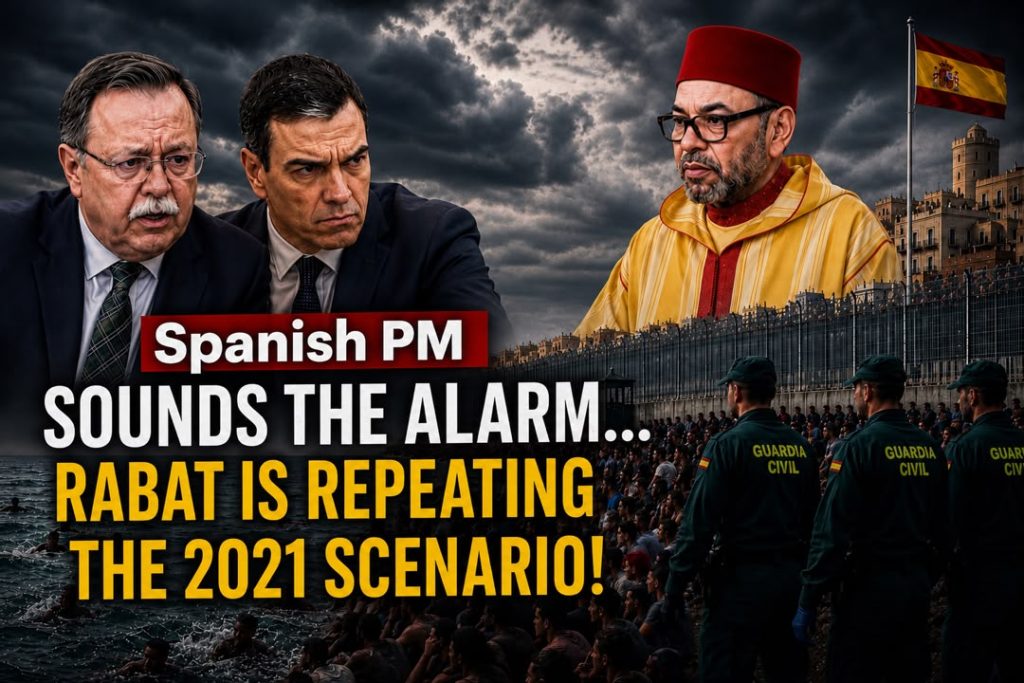
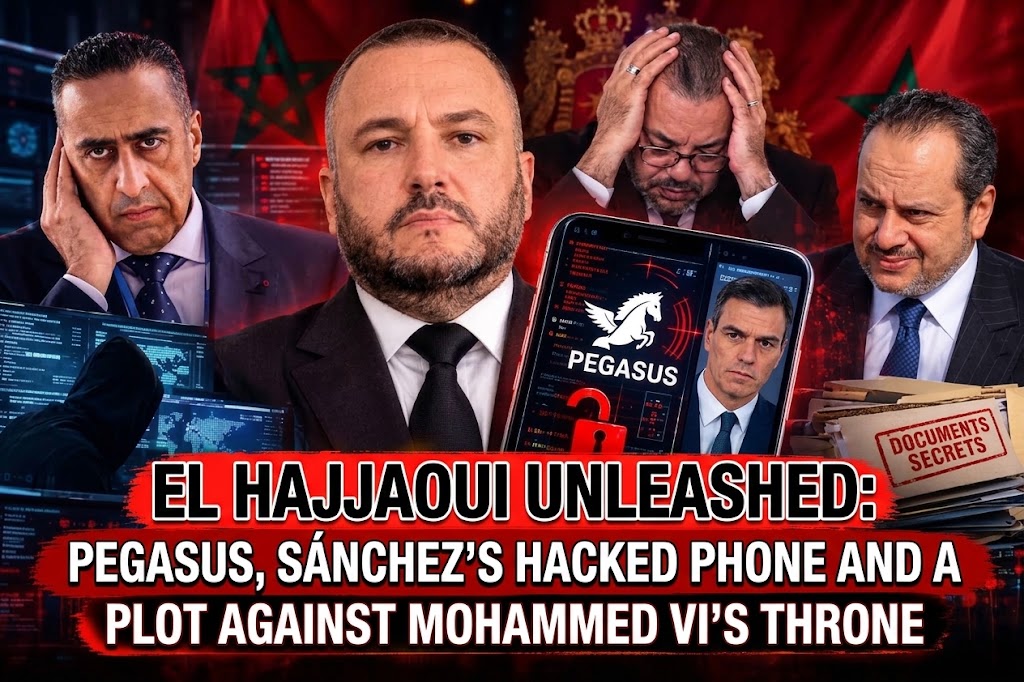
El Hajjaoui Unleashed: Pegasus, Sánchez’s Hacked Phone and a Plot Against Mohammed VI’s Throne

El Hajjaoui Unleashed: Pegasus, Sánchez’s Hacked Phone and a Plot Against Mohammed VI’s Throne

Algeria Gate: In one of the most dangerous cyber blows that threatens a knockout punch to the throne of Mohammed VI, the Israeli Pegasus program; through which the Moroccan Makhzen regime excelled at spying on and blackmailing heavyweight foreign officials and politicians, has today become a spell that has turned against its caster.

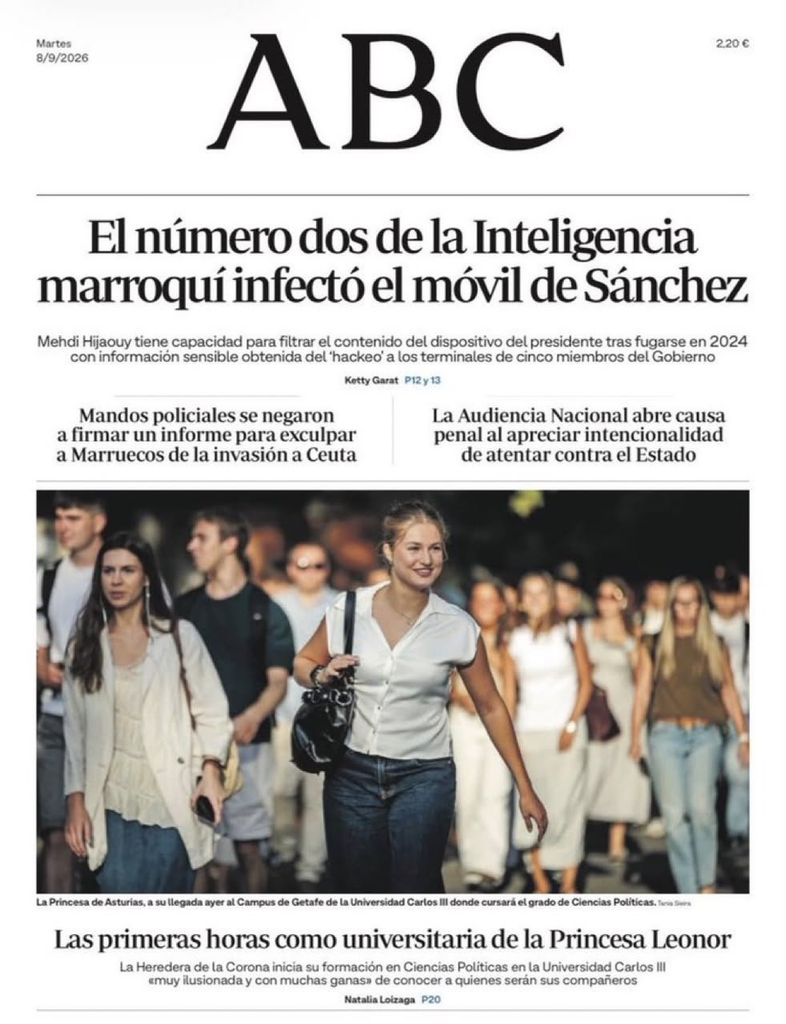
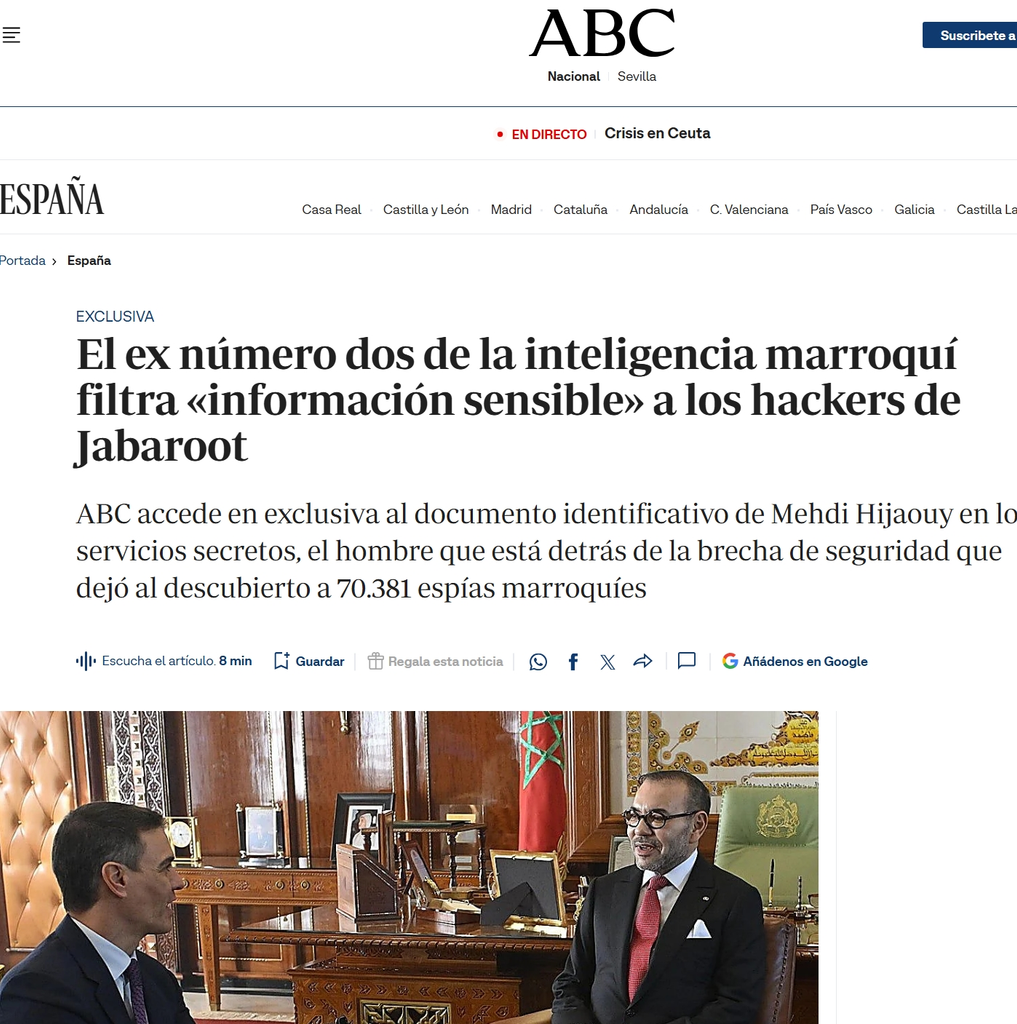
The Spanish newspaper ABC revealed that Mehdi El Hajjaoui, considered the most dangerous Moroccan intelligence fugitive, is the engineer of the spying operations on the phone of Spanish Prime Minister Pedro Sánchez, confirming that he is ready to empty its sensitive contents.

El Hajjaoui Unleashed: Pegasus, Sánchez’s Hacked Phone and a Plot Against Mohammed VI’s Throne

The former deputy head of the Moroccan foreign intelligence service, according to the same source, was the leader of the spying operations carried out via the Pegasus program. Shortly before leaving Morocco in 2024, Mehdi El Hajjaoui stole all the information related to the infection of government phones. Sources close to him told ABC that “he is the one who infected Pedro Sánchez’s phone” and that he is “ready to provide” all the information about the breach: “how it was done, who was targeted, the content of the phone and the 2.6 gigabytes.”

El Hajjaoui, who was a general advisor in the Moroccan foreign intelligence service, fled Morocco in 2024 carrying with him other sensitive information about King Mohammed VI’s system: disclosures about the king, intelligence officials, ministers, security leaders, bribes to European parliamentarians in the “Moroccogate” case, and spying operations on European leaders such as Sánchez and French President Emmanuel Macron using the Israeli program.

The exclusive document obtained by ABC, which El Hajjaoui deposited with trusted people who helped him escape from Spain in February 2025, confirms that he led a secret operations unit specialized in cyber-spying on leaders in Europe and Africa, through which the Pegasus operations were carried out.

Mehdi El Hajjaoui: A mobile time bomb

His service record, according to the same source, specifies his high-level missions: “Head of the Security Office. Commander of the Atlas Unit and the Action Service Training Center, and charged with the mission before the Director General.” This points to Yassine Mansouri, head of foreign intelligence, who led the spying operations on politicians, journalists, and international leaders between 2020 and 2022 with the aim of imposing an international change in the status of Western Sahara and emptying the United Nations mission (MINURSO) of its substance.

El Hajjaoui was responsible for training agents for these secret operations and was also commander of the Atlas Unit (the elite of the Moroccan armed forces known as the “Atlas Shooters”). The same sources say: “Everything passed through his hands… He was the general controller of Moroccan intelligence, and he is now a mobile bomb.”

The document shows his long career in the intelligence service until his flight in 2024. He worked as a mission officer with the advisor close to King Mohammed VI, Fouad Ali El Himma. His service record covers 20 years as a “senior intelligence officer” in the foreign intelligence service (1994–2014), where he reached the position of “general controller” and even temporarily replaced the Director General during a sick leave.

The documents refute the Moroccan smear campaign that tried to portray him as a mere ordinary criminal and “swindler” claiming to be a high-level spy. El Hajjaoui, aged 53, was born in Hamburg, Germany, and is characterized by a strong build. He trained with the intelligence services of several countries: Mossad (Israel) and the CIA (United States), in addition to courses in the United States, Canada, France, Belgium, England, and Israel.

El Hajjaoui also studied in Paris advanced courses in intelligence, influence strategies, psychological warfare, and cybersecurity at the School of Economic Warfare. After fleeing Morocco, he first settled in France, but discovered he was being monitored by Moroccan agents, so he moved to Spain. His entourage says that the Spanish CNI set a trap for him in a meeting attended by two Moroccan agents who tried to persuade him to return, but he never trusted Spanish intelligence because of “the Spanish government’s subordination to Morocco.” CNI sources only confirm that he has been “in an unknown location” since February 2025.

His lifeline: Pegasus

The former number-two man in Moroccan intelligence fled Spain carrying with him a “lifeline”: all the information about the infection of Sánchez’s phone with Pegasus, in exchange for the suspension of the extradition procedures initiated by the Spanish National Court on the basis of an Interpol warrant.

El Hajjaoui Unleashed: Pegasus, Sánchez’s Hacked Phone and a Plot Against Mohammed VI’s Throne

ABC confirms that the information he can provide is extremely sensitive and will confirm Morocco’s responsibility for infecting the phones of Pedro Sánchez (2.6 gigabytes), Defense Minister Margarita Robles, Interior Minister Fernando Grande-Marlaska, Agriculture Minister Luis Planas, and former Foreign Minister Arancha González Laya.

The infection of González Laya’s phone occurred in the same month that she informed Sánchez of the decision to receive Polisario leader Brahim Ghali in Spain for humanitarian reasons. A few days later came the assault on Ceuta in May 2021.

El Hajjaoui wants to reveal “how the spying was done and who was targeted” even more than the content of the data, in order to expose Moroccan operations of major international dimensions. After the spying, Sánchez paid a heavy price: the dismissal of González Laya at Morocco’s explicit request, blackmail with migration in 2021, then Spain’s historic shift in its position on Western Sahara.

#Morocco#Spain
Author
Lys Iwannughen
View my articles