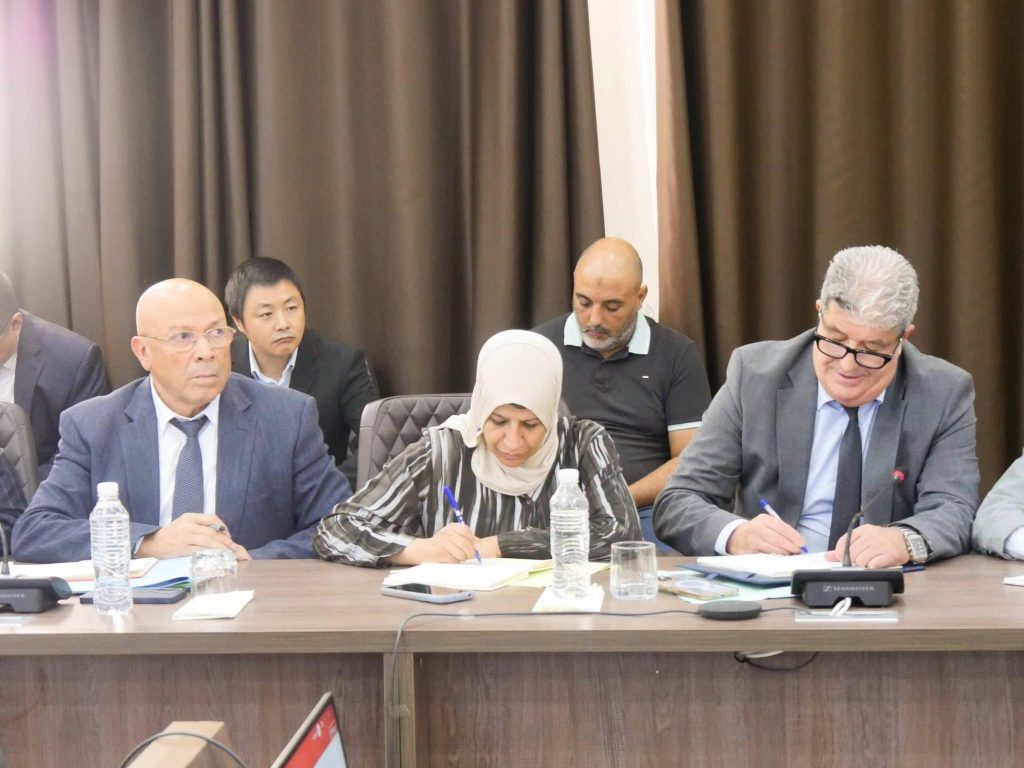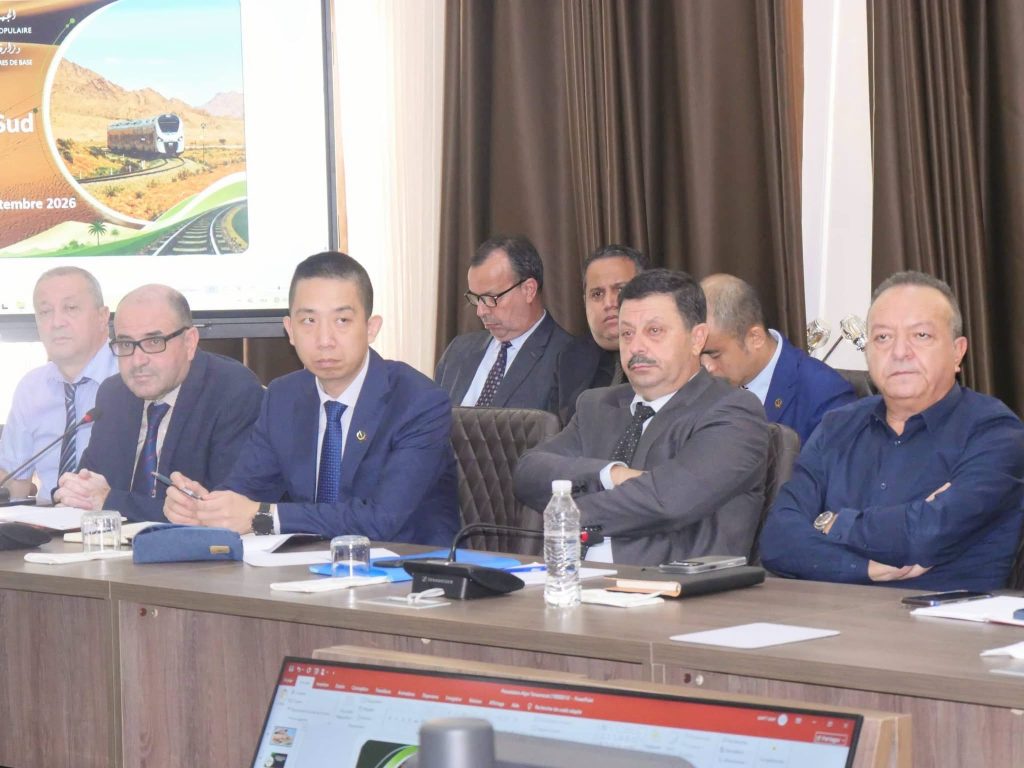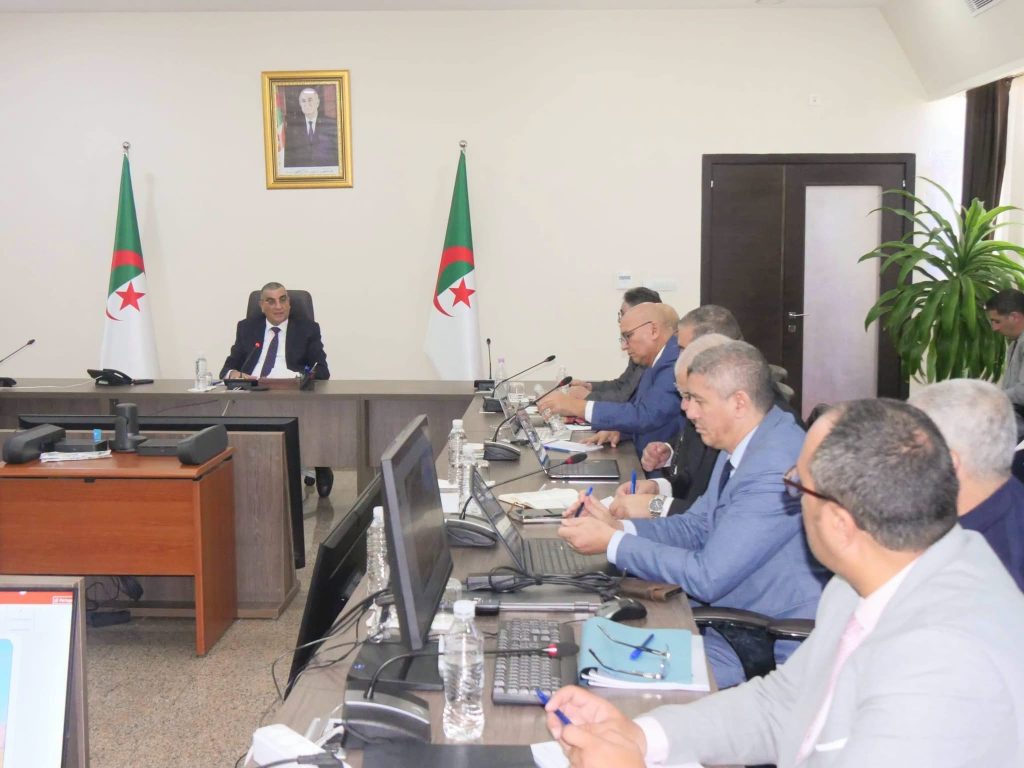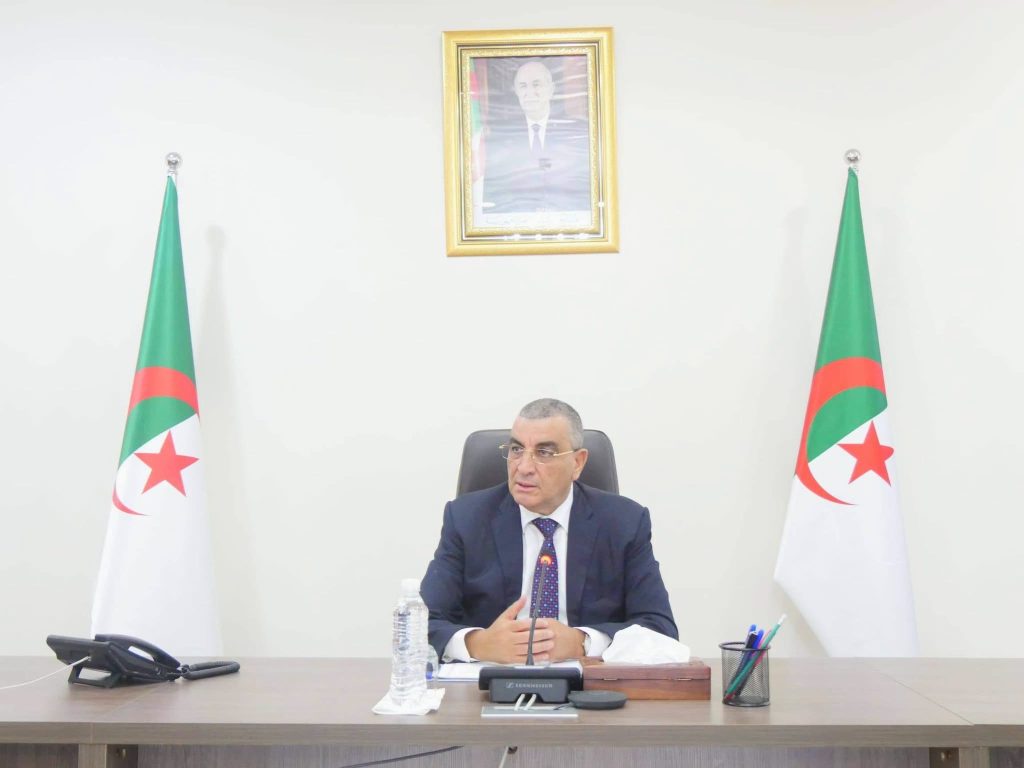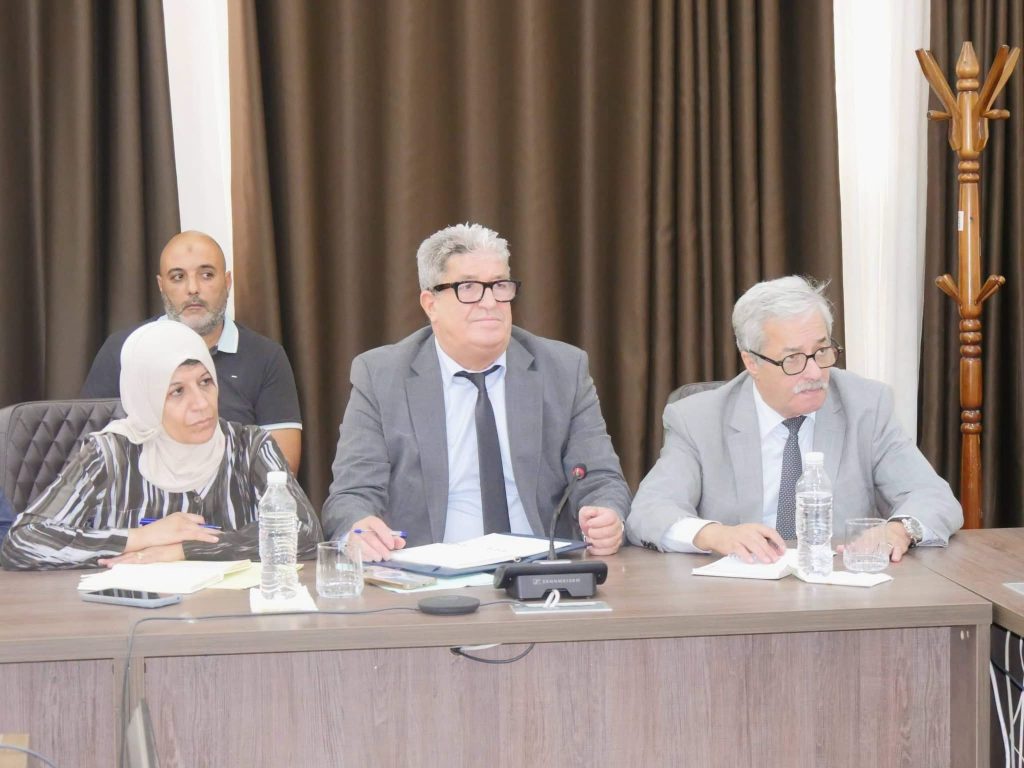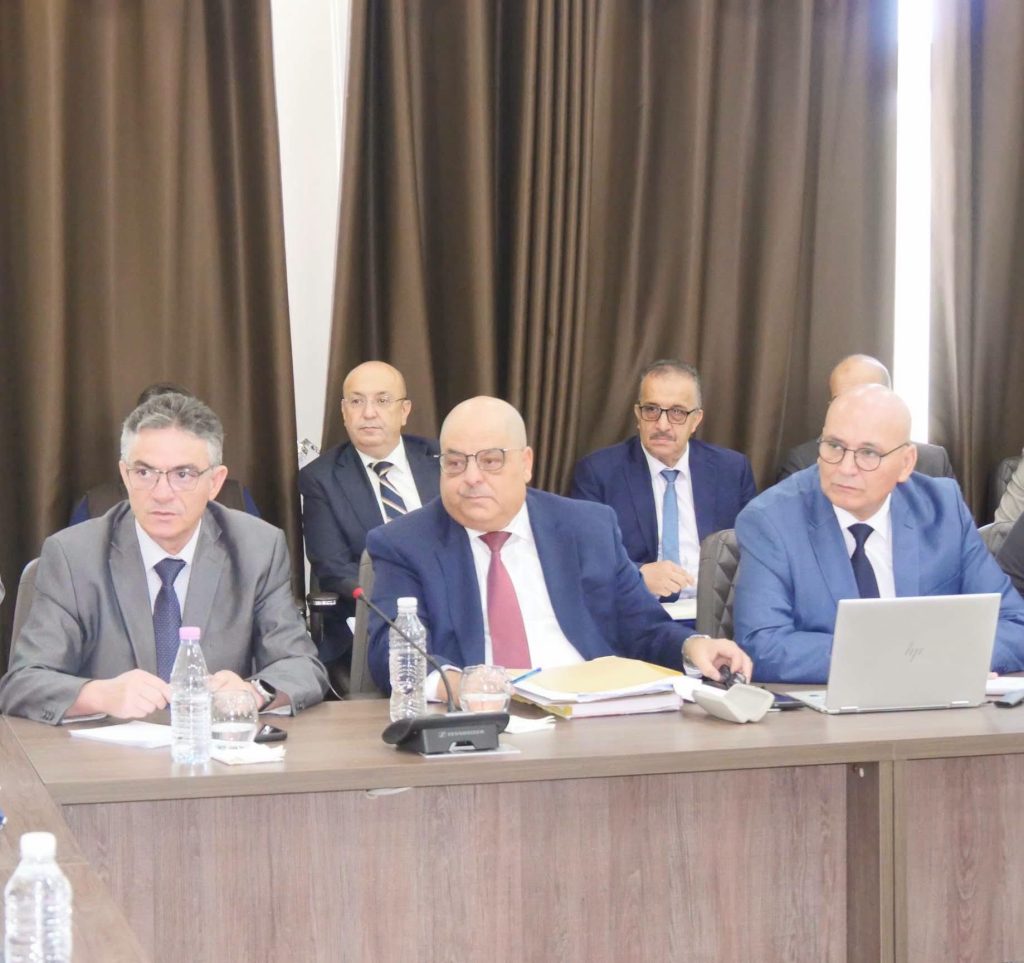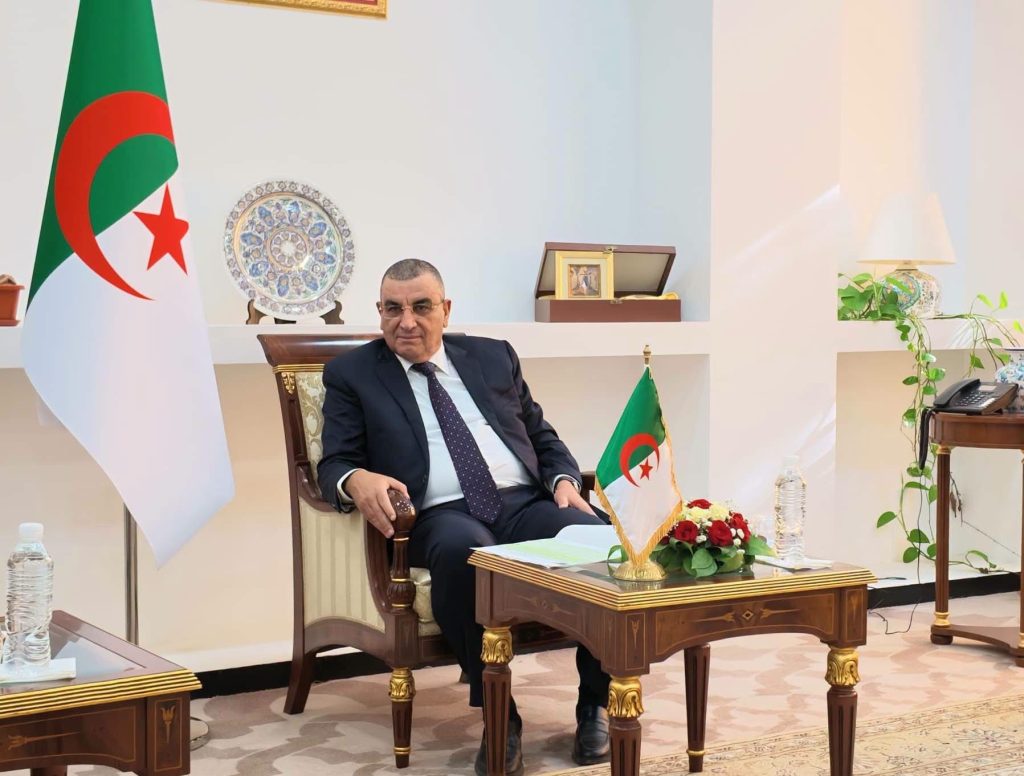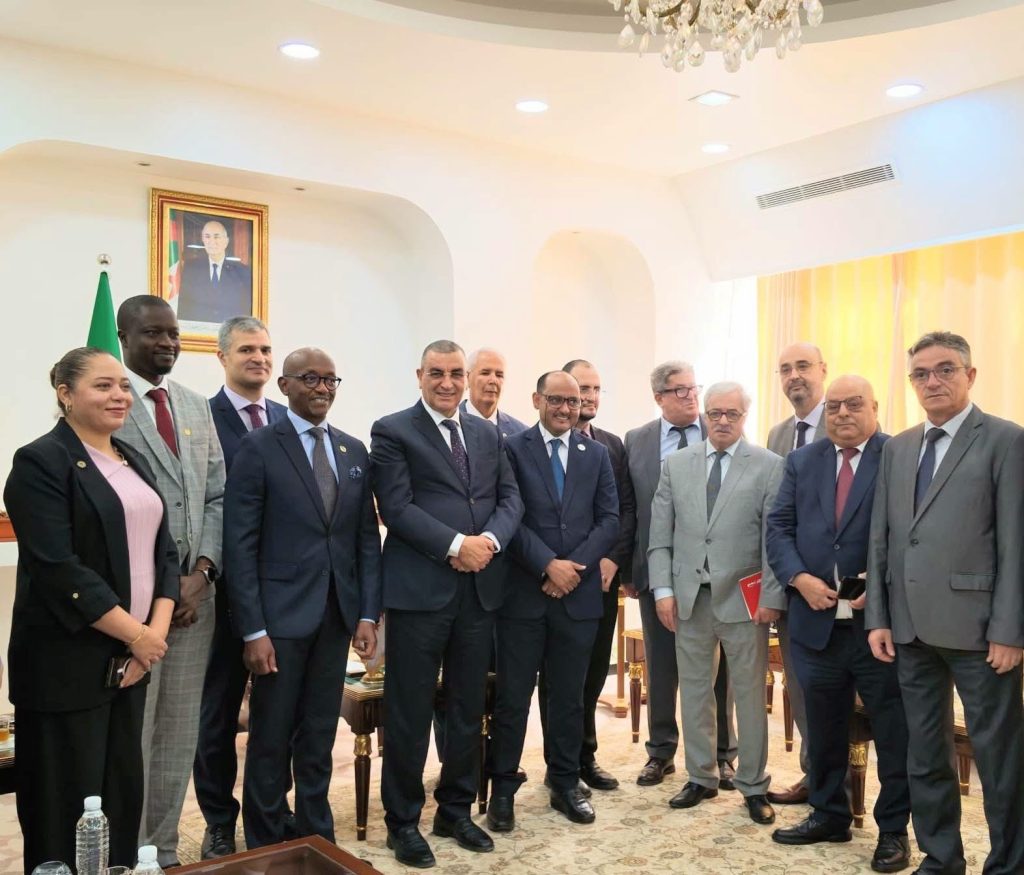
Algeria Gate: Prime Minister Sifi Ghrieb, acting on instructions from President Abdelmadjid Tebboune, inaugurated the “General Plastic Injection” production unit in Tissemsilt on Thursday. The facility, operated by the public holding Algeria Chemical Specialities (ACS), specializes in plastic components and accessories for the automotive sector and forms part of Algeria’s broader push to recover confiscated industrial assets and raise national integration rates.
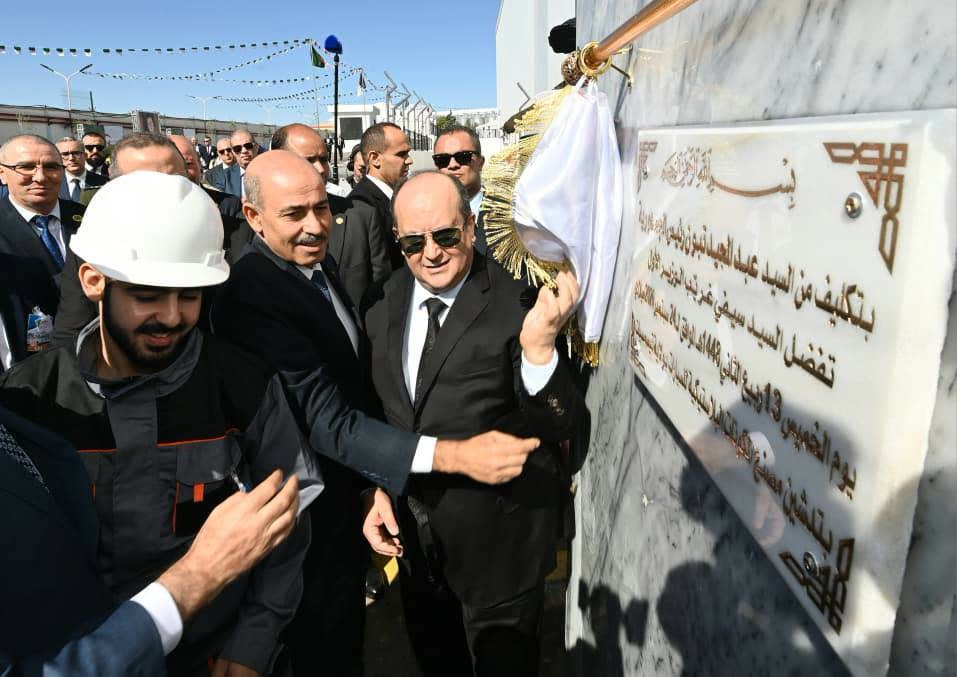
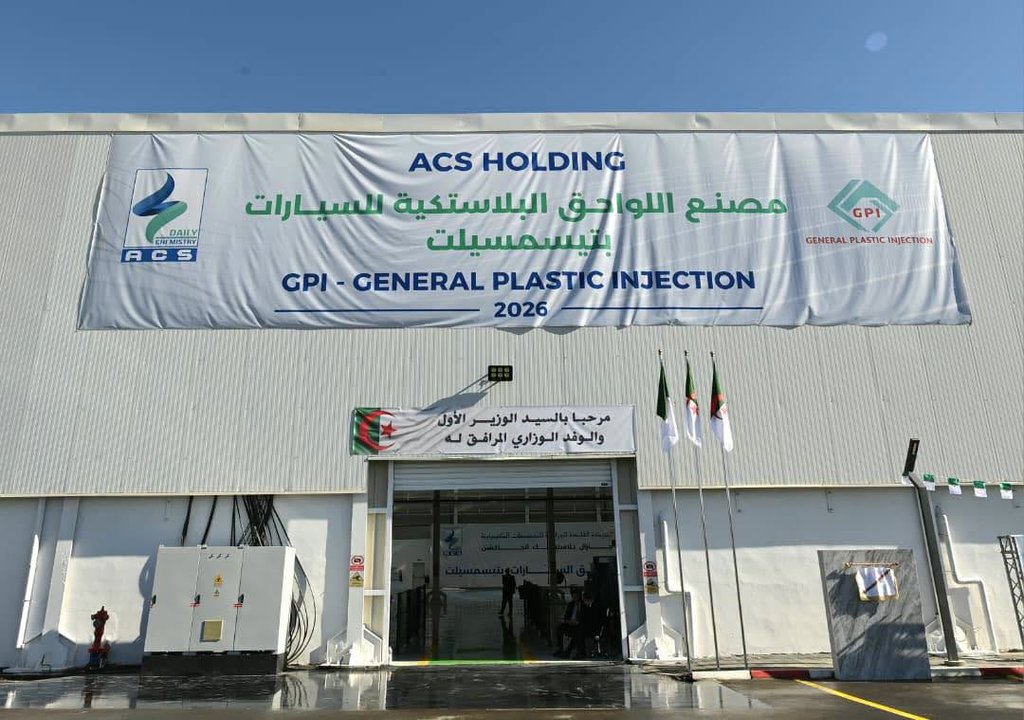
Inauguration of the General Plastic Injection Unit
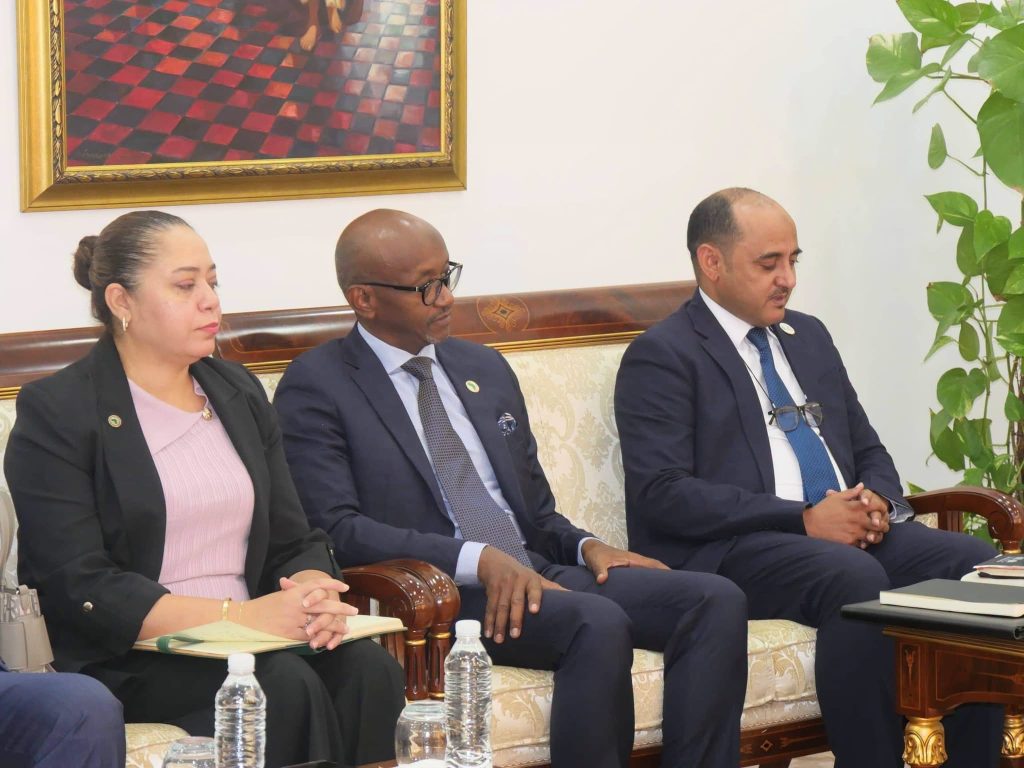
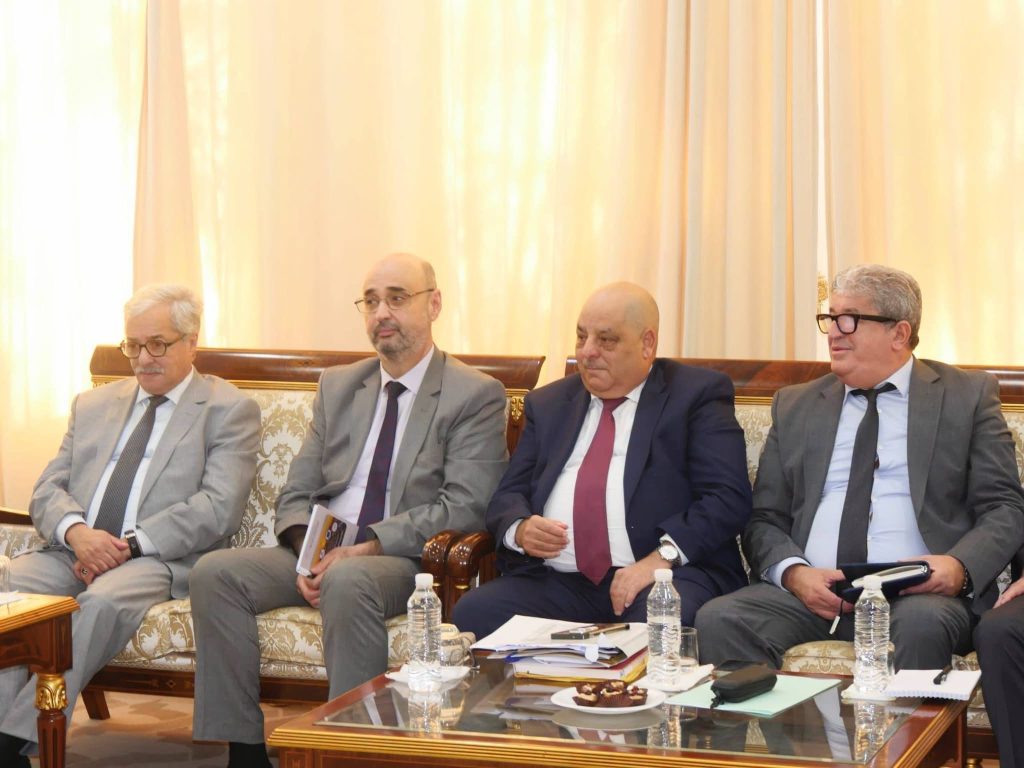
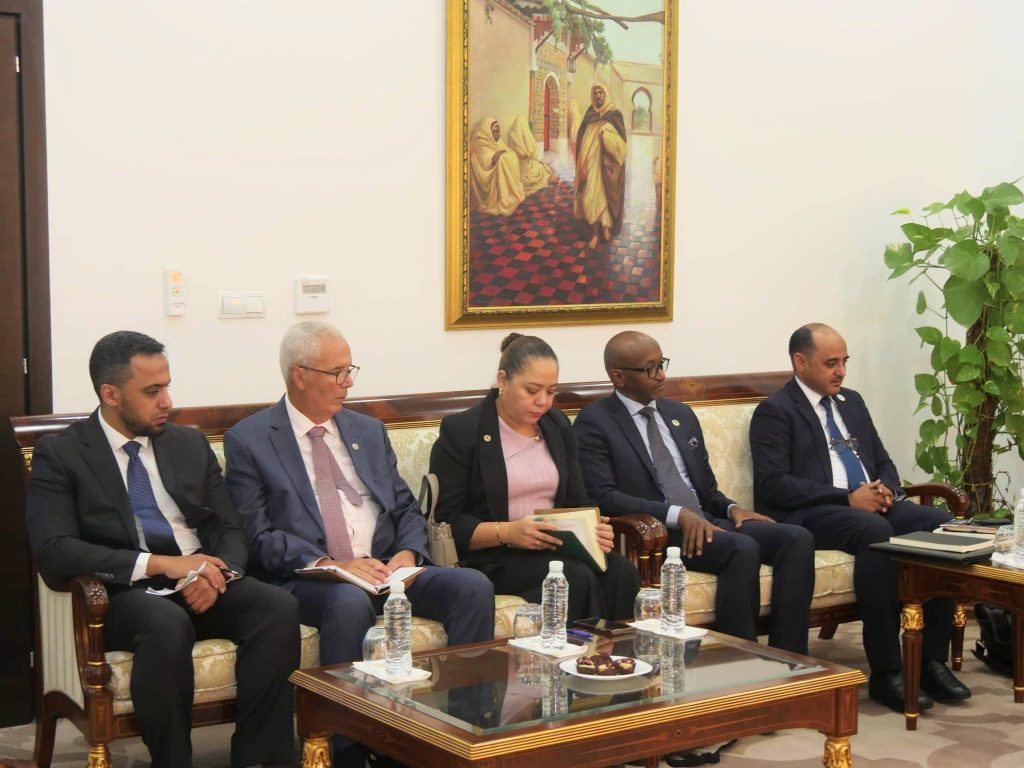
The ceremony took place in the commune of Khemisti in the presence of Interior, Local Authorities and Transport Minister Saïd Sayoud, Finance Minister Mohammed Lamine Lebbou, Industry Minister Farid Kourtel, and Kamel Moula, president of the Council for the Economic Renewal of Algeria (CREA).
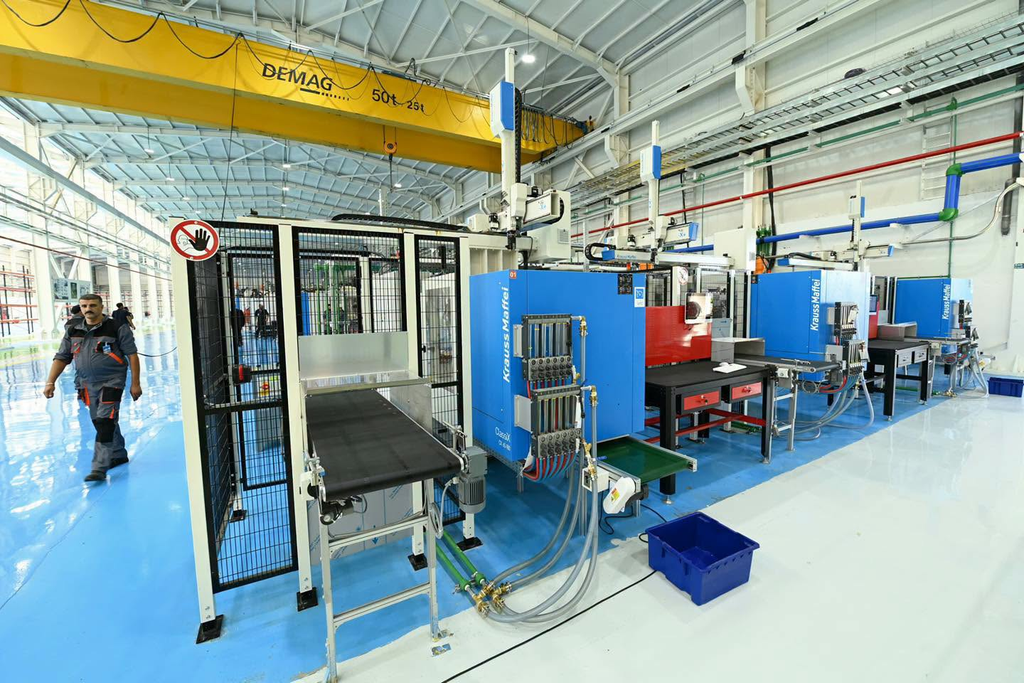
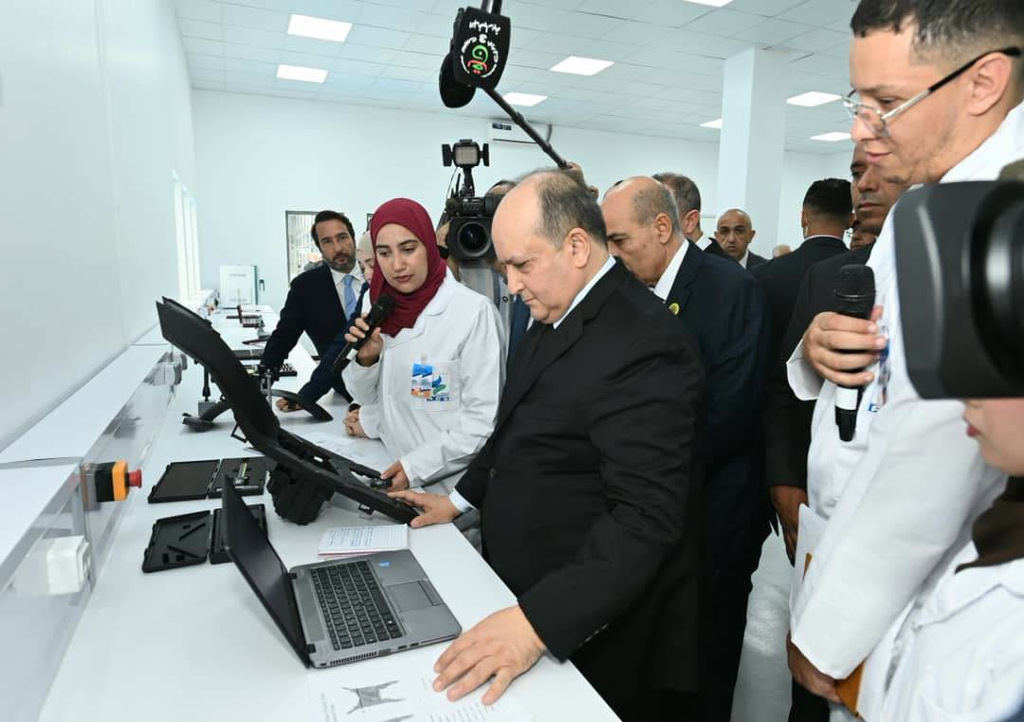
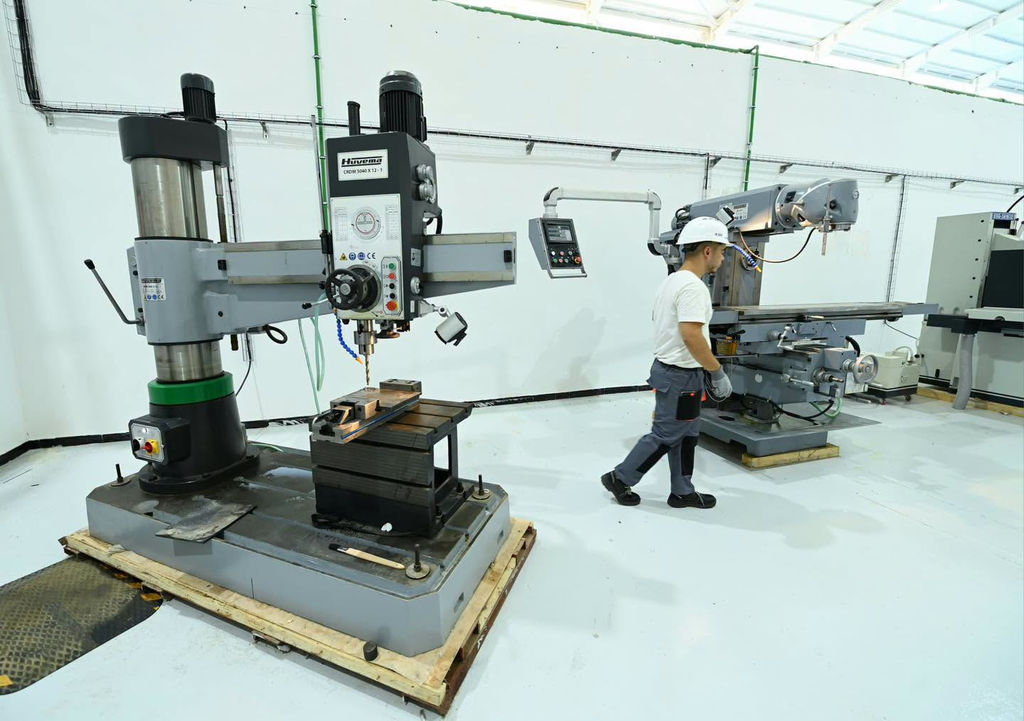
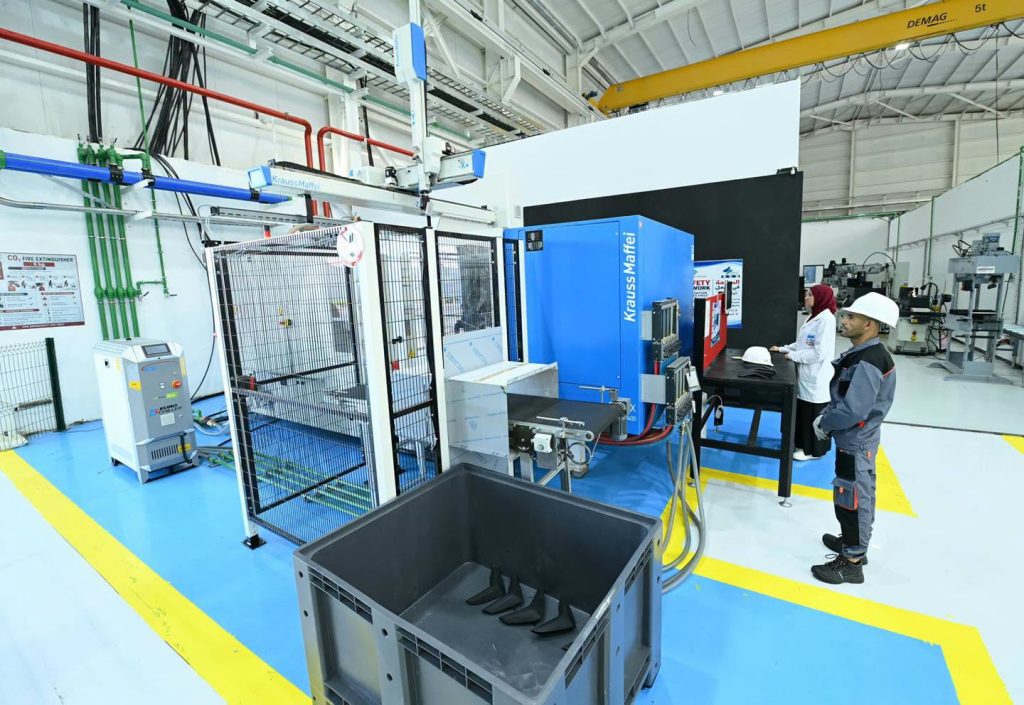
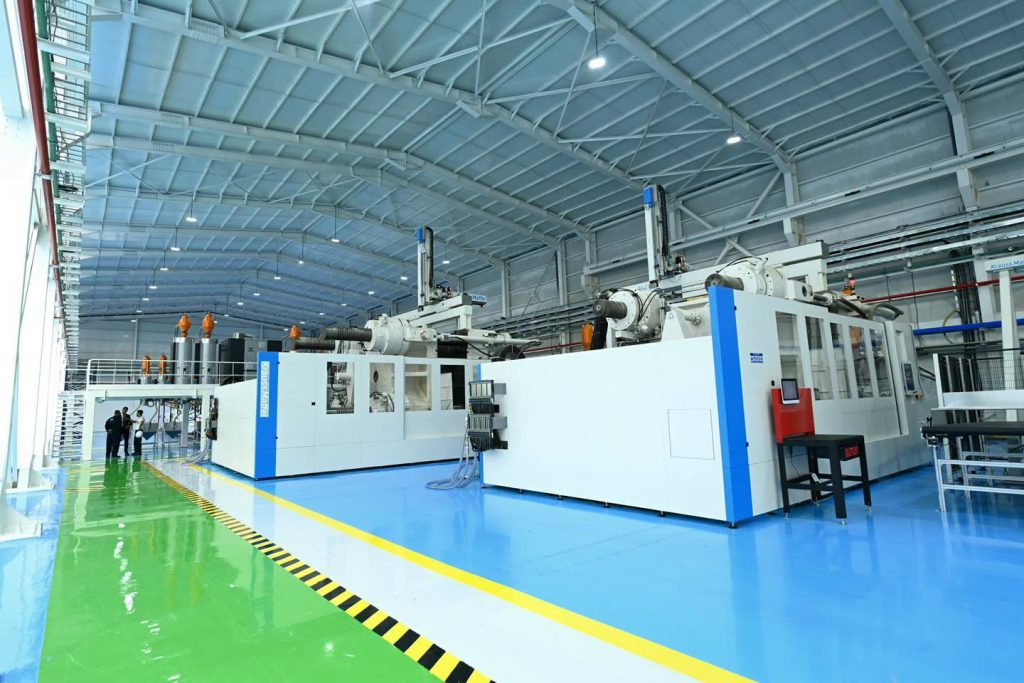
The Prime Minister inspected the plant and received a detailed briefing on its manufacturing processes and development prospects. Construction began in April, and the unit was brought online in under five months at an estimated cost of 5 billion Algerian dinars. Officials credit the rapid turnaround to the efforts of workers, managers, engineers and other stakeholders involved in the project’s revival.
Raising National Integration and Cutting Imports
The plant is designed to produce 251,000 parts annually, enough to equip roughly 200,000 vehicles. Officials project an initial national integration rate of 40 percent, with a target of 70 percent in later phases. The project supports Algeria’s strategy of strengthening domestic automotive supply chains, reducing reliance on imported components, and building a higher-value local industry.
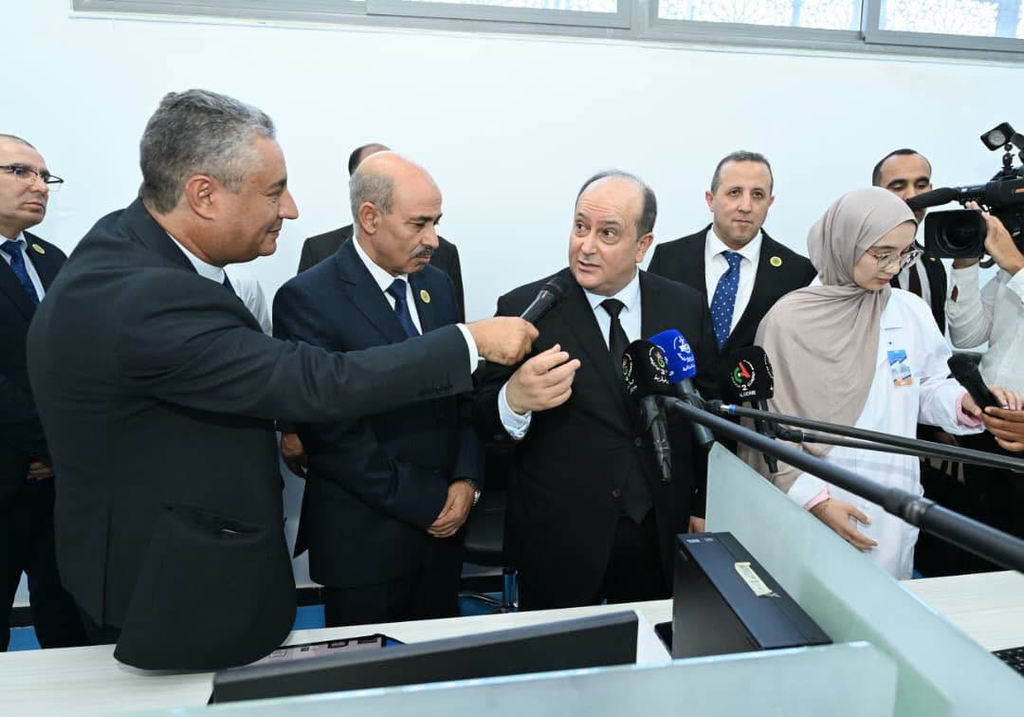
Ghrieb stressed that continuing to import plastic parts that can be manufactured in Algeria is no longer acceptable. He called for a collective commitment to prioritize national products and described the construction of a genuine automotive industry with strong local content as a shared national responsibility.
Mandatory Local Sourcing from Early 2027
At a press briefing after the inauguration, the Prime Minister set December 31st as the final deadline for importing plastic parts used in vehicle manufacturing and assembly. From the beginning of 2027, all licensed automotive manufacturers and assemblers in Algeria will be required to source plastic components that can be produced locally from the Tissemsilt plant, under a clear set of specifications.
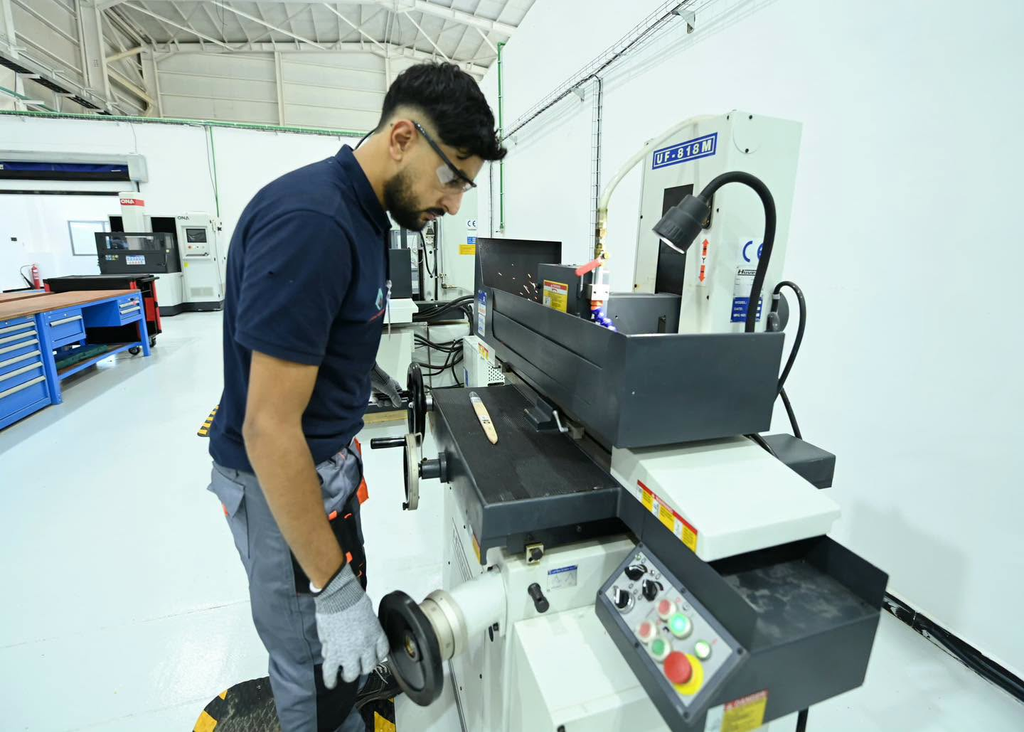
The measure aims to deliver an “effective integration rate” in the automotive sector. Ghrieb noted that Algeria is committed to developing a real automotive industry based on high-value-added production. He also indicated that technical meetings will examine alternatives if mould-import lead times prove lengthy, and that a similar approach will apply to the bodywork sector in Batna to further raise local content.
Socioeconomic Benefits and Broader Industrial Reach
Beyond automotive applications, the factory will supply a wide range of plastic products for household appliances, cable manufacturing, refrigerators, air conditioners, medical equipment and devices, packaging materials, household tools and articles, cosmetics, eyewear, general plastic goods, drone components, and road-sign panels.
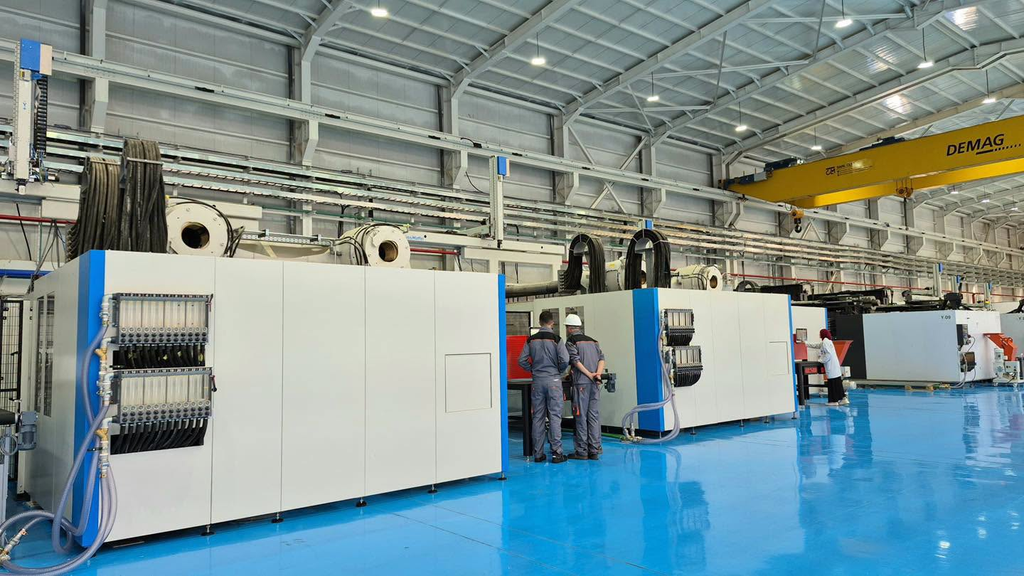
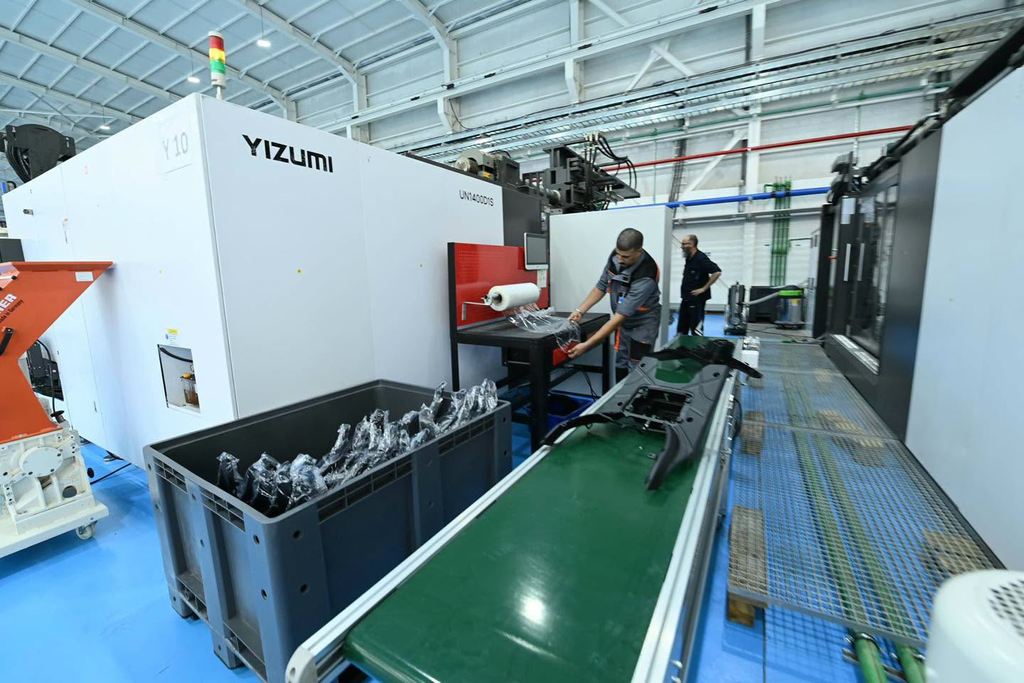
The project is expected to create 300 direct jobs and 500 indirect jobs. Officials say it will stimulate commercial activity, support investment, develop transport and logistics services, and open opportunities for small and medium-sized enterprises as well as the wider plastics industry in the region.
Recovery of Confiscated Industrial Assets Continues
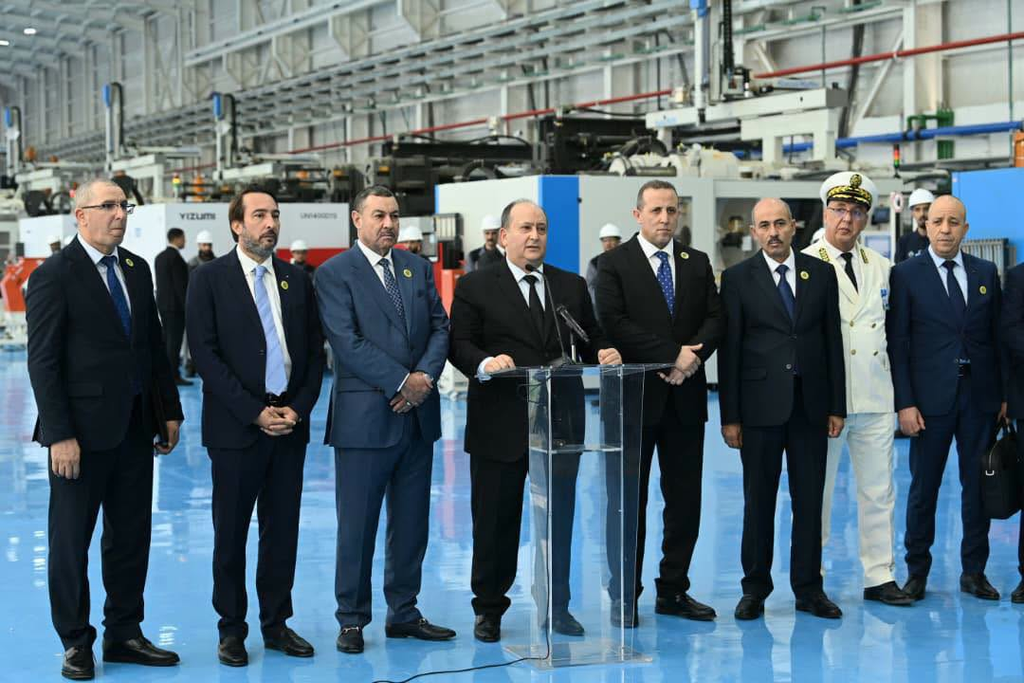
The Tissemsilt plant forms part of the government’s programme to recover and relaunch assets seized under final court rulings linked to anti-corruption efforts, returning them to the national economic circuit. Ghrieb confirmed that President Tebboune is personally monitoring the process and attaches particular importance to meeting agreed deadlines.
He stated that several additional recovered industrial projects across various wilayas will be relaunched in the near future. The recovery and reintegration of these assets into the national industrial fabric is progressing steadily and quietly, he added, with further announcements expected soon.
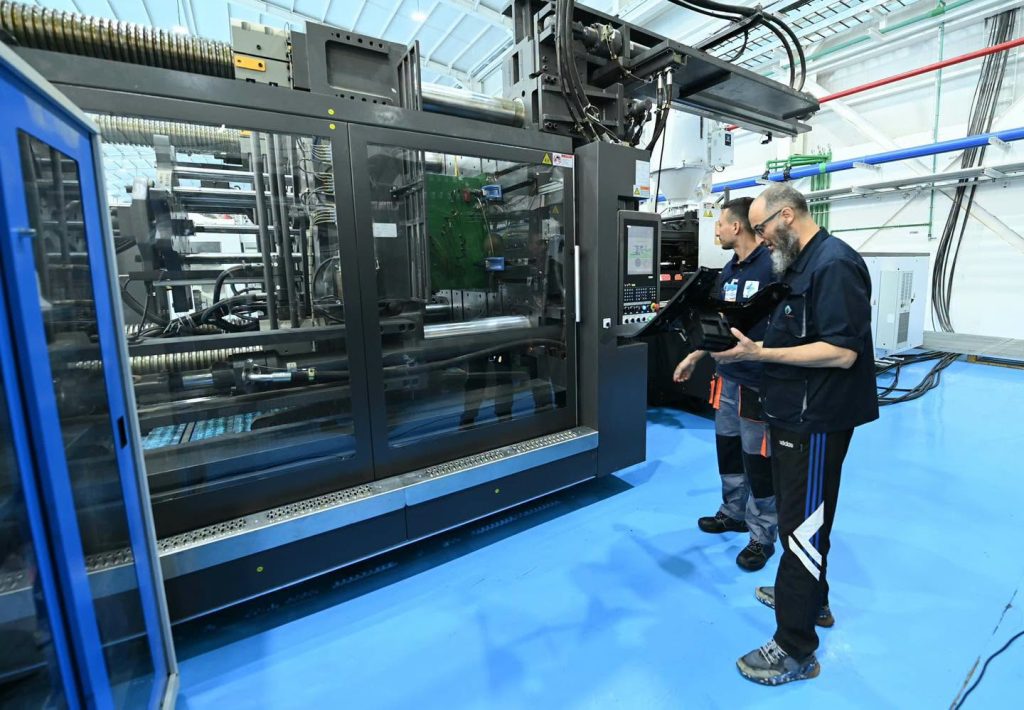
The inauguration of the General Plastic Injection unit marks an early step in a wider effort to expand Algeria’s automotive industry and raise the level of local integration.