Wednesday, 21 October 2026 • 10:19 Algiers time
Algeria Gate
News Room
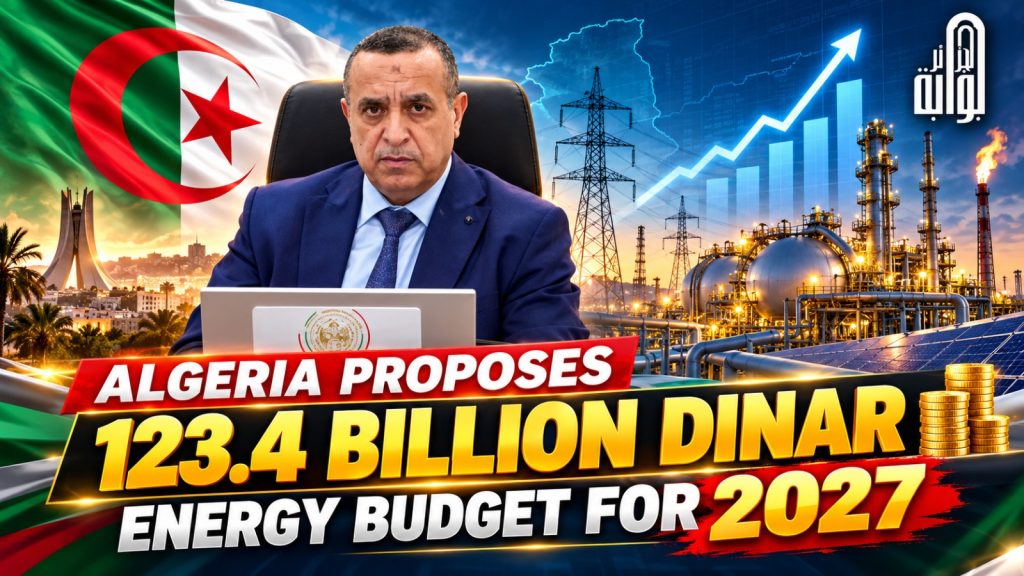
Algeria receives African Union award for women’s economic empowerment Algeria proposes 123.4 billion dinar energy budget for 2027 Dutch ambassador pays farewell visit to President Tebboune Algeria assists Niger in response to incident at Agadem oil field Algeria seeks new investment opportunities at AFRICA DAY 2026 Algeria-Italy electricity link: Sahara’s renewable energy set to reach european markets France under pressure: Macron weakened as Bardella and Mélenchon denounce major crisis! Cameron Hudson: UAE is virtually the sole backer of the RSF..without its support the war in Sudan would not continue Algeria-Niger: Official launch of Trans-Saharan fibre optic link Five minutes of lament over Algeria: Amar Belani exposes CNEWS’s real obsession
Share this post

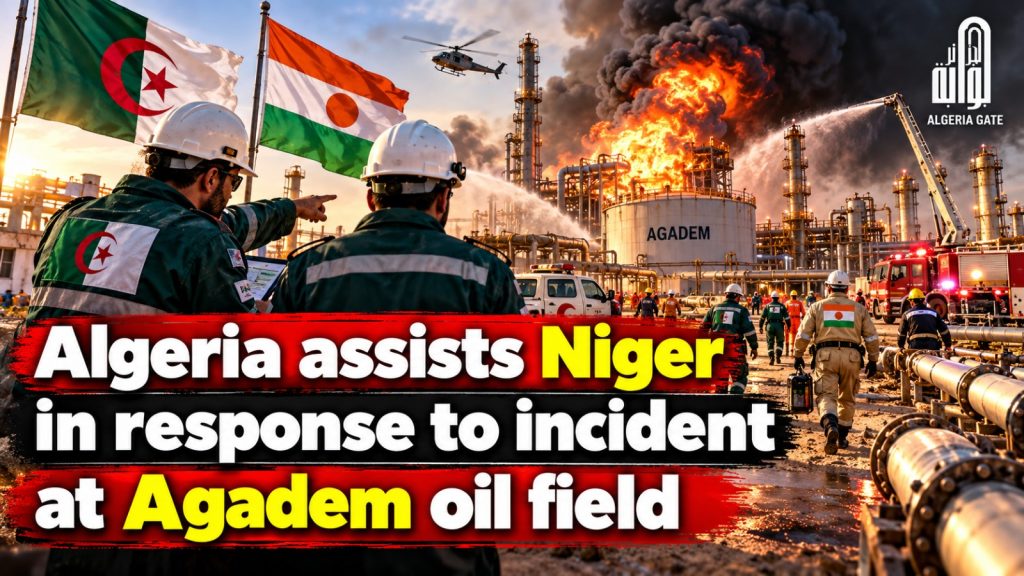
Algeria assists Niger in response to incident at Agadem oil field

• Author: Y.R • 0 comments • 17 views
Algeria assists Niger in response to incident at Agadem oil field

Algeria Gate: Niger has turned to Algeria for technical assistance following an incident at the Goumeri W-8 oil well in the Agadem oil field, highlighting cooperation between the two neighboring countries in the energy sector.

Algeria dispatched a technical mission to Niger from October 12 to 19, 2026, to support efforts to bring the situation under control. The delegation brought together specialists from the Ministry of Hydrocarbons, the Hydrocarbons Regulatory Authority (ARH) and Sonatrach, Algeria’s state-owned oil and gas company.

https://twitter.com/algatedz/status/2112498165144305828?s=20

During the mission, Algerian experts met with Niger’s ministers responsible for petroleum and the environment. Discussions focused on assessing the situation at the well, identifying appropriate technical measures and limiting potential environmental damage.

The intervention comes as Niger continues to develop its oil industry, with the Agadem oil field playing an important role in the country’s petroleum production. Incidents at oil facilities can present operational and environmental challenges, making access to specialized expertise essential for an effective response.

Tiani thanks Tebboune for Algeria’s assistance

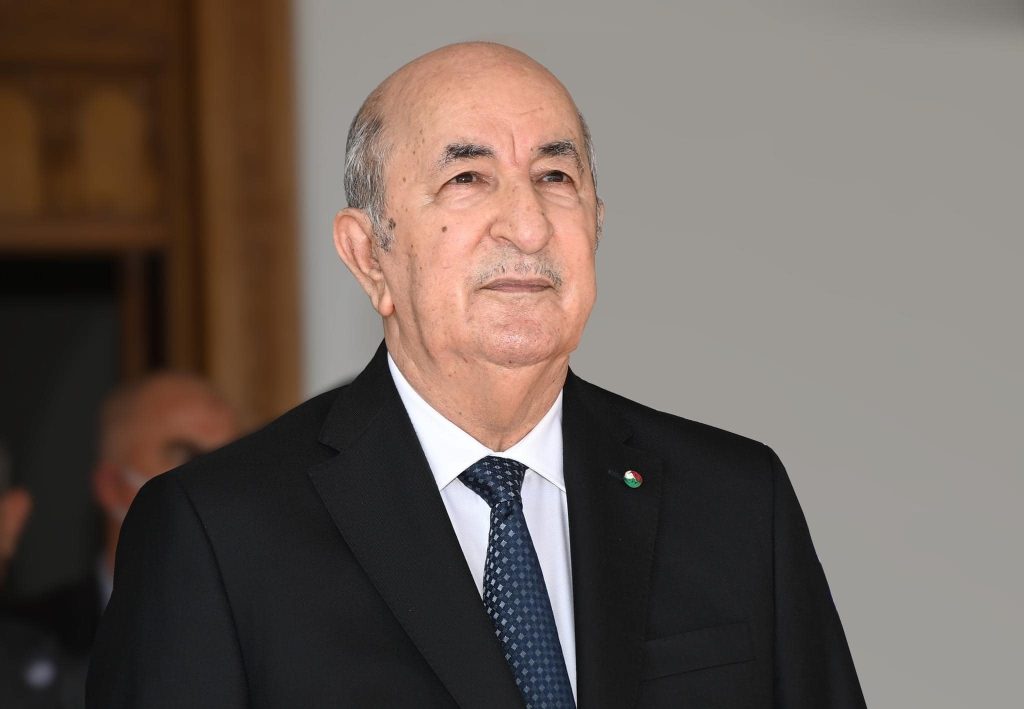
At the conclusion of the mission, Nigerien President Abdourahamane Tiani received the Algerian delegation and expressed his gratitude to President Abdelmadjid Tebboune for Algeria’s response to Niger’s request for assistance.

Niger’s ministers also praised Algeria’s contribution and thanked Hydrocarbons Minister Mohamed Arkab for facilitating the technical mission.

https://twitter.com/algatedz/status/2112485670828614036?s=20

The assistance underscores cooperation between Algiers and Niamey in the hydrocarbons sector, particularly in the exchange of technical expertise and support for the development of local capabilities. For Niger, cooperation with an experienced regional energy producer offers an opportunity to benefit from specialized knowledge when dealing with challenges affecting its oil infrastructure.

For Algeria, the mission reflects its role in regional energy cooperation and its willingness to share technical expertise with neighboring countries.

While the its completion marks an important step in the response to the Goumeri W-8 incident, the available reports do not establish whether the situation has been fully resolved or detail the extent of any environmental damage. Further information on the outcome of the technical intervention would clarify its impact on the affected facility.


#Algeria#Niger
Author

Leave a comment

Your email address will not be published. Required fields are marked *

African coast
Share this post

Algeria seeks new investment opportunities at AFRICA DAY 2026

Algeria seeks new investment opportunities at AFRICA DAY 2026

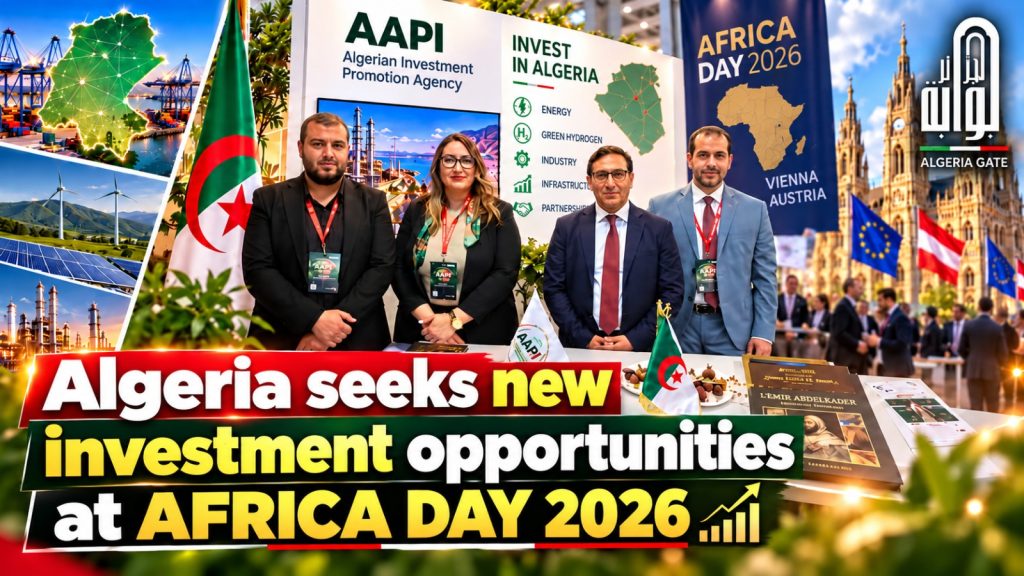
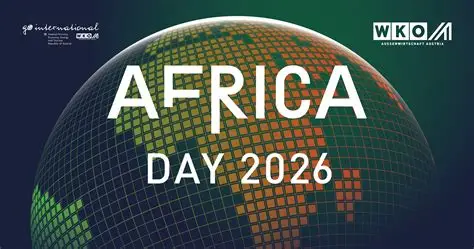
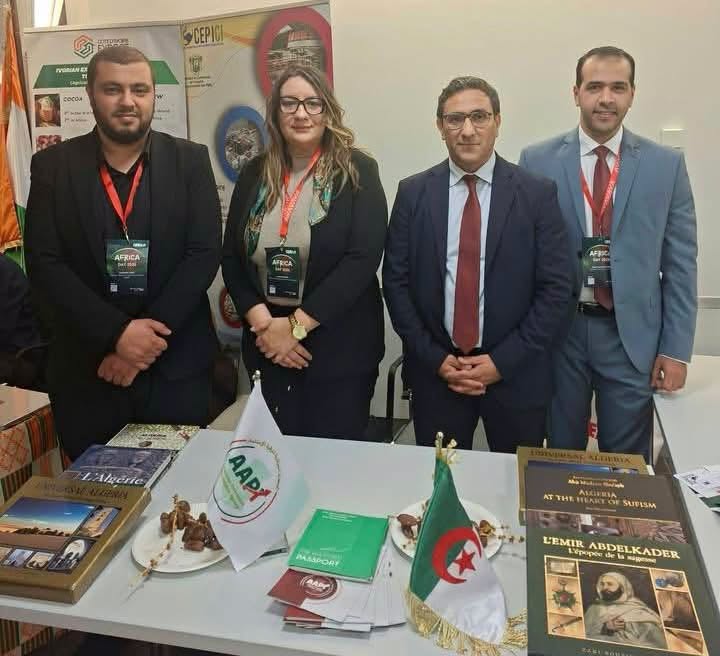
Algeria Gate: The Algerian Investment Promotion Agency (AAPI) took part on Monday, October 19, 2026, in the AFRICA DAY 2026 event held in Vienna. Organized by the Austrian Federal Economic Chamber (WKO), the event was held under the slogan “Africa Means Business.”

AFRICA DAY 2026 brings together businesses, investors and economic representatives from Austria and across Africa to explore trade opportunities, investment prospects and potential partnerships. The conference focuses on industrial development, market access, financing and strategies to expand business cooperation.

Algeria seeks new investment opportunities at AFRICA DAY 2026

According to the AAPI, its participation on Monday, October 19, was coordinated with the Algerian Embassy in Vienna. The agency set up a promotional stand to present Algeria as an investment destination, highlight national economic opportunities and encourage partnerships between Algerian and Austrian economic operators.

Particular attention was given to potential cooperation in manufacturing, energy, renewable energy, green hydrogen, infrastructure and technology. These sectors offer opportunities to strengthen industrial capacity, diversify economic activity and develop exchanges between Algeria and Austria.

Algeria seeks new investment opportunities at AFRICA DAY 2026

The event also provides a platform for Algerian representatives to establish business contacts with international companies and explore investment prospects across African markets.

Through its participation, AAPI aims to raise the profile of Algeria’s investment potential and encourage mutually beneficial partnerships. The initiative reflects the country’s broader efforts to attract foreign capital, support economic diversification and strengthen its position as a destination for international investors.

#Algeria#economic#Vienna
Author
African coast
Share this post

Algeria-Niger: Official launch of Trans-Saharan fibre optic link

Algeria-Niger: Official launch of Trans-Saharan fibre optic link

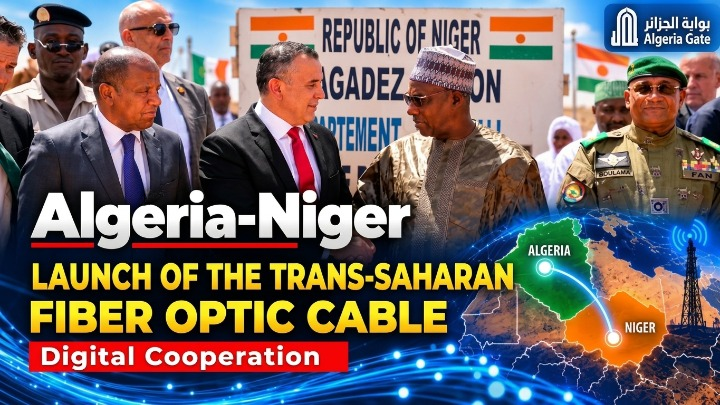
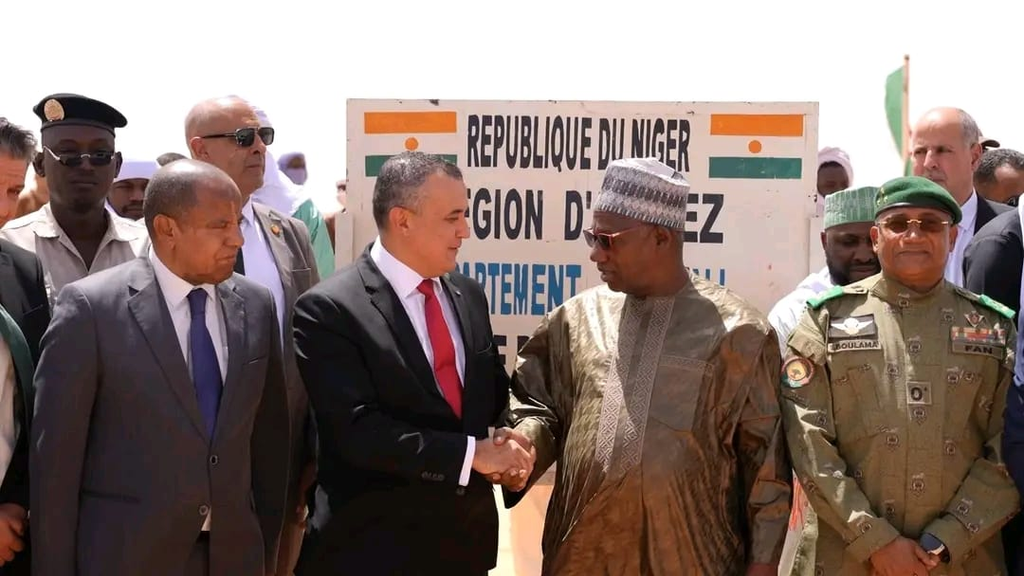
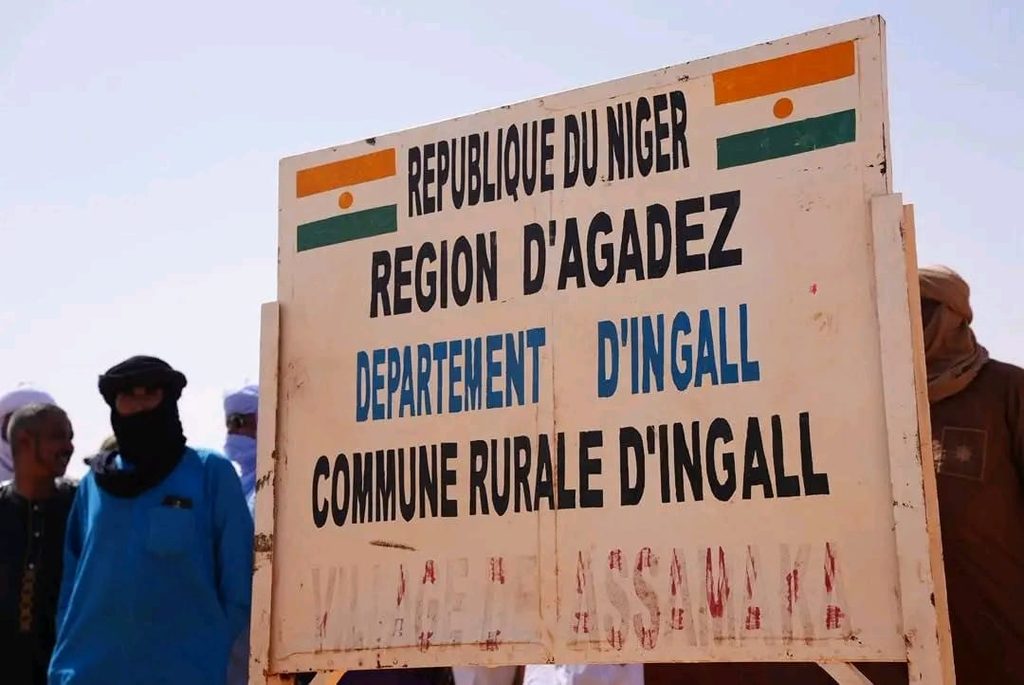
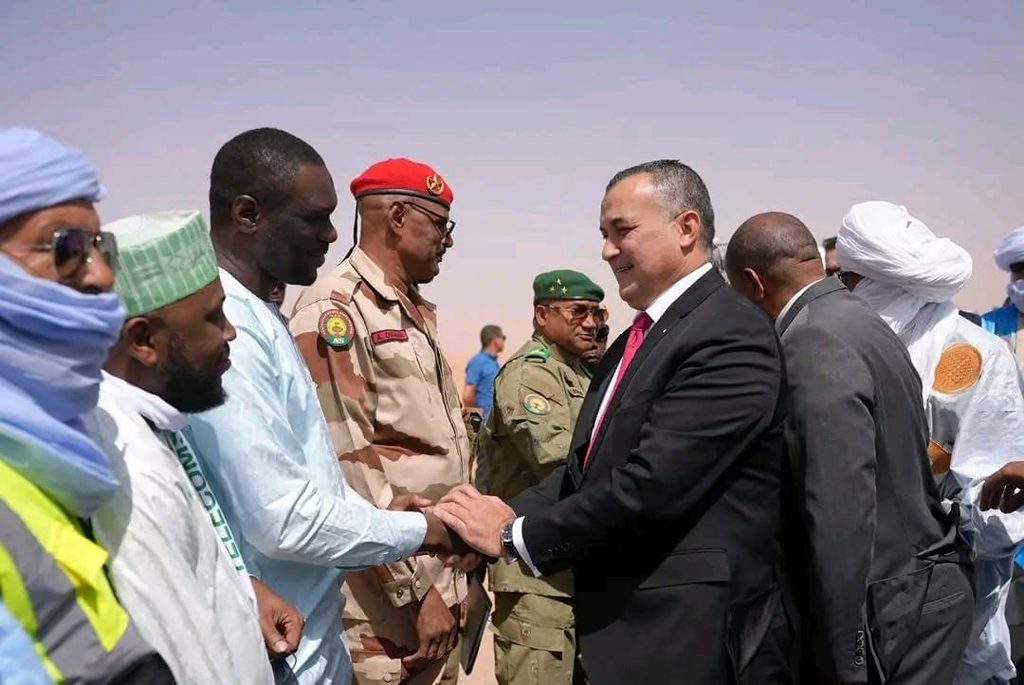
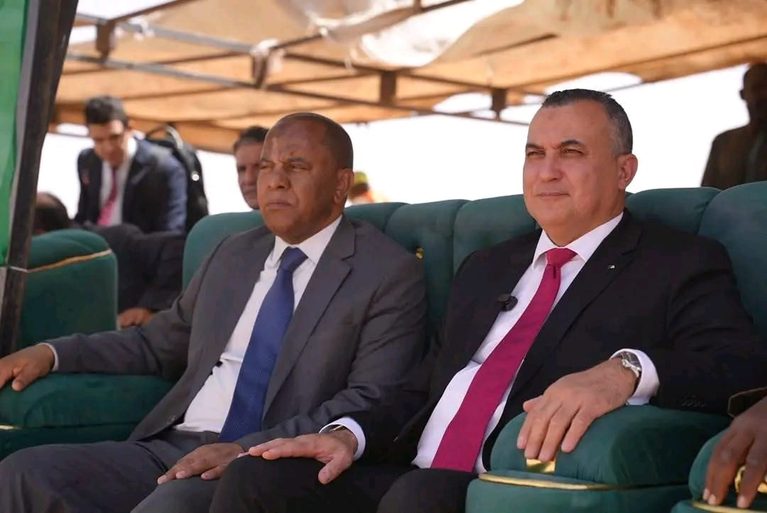
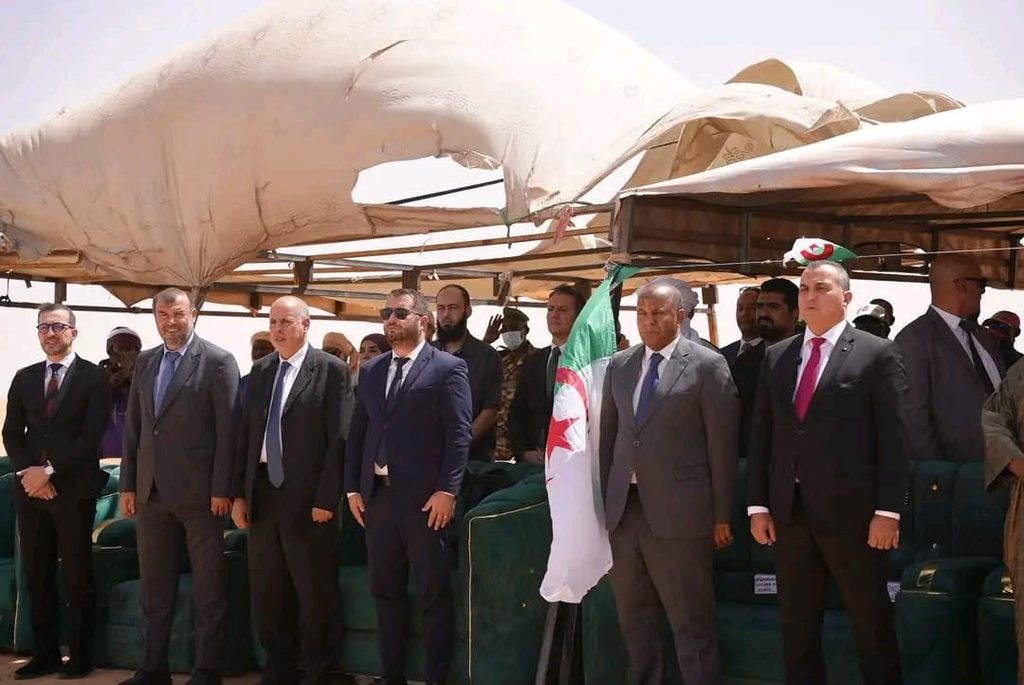
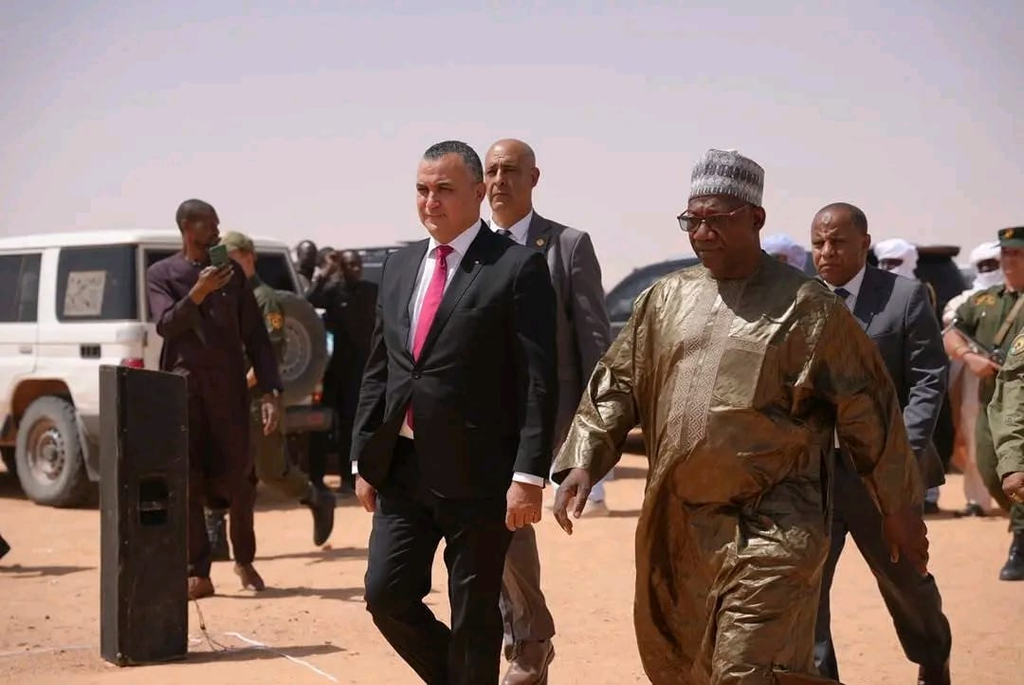
Algeria Gate: A major step forward in digital cooperation between Algeria and Niger. The official launch of the Trans-Saharan axial fibre optic link took place in Assamaka, Niger, in a ceremony co-presided by Algeria’s Minister of Post and Telecommunications Sidi Ali Zerrouki and Niger’s Minister of Communication Hamani Karni.

Algeria-Niger: Official launch of Trans-Saharan fibre optic link

This strategic infrastructure will strengthen digital connectivity, boost data exchange and improve telecommunications services across the region. It marks an important advance in Algerian-Nigerien cooperation in information and communication technologies and forms part of broader efforts to consolidate Trans-Saharan digital networks.

Through this project, Algeria reaffirms its commitment to developing digital infrastructure in Africa and strengthening links with Sahel countries.

Algeria-Niger: Official launch of Trans-Saharan fibre optic link
#Algeria#Niger
Author
Lys Iwannughen
View my articles
African coast
Share this post

Raw materials: Algeria benefits from the energy shock, Morocco’s trade deficit soars

Raw materials: Algeria benefits from the energy shock, Morocco’s trade deficit soars

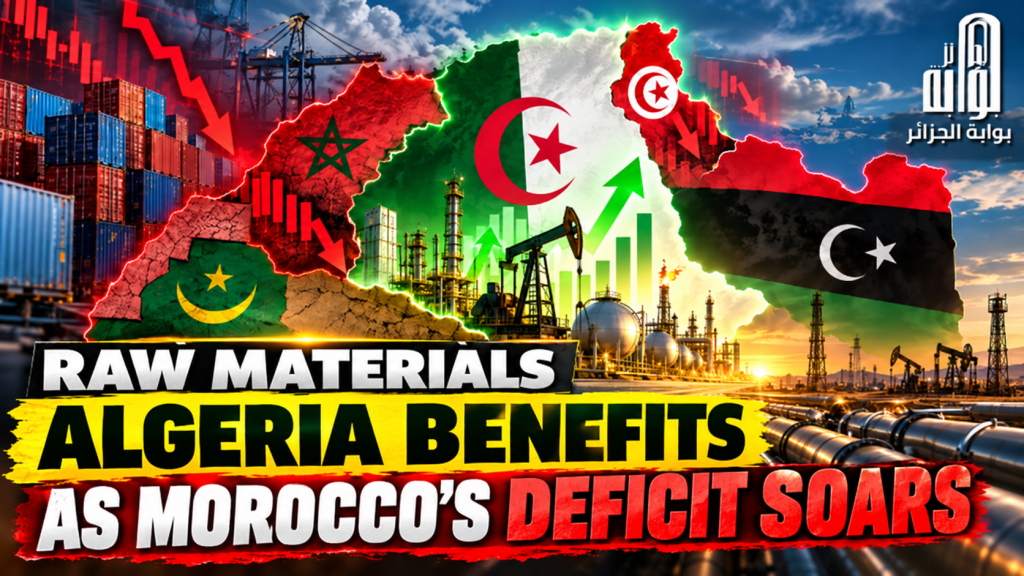
Algeria Gate: The rise in energy and cereal prices does not hit Maghreb economies in the same way. Algeria, an exporter of oil and gas, benefits directly from the increase in hydrocarbons. Morocco, despite its phosphates and fertilisers sector, sees its trade deficit widen sharply. Tunisia, for its part, remains heavily penalised by its energy dependence.

World Bank data illustrate this new tension on raw materials. In its Pink Sheet published in September, the institution indicated notably that its energy index had risen by 8.8% in August, with a 10.1% increase in natural gas. Brent had moved from $83.4 a barrel in July to $90.9 in August. Cereals were also trending upward: maize rose from $213.4 to $224 a tonne and US HRW wheat from $310 to $330.

The World Bank also noted at the end of September that between June and mid-September 2026, world cereal prices had increased by 18%, wheat by 22% and maize by 26%.

Algeria: the rise in hydrocarbons works in favour of revenues

For Algeria, this situation brings an immediate advantage: the rise in oil and gas prices increases the value of energy exports and public revenues.

The IMF estimates that the rise in hydrocarbon prices should stimulate Algerian exports and budget revenues in 2026, while helping to reduce the external deficit. The institution also forecasts growth of 3.8% this year.

This upturn does not mean that the Algerian economy is immune to all risks: the IMF also highlights the high level of the budget deficit and the recent erosion of reserves. But in the short term, the rebound in hydrocarbons offers Algiers an additional source of foreign currency and revenue.

The rise in cereals, on the other hand, constitutes a cost for Algeria, which remains an importer of wheat and other food products. The shock is therefore double, but the importance of hydrocarbon exports gives the country a buffer that its neighbours do not have to the same degree.

Morocco: phosphates are not enough to prevent the trade deficit from widening

Morocco does have a significant phosphates and fertilisers industry. But official figures show that this asset does not prevent a significant deterioration in its trade balance.

Over the first eight months of 2026, Moroccan imports jumped by 15.8% to 617.5 billion dirhams. Exports rose by only 8.7% to 334.9 billion. As a result, the trade deficit increased by 25.4%, reaching around 282.6 billion dirhams, while the coverage rate lost 3.5 points.

Phosphates themselves were not systematically spared. Over the first four months of 2026, Moroccan exports of phosphates and derivatives had fallen by 1.5%. Sales of natural and chemical fertilisers had declined by 3.9%, while exports of raw phosphates fell by 3.2%.

In other words, presenting fertilisers as a sufficient shield against the energy shock would be excessive. They constitute an important source of foreign currency, but the external trade figures show that they do not offset the much faster rise in imports.

The contrast with Algeria is therefore notable: when energy becomes more expensive, Algiers can increase its export revenues, whereas Rabat has to absorb a heavier import bill in an already strongly deficit trade balance.

Tunisia: nearly 9 billion dinars of energy deficit

Tunisia appears even more exposed. During the first eight months of 2026, its overall trade deficit reached 17.85 billion dinars, compared with 14.64 billion a year earlier.

The energy deficit alone amounted to 8.93 billion dinars, compared with 7.15 billion over the same period of 2025. It thus represents roughly half of Tunisia’s trade deficit.

Any further lasting rise in oil or gas prices therefore risks directly increasing pressure on the country’s foreign currency needs and external accounts.

A global shock, three very different situations

The rebound in raw materials ultimately acts as a revealer of Maghreb economic structures.

Algeria benefits from the rise in hydrocarbons thanks to its status as a major energy exporter. Morocco retains the phosphates asset, but it is not enough to prevent its trade deficit from rising by more than 25%. As for Tunisia, its dependence on energy imports continues to weigh heavily on its external accounts.

In a period of high prices, the balance of power is therefore very different: what produces additional revenues for Algeria becomes a heavier bill for its energy-importing neighbours.

#Algeria#Morocco#Tunisia
Author
Lys Iwannughen
View my articles