Tracing the Footsteps of Sister Esther and Sister Caridad: The Personal Story Behind the Pope’s Connection to Bab El Oued
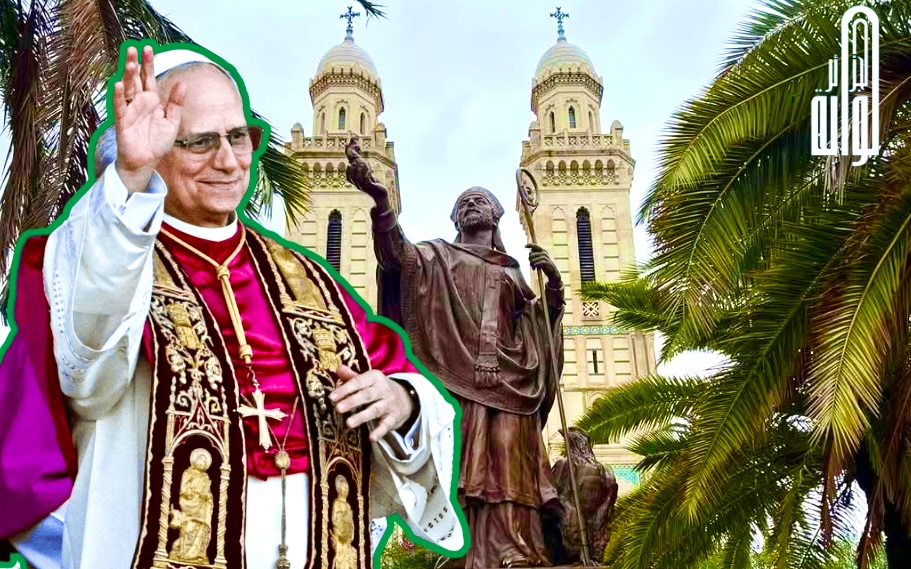
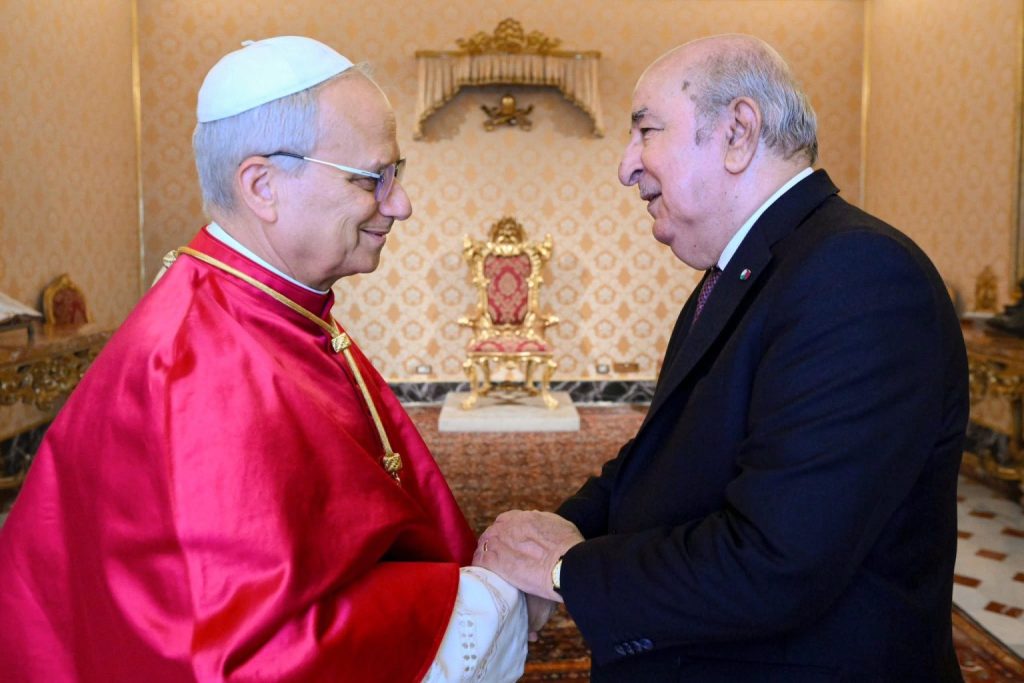
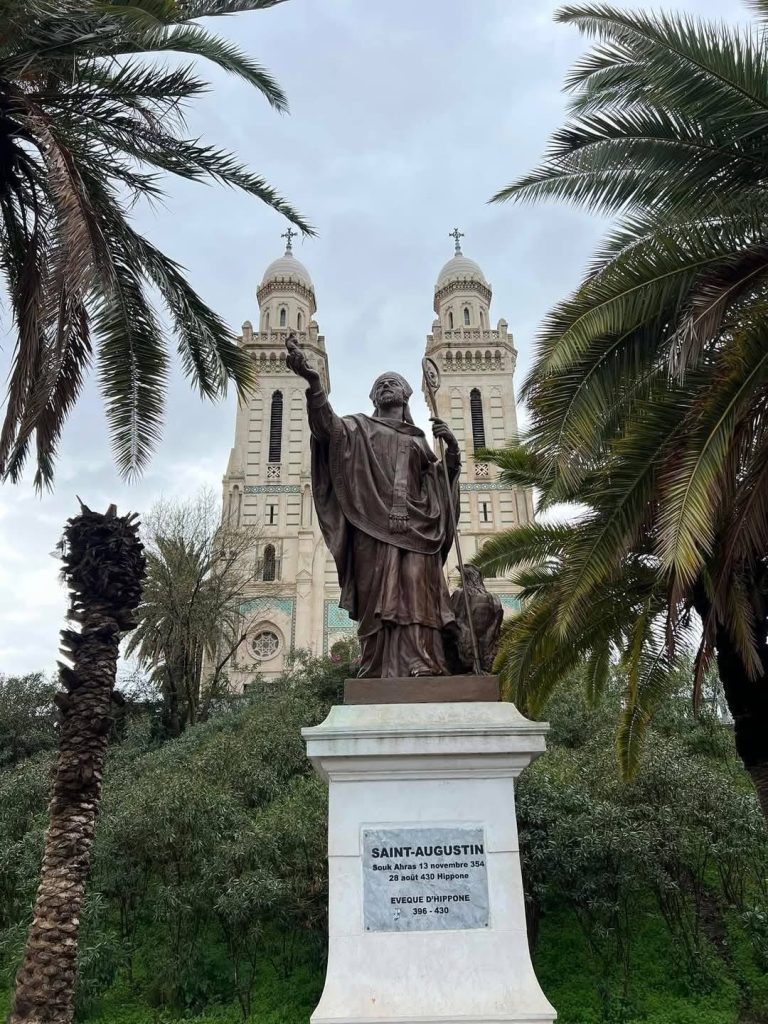
On Monday, Pope Leo XIV will travel to Algeria, marking the first-ever visit by a Roman Pontiff to the birthplace of Saint Augustine, his spiritual father. Algiers will be a central hub for this prominent religious event, where the Pope is expected to pray at the Church of the “19 Blessed Martyrs”—a group of Catholics assassinated during the “Black Decade,” including two Spanish nuns who served in the popular neighborhood of Bab El Oued.
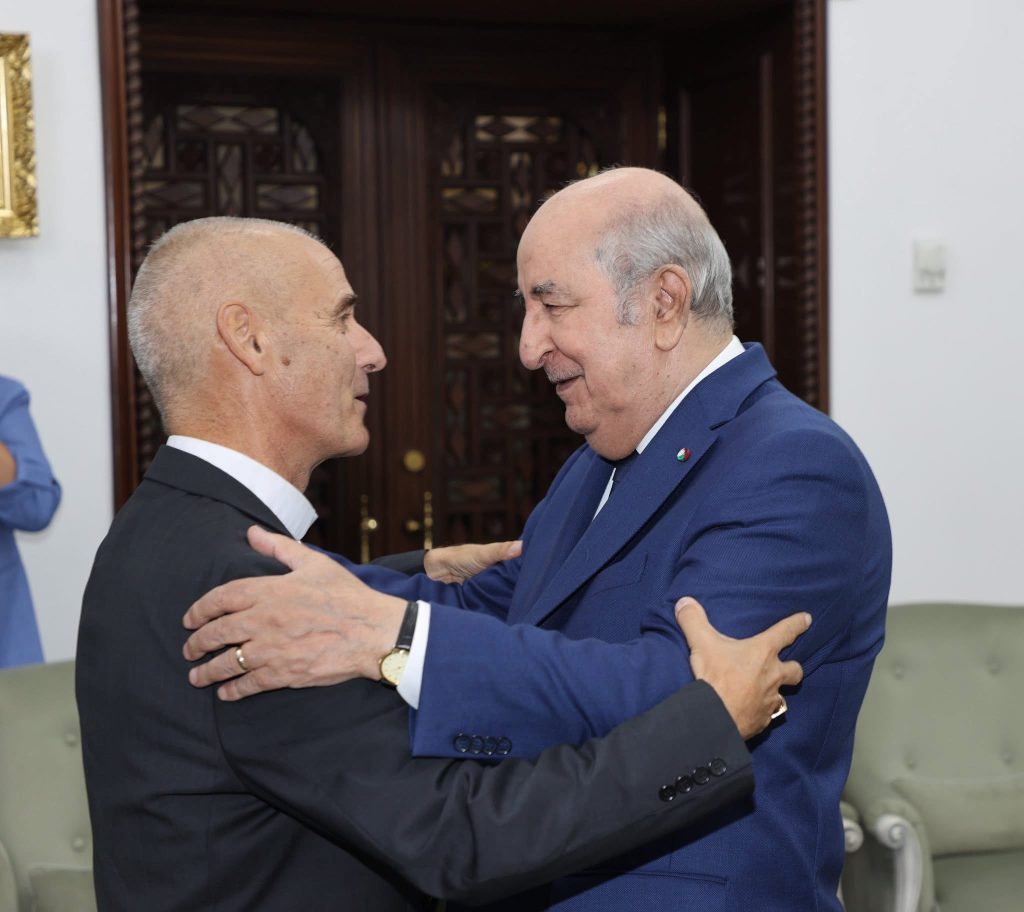
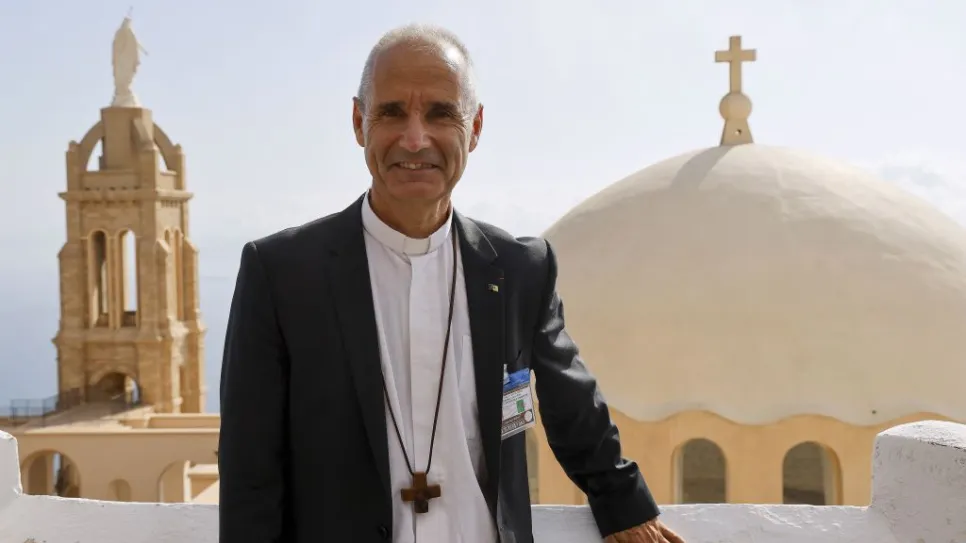
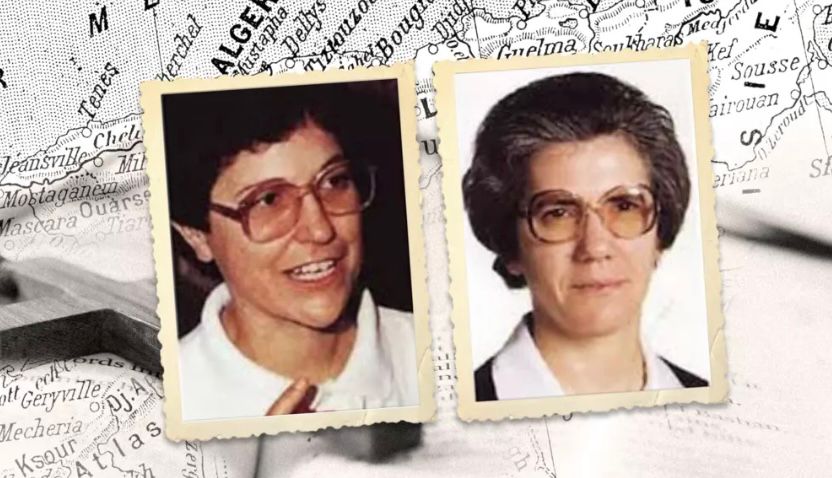
This visit holds deep personal significance for Pope Leo XIV. In 2013, while serving as the Prior General of the Order of Saint Augustine, he visited Bab El Oued to honor the teachings of Saint Augustine, born in 354 in Tagaste (modern-day Souk Ahras). During that visit, he invoked the memories of Sister Esther and Sister Caridad, members of the same order who were among the 19 martyrs killed by terrorism, alongside the monks of Tibhirine. Archbishop of Algiers, Jean-Paul Vesco, confirmed that “the two Augustinian sisters, along with the other martyrs, remain vividly present in the Pope’s personal memory.”
A Humanitarian Path and Commitment Until the End
Sister Caridad first arrived in Algeria in 1958, and after a 26-year health-related hiatus, returned in 1990. Sister Esther, a nurse, arrived in 1975 and dedicated her life to serving the sick, especially children with disabilities. Driven by her devotion, she learned Arabic and studied Islamic sciences in Rome for two years to better understand the community she served.
On May 8, 1994, Brother Henri Vergès and Sister Paul-Hélène Saint-Raymond were killed in the Casbah, marking the start of a tragic series of assassinations of 19 clergy members. Despite the escalating risks, Sister Esther and Sister Caridad chose to remain with the local population. Sister Lourdes Migueles Matia, who lived with them for years, recalls that the decision to stay followed days of reflection and prayer: “We could not leave a people who had embraced us, especially in their time of suffering. It was a choice of loyalty until the end.”
On October 23, 1994, while on their way to Mass, shots rang out. “We were walking just behind them when we heard the gunfire a few meters away,” Sister Lourdes recounts. Sister Esther died instantly, while Sister Caridad succumbed to her wounds later. Their humanitarian journey ended in ultimate sacrifice, leaving their story as an enduring symbol of commitment and solidarity during one of the most tragic periods in modern Algerian history.