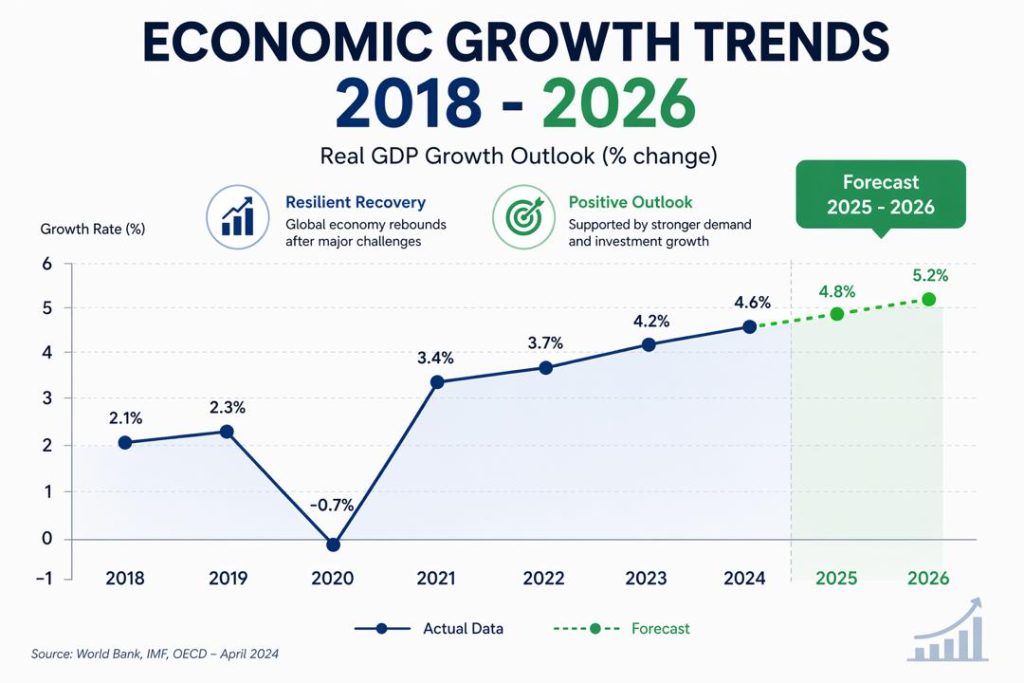
Algeria is accelerating efforts to reshape its economy away from hydrocarbons, leaning on large-scale agriculture projects and international partnerships to strengthen food security and attract foreign investment.
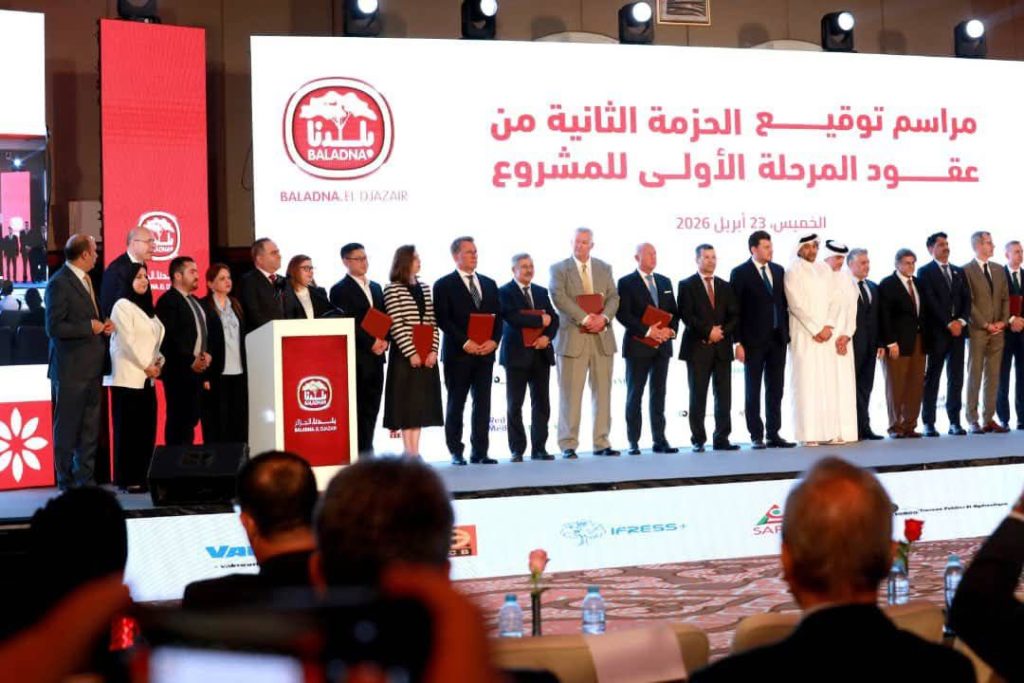
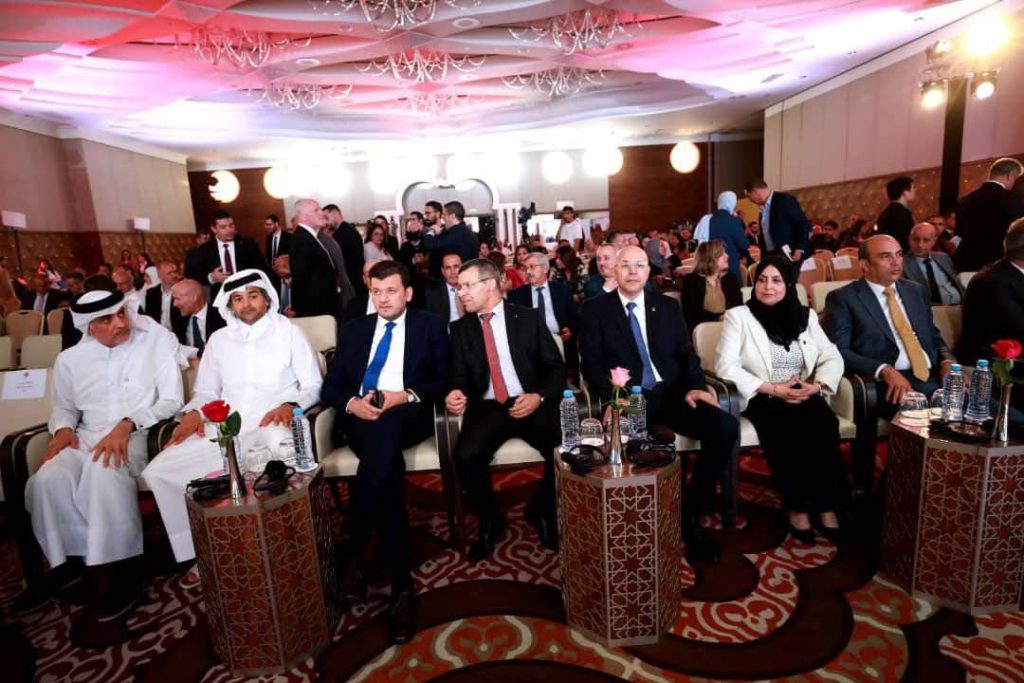
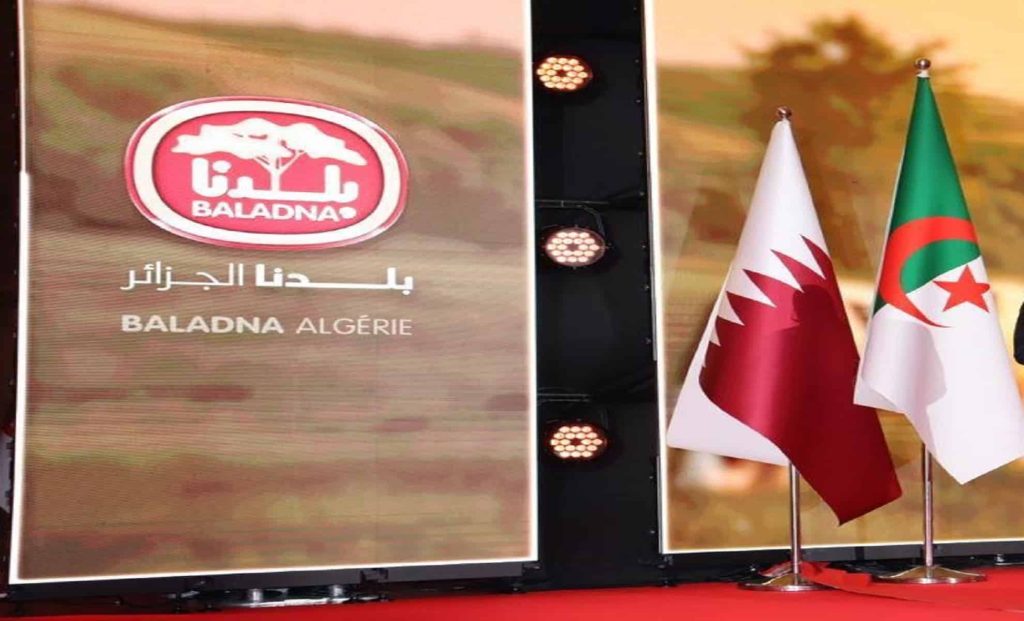
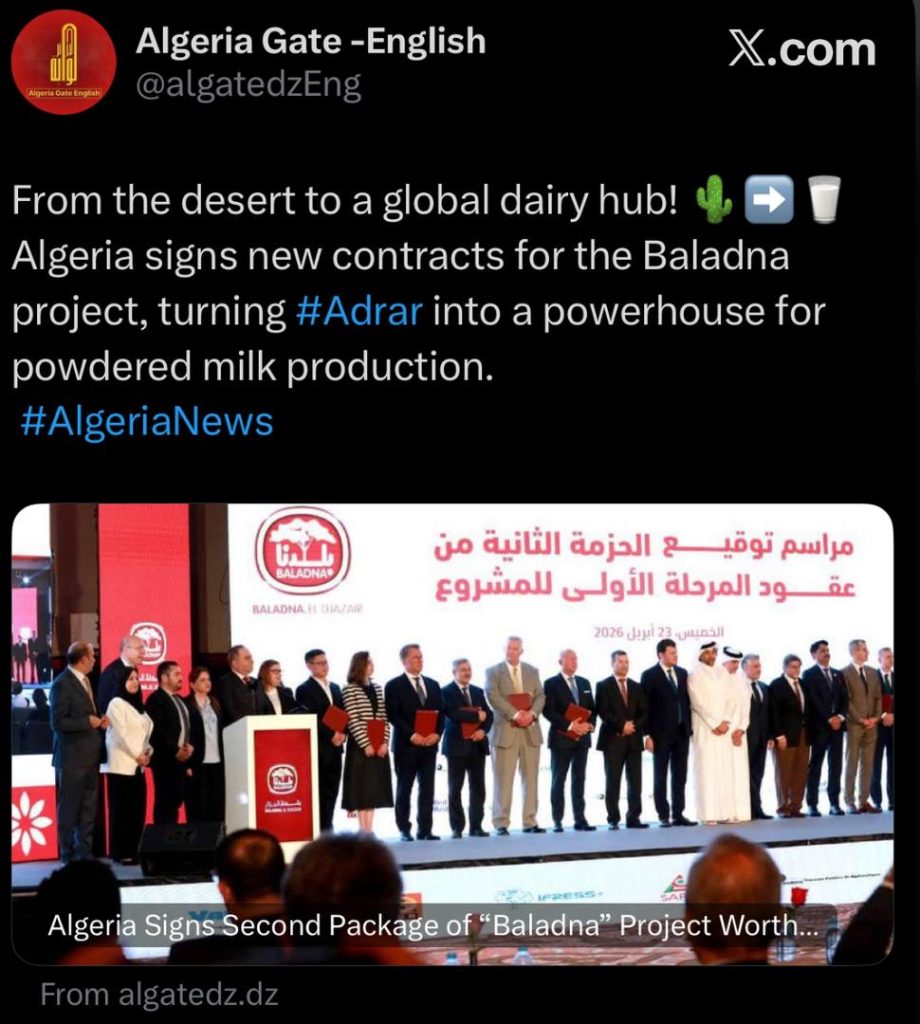
At the center of this shift is a massive integrated dairy project in the southern region of Adrar. Developed in partnership with Qatari group Baladna and supported by European industrial technology provider GEA, the project aims to become one of the largest milk production complexes in the world. It is designed to significantly reduce Algeria’s dependence on milk imports by covering a large share of domestic demand for milk powder, while also creating thousands of jobs and boosting agro-industrial capacity.
Alongside this flagship project, Algeria is expanding its economic outreach across Africa. Cooperation initiatives with Chad reflect a broader strategy to deepen trade links within the continent, particularly in agriculture and infrastructure. The goal is to position Algeria as a regional hub connected to African supply chains rather than relying solely on European markets.
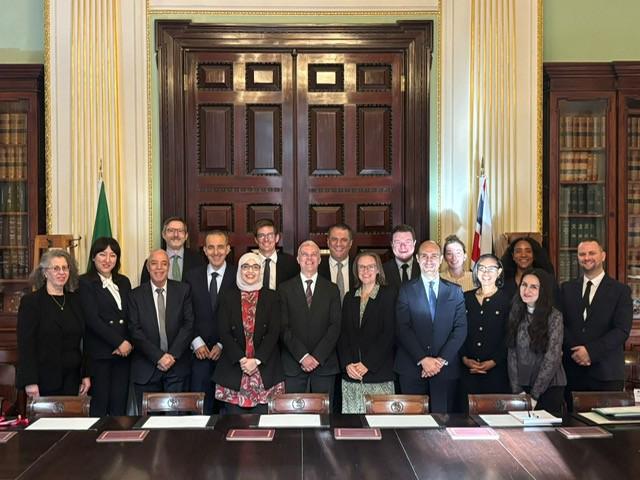
On the international front, economic ties with the United Kingdom have also gained momentum through recent business-focused meetings between Algerian and British institutions. Discussions have centered on investment opportunities, technology transfer, and the development of non-oil sectors such as agriculture, industry, and services.
Together, these moves signal a gradual but clear policy direction: Algeria is attempting to build a more diversified economic model based on food production, regional integration in Africa, and strategic partnerships with advanced economies. However, the long-term success of this transition will depend on whether these projects evolve into a coherent and sustainable industrial ecosystem rather than isolated initiatives