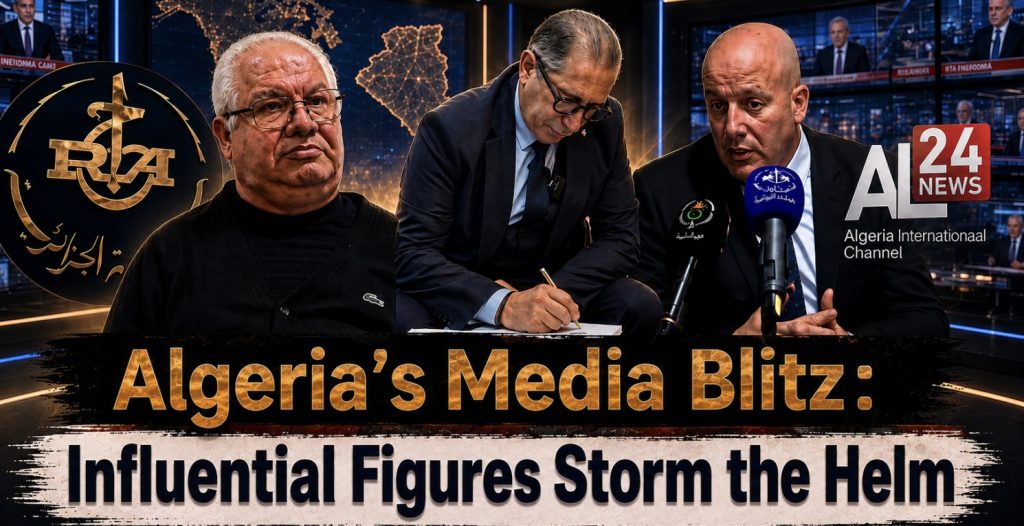
Algeria Gate: At a time when narratives are being fought with unprecedented intensity and the tools of fourth-generation warfare are multiplying, media can no longer be reduced to a platform for reporting events.
It has become a strategic instrument of national sovereignty, a frontline in the battle for public awareness, and one of the most powerful tools for defending a country’s image and interests.
Algeria has understood this reality for years. Under President Abdelmadjid Tebboune, the country has gradually moved toward reshaping its public media sector and building institutions capable of competing professionally, both nationally and internationally, while confronting campaigns aimed at undermining Algeria’s image and positions.
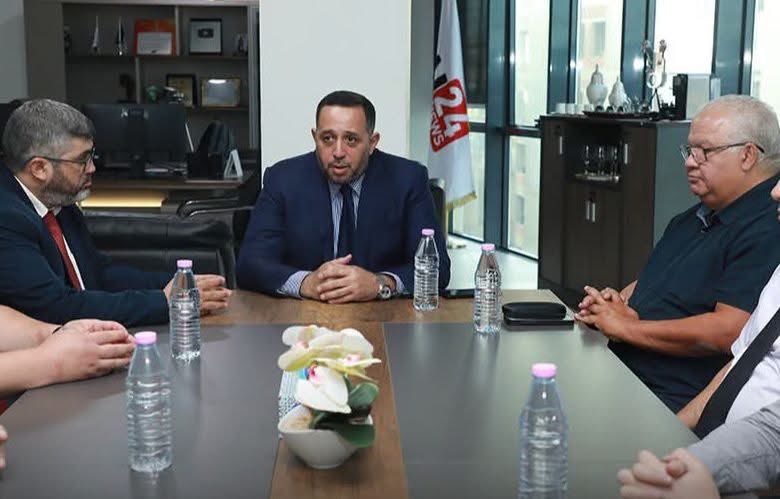
Against this backdrop, the latest appointments at the head of several major public media institutions appear to go far beyond routine administrative changes.
They point to a deliberate strategy, based on placing experienced and influential figures in key positions at a particularly sensitive moment.
In other words, Algeria appears to be making a clear choice: the era of managing the media through compromise and quota-based appointments is giving way to a new phase centered on competence, experience and strategic vision.
AL24: Giving Algeria a Stronger Voice on the International Stage
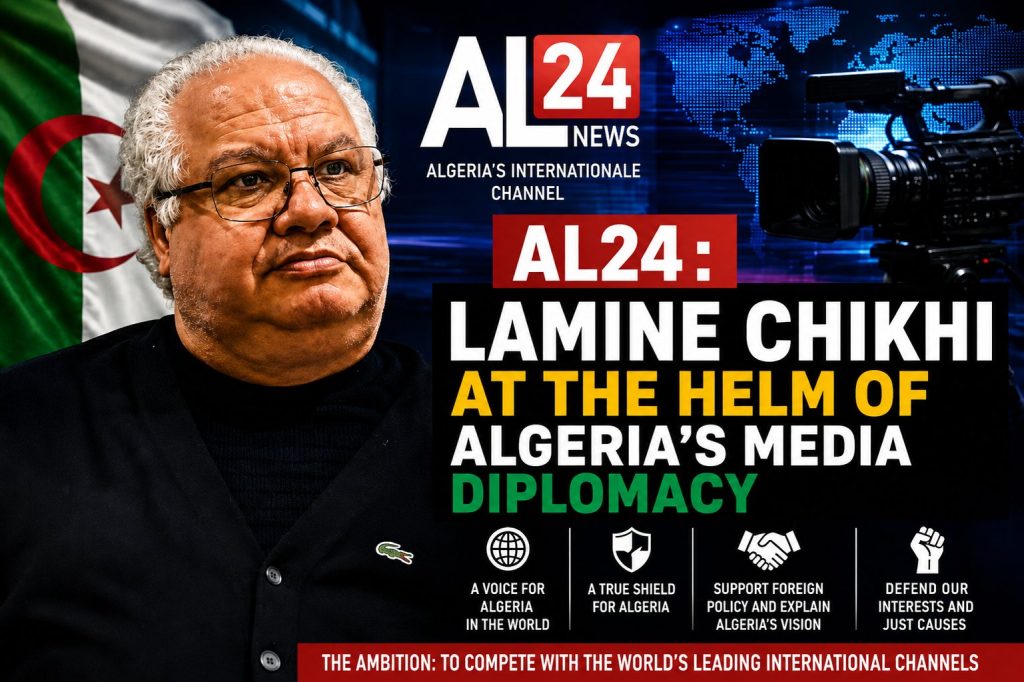
When President Tebboune pushed for the creation of Algeria International (AL24), the project was never presented as simply another television channel.
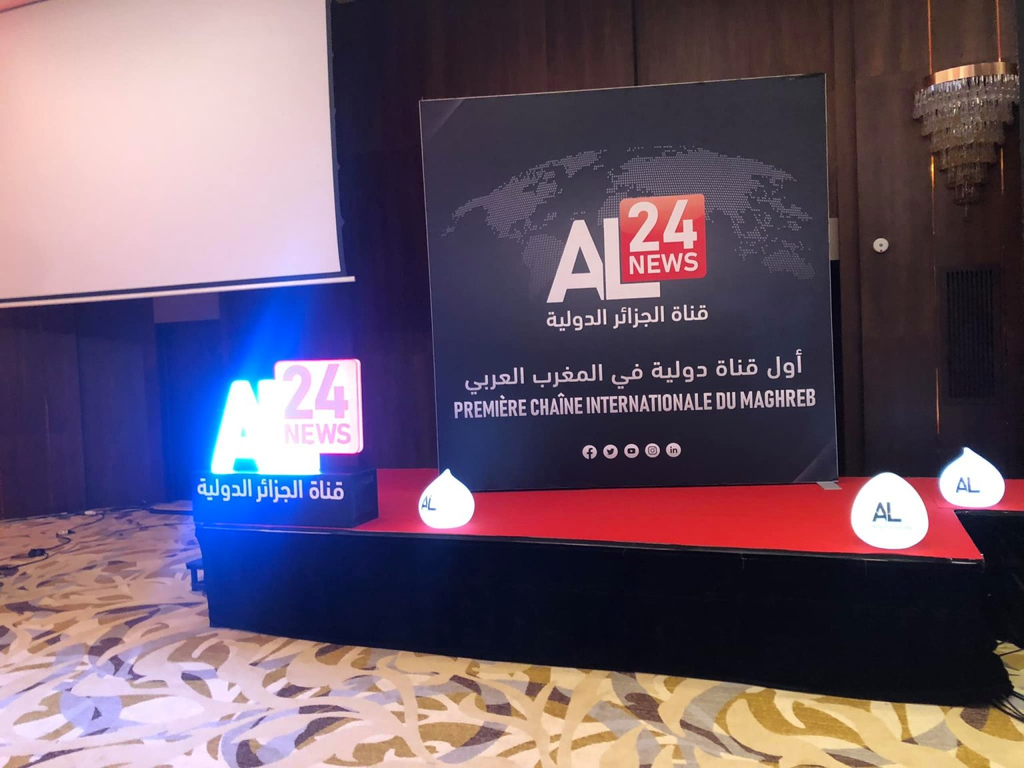
Launched in 2021, AL24 was conceived as part of Algeria’s response to an international media landscape dominated by powerful networks and competing narratives. Its mission was clear: give Algeria a professional international voice capable of presenting its positions, correcting distorted narratives and breaking the monopoly over the way Algeria is portrayed abroad.
The appointment of veteran journalist Lamine Chikhi therefore carries particular significance.
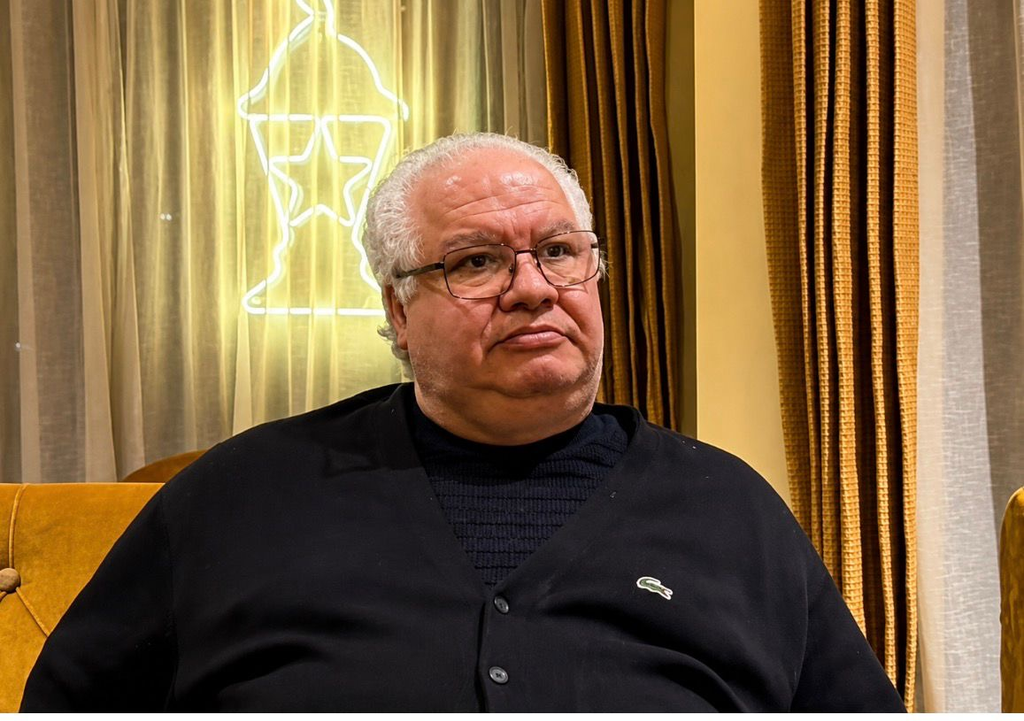
With extensive experience and a solid understanding of both Algeria’s domestic realities and the workings of major international newsrooms, Chikhi arrives at AL24 at a time when the battle over narratives has become increasingly fierce.
His profile suggests a desire to strengthen the channel’s editorial and professional capabilities and to make Algeria’s voice more visible and more influential internationally.
Chikhi knows how newsrooms operate. He understands how narratives are built, amplified and sometimes manipulated—and, more importantly, how they can be challenged with facts, professional journalism and a clear understanding of the international media environment.
This is precisely the kind of experience an international channel requires at a time when the battle for public opinion has become a battle of narratives.
National Radio: A New Breath for a Historic Institution
National Radio occupies a completely different but equally strategic position.
For generations, it has been one of the most powerful media institutions in Algeria, reaching millions of citizens and remaining deeply embedded in the country’s collective memory.
The appointment of Hicham Allali as Director General comes at a time when the institution is being called upon to renew its content, modernize its platforms and reconnect with audiences increasingly turning toward digital media.
The objective is no longer simply to maintain traditional radio broadcasting.
The challenge is to build a modern public-service media institution capable of competing for attention across radio, digital platforms and social networks, while preserving its role as an instrument of national cohesion.
Radio is more than frequencies and studios.
It is an immediate means of communication, a repository of collective memory and, in times of crisis, one of the fastest instruments available to the state to communicate with citizens.
The choice of Hicham Lallali, a retired colonel with a background in the military communications establishment and extensive experience in media and communication, reflects this desire to inject new energy into the institution.
Lallali is reportedly among the former cadres of the Directorate General of Information, Communication and Documentation of the People’s National Army.
After a career spent dealing with communication and media within the military institution, he now faces a different challenge: revitalizing one of Algeria’s most historic public media organizations.
His appointment could mark a break with traditional approaches to public broadcasting while reinforcing the principle that public media must remain both professional and closely connected to Algerian society.
A Quiet Revolution Taking Shape Behind the Scenes
The latest changes have taken place under the supervision of Mohamed Bouslimani, who has returned to the Ministry of Communication, and Kamel Sidi Saïd, adviser to the President of the Republic in charge of information and communication.
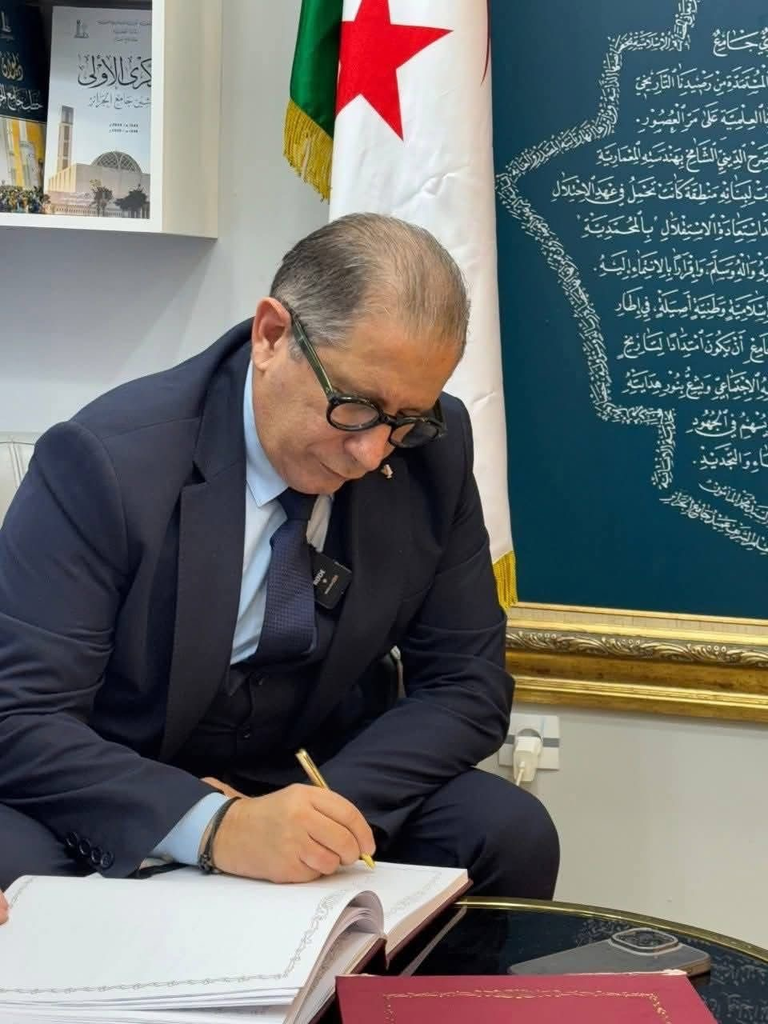
Sidi Saïd, in particular, has emerged as one of the key figures associated with the transformation underway within Algeria’s media sector.
Much of this work has taken place away from the spotlight. Yet its effects are increasingly visible across several public media institutions.
The objective appears to be not merely replacing managers, but dismantling longstanding obstacles, opening files that had remained difficult to address and gradually breaking with practices that had become entrenched over the years.
The message is therefore difficult to miss:
Algeria is increasingly treating the media as a strategic national file; not simply as another administrative sector.
And this shift comes at a particularly important time.
Toward Genuine Media Sovereignty
Algeria’s emerging media strategy is closely linked to the country’s broader geopolitical environment.
From the tensions surrounding North Africa to the instability spreading across the Sahel, Algeria is operating in an increasingly complex regional environment in which information has become an integral part of geopolitical competition.
In such a context, Algiers needs media institutions capable of explaining and defending its sovereign positions professionally and without hesitation.
But the mission goes further than responding to criticism or countering hostile narratives.
Algeria also wants the outside world to see the scale of the transformations taking place inside the country; from major railway projects and investments in energy and mining to infrastructure development and economic projects in the southern regions.
These developments require a media capable of telling Algeria’s story in a way that reaches international audiences.
This is where soft power becomes increasingly important.
International television, radio and digital platforms can no longer operate simply as news distributors. They are expected to become instruments through which Algeria projects its image, explains its policies and communicates its vision to the outside world.
The Battle Against Disinformation
The global information environment has never been more saturated.
Social networks have accelerated the circulation of information, and misinformation, while sophisticated campaigns can now shape public perceptions within hours.
Algeria is not immune to this reality.
The country has increasingly found itself confronted by narratives that, in many cases, go beyond ordinary political criticism and form part of broader campaigns targeting its institutions, foreign policy and national choices.
This explains, at least in part, the urgency surrounding the transformation of Algeria’s public media sector.
The objective is not simply to create institutions that report what happened.
It is to build media organizations capable of explaining, responding, documenting and influencing.
The challenge is therefore much bigger than changing a few names at the top of public media institutions.
It is about redefining the role of state media in a rapidly changing geopolitical environment.
A New Chapter for Algeria’s Public Media
The appointments of Lamine Chikhi at AL24 and Hicham Lallali at National Radio, alongside the broader changes taking place within Algeria’s public media landscape, point toward a new phase.
Whether this transformation ultimately delivers the expected results will depend on more than the profiles of the newly appointed managers.
It will require editorial modernization, investment in digital platforms, stronger professional standards, greater responsiveness and, above all, the ability to speak to Algerians and international audiences in a language they understand.
But the direction appears increasingly clear.
Algeria wants its media to move from simply reporting the national narrative to actively shaping and defending it.
In an era where information has become a strategic weapon, media sovereignty is no longer a luxury.
For Algeria, it is becoming an essential component of national sovereignty itself.