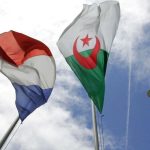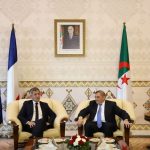


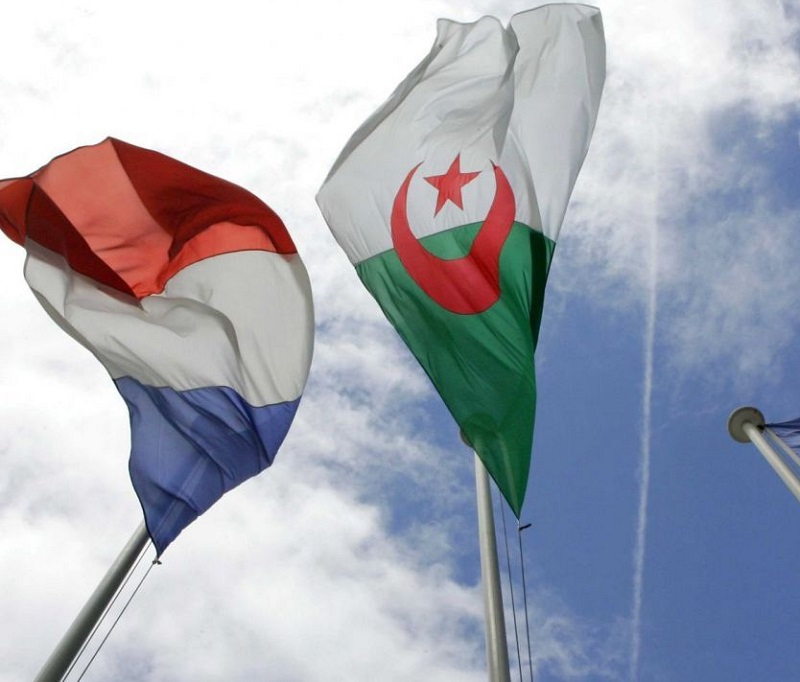
After months of calculated diplomatic silence that left Paris scrambling, the political dialogue between Algeria and France has resumed. However, this return to the negotiating table is unfolding under an entirely new set of rules—crafted and imposed by Algeria with absolute strategic clarity: total sovereignty, uncompromising peer-to-peer reciprocity, and zero concessions.
The gradual revival of diplomatic, security, and judicial channels is no coincidence. Rather, it is the direct result of Algiers’ steadfast position on critical issues, including memory, identity, and migration. By refusing to back down, Algeria has forced France to confront an inescapable geopolitical reality: Algeria is the irreplaceable anchor of regional stability, and bypassing it is a strategic impossibility.
The Return of the French Ambassador: Back on Algiers’ Terms
Nothing illustrates this shift in power dynamics more clearly than the return of the French Ambassador to Algiers. His recall by Paris during the height of the crisis was meant to be a tool of diplomatic pressure; instead, it met a wall of Algerian indifference. The ambassador’s eventual return was not a compromise, but a tactical retreat by Paris, which realized that maintaining an empty embassy only deepened its own isolation. Algeria accepted the return only after ensuring that the rules of engagement had changed: the embassy’s role is no longer to dictate or interfere, but to facilitate dialogue with a sovereign, equal power.
Judicial and Security Cooperation: Paris Seeks Algiers’ Expertise
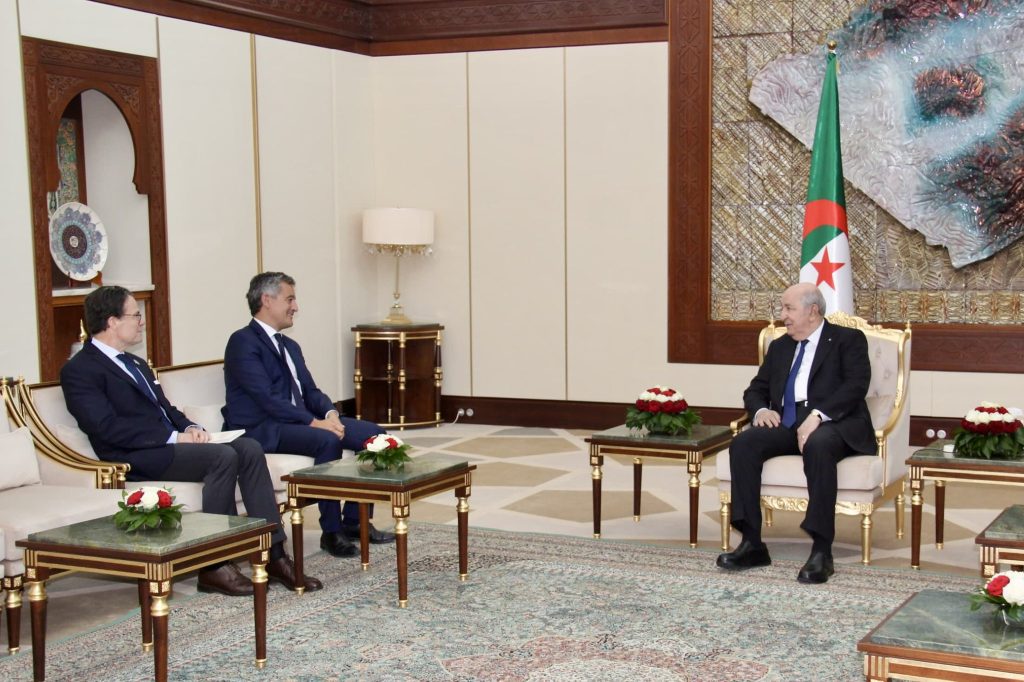
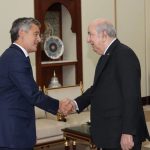
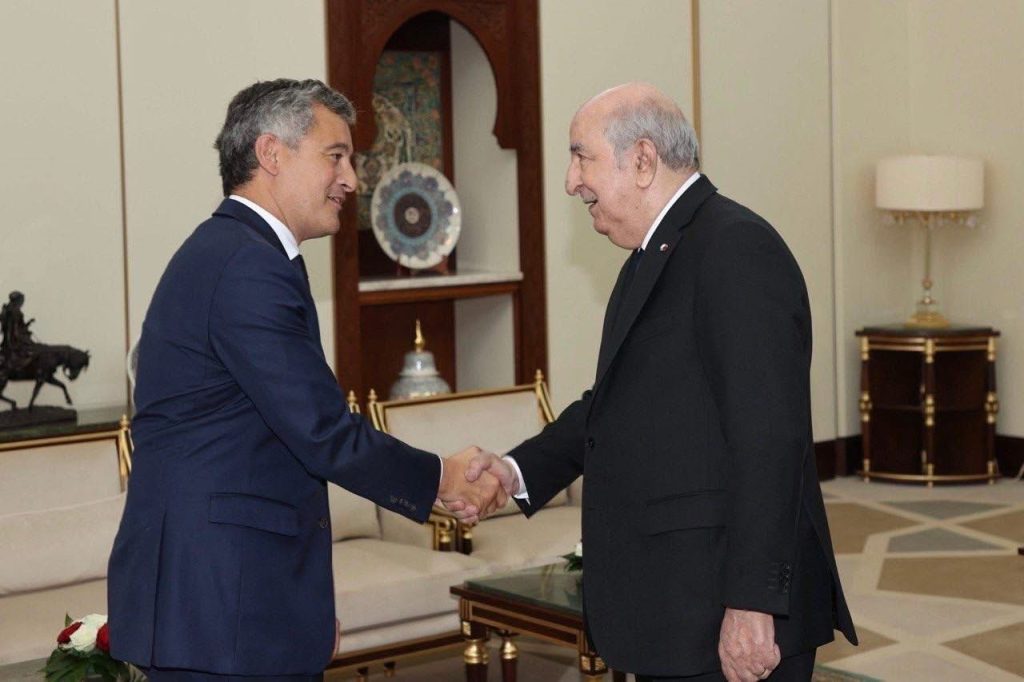
This new reality of peer-to-peer reciprocity was put into direct action during the recent high-profile visits of the French Minister of Justice to Algiers. Once a file where Paris attempted to impose unilateral demands regarding extradition and immigration, the judicial and security portfolio has been thoroughly re-calibrated.
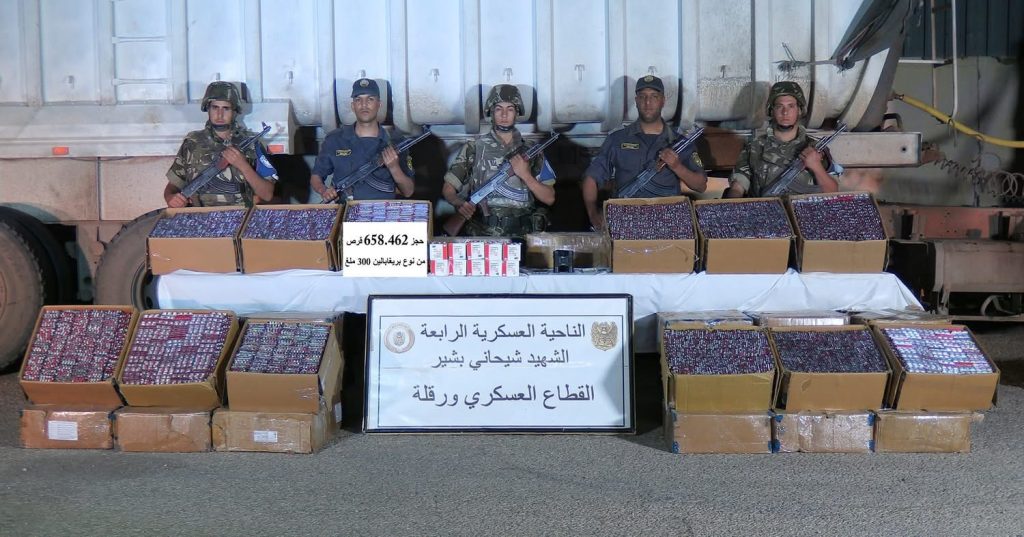
The French Justice Minister’s visits to Algiers were, in essence, an acknowledgment of Algeria’s robust legal and security infrastructure. Algeria made it clear that any cooperation—whether on judicial assistance, counter-terrorism, or complex cross-border legal frameworks—will strictly be a two-way street, governed by mutual respect and the absolute protection of Algerian national interests.
Paris in Isolation vs. Algeria’s Position of Strength
Recent shifts in the regional balance of power prove that France’s reliance on Algeria is greater than ever. Following the collapse of French influence in the Sahel strip (including Mali, Niger, and Burkina Faso), Paris found itself geopolitically isolated. To safeguard what remains of its strategic interests, France had no choice but to turn to the largest, most stable, and heavily armed regional power: Algeria.
Operating from a position of absolute leverage, Algeria has abandoned old diplomatic pleasantries in favor of a fierce, pragmatic doctrine in its economy as well. Algeria is no longer an exclusive or guaranteed market for French corporations. As Algiers aggressively diversifies its global partnerships with major Eastern and Western powers, France must now compete on equal footing under strictly defined Algerian terms.
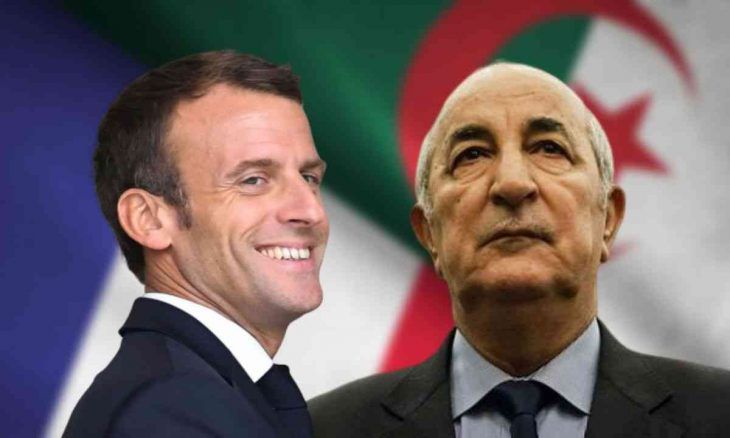
The current state of affairs demonstrates that Algeria has successfully shifted the bilateral dynamics away from emotional manipulation and political blackmail toward hard-nosed realism. While the issue of historical memory remains an uncompromisable red line that demands full accountability, Algerian leadership is navigating the present with strategic patience. By freezing out French arrogance, Algeria has forced Paris to respect its current and future interests as the dominant powerhouse of North Africa.