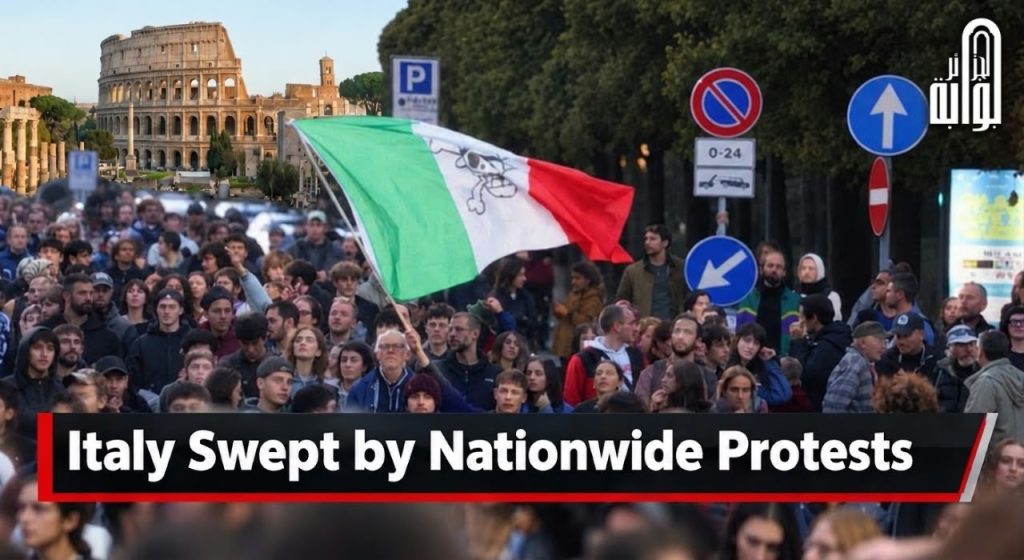



Algeria Gate: Massive popular demonstrations took place in several Spanish cities in denunciation of official Moroccan statements concerning the cities of Ceuta and Melilla, in a scene that reflects the growing rejection within Spain of what sectors of Spanish public opinion regard as a Moroccan attempt to reopen the file of the two cities and place them once again on the agenda of relations between Rabat and Madrid.
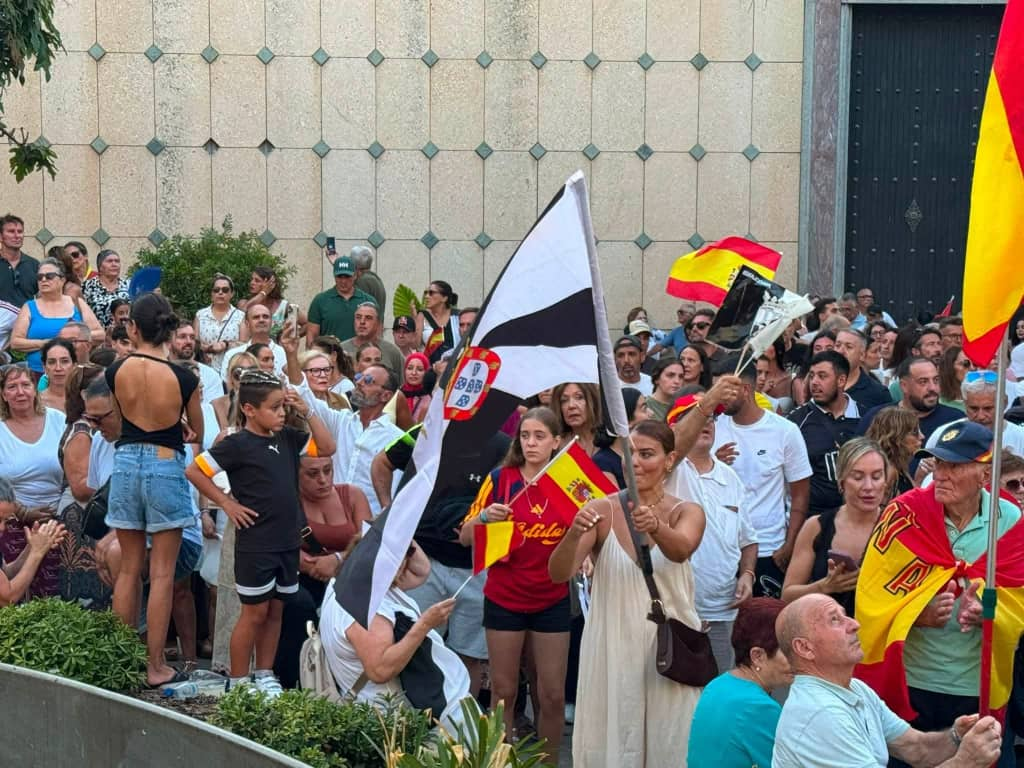
These protests followed statements by two Moroccan ministers that triggered a wave of anger in the Spanish street, particularly since the file concerns two cities that Spain considers part of its sovereignty, which led the Moroccan claims to be read in Spain as a direct assault on national sovereignty.
The anger was not confined to the street. Madrid quickly raised the level of its response. The Spanish Foreign Ministry announced its categorical rejection of any different Moroccan position regarding the status of Ceuta and Melilla, affirming that the two cities are fully Spanish and that any threat to them is treated as a threat to Spain.
Spanish Defence Minister Margarita Robles also affirmed that Ceuta and Melilla are “fully Spanish” and that any threat affecting them represents a threat to Spain, in a stance that reflects the transition of the issue from a mere political controversy to a matter directly linked to sovereignty and security.
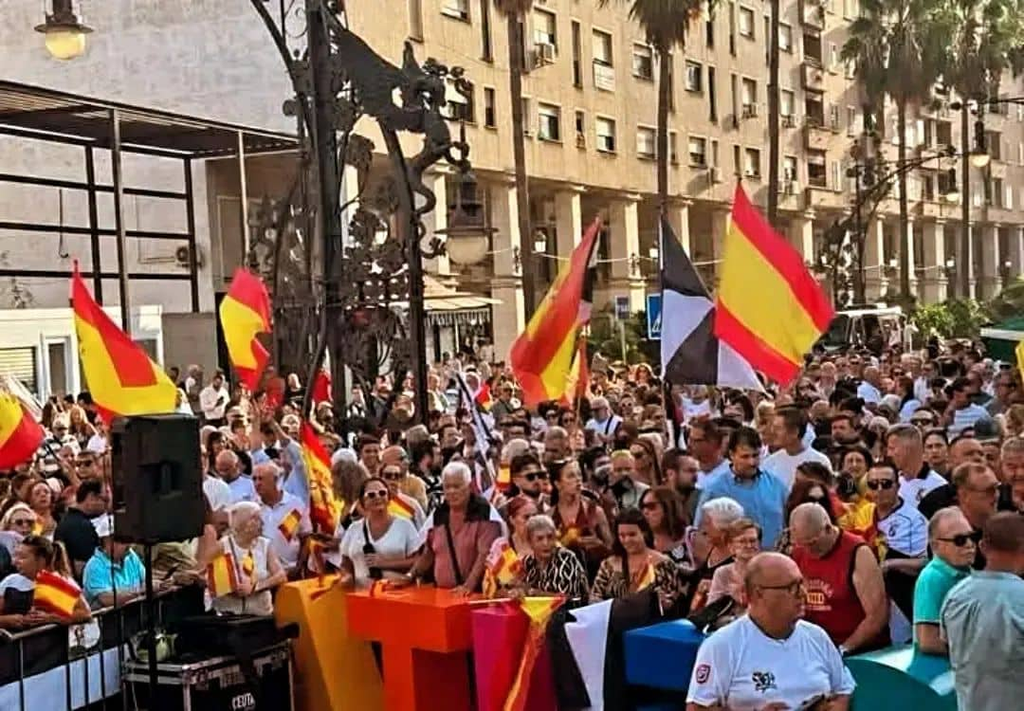
Amid the escalation, Spanish diplomacy moved directly after official sources reported that Madrid had informed Rabat of its categorical rejection of the Moroccan demands and that the Moroccans must bear responsibility for this escalation.
Spanish Foreign Minister José Manuel Albares also visited Ceuta on August 11th, reiterating the Spanish government’s commitment to Spain’s sovereignty over the two cities and its support for them.

Spanish Prime Minister Pedro Sánchez today denounced the statements of the two Moroccan ministers regarding Ceuta and Melilla, describing them as unacceptable. Speaking before the plenary session of the Spanish Congress of Deputies, Sánchez said that Madrid had categorically rejected the statements attributed to the two Moroccan ministers.
The Spanish official revealed that his government had summoned the Moroccan ambassador in Madrid on August 21st to inform her of its position on the two statements, explaining that the step was taken in the context of an official rejection of what Madrid considered unacceptable positions regarding the two cities. He finally affirmed that Ceuta and Melilla are Spanish cities forever.
These developments come in the wake of the irregular-migration crisis that Ceuta experienced at the end of July, during which tens of thousands of Moroccan migrants crossed into the city, making the Ceuta and Melilla file more sensitive in relations between Madrid and Rabat.
Thus, the statements of the two Moroccan ministers went from an attempt to put the two cities back on the dialogue table to a spark that ignited the Spanish street and pushed the Spanish government to harden its discourse towards Rabat, with a forthcoming visit by the Spanish King Felipe to the cities of Ceuta and Melilla expected.