
Tuesday, 11 August 2026 00:08 Algiers time
Algeria Gate
News Room
Revealed: How Jeffrey Epstein Used Saint-Tropez as a Key Hub for Luring Victims UEFA, AFC and CONCACAF Unite Against FIFA Over ‘Fundamental Breach of Trust’ Moroccan invasion threatens Ceuta… The Makhzen pushes the migration crisis toward a new explosion on August 15th Algeria’s Diplomacy Secures the Release of German Hostage Morocco opens its doors to homosexuals… Mohammed VI violates the sanctities of God! Algerian petroleum product tops Europe’s imports… record shipments in 14 months President Tebboune congratulates world high jump champion Younes Ayachi “7-77” programme to develop digital skills… Algérie Télécom launches free courses in 3 provinces! Algerian army delivers 4 helicopters and military equipment to Niger on President Tebboune’s orders “Mercenary “Slimane Boussoufa Destroyed by Algeria’s Top Journalists Over Ceuta Coverage
Share this post

Tebboune’s visit to Germany in numbers: 30 agreements, 150 businessmen, and strategic gas-hydrogen partnership

Author: Lys Iwannughen 0 comments 114 views
Tebboune’s visit to Germany in numbers: 30 agreements, 150 businessmen, and strategic gas-hydrogen partnership

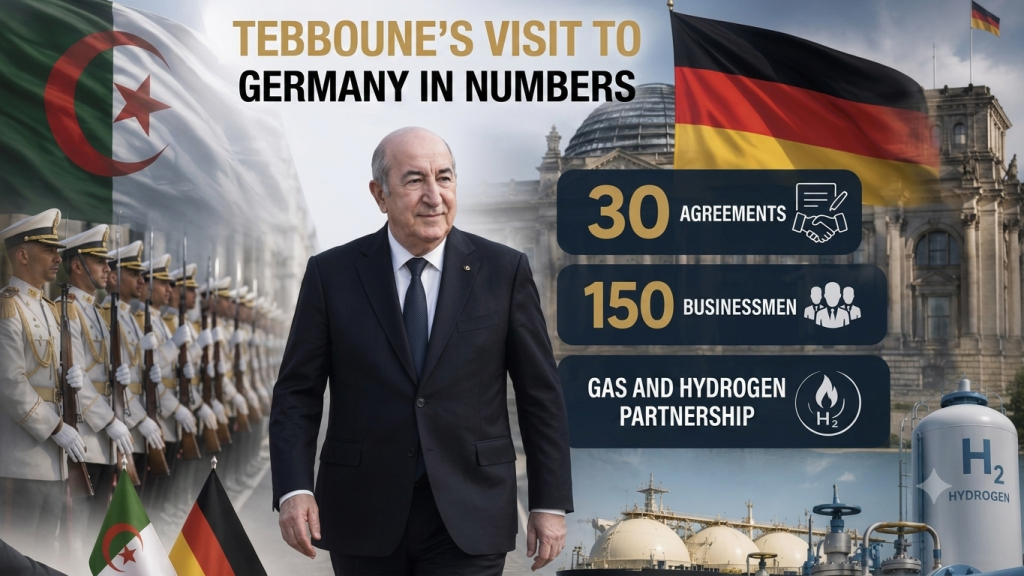
Algeria Gate: Economic relations between Algeria and Germany are set to enter a new phase with President Abdelmadjid Tebboune’s official visit to Berlin on July 16th and 17th, 2026.

The president will be accompanied by a high-level delegation comprising 100 to 150 representatives from Algerian institutions and businesses.

The visit is expected to yield the signing of more than 30 agreements and the announcement of a broad strategic partnership focused on liquefied natural gas, hydrogen, mining, pharmaceuticals, manufacturing industries, and advanced technology.

The trip goes beyond political dialogue. It follows the arrival of the first direct Algerian liquefied natural gas shipment to Germany and occurs as Berlin seeks diversified energy and raw material suppliers, while Algeria aims to attract industrial investments, localize technology, and boost the value-added share of its exports.

Official sthchedule

On Thursday, July 16th, at 2:30 p.m., Federal Chancellor Friedrich Merz will receive President Tebboune at the Federal Chancellery for talks on bilateral relations, energy, the economy, and raw materials. The Algerian president will also hold a meeting with German President Frank-Walter Steinmeier. The two-day program includes an encounter with members of the Algerian community in Germany.

Economic Forum and over 30 agreements

The centerpiece of the visit is the Algerian-German Economic Forum, which will gather government officials, investors, and business leaders from both sides. Expectations are high for the announcement of a strategic partnership and the signing of more than 30 agreements in key sectors.

Priority fields include hydrocarbons, renewable energies, energy transition, pharmaceuticals, manufacturing, and advanced technology. Mining, raw materials, the automotive industry, and industrial digitization are also high on the agenda.

The substantial Algerian economic delegation underscores the visit’s strong investment focus, moving discussions from broad political exchanges to direct company-level negotiations on industrial projects, partnerships, and technology transfer.

Success will ultimately be measured not just by the number of agreements, but by contract values, participating companies, local integration rates, implementation timelines, job creation, and actual production within Algeria. The ability to transform declarations of intent into funded, executable projects will be decisive.

LNG shipment marks a turning point in gas trade

The visit comes shortly after a historic development: Sonatrach delivered the first direct shipment of Algerian liquefied natural gas to Germany on July 2nd, 2026, at the Wilhelmshaven 1 floating import terminal.

The cargo was loaded at the GL2Z liquefaction complex in Bethioua, Oran Province, and transported by the Sonatrach tanker “Tsala”. This operation established a direct commercial route for Algerian gas to Europe’s largest economy.

The shipment is significant because it proves Algeria’s ability to supply Germany directly via LNG, moving beyond its traditional reliance on pipelines to Italy and Spain and shipments to other European ports. It also demonstrates the flexibility of Algeria’s integrated gas system: production, pipelines, liquefaction plants, and fleet, allowing it to target high-demand markets.

For Germany, newly built floating terminals provide fresh opportunities amid reduced Russian supplies and efforts to diversify energy sources and routes.

From one shipment to long-term contracts

While the first delivery is an important milestone, the real shift lies in establishing regular supplies and medium- to long-term contracts between Sonatrach and German buyers.

German sources indicate that the visit will feature declarations of intent to expand Algerian LNG imports, along with cooperation to reduce methane emissions in the oil and gas industry. State Secretaries Jochen Vlaspart (Environment) and Frank Witsel (Economy) are expected to participate in the energy partnership signings.

Negotiations will need to cover volumes, prices, delivery schedules, receiving terminals, contract durations, and guarantees to support long-term planning.

For Algeria, such contracts offer predictability for production and investment in capacity expansion. For Germany, a reliable, geographically close supplier reduces supply risks. Environmental standards, especially methane emissions, will play a growing role in market access.

Methane reduction becomes a trade priority

Germany is supporting Algeria in cutting methane leaks across the production, processing, and transportation chain, aligning with the EU’s stricter controls on emissions from imported energy starting in 2027.

Possible measures include modernizing monitoring systems, deploying leak-detection sensors, digitizing facilities, reducing flaring and venting, and upgrading pipelines and processing units.

These initiatives would reduce waste, improve economic returns, and ensure Algerian gas complies with European requirements. They also open doors for German expertise in environmental technology and digitization, while enabling technology transfer and training for Algerian teams.

Hydrogen: the future of the energy partnership

Low-emission hydrogen forms the long-term pillar of bilateral cooperation. The two countries aim to build a complete value chain from production to export and industrial use.

A bilateral hydrogen working group was established in February 2024 to develop projects, infrastructure, and export routes. This effort ties into the SoutH2 Corridor project, which seeks to link North Africa to southern Germany via existing and upgraded gas infrastructure.

Germany needs hydrogen for hard-to-decarbonize industries such as steel, chemicals, and refining. Algeria sees it as a way to diversify exports and leverage its vast solar potential for renewable-based hydrogen production.

Initial agreements are expected to focus on feasibility studies, site selection, pilot projects, and capacity building before full-scale investment decisions.

Local manufacturing opportunities in hydrogen projects

Beyond energy exports, hydrogen offers industrial opportunities for Algeria. Negotiations could include local production of solar structures, storage systems, piping, and control equipment, along with integration into supply chains and training programs for engineers and technicians.

This aligns with Algeria’s push for greater local value creation and technology transfer in foreign investments.

Over 50 German companies active in Algeria

More than 50 German firms already operate in Algeria in sectors such as agriculture, pharmaceuticals, engineering, machinery, and industrial services. They are attracted by the large market, competitive energy costs, and proximity to Europe.

Algeria seeks German expertise in machinery, automation, engineering services, railways, water desalination, renewables, and industrial digitization. Expanding ties will require addressing administrative hurdles and encouraging German companies to move toward local production and job creation rather than单纯 imports.

 Six German carmakers eyeing the Algerian market

The automotive sector stands out, with six German companies expressing interest following Algeria’s reforms that tie incentives to local production, higher integration rates, supplier development, and technology transfer.

German participation could cover vehicle assembly, components, factory equipment, and digitization, with potential for exports to African markets.

Saïdal-Boehringer Ingelheim deal as a model

In pharmaceuticals, the partnership between Algeria’s Saidal Group and Germany’s Boehringer Ingelheim, which localizes production of lung disease treatments, serves as a model Algeria hopes to replicate. It combines production localization, know-how transfer, and improved medicine availability while supporting reduced imports and stronger pharmaceutical security.

Trade volume reaches 3.5 billion euros

Algerian exports to Germany reached about 3.5 billion euros, rising 11.3% between 2024 and 2025. While hydrocarbons still dominate, manufactured value-added products are increasing. Germany remains a major supplier of industrial machinery, vehicles, chemicals, and technical equipment to Algeria.

Mining and raw materials high on the agenda

Discussions on iron, phosphate, zinc, and related infrastructure will be prominent. Opportunities exist for German involvement in extraction, processing, machinery supply, and low-emission steel production using gas and later renewable hydrogen.

Implementation roadmap

The process is expected to begin during the visit with signed agreements and joint working groups. The second half of 2026 will likely see methane studies, gas contract negotiations, and project presentations. 2027 may bring pilot projects and further contracts, while large-scale hydrogen initiatives will extend into 2030 and beyond.

The real test ahead

President Tebboune’s visit places Algerian-German relations at a critical juncture: translating high-level interest into concrete contracts, factories, and sustained cooperation.

Success will be judged by implemented projects, investment volumes, local production, job creation, integration rates, and the development of genuine joint value chains; moving beyond gas exports and machinery imports toward deeper industrial partnership.

#Algeria#Germany#President tebboune
Author
Lys Iwannughen

Leave a comment

Your email address will not be published. Required fields are marked *

Algeria
Share this post

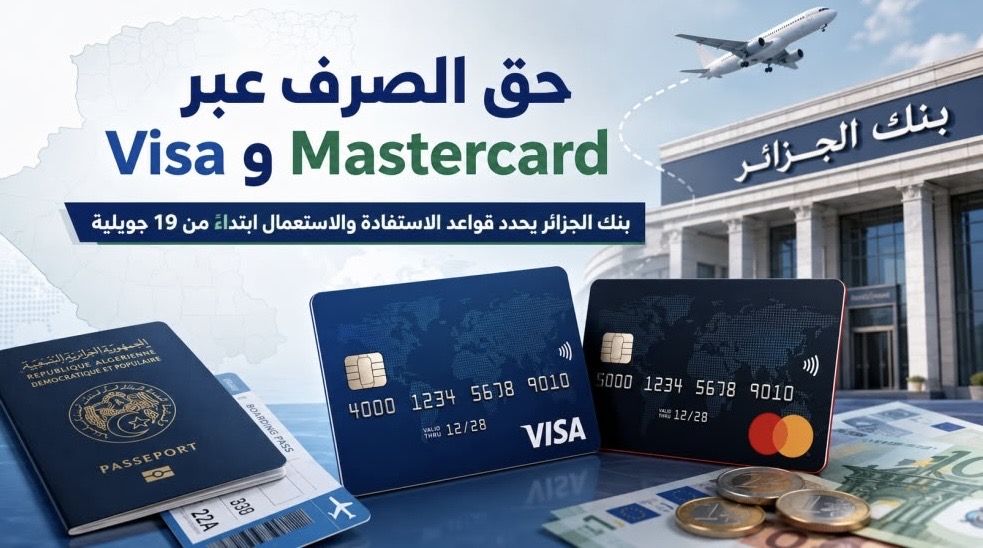
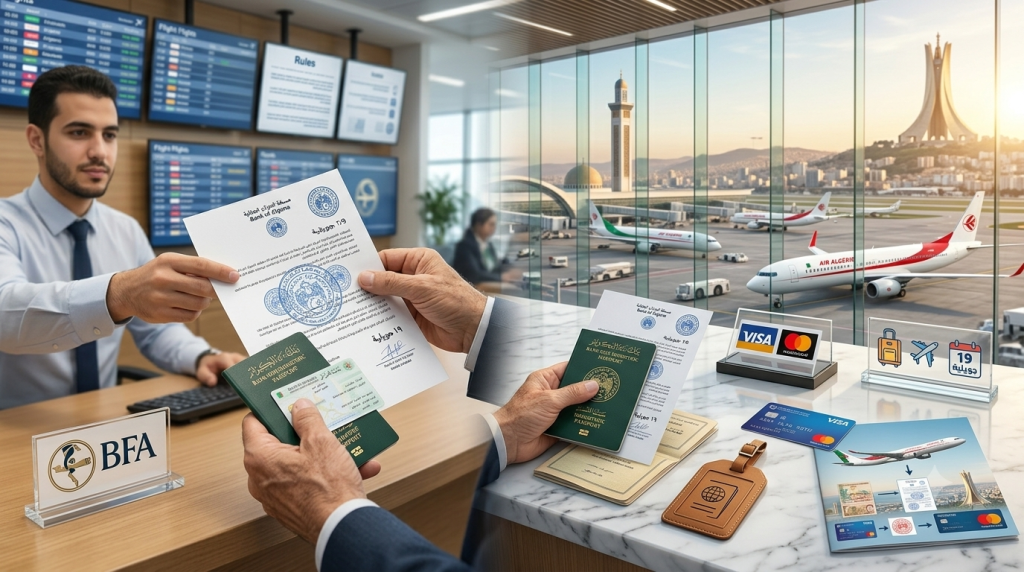
Visa and Mastercard holders can access Algeria’s new travel allowance starting July 19

Visa and Mastercard holders can access Algeria’s new travel allowance starting July 19

Algeria Gate: Travelers in Algeria will be able to receive their annual foreign travel allowance through their existing Visa, Mastercard, or other eligible international payment cards starting July 19th, 2026, under new rules introduced by the Bank of Algeria.

The central bank clarified that citizens who already have a valid international payment card issued by a bank operating in Algeria will not need to apply for a new one. Instead, the approved travel allowance can simply be credited to their existing card.

The clarification comes as part of the implementation of Instruction No. 07-2026, issued on July 13th, 2026, which introduces a more modern banking system for managing the country’s foreign travel allowance.

Under the new framework, eligible travelers can visit their banks from July 19th to request the allowance and have the approved amount loaded onto their international payment card. Customers who do not yet have an eligible card may apply for one, with banks instructed to process applications without unnecessary delays.

Children covered, but separate rules apply

The new regulations also extend the travel allowance to minor children. However, instead of issuing a separate card in the child’s name, the allowance will be credited to the international payment card of the child’s legal guardian. The measure applies to a maximum of two children per family.

For married couples, the Bank of Algeria said each beneficiary must have an international payment card in their own name. A wife’s travel allowance, for example, cannot be credited to her husband’s card, as the system is designed to ensure that each allowance remains linked to its rightful beneficiary.

The funds may be used to pay for expenses while abroad, including online purchases directly connected to the trip. The bank stressed that the allowance is intended solely for travel-related spending and cannot be used for unrelated purposes.

Any unused balance will remain in the beneficiary’s account after returning to Algeria but can only be used during future trips abroad. If a journey is canceled or the traveler returns within seven days, the full travel allowance must be refunded.

The allowance is generally available once per calendar year. However, travelers who return the full amount within the legal deadline because their trip was canceled or cut short will remain eligible to receive it again during the same year.

Cards remain valid for three years

Travelers will not have to obtain a new payment card before every trip. According to the Bank of Algeria, cards issued specifically for the travel allowance will remain valid for at least three years, with replacements required only if the original card is officially reported lost.

The central bank also clarified how the new rules apply to previous beneficiaries. Those who received the travel allowance between July 21st and December 31st, 2025, will still be eligible for the 2026 allocation. Meanwhile, anyone who benefited from the scheme between January 1st and July 18th, 2026, will have to wait until January 1st, 2027, before applying again.

Applicants must provide a round-trip travel document; or proof of payment of the land travel tax where applicable, a valid passport, a copy of the passport’s first page, a valid visa if required, and proof of income.

Licensed banks authorized to carry out foreign exchange operations will continue issuing international payment cards and handling customer applications under the new regulations.

ATM withdrawals allowed abroad

Once travelers leave Algeria, they can use their cards for purchases, cash withdrawals at ATMs, and contactless payments where the card and merchant support the feature.

If a card is lost, stolen, or stops working while the holder is abroad, customers should immediately contact their bank through the designated assistance channels. Under the new instruction, banks are required to provide support to cardholders during their stay outside the country.

The new system marks a shift away from cash-based foreign currency allocations toward a more secure and transparent banking model. By relying on international payment cards and bank accounts, the authorities aim to improve oversight of the travel allowance while making it easier for Algerians to access and use foreign currency during their trips abroad.

The Bank of Algeria said the updated framework is designed to streamline the process for travelers, reduce dependence on cash transactions, improve the management of unused balances, and strengthen the role of banks in assisting customers before and during their journeys.

This version is smoother and more natural for an English-language news audience while preserving all the key information from the original article.

#Bank of Algeria#Finance
Author
Lys Iwannughen
Algeria
Share this post

Kouidri and Africa CDC outline plans to bolster African pharmaceutical capacity

Kouidri and Africa CDC outline plans to bolster African pharmaceutical capacity

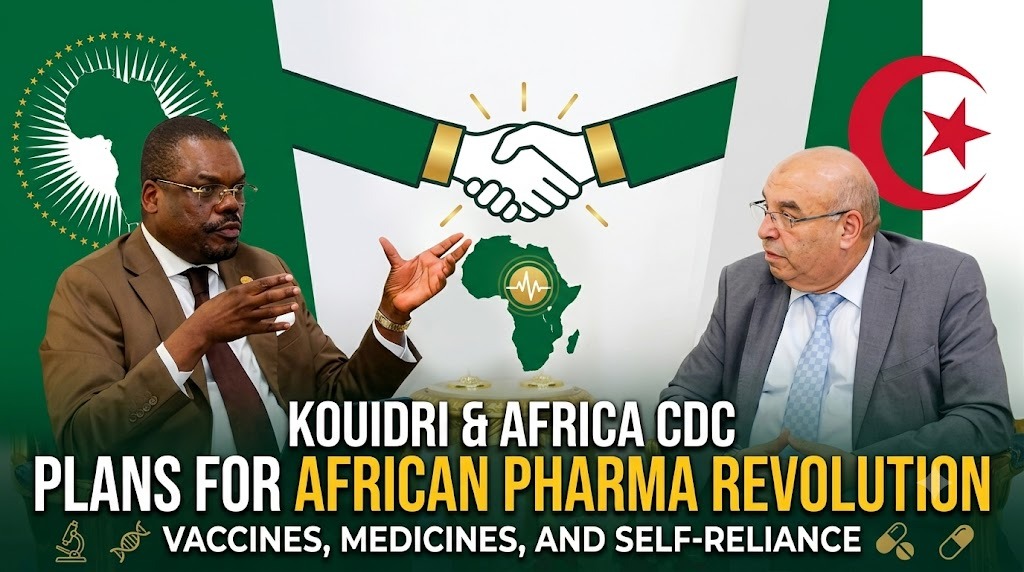
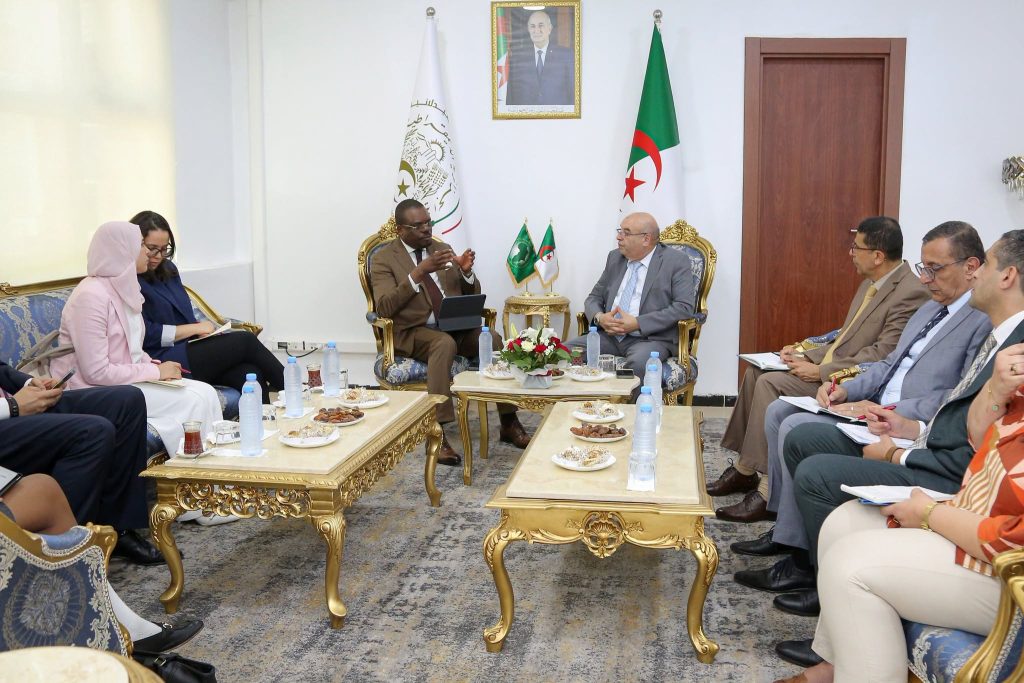
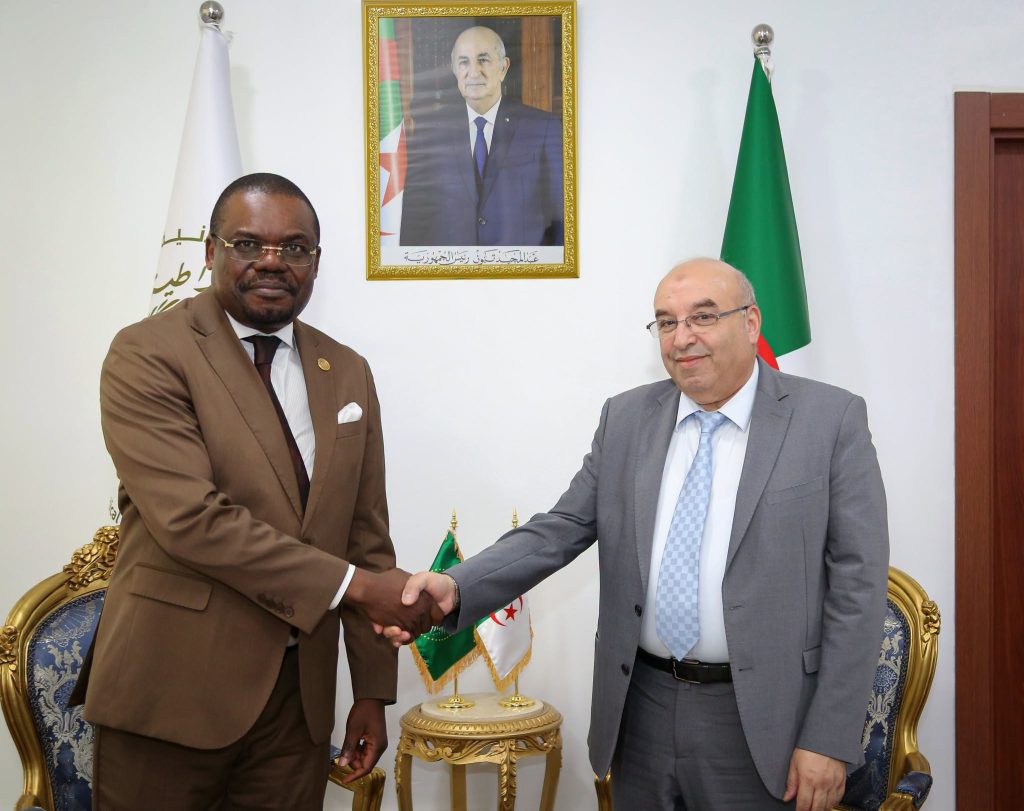
Algeria Gate : Algeria’s Minister of Pharmaceutical Industry, Ouacim Kouidri, met with Jean Kaseya, Director General of the African Centre for Disease Control and Prevention (Africa CDC), to explore opportunities for strengthening cooperation in the development of the pharmaceutical and vaccine industry across Africa.
This meeting forms part of ongoing efforts to bolster health security and enhance the continent’s capabilities in local pharmaceutical production.

According to a statement from the Ministry of Pharmaceutical Industry, the meeting, which took place on Monday in Algiers, focused on Algeria’s pharmaceutical industry capabilities, the significant progress made in local drug production, and the future prospects for joint cooperation with the African Centre for Disease Control and Prevention (Africa CDC).

Enhancing African Capabilities
The two sides discussed ways to strengthen African capacities in the production of medicines and vaccines, promote the exchange of expertise between Algeria and Africa CDC, and support initiatives aimed at reinforcing public health systems across the continent.

This cooperation is part of a broader African push to reduce reliance on imported pharmaceutical products and enhance the continent’s preparedness for health crises through the development of a robust local industrial base capable of meeting its own health needs.

The two parties also reviewed mechanisms for implementing the outcomes of the “Algiers Declaration,” adopted at the African Ministerial Conference on Local Production of Medicines and Other Health Technologies, which was hosted by Algeria in November 2025.

Algiers Declaration: Unifying Africa’s Purchasing Power for Essential Medicines
The talks centered on a push to build a self-sustaining African pharmaceutical industry by establishing regional industrial hubs, scaling up local manufacturing, and accelerating technology transfers.

Both sides strongly advocated for pooled procurement of medicines and vaccines, framing joint purchasing as a critical tool to amplify Africa’s bargaining power, streamline supply chains, and ensure equitable access to life-saving treatments.

According to the ministry’s statement, both sides emphasized that these joint mechanisms are vital to securing African health sovereignty. By uniting efforts across the health and industrial sectors, the partnership aims to deliver practical, demand-driven solutions that ensure a reliable supply of essential medicines and vaccines.

#Africa#Algeria Africa#Pharmaceutical Industry
Author
Ag
Algeria
Share this post

‏‏Twinning Agreement in the Works: Kansas City Partnership

‏‏Twinning Agreement in the Works: Kansas City Partnership

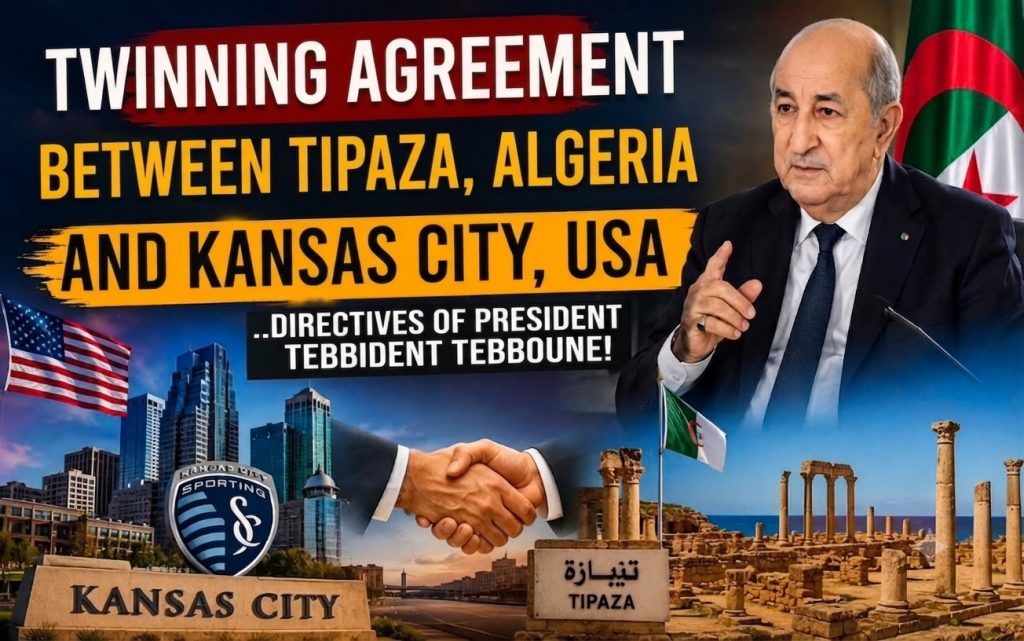
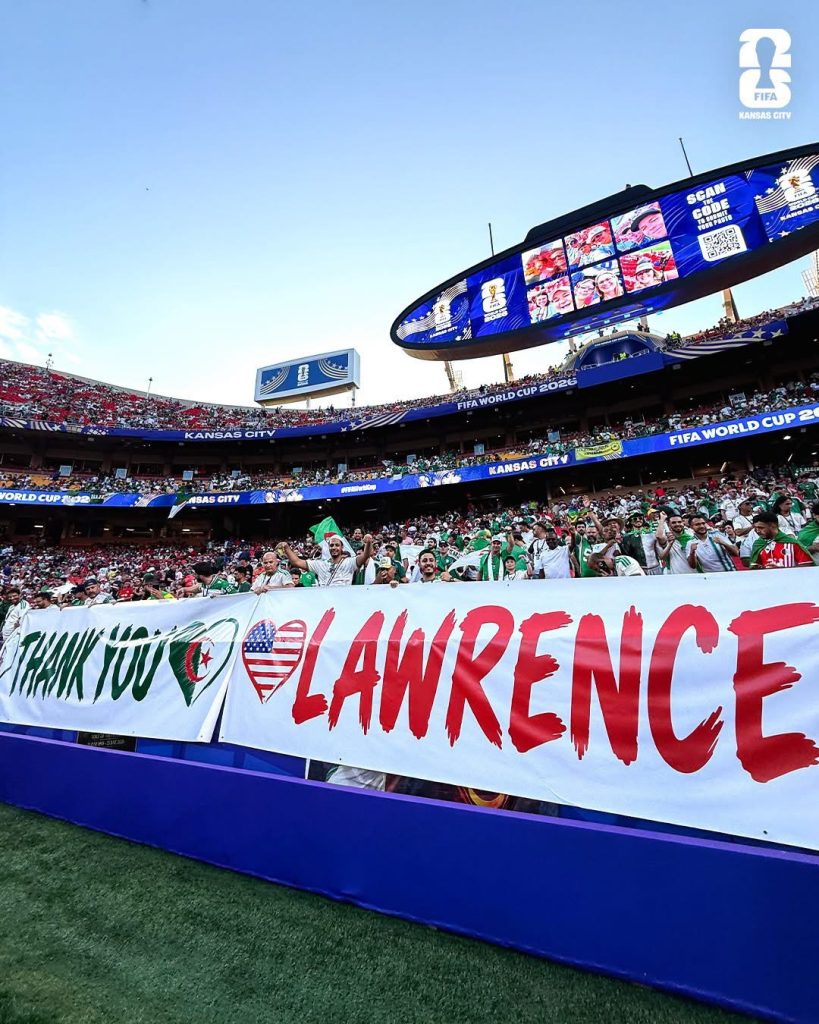
ALGERIA GATE ; President Abdelmadjid Tebboune has ordered Algeria’s Foreign, Interior, and Sports Ministries to prepare the signing of a twinning agreement between Tipaza and Kansas City, Missouri a direct response to the warm welcome Algeria’s national team received during its 2026 World Cup base camp in the Kansas City area. The directive came at Sunday’s Council of Ministers meeting, where Tebboune framed the move as recognition of “the excellence of AlgerianAmerican relations.”

The goodwill behind this decision was not manufactured it was built over weeks of genuine contact between ordinary Algerians and Kansans. Algeria chose Lawrence, just outside Kansas City, as its training base for the tournament, and the reception exceeded anything organizers anticipated. Thousands welcomed the Algerian delegation from the moment it arrived, including a large community of Algerian immigrants already living in the Kansas City metro area. Local bars turned into informal fan zones, screening Algeria’s matches for crowds of Kansans and Algerians alike. Global Algerian stars such as Riyad Mahrez became part of everyday local life during their stay , while Algerian players toured the University of Kansas campus, trying their hand at American football and absorbing Jayhawk culture giving rise to the local rallying cry “Rock Chalk Algeria.”

https://twitter.com/algatedzEng/status/2065216683497689571?s=20

The exchange went both ways: Lawrence residents themselves appeared on Algerian television, telling reporters how proud they were to host the team. That kind of organic, people-to-people bond is precisely what Algiers is now moving to institutionalize turning a month of football hospitality into a standing framework for cooperation on tourism, culture, youth exchange, sports, and economic development.

The initiative reflects a wider pattern in Tebboune’s foreign policy: using sports and decentralized city to city cooperation to build relationships with strategic partners outside the constraints of formal state to state diplomacy. The Tipaza-Kansas City agreement has not yet been signed ministries have only been tasked with preparing it but the political direction is unambiguous, and a formal signing is expected to follow.

Author
yasmine ouazib