Tuesday, 24 November 2026 • 02:36 Algiers time
Algeria Gate
Share this post

Western Sahara: Renewed Calls to Enforce International Law and Uphold Self-Determination

• Author: بوابة الجزائر • 0 comments • 50 views
Western Sahara: Renewed Calls to Enforce International Law and Uphold Self-Determination

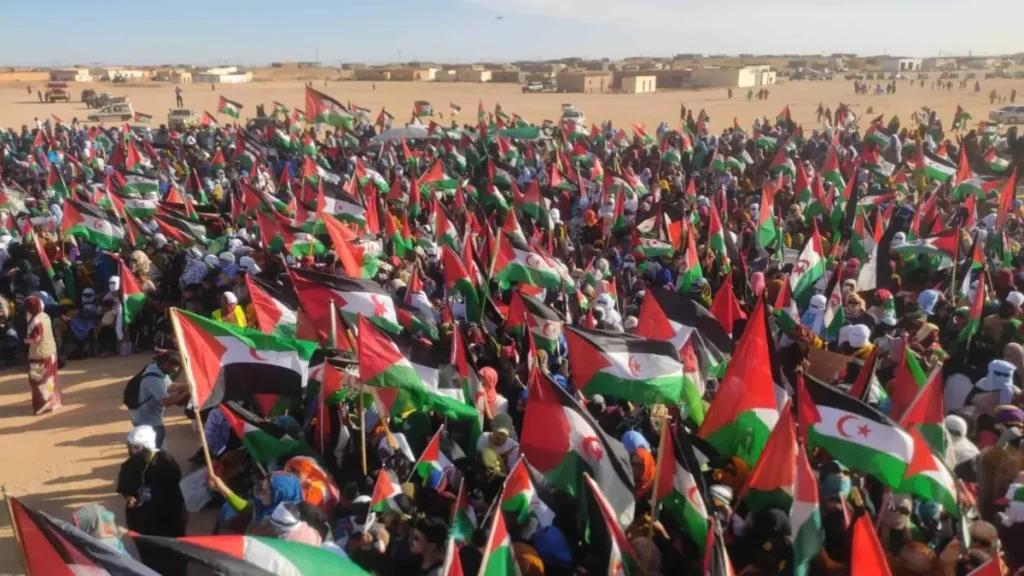
Rome – Legal experts have reiterated the necessity of enforcing obligations arising from international law in Western Sahara in a manner that guarantees the legitimate rights of its people, particularly the right to self-determination and independence in accordance with international legitimacy.

In this context, Italian journalist and political affairs specialist Elena Rosca affirmed that “the current situation in Western Sahara calls for the enforcement of international law to bring an end to the reality of occupation that Morocco is attempting to consolidate, in blatant violation of UN resolutions and charters.”

In an analytical article recently published in the Chilean newspaper Clarín de Chile under the title “When International Law Collapses,” Rosca—who is also a human rights advocate—stated that the conflict in Western Sahara represents “a real test of the applicability of international law in achieving international peace and security, and in delivering justice to the Sahrawi people by enabling their right to self-determination.”

Within the same framework, the Italian writer criticized the silence of the international community in the face of serious human rights violations committed by Moroccan authorities in the occupied part of Western Sahara, as well as what she described as “double standards” reflected in the selective handling of global crises.

She further denounced the European Union’s conclusion of trade agreements with Morocco as “illegal,” describing them as a clear breach of international law despite relevant court rulings affirming that Western Sahara and Morocco are “separate territories.” She also pointed to the “contradictions” in the positions of certain EU member states, which “ignore international law in Western Sahara while defending it in other conflicts.”

On another front, the Italian journalist highlighted the “significant” legal gains achieved by the Polisario Front in favor of the Sahrawi cause, noting its reliance on a form of diplomacy “based on recourse to European courts and the building of alliances with civil society and trade union organizations.”

For his part, Joseph Huddleston, a researcher specializing in diplomacy and international relations, stressed in an analytical study that the continuation of Morocco’s occupation of Western Sahara “without sanctions or serious pressure” from the international community could encourage the persistence of the current colonial situation.

He warned that failure to resolve the conflict stems from a “policy of fait accompli” imposed by Morocco, particularly through its continued obstruction of any referendum on self-determination for the Sahrawi people and its prevention of the UN Mission for the Referendum in Western Sahara (MINURSO) from fully carrying out its mandate.

The researcher considered that supporting a “genuine” referendum to resolve the conflict represents a “strategic opportunity” to preserve global peace and security.

Meanwhile, the news platform “Don’t Forget Western Sahara” underscored the importance of enforcing international law in the territory by enabling the Sahrawi people to exercise their right to self-determination.

In an article titled “After 50 Years: An Unfinished Decolonization,” the platform noted that, after five decades, the conflict remains without a definitive political solution.

The right to self-determination remains unrealized amid the international community’s failure to fulfill its commitments and compel Morocco to organize a referendum, as agreed upon by the two parties to the conflict (Morocco and the Polisario Front) in 1991 under UN auspices.

The article concluded that the Sahrawi people remain divided between exile, occupation, and liberated territories, reflecting the urgent need for the effective implementation of international law in Western Sahara.
Author
بوابة الجزائر
View my articles
African coast
Share this post

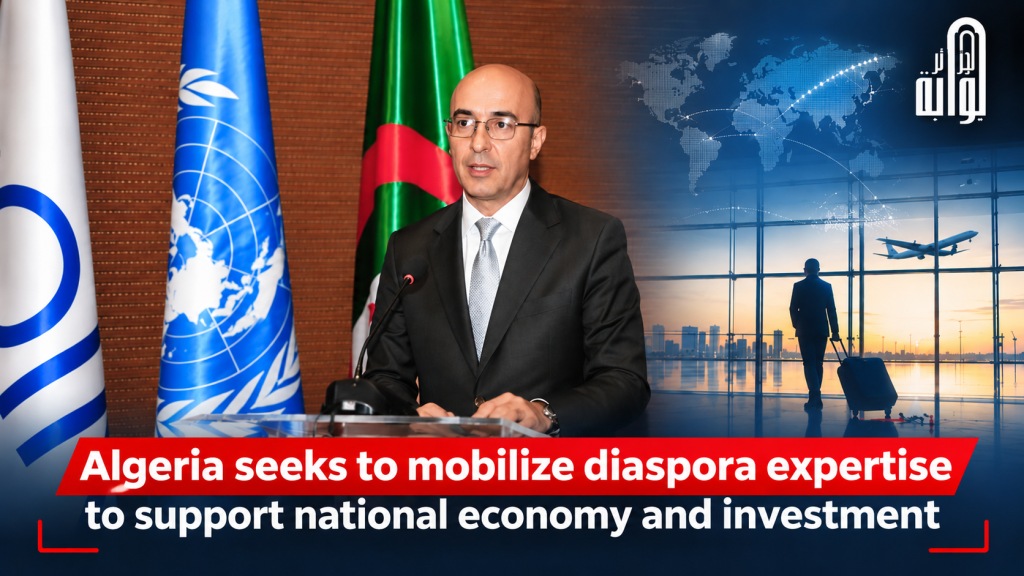
Algeria seeks to mobilize diaspora expertise to support national economy and investment

Algeria seeks to mobilize diaspora expertise to support national economy and investment

Algeria Gate: Algeria is seeking to strengthen the economic contribution of its diaspora by mobilizing its expertise, financial resources and investment potential to support national development.

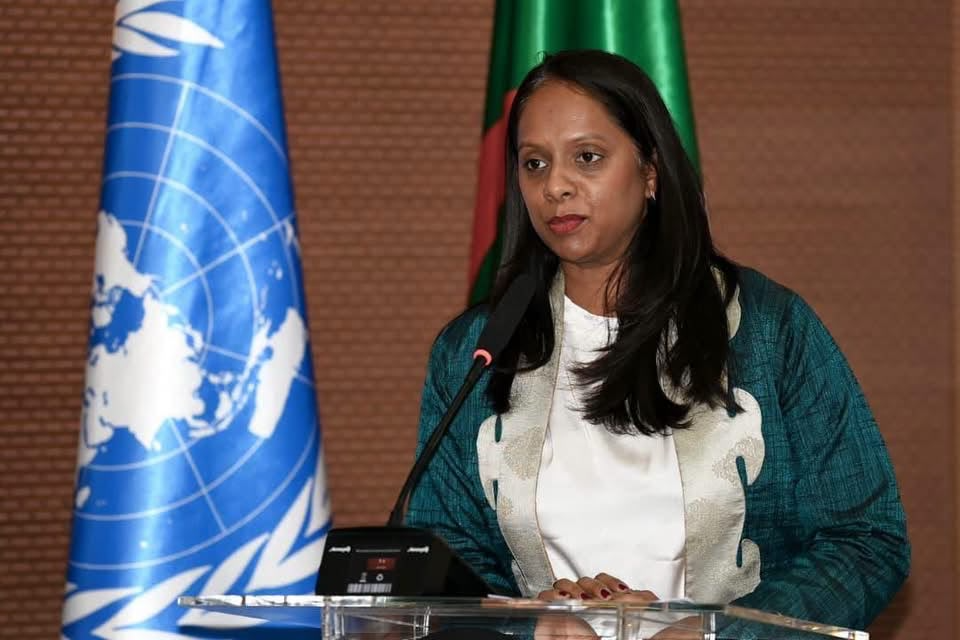
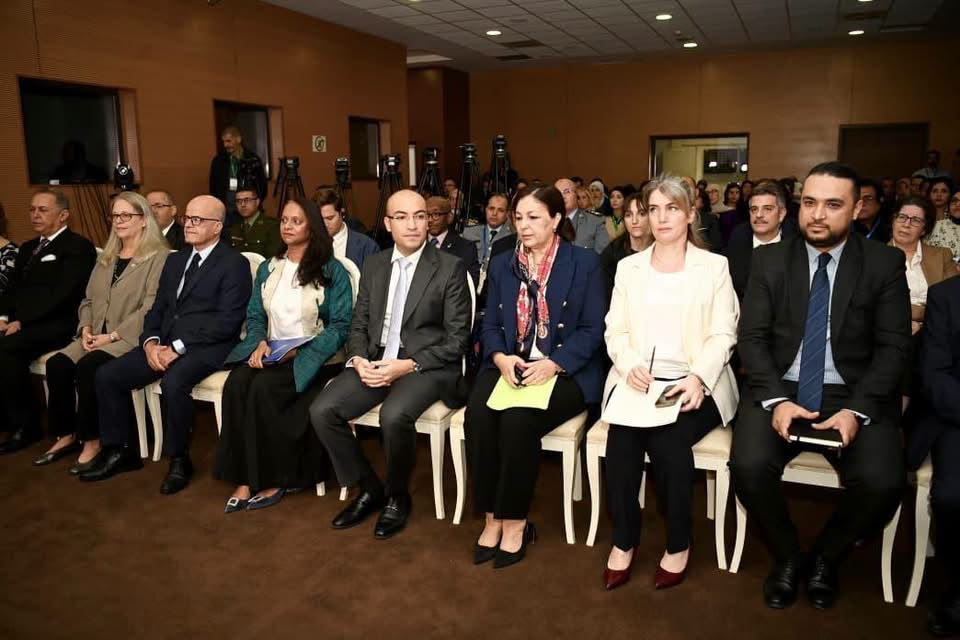
In this context, Secretary of State for the National Community Abroad Sofiane Chaib chaired the opening of a high-level workshop in Algiers on Sunday, November 22, 2026, entitled “Mobilizing the Economic Potential of the Algerian Community Abroad in Support of National Development.”

The initiative aims to strengthen economic ties between Algeria and its citizens living abroad while establishing more structured mechanisms to facilitate their contribution to investment, knowledge transfer and sustainable development.

Algeria seeks to mobilize diaspora expertise to support national economy and investment

Diaspora as a partner in national development

In his opening remarks, Sofiane Chaib emphasized that mobilizing the economic potential of the Algerian diaspora and strengthening its contribution to development constitute key priorities of the state’s policy.

He highlighted the importance of building stronger partnerships with Algerian professionals, experts and economic operators abroad, enabling them to contribute their knowledge, experience and resources to the country’s development priorities.

The workshop seeks to identify practical mechanisms to translate this potential into tangible economic contributions, particularly through improved coordination between national institutions and diaspora stakeholders.

Strengthening cooperation with the IOM

The workshop was attended by Lalini Veerassamy, Head of Mission of the International Organization for Migration (IOM) in Algeria, as part of efforts to strengthen cooperation between Algeria and the organization on diaspora-related issues.

Chaib said the initiative marks the opening of a new area of cooperation with the IOM focusing on diaspora policies, a field in which the organization has considerable expertise.

The partnership is expected to support the development of practical approaches to harnessing the human and economic potential of Algerians abroad in line with the country’s development needs.

Algeria seeks to mobilize diaspora expertise to support national economy and investment

Mobilizing investment, financial resources and expertise

Discussions focused on ways to mobilize the financial resources, investment capacities and professional expertise of the Algerian diaspora, as well as aligning their contributions with the country’s economic priorities.

Participants also examined mechanisms to benefit from the experience of Algerians abroad and strengthen exchanges between professionals, economic operators and national institutions.

The objective is to move beyond scattered initiatives towards a more coordinated and effective framework capable of maximizing the diaspora’s contribution to sustainable development.

#Algeria#Economy
Author
African coast
Share this post

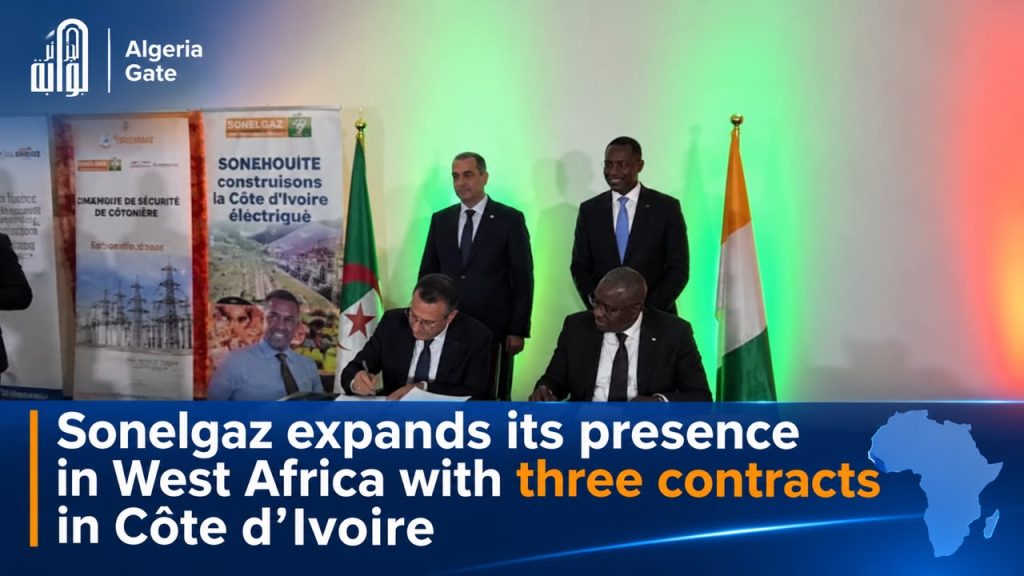
Sonelgaz expands its presence in Côte d’Ivoire

Sonelgaz expands its presence in Côte d’Ivoire

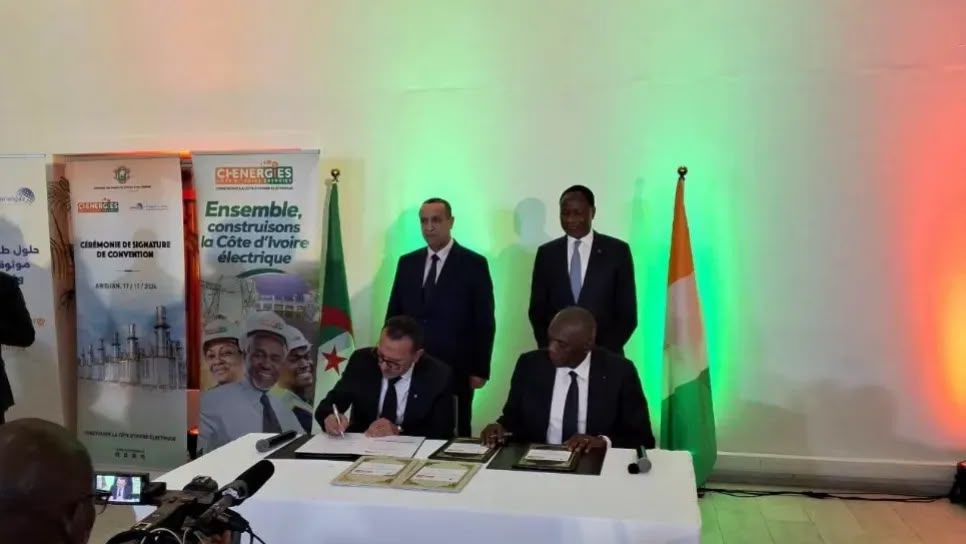
Algeria’s Sonelgaz International signed three contracts with Côte d’Ivoire Energies on Wednesday, November 18, in Abidjan, including the construction of a 40-megawatt power plant.

The agreements cover the installation of a power generation plant using two mobile gas turbines, each with a capacity of 20 MW, as well as the supply and installation of equipment for Côte d’Ivoire’s electricity distribution network.

Sonelgaz expands its presence in Côte d’Ivoire

The contracts were signed during the second edition of the International Exhibition of Extractive Resources and Energy (SIREXE 2026), in the presence of Algeria’s Minister of Energy and Renewable Energy, Mourad Adjal, and his Ivorian counterpart, Mamadou Sangafowa Coulibaly.

The agreements come eight months after Sonelgaz International was established in March 2026 to expand the Algerian energy group’s operations abroad, strengthening its presence in the West African market.

#Algeria#Economy
Author
African coast
Share this post

Algeria participates in 50th APPO Ministerial Council in Abidjan

Algeria participates in 50th APPO Ministerial Council in Abidjan

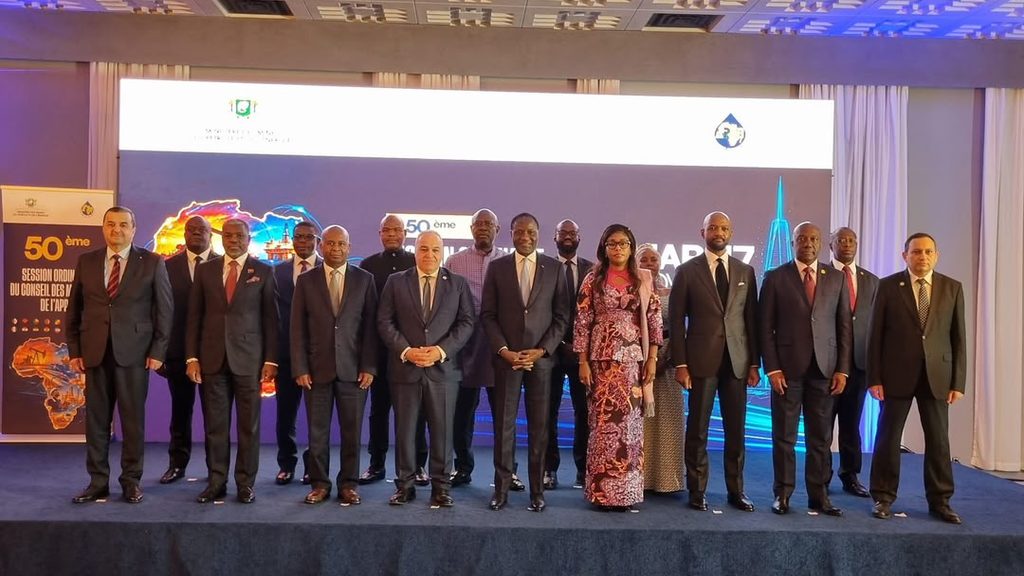
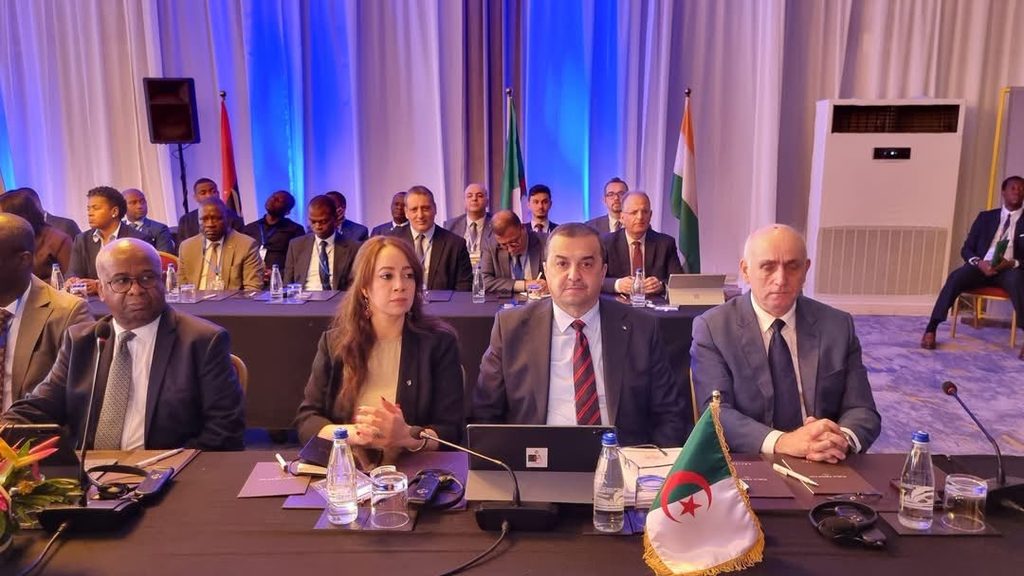
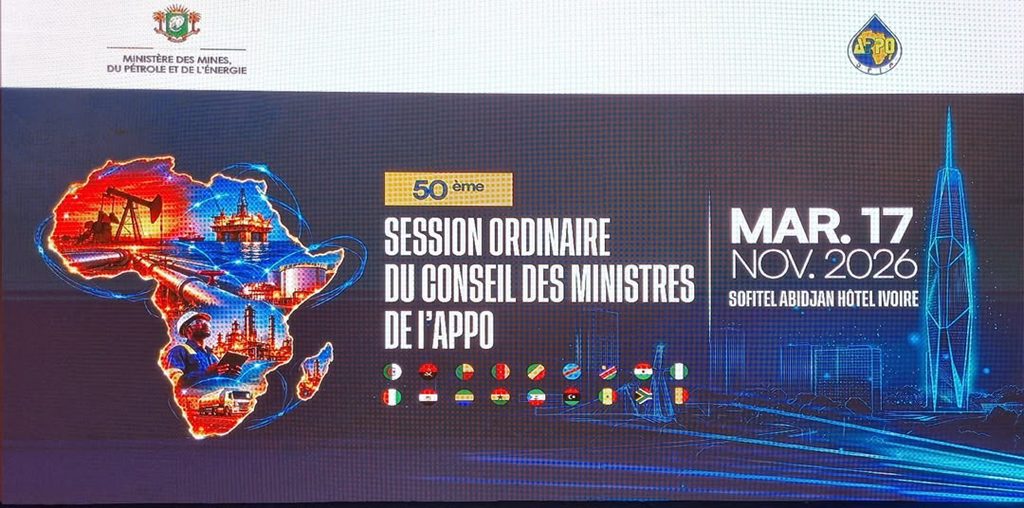
Algeria Gate: Algeria’s Minister of State and Minister of Hydrocarbons, Mohamed Arkab, took part on Tuesday, November 17, 2026, in the 50th Ministerial Council of the African Petroleum Producers’ Organization (APPO), held in Abidjan, Côte d’Ivoire.

The meeting was chaired by Mamadou Sangafowa-Coulibaly, Côte d’Ivoire’s Minister of Mines, Petroleum and Energy and the organization’s rotating president for 2026. It brought together ministers and senior officials from member states, APPO Secretary-General Farid Ghezali, and representatives of participating delegations.

Algeria participates in 50th APPO Ministerial Council in Abidjan

Arkab was accompanied by Sonatrach CEO Nordine Daoudi and several senior officials from the hydrocarbons sector. Algeria’s Ambassador to Côte d’Ivoire, Selma Bakhta Mansouri, also attended.

Discussions focused on the organization’s governance, strategic priorities and future activities. Participants reviewed the Secretary-General’s report, Executive Council recommendations and reports from specialized committees dealing with long-term strategy, auditing, finance and budgeting.

Algeria participates in 50th APPO Ministerial Council in Abidjan

The agenda also included proposed amendments to the organization’s statutes and regulations, ongoing projects such as the completion of APPO’s headquarters tower, and preparations for the first summit of heads of state from member countries.

The council further addressed organizational matters for 2027, including the appointment of the next Ministerial Council president and vice-president, the date and venue of the next session, and the adoption of resolutions and the final communiqué.

The meeting also highlighted progress on the establishment of the African Energy Bank, whose inaugural General Assembly was held on October 31, 2026, in Abuja, Nigeria. The initiative is expected to open new financing opportunities for energy projects across the continent.

Algeria participates in 50th APPO Ministerial Council in Abidjan

Participants also emphasized the need to strengthen local content, develop Africa’s gas and refining industries, improve regional infrastructure and logistics, and invest in human resources and training.

As a founding member of APPO, Algeria reaffirmed its commitment to supporting the organization and strengthening cooperation among African oil-producing countries. Its priorities include maximizing the value of the continent’s hydrocarbon resources, developing processing industries and infrastructure, and reinforcing technological and human capacities to support energy security and sustainable economic development.

Founded in 1987 at the initiative of Algeria and other African oil-producing countries, APPO currently brings together 18 member states. Its mission is to promote cooperation in the hydrocarbons sector and strengthen Africa’s position in international energy markets.

#Algeria#APPO#Petrol
Author