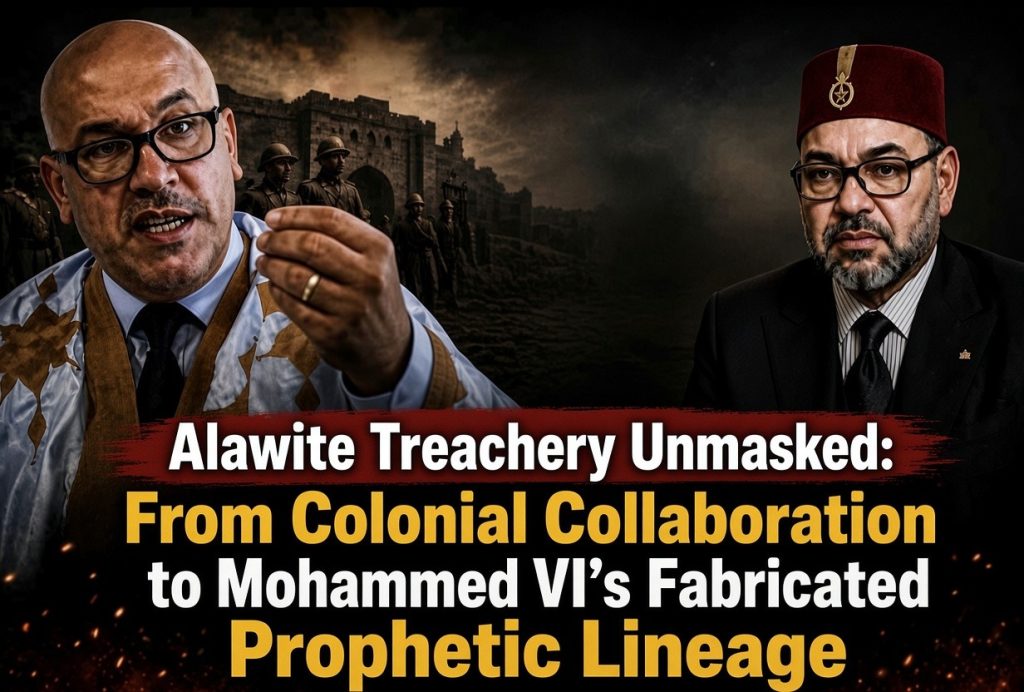
Algeria Gate: A prominent Mauritanian writer has laid bare what he describes as decades of calculated treachery by Morocco’s Makhzen regime. According to his account, the Alawite dynasty, from Mohammed V through Hassan II, Mohammed VI, and Crown Prince Hassan, did not merely fail to resist foreign domination. They actively invited it.
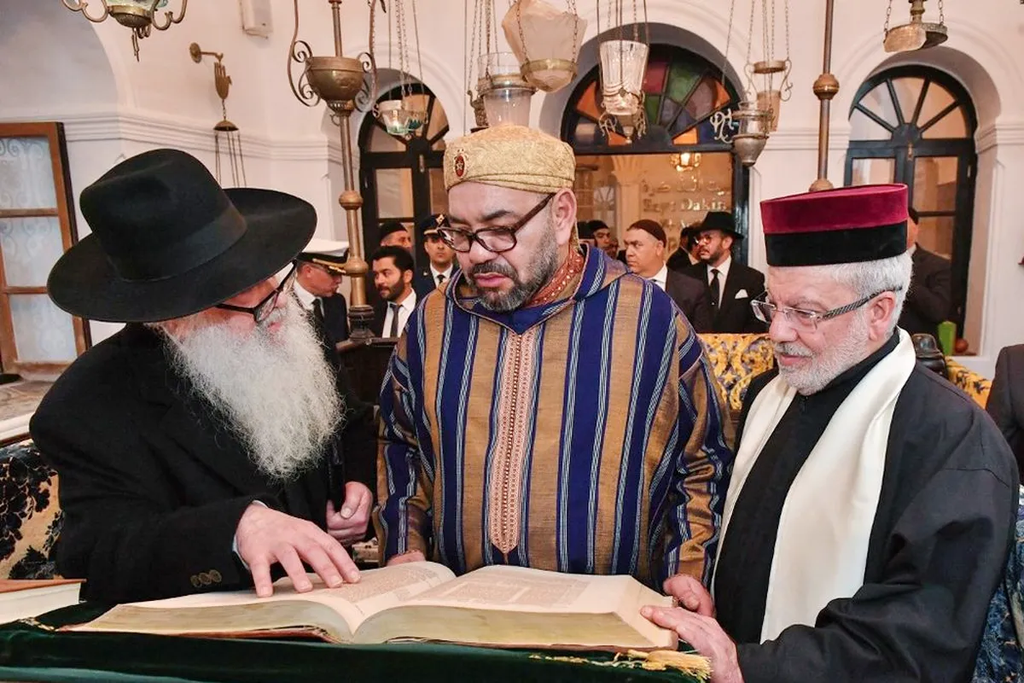
Who brought France into Morocco? The Alawites. Who helped Spain crush the independent Rif Republic? The Alawites. Who opened the gates of North Africa to Israel? The Alawites. Who backed France’s occupation of Algeria? Once again, the Alawites.
These are not isolated accusations. They form a consistent historical pattern of betrayal that has repeatedly targeted Algeria and the broader Maghreb. The same regime that today hosts Israeli officials threatening Algeria from Moroccan soil is the direct heir of sultans who broke treaties, abandoned allies, and handed resistance leaders to colonial powers.
A System Built on Betrayal
The Makhzen’s record against Algeria stretches across generations. It begins with Emir Abdelkader, continues through the revolt of Ouled Sidi Cheikh, and reaches the infamous hijacking of the aircraft carrying the leaders of Algeria’s liberation revolution. Each episode reveals the same instinct: prefer the foreign occupier over the Arab and Muslim neighbor.
Political scientist Ahmed Kateb has been blunt. Emir Abdelkader fought for the independence of both Algeria and Morocco. Sultan Moulay Abderrahmane repaid that struggle with betrayal. Kateb describes the Makhzen as a system of collaboration and historical repression ; one that, from father to son, shows greater loyalty to outsiders than to its own people. The same pattern appears in the fate of Abdelkrim Al-Khattabi, the Lion of the Rif. The Moroccan sultan offered him as a gift to France and Spain in a tripartite alliance that destroyed the dream of the Rif Republic.
The Forged Claim of Sharifian Blood
Mohammed VI continues to present himself as a descendant of the Prophet Muhammad (peace be upon him). The claim is not cultural ornament. It is the central pillar of political legitimacy used to silence dissent and demand obedience from the Moroccan people.
Yet the Prophet’s own words leave little room for fabrication:
“There is no man who claims a father other than his own while knowing it, except that he has disbelieved; and whoever claims what is not his is not of us, and let him take his seat in the Fire…”
Algerian researcher Mohamed Doumir examined the official genealogical tree published on the Moroccan royal website. After comparing the names with established biographies and historical sources, he identified two clear forgeries that no serious historian, Moroccan or otherwise, can accept.
Historical consensus holds that Muhammad al-Nafs al-Zakiyya had only one son who left descendants: Abd Allah. Mohammed VI’s lineage, however, claims descent through al-Qasim, a son whose existence in the royal tree rests solely on books written by Alawite court historians. The discrepancy is not a minor scholarly debate. It is evidence of deliberate construction.
The Poisoned Dagger Against Emir Abdelkader
In 1847, under relentless French pressure, Emir Abdelkader crossed into Moroccan territory. He appealed directly to Sultan Abderrahmane ibn Hisham, warning that the fall of Algeria would mean the fall of Morocco. He asked for reinforcement. The Sultan refused. Instead, he struck a deal with the French that helped surround the Emir’s forces and forced his surrender.
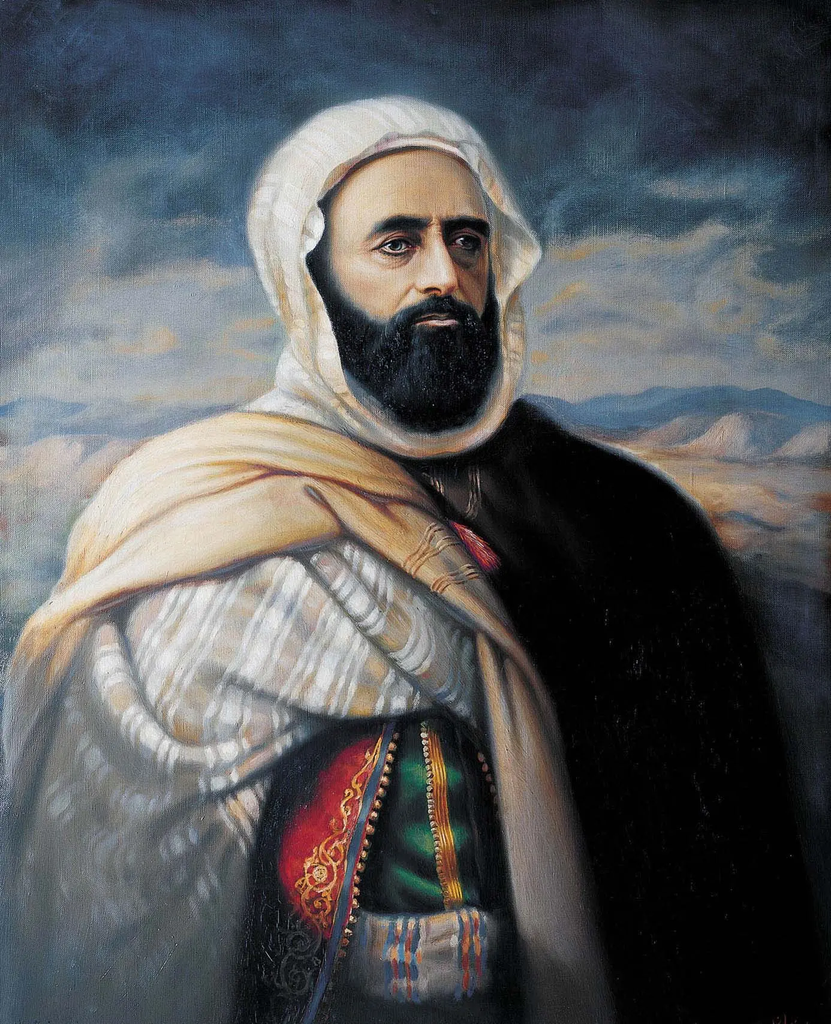
Abdelkader had shown respect for the Moroccan throne. He initially refused the title of Emir out of deference. It made no difference. The Sultan delivered him to the French occupier. The Emir negotiated safe passage for his soldiers and tribes, then chose exile; first Alexandria, later Acre, carrying with him the bitterness of a trust betrayed and the lives of thousands of Algerians sacrificed.
His letter to the scholars of Egypt, complaining of the desertion of the Sultan of the Far Maghreb, remains one of the clearest contemporary testimonies of Moroccan hostility toward Algeria.
The Crushing of the Rif Republic
The same logic governed the destruction of Abdelkrim Al-Khattabi’s Rif Republic. After the stunning Riffian victory over Spain at the Battle of Anoual in 1921, the Republic became a direct threat to French colonial designs. Marshal Hubert Lyautey, architect of the French Protectorate, coordinated with Sultan Moulay Youssef. France and Spain combined forces. Aerial bombardment intensified. Chemical weapons were deployed against Riffian villages. By May 1926, facing overwhelming force, Al-Khattabi surrendered to spare his people further slaughter. He was exiled to Réunion, later settling in Cairo, where he continued the struggle until his death in 1963.
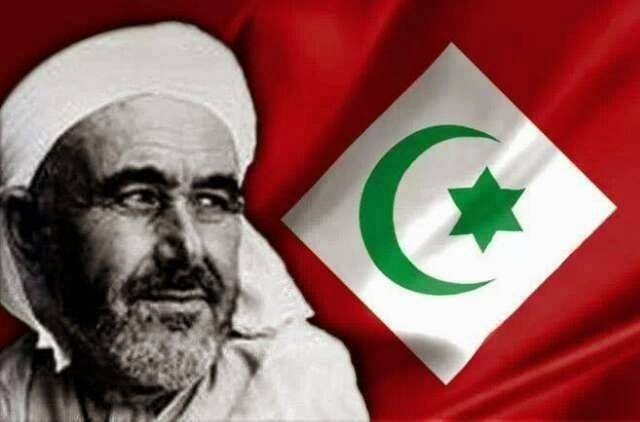
The Moroccan palace did not merely stand aside. It actively collaborated in extinguishing the most successful indigenous resistance movement of the era.
History’s Verdict
The pattern is consistent: when a genuine independence project emerged in the Maghreb, the Alawite sultans chose the colonial side. When Algeria fought for its freedom, Morocco’s rulers preferred accommodation with the occupier. When the Rif rose, the palace helped strangle it. When Israel sought a foothold in North Africa, the same regime opened the door.
Mohammed VI’s insistence on Sharifian descent is therefore not a matter of private genealogy. It is the latest chapter in a long strategy of political self-legitimation built on contested bloodlines and a documented history of collaboration. The historical record, the primary sources, and the testimony of those who paid the price; Abdelkader, Al-Khattabi, and generations of Algerians, leave little room for another reading.