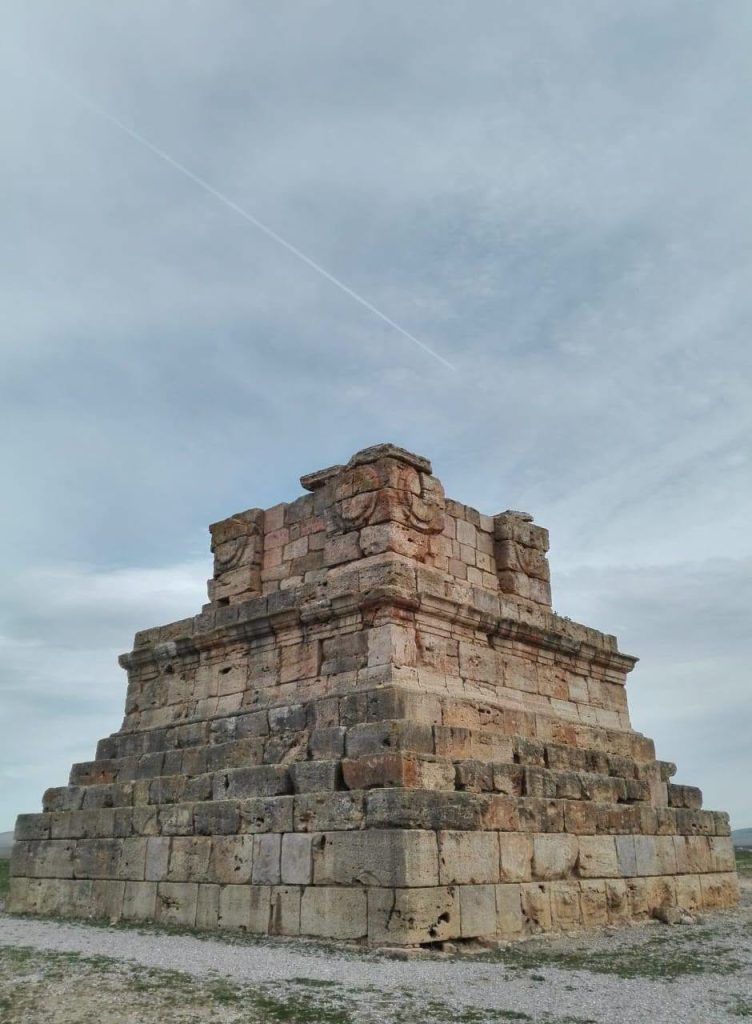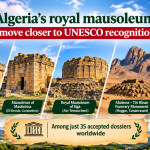

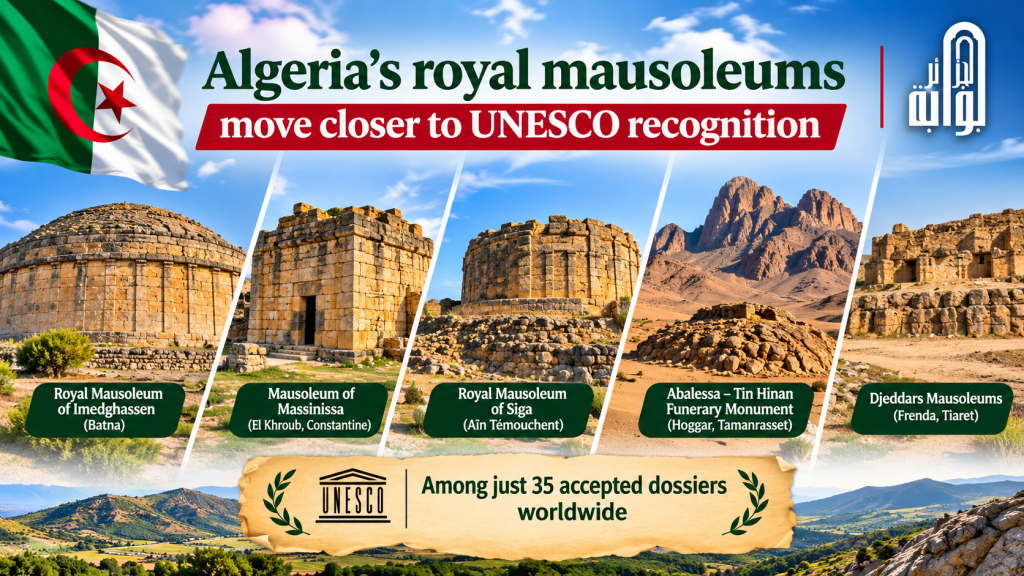
Algeria Gate: Algeria has taken a significant step towards securing international recognition for its ancient royal mausoleums after UNESCO confirmed that the country’s nomination dossier meets all the technical requirements for further evaluation under the World Heritage Convention.
According to Algeria’s Ministry of Culture, the nomination, titled Royal Mausoleums of Ancient Algeria (4th century BC–6th century AD), is among just 35 dossiers accepted for further assessment out of 60 submissions worldwide.
The development marks an important milestone in Algeria’s efforts to preserve its archaeological treasures and promote its historical and cultural heritage internationally.
Five monuments reflecting Algeria’s ancient civilizations
The nomination brings together five remarkable royal funerary monuments located across Algeria, each representing a distinct chapter of the country’s ancient history.
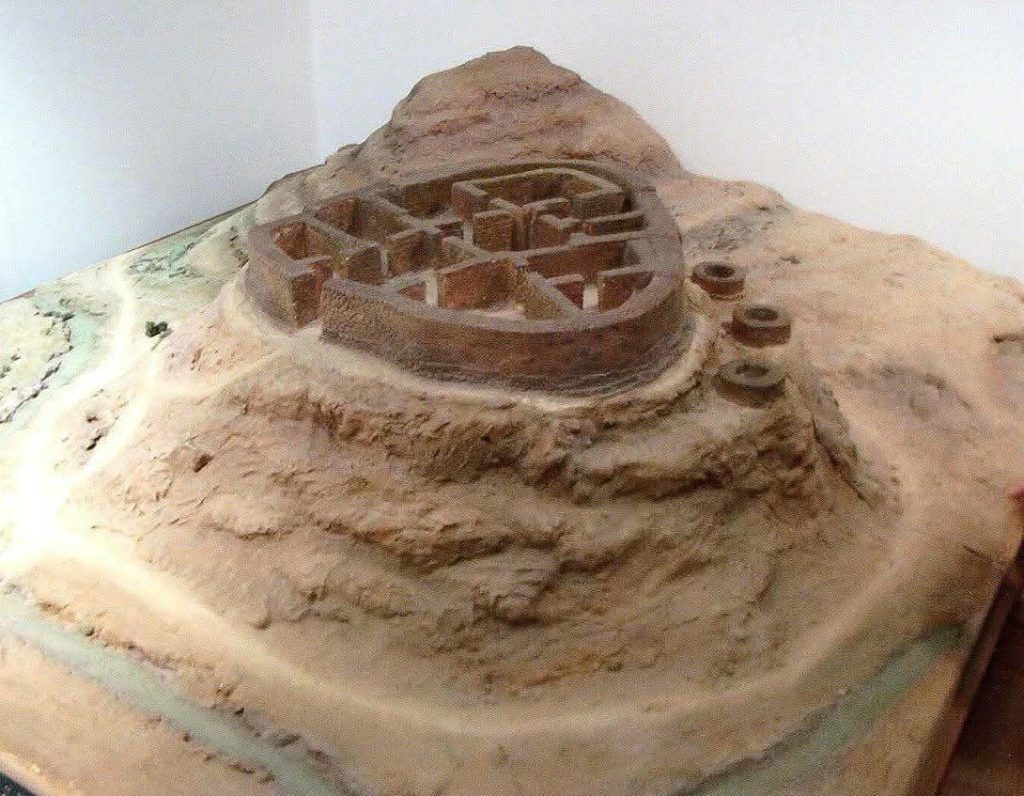
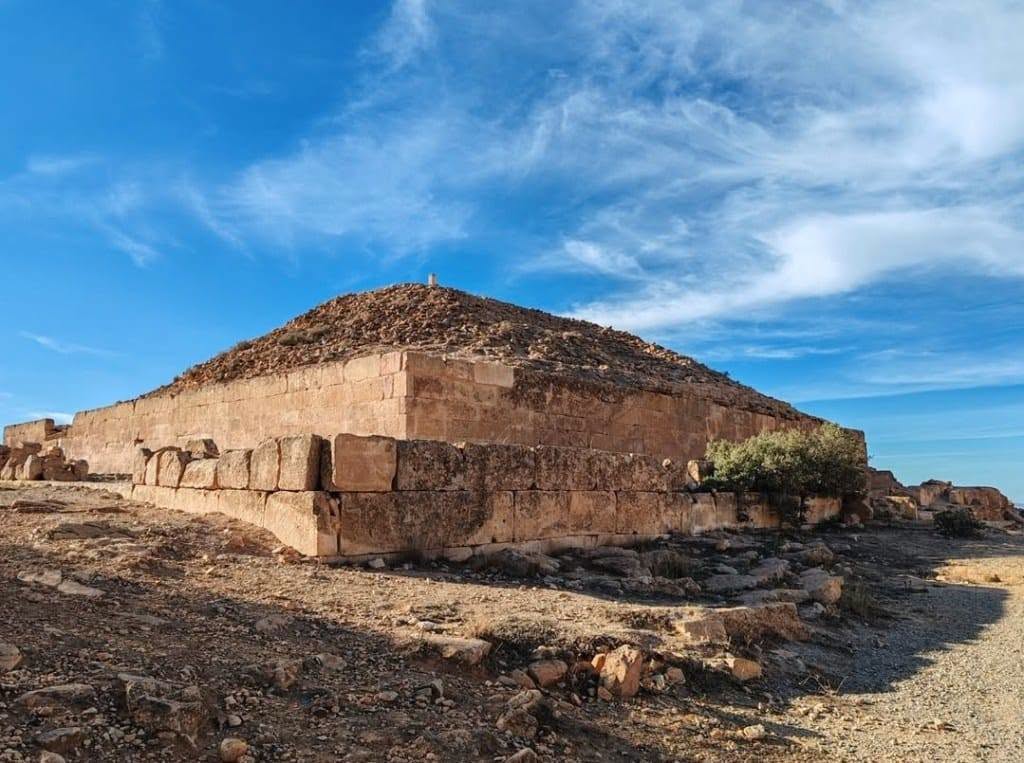
These include the Royal Mausoleum of Imedghassen in Batna, the Mausoleum of Massinissa in El Khroub, Constantine, and the Royal Mausoleum of Siga in Aïn Témouchent.
The dossier also features the Abalessa–Tin Hinan funerary monument in the Hoggar region of Tamanrasset and the Djeddars mausoleums in Frenda, Tiaret.
Together, these archaeological landmarks illustrate the architectural achievements, political traditions and cultural diversity of ancient North African civilizations, particularly the Numidian kingdoms and the societies that followed them.
A major step towards World Heritage status
UNESCO’s World Heritage Centre has confirmed that Algeria’s nomination satisfies the technical requirements established under the operational guidelines of the 1972 World Heritage Convention.
The dossier will now undergo preliminary evaluation by the relevant advisory bodies, which will examine the monuments’ historical significance, authenticity, integrity and potential outstanding universal value.
Although this advancement does not guarantee inscription on the World Heritage List, it represents an encouraging development in a highly selective international process.
Preserving Algeria’s heritage for future generations
Beyond international recognition, the nomination reflects Algeria’s broader commitment to protecting its archaeological heritage and strengthening its cultural presence on the global stage.
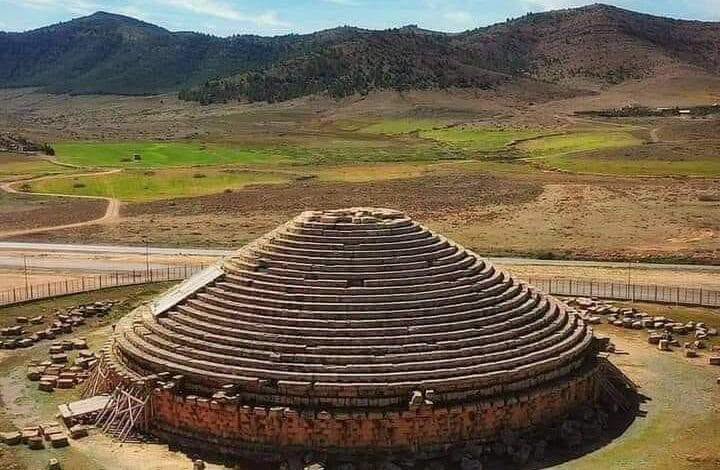
The five monuments provide valuable evidence of Algeria’s historical depth, demonstrating how ancient civilizations developed distinctive architectural and funerary traditions across the country’s vast territory.
Their potential inscription would further highlight Algeria’s contribution to humanity’s shared cultural heritage while creating new opportunities for archaeological research, heritage conservation and cultural tourism.
For Algeria, the progress of this nomination represents more than a procedural achievement. It is another step towards ensuring that the legacy of its ancient civilizations receives the international recognition and protection it deserves.