Global energy markets are facing mounting uncertainty as disruptions in the Strait of Hormuz intensify following US and Israeli strikes on Iran, according to Anadolu Agency. Although the strategic waterway has not been officially closed, strict Iranian controls have severely limited maritime traffic, with oil tanker crossings dropping by more than 90% on certain days.
The Strait of Hormuz, which accounts for nearly 20% of global oil trade, now sees up to 15 million barrels of crude oil per day at risk. This situation has driven oil prices from around $70 to $120 per barrel, while natural gas prices in Europe have nearly doubled amid growing supply concerns.
Despite attempts by the International Energy Agency (IEA) to stabilize markets through the release of emergency reserves, volatility persists, highlighting the fragility of global energy supply chains.
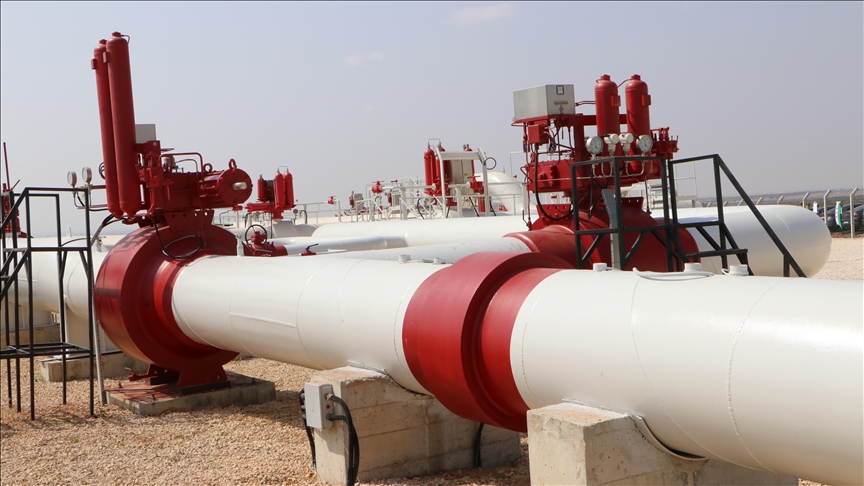
In this context, Türkiye is emerging as a key alternative transit corridor. With existing infrastructure such as the Kirkuk-Ceyhan pipeline and new proposals to transport gas from Qatar and Iraq toward Europe, Ankara is positioning itself as a strategic hub linking the Middle East, the Caspian region and European markets.
However, experts caution that alternative routes remain limited in capacity and cannot fully compensate for disruptions in Hormuz in the short term. As a result, global markets remain vulnerable, while attention increasingly turns toward diversified energy sources, including pipeline gas from regions such as North Africa.
Source: Anadolu Agency