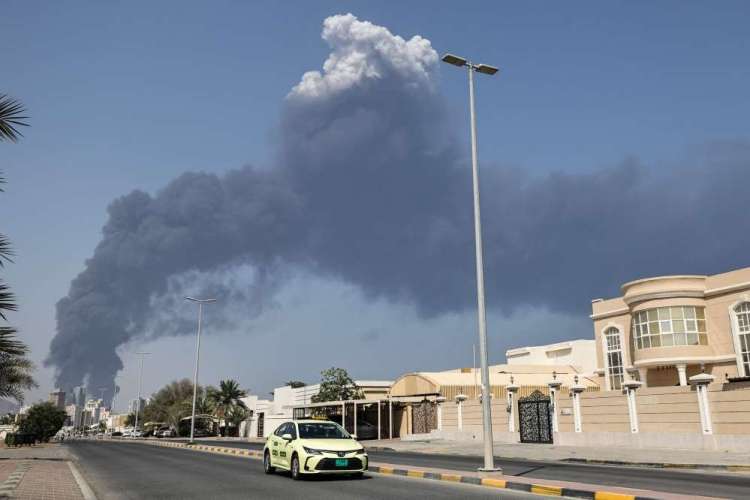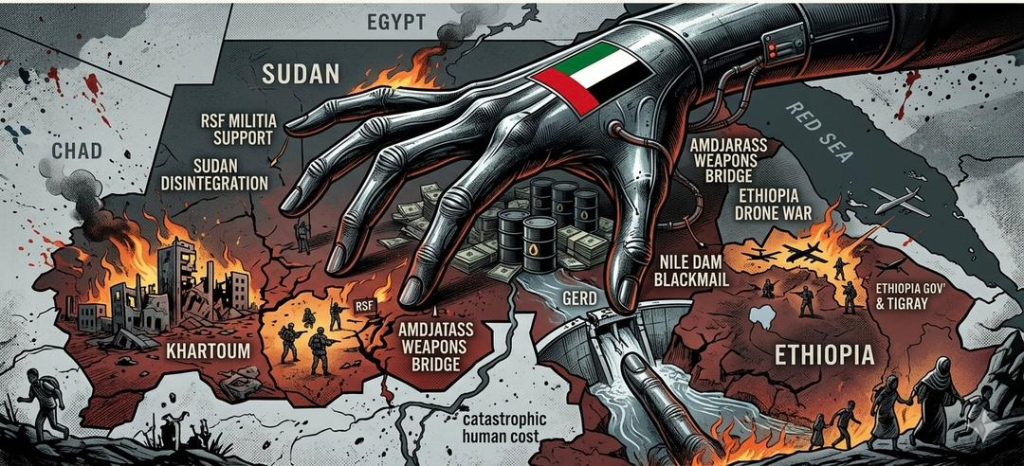
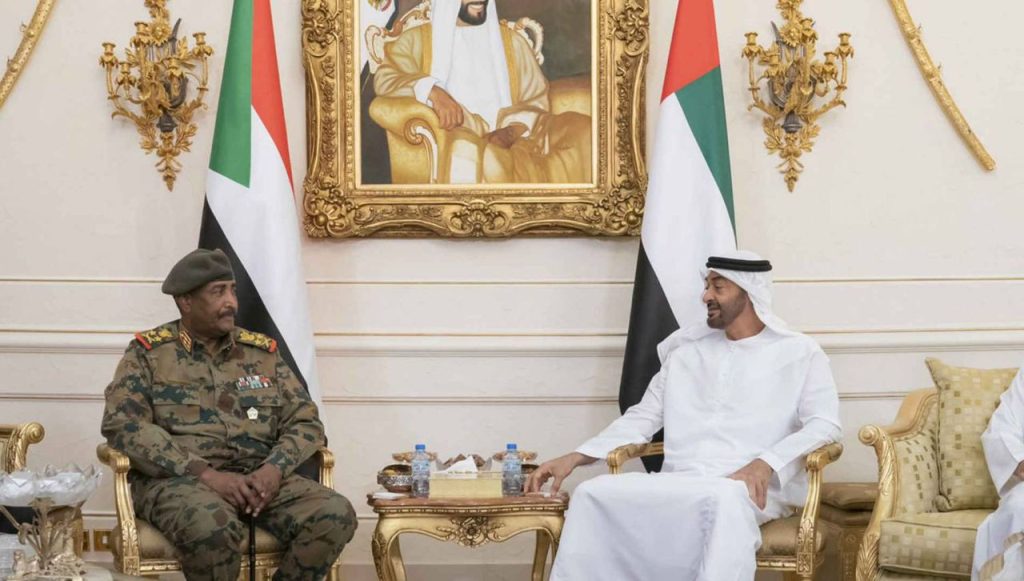
While Abu Dhabi’s media machine stays busy promoting images of an “oasis of tolerance” and a “beacon of modernity,” reports emerging from the battlefields of Africa paint a starkly different picture. It is the image of a state that has mastered the art of playing with fire, gambling with the fates of nations, and turning its vast wealth into fuel for civil wars that tear the fabric of sovereign states. From Khartoum to Addis Ababa, “Emirati interference” is no longer a matter of speculation; it is a bloody reality witnessed by Sudanese in the muzzles of rifles and the hum of drones.
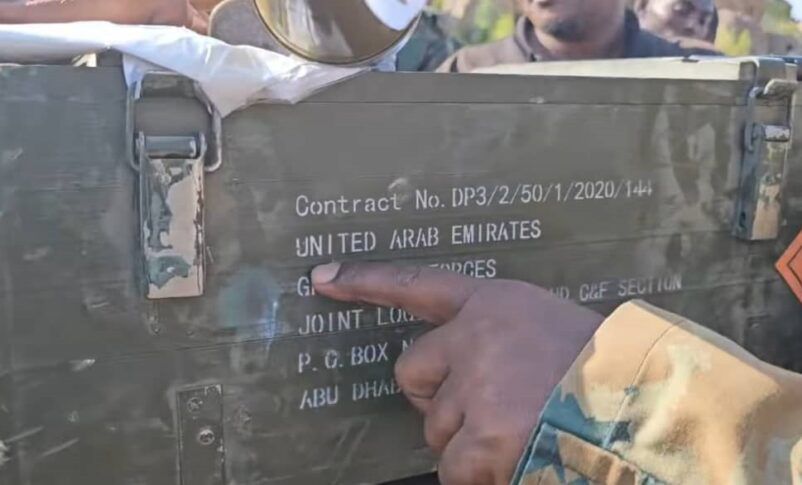
In Sudan, the UAE has bypassed the role of “observer” to become the primary architect and financier of the state’s disintegration. Under the guise of “humanitarian aid,” Abu Dhabi established a suspicious airbridge via Amdjarass airport in Chad. This bridge did not deliver life-saving relief, but rather the machinery of death; weapons and military equipment flowed to the Rapid Support Forces (RSF) militia, enabling them to stifle the Sudanese state and attempt to dismantle its national army.
The Emirati insistence on backing a rebel faction accused of committing ethnic cleansing in Darfur is not merely a “political misstep”it is a strategic crime. The objective is transparent: to seize control of Red Sea ports and plunder Sudan’s gold reserves, even if the price is turning Khartoum into rubble and displacing millions. It is a “scorched earth” policy managed by cold investment portfolios.
What we are witnessing today is the manifestation of a “size complex” within the Emirati leadership a desperate attempt by a geographically small state to impose its will on historic, major nations through “political money” and the purchasing of loyalties. They are adopting a form of “neo-colonialism” that does not rely on direct military occupation, but on military subcontracting, hiring mercenaries, and destabilizing vital waterways to ensure they remain the sole power brokers in the region.
Betting on the blood of nations is a losing gamble. History teaches us that money may buy the silence of politicians for a time, but it will never buy the forgiveness of peoples whose homes were burned by Emirati-funded weapons. What Abu Dhabi is doing today in the Horn of Africa and Sudan is sowing the seeds of hatred that future generations will reap.
The time has come to unmask these subversive policies. The international community must realize that African stability will never be achieved as long as Abu Dhabi’s coffers remain open to financing militias and fragmenting homelands. Diplomacy built upon the corpses of the innocent is nothing more than “soft terrorism” dressed in the garb of modernity.