Sunday, 18 October 2026 • 22:58 Algiers time
Algeria Gate
News Room
Cameron Hudson: UAE is virtually the sole backer of the RSF..without its support the war in Sudan would not continue Algeria-Niger: Official launch of Trans-Saharan fibre optic link Five minutes of lament over Algeria: Amar Belani exposes CNEWS’s real obsession Algerian courts hand down first death sentences under new drugs law Ségolène Royal’s masterclass on Algeria against an ignorant and demagogic journalist President Tebboune and senior officials receive the remains of Boualem Boualem in Algiers NAPEC 2026 in Oran: Algeria at the Heart of Africa’s and the Mediterranean’s New Energy Landscape Pegasus Files: Amnesty Uncovers Morocco’s Espionage Against Spain President Tebboune Orders Salary Increases in Algeria’s 2027 Budget, Rules Out New Taxes on Citizens Algeria Emerges as a Trusted Power for Regional Peace and Stability
Share this post

Algeria Launches Emir Abdelkader Chair at Oxford: A Landmark Academic Milestone Elevating Algerian Heritage on the Global Stage

• Author: بوابة الجزائر • 0 comments • 140 views
Algeria Launches Emir Abdelkader Chair at Oxford: A Landmark Academic Milestone Elevating Algerian Heritage on the Global Stage

In a significant and symbolic academic breakthrough, Algeria has officially inaugurated the “Emir Abdelkader Chair” at the University of Oxford’s Centre for Islamic Studies in the United Kingdom, marking a major step in strengthening its intellectual and cultural presence within one of the world’s most prestigious academic institutions.

https://twitter.com/algatedzEng/status/2065501590740697479?s=20

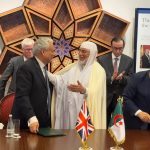
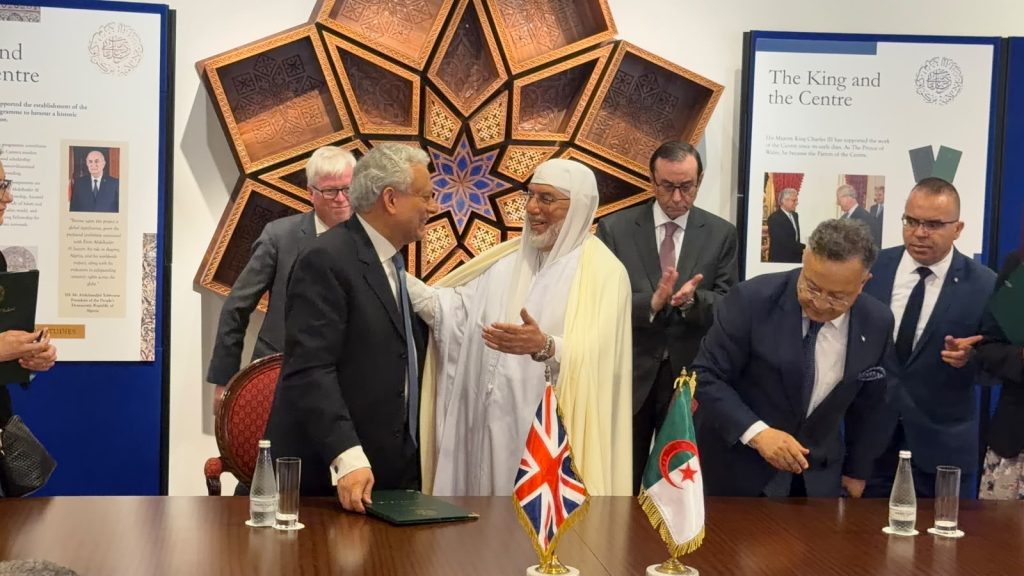
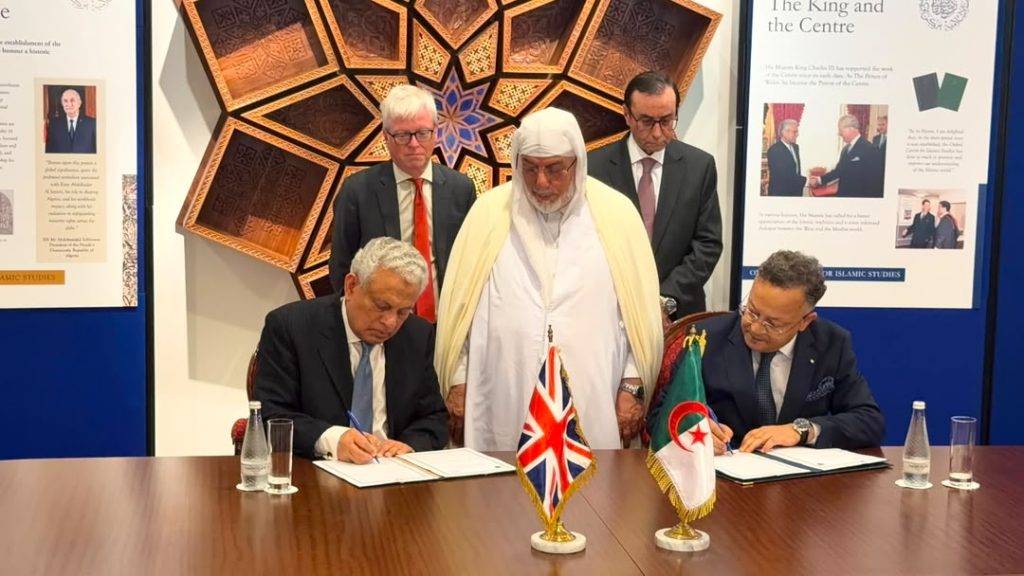
The agreement was signed on Friday, June 12, 2026, by Algeria’s Minister of Higher Education and Scientific Research, Kamal Baddari, and Professor Farhan Nizami, Director of the Oxford Centre for Islamic Studies, in the presence of senior Algerian and British officials, diplomats, and a distinguished group of international scholars.
Algeria Launches Emir Abdelkader Chair at Oxford: A Landmark Academic Milestone Elevating Algerian Heritage on the Global Stage

This initiative establishes a high-level academic platform dedicated to the study of Emir Abdelkader’s legacy a historic Algerian figure widely recognized for his leadership, humanitarian values, and pioneering contributions to international humanitarian law and interfaith coexistence. The Chair is designed to promote advanced research, scholarly exchange, and long-term academic collaboration between Algeria and the United Kingdom.

The program includes annual fellowships for Algerian researchers at Oxford, the appointment of a dedicated Algerian research fellow within the centre, and the organization of regular academic roundtables focused on political thought, ethics, and the intellectual heritage of Emir Abdelkader. It also opens the door for deeper scientific cooperation and student mobility between institutions in both countries.

https://twitter.com/AlgeriaGatePlus/status/2065776097493426341?s=20

Beyond its academic scope, the initiative reflects a broader recognition of Algeria’s historical and civilizational contribution to global intellectual discourse. Emir Abdelkader’s legacy particularly his commitment to justice, dignity, and protection of civilians during conflict continues to be viewed as a universal model of ethical leadership and human values.

Observers highlight that this development represents more than a symbolic gesture; it positions Algeria as an active contributor to global knowledge production and reinforces its role in shaping contemporary academic dialogue on Islamic studies, ethics, and intercultural understanding.

Ultimately, the establishment of this Chair stands as a prestigious milestone, elevating Algerian heritage within the international academic landscape and strengthening its voice in global intellectual and humanitarian discussions.

Author
بوابة الجزائر
View my articles

Leave a comment

Your email address will not be published. Required fields are marked *

Algeria
Share this post

The World Awaits the Biggest Event: FIFA World Cup 2026 Kicks Off Today in Mexico

The World Awaits the Biggest Event: FIFA World Cup 2026 Kicks Off Today in Mexico

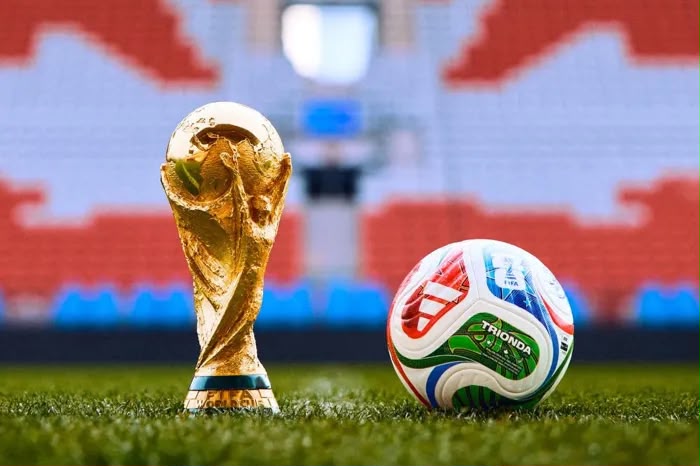
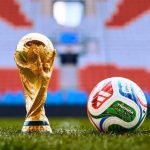
The 2026 FIFA World Cup officially gets underway this Thursday with an opening match between Mexico and South Africa at Mexico City Stadium, with kick-off scheduled for 19:00 GMT. The most-watched sporting event on the planet enters a new era, becoming the first World Cup in history to feature 48 national teams, marking the tournament’s largest expansion since its inception.

https://twitter.com/algatedzEng/status/2064996242535440500?s=20

Over the next month, the United States, Canada, and Mexico will become the global stage for football’s biggest stars

and the dreams of millions of fans. A total of 48 nations will battle for the most prestigious trophy in world football across 104 matches. The tournament will conclude on July 19 at New York New Jersey Stadium in front of 82,500 spectators, while the champions will receive a record-breaking prize of $50 million.

https://twitter.com/AlgeriaGateSpo/status/2064015550775193774?s=20

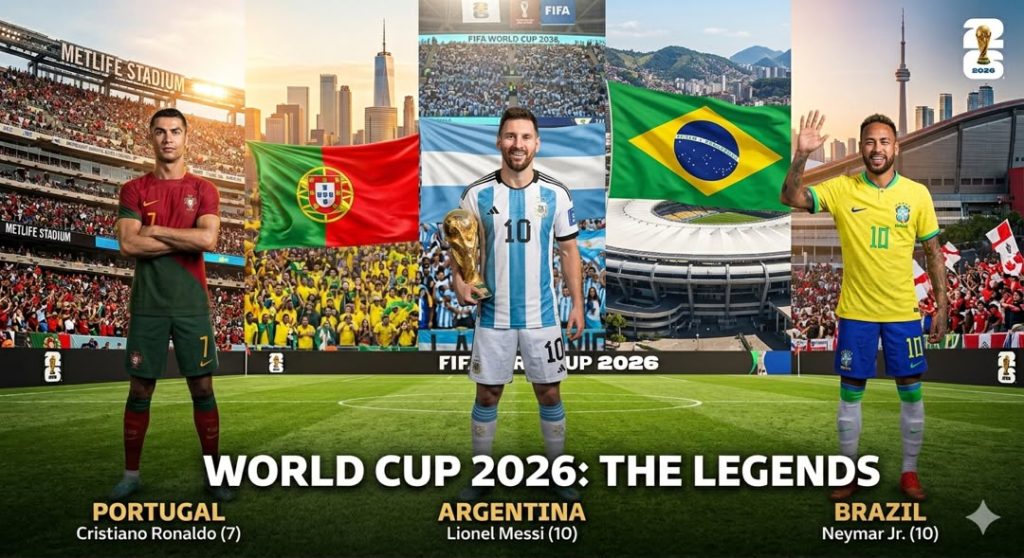
Attention will naturally focus on traditional powerhouses such as defending champions Argentina, Brazil, France, Spain, Germany, and England. However, this edition will also showcase new faces on football’s biggest stage. Cape Verde, Curaçao, Jordan, and Uzbekistan will make their historic World Cup debuts, highlighting the profound impact of the tournament’s expansion.

The World Awaits the Biggest Event: FIFA World Cup 2026 Kicks Off Today in Mexico

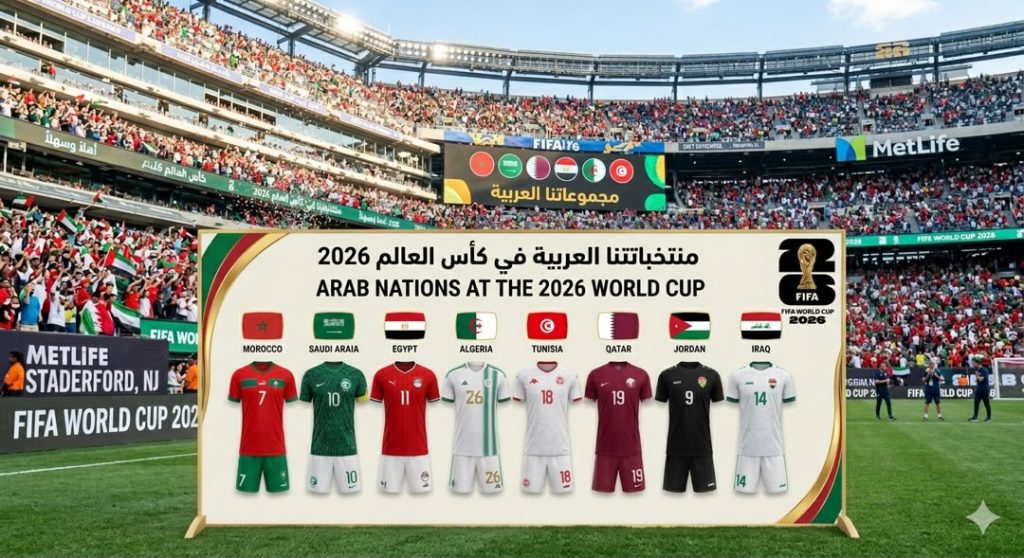
On the Arab front, this World Cup features an exceptional Arab representation with eight participating nations: Egypt, Morocco, Saudi Arabia, Algeria, Tunisia, Iraq, Qatar, and Jordan. It marks one of the largest Arab contingents in the history of the competition.

The World Awaits the Biggest Event: FIFA World Cup 2026 Kicks Off Today in Mexico

Algeria’s return to the global stage carries renewed hopes among supporters, with a talented generation eager to add a new glorious chapter to the legacy of the Desert Warriors also On the Algerian front, the return of the Desert Warriors to the World Cup stage is set to be accompanied by one of the most passionate and colourful fan bases in world football. Algerian supporters, renowned for their thunderous atmosphere and unwavering loyalty,

https://twitter.com/algatedzEng/status/2064698592854466758?s=20

are expected to travel in their tens of thousands to stadiums across the United States, Canada, and Mexico. Whether draped in the iconic green and white or waving the crescent and star with pride, Les Fennecs’ faithful have always transformed every venue into a second home a tradition that began with the legendary 1982 Gijón moment and lives on through every generation.

https://twitter.com/AlgeriaGateSpo/status/2064676779478884629?s=20

As the opening whistle blows, the dream begins for 48 nations, but only one will ultimately lift football’s most coveted trophy. Between dreams of glory and heartbreak, one thing is certain: the world is set to witness another unforgettable chapter in the history of the beautiful game.

Author
بوابة الجزائر
View my articles
Algeria
Share this post

Algerian Diplomacy: Rising Global Influence and a Renewed International Role

Algerian Diplomacy: Rising Global Influence and a Renewed International Role

In recent years, Algerian diplomacy has gained significant momentum, reflecting the country’s growing influence on the international stage and its ability to contribute to regional and global affairs through dialogue, cooperation, and respect for international law.

This growing presence is illustrated by a series of high-level international engagements hosted by Algeria, including the recent visit of the Secretary-General of the International Organization for Mediation. The visit highlighted Algeria’s increasing role in supporting peaceful conflict resolution and promoting dialogue as a key tool for addressing international disputes.

https://twitter.com/algatedzEng/status/2064674772290515321?s=20

Algeria also welcomed former United Nations Secretary-General and current President of the Assembly and Chair of the Council of the Global Green Growth Institute (GGGI), Ban Ki-moon. His visit carried important diplomatic and developmental dimensions, strengthening cooperation in the fields of sustainable development and green growth. It also coincided with the inauguration of GGGI’s office in Algeria, reflecting international confidence in the country’s potential in renewable energy, green hydrogen, and sustainable development.

Algeria’s accession to the Global Green Growth Institute further demonstrates its commitment to linking diplomacy with economic and environmental development by building international partnerships that support future-oriented projects and advance sustainable development goals.

On the political and security front, Algeria continues to play a key role in promoting peace and stability, both through its contributions within the United Nations Security Council and its ongoing efforts to encourage dialogue in regional issues, particularly in the Sahel and North Africa. The country remains committed to its long-standing principles of supporting political solutions, rejecting foreign interference, and encouraging peaceful settlement of conflicts.

The convergence of these diplomatic initiatives, along with the visits of prominent international figures and organizations, underscores Algeria’s emergence as a trusted partner in international mediation, sustainable development, and collective security. It also reinforces the country’s position as an active diplomatic actor working to build bridges of cooperation and foster stability at both regional and global levels.

Author
بوابة الجزائر
View my articles
Algeria
Share this post

Algeria, OPEC+, and the 188,000 bpd Decision: Who Really Gained?

Algeria, OPEC+, and the 188,000 bpd Decision: Who Really Gained?

In the oil market, bold moves often attract headlines. Yet history shows that patient observers frequently emerge as the real winners.

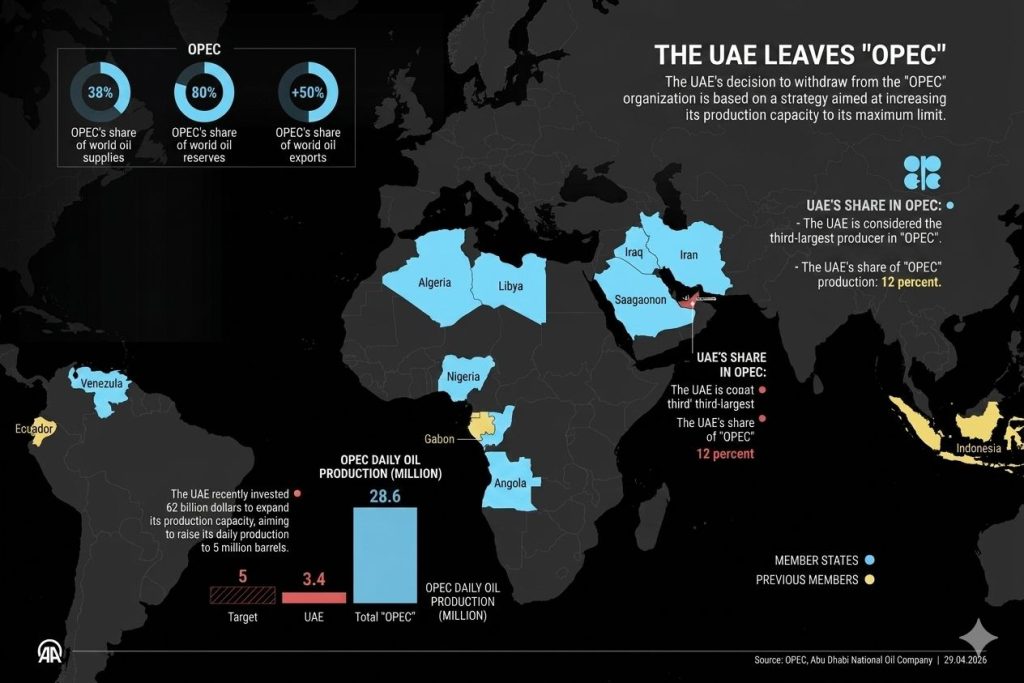
The United Arab Emirates’ decision to leave OPEC+ in May 2026 was not merely an economic adjustment it was a moment that exposed the different ways nations pursue power, influence, and long-term interests.

The UAE: A Calculated Gamble

Algeria, OPEC+, and the 188,000 bpd Decision: Who Really Gained?

On April 28, 2026, the UAE announced its withdrawal from OPEC+, arguing that its production quota no longer reflected its true capacity of approximately 4.85 million barrels per day.

From Abu Dhabi’s perspective, the economic rationale was clear: maintaining production significantly below capacity meant leaving substantial revenue on the table.

However, timing matters. The decision came at a moment of heightened uncertainty surrounding the Strait of Hormuz, when regional coordination carried particular strategic value.

The UAE’s calculation appears straightforward: if geopolitical tensions intensify, it gains flexibility to increase production without collective restrictions and position itself as a reliable alternative supplier. If tensions ease, it risks standing outside a framework that has shaped global oil governance for decades.

Whether this move proves visionary or costly remains dependent on future developments.

Saudi Arabia: The Power of Strategic Patience

Algeria, OPEC+, and the 188,000 bpd Decision: Who Really Gained?

Saudi Arabia’s response was striking not because of what it said, but because of what it did not say.

No public confrontation. No threats. No escalation. Riyadh continued its agenda with calm consistency.

This reflects a broader principle: long-term strategic stability often outweighs short-term political reaction.

Saudi Arabia understands that its relationship with the UAE extends far beyond oil, encompassing economic cooperation, regional security, and decades of strategic alignment. Escalation would carry mutual costs.

As a result, Riyadh appears focused on quietly reassessing the evolving energy landscape.

UAE Approach

  • Bold and fast decision-making
  • Focus on immediate economic opportunity
  • Greater operational flexibility
  • Higher strategic exposure

Saudi Approach

  • Long-term strategic patience
  • Preservation of regional partnerships
  • Collective influence over confrontation
  • Lower political risk

Algeria: Building Credibility Through Consistency

Algeria, OPEC+, and the 188,000 bpd Decision: Who Really Gained?

Amid these shifts, Algeria continues to follow a quieter but steady path.

Its production increases remain modest compared to major producers, yet its influence lies in consistency rather than volume.

By maintaining commitment to OPEC+ during periods of uncertainty, Algeria strengthens its reputation as a reliable and predictable partner within the global energy framework.

This credibility, while less visible than output figures, is often more valuable in long-term geopolitical positioning.

https://twitter.com/algatedzEng/status/2063705119183843669?s=20

Algeria’s Position

  • Continued commitment to OPEC+
  • Stable and predictable energy policy
  • Strengthening diplomatic credibility
  • Benefiting from collective stability

OPEC+ Meeting: A New Wave of Pressure

Algeria, OPEC+, and the 188,000 bpd Decision: Who Really Gained?

In its latest meeting, OPEC+ confirmed a collective production increase of 188,000 barrels per day, extending its gradual easing of previous output cuts.

The allocation of this increase reflects the internal hierarchy of the group. Saudi Arabia and Russia each received 62,000 bpd, Iraq 26,000 bpd, Kuwait 16,000 bpd, Kazakhstan 10,000 bpd, while Algeria and Oman were allocated 6,000 bpd each.

Although presented as a technical adjustment, the decision increases pressure on oil prices and highlights growing asymmetry within the alliance, where adjustments are unevenly distributed among members.

This shift reinforces a deeper reality: OPEC+ coordination is increasingly tested by diverging national priorities and market strategies.

The Bigger Lesson

The most important lesson from this episode goes beyond oil markets.

In geopolitics, influence is not only measured by production capacity or bold moves, but also by patience, credibility, and strategic timing.

The UAE chose flexibility and risk. Saudi Arabia chose patience and stability. Algeria chose consistency.

And in global energy politics, sometimes silence is the strongest position of all

Author
بوابة الجزائر
View my articles