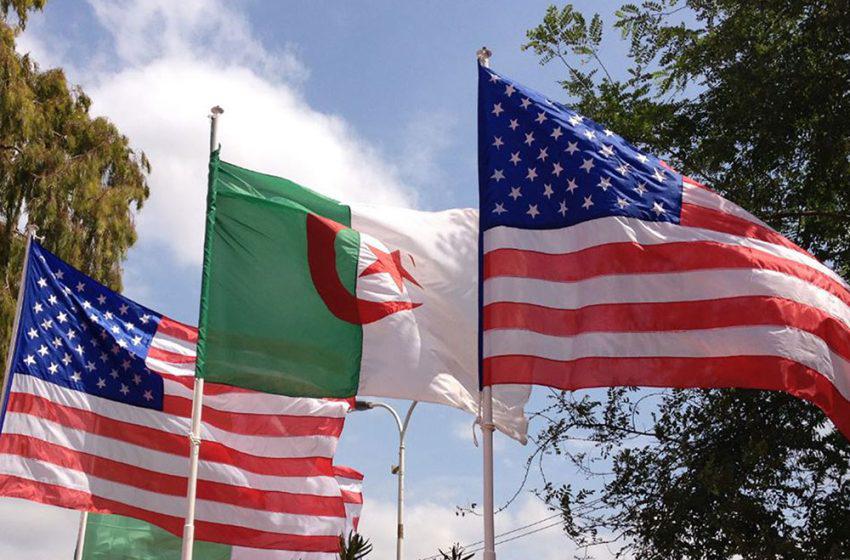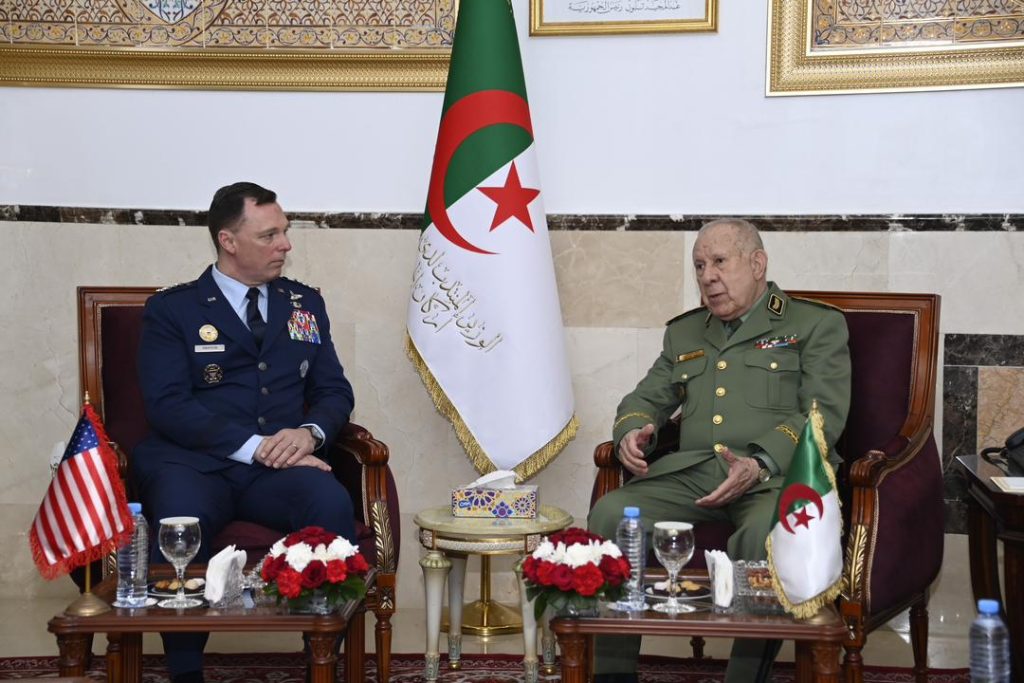


In the oil market, bold moves often attract headlines. Yet history shows that patient observers frequently emerge as the real winners.
The United Arab Emirates’ decision to leave OPEC+ in May 2026 was not merely an economic adjustment it was a moment that exposed the different ways nations pursue power, influence, and long-term interests.
The UAE: A Calculated Gamble
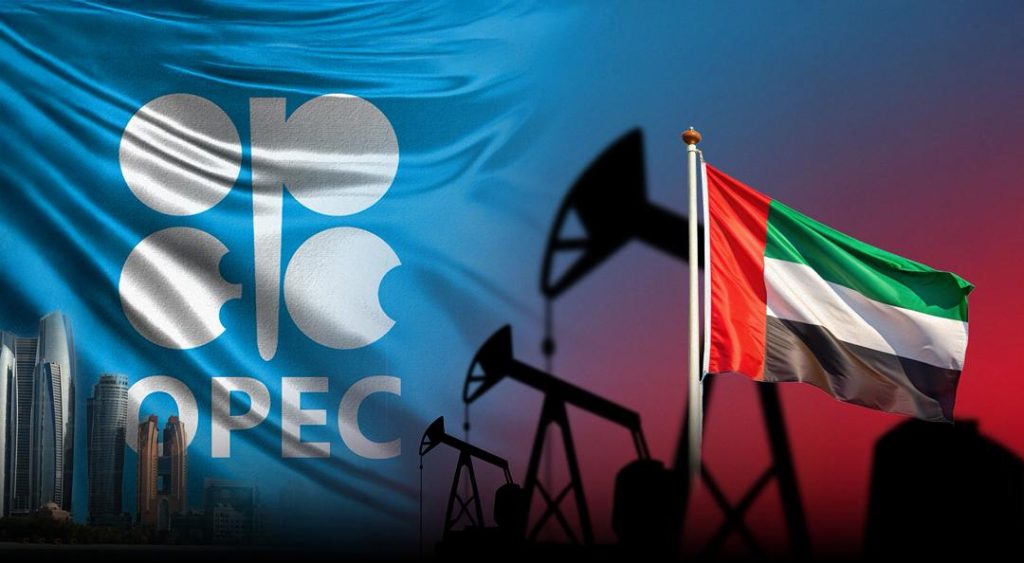
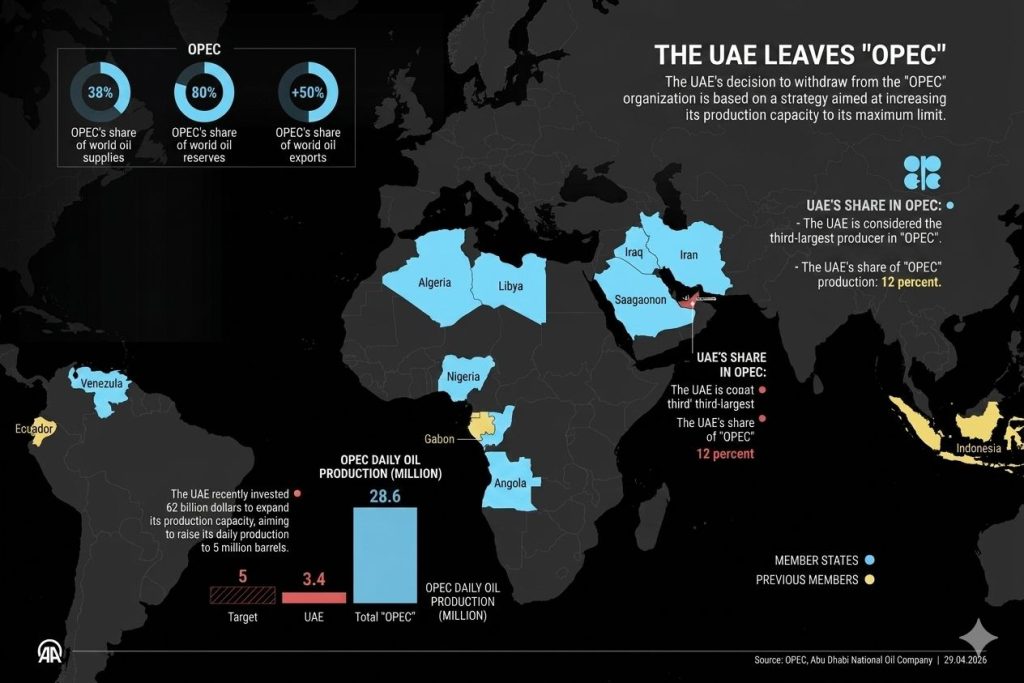
On April 28, 2026, the UAE announced its withdrawal from OPEC+, arguing that its production quota no longer reflected its true capacity of approximately 4.85 million barrels per day.
From Abu Dhabi’s perspective, the economic rationale was clear: maintaining production significantly below capacity meant leaving substantial revenue on the table.
However, timing matters. The decision came at a moment of heightened uncertainty surrounding the Strait of Hormuz, when regional coordination carried particular strategic value.
The UAE’s calculation appears straightforward: if geopolitical tensions intensify, it gains flexibility to increase production without collective restrictions and position itself as a reliable alternative supplier. If tensions ease, it risks standing outside a framework that has shaped global oil governance for decades.
Whether this move proves visionary or costly remains dependent on future developments.
Saudi Arabia: The Power of Strategic Patience
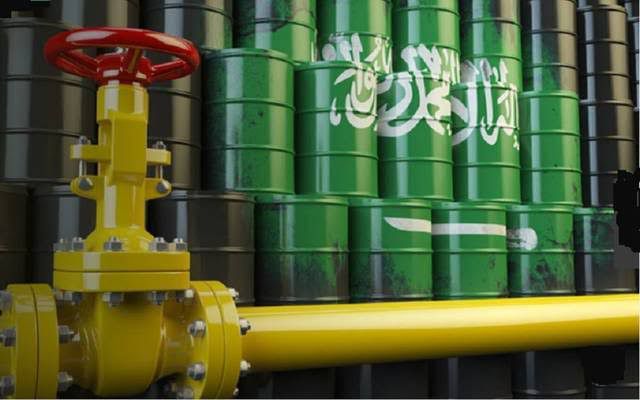
Saudi Arabia’s response was striking not because of what it said, but because of what it did not say.
No public confrontation. No threats. No escalation. Riyadh continued its agenda with calm consistency.
This reflects a broader principle: long-term strategic stability often outweighs short-term political reaction.
Saudi Arabia understands that its relationship with the UAE extends far beyond oil, encompassing economic cooperation, regional security, and decades of strategic alignment. Escalation would carry mutual costs.
As a result, Riyadh appears focused on quietly reassessing the evolving energy landscape.
UAE Approach
- Bold and fast decision-making
- Focus on immediate economic opportunity
- Greater operational flexibility
- Higher strategic exposure
Saudi Approach
- Long-term strategic patience
- Preservation of regional partnerships
- Collective influence over confrontation
- Lower political risk
Algeria: Building Credibility Through Consistency
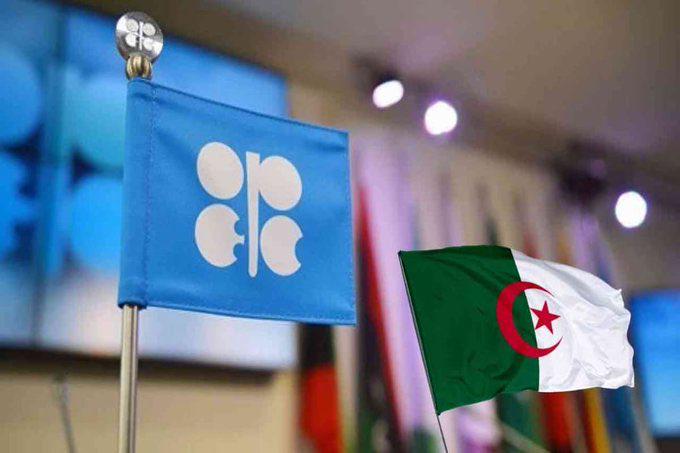
Amid these shifts, Algeria continues to follow a quieter but steady path.
Its production increases remain modest compared to major producers, yet its influence lies in consistency rather than volume.
By maintaining commitment to OPEC+ during periods of uncertainty, Algeria strengthens its reputation as a reliable and predictable partner within the global energy framework.
This credibility, while less visible than output figures, is often more valuable in long-term geopolitical positioning.
Algeria’s Position
- Continued commitment to OPEC+
- Stable and predictable energy policy
- Strengthening diplomatic credibility
- Benefiting from collective stability
OPEC+ Meeting: A New Wave of Pressure
In its latest meeting, OPEC+ confirmed a collective production increase of 188,000 barrels per day, extending its gradual easing of previous output cuts.
The allocation of this increase reflects the internal hierarchy of the group. Saudi Arabia and Russia each received 62,000 bpd, Iraq 26,000 bpd, Kuwait 16,000 bpd, Kazakhstan 10,000 bpd, while Algeria and Oman were allocated 6,000 bpd each.
Although presented as a technical adjustment, the decision increases pressure on oil prices and highlights growing asymmetry within the alliance, where adjustments are unevenly distributed among members.
This shift reinforces a deeper reality: OPEC+ coordination is increasingly tested by diverging national priorities and market strategies.
The Bigger Lesson
The most important lesson from this episode goes beyond oil markets.
In geopolitics, influence is not only measured by production capacity or bold moves, but also by patience, credibility, and strategic timing.
The UAE chose flexibility and risk. Saudi Arabia chose patience and stability. Algeria chose consistency.
And in global energy politics, sometimes silence is the strongest position of all